
Self-discipline is like a muscle; the more we exercise it, the stronger it gets. By using positive reinforcement, we can effectively boost our self-discipline and achieve our goals. Let’s explore how to make this happen!
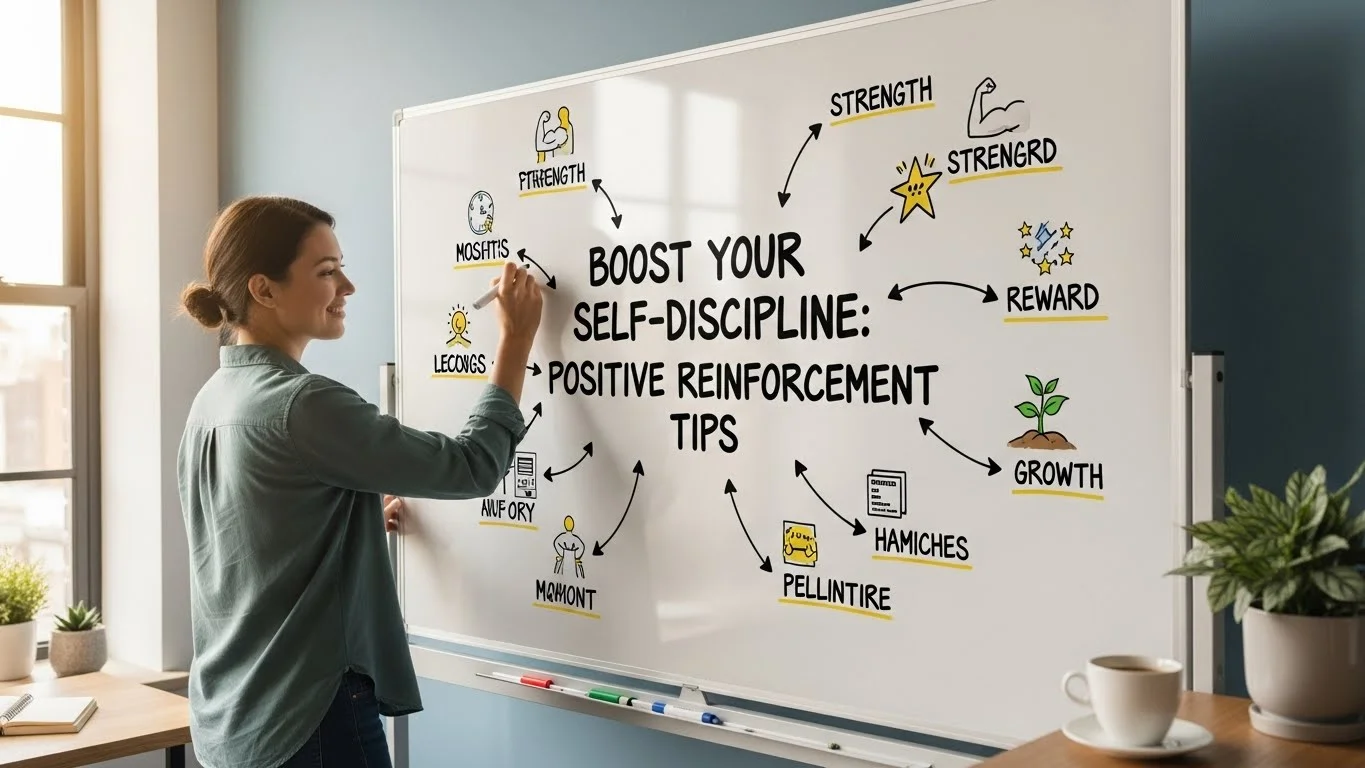
Understanding Self-Discipline
Definition of Self-Discipline
Self-discipline is the ability to control our thoughts, emotions, and behaviors to achieve long-term goals. It’s about making choices that align with our values and aspirations, even when faced with distractions or temptations. I remember when I first started my journey towards self-discipline; I learned that it wasn’t just about willpower, but rather a series of decisions I made daily that shaped my habits and outcomes.
Importance of Self-Discipline in Daily Life
Having self-discipline is crucial in various aspects of our lives. It helps us stay focused on our tasks, maintain our health, and build strong relationships. For instance, I found that when I practiced self-discipline in my work, I was able to complete projects ahead of deadlines, which led to new opportunities and growth. It’s like a ripple effect; as we become more disciplined in one area, it often spills over into others, enhancing our overall quality of life. Mastering Positive Discipline: Tips for Parents Using Reinforcement can provide additional insights into how discipline plays out in parenting and personal growth.
Common Challenges to Maintaining Self-Discipline
We all face challenges when trying to maintain self-discipline. One of the biggest hurdles I’ve encountered is procrastination. I often find myself putting off tasks until the last minute, which only adds to my stress. Other common challenges include distractions from technology, lack of motivation, and the temptation to indulge in short-term pleasures over long-term rewards. I’ve noticed that identifying these challenges is the first step toward overcoming them. It’s about being aware of my triggers and making conscious choices to push through them.
The Role of Positive Reinforcement
What is Positive Reinforcement?
Positive reinforcement involves providing rewards or incentives to encourage desired behaviors. This concept is rooted in behavioral psychology, where actions that are followed by positive outcomes are more likely to be repeated. I’ve used this technique in various areas of my life, from my fitness routine to my work projects. When I reward myself after achieving small goals, I feel more motivated to keep going.
How Positive Reinforcement Works in Behavior Change
When we engage in positive reinforcement, it creates a cycle of motivation and reward. Each time we meet a goal, no matter how small, we experience a sense of achievement. This, in turn, encourages us to strive for more. I remember the first time I completed a week of my exercise routine without skipping a day; I treated myself to a nice meal. That little reward made me want to continue exercising regularly.
Benefits of Using Positive Reinforcement
The benefits of positive reinforcement are immense. For one, it builds confidence and boosts self-esteem. I’ve found that celebrating my achievements, even the minor ones, reinforces my belief that I can reach my larger goals. Additionally, it promotes a positive mindset, making the journey towards self-discipline feel rewarding rather than punitive. We naturally gravitate towards what feels good, and when discipline becomes associated with rewards, it transforms into a more enjoyable process.
Effective Positive Reinforcement Strategies
Setting Clear Goals and Objectives
Setting clear goals is the foundation of positive reinforcement. I learned that the more specific and measurable my goals are, the easier it is to track my progress. For example, instead of saying, “I want to get fit,” I set a goal to exercise for 30 minutes, five times a week. This clarity allows me to focus on my objectives and recognize my achievements along the way.
Identifying Personal Rewards
Identifying what motivates us personally is key. I’ve discovered that what works for someone else might not work for me. I enjoy treating myself to a favorite snack or a relaxing evening after completing a challenging task. By understanding what rewards truly motivate me, I can make my self-discipline journey much more enjoyable. Fostering Empathy in Kids: Travel Tips for Positive Discipline offers great strategies for finding motivation in parenting situations.
Creating a Reward System
Creating a structured reward system can help maintain motivation. I started using a simple chart where I mark off my achievements and assign rewards to specific milestones. This not only gives me something to look forward to but also helps me stay accountable. I love the feeling of marking off a box and knowing that a little celebration awaits me.
Utilizing Self-Affirmation Techniques
Self-affirmation is another powerful tool in building self-discipline. I often remind myself of my strengths and past successes, which reinforces my belief in my abilities. Phrases like “I am capable” or “I have succeeded before” help me push through challenging moments. I believe that the way we talk to ourselves can significantly impact our motivation and discipline.
Incorporating Small Wins into Daily Routines
Incorporating small wins into our daily routines can create momentum. I’ve noticed that when I focus on small tasks, like organizing my workspace or completing a quick workout, it sets a positive tone for the day. These small accomplishments build up, making larger goals feel more attainable. I often find myself surprised at how much I can achieve when I break things down into bite-sized pieces.
Building Habits through Positive Reinforcement
Understanding Habit Formation
Building habits is like laying the foundation for a strong house. Just as a house needs a solid base, our goals require consistent actions to grow into lasting habits. I’ve learned that habits form through repetition and reinforcement. When I repeated a behavior regularly, it began to feel natural, like second nature. I remember reading about the “21-day rule,” which suggests that it takes about three weeks to form a new habit. For me, this was true when I started meditating daily; at first, it felt awkward, but gradually, it became something I looked forward to every morning. Understanding this process helped me appreciate that creating lasting habits takes time and patience.
Using Positive Reinforcement to Build New Habits
Positive reinforcement is a powerful tool in habit formation. Each time I rewarded myself for sticking to a new behavior, I noticed that it became easier to continue. For instance, when I started drinking more water daily, I decided to reward myself with a fun sticker for my water intake. It may seem silly, but every time I saw that sticker, it reminded me of my progress and encouraged me to keep going. I discovered that even small rewards could make a significant difference in how I perceived my efforts. I believe that by associating new habits with positive feelings, we can make them a permanent part of our lives.
Tracking Progress and Celebrating Milestones
Tracking our progress is essential in the journey of building habits. I found that keeping a journal or using apps to monitor my habits helped me visualize my achievements. For instance, I created a simple checklist for my daily tasks, marking them off as I completed them. Each checkmark felt like a mini-celebration! I also set milestones for larger goals, such as a reward for sticking to a new exercise routine for a month. Celebrating these milestones reinforced my commitment and gave me something to look forward to. I think it’s important to acknowledge our progress, no matter how small, because it helps build momentum and keeps us motivated.
Common Mistakes to Avoid
Over-rewarding and Its Effects
While positive reinforcement is effective, I learned that it’s essential to strike a balance. Over-rewarding can lead to a decline in motivation over time. For example, I used to treat myself to a big dessert after every workout. Initially, it felt great, but I soon realized I was negating my progress. I started feeling like I was working out just for the reward rather than for my health. Now, I aim to choose rewards that align more with my goals, like treating myself to a new workout outfit after a month of consistent exercise. This way, I maintain the excitement of rewards without undermining my efforts.
Neglecting Consistency in Reinforcement
Another mistake I’ve made is being inconsistent with my reinforcement. I used to reward myself sporadically, which meant that I didn’t always feel motivated to stick to my goals. I learned that consistency in reinforcement is crucial for forming strong habits. I now make it a point to celebrate my achievements regularly. Whether it’s a simple acknowledgment of my hard work or a small treat, keeping a steady flow of reinforcement keeps me focused and engaged. I believe that regular reinforcement helps solidify the connection between my efforts and the rewards.
Ignoring Negative Behavior Patterns
While I was focusing on the positives, I realized I often overlooked negative behavior patterns that could sabotage my progress. For example, I would reward myself for a productive day but ignore the fact that I had spent hours scrolling on social media, which distracted me from my goals. It became apparent that I needed to address these negative patterns, too. I now take time to reflect on what behaviors are hindering my self-discipline, and I create strategies to manage them. By acknowledging both positive actions and negative habits, I can create a more balanced approach to reinforcement.
Real-life Examples of Positive Reinforcement in Action
Case Study: Personal Development Success Stories
In my journey, I’ve encountered numerous inspiring stories of individuals who used positive reinforcement to transform their lives. One of my friends, Sarah, wanted to improve her public speaking skills. She set a goal to practice weekly, and every time she completed a session, she treated herself to a movie or a night out with friends. This strategy not only made her practice more enjoyable but also encouraged her to face her fears head-on. Over time, Sarah became a confident speaker and even landed a job where she frequently presents. Her story reminded me that positive reinforcement can play a critical role in personal development!
Positive Reinforcement in Educational Settings
Schools often use positive reinforcement to encourage students to achieve their goals. I’ve seen teachers reward students with praise, stickers, or extra recess time for completing assignments or exhibiting good behavior. In my experience as a tutor, I’ve noticed that students who receive positive feedback are more likely to engage and perform better academically. I believe that creating a positive learning environment through reinforcement can significantly impact students’ motivation and success.
Workplace Applications of Positive Reinforcement
In the workplace, positive reinforcement can lead to higher employee satisfaction and productivity. I remember when my team was recognized for completing a project ahead of schedule. Our manager treated us to lunch as a reward, which not only boosted morale but also encouraged us to keep up the good work. I think organizations that prioritize positive reinforcement foster a culture of appreciation and motivation, making it a win-win for everyone involved.
Tools and Resources for Enhancing Self-Discipline
Apps for Tracking Goals and Rewards
In our tech-driven world, there are countless apps designed to help us enhance our self-discipline. I’ve experimented with several, and I’ve found that tracking my goals digitally can be incredibly motivating. For example, I really enjoy using Habitica, which gamifies my tasks, turning them into a fun role-playing game. Every time I check off a task, I earn rewards that I can use within the app. It feels rewarding and keeps me engaged. Similarly, apps like Todoist and Trello help me organize my goals and track my progress visually. They allow me to set deadlines and reminders, making it easier to stay on top of my commitments. If you haven’t tried using a goal-tracking app yet, I highly recommend giving it a shot!
Books and Literature on Self-Discipline and Positive Reinforcement
Reading can be a powerful tool in our journey toward self-discipline. I remember picking up “The Power of Habit” by Charles Duhigg, which changed my perspective on how habits work. It delves into the science behind habit formation and provides practical advice on how to create new, positive habits while breaking old, negative ones. Another book that resonated with me is “Atomic Habits” by James Clear. It emphasizes the importance of small changes and how they can lead to significant results over time. I found that consuming this kind of literature not only equips me with knowledge but also inspires me to implement what I learn. If you’re looking for a boost in your self-discipline journey, I suggest exploring these books; they offer valuable insights and practical strategies.
Community Support and Accountability Groups
Having a support system can dramatically enhance our self-discipline efforts. I’ve joined several online forums and local groups focused on personal development, where we share our goals and hold each other accountable. I remember when I joined a fitness accountability group; the camaraderie and shared experiences motivated me to stick with my exercise routine. It’s amazing how much a supportive community can push us to stay committed. Additionally, platforms like Meetup can help you find local groups that align with your interests and goals. If you’re struggling to stay disciplined, I encourage you to seek out a community—whether online or in person—because we can achieve so much more together.
Making Positive Reinforcement a Habit
Developing a Routine for Reinforcement
Creating a routine around positive reinforcement is crucial for making it a sustainable practice in our lives. I learned that consistency is key. I decided to set aside a specific time each week to review my goals and the rewards I’ve earned. During this reflection time, I not only celebrate my achievements but also reassess my goals for the upcoming week. It’s become a ritual that I genuinely look forward to. Establishing a routine like this can help ground our self-discipline efforts and ensure that we don’t lose sight of our rewards. I believe that making this a regular part of our lives can help reinforce positive behaviors more effectively.
Using Visual Reminders for Reinforcement
Visual reminders can be incredibly powerful in keeping positive reinforcement top of mind. I’ve found that creating a vision board has helped me stay focused on my goals and the rewards I want to achieve. I cut out images and quotes that inspire me and place them where I can see them every day. There’s something motivating about having a tangible reminder of what I’m working toward. Additionally, I use sticky notes with affirmations and reminders around my workspace to keep me aligned with my goals. These visual cues remind me to celebrate my accomplishments, no matter how small, and encourage me to stay on track.
Continuously Educating Yourself About Self-Discipline
Self-discipline is a skill that can always be refined. I believe that continuously educating myself about the concepts of self-discipline and positive reinforcement keeps my motivation alive. I regularly listen to podcasts, watch TED Talks, and read articles on personal development. These resources offer fresh perspectives and new techniques that I can incorporate into my routine. I’ve found that staying curious and open to learning can significantly enhance my self-discipline journey. It makes me excited to experiment with new strategies and find what works best for me.
Frequently Asked Questions
What is self-discipline?
Self-discipline is the ability to control our thoughts, emotions, and behaviors to achieve long-term goals. It involves making choices that align with our values and aspirations, even when faced with distractions or temptations.
Why is self-discipline important in daily life?
Self-discipline is crucial as it helps us stay focused on tasks, maintain our health, and build strong relationships. Practicing self-discipline can lead to completing projects ahead of deadlines and creating a ripple effect that enhances overall quality of life.
What are common challenges to maintaining self-discipline?
Common challenges include procrastination, distractions from technology, lack of motivation, and the temptation to indulge in short-term pleasures over long-term rewards. Identifying these challenges is the first step toward overcoming them.
What is positive reinforcement?
Positive reinforcement involves providing rewards or incentives to encourage desired behaviors. It is rooted in behavioral psychology, where actions followed by positive outcomes are more likely to be repeated.
How does positive reinforcement work in behavior change?
Positive reinforcement creates a cycle of motivation and reward. Each time we meet a goal, we experience a sense of achievement that encourages us to strive for more.
What are effective strategies for using positive reinforcement?
Effective strategies include setting clear goals, identifying personal rewards, creating a structured reward system, utilizing self-affirmation techniques, and incorporating small wins into daily routines.
How can positive reinforcement help in building habits?
Positive reinforcement can make it easier to continue new behaviors by associating them with rewards. Each time a behavior is rewarded, it becomes easier to maintain, helping to form lasting habits.
What mistakes should be avoided when using positive reinforcement?
Common mistakes include over-rewarding, neglecting consistency in reinforcement, and ignoring negative behavior patterns that could sabotage progress.
What tools and resources can enhance self-discipline?
Tools include apps for tracking goals and rewards, literature on self-discipline and positive reinforcement, and community support or accountability groups that can enhance motivation.
How can positive reinforcement be made a habit?
To make positive reinforcement a habit, one can develop a routine for reinforcement, use visual reminders, and continuously educate oneself about self-discipline and positive reinforcement techniques.