
Traveling with toddlers is more than just exploring new places; it’s a powerful opportunity to nurture their emotional skills. As we journey together, we can help our little ones learn and grow in amazing ways. Read Interesting article: How Travel Shapes Your Toddler’s Emotional Intelligence
Understanding Emotional Skills in Toddlers
What are Emotional Skills?
When I first started thinking about my toddler’s emotional development, I wanted to understand what emotional skills really meant. Emotional skills are the abilities that help children recognize, understand, express, and manage their feelings. For toddlers, these skills can be as simple as recognizing when they’re feeling happy, sad, or frustrated. I remember the first time my little one pointed to his face and said, “happy!” It was a proud moment, showing me he was beginning to grasp his emotions.
As toddlers grow, they also learn to navigate their feelings and understand the emotions of others. This is where empathy comes into play. I’ve seen my child share his toys or offer a hug when a friend is upset. These moments are critical as they lay the foundation for strong emotional intelligence.
The Importance of Emotional Development
Emotional development in toddlers is crucial for their overall well-being and future success. I’ve come to realize that children who can understand and express their feelings often have better social skills, can handle challenges more effectively, and are more resilient in the face of difficulties. I’ve noticed this firsthand in my own child, especially when faced with new experiences.
Moreover, emotional skills contribute to better relationships with peers and adults. They help children communicate their needs and collaborate with others. For example, when my toddler started preschool, it was fascinating to see how quickly he adapted socially. I believe this was due to his ability to express his feelings and understand those of his classmates.
How Travel Can Enhance Emotional Skills
Traveling with toddlers is a unique way to boost their emotional skills. I have found that stepping out of our everyday routine exposes them to new experiences and challenges, which can significantly enhance their emotional growth. Each trip we take seems to open new doors in understanding how to manage feelings and interact with the world. Read Interesting article: How Travel Boosts Healthy Emotional Growth in Toddlers
When we travel, my toddler faces new situations—like navigating airport security or trying unfamiliar foods. At first, he might feel anxious or overwhelmed, but with my guidance, he learns to express those feelings. I recall a trip where he was hesitant to try a new dish. Instead of pushing him, I encouraged him to share his thoughts. We talked about trying new things and how it can be exciting. Eventually, he took a bite and smiled, realizing he liked it! This small moment was a giant leap in his emotional journey.
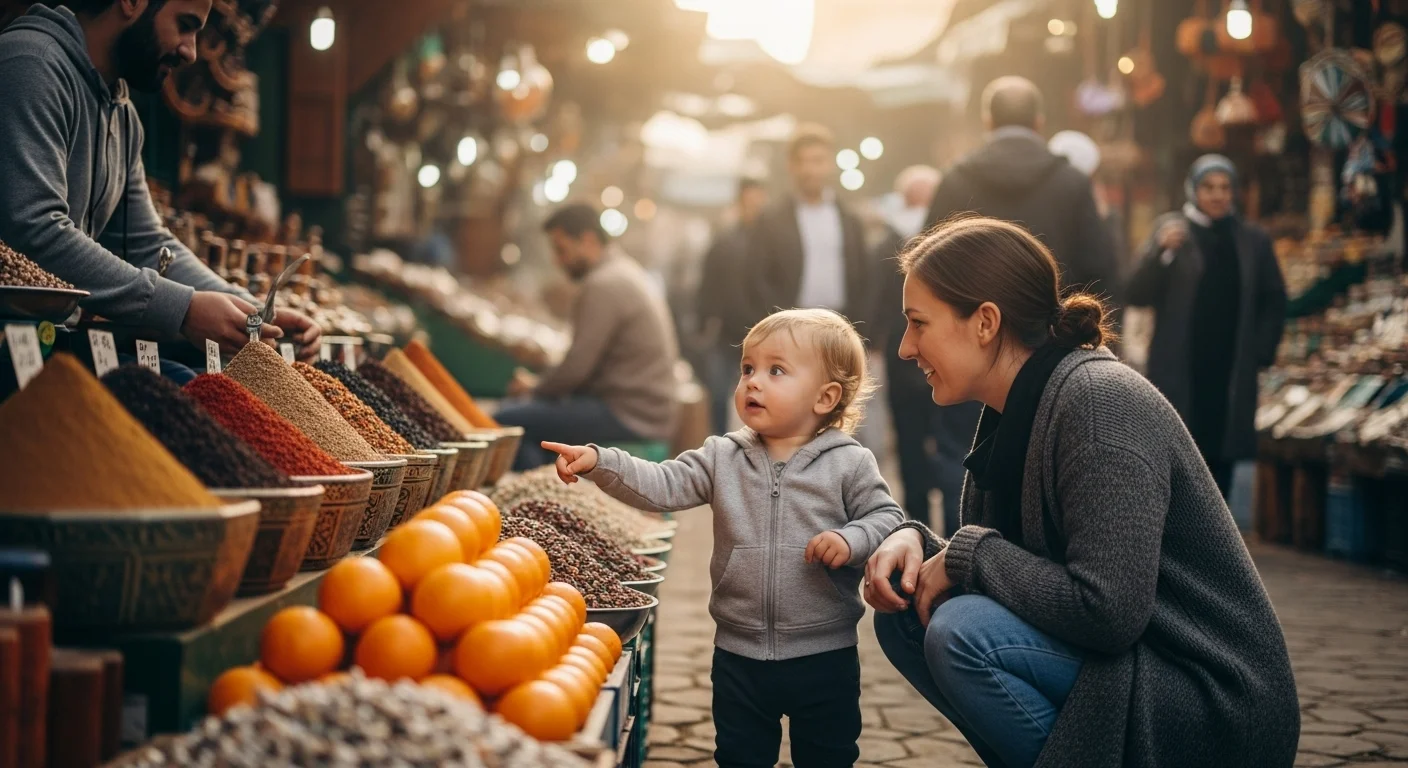
Traveling also encourages empathy. We often meet people from different cultures, allowing my child to see the world from various perspectives. I remember a moment in a vibrant market where he noticed a child selling handmade crafts. After we chatted with the child and learned about his life, my toddler expressed a desire to help him. This moment sparked a conversation about kindness and understanding, reinforcing the importance of empathy in our interactions.
Through travel, we can also cultivate resilience. I’ve learned that things don’t always go as planned—flights can be delayed, weather can change, and accommodations can fall short of expectations. These experiences teach my toddler that it’s okay to feel frustrated or disappointed, but it’s also essential to adapt and find joy in the moment. I often remind him that even when things go wrong, we can still create wonderful memories together.
Lastly, travel provides a rich backdrop for emotional expression. Whether it’s the thrill of seeing a new landmark or the comfort of our hotel room after a long day, each experience offers a chance for my toddler to express his emotions. I’ve found that when I encourage him to talk about his feelings during our travels, it helps him articulate what he’s experiencing and fosters a stronger emotional connection between us.
In essence, travel is more than just a break from routine; it’s an enriching journey that nurtures emotional skills in toddlers. By exposing them to new experiences, cultures, and challenges, we are helping them grow into empathetic, resilient individuals. I can’t wait to see where our next adventure takes us and how it will shape my child’s emotional development even further.
Choosing Destinations that Foster Emotional Growth
Family-Friendly Locations
When I think about the best places to travel with my toddler, I often gravitate towards family-friendly locations. These places are not only fun for kids but are also designed to create a supportive environment for emotional growth. I remember our trip to a well-known amusement park. It was filled with exciting rides and attractions that catered to young children. What struck me the most was how the park had designated areas for toddlers to play and explore without feeling overwhelmed.
In my experience, choosing a destination with age-appropriate activities can make all the difference. These locations often have friendly staff who understand the needs of little ones, making it easier for us parents to navigate any challenges that may arise. I’ve found that visiting places where my child can interact with other kids and participate in group activities helps him build social skills and learn how to express his feelings in various situations.
Cultural Experiences and Exposure
Another aspect I love about traveling is introducing my toddler to new cultures. It’s amazing how much we can learn from different ways of life. When we visited a city known for its rich heritage, I made it a point to immerse us in the local culture. We attended a traditional festival, where my child was surrounded by music, dance, and vibrant colors. I remember him clapping along to the rhythms and trying to mimic the dancers. These experiences foster a sense of connection and understanding, allowing him to see the world through different lenses.
Engaging with locals can also spark enriching conversations. I’ve noticed how my child is curious and eager to learn. During one trip, we met a local artist who shared stories about his craft. My toddler was captivated, and it opened up a dialogue about creativity and expression. These encounters teach children to appreciate diversity and develop empathy towards others, which I believe is invaluable for their emotional development. Read Interesting article: Discover the Impact of Play on Toddler Emotional Skills
Nature and Outdoor Adventures
There’s something about nature that feels like a breath of fresh air, both literally and figuratively. I’ve always been drawn to destinations that offer outdoor adventures, as these experiences help my toddler connect with the world around him. From hiking to exploring beaches, being in nature allows children to express their emotions freely. I often see my child running, laughing, and discovering new things, which seems to boost his mood and overall happiness.
On our last camping trip, I was amazed at how my toddler reacted to sitting around the campfire. He was curious about the flickering flames and enjoyed roasting marshmallows. We shared stories and laughed, creating an atmosphere of comfort and security. I noticed that being outdoors encouraged him to open up about his feelings—he expressed excitement, curiosity, and even a little fear when he heard a rustle in the bushes. These moments are invaluable for emotional growth, as they teach children to articulate their thoughts and feelings in a safe environment.
Travel Activities That Promote Emotional Skills
Engaging in Local Culture
One of my favorite activities while traveling with my toddler is engaging in local culture. I believe that participation is a fantastic way to learn and grow emotionally. When we arrived in a new city, I made it a point to find local events, whether it was a craft fair or a street performance. Watching performers dance and sing inspired my toddler to join in, and it was beautiful to see him express joy and excitement. He even tried his hand at a few crafts, which gave him a sense of accomplishment.
These cultural experiences have a way of broadening a child’s understanding of the world. I’ve found that when my child engages with different traditions and practices, it enhances his ability to empathize with others. He begins to see that while people may have different customs, emotions like happiness, sadness, and excitement are universal.
Participating in Interactive Workshops
Interactive workshops are another fantastic way to foster emotional skills. I remember a cooking class we took while on vacation. My toddler was excited to help mix and measure ingredients. It was a hands-on experience that allowed him to express creativity and make choices about what to include in our dish. As we cooked, we talked about different foods and where they came from, which opened up a dialogue about preferences and feelings.
These workshops not only promote creativity but also teach kids about collaboration. When my child worked alongside others, he learned to share, take turns, and communicate his ideas. I believe that being part of a group activity helps toddlers develop social skills and emotional intelligence, which are essential for their growth.
Exploring Nature Together
Exploring nature together is one of the most fulfilling activities we can do as a family. Whether it’s a nature walk or birdwatching, I encourage my toddler to observe the environment closely. I have noticed that being outdoors allows him to connect with his feelings. One day, we were hiking, and he noticed the vibrant colors of the flowers. His excitement was contagious as he exclaimed, “Look, Mommy, so pretty!” This simple moment fostered a sense of appreciation and wonder in him.
Nature exploration also provides opportunities for discussions about emotions. When we encounter challenges, like steep trails or muddy paths, I encouraged him to express any frustration he might feel. I found that talking about these feelings helped him understand that it’s okay to be upset sometimes. We learned together that overcoming challenges can lead to joy and accomplishment, reinforcing his emotional resilience.
Preparing Your Toddler for Travel
Discussing the Travel Experience
Before embarking on a new adventure, I find it essential to talk to my toddler about what to expect. At first, I wasn’t sure how to approach this conversation, but I discovered that it really helps him feel more secure. I usually start by sharing exciting details about our destination—like the fun things we’ll see and do. I remember telling him about a trip to the beach, describing the waves, building sandcastles, and searching for seashells. His eyes lit up with excitement!
We also discuss any potential challenges that might arise during our travels. For example, I explain that there might be long waits at the airport or that we may need to try different foods. By preparing him for both the thrilling and the challenging parts, I feel like I’m giving him the tools he needs to handle various emotions. This way, if something unexpected happens, he’s less likely to feel overwhelmed and more ready to express how he feels about it.
Packing Essentials for Emotional Comfort
When it comes to packing for our trips, I’ve learned that bringing a few comfort items can make a world of difference for my toddler. I always include his favorite stuffed animal or blanket. These items provide a sense of security, especially in unfamiliar environments. I remember our first family vacation where I forgot his teddy bear. It turned into a bit of a disaster until we found a store selling stuffed animals, and I was relieved to see him cuddle with his new friend.
I also pack some of his favorite snacks and small toys. Familiar foods can comfort him when trying new cuisine might feel daunting. Snacks have a magical way of brightening his mood, especially during long flights or car rides. I’ve discovered that keeping him engaged with some travel-friendly toys or coloring books can also help ease any anxiety he might feel during our journey.
Setting Expectations for the Trip
Setting realistic expectations is another critical step in preparing for travel. I’ve found that explaining our itinerary in simple terms helps my toddler understand what we’ll be doing each day. We often create a visual schedule together, which includes pictures of the places we’ll visit. This way, he knows what’s coming next, making it easier to transition from one activity to another.
I remember one trip where we planned a visit to a zoo. I showed him pictures of the animals we would see and talked about how we would walk around and explore. However, I also reminded him that we might need to wait in line to enter different exhibits. By preparing him for these wait times, he seemed less frustrated when they occurred and more eager to see the animals once we got inside.
During the Trip: Activities to Boost Emotional Skills
Encouraging Open Communication
During our travels, I prioritize encouraging open communication. I make it a point to ask my toddler how he feels about our experiences. I often say, “What was your favorite part of today?” or “How did that make you feel?” I’ve noticed that these questions invite him to express his emotions more openly. It’s fascinating to hear his thoughts, even if they’re simple. Sometimes he just smiles and says, “Happy!” and other times, he might share a feeling of confusion about something he saw.
I also encourage him to voice any concerns or worries he might have. For instance, if he feels nervous about a new activity, I reassure him that it’s okay to feel that way. We talk it out, and I often share my own experiences of feeling nervous and how I cope. This exchange fosters a sense of trust between us and helps him see that his feelings are valid and important.
Promoting Empathy Through Cultural Interaction
One of the most rewarding aspects of traveling is the opportunity to promote empathy through cultural interactions. I intentionally seek out experiences that allow my toddler to engage with local communities. Whether we’re at a farmers’ market or visiting a cultural festival, I encourage him to interact with vendors and performers. I remember watching him shyly approach a musician playing a local instrument. After some encouragement, he eventually waved and smiled, which sparked a friendly conversation.
These moments teach him that people have unique stories and backgrounds. I often share stories about the people we meet, discussing their traditions and how they might feel. This not only enhances his understanding of diversity but also builds his capacity for empathy. I’ve seen how these encounters create a sense of connection and inspire kindness in him.
Handling Emotions on the Go
Traveling can sometimes lead to emotional ups and downs. I’ve noticed that when my toddler gets tired or overwhelmed, he may express his feelings through meltdowns or withdrawal. I’ve learned to recognize these signs quickly, and addressing them head-on is crucial. If he seems upset, I take a moment to sit with him and talk about what he’s feeling. I often say, “I see you’re frustrated. Want to take a break?” This simple acknowledgment helps him feel heard and understood.
We also incorporate calming techniques into our travel routine. On one trip, I introduced him to deep breathing exercises. Whenever he felt overwhelmed, we would take a few deep breaths together, and I explained how it could help him feel better. These small practices have become a part of our travel toolkit, giving him strategies to manage his emotions effectively while on the go.
Frequently Asked Questions
What are emotional skills in toddlers?
Emotional skills are the abilities that help children recognize, understand, express, and manage their feelings. For toddlers, this includes recognizing when they feel happy, sad, or frustrated and learning to navigate their feelings and understand the emotions of others.
Why is emotional development important for toddlers?
Emotional development is crucial for toddlers as it contributes to their overall well-being and future success. Children who understand and express their feelings often have better social skills, can handle challenges more effectively, and build stronger relationships with peers and adults.
How can traveling enhance emotional skills in toddlers?
Traveling exposes toddlers to new experiences and challenges, which can significantly boost their emotional growth. It helps them learn to express feelings, develop empathy by interacting with different cultures, and cultivate resilience through unexpected situations.
What types of destinations are best for fostering emotional growth in toddlers?
Family-friendly locations that offer age-appropriate activities, cultural experiences, and outdoor adventures are ideal for fostering emotional growth. These environments support interaction with other children and provide opportunities for exploration and learning.
How can engaging with local culture benefit a toddler’s emotional development?
Engaging with local culture broadens a child’s understanding of the world and enhances their ability to empathize with others. Participating in local events and traditions allows toddlers to express joy and excitement while learning about different customs and emotions.
What activities can promote emotional skills while traveling?
Activities such as participating in interactive workshops, exploring nature together, and engaging in local cultural events can promote emotional skills. These experiences encourage creativity, collaboration, and open communication about feelings.
How should parents prepare their toddler for travel?
Parents should discuss the travel experience with their toddler, explaining what to expect, potential challenges, and exciting activities. Packing comfort items, favorite snacks, and setting realistic expectations can also help ease anxiety and provide security during the trip.
What strategies can parents use to encourage open communication during travel?
Parents can ask their toddlers about their feelings regarding experiences and encourage them to voice concerns. Sharing personal feelings and coping strategies can foster trust and help toddlers feel that their emotions are valid and important.
How can parents help toddlers handle emotions while on the go?
Recognizing signs of tiredness or overwhelm is crucial. Addressing these emotions head-on, offering breaks, and incorporating calming techniques like deep breathing exercises can help toddlers manage their feelings effectively while traveling.
Why is empathy important for toddlers, and how can travel promote it?
Empathy is vital for toddlers as it helps them understand and connect with others. Travel promotes empathy by providing opportunities to interact with diverse cultures and communities, fostering a sense of connection and inspiring kindness in children.