
Budget backpacking isn’t just about saving money; it’s a thrilling journey that can enhance language skills while exploring new cultures. Traveling on a budget opens doors to immersive experiences that foster early language development in ways traditional classrooms cannot.
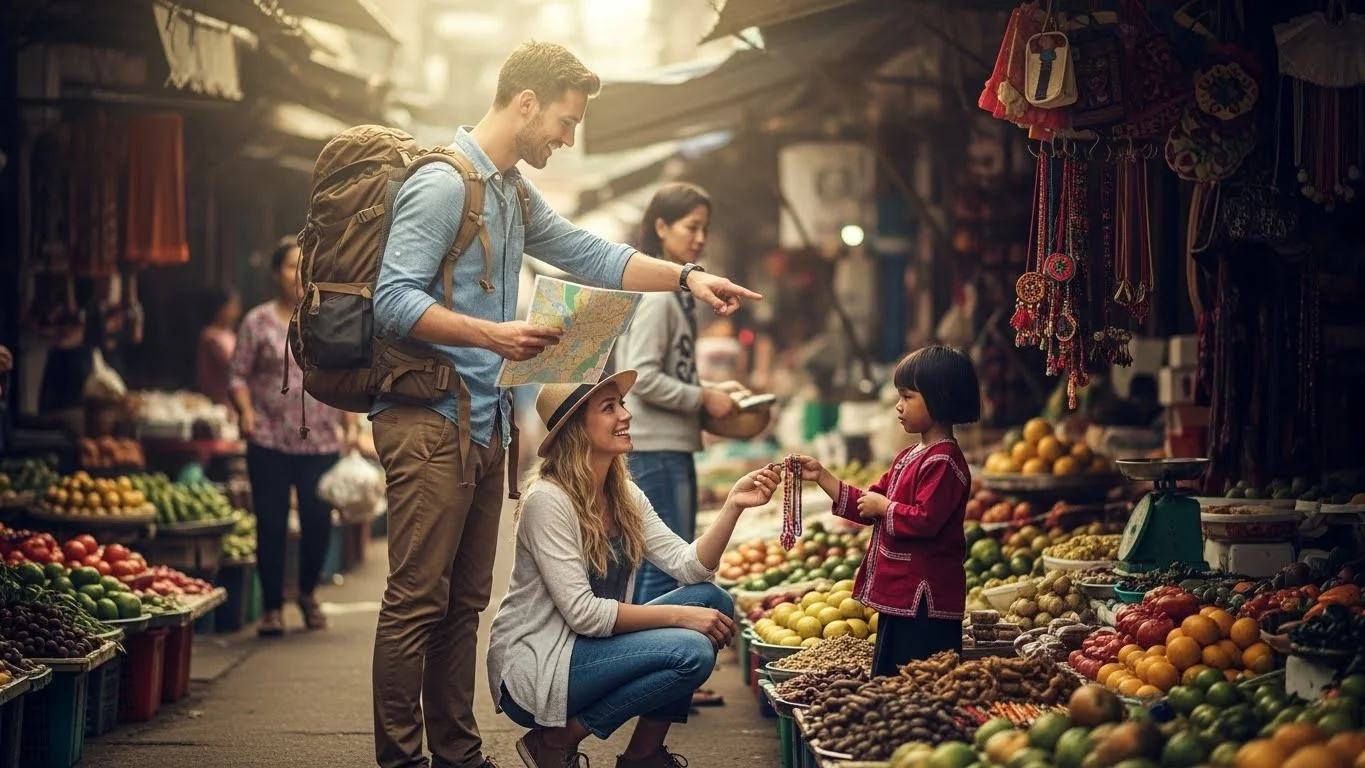
Understanding Budget Backpacking
Definition and Benefits of Budget Backpacking
Budget backpacking, in my experience, is all about traveling light and making the most of your resources. It’s a style of travel where you prioritize experiences over luxury. When I first ventured into budget backpacking, I was a bit hesitant—how could I enjoy myself without spending a fortune? But what I discovered was that this way of traveling offered me richer experiences and deeper connections with the places I visited. Budget Backpacking: Spark STEM Learning with Fun Activities can also enhance your travel experience.
One of the primary benefits of budget backpacking is flexibility. Without rigid itineraries or expensive accommodations tying you down, you can adapt your plans based on what you learn along the way. I remember spontaneously extending my stay in a small town in Portugal because I loved the local culture and wanted to practice my Portuguese. This flexibility not only saved me money but also allowed me to immerse myself in the language.
Another great advantage is the opportunity to meet fellow travelers. Hostels and budget accommodations often serve as social hubs where you can connect with people from all over the world. Sharing experiences and stories over a homemade meal or during a group hike can lead to friendships that enhance your journey. Plus, I found that many fellow backpackers were keen on learning languages, making it a perfect environment for practice and support.
Popular Destinations for Budget Backpacking
When I think of budget backpacking, certain destinations come to mind that are not only easy on the wallet but also rich in language and culture. Southeast Asia, for example, is a haven for backpackers. Countries like Thailand, Vietnam, and Indonesia offer affordable accommodations, food, and transportation. During my travels through Thailand, I enjoyed delicious street food for just a few dollars, all while practicing my Thai with friendly locals.
Europe can be another great spot for budget backpacking, especially if you focus on Eastern Europe. Countries like Poland, Hungary, and Romania are not only beautiful but also offer an array of budget-friendly options. I remember wandering through the cobbled streets of Krakow, feeling grateful that I was able to experience the rich history and culture without breaking the bank. Plus, many European cities have excellent public transportation systems, making it easy to explore without spending too much.
Central and South America are also fantastic for those looking to stretch their budget. Places like Mexico, Colombia, and Peru have a vibrant culture and are often very affordable. I’ve found that practicing Spanish in a bustling market in Mexico City or hiking the Inca Trail in Peru while chatting with fellow trekkers provided invaluable language learning opportunities.
Early Language Skills Development
The Importance of Early Language Acquisition
From my perspective, the earlier we start learning a language, the easier it is to absorb and retain it. Early language acquisition is crucial because young brains are like sponges, soaking up new sounds and structures effortlessly. Personally, I’ve seen how children who are exposed to a second language at an early age tend to have a natural knack for it later in life. It’s fascinating how the brain’s plasticity allows for this fluency to develop so seamlessly.
How Immersion Affects Language Learning
Immersion is one of the most effective ways to learn a language, and I can attest to its power. When I traveled to Spain, I found myself completely surrounded by Spanish speakers. At first, it felt overwhelming, but gradually, I started picking up phrases and vocabulary just by listening and trying to communicate. The constant exposure to the language, along with the cultural context, made it easier to grasp concepts that I had struggled with in a classroom setting.
Being in environments where only the target language is spoken forces you to adapt and learn quickly. I remember visiting a local café in Seville, where I had to order my food in Spanish. The experience was a little nerve-wracking but incredibly rewarding. Each interaction helped solidify my language skills and boosted my confidence.
Benefits of Learning a Language Abroad
Learning a language abroad offers unique benefits that you simply can’t replicate in your home country. For one, you get to practice in real-life situations. Whether it’s negotiating prices at a market or chatting with locals, these experiences provide context and meaning to the language you’re learning. I often found myself thinking in the language, which is a sign that I was absorbing it more deeply.
Additionally, living in a foreign culture allows you to understand nuances and slang that textbooks just can’t teach. I found that picking up on local phrases and idioms made conversations much richer and more enjoyable. Plus, the friendships I formed with locals and fellow travelers created a supportive learning environment where we could all help each other improve our skills.
Ultimately, budget backpacking combined with early language acquisition creates a powerful experience for personal growth and skill development. I believe that the adventures we embark on while traveling not only expand our horizons but also enrich our lives in ways we never imagined. Hands-On STEM: Budget Backpacking Tips for Family Travelers can add even more value to your journey.
Planning Your Budget Backpacking Trip
Choosing the Right Destination for Language Learning
When it comes to planning a budget backpacking trip with a focus on language learning, choosing the right destination can make all the difference. I’ve learned that some places are more conducive to language immersion than others, not just in terms of the language spoken, but also the culture and the opportunities available to interact with locals. For instance, if you’re eager to learn Spanish, countries like Spain, Mexico, and Colombia offer vibrant cultures and numerous chances to practice. I remember my time in Colombia, where the warmth of the people made it easy to strike up conversations everywhere, from bustling markets to quiet parks.
Besides language, consider the cost of living in your chosen destination. Some countries provide more bang for your buck while still offering rich linguistic experiences. Southeast Asia is often a top pick for budget travelers; I recall spending weeks in Vietnam, where I could enjoy the local cuisine and practice my Vietnamese without worrying about money. It’s a delightful mix of learning and adventure!
Budgeting for Your Trip
Budgeting is crucial for a successful backpacking experience. I always start with a rough estimate of how much I need for the entire trip, breaking that down into categories that reflect my spending habits. Here’s how I typically budget:
Accommodations
When it comes to accommodations, I prefer hostels or guesthouses that are both affordable and offer opportunities to meet fellow travelers. In my experience, hostels can range from dormitory-style rooms to private rooms at reasonable prices. I’ve stayed in some incredible hostels where I made lifelong friends and learned about local language and culture in the process. Websites like Hostelworld or Booking.com have been my go-to for finding the best deals. I also recommend checking for any discounts or special offers to help stretch your budget even further.
Food and Daily Expenses
Food is another area where you can save a lot of money while traveling. I’ve discovered that eating like a local is not just cheaper; it can also be a fantastic way to practice language skills. Street food in places like Thailand or Mexico was not only delicious but also affordable. I remember learning food-related vocabulary as I ordered from street vendors, which made the experience even more enjoyable. I typically allocate a daily budget for food and entertainment, ensuring I leave some room for trying new dishes or experiences along the way.
Transportation Costs
Transportation can be a significant part of your budget, especially if you plan to move around frequently. I’ve found that public transport is typically the best option for budget travelers. In Europe, trains and buses can be quite affordable if booked in advance. In Thailand, local tuk-tuks and songthaews provided a fun and economical way to explore. I always keep an eye out for transportation passes that can save me money over time. Plus, walking around new cities is a great way to soak in the atmosphere and practice the language.
Finding Affordable Flights
Getting to your destination can be one of the biggest expenses, but I’ve learned a few tricks to find affordable flights. Flexibility is key. I often use flight comparison websites to search for the best deals and keep my travel dates flexible if possible. This allows me to track price fluctuations and snag a great deal. I remember finding a round-trip flight to Europe for a fraction of what I expected simply by adjusting my travel dates by just a few days.
Also, consider flying into less popular airports. Often, flying into a smaller airport can save you money, and it can be a fun adventure in itself! I once landed in a small airport in Portugal and found it to be a charming gateway to explore the country without the usual tourist crowds.
Planning your budget backpacking trip can seem daunting at first, but with some thoughtful choices and a little flexibility, you can create an unforgettable experience that not only saves money but enriches your language skills and cultural understanding. I look forward to the adventures and stories that await us as we prepare for our next journey! Explore Budget Backpacking with STEM: Hands-On Activities can be a great resource for your travel planning.
Essential Gear for Backpacking
Backpack Recommendations
Choosing the right backpack can make or break your budget backpacking experience. I remember when I first started my travels; I didn’t realize how crucial the right pack would be. After some trial and error, I discovered that a good backpack should be lightweight, comfortable, and ideally have enough space for everything I needed without being too bulky.
For me, a 50 to 65-liter backpack proved perfect. It had just enough capacity for my clothes, gear, and souvenirs. I recommend looking for one with adjustable straps, as they can make a huge difference in comfort while you’re on the move. Also, consider getting a pack with multiple compartments. This feature helped me stay organized and made accessing things like my travel documents and snacks much easier.
Additionally, I found that investing in a rain cover was a game-changer. I had one unfortunate incident where a downpour caught me off guard, and my backpack ended up soaked. Now, I never leave home without it! So, when selecting a backpack, think about your specific needs and how you’ll be using it throughout your travels.
Language Learning Tools and Apps
As someone who loves immersing myself in new languages, I’ve discovered a variety of tools and apps that enhance the experience. Before my trips, I often download language learning apps like Duolingo or Babbel. These apps are fantastic for building a foundation and practicing vocabulary on the go. I typically set aside 10-15 minutes each day to practice, which really helped solidify my understanding.
During my travels, I also used translation apps like Google Translate. They come in handy for quickly looking up words or phrases when I’m in a pinch. I’ve had moments where I needed to communicate but couldn’t find the right words, and having my phone as a resource made all the difference. Plus, the conversation mode in these apps can be quite helpful for basic dialogues, allowing me to connect with locals more easily.
For those who prefer a more immersive approach, I highly recommend language exchange platforms like Tandem or HelloTalk. These apps connect you with native speakers looking to learn your language, creating a mutually beneficial learning environment. I remember chatting with a local in Colombia through Tandem; it allowed me to practice Spanish in a relaxed and friendly setting.
Travel Guides and Phrasebooks
While technology is a great resource, there’s something special about having a physical travel guide or phrasebook. I always carry a small phrasebook in my backpack, especially when I’m venturing to places with limited internet access. It’s a handy tool that helps me learn common phrases and expressions that can make navigating a new country much more enjoyable.
I’ve found that flipping through a guidebook not only provides useful phrases but also offers insights into local customs and culture. This knowledge came in handy when I needed to understand how to greet someone or order food politely. Additionally, I often reference travel guides to discover hidden gems that aren’t always listed online.
When I was in Thailand, I picked up a phrasebook that highlighted essential phrases for bargaining at markets. It turned out to be invaluable, as I managed to communicate effectively and even got some great deals on souvenirs by practicing my Thai!
Language Learning Opportunities Abroad
Language Schools and Courses
If you’re serious about boosting your language skills, enrolling in a language school or course can be a fantastic option. I’ve taken courses in various countries, and they provided structured learning that complemented my travel experience. The instructors were often native speakers, which helped me improve my pronunciation and understanding of local dialects.
I remember attending a Spanish school in Guatemala that offered immersive classes. Not only did I learn in a classroom setting, but we also had daily conversation practice with locals. This combination made the lessons more engaging and practical. Plus, the friendships I developed with fellow students turned into a support network that encouraged me to practice outside of class.
Homestays and Cultural Immersion Programs
Homestays have been some of the most rewarding experiences of my travels. Staying with a local family not only provides a unique cultural experience but also creates an immersive language learning environment. I recall my time in a homestay in Vietnam, where I enjoyed home-cooked meals and daily conversations with my host family. It was an incredible way to practice my Vietnamese while learning about their culture and traditions.
Programs that focus on cultural immersion often include activities like cooking classes, local tours, or community events. These experiences allow for practical language use in various contexts. I found that learning to cook a traditional dish while practicing the language was both fun and memorable, as it deepened my connection to the culture.
Volunteering as a Language Learning Tool
Volunteering abroad is another fantastic way to enhance language skills while contributing to the local community. I’ve participated in a few volunteer programs, and they always provided ample opportunities to interact with locals and practice the language. Whether it was teaching English in Thailand or helping at an animal shelter in Costa Rica, these experiences were enriching and fulfilling.
During my time volunteering in a community center in Colombia, I engaged with children and locals daily, which significantly improved my speaking abilities. The interactions were often lively and spontaneous, making it easier to learn new vocabulary in context. Volunteering not only allowed me to give back but also created lasting memories and friendships that further enriched my travels.
Frequently Asked Questions
What is budget backpacking?
Budget backpacking is a style of travel that prioritizes experiences over luxury, allowing travelers to explore new cultures and enhance their language skills while saving money.
What are the benefits of budget backpacking?
Some primary benefits include flexibility in travel plans, opportunities to meet fellow travelers, deeper cultural immersion, and the ability to practice languages in real-life situations.
Which destinations are popular for budget backpacking?
Popular destinations include Southeast Asia (like Thailand, Vietnam, and Indonesia), Eastern Europe (such as Poland, Hungary, and Romania), and Central and South America (including Mexico, Colombia, and Peru).
How does early language acquisition benefit travelers?
Early language acquisition allows individuals to absorb new sounds and structures more easily, enhancing their ability to learn and retain the language over time.
What role does immersion play in language learning?
Immersion in a language-rich environment helps learners adapt and acquire vocabulary through constant exposure and interaction, making it easier to grasp concepts that may be difficult in a classroom setting.
How can one budget for a backpacking trip?
Budgeting involves estimating total trip costs, breaking them down into categories such as accommodations, food, transportation, and finding ways to save, like using hostels and public transport.
What are some essential gear recommendations for backpacking?
Essential gear includes a lightweight and comfortable backpack (50 to 65 liters), a rain cover, and language learning tools like apps and phrasebooks for communication and practice.
What types of language learning opportunities are available abroad?
Opportunities include enrolling in language schools, participating in homestays for cultural immersion, and volunteering, which provides practical language use while contributing to the local community.
How can food help in practicing a foreign language while traveling?
Eating like a local not only saves money but also allows travelers to practice language skills, especially when ordering food from street vendors or local restaurants.
What tips can help find affordable flights for budget backpacking?
To find affordable flights, travelers should be flexible with their travel dates, use flight comparison websites, and consider flying into less popular airports for potential savings.