
For young travelers eager to explore the world, budget backpacking offers a thrilling, affordable way to experience new cultures and adventures. With the right approach and mindset, you can stretch your dollars and make unforgettable memories. Read Interesting article: Budget Backpacking Tips for Traveling with Infants
Understanding Budget Backpacking
What is Budget Backpacking?
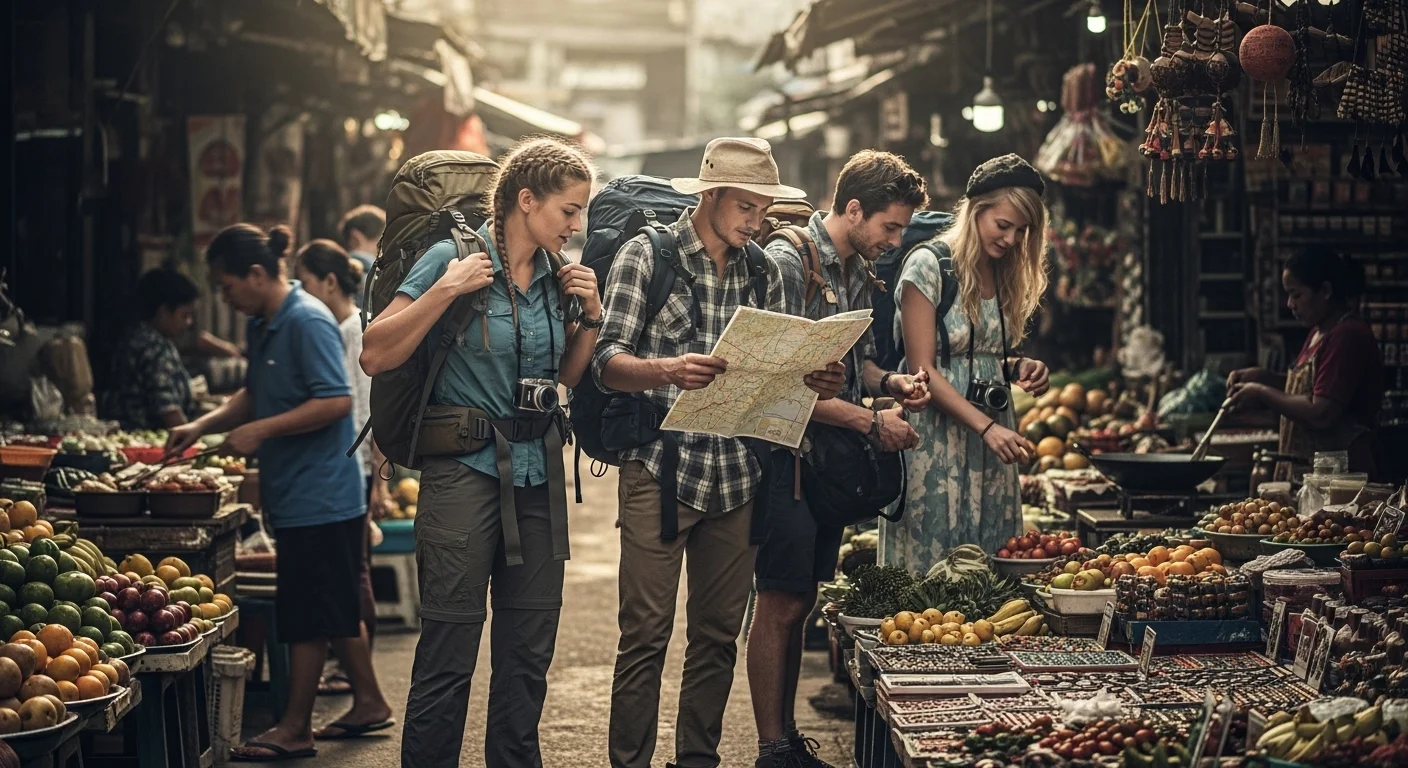
Budget backpacking is all about traveling on a shoestring while embracing a sense of adventure. I remember my first backpacking trip; it was a mix of excitement and anxiety. The idea of journeying to a new place with just a limited budget felt liberating yet daunting. Essentially, it’s about exploring the world without breaking the bank, using affordable accommodations, public transportation, and low-cost activities. As someone who’s been through this experience, I can tell you that budget backpacking is as much about the journey as it is about the destination.
Benefits of Budget Backpacking for Young Travelers
Embarking on a budget backpacking adventure comes with several benefits that resonate deeply with young travelers. First off, it teaches valuable life skills, like budgeting, planning, and problem-solving. I learned to navigate unfamiliar cities, communicate with locals, and adapt to unexpected situations—all essential skills that have served me well beyond my travels.
Moreover, budget backpacking encourages meaningful interactions. When you’re not confined to luxury hotels or pricey restaurants, you find yourself engaging with locals and fellow travelers on a deeper level. I fondly recall sharing stories and meals with other backpackers, creating connections that transcended language barriers.
Lastly, traveling on a budget allows for creativity and resourcefulness. I often found myself discovering hidden gems off the beaten path, from quaint cafes to stunning viewpoints, all because I was looking for alternatives to mainstream tourist spots. These experiences have become some of my favorite memories.
Essential Preparation Tips
Setting a Realistic Travel Budget
Before diving into your backpacking adventure, it’s crucial to set a realistic budget. I found that having a clear understanding of how much I could spend helped alleviate some of the stress that comes with traveling. Start by determining how much money you can allocate for the trip, considering your savings, any extra income, and potential expenses. Break it down into daily limits to give yourself a clear spending framework.
I recommend using a budgeting app to track your expenses while traveling. It becomes a game of sorts, seeing how much you can stick to your budget while still enjoying yourself. The thrill of finding a great meal for less than expected or snagging a discounted ticket can be incredibly satisfying! Read Interesting article: Budget Backpacking Tips for Reducing Pregnancy Anxiety
Choosing Your Destination Wisely
Choosing the right destination can greatly impact your budget. Some regions are naturally more affordable than others. For instance, Southeast Asia has been a popular choice for budget travelers due to its low cost of living, delicious street food, and affordable accommodations. I made the mistake of choosing a more expensive destination for my first backpacking trip, and I learned the hard way how quickly my budget could dwindle.
When selecting a destination, consider the overall cost of living, the availability of budget-friendly activities, and how easy it is to get around. Researching beforehand can save you a lot of money and stress later on.
Researching Affordable Accommodations
Accommodations can eat up a significant part of your budget, so finding affordable options is key. During my travels, I experimented with various types of lodgings, from hostels to guesthouses and even couch-surfing. Hostels are a fantastic way to save money and meet fellow travelers. I loved the communal vibe and often found great friends with whom to share adventures.
Websites like Hostelworld and Airbnb can be great resources for finding budget-friendly places to stay. I also discovered that many hostels offer free services like breakfast or city tours, which can help stretch your budget even further.
Planning Your Itinerary
Having a well-thought-out itinerary can save you both time and money. I learned from experience that having a plan helps avoid impulse purchases. Start by listing the must-see sights and experiences you want to prioritize, and then map them out in relation to your accommodations and transportation options.
In my case, I often left room for spontaneity. I’d have a plan but also allowed myself to explore neighborhoods that caught my eye. This balance made for some of the most memorable moments of my travels, and it often led me to discover new experiences that I hadn’t initially planned!
Discipline Tips for Staying on Budget
Tracking Your Expenses
One of the most important lessons I learned while budget backpacking is the significance of tracking my expenses. At first, I thought I could keep everything in my head, but that quickly proved to be a mistake. I found that keeping a daily log of my spending helped me stay mindful of where my money was going. I used a simple notes app on my phone, jotting down every meal, accommodation, and activity I paid for. This not only kept me accountable but also allowed me to analyze my spending patterns and adjust as necessary. I remember one week when I noticed I was spending more on snacks than I had planned, which prompted me to buy more groceries instead and save for bigger experiences.
Sticking to a Daily Spending Limit
Setting a daily spending limit is another discipline tip that worked wonders for me. I remember calculating how much I could afford to spend each day based on my overall budget and the length of my trip. This gave me a clear framework to work within. I printed out a small chart, which I kept in my wallet, showing my daily budget alongside what I had spent. This visual reminder helped me resist the temptation of those overpriced tourist traps. The thrill of sticking to my budget while still enjoying great experiences became a game I looked forward to!
Prioritizing Experiences Over Luxuries
During my travels, I realized that prioritizing experiences over luxuries could make a world of difference. I learned to ask myself what truly mattered. For example, instead of spending on a fancy hotel, I often opted for a cheaper hostel. This choice allowed me to allocate more funds toward unique experiences, like local tours or cooking classes. I took a cooking class in Thailand that changed my perspective on food and culture. The memories I made there far outweighed any fleeting comfort I might have found in a luxury stay. It’s all about finding that balance and understanding what will leave a lasting impact.
Finding Local Food Options
Food can quickly drain your budget, but I discovered that local food options are often both delicious and affordable. I made it a point to seek out street vendors and local markets, where I could enjoy authentic meals at a fraction of the cost of touristy restaurants. I remember savoring a mouthwatering curry from a roadside stall in India, sitting on a small plastic stool, surrounded by locals. The experience was so much richer than dining in a formal setting. Plus, I often found that these meals were fresher and more flavorful. Making food a part of my cultural exploration added depth to my travels and kept my budget intact.
Using Public Transportation
Embracing public transportation was a game changer for me during my backpacking adventures. It’s not only budget-friendly, but it also gives you a real taste of local life. I remember feeling like a local when I hopped on a bus in Barcelona, navigating my way through the city alongside residents. I saved a ton of money compared to taking taxis or rideshares, and I often got to see parts of the cities I wouldn’t have encountered otherwise. I recommend downloading local transit apps to help you understand routes and schedules. They can make getting around much easier, allowing you to focus on enjoying your journey instead of worrying about logistics.
Money-Saving Hacks for Young Travelers
Traveling Off-Peak
If there’s one hack I swear by, it’s traveling off-peak. I’ve found that avoiding peak tourist seasons can save you a lot of money on flights and accommodations. I remember planning my trip to Europe in late autumn instead of summer. Not only did I get better deals on flights and hotels, but the crowds were also significantly smaller. This made for a more enjoyable experience, allowing me to explore major attractions without feeling rushed or overwhelmed. Plus, I loved experiencing cities with a more relaxed vibe.
Utilizing Travel Passes and Discounts
Many destinations offer travel passes that provide access to public transport, attractions, and even discounts at local restaurants. I found that investing in a city pass during my travels often paid for itself within a day or two. For example, when I visited Paris, I bought a museum pass that allowed me unlimited access to many famous sites. Not only did it save me money, but it also let me skip long lines, which was a massive bonus! Always do a bit of research to see what passes are available and if they fit into your travel plans.
Participating in Free Activities
Free activities can be some of the best ways to experience a new place without spending a dime. I made it a point to look for free walking tours, community events, and outdoor activities wherever I went. I remember stumbling upon a free music festival in Lisbon, which ended up being one of the highlights of my trip! The energy, the people, and the music created a magical atmosphere that I couldn’t have experienced if I had stuck to more costly attractions. Just a bit of research and asking locals can uncover a treasure trove of free things to do.
Using Technology to Find Deals
Lastly, I can’t emphasize enough how much technology can assist in finding deals while traveling. I relied on various apps and websites to track flight prices, find discounts, and discover budget-friendly accommodations. For instance, I used Skyscanner to monitor flight prices and ended up snagging a fantastic deal that saved me hundreds. Additionally, I found local deal apps that offered discounts at restaurants and attractions. Technology is an invaluable tool that can turn a regular trip into an unforgettable adventure while keeping costs low. Read Interesting article: Budget Backpacking: Smart Travel Tips for Toddler Cognitive Growth
Safety and Security on a Budget
Staying Safe While Traveling
Safety is a top priority when I travel, and budget backpacking is no exception. I’ve discovered that staying safe doesn’t have to come with a high price tag. One of the first things I do is research the areas I plan to visit, looking into any travel advisories or common safety concerns. I remember feeling a bit anxious before my first solo trip, but understanding the local culture and customs helped ease my mind. I often read blogs and forums to gather insights from other travelers about their experiences, which provided me with a clearer picture of what to expect.
Another crucial step is to stay aware of my surroundings. I learned to trust my instincts—if something doesn’t feel right, I often move on. I also try to blend in with locals; this means dressing appropriately and avoiding flashy jewelry or expensive gadgets. I recall a time in a bustling market where I kept my camera tucked away to avoid drawing unnecessary attention. Simple precautions like these can go a long way in ensuring a safe trip.
Protecting Your Finances
Managing my finances wisely while traveling is a lesson I’ve learned the hard way. I always keep a mix of cash and cards, but I ensure that my cash is split between different places—some in my wallet, some in a hidden pocket, and sometimes even in my shoes! This way, if I lose my wallet or get pickpocketed, I still have access to some funds. I remember feeling relieved when I found a few bills stashed away in my backpack during a minor mishap in a crowded city.
Using travel-friendly banking options is also a game changer. I’ve started using accounts that don’t charge foreign transaction fees and offer competitive exchange rates. Before traveling, I recommend notifying my bank about my trip to avoid any issues with my cards while overseas. Additionally, I always have a backup payment method just in case my primary one doesn’t work. It’s all about being prepared and minimizing stress.
Health and Safety Precautions
Staying healthy while traveling is just as important as financial safety. I usually pack a small first-aid kit with essentials like band-aids, pain relievers, and any personal medications. I learned this tip during a trip when I ended up with a nasty bite but had nothing with me to treat it. Since then, I’ve made it a point to always be prepared!
Staying hydrated and eating well is also key. I usually opt for local markets for fresh fruits and vegetables, which keeps me energized and healthy. I remember enjoying a refreshing smoothie bowl in Bali that not only tasted amazing but also made me feel great. Also, I make sure to check if I need any vaccinations before heading to high-risk areas; it’s a simple step that can save a lot of trouble later.
Lastly, I make it a habit to keep copies of important documents, such as my passport, travel insurance, and emergency contacts. I usually email them to myself and keep a hard copy in a separate location from the originals. It’s a small but effective way to give myself peace of mind during my travels.
Connecting with Other Travelers
Joining Backpacking Communities
One of the most rewarding aspects of budget backpacking has been connecting with fellow travelers. I joined various online backpacking communities, where I found advice, support, and camaraderie. Platforms like Facebook groups and travel forums became my go-to places for asking questions and sharing experiences. I remember posting about my upcoming trip to South America and receiving a flood of tips from seasoned travelers that truly enhanced my journey.
Moreover, I often seek out local meetups or gatherings, which can be a great way to meet fellow adventurers. I recall attending a traveler’s night in a hostel where I met people from all over the world. We shared stories, tips, and even planned group outings. These connections have often led to new friendships and collaboration on travel plans, making the experience even richer.
Sharing Resources and Tips
One of my favorite parts about being in a backpacking community is the sharing of resources. I’ve often found that someone else’s experience can help shape my own. For instance, I learned about lesser-known destinations and budget-friendly activities directly from fellow travelers. I remember chatting with a couple I met in a hostel who shared their experience about hiking in a stunning national park that wasn’t on my radar. That adventure turned out to be one of the highlights of my trip!
Additionally, I’ve swapped tips on affordable accommodation and local dining spots with other backpackers. This kind of resource sharing not only saves money but also enhances the overall travel experience. Each interaction is an opportunity to learn something new and create lasting memories.
Staying Motivated Through Group Travel
Traveling with a group can also help keep motivation high, especially for budget backpackers. I’ve participated in organized group trips, and it’s been a blast. The shared experiences often lead to fun adventures and a sense of camaraderie that you just can’t replicate when traveling solo. I remember a group hike I joined; we pushed each other to keep going, and the shared triumph at the summit was unforgettable!
Being part of a group can also help with budgeting, as we often split costs for lodging and transportation. On one trip, we rented a car together, which made exploring more remote areas easier and more affordable. It taught me the power of teamwork and how traveling can be more enjoyable when shared with others.
Frequently Asked Questions
What is budget backpacking?
Budget backpacking is traveling on a limited budget while embracing adventure. It involves exploring the world without breaking the bank, utilizing affordable accommodations, public transportation, and low-cost activities.
What are the benefits of budget backpacking for young travelers?
Budget backpacking teaches valuable life skills such as budgeting, planning, and problem-solving. It encourages meaningful interactions with locals and fellow travelers and fosters creativity and resourcefulness in discovering hidden gems.
How can I set a realistic travel budget for backpacking?
To set a realistic budget, determine how much you can allocate for your trip by considering savings, extra income, and potential expenses. Break it down into daily spending limits and consider using a budgeting app to track your expenses.
What types of accommodations are recommended for budget backpacking?
Affordable accommodations include hostels, guesthouses, and couch-surfing. Websites like Hostelworld and Airbnb can help find budget-friendly places, and many hostels offer free services like breakfast or city tours.
How can I save money on transportation while traveling?
Utilizing public transportation is budget-friendly and provides a taste of local life. Consider downloading local transit apps to help navigate routes and schedules, which can save money compared to taxis or rideshares.
What are some money-saving hacks for young travelers?
Traveling off-peak can save money on flights and accommodations. Utilizing travel passes for public transport and attractions, participating in free activities, and using technology to find deals are also effective hacks.
How can I stay safe while budget backpacking?
Research the areas you plan to visit for safety concerns, stay aware of your surroundings, and blend in with locals. Keeping your valuables secure and trusting your instincts are important for safety during travels.
What precautions should I take regarding health while traveling?
Pack a small first-aid kit with essentials, stay hydrated, and eat well. Check if vaccinations are needed for high-risk areas, and keep copies of important documents for peace of mind during your travels.
How can joining backpacking communities enhance my travel experience?
Joining online backpacking communities offers advice, support, and camaraderie. Local meetups can lead to friendships and shared experiences, while sharing resources and tips with fellow travelers can enhance your overall journey.
What are the advantages of traveling in a group for budget backpackers?
Traveling in a group can keep motivation high, facilitate shared experiences, and help with budgeting by splitting costs for lodging and transportation. Group dynamics often lead to fun adventures and a sense of camaraderie.