
Exploring the world on a budget is an adventure like no other, especially when it comes to backpacking while maintaining a low-sugar diet. It’s about enjoying every moment without compromising your health. Read Interesting article: Backpacking on a Budget: Safe Foods for Pregnant Travelers
Understanding Budget Backpacking
Definition and Key Principles
When I think of budget backpacking, I picture myself wandering through lush landscapes, making new friends, and discovering hidden gems all while keeping my wallet happy. Budget backpacking is essentially traveling with minimal expenses—choosing affordable accommodations, public transport, and, importantly, cost-effective meals. The key principles revolve around flexibility, resourcefulness, and careful planning. We aim to stretch every dollar while ensuring we experience the local culture and cuisine without the hefty price tag.
Benefits of Budget Backpacking
I’ve found that budget backpacking offers an incredible sense of freedom. It opens up opportunities to travel longer and visit more places. By managing my expenses, I can allocate more funds for experiences rather than just accommodation and food. Additionally, it encourages creativity—finding unique ways to enjoy local cuisine while sticking to a budget. For me, the thrill of discovering a local market with fresh produce and affordable snacks adds to the overall experience. Plus, it often leads to meeting like-minded travelers who share tips and tricks along the way. Read Interesting article: Explore the Best Budget Destinations for Vegans Abroad
Essential Gear for Backpackers
The right gear can make or break your backpacking experience. I’ve learned that packing light is crucial. A good-quality backpack, comfortable shoes, and a sturdy tent (if camping) are non-negotiables. I always include a portable stove and cooking utensils; cooking my own meals not only saves money but also allows me to maintain healthy eating habits. A water bottle with a filter is another essential item. Staying hydrated is key, especially when you’re on the go. Lastly, don’t forget a first-aid kit—being prepared for minor injuries is part of smart traveling.
Nutrition on the Road
Importance of Balanced Nutrition While Traveling
Eating well while backpacking is often overlooked, but I believe it’s one of the most important aspects of the journey. A balanced diet keeps my energy levels up and helps me stay focused and alert. When I don’t eat well, I feel sluggish and irritable, which is the opposite of what I want on my travels. I prioritize meals rich in nutrients because they fuel my adventures, allowing me to hike longer and explore more. I’ve found that planning my meals helps me stay on track and avoid the temptation of quick, unhealthy snacks.
Understanding Low-Sugar Diets
Adopting a low-sugar diet while backpacking might seem daunting, but I’ve learned it’s all about making smart choices. Typically, a low-sugar diet limits refined sugars and focuses on whole foods. I remember my first backpacking trip where I fell into the trap of sugary snacks. It left me feeling drained and craving more sugar. Now, I make a conscious effort to read labels and choose foods that sustain my energy without the sugar crash.
Benefits of Eating Low-Sugar While Backpacking
Eating low-sugar while traveling has transformed my experience. I’ve noticed improved energy levels and better overall mood, which is crucial when navigating new places. I feel lighter and more agile on the trails, which enhances my exploration. Not having to deal with sugar spikes and crashes allows me to enjoy my journey without the distractions of fatigue or irritability. Plus, I find that low-sugar foods often come packed with nutrients, so I’m supporting my health even while indulging in the adventure of travel. Read Interesting article: Affordable Vegan Options: Travel Tips for Budget Backpackers
Planning Your Low-Sugar Meals
Meal Prepping for Backpacking Trips
Meal prepping has become one of my favorite parts of preparing for a backpacking trip. It’s not just about saving money; it’s about ensuring I have nutritious, low-sugar options ready to go. I usually start by making a list of meals I want to prepare for the duration of my trip. This way, I can focus on ingredients that are versatile and can be used in multiple dishes. I remember my last trip when I prepped quinoa salad, which lasted me for days and was packed with nutrients. By taking a couple of hours before my trip to chop, cook, and package my meals, I save time and energy while on the road. Plus, it’s a huge relief not to scramble for food options at the last minute.
Choosing Low-Sugar Foods
When it comes to choosing low-sugar foods, I’ve found that it’s all about being mindful of my selections. I look for foods that are whole and unprocessed, which often means spending more time in the produce aisle. I’ve discovered that some foods can be deceptively high in sugar, so I’ve learned to check labels closely. Here are some categories I focus on:
Fruits and Vegetables
Fruits and vegetables are staples in my low-sugar diet while backpacking. I gravitate towards options that provide fiber, vitamins, and minerals without the added sugars. Berries, particularly blueberries and strawberries, are my go-to because they are lower in sugar and high in antioxidants. I also stock up on leafy greens like spinach and kale for salads, which can be both refreshing and filling. When I’m out on the trail, I often snack on raw veggies like carrots and bell peppers—crunchy and satisfying!
Proteins
Protein is essential, especially when I’m hiking long distances. I aim for low-sugar protein sources like chicken, turkey, or legumes. Canned beans are a lifesaver because they’re easy to pack and can be tossed into salads or wraps. I also love packing hard-boiled eggs—they’re nutritious and filling. My personal favorite is packing some nut butter, which provides healthy fats and protein, making it a perfect companion for those long days of exploring.
Whole Grains
Whole grains are another important component of my meals. I prefer options like brown rice, quinoa, or whole grain pasta. These grains not only provide energy but also keep me full for longer. I usually prepare a big batch before leaving and portion it out for my meals. I remember one hiking trip where I made quinoa bowls with veggies and proteins, and it was such a hit! It felt great knowing I was fueling my body with wholesome food.
Snacks
Snacks can be tricky when you’re trying to maintain a low-sugar diet, but I’ve found some great options. I love packing raw nuts and seeds; they’re filling and provide healthy fats. I also enjoy making my own trail mix with unsweetened dried fruits, nuts, and a sprinkle of dark chocolate for a treat. Low-sugar protein bars have become my favorite for quick energy boosts, especially during those long hikes. I always read the labels to ensure they’re low in sugar, and I’ve found a few brands that I trust.
Budget-Friendly Low-Sugar Meal Ideas
Breakfast Options
Overnight Oats with Low-Sugar Additions
Overnight oats have become a staple in my breakfast routine while backpacking. I prepare them in small containers, mixing rolled oats with almond milk and adding my favorite toppings like chia seeds, nuts, and a handful of berries. This meal is not only budget-friendly but also keeps me energized throughout the morning. I love that I can prepare them the night before and grab them before heading out for a day of adventure!
Nut Butter and Whole Grain Toast
Another breakfast favorite of mine is whole grain toast with nut butter. It’s quick, easy, and full of healthy fats. I often pack single-serving nut butter packets, which are perfect for on-the-go meals. Just smear some on toast or a rice cake, and I’m ready to tackle the day. It’s a simple yet satisfying way to start my mornings.
Lunch Ideas
Salads with Lean Proteins
For lunch, I love making salads that are filling and nutritious. I usually include a base of leafy greens, then add some chopped veggies, beans for protein, and a low-sugar dressing. The beauty of salads is that they can be as creative as I want. One of my favorite combinations includes spinach, chickpeas, cucumber, and cherry tomatoes, drizzled with olive oil and lemon. It’s refreshing and keeps me going when I’m out exploring.
Wraps Using Low-Sugar Tortillas
Wraps are also a fantastic lunch option. I often bring along low-sugar tortillas, filling them with lean proteins like turkey or chicken, alongside fresh veggies and a touch of hummus or avocado. They’re easy to make and pack, and they provide a great combination of flavors and nutrients. I remember once making a spicy chicken wrap with peppers and spinach—it was such a satisfying meal after a morning hike!
Dinner Solutions
One-Pot Low-Sugar Meals
For dinner, one-pot meals are my go-to. They’re simple to prepare and clean up afterward, which is a bonus after a long day. I love making a veggie stir-fry with brown rice or quinoa, tossing in whatever vegetables I have on hand along with some tofu or chicken. It’s a delicious way to incorporate a variety of nutrients while keeping my meals low in sugar.
Low-Sugar Stir-Frys
Stir-fries are versatile and can be customized based on what’s available. I often use a mix of fresh veggies and a splash of low-sugar soy sauce or coconut aminos for flavor. It’s quick, easy, and can be made in a matter of minutes. Plus, it’s a great way to end the day with a hearty meal that fuels my body for the adventures ahead.
Snack Suggestions
Raw Nuts and Seeds
As I mentioned earlier, raw nuts and seeds are my favorite snacks. They’re packed with protein and healthy fats, making them perfect for keeping my energy levels up. I usually carry a small bag of mixed nuts in my pack to munch on during hikes. They’re satisfying and help me stay full without the crash that comes from sugary snacks.
Low-Sugar Protein Bars
Low-sugar protein bars are another handy option. They’re easy to throw in my backpack, providing a quick snack when I need an energy boost. I’ve experimented with different brands and flavors, and I appreciate having something that feels like a treat without the sugar overload. It’s a convenient way to satisfy cravings while staying on track with my diet.
Where to Find Low-Sugar Options While Traveling
Grocery Stores and Markets
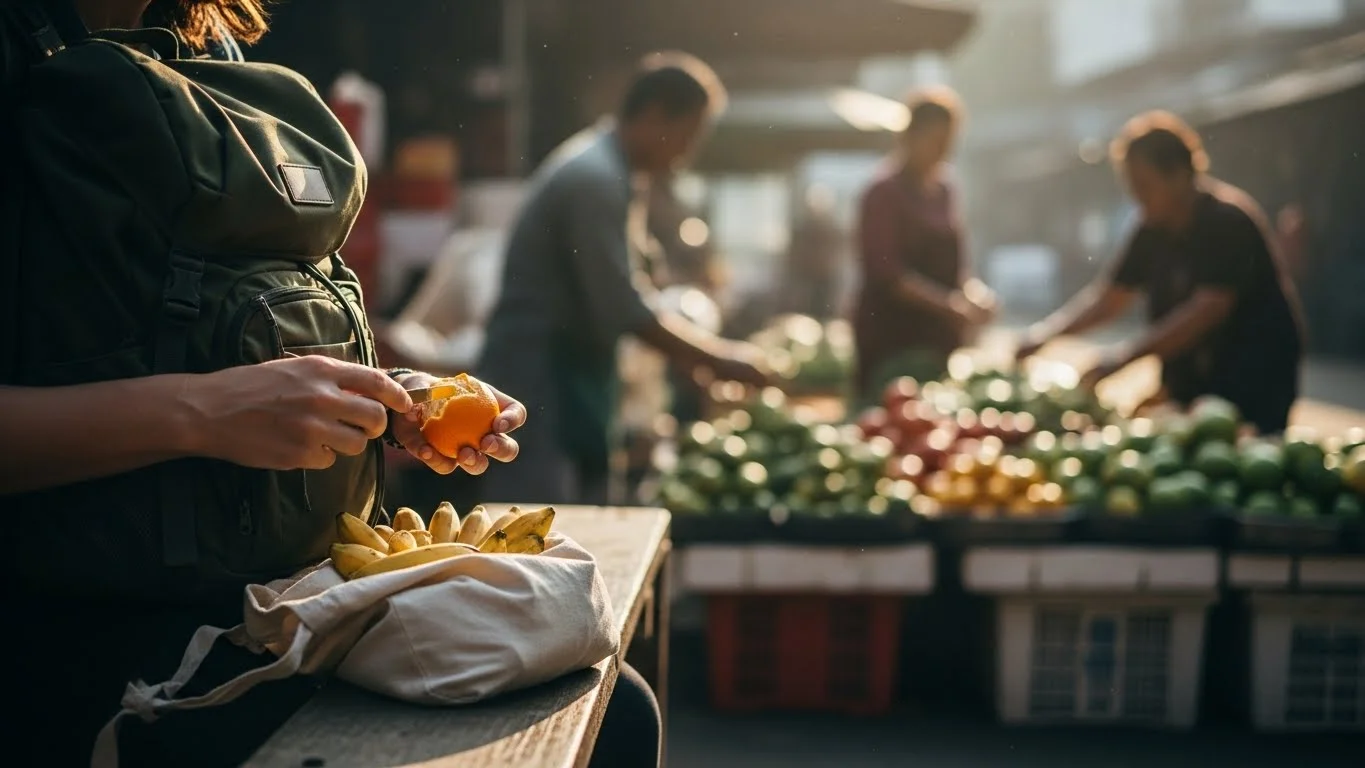
One of my favorite things about traveling is exploring local grocery stores and markets. I’ve found that these places often have a variety of low-sugar options that can be both budget-friendly and delicious. When I first arrive in a new destination, I make a beeline for the nearest grocery store. It’s exciting to see what fresh produce and local ingredients are available. I typically look for items like fresh fruits, vegetables, and whole grains that fit into my low-sugar diet. Shopping in local markets also gives me a chance to interact with the locals, who often share their recommendations on what to try. I remember discovering a delightful market in Thailand filled with fresh herbs and vegetables that inspired my meals throughout my visit.
Health Food Stores
Health food stores are another great resource for finding low-sugar foods. I’ve noticed that many cities have shops dedicated to organic and natural products. These stores usually carry a variety of low-sugar snacks, protein bars, and even ready-to-eat meals that align with my dietary choices. I often browse the aisles for nut butters, seeds, and dried fruits without added sugar. I once stumbled upon a health food store in a small town where I discovered an amazing selection of low-sugar granola that became my go-to breakfast during that trip.
Restaurants and Cafés
Eating out while maintaining a low-sugar diet can be challenging, but I’ve learned there are ways to navigate restaurant menus. It’s all about making informed choices. I usually start by looking for places that focus on fresh, whole foods. Many restaurants today have healthier options, so I often ask about their low-sugar dishes or modifications. For instance, I learned to replace sugary sauces with olive oil or vinegar-based dressings when ordering salads. I remember dining at a café that served a delicious quinoa bowl; I asked for the dressing on the side to control the sugar content, which turned out to be a great decision.
How to Order Low-Sugar Meals
When I’m at a restaurant, I’ve found that being clear about my dietary preferences helps me get the most out of my meal. I usually start by asking the server for recommendations on low-sugar options. I often request modifications, like substituting a sugary side with extra vegetables or asking if they can prepare dishes without added sugars. I’ve learned that many chefs appreciate the request and are happy to accommodate. One time, I ordered a stir-fry and asked for no added sauces; the chef made a delightful blend of spices that was both flavorful and healthy.
Identifying Low-Sugar Menu Items
I’ve found that certain dishes on a menu tend to be lower in sugar. Salads, grilled meats, and vegetable-based dishes are typically safer bets. I also gravitate towards meals that feature whole ingredients, like fresh fish or chicken with a side of veggies. When looking at dessert options, I often skip the cakes and pastries and opt for fruit dishes instead. I remember visiting a quaint bistro where the dessert menu featured a fruit salad; it felt like a satisfying way to end the meal without the sugar overload.
Tips for Staying Low-Sugar on the Go
Reading Nutrition Labels
Reading nutrition labels has become second nature for me while traveling. I always check these labels before making a purchase, especially for snacks and prepared foods. I’ve learned to pay attention not only to the sugar content but also to the ingredients list. The shorter, the better! I feel empowered when I can identify what I’m putting into my body. There have been times when I picked up a snack that seemed healthy but had hidden sugars. By being vigilant, I can make choices that align with my low-sugar goals while still enjoying my travels.
Staying Hydrated with Low-Sugar Beverages
Hydration is crucial, especially when you’re on the move. I’ve realized that many beverages can be loaded with sugar, which is why I tend to stick to water, herbal teas, and sometimes sparkling water. I always carry a refillable water bottle to stay hydrated throughout the day. In some places, I’ve found that flavored waters without added sugars are available, which adds a nice twist to my hydration routine. Staying away from sugary sodas and juices has helped me maintain my energy levels during long days of exploring.
Managing Cravings While Traveling
Cravings can hit hard when I’m traveling, especially after a long day of hiking or exploring. I’ve learned a few tricks to manage them without compromising my diet. First, I always keep healthy snacks on hand, like raw nuts or low-sugar protein bars. When I feel a craving coming on, I reach for these options instead of sugary snacks. I also try to stay active; a quick walk or hike can often distract me from cravings. If I do indulge, I choose a small portion and savor every bite, which helps me feel satisfied without going overboard. I remember a time when I found a local bakery that offered low-sugar options; enjoying a small pastry felt like a treat without guilt.
Frequently Asked Questions
What is budget backpacking?
Budget backpacking is traveling with minimal expenses by choosing affordable accommodations, public transport, and cost-effective meals while experiencing local culture and cuisine.
What are the benefits of budget backpacking?
Budget backpacking offers a sense of freedom, allowing travelers to travel longer, allocate more funds for experiences, and encourages creativity in finding unique meal options.
What essential gear should a backpacker have?
Essential gear for backpackers includes a good-quality backpack, comfortable shoes, a sturdy tent (if camping), a portable stove and cooking utensils, a water bottle with a filter, and a first-aid kit.
Why is balanced nutrition important while traveling?
A balanced diet keeps energy levels up and helps travelers stay focused and alert, preventing feelings of sluggishness and irritability during travels.
What are some benefits of following a low-sugar diet while backpacking?
Eating low-sugar while backpacking improves energy levels, overall mood, and helps avoid sugar spikes and crashes, making the travel experience more enjoyable.
How can travelers meal prep for backpacking trips?
Travelers can meal prep by making a list of versatile meals, preparing ingredients in advance, and packaging them for convenience, saving time and energy on the road.
What types of low-sugar foods should backpackers focus on?
Backpackers should focus on whole and unprocessed foods, including fruits and vegetables, low-sugar proteins, whole grains, and healthy snacks like raw nuts and seeds.
Where can travelers find low-sugar options while traveling?
Travelers can find low-sugar options at local grocery stores and markets, health food stores, and by making informed choices at restaurants and cafés.
What tips can help travelers manage cravings while on the go?
Travelers can manage cravings by keeping healthy snacks on hand, staying active, and indulging in small portions of treats while savoring every bite.
How can travelers stay hydrated with low-sugar beverages?
Travelers can stay hydrated by drinking water, herbal teas, and sparkling water, while avoiding sugary sodas and juices, and carrying a refillable water bottle.