
Backpacking with kids can be an adventure of a lifetime, especially when it includes healthy eating! I’ve discovered that engaging children in this journey not only nurtures their love for food but also keeps our family budget in check. Read Interesting article: Fun Ways to Teach Kids About Healthy Eating on the Road
Understanding Budget Backpacking with Kids
What is Budget Backpacking?
Budget backpacking is all about exploring the great outdoors while keeping costs low. When I first got into backpacking, I realized it doesn’t have to break the bank, especially when kids are involved. It’s about finding affordable ways to travel, camp, and discover new places. For us, this meant packing our gear, planning routes, and choosing destinations that wouldn’t empty our wallets. The thrill of wandering through forests, hiking up mountains, and sleeping under the stars made our family bonding experience even richer.
Benefits of Backpacking with Children
Backpacking with children brings a multitude of benefits that go beyond just the thrill of adventure. I’ve found that it fosters a sense of independence and resilience in kids. They learn to appreciate nature and understand the importance of teamwork when setting up camp or navigating trails. Plus, it provides an excellent opportunity for exercise, which is essential for their growing bodies. I remember when my kids first hiked a challenging trail; the pride on their faces was priceless. They gained confidence and learned that they could achieve more than they thought possible.
Moreover, spending time outdoors decreases screen time and promotes mental well-being. I’ve noticed that when we’re surrounded by nature, my kids are more engaged and curious about their surroundings. They ask questions, observe wildlife, and appreciate the beauty of the environment. Backpacking creates an atmosphere where they can learn about ecosystems and conservation, which I believe is vital for their development.
Key Considerations for Family Backpacking
When backpacking with kids, planning becomes crucial. I’ve learned that flexibility is key; not every trail will be suitable for young adventurers. It’s important to choose age-appropriate hikes and to be ready to turn back if needed. I remember one trip where we had to adjust our plans when my youngest got tired after just a mile. We ended up finding a lovely picnic spot instead, and it turned into one of our favorite memories.
Safety is another major consideration. Ensuring that everyone has proper gear, such as suitable shoes and weather-appropriate clothing, is essential. I always make sure to pack a first-aid kit, as bumps and scrapes are part of the adventure. And of course, having fun is the ultimate goal! I always incorporate plenty of breaks for snacks, games, and exploration along the way.
Budgeting for our trips is something I’ve become adept at over the years. I focus on inexpensive campsites, pack our food, and look for free or low-cost activities in the area. I’ve found that many national parks offer educational programs that are not only free but also fun for the kids. This way, we can stick to our budget while making wonderful memories together. Read Interesting article: Creating Nutritious Meal Plans for Kids While Traveling
Healthy Eating on a Budget
Importance of Healthy Eating for Kids
As a parent, I firmly believe that healthy eating is crucial for kids, especially when we’re on the move. Good nutrition fuels their energy levels, sharpens their focus, and enhances their overall mood during our adventures. I’ve noticed that when my kids eat well, they’re more enthusiastic about exploring and less prone to fatigue. Plus, teaching them about nutrition while traveling lays the foundation for lifelong healthy eating habits.
Strategies for Eating Healthy While Traveling
Eating healthy on a budget requires a bit of creativity, but it’s entirely possible. I’ve learned to plan meals ahead of time, which helps avoid the temptation of unhealthy snacks. We often prepare simple meals that include whole grains, fruits, and vegetables. For example, oatmeal with dried fruits for breakfast keeps everyone full and energized. I also encourage my kids to help with meal prep, making it a fun and educational experience.
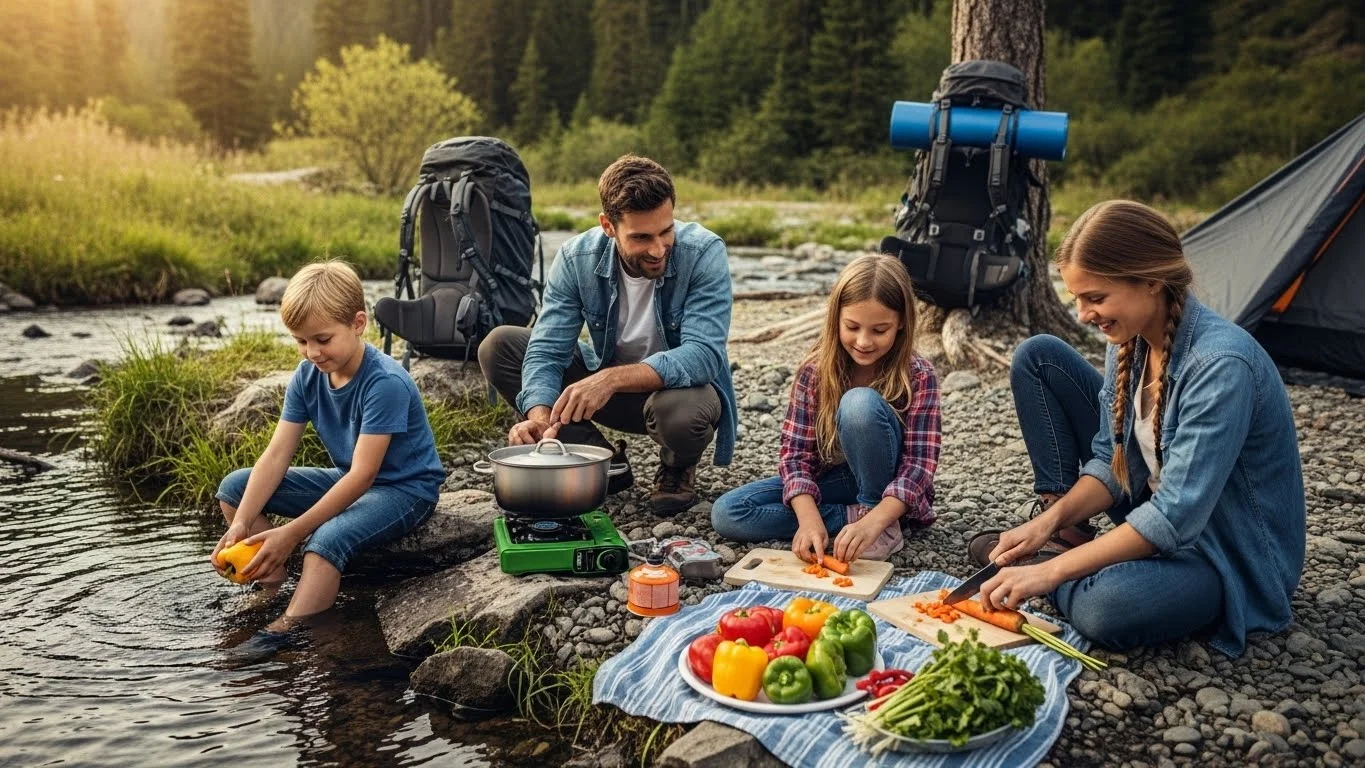
Bringing a portable stove and cooking our meals at campsites has been a game-changer for us. I’ve found that cooking together not only saves money but also makes for quality family time. Plus, it’s rewarding to eat something we’ve prepared ourselves after a long day of hiking.
Cost-Effective Healthy Food Options
When it comes to cost-effective healthy food options, I always keep a few essentials in mind. Foods like rice, beans, and lentils are not only affordable but also nutritious. I often pack nut butters, trail mix, and fresh fruits, which are easy to carry and great for snacking. I’ve found that having a variety of healthy snacks on hand means my kids are less likely to reach for sugary options.
Additionally, I love to explore local grocery stores or farmers’ markets during our travels. Not only do we find fresh, healthy ingredients, but it also gives my kids the chance to learn about local foods. I remember a time when we stumbled upon a small market offering organic fruits and vegetables; it became a delightful part of our trip, and we ended up cooking a delicious meal with what we found.
Engaging Kids in Healthy Eating Adventures
Fun and Educational Activities
One of my favorite ways to engage my kids in healthy eating is through fun and educational activities. I’ve found that when they learn about food in an enjoyable way, they’re far more likely to try new things. For instance, we often turn our meal preparation into a mini cooking class. I remember one time, we focused on making homemade pizzas using whole-wheat crusts and a variety of colorful vegetables. My kids loved picking out the toppings, and they were so proud to eat something they had created themselves. It’s amazing how a little creativity can turn a simple meal into a memorable experience that encourages them to appreciate healthy choices.
We also enjoy nature-themed games that tie into our meals. For example, I’ve organized a “nature treasure hunt” where we search for edible plants and herbs. I teach them to recognize safe options like wild berries or dandelion greens. This not only gets them excited about healthy eating but also helps them connect with nature. It’s thrilling to see their eyes light up when they discover something they can actually eat, and I believe it builds a lifetime appreciation for wholesome foods.
Exploring Local Markets
Exploring local markets has become a cherished tradition during our travels. I love taking my kids to farmers’ markets or local grocery stores wherever we go. It’s a fantastic opportunity for them to learn about regional produce and to understand where their food comes from. I can’t forget the time we visited a market in a small town, and my kids spent time chatting with local farmers. They were fascinated by the stories behind the fruits and vegetables, which made them more eager to try new flavors.
During these visits, we often create a challenge: we pick out one unfamiliar item to taste and incorporate into our meals. This not only keeps our meals exciting but also encourages my kids to be adventurous eaters. I remember when we discovered a unique squash variety—it became the star of our dinner that night, and my kids couldn’t stop talking about how cool it was to try something new. These market adventures have enriched our trips and truly shaped our culinary experiences.
Cooking Classes for Families
When we come across a family-friendly cooking class during our travels, I make it a point to sign us up. These classes are a fantastic way to bond as a family while learning new cooking skills. I’ve found that many communities offer workshops that focus on local cuisine, which adds an extra layer of fun. For instance, in one coastal town, we took a seafood cooking class where we learned how to prepare fresh catch from the ocean. It was not only delicious but also a great lesson in sustainable eating and respecting local resources.
Involving my kids in these cooking classes has opened their minds to different foods and cooking methods. They often come away with new recipes they can’t wait to try at home. It’s incredible to see their confidence grow in the kitchen, and it inspires them to take more initiative in meal preparation when we return home. These classes have turned our travels into a flavorful learning experience, and they’re always eager to share their newfound knowledge with friends and family.
Food-based Scavenger Hunts
Another activity I recently introduced to our trips is food-based scavenger hunts. It’s a creative and engaging way to get my kids involved in the local food scene. I usually prepare a list of items they need to find—like a specific fruit, a unique spice, or an ingredient that’s commonly used in the local cuisine. The thrill of searching for these treasures makes the experience exciting, and they love the challenge.
During one of our scavenger hunts in a vibrant market, we searched for ingredients to make a traditional dish. The kids were running around, excitedly pointing out items on our list. Not only did they have a blast, but they also learned a lot about local dishes and cooking techniques. When we finally gathered everything we needed, we went back to our campsite and prepared a meal together. The sense of accomplishment and joy we shared made the food taste even better. These scavenger hunts have become a highlight of our travels, combining adventure, learning, and delicious experiences all in one.
Top Destinations for Budget Backpacking with Kids
National Parks: Nature and Nutrition
National parks have always been a favorite destination for our family backpacking trips. They offer stunning landscapes, educational programs, and plenty of opportunities to engage kids in nature. One of the best parts about visiting these parks is the emphasis on healthy eating and outdoor activities. I’ve found that many parks feature ranger-led programs that teach kids about the local ecosystem and the importance of nutrition, often incorporating nature walks that focus on edible plants.
During our visit to a national park last summer, we participated in a program that highlighted the natural food sources available in the area. My kids were fascinated to learn about wild berries and how to identify them. We spent the day hiking and foraging, and that evening we made a delicious dessert using our foraged finds. It was a perfect blend of adventure and education, showing my kids how nature can be both a playground and a pantry. National parks truly offer a budget-friendly way to connect with nature while fostering healthy eating habits.
Cultural Cities: Exploring Local Cuisine
Another fantastic option for budget backpacking with kids is exploring cultural cities. These destinations often provide affordable accommodations and a rich array of local cuisine to explore. I’ve discovered that immersing ourselves in local food culture is a great way to teach my kids about different culinary traditions. We often seek out free or low-cost food festivals where we can sample a variety of dishes.
On one trip, we visited a city known for its street food scene. We set out on a mission to taste as many different dishes as possible, making it a fun culinary tour. The kids loved trying new foods and learning about the ingredients used. It was thrilling to see them expand their palates while enjoying the vibrant atmosphere of the city. These experiences have shown my children that food can be an adventure in itself, and they often reminisce about the flavors we discovered together.
Coastal Areas: Seafood Adventures
Coastal areas are another excellent option for budget backpacking with kids, especially when it comes to exploring seafood options. I’ve found that visiting seaside towns not only allows us to enjoy beautiful views but also introduces my kids to a whole new world of culinary possibilities. We often go to local fish markets where we can buy fresh seafood at reasonable prices.
During one coastal trip, we participated in a “catch-and-cook” experience, where we learned about sustainable fishing practices and how to prepare our catch. My kids were thrilled to see where their food comes from and how to cook it. The sense of accomplishment they felt after creating their meal made it even more special. Coastal areas offer a unique opportunity to connect with food sources, and I believe these experiences help foster a deep appreciation for healthy eating. Read Interesting article: Budget Travel: Ensuring Safe Eating for Allergy-Prone Kids
Meal Planning for Family Backpacking Trips
Creating a Balanced Backpacking Meal Plan
Meal planning has become an essential part of our backpacking trips. I remember the first time I went without a clear plan; we ended up with a hodgepodge of snacks that didn’t quite satisfy anyone. Now, I always sit down before a trip and create a balanced meal plan that includes a variety of proteins, grains, fruits, and vegetables. Not only does this help in keeping everyone’s energy levels up, but it also ensures that we’re eating nutritious foods that support our outdoor activities.
When crafting our meal plan, I consider both the weight and nutritional value of the foods we bring. For breakfast, we usually opt for oatmeal with nuts and dried fruits. Lunch often includes wraps filled with hummus, veggies, and deli meats, while dinner might be a hearty stir-fry with rice and fresh vegetables we’ve picked up at local markets. I always try to incorporate as many fresh ingredients as possible, providing my kids with a taste of home-cooked meals, even when we’re miles away from home.
Snacks on the Go: Healthy Choices
Snacks play a vital role in our backpacking trips, especially for the kids. I’ve found that keeping their energy up is crucial, and having healthy snacks on hand can make all the difference. Instead of loading up on sugary treats, I focus on packing a variety of nutritious options. Trail mix, nut bars, fresh fruits, and veggie chips have become staples in our backpack.
Involving the kids in choosing and preparing snacks has been a fun process. They love helping to make their own trail mix with their favorite nuts, seeds, and a few chocolate chips for a treat. I’ve noticed that when they have a hand in creating their snacks, they’re much more excited to eat them on the trail. Plus, having healthy snacks ready to go means we can refuel during hikes without resorting to unhealthy convenience foods.
Involving Kids in Meal Preparation
I’ve found that getting my kids involved in meal preparation before and during our trips makes the whole experience more enjoyable. Whether we’re at home or at a campsite, I encourage them to help with chopping vegetables, measuring ingredients, or assembling meals. This not only teaches them valuable cooking skills but also fosters a sense of ownership and pride in the food we eat.
At the campsite, I often assign my older kids simple cooking tasks, like stirring a pot or monitoring cooking times. It’s a great way to bond while enjoying our meals together. I remember one night when my kids took charge of making a pasta dish—watching their teamwork and creativity unfold was one of the highlights of our trip. They learned about ingredients, flavors, and the joy of cooking outdoors. It’s these moments that truly enrich our family adventures.
Essential Gear for Healthy Eating on the Road
Backpacking Cooking Equipment
Having the right cooking equipment makes a huge difference in preparing healthy meals while backpacking. I’ve experimented with various gear over the years, and I’ve settled on some essentials that make cooking on the trail easier and more enjoyable. A lightweight stove, durable cookware, and utensils are a must. I’ve also invested in a good set of nesting pots and pans that are easy to pack and clean.
Each time we head out, I ensure that we have a reliable stove that can handle different weather conditions. I also pack a small cutting board and a sharp knife for meal prep. Having these tools means that we can whip up meals quickly during our trips, allowing us to make the most of our time outdoors. I remember one particularly rainy day when we cooked a hearty soup; it turned a dreary afternoon into a cozy family moment around the campfire.
Food Storage Solutions
Food storage is another important aspect of keeping our meals fresh and safe while backpacking. I’ve learned the hard way that not all containers are created equal. I now use airtight containers that prevent leaks and odors, keeping our meals fresh. For dry goods, I rely on resealable bags, which take up less space and are easy to pack.
I also make sure to carry a small cooler if we’re on a longer trip. It’s amazing how fresh ingredients can elevate our meals, and I’ve found that having a couple of cold items, like yogurt or cheese, can be a real treat on the trail. Proper food storage not only helps with meal preparation but also promotes food safety. I always teach my kids the importance of keeping food sealed and stored properly, which is a valuable lesson for their future adventures.
Portable Water Filters and Bottles
Staying hydrated is key during any backpacking adventure, and I can’t stress enough the importance of having a reliable water filtration system. I’ve tried a few different options, but portable water filters have become my go-to. They’re lightweight, easy to use, and allow us to refill our bottles from streams or lakes without worrying about contaminants.
Each family member carries their own water bottle, and I encourage my kids to drink regularly throughout the day. I’ve noticed that when they’re well-hydrated, they have more energy and enthusiasm for hiking and exploring. Plus, having access to clean water makes it easier to prepare meals, wash hands, and keep everything hygienic. I always remind my kids that water is just as important as food, and it’s become a part of our routine to check our water supply before setting off on any hike.
Frequently Asked Questions
What is budget backpacking with kids?
Budget backpacking with kids is about exploring the outdoors while keeping costs low. It involves packing gear, planning routes, and choosing affordable destinations, allowing families to enjoy nature without breaking the bank.
What are the benefits of backpacking with children?
Backpacking with children fosters independence, resilience, and an appreciation for nature. It provides exercise, decreases screen time, promotes mental well-being, and allows kids to learn about ecosystems and conservation.
How important is meal planning for backpacking trips with kids?
Meal planning is essential for backpacking trips as it ensures a balanced diet that includes proteins, grains, fruits, and vegetables. A good meal plan helps maintain energy levels and promotes healthy eating habits during the adventure.
What are some healthy snacks to pack for hiking with kids?
Healthy snacks to pack include trail mix, nut bars, fresh fruits, and veggie chips. Involving kids in choosing and preparing these snacks can make them more excited to eat them on the trail.
How can parents engage kids in healthy eating while traveling?
Parents can engage kids in healthy eating through fun activities such as cooking classes, nature treasure hunts, and exploring local markets. These activities make learning about food enjoyable and encourage kids to try new things.
What equipment is essential for cooking while backpacking?
Essential cooking equipment for backpacking includes a lightweight stove, durable cookware, utensils, a cutting board, and a sharp knife. These tools help make meal preparation easier and more enjoyable on the trail.
Why is safety an important consideration when backpacking with kids?
Safety is crucial when backpacking with kids to ensure everyone has the proper gear, including suitable shoes and weather-appropriate clothing. Packing a first-aid kit is also important to address any bumps and scrapes that may occur.
What are some cost-effective healthy food options for backpacking?
Cost-effective healthy food options include rice, beans, lentils, nut butters, trail mix, and fresh fruits. These items are nutritious, easy to carry, and help keep kids satisfied during hikes.
How can exploring local markets enhance the backpacking experience?
Exploring local markets allows families to learn about regional produce, engage with local farmers, and discover new ingredients. This experience enriches culinary adventures and encourages kids to be adventurous eaters.
What role does hydration play during backpacking trips?
Staying hydrated is vital during backpacking trips as it maintains energy levels and enthusiasm for hiking. Carrying portable water filters and encouraging regular water intake ensures everyone stays well-hydrated during the adventure.