
Budget backpacking can be an exciting adventure that sparks creativity and curiosity, especially when combined with STEM learning activities. Let’s dive into how this blend can create unforgettable experiences for families and young explorers!
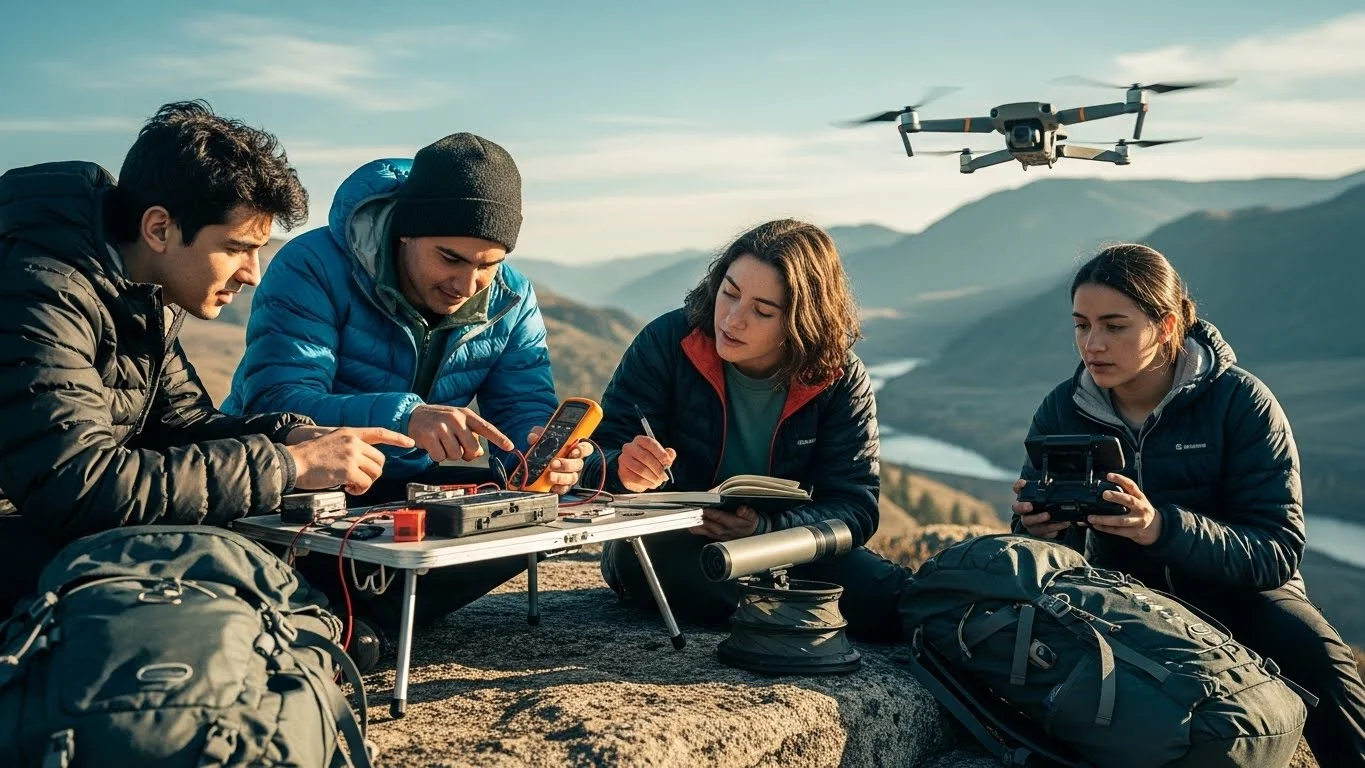
Understanding Budget Backpacking
What is Budget Backpacking?
Budget backpacking, in my experience, is all about exploring the great outdoors without breaking the bank. It involves traveling light and smart, often using affordable accommodations like campsites or hostels, and relying on local resources. I remember the thrill of planning my own budget trips—researching free hiking trails, packing my own meals, and finding hidden gems that didn’t cost a fortune. The essence of budget backpacking is to embrace the adventure while being resourceful. It’s not just about cutting costs; it’s about enjoying nature, learning new skills, and making lasting memories.
Benefits of Budget Backpacking for Families
For families, budget backpacking can be a fantastic way to bond and learn together. I’ve found that stepping away from the usual distractions of city life brings us closer. When we hit the trails, we engage in conversations that we often miss during our busy routines. Here are some benefits I’ve noticed:
- Quality Time: Shared experiences in nature foster deeper connections. I still cherish the nights spent around the campfire, sharing stories and laughter.
- Learning Opportunities: Every hike becomes a lesson in nature. From identifying plants to observing wildlife, it’s an open classroom where curiosity flourishes.
- Problem-Solving Skills: Navigating trails and dealing with unexpected challenges, like sudden weather changes, helps kids think on their feet. I remember the time we got lost and had to work as a team to find our way, turning a potential setback into a valuable lesson.
- Appreciation for Nature: Spending time outdoors nurtures a respect for the environment. My kids have become more aware of their impact on nature and the importance of conservation.
Incorporating STEM Learning into Backpacking
What is STEM Education?
STEM stands for Science, Technology, Engineering, and Mathematics. This educational approach encourages kids to think critically and creatively. I believe combining STEM with backpacking makes learning relevant and fun. When we’re out hiking, I try to connect what we see with concepts from our STEM lessons. For example, spotting different types of trees leads to discussions about ecosystems—it’s a way to make abstract ideas tangible and exciting.
Importance of STEM Learning in Outdoor Environments
Outdoor environments provide a rich context for STEM learning. I’ve found that kids are often more engaged when they can see real-world applications of what they’re learning. For instance, while hiking, we can observe the effects of erosion firsthand, which sparks conversations about geology and environmental science. Nature is like a laboratory, and every step we take can lead to new discoveries. I remember one trip where we studied the water cycle by watching how rainwater collected in streams and understanding its journey back to the sky. These experiences stick with us much longer than anything we could learn from a textbook.
Planning Your Budget Backpacking Trip
Choosing Budget-Friendly Destinations
When planning a budget backpacking trip, choosing the right destination makes all the difference. I recommend looking for local or state parks, which often offer free or low-cost entry. National forests are also a great option. I once found an amazing trail just a few hours from home that led to a stunning waterfall, all for the price of a tank of gas! Researching online and checking local hiking groups can reveal hidden treasures you might not have considered.
Essential Gear for Backpacking on a Budget
Investing in the right gear can save money in the long run. I’ve learned that quality doesn’t always mean high prices. Thrift stores or online marketplaces often have good deals on used camping gear. Here’s what I consider essential:
- Backpack: A comfortable, durable backpack is key. I found mine for a great price during a sale, and it has served me well.
- Tent: You don’t need an expensive tent—just something that keeps you dry and protects from bugs. Renting or borrowing can also be a budget-friendly option.
- Cooking Gear: A portable stove and basic cookware can be found at reasonable prices. Cooking on the trail is not only cheaper but also a fun activity for the family.
- Clothing: Layering is essential. I learned to invest in moisture-wicking clothing, which keeps me comfortable without needing a whole new wardrobe.
Cost-Effective Travel Tips
Traveling on a budget doesn’t mean cutting corners on fun. I’ve discovered several strategies that help keep costs down while still having a blast:
- Meal Prep: Preparing meals before the trip saves money and ensures healthy eating. I love making trail mixes and packing sandwiches for lunch on the go.
- Group Discounts: If you’re traveling with friends or family, look for group discounts on campsites or park entrances.
- Off-Peak Travel: Traveling during the shoulder seasons can save you money on campsites and give you a quieter experience in popular areas.
Fun STEM Activities While Backpacking
Nature Exploration and Biodiversity Studies
One of the most enjoyable aspects of backpacking is the opportunity to dive into nature exploration. I remember taking my kids on a hike where we turned into amateur biologists for the day. We started a simple biodiversity study by identifying different plants and animals along the trail. With a small notebook in hand, we documented our findings, sketching leaves, and noting animal tracks. It was fascinating to see their eyes light up every time they spotted something new, whether it was a rare flower or a chirping bird. This activity not only made our hike more engaging, but it also taught them the importance of biodiversity and ecosystems. I think creating a scavenger hunt for specific plants or animals can make this even more exciting!
Geology: Rock and Soil Investigations
Geology became a favorite topic during our backpacking trips, especially when we would come across fascinating rock formations. I found that picking up different types of rocks and soil along our hikes sparked curiosity in my kids. We would discuss their textures, colors, and what they might be made of. Sometimes, we would even use a simple magnifying glass I packed to examine the details more closely. There’s something magical about connecting the dots between the earth we walk on and the science behind it. I recommend bringing a rock identification guide along; it can turn a casual stroll into an exciting geology lesson!
Physics: Understanding Forces in Nature
Physics might not be the first thing that comes to mind when you think of a backpacking trip, but nature is full of opportunities to explore this subject. I recall one trip where we found a small stream with a steady current. We took the time to discuss concepts like gravity and flow, and even tried to build small dams with rocks and sticks. This hands-on experiment allowed my kids to see how forces work in real life. We also discussed motion by throwing pebbles into the water, observing the ripples created, and talking about energy transfer. It was a simple yet effective way to bring physics to life, and I could see their interest in the subject grow as they experimented and asked questions.
Environmental Science: Ecosystem Assessments
Another incredible way to incorporate STEM learning is through environmental science. On one occasion, we decided to do an ecosystem assessment at a nearby lake. We gathered samples of soil and water while discussing the habitat and its inhabitants. I encouraged my kids to think about how various factors, like pollution or climate change, could affect the ecosystem. They were genuinely surprised to learn about the interconnectedness of everything around us. This activity not only educated them about their surroundings but also instilled a sense of responsibility toward protecting our environment. I feel that fostering this awareness is crucial for the next generation.
Mathematics: Navigating with Maps and Coordinates
Math can also come into play while backpacking, especially when it comes to navigation. I remember teaching my kids how to read a map and use a compass during one of our hikes. We practiced plotting our route and calculating distances, which made the hike more interactive. Using coordinates to find our way added an exciting twist to our adventure. Seeing them apply their math skills in a real-world setting was rewarding. It’s amazing how practical math can be when you’re out in the wilderness! I find that incorporating these lessons into our hikes makes them more meaningful and memorable.
Engaging Kids in STEM During the Trip
Interactive Learning through Nature Journals
One of my favorite tools for engaging my kids in STEM during our trips is a nature journal. Each of my children has their own journal, where they can draw, write observations, and record their thoughts. I encourage them to note down interesting facts about what they see, from the shapes of leaves to the behaviors of animals. This not only enhances their observational skills but also fosters creativity. I often join in on the fun, and we share our findings at the end of the day. It’s a wonderful way to keep a record of our adventures and reflect on what we’ve learned together.
Using Technology: Apps for STEM Learning
In this digital age, technology can be a great ally in our STEM learning adventures. I often download apps that help identify plants, birds, and other wildlife before heading out. For example, apps like iNaturalist allow us to document our discoveries and contribute to citizen science projects. This combination of hiking and technology has made learning more interactive and exciting for my kids. I believe that using these tools can help bridge the gap between traditional education and real-world experiences.
STEM Games and Challenges to Foster Teamwork
Creating STEM-themed games and challenges during our backpacking trips has been a hit with my kids. We often set up mini-challenges, like building the best natural shelter using only materials found in the area or creating a simple pulley system with ropes. These activities not only encourage teamwork but also allow them to apply scientific concepts in a fun way. I love watching them collaborate and come up with creative solutions to the challenges we set. It turns our trips into a blend of fun and learning, making each adventure memorable. For more engaging activities, check out Budget Backpacking with Kids: Fun Literacy Activities.
Resources for STEM Activities in the Outdoors
Books and Guides for Young Explorers
One of the best ways I’ve found to enhance our outdoor adventures is by bringing along books and guides tailored for kids. These resources serve as fantastic companions, sparking curiosity and deepening our understanding of nature. I remember picking up a field guide that focused on local flora and fauna. It transformed our hikes into treasure hunts for knowledge. Each time we identified a new plant or animal, it felt like we were unlocking secrets of the wilderness.
I recommend looking for books that are age-appropriate and interactive. Some guides even come with activities or questions to prompt discussions. For instance, we enjoyed a book that featured challenges, like identifying different types of leaves or tracking animal footprints. This not only kept my kids engaged but also helped them learn more about their surroundings. Carrying a small, lightweight guide can turn any hike into a mini-educational adventure!
Online Platforms and Communities for STEM Learning
The internet is a treasure trove of resources for anyone looking to integrate STEM learning into their outdoor experiences. I’ve discovered numerous websites and platforms dedicated to nature education, offering everything from lesson plans to interactive activities. One of my favorites is the National Park Service website, which provides educational materials that complement visits to national parks.
Joining online communities or forums can also be incredibly beneficial. I’ve found groups on social media where parents share ideas and resources for STEM activities outdoors. It’s inspiring to connect with like-minded families who are equally passionate about blending education with adventure. These platforms often feature challenges or contests that encourage kids to document their findings and share their experiences, making learning a community effort. For creative ideas, you might also like Budget Backpacking with Kids: Fun Arts and Crafts Activities.
Safety Considerations for Budget Backpacking with Kids
Health and Safety Tips for Outdoor Activities
As much as I love backpacking adventures, I always prioritize safety, especially when my kids are involved. Before heading out, I make sure we have a first aid kit packed and that everyone knows basic safety rules. I remember a time we were hiking, and one of my kids tripped and scraped their knee. Thankfully, we had our kit handy, and I was able to clean and bandage the wound right away. It’s important to teach kids to be aware of their surroundings, know the trail markers, and how to communicate if they feel uncomfortable or unsafe.
Sun protection is another key aspect of our outdoor trips. I always apply sunscreen on my kids before we leave the car and reapply throughout the day. Hats and sunglasses have also become staples in our packing list. Staying hydrated is crucial too—while we hike, I encourage my kids to drink water regularly, even if they don’t feel thirsty. It’s amazing how quickly dehydration can sneak up on you, especially during a long day in the sun!
Emergency Preparedness and First Aid
I’ve learned that being prepared for emergencies can make all the difference in our hiking experiences. Before every trip, I go over some basic emergency procedures with my kids. We talk about what to do if someone gets lost, how to recognize signs of heat exhaustion, and the importance of sticking together. I remember one hike where we encountered a sudden downpour. While it was unexpected, we all knew to find shelter and stay calm. Being prepared turned what could have been a panic into an opportunity to work together as a family.
Additionally, I always carry a whistle and a small flashlight, just in case. We’ve practiced what to do in different scenarios, like signaling for help. Teaching my kids these skills not only gives me peace of mind but also empowers them to feel confident in handling unexpected situations. I believe that instilling these safety measures ensures that our backpacking outings remain enjoyable and secure.
Post-Trip Reflection and Learning
Encouraging Discussion About Experiences
One of the most rewarding parts of our backpacking trips is the conversations we have afterward. I find that discussing our experiences helps reinforce the lessons we’ve learned while hiking. After returning home, I often ask my kids to share their favorite moments from the trip. I encourage them to express what they enjoyed most and what they found challenging. This reflection not only strengthens our bond but also reinforces their learning. I’ve noticed that the more they articulate their experiences, the more they remember the details.
We sometimes create a scrapbook of our adventures together, including photos, drawings from our nature journals, and even pressed flowers. This creative project allows my kids to revisit their memories while also providing a platform for them to express their thoughts. It’s a wonderful way to celebrate our adventures and keep the spirit of exploration alive long after the trip has ended.
Continuing STEM Learning at Home
When we get back from our trips, I make it a point to extend our STEM learning beyond the trails. I’ve found that incorporating what we learned into activities at home keeps the excitement alive. For example, we might conduct simple science experiments related to our findings, like growing plants from seeds we collected or creating our own ecosystem in a jar. I love seeing their enthusiasm as they connect our outdoor lessons to hands-on projects.
I also encourage them to research any questions that popped up during our hikes. Whether it’s a specific plant we spotted or an animal behavior we discussed, delving deeper into those topics enriches their understanding. We often visit our local library to find books or resources that relate to our experiences. This way, we’re not just learning about nature; we’re developing a lifelong love for discovery and inquiry.
Frequently Asked Questions
What is budget backpacking?
Budget backpacking involves exploring the great outdoors without spending a lot of money. It includes traveling light, using affordable accommodations, and relying on local resources while enjoying nature and making lasting memories.
What are the benefits of budget backpacking for families?
Budget backpacking offers families the opportunity for quality time together, learning experiences about nature, development of problem-solving skills, and a greater appreciation for the environment.
How can STEM learning be incorporated into backpacking?
STEM learning can be integrated into backpacking by connecting outdoor experiences with scientific concepts, such as discussing ecosystems while hiking or observing geological features along the trail.
What should families consider when planning a budget backpacking trip?
Families should choose budget-friendly destinations like local parks or national forests, invest in essential gear, and utilize cost-effective travel tips like meal prep and seeking group discounts.
What essential gear is recommended for budget backpacking?
Essential gear includes a comfortable backpack, a durable tent, cooking gear, and moisture-wicking clothing. Thrift stores or online marketplaces can be great sources for budget-friendly options.
What kinds of STEM activities can be done while backpacking?
STEM activities during backpacking can include nature exploration and biodiversity studies, geology investigations, physics experiments with forces in nature, environmental science assessments, and navigation using maps and coordinates.
How can kids engage in STEM learning during backpacking trips?
Kids can engage in STEM learning through nature journals, using technology like identification apps, and participating in STEM-themed games and challenges that promote teamwork and creativity.
What resources are available for STEM activities in the outdoors?
Resources for STEM activities include books and guides tailored for young explorers, online platforms offering educational materials, and communities where parents can share ideas and resources for outdoor STEM learning.
What safety considerations should be kept in mind while backpacking with kids?
Safety considerations include having a first aid kit, teaching basic safety rules, ensuring sun protection, and staying hydrated. Emergency preparedness and discussing procedures for unexpected situations are also crucial.
How can families reflect on their experiences after a backpacking trip?
Families can reflect on their experiences by discussing favorite moments, creating scrapbooks of their adventures, and extending STEM learning at home through related activities and research on topics encountered during the trip.