
Traveling with an infant can feel daunting, especially on a budget. However, with the right preparation and mindset, backpacking with your little one can lead to unforgettable adventures! For more insights, check out our Budget Backpacking Tips for Reducing Pregnancy Anxiety.
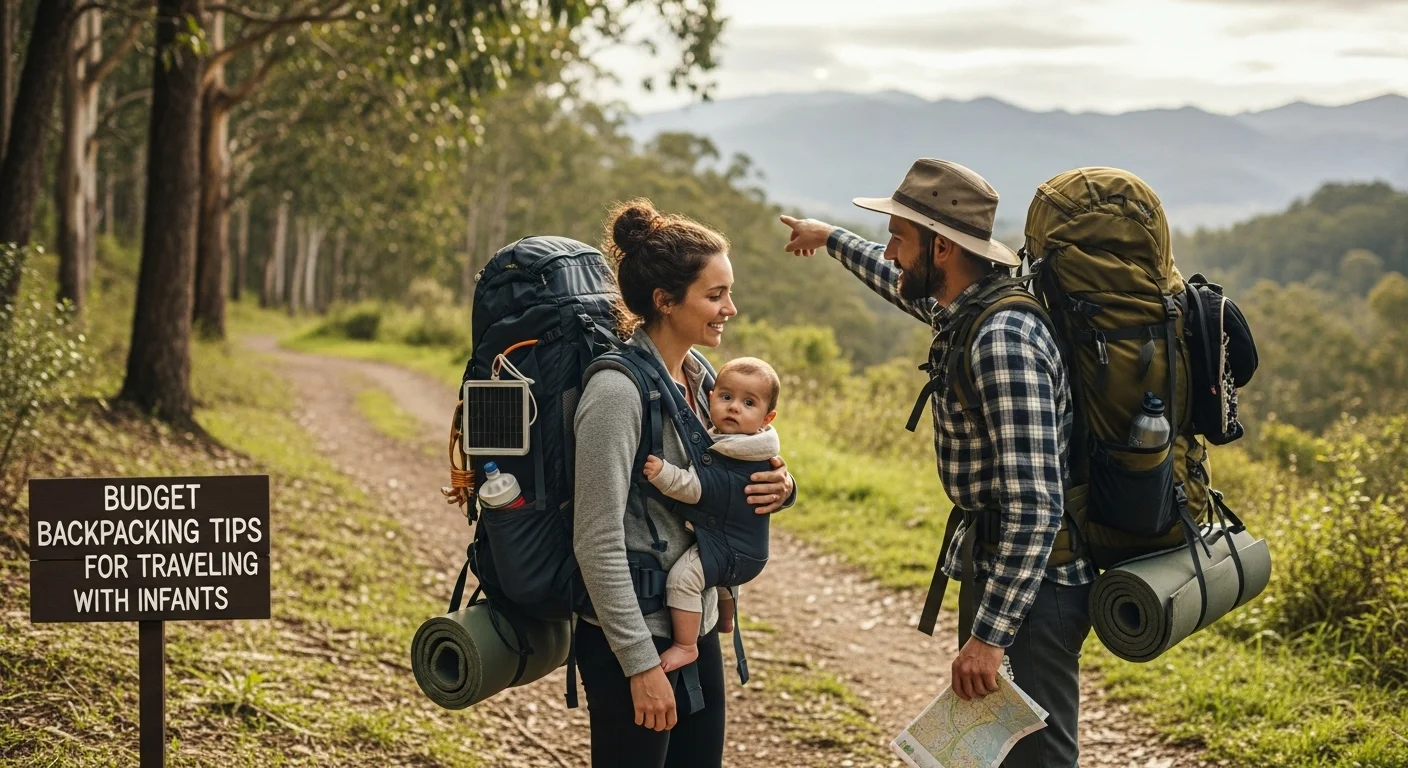
Understanding Budget Backpacking with Infants
Backpacking with an infant is a unique experience that can open up a world of adventure. I remember when my partner and I decided to take our first trip with our baby. At first, I felt overwhelmed by the idea of carrying everything we needed while managing the needs of a tiny human. But I soon discovered that budget backpacking with infants comes with its own set of benefits and challenges that can be navigated with a little planning.
The Benefits of Backpacking with Infants
One of the biggest perks of backpacking with an infant is the opportunity for family bonding. We got to share new experiences together, whether it was exploring a vibrant market or hiking through scenic trails. Seeing the world through our baby’s eyes made every moment feel special. Plus, traveling with a baby often means you can skip long lines at attractions and enjoy more space on public transport, as families often get priority boarding or seating.
Another benefit is that infants are generally more flexible than older children. They don’t have set schedules for activities, which means you can adapt your plans as needed. I remember one day when we planned to visit a museum, but our baby was fussy. Instead, we found a shady park nearby where we could relax and let our little one play on a blanket. It turned into one of our favorite memories from that trip!
Challenges to Consider When Traveling with Babies
Despite the perks, there are certainly challenges to be aware of when traveling with an infant. For starters, packing becomes a strategic game. You need to bring essentials like diapers, wipes, and snacks, but you also want to keep your load light. I learned the hard way that overpacking leads to heavy backpacks and sore shoulders!
Another challenge is the unpredictability that comes with babies. They can be fussy at the most inconvenient times, whether you’re navigating a crowded bus station or trying to enjoy a quiet meal. I found that having a flexible itinerary helped us adapt to our baby’s needs while still allowing us to experience new things. It’s also helpful to have a few go-to activities that can keep them entertained, like bringing along their favorite toy or a small book.
Health and safety are paramount when traveling with an infant. I made sure to research local healthcare facilities and have emergency contacts on hand. The last thing I wanted was to be caught off guard in a foreign place without knowing where to go if something went wrong.
Ultimately, traveling with an infant requires a balance of adventure and caution. It’s about finding what works for your family while being open to new experiences. I believe the key is to embrace the journey, with all its ups and downs, and to remember that the bond you create through these travels will last a lifetime.
Planning Your Trip
When it comes to planning your budget backpacking trip with an infant, preparation is everything. This involves choosing the right destinations, deciding when to travel, and setting a realistic budget that will allow you to enjoy your experience without financial stress.
Choosing Family-Friendly Destinations
Choosing the right destination can make or break your trip. I found that family-friendly locations often have amenities like changing stations, stroller access, and restaurants with high chairs. Before our trip, I researched places that were known for being welcoming to families. This included checking online reviews and asking for recommendations from friends who had traveled with children.
Some of my favorite destinations were those in nature, like national parks where we could hike with our baby in a carrier. I also loved cities with good public transport systems, so we didn’t have to worry about navigating unfamiliar roads with a car seat in tow. Look for places that cater to families, with plenty of parks and activities that are easy to access.
Best Times to Travel with an Infant
Timing can greatly affect your travel experience. I discovered that traveling during off-peak seasons not only meant fewer crowds but also lower prices. Babies tend to be more adaptable to change in routine when they’re younger, so I recommend considering trips when your child is between six months and two years old. During this phase, they may still be content to nap in a carrier or stroller, making it easier to explore!
Setting a Realistic Budget
Budgeting for a trip with an infant can feel daunting, but breaking it down into categories made it manageable for me. I focused on major expenses like transportation, accommodation, food, and activities. It’s essential to set a budget that allows some wiggle room for unexpected expenses, like last-minute supplies or an impromptu meal out when you’re too tired to cook.
One tip I learned is to look for family discounts on attractions and transportation. Many places offer reduced fares for kids under a certain age, and some even let infants in for free. Don’t hesitate to ask about family rates when booking accommodations or planning outings; you might be surprised at the savings! For tips on ensuring your baby sleeps safely while traveling, check out Budget Backpacking with Baby: Safe Sleep Tips You Need.
Planning your trip thoughtfully can turn what seems like a daunting task into an exciting adventure. With the right approach, backpacking with your infant can become a beautiful journey filled with cherished memories.
Essential Gear for Backpacking with Infants
When it comes to traveling with an infant, the right gear can make all the difference. I learned that preparing a well-thought-out packing list helps ensure you don’t forget essentials while keeping your load manageable. Here are some of the essentials that I found invaluable for our backpacking adventures.
Choosing the Right Backpack and Baby Carrier
Finding the perfect backpack is crucial. I remember spending hours researching different options. I wanted something that was comfortable, durable, and had enough space for all our baby gear without being too heavy. I ultimately chose a backpack with a good support system and multiple compartments, making it easy to access everything we needed.
As for the baby carrier, this was a lifesaver! We opted for a soft-structured carrier that allowed me to wear our baby both on my front and back. I loved being hands-free while exploring, and our little one seemed happy snuggled up close to me. I recommend trying a few different styles before your trip to see which feels most comfortable for both you and your baby.
Must-Have Baby Gear for Travel
There’s a lot of baby gear out there, but some items are essential for travel. I found that lightweight, foldable items worked best for us. A portable crib was high on my list, and I chose one that was easy to set up and compact to pack. It provided our baby a familiar sleeping space, which helped with nighttime routines.
Don’t forget about a travel stroller! A lightweight and compact stroller is perfect for navigating busy streets or airports. I found models that could easily collapse with one hand, which was a game-changer when I was juggling bags. Additionally, a diaper bag that doubles as a backpack was perfect for keeping diapers, wipes, snacks, and bottles organized and accessible.
Lastly, I recommend bringing travel-sized toiletries and a compact first-aid kit. You never know when you might need a little extra help, and having these items on hand is comforting.
Packing Light: Tips for Minimalist Packing
Packing light is essential when you’re backpacking with an infant. I learned the hard way that overpacking can lead to backaches and added stress. Here are some tips that worked wonders for me:
- Choose Multi-Purpose Items: I aimed for clothes that could be mixed and matched. I brought a few versatile outfits for myself and quick-dry fabrics that didn’t require ironing.
- Limit Diapers: I packed enough diapers for the first couple of days and then planned to buy more at our destination. It’s often easier and more space-saving.
- Use Compression Packing Cubes: These helped me keep everything organized and compact. Plus, they made it easier to find what I needed without rummaging through my entire bag.
- Pack for Layering: Weather can be unpredictable, so I packed layers rather than bulky items. A lightweight jacket or blanket can easily be added or removed as needed.
By packing strategically and choosing the right gear, I felt more prepared and less stressed on our adventures. This mindset made it easier to focus on creating memories instead of worrying about what I packed.
Finding Affordable Accommodations
Finding a place to stay that fits your budget and is family-friendly can be a bit of a challenge, but it’s also a fun part of the planning process. I discovered that there are plenty of options available, each with its pros and cons.
Budget Hotels vs. Hostels: Which is Better?
Budget hotels are usually a safe choice for families, offering private rooms and amenities that cater to your needs. I found some great deals online, especially if I booked in advance. Many budget hotels provided cribs upon request and had family-friendly breakfast options, which made mornings easier.
Hostels, on the other hand, are often more affordable and can be a fantastic way to meet other travelers. Some hostels even offer private family rooms. I remember staying in a hostel once where we shared the kitchen with other families, and it turned into a lovely community experience. However, I recommend checking the hostel’s family policies, as some may not be suitable for infants.
Family-Friendly Airbnb Options
Airbnb can be a game-changer when traveling with an infant. I loved that we could rent entire homes or apartments, giving us more space and often a kitchen to prepare our meals. Having a separate room for the baby made bedtime much smoother, and I appreciated being able to do laundry during our stay.
When searching for an Airbnb, I always read reviews from other families to ensure the property was safe and catered to our needs. Look for listings that offer high chairs, cribs, and kid-friendly amenities to make your stay comfortable.
Camping as a Budget-Friendly Accommodation
If you enjoy the outdoors, camping can be a fantastic and budget-friendly accommodation option. I remember one trip where we camped in a national park, which was an incredible experience. Being surrounded by nature was both peaceful and invigorating, and it allowed us to bond as a family in a unique setting.
Before setting off, make sure to find campgrounds that are family-friendly and have necessary facilities. I always check the campground’s amenities, like restrooms and access to running water, to ensure we had what we needed for our baby. Plus, camping gear is usually lightweight and easy to pack, making it ideal for backpacking.
Transportation Tips
Choosing the right transportation for your trip can make a world of difference when backpacking with an infant. I remember spending quite a bit of time weighing my options and figuring out what would be easiest for our family. Here are some insights I’ve gathered that might help you in your planning.
Choosing the Right Travel Method: Plane, Train, or Bus?
When it comes to traveling with an infant, each mode of transportation has its pros and cons. I found flying to be the quickest option for longer distances, but it can also be stressful. Airports can be overwhelming, and packing everything for a baby can feel like a workout! I recommend booking a direct flight whenever possible to avoid layovers, which can add to the chaos.
Trains, on the other hand, often provide a more relaxed travel experience. I enjoyed the spaciousness of trains and the ability to walk around if our little one got restless. Some trains even have family compartments, which make the journey feel more comfortable. Plus, the scenic views can keep your baby entertained as you travel!
For shorter trips, buses can be a budget-friendly option, but they come with their own challenges. The seating can be cramped, making it a bit tricky to manage an infant. I suggest checking if the bus company provides any family-friendly features, like priority boarding or extra space for strollers.
Using Public Transport with an Infant
Using public transport in a new city can be quite the adventure! I remember the first time we tried navigating the subway with our baby. It was a bit daunting at first, but I found that most public transportation systems are equipped to accommodate families. Always check the layout of the stations ahead of time, as some may have elevators or ramps that make it easier to access platforms with a stroller.
Having a lightweight stroller was a game-changer for us. It was easy to fold up when we needed to board a bus or train, and it made navigating busy stations much less stressful. I also made sure to wear our baby in the carrier when the crowd was thick, which allowed me to keep my hands free for tickets or bags. The best part? Many public transport systems offer discounts for children, which helps keep our budget in check!
Car Rentals and Baby Seats: What You Need to Know
If you plan to rent a car, it’s important to consider how to safely travel with your infant. I learned that many rental companies provide baby seats, but I prefer bringing my own. Not only do I know it’s safe, but it also saves money on rental fees. Just be sure to check the rental regulations for car seats in the country you’re visiting, as they can vary widely.
Before hitting the road, I always do a quick safety check of the vehicle. This includes checking that the seat is properly installed and ensuring that the car has air conditioning or heating, depending on the climate. Finding a car with enough trunk space for all our gear is also a priority; I don’t want to be cramped in the car with baby bags piled on our laps!
Ultimately, the key to successful transportation with an infant is preparation. Whether you decide to fly, take a train, or drive, each choice offers unique experiences. By planning ahead and being flexible, we can navigate our journeys with a little more ease.
Food and Nutrition on a Budget
Food is another essential aspect of traveling with an infant, and managing it on a budget can be tricky. I learned that planning meals in advance not only saves money but also reduces stress when you’re on the go. Here are some strategies I found useful for keeping our food budget in check while ensuring our baby was well-fed.
Eating Out with an Infant: Cost-Effective Options
Dining out with an infant doesn’t have to break the bank. We often sought out local eateries that offered affordable meal options. Many restaurants provide children’s menus that feature smaller portions at lower prices. I also looked for establishments that were family-friendly, which often meant they had high chairs and changing tables available.
One of my favorite strategies was to ask locals for recommendations on budget-friendly spots. I found that some of the best meals came from small, family-run restaurants that weren’t expensive. Plus, eating where the locals eat often means fresher ingredients and more authentic flavors!
Preparing Food While Traveling
If you’re staying in a place with a kitchen, taking advantage of it can really help your budget. I made it a point to stock up on basic groceries when we arrived. Simple staples like pasta, rice, fruits, and vegetables can be turned into quick meals. I often cooked dinners that could feed us all, which proved to be healthier and more economical than dining out every night.
Investing in a portable blender was another game-changer for us. It allowed me to prepare smooth purees or healthy snacks for our little one, ensuring that they had nutritious food while we were on the road. It’s also helpful to pack some easy-to-carry snacks, like puffs or fruit bars, for when we needed something on-the-go.
Finding Grocery Stores and Local Markets
Locating grocery stores or local markets is essential when traveling with an infant. I enjoyed exploring local markets for fresh produce and unique snacks. Not only did it save us money, but it also gave us a chance to experience the local culture. I remember visiting a farmer’s market in Spain and discovering delicious fruits and homemade baby food options that were both affordable and tasty.
Before heading out, I would spend some time researching grocery store chains or markets in the area. This way, I could identify the best places to stock up on supplies and plan our meals accordingly. It’s also smart to check if the stores offer special discounts or loyalty programs, which can help stretch your budget even further. For more tips on feeding your baby while on the road, check out Traveling with Baby: Best Feeding Supplies on a Budget.
Frequently Asked Questions
What are some benefits of backpacking with an infant?
Backpacking with an infant allows for family bonding through shared experiences, such as exploring markets and hiking. Additionally, families often receive priority boarding on public transport and can skip long lines at attractions. Infants are also more flexible than older children, allowing for adaptable travel plans.
What challenges might I face when traveling with an infant?
Challenges include strategic packing, as you need to bring essentials while keeping your load light. Babies can be unpredictable and fussy, requiring a flexible itinerary. It’s also important to be aware of health and safety, researching local healthcare facilities in case of emergencies.
How can I choose a family-friendly destination for backpacking?
Look for destinations that have amenities such as changing stations and stroller access. Research online reviews and ask for recommendations from friends who have traveled with children. Nature spots and cities with good public transport systems are often ideal for families.
What is the best time to travel with an infant?
Traveling during off-peak seasons can lead to fewer crowds and lower prices. It’s recommended to consider trips when your child is between six months and two years old, as they are generally more adaptable to changes in routine.
What essential gear should I pack for backpacking with an infant?
Important items include a comfortable backpack, a soft-structured baby carrier, a portable crib, a travel stroller, and a diaper bag that doubles as a backpack. Compact first-aid kits and travel-sized toiletries are also recommended for convenience.
What packing tips can help me travel light with an infant?
Choose multi-purpose clothing, limit the number of diapers by buying more at your destination, use compression packing cubes for organization, and pack layers rather than bulky items to be prepared for unpredictable weather.
What types of accommodations are suitable for families on a budget?
Budget hotels offer private rooms and family-friendly amenities, while hostels can provide affordable and communal experiences. Family-friendly Airbnb options allow for more space and kitchen facilities, and camping can be a budget-friendly and adventurous accommodation choice.
What transportation options are best for traveling with an infant?
Flying is the quickest option for long distances, but trains often provide a more relaxed experience with family compartments. For shorter trips, buses can be budget-friendly but may be cramped. Always check for family-friendly features in transportation options.
How can I manage food and nutrition while traveling with an infant?
Plan meals in advance to save money and reduce stress. Look for local eateries with children’s menus and prepare simple meals if you have access to a kitchen. Stock up on groceries and explore local markets for fresh produce and budget-friendly options.
What should I consider when preparing food while traveling?
If your accommodation has a kitchen, stock up on basic groceries for economical meal preparation. Invest in a portable blender for preparing healthy snacks and pack easy-to-carry snacks for on-the-go feeding.