
Backpacking with kids can be a thrilling adventure, filled with exploration and bonding moments. Incorporating fun literacy activities during these trips can make the experience even more enriching for everyone! Read Interesting article: Budget Backpacking: Fun Learning Activities for Kids on the Go
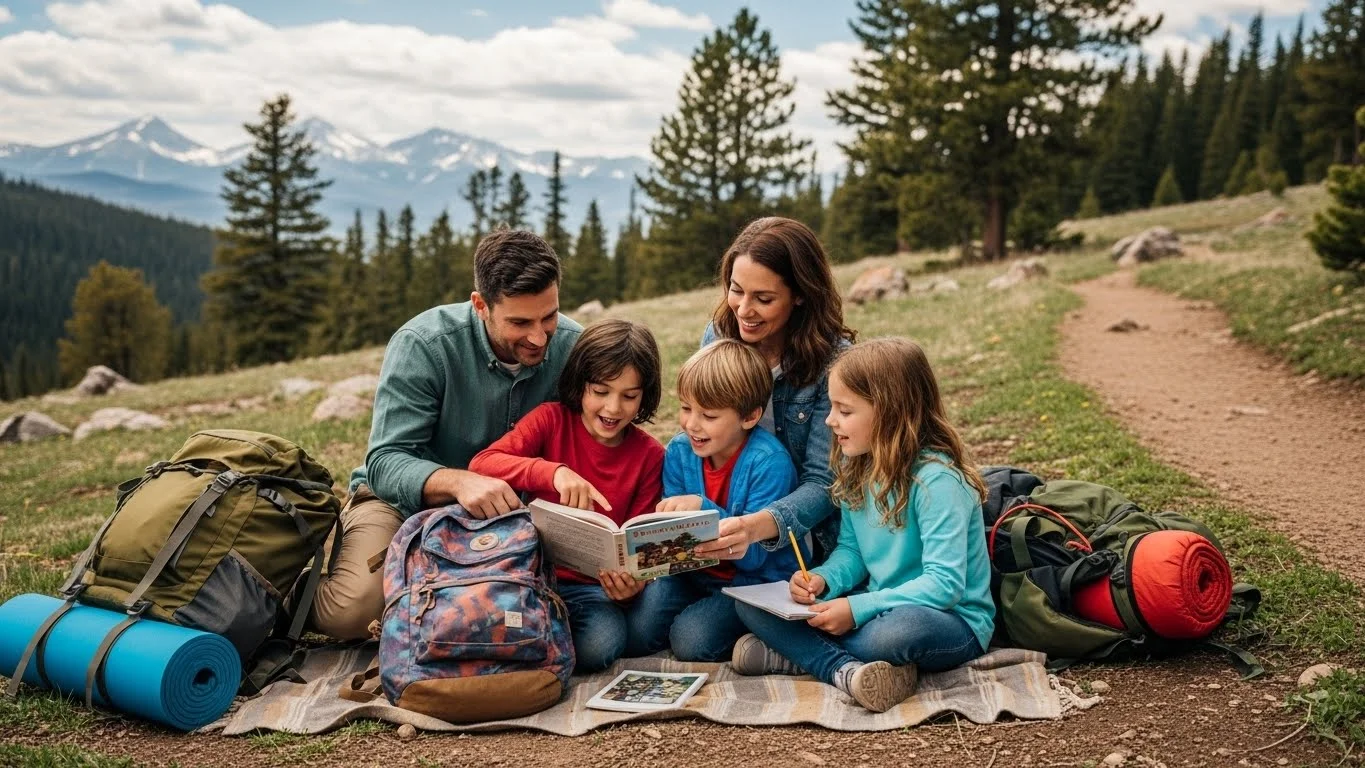
Understanding Budget Backpacking with Kids
Backpacking with children is one of those experiences that, when done right, creates lifelong memories. I remember my first trip with my kids; the excitement in their eyes as we set out into the wild was contagious. It was a chance to escape our daily routines and explore nature together. But I also realized quickly that planning a budget-friendly trip was crucial. So, let’s dive into the benefits of backpacking with children, essential gear needed, and how to choose affordable destinations that everyone will enjoy.
The Benefits of Backpacking with Children
One of the first things I noticed about backpacking with kids is how it fosters a love for nature. My children became curious about their surroundings, asking questions about the trees, animals, and landscapes we encountered. This curiosity sparked discussions about ecosystems and the environment, leading to wonderful learning moments outside the classroom.
Moreover, backpacking encourages family bonding. Time spent hiking together, setting up camp, and cooking meals under the stars helps us connect in a way that busy daily life rarely allows. My kids learned teamwork as they helped pitch the tent and cook over the campfire. Each task brought us closer, creating a sense of accomplishment that I felt we all shared.
Essential Gear for Family Backpacking
When I first ventured into backpacking with my children, I quickly realized that having the right gear made all the difference. Make sure to pack lightweight, durable items that suit your family’s needs. Here are some essentials:
- Backpacks: Choose comfortable, well-fitted backpacks for each family member. For younger kids, consider child-sized packs to lighten the load and keep them motivated.
- Tents: A family-sized tent is a must. I found that having enough space to sit and play games inside during bad weather made our trip much more enjoyable.
- Sleeping Gear: Invest in good sleeping bags and sleeping pads. For us, comfort at night ensured everyone woke up refreshed and ready for the day ahead.
- Cooking Equipment: A portable stove, lightweight cookware, and easy-to-prepare meals helped us stay nourished without breaking the bank.
- Safety Gear: Don’t forget a first-aid kit, insect repellent, and sunscreen. I’ve learned the hard way how essential these items can be!
Choosing Affordable Destinations
Finding budget-friendly destinations can be a game changer for family backpacking. I remember poring over maps and online forums, searching for places that wouldn’t drain our wallets. State and national parks often have lower entrance fees and provide beautiful landscapes and hiking opportunities. Local hiking trails are also worth exploring; we discovered hidden gems right in our backyard!
Another tip I learned is to look for free camping options. Many public lands allow dispersed camping at no cost, giving you a chance to immerse yourself in nature without the price tag of a campsite. Just be sure to research the regulations to ensure a safe and enjoyable experience.
Seasonal timing is also something to consider. We found that visiting during the shoulder seasons (spring and fall) often led to fewer crowds, lower prices, and stunning scenery. The vibrant colors of autumn or the wildflowers of spring added a magical touch to our adventures.
Finding affordable destinations doesn’t mean sacrificing fun or adventure. With a little research and creativity, our family has enjoyed countless memorable trips without overspending.
Planning a backpacking trip with kids can be an incredibly rewarding experience. As we continue our journey, I can’t wait to share more tips on how to make literacy activities a fun part of our adventures, turning our outdoor experiences into learning opportunities that inspire curiosity and creativity in our little ones. Read Interesting article: Budget Backpacking with Kids: Fun Arts and Crafts Activities
Planning Your Backpacking Trip
Setting a Budget for Family Travel
When it comes to planning a backpacking trip with kids, setting a budget is one of the first steps I take. I’ve learned that a clear budget helps keep our expenses in check and allows us to enjoy the experience without worrying about finances. I generally start by estimating costs for travel, food, gear, and any park fees.
For travel, I consider how we’ll get to our destination. Sometimes, driving can be more economical than flying, especially if we can pack our gear into the car. I also keep an eye out for any discounts or deals on gas. When it comes to food, I prefer packing our meals instead of dining out. It’s a fun challenge for my family to prepare easy, nutritious meals that we can eat on the trail, which keeps things budget-friendly.
Gear costs can add up quickly, so I recommend investing in high-quality essentials but also considering second-hand or rental options for items we don’t use often. I remember renting a tent for our first trip, which saved us a lot of money and gave us the chance to test it out before buying. I always advise looking for local outdoor stores that offer rentals or discounts.
Lastly, I keep a small buffer in our budget for unexpected expenses. It’s those little surprises, like needing an extra first-aid supply or a fun souvenir, that can sneak up on you. By planning ahead and being mindful of our spending, we’ve had amazing trips without breaking the bank.
Choosing Kid-Friendly Trails and Campsites
Selecting the right trails and campsites for our backpacking trip is crucial for ensuring that everyone, especially my kids, has a great time. I remember the first time we set out on a long hike; I was eager to tackle a challenging trail. But I quickly realized that my kids were not ready for such a demanding trek. We ended up cutting our hike short, which was a learning moment for me.
Now, I always look for kid-friendly trails that are shorter and have plenty of interesting features along the way. Trails with spots to explore, like streams or unique rock formations, keep the kids engaged and excited about the journey. I often check online resources or ask at local visitor centers for recommendations on family-friendly hikes.
When it comes to campsites, I prefer places that offer amenities like restrooms and picnic tables. While we enjoy the ruggedness of nature, having a few comforts can make the experience more enjoyable for the kids. I also find that campsites near water are a hit; the kids love splashing around and exploring. Plus, it’s a great way to cool off after a long day of hiking!
Travel Safety Tips for Families
Keeping my family safe while backpacking is my number one priority. Before we head out, I make sure to review some essential safety tips with my kids. I remember a time when my youngest wandered a bit too far while playing near our campsite. It was a scary moment that made me realize how important it is to have clear guidelines about staying close and keeping an eye on one another.
We talk about the importance of staying on marked trails to avoid getting lost and the need to recognize landmarks. I also encourage my kids to speak up if they feel uncomfortable or unsure about something. Teaching them how to read a map and use a compass has also been a fun learning experience for us.
Another crucial aspect of travel safety is preparing for emergencies. I always pack a comprehensive first-aid kit and ensure that we know how to use the items within it. We also discuss what to do if we encounter wildlife, just to be on the safe side. Understanding the local animals, their behaviors, and how to respect their space helps us feel more secure and connected to the environment.
Lastly, having a communication plan is essential. If we’re in a remote area without cell service, I make sure everyone knows how to find their way back to a designated meeting spot in case we get separated. These safety measures give me peace of mind and allow my family to enjoy our adventures to the fullest.
Fun Literacy Activities While Backpacking
Once we’ve planned our trip and ensured everyone’s safety, I love to incorporate some fun literacy activities into our backpacking adventures. These activities not only enhance our time outdoors but also spark creativity and encourage my kids to engage with their surroundings in a meaningful way. I’ve found that a little imagination can turn any hike or camping trip into a fantastic learning experience! Read Interesting article: Creative Outdoor Learning: Fun and Budget-Friendly Ideas
Fun Literacy Activities While Backpacking
Nature Journals: Encouraging Writing and Observation
One of my favorite ways to blend adventure with literacy is through nature journals. I like to bring along small notebooks and colored pencils for each of my kids. Each day, after a hike or a fun outdoor activity, we spend some time writing and drawing in our journals. It’s amazing to see how their observations come alive on the pages. My youngest enjoys drawing the different leaves and rocks we find, while my older child often writes little stories about the animals we encounter or imagines the adventures of a local explorer.
Encouraging kids to document their experiences fosters their writing skills and helps them develop a deeper connection with nature. I always remind them to include their thoughts and feelings, which leads to some powerful reflections. For me, seeing their creativity flourish in such a simple way always brings a smile to my face!
Storytelling Around the Campfire
Nothing beats a good story while sitting around the campfire at night. I love gathering my kids and sharing stories from my own childhood, especially the ones involving outdoor adventures. But what’s even more magical is when my kids take turns sharing their tales. Sometimes they create wild stories about mythical creatures living in the woods, or they recount the day’s events in a humorous way that has us all laughing. Storytelling not only builds their confidence but also encourages their imaginations.
To make it even more exciting, we often come up with a story prompt together. For example, we might start with, “Once upon a time in this very forest…” This allows each child to contribute their own ideas, making it a collaborative effort. I believe these moments help strengthen our family bond while allowing them to practice their storytelling and public speaking skills.
Reading Aloud: Choosing the Right Books
Reading during our backpacking trips isn’t just a bedtime routine but an adventure all its own. I love picking a few books related to nature or adventure that we can read aloud together. Sometimes, we cozy up in our tent after a long day of hiking and dive into a story about explorers or animals. It’s a way to extend our outdoor experiences into the pages of a book.
I’ve found that having a mix of fiction and nonfiction works best. For instance, we might read a fun adventure story one night and a book about local wildlife the next. It allows us to connect what we read with what we see outside our tent. I always encourage the kids to ask questions or share their thoughts about what we’re reading, which leads to rich discussions and sparks their curiosity even more.
Scavenger Hunts: Combining Learning and Adventure
Scavenger hunts are another fantastic way to keep my kids engaged while we hike. Before our trips, I create simple lists of items to find in nature, like different types of leaves, animal tracks, or specific flowers. As we hike, the kids love searching for these items, and it turns into a fun competition to see who can find everything first!
Not only do scavenger hunts encourage observation skills, but they also promote teamwork when we work together to find items on the list. I often add a twist by asking them to write down what they find and draw pictures of their favorite discoveries. This way, they get to practice their writing and artistic skills while absorbing the beauty around them.
Literacy Games: Engaging Activities for Hiking
On longer hikes, I like to keep our spirits high with literacy games. One of our favorites is the “I Spy” game, where we take turns spotting something that begins with a particular letter or describes a color. This game not only encourages observation but also gets us all thinking creatively. Sometimes we make it a challenge by adding categories, like “I spy something that grows” or “I spy something that flies.”
Another engaging activity is creating a “word chain.” One person starts with a word related to nature, like “tree,” and the next person has to come up with a word that starts with the last letter of the previous word, such as “eagle.” This game keeps our minds sharp and learning fun, often leading to laughter as we think on our feet.
All these activities help turn our backpacking trips into an enriching literary adventure. I feel that by integrating literacy into our outdoor experiences, we not only enhance our connection with nature but also create lasting memories that my kids will carry with them for years to come.
Incorporating Local Culture and Language
Learning Basic Phrases in the Local Language
During our backpacking trips, I’ve found that immersing ourselves in the local culture adds a rich layer to our adventures. One of the simplest yet most rewarding ways to do this is by learning a few basic phrases in the local language. This practice not only helps us connect with the people we meet along the way but also makes our children feel more engaged and respectful toward the culture they’re experiencing.
Before we set off, I usually look up some essential words and phrases that might come in handy. For instance, greetings, “thank you,” and “please” are great starting points. I remember one trip when we were in a small town, and my kids confidently greeted shopkeepers in the local language. Their smiles were priceless, and the locals responded with warmth, which made our interactions feel more personal.
I also like to turn it into a game. We practice saying the phrases together, and I encourage the kids to use them as often as possible. It’s amazing how learning a little bit of the local language can make a world of difference in our travels, fostering a deeper appreciation for the places we visit.
Exploring Local Folklore and Stories
Another enriching aspect of our trips is diving into local folklore and stories. Before we head out, I often research the history and myths of the areas we plan to explore. Sharing these stories with my kids not only fuels their imagination but also provides context to the landscapes we see.
For example, during one of our hikes in a national park, I told my kids about the legends of the mountains we were surrounded by. The tales of ancient spirits and adventures brought the scenery to life for them. We even created our own stories inspired by the local folklore, weaving in elements we encountered along the trail.
These storytelling moments not only entertain but also teach our children about the importance of cultural heritage and the power of narratives in shaping our understanding of the world. It opens up conversations about how different cultures view nature and its significance, deepening their connection to the environment.
Resources for Literacy Activities on the Go
Printable Activity Sheets for Kids
To keep the literacy momentum going during our trips, I often bring along printable activity sheets that I’ve created or found online. These sheets can include word searches, crossword puzzles, or nature-themed coloring pages. They serve as a great way to wind down after a long day of hiking or to fill in downtime at the campsite.
Sometimes, I let the kids customize their activity sheets by adding their own drawings or favorite quotes from our adventures. This not only makes the activities more personal but also encourages them to engage creatively with their experiences. I believe these little touches make the activities more meaningful.
Recommended Books for Young Readers
When it comes to choosing books for our trips, I always opt for titles that inspire curiosity and adventure. I’ve discovered some fantastic children’s books that are perfect for our nature-themed backpacking experiences. Picture books about explorers, animals, and the great outdoors often capture my kids’ imaginations.
Before our trips, I like to create a small reading list and let the kids choose a couple of books to bring along. Sharing a story in the midst of nature feels special, and it often leads to discussions about what we see around us. It’s a wonderful way to keep their enthusiasm for reading alive while also enhancing our connection to the environment.
Digital Apps for Learning and Literacy
In this digital age, I also find that there are some incredible apps geared toward literacy and learning that we can use while on the go. Some of my favorite apps offer fun games that reinforce reading and writing skills, while others provide interactive nature guides that help us identify plants and animals we encounter.
Before we head out, I make sure to download a few educational apps that align with our trip’s theme. The kids love using them during downtime or even while we’re hiking to learn more about what they see. These tools have proven to be both educational and entertaining, making our adventures even more enriching.
Post-Trip Literacy Activities
Creating a Family Travel Book
After our trips, I love turning our experiences into a family travel book. We gather our nature journals, photos, and any materials we collected during our adventures. Each family member contributes their favorite memories, drawings, and reflections, which creates a beautiful keepsake of our journey.
This activity not only encourages my kids to revisit what they learned but also reinforces the writing skills they practiced while we were away. It’s a fun way to relive our adventures and bond as a family, as we share stories and laugh over the moments we cherished the most.
Writing Letters to Friends about the Adventure
Another engaging post-trip activity is writing letters to friends and family about our adventures. I encourage my kids to share what they experienced, the places we visited, and the fun literacy activities we did. It’s a great way for them to practice their writing skills while also sharing their excitement with others.
We often decorate the letters with drawings or stickers, making the correspondence feel special. When their friends respond, it creates a wonderful exchange that keeps the memories alive and fosters connections with those back home.
Reflective Discussions: What Did We Learn?
Finally, I always make it a point to have reflective discussions after our trips. We sit together and talk about what we learned, what we enjoyed the most, and what we might do differently next time. This practice not only reinforces the learning but also helps my kids articulate their thoughts and feelings about the experience.
These discussions have led to some insightful conversations, allowing us to appreciate the beauty of our adventures even more. I believe that reflecting on our experiences helps nurture a growth mindset, encouraging my children to embrace new challenges in the future.
Final Thoughts
Backpacking with kids has been one of the greatest joys in my life. It’s about more than just exploring nature; it’s about building connections, learning, and creating lasting memories. By incorporating literacy activities and cultural experiences, we transform our trips into rich learning adventures that inspire curiosity and creativity. I encourage every family to embrace the outdoors, engage with local cultures, and let the magic of nature ignite a love for learning in their children. Every hike, every story, and every moment spent together solidifies the bond we share, making each adventure an unforgettable chapter in our family’s journey.
Frequently Asked Questions
What are the benefits of backpacking with children?
Backpacking with children fosters a love for nature, encourages family bonding, and teaches teamwork. It creates opportunities for learning about ecosystems and the environment while spending quality time together.
What essential gear is needed for family backpacking?
Essential gear includes well-fitted backpacks for each family member, a family-sized tent, good sleeping bags and pads, cooking equipment like a portable stove and lightweight cookware, and safety gear such as a first-aid kit, insect repellent, and sunscreen.
How can families find affordable backpacking destinations?
Families can find budget-friendly destinations by exploring state and national parks, local hiking trails, and looking for free camping options on public lands. Visiting during shoulder seasons can also lead to fewer crowds and lower prices.
What should families consider when planning a budget for backpacking trips?
Families should estimate costs for travel, food, gear, and park fees, considering economical travel options like driving. Packing meals instead of dining out and looking for second-hand or rental gear can also keep costs down. It’s wise to have a buffer for unexpected expenses.
How can families choose kid-friendly trails and campsites?
Families should select shorter, engaging trails with features like streams or unique rock formations. Campsites with amenities like restrooms, picnic tables, and proximity to water are preferable for a more enjoyable experience for kids.
What safety tips should families follow while backpacking?
Families should establish clear guidelines about staying close, review marked trails, and teach children how to read maps and use compasses. Packing a comprehensive first-aid kit and discussing emergency procedures for wildlife encounters is also crucial.
What literacy activities can families do while backpacking?
Families can engage in activities like maintaining nature journals, storytelling around the campfire, reading aloud, conducting scavenger hunts, and playing literacy games like “I Spy” or creating word chains to enhance their outdoor experiences.
How can families incorporate local culture and language during their trips?
Families can immerse themselves in local culture by learning basic phrases in the local language and exploring local folklore and stories. This practice fosters connections with the community and enhances the travel experience.
What are some post-trip literacy activities for families?
Post-trip activities can include creating a family travel book, writing letters to friends about the adventure, and having reflective discussions to share what was learned and enjoyed during the trip.
How does backpacking with kids contribute to their overall development?
Backpacking with kids enhances their connection to nature, fosters curiosity, encourages creativity through literacy activities, and strengthens family bonds, all of which contribute positively to their overall development and learning experiences.