
Backpacking with kids can be a thrilling adventure full of memories and learning. Embracing budget travel with your little ones opens doors to unforgettable experiences without breaking the bank. To get started, you might want to explore Montessori Method: Backpacking with Kids on a Budget.
Understanding Budget Backpacking with Kids
What is Budget Backpacking?
When I first heard the term “budget backpacking,” I imagined a group of young adults trekking through the wilderness with a few essentials strapped to their backs. I never thought I could do it with kids in tow. But budget backpacking is all about exploring the world affordably, focusing on experiences rather than luxury. It involves staying in cost-effective accommodations, using public transport, and finding free or low-cost activities. The beauty of this style of travel is that it allows families to bond over shared experiences while being mindful of expenses.
Benefits of Backpacking with Children
Backpacking with kids might seem daunting, but I’ve found that it brings a wealth of benefits. First, it fosters a sense of adventure and curiosity in children. They learn to appreciate nature, cultural diversity, and even their own resilience. I remember the first time my daughter hiked up a small hill on our trip; her excitement was contagious, and it sparked a love for the outdoors that I hope will last a lifetime.
Additionally, backpacking encourages teamwork. Kids learn to help with packing, navigating maps, and making decisions about where to go next. I noticed my son taking charge of our itinerary on one trip, which was a proud moment for me as a parent. It’s a great way to instill confidence and independence in them.
Traveling on a budget also teaches kids about money management. We often discuss our budget for the trip, highlighting how we can enjoy ourselves without overspending. This includes finding free activities, exploring local parks, or visiting museums on discounted days. It’s a lesson in resourcefulness that I believe will serve them well in the future.
Common Misconceptions About Traveling with Kids
There are plenty of myths about traveling with children that I used to buy into. One that stood out to me was the idea that kids won’t enjoy backpacking, or worse, it will be a hassle. I’ve experienced the opposite! My kids have had such fun exploring new places, meeting new people, and trying new foods. Sure, there are challenges—like tantrums and exhaustion—but those moments often lead to the best stories. The key is to be flexible and embrace the chaos.
Another misconception is that traveling with kids is too expensive. While it can be, with some creativity and careful planning, it doesn’t have to be. I learned to seek out affordable accommodations, free attractions, and local eateries that cater to families. We’ve often found that the simplest experiences, like a picnic in the park or a day at the beach, create the most lasting memories.
I also used to think that we’d need to pack everything, from toys to snacks, which would weigh us down. But through trial and error, I’ve realized that less is more. We focus on packing essentials and letting the kids choose a few of their favorite lightweight toys or books. This way, they feel involved and we keep our bags manageable.
In summary, budget backpacking with kids opens up a world of enriching experiences. It helps us bond, teaches valuable life lessons, and encourages a love for adventure that I hope my kids carry with them as they grow. Every trip we take reminds me of the potential for fun and learning, even on a budget.
Planning Your Trip
Choosing Kid-Friendly Destinations
When planning our backpacking trips, choosing the right destination is crucial. I’ve learned that kid-friendly locations can make all the difference in how much we enjoy our adventures. For us, this means looking for places that offer both excitement and safety. I remember when we decided to visit the National Parks; the kids were thrilled about the idea of hiking, spotting wildlife, and exploring nature. Plus, the parks often have programs specifically designed for children, which keeps them engaged and learning.
We also focus on destinations with a variety of activities that cater to different age groups and interests. For instance, when we visited a coastal town, we took advantage of the beach, local museums, and even a small aquarium. In my experience, it’s beneficial to read reviews from other families before finalizing our plans. Websites and forums can provide insights into what other parents have found enjoyable or challenging, which helps us make informed decisions.
Budgeting for Your Adventure
Budgeting for our trips has become a fun and collaborative process. I usually sit down with my kids and we brainstorm our travel goals together. I encourage them to think about what activities they want to do and how we can make the most of our time and money. I’ve discovered that having a clear budget helps us prioritize what’s most important. We often set aside funds for transportation, accommodations, meals, and activities, while also leaving a little wiggle room for unexpected expenses.
One of my favorite budgeting tips is to use the 50/30/20 rule: 50% of our budget goes to needs (like food and shelter), 30% to wants (activities and souvenirs), and 20% to savings (for future trips or emergencies). This approach not only makes it easier to track our spending but also teaches the kids valuable lessons about financial planning. I’ve noticed that when they understand the budget, they are more mindful when it comes to choosing souvenirs or activities. For more insights, check out Essential Tips for Budget Backpacking with Young Kids.
Essential Packing Tips for Families
Packing for a family trip can feel overwhelming, but I’ve found that keeping it simple is key. I usually start by creating a packing list for everyone, focusing on essentials that can be mixed and matched. This way, we can pack fewer items yet still have everything we need. I’ve learned the importance of choosing versatile clothing that can transition from day activities to evenings out.
Another packing tip that has worked wonders for us is to involve the kids in the process. I let them choose a few of their favorite toys or books to bring along, which makes them feel included and excited about the trip. We also pack a small daypack for daily outings, filled with snacks, water, and a first-aid kit. This has saved us from many potential meltdowns when hunger strikes during a long hike. I can’t stress enough how important it is to be prepared, but also to remember that we don’t need to bring the whole house!
Travel Insurance Considerations
Travel insurance might seem like an unnecessary expense, but I’ve learned that it’s a smart investment for families. Our experiences have taught us that unexpected situations can arise, whether it’s a minor illness or a travel delay. When we traveled to Europe last year, we were grateful we had insurance when my son got a fever right before our flight home. We were able to get quick medical attention without worrying about the costs.
I recommend researching different travel insurance options to find one that covers family-specific needs. Look for plans that provide coverage for things like trip cancellations, medical emergencies, and lost luggage. It gives me peace of mind knowing that if something goes wrong, we have support. Plus, discussing the importance of insurance with my kids has opened up conversations about being prepared for the unexpected, which I think is an essential life lesson.
Fun Play Learning Activities on the Road
Interactive Nature Scavenger Hunts
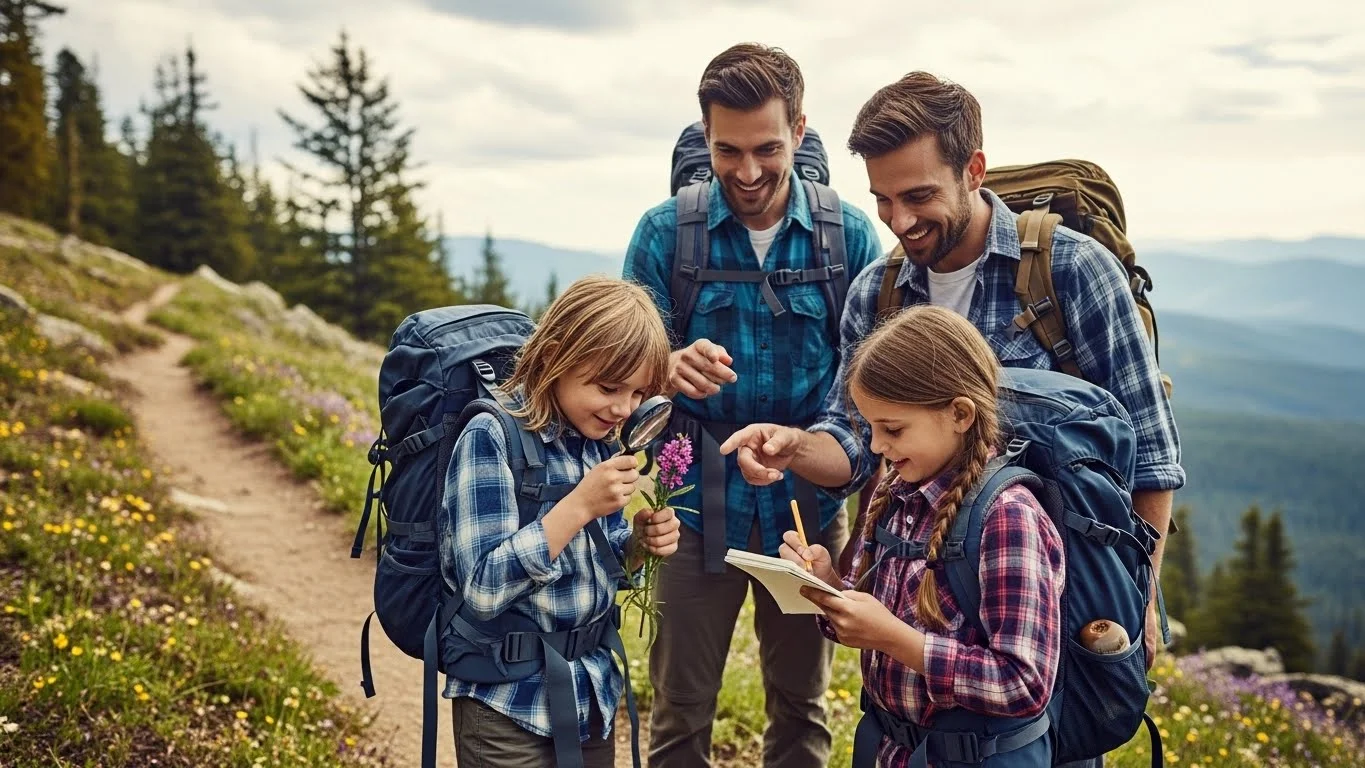
One of my favorite ways to keep the kids engaged during our travels is through interactive nature scavenger hunts. This activity not only gets them excited about their surroundings but also encourages them to observe and appreciate nature. I typically prepare a simple checklist of items to find, like specific leaves, rocks, or wildlife. For instance, on our last hike, I included things like “a pine cone,” “a butterfly,” and “three different types of flowers.” Watching my kids race to check off each item was a joy! It transformed our walk into an adventure, sparking curiosity and keeping their minds active.
To add an educational twist, we often take the time to research the items beforehand. I remember when we discovered that one type of leaf had medicinal properties, which led to a fascinating discussion about nature’s wonders. It’s a fantastic way to combine fun and learning, and it’s something we can easily do anywhere we go.
Travel Journals and Art Projects
Keeping a travel journal has become a cherished tradition in our family. I encourage my kids to document their experiences, thoughts, and feelings throughout our trips. At first, they were skeptical about writing, but I introduced them to the idea of creating an art journal. They could draw pictures of what they saw, paste in tickets, or even collect small mementos like leaves or postcards. I find it’s a great outlet for their creativity while also helping them reflect on their adventures.
Sometimes, we dedicate an afternoon to art projects using the materials they’ve collected. For example, after a visit to a beach, we created collages using sand, shells, and drawings of marine life. It’s a wonderful way for them to express their experiences artistically, and I love seeing how their perceptions of our travels unfold on paper. Plus, these journals become valuable keepsakes that remind us of our adventures long after we’ve returned home.
Educational Games for Long Journeys
Long drives can be challenging, but I’ve found that educational games keep our family entertained and engaged. We often play classic games with a twist, like “20 Questions” or “I Spy.” I’ve noticed that turning these games into learning experiences adds an extra layer of fun. For example, when we play “I Spy,” I might prompt my kids to think of something that starts with a certain letter or relates to what we’ve learned about the area we’re traveling through.
Another favorite is “The Alphabet Game,” where we take turns spotting items outside that start with each letter of the alphabet. It’s amazing how this simple game sparks discussions about the environment around us, and I love how it keeps their minds active during the drive. We even use apps that encourage learning through fun quizzes on geography or history, making the most of our time on the road.
Cultural Experiences: Cooking Classes & Local Crafts
One of the best ways to immerse ourselves in a new culture is through cooking classes or local crafts. Whenever we visit a new destination, I look for opportunities to enroll in family-friendly cooking classes. I remember a memorable experience in Italy, where we learned to make pasta from scratch. The kids were initially hesitant, but they ended up loving the hands-on experience. They felt proud to eat the delicious meal we created together, and it sparked an interest in trying new foods!
Additionally, participating in local crafts not only supports the community but also provides us with unique souvenirs. We once joined a pottery workshop in Mexico, where the kids created their own pieces. It was a fantastic way for them to learn about traditional crafts while letting their creativity shine. These experiences are not just enjoyable; they also teach valuable lessons about different cultures and traditions.
Incorporating these fun activities into our travels has made each trip an enriching experience. I believe that learning doesn’t just happen in the classroom; it can take place anywhere, especially when we’re open to new experiences. The joy and laughter we share during these activities create lasting memories that strengthen our family bond, and I wouldn’t trade those moments for anything.
Incorporating Learning into Travel
History and Geography Lessons Through Exploration
One of the most rewarding aspects of traveling with my kids is the chance to weave history and geography lessons into our adventures. I’ve discovered that seeing historical sites or unique geographical formations in person creates a deeper understanding than any textbook ever could. For instance, when we visited Washington, D.C., my children were fascinated by the monuments, and I took the opportunity to discuss the significance of each site. They loved learning that the Lincoln Memorial was not just a beautiful structure but a symbol of unity and freedom.
We often turn our travels into mini-lessons. Before visiting a new location, I encourage my kids to research the area’s history and culture. I remember how excited they were to learn about the ancient ruins of Machu Picchu before our trip to Peru. It made our exploration much more meaningful, as they could relate what they saw to the stories they had learned. This hands-on approach not only enriches their understanding but also keeps them engaged throughout the trip.
Language Learning Tips for Kids
When we travel to different countries, I like to incorporate language learning into our experiences. I’ve found that learning a few key phrases can be a fun and rewarding way to connect with the locals. Before our trip to Spain, we practiced common greetings and phrases like “por favor” (please) and “gracias” (thank you). It was heartwarming to see the smiles on both the locals’ faces and my kids’ as they communicated in another language.
To make it even more engaging, we use language learning apps that turn practice into a game. I also encourage my kids to keep a mini-dictionary of new words they encounter during our travels. They love to share their findings with family and friends back home, which reinforces their learning. Plus, it’s a great way to spark their interest in languages, inspiring them to explore even further.
STEM Activities While Traveling
Incorporating STEM (Science, Technology, Engineering, and Mathematics) activities into our travel experiences has been a game changer for us. I often look for opportunities to blend fun with learning, and I’ve found that many destinations offer hands-on experiences that align with these subjects. For example, during our trip to a science museum, my kids participated in interactive exhibits that taught them about physics through play. They loved experimenting with different concepts, and it felt like a natural extension of their classroom learning.
We’ve also taken advantage of nature to explore scientific concepts. During hikes, I encourage my kids to observe the ecosystem around us—identifying plants, animals, and their habitats. One time, we studied the water cycle after visiting a waterfall, discussing evaporation and condensation in real time. It’s incredible to see how their curiosity sparks questions, leading to deeper discussions about the world around them.
Engaging Kids in the Travel Experience
Involving Kids in Itinerary Planning
Involving my kids in the planning process has transformed how we approach our travels. By letting them participate in creating our itinerary, I’ve noticed their excitement levels soar. We often sit down together to discuss where we want to go and what we want to do. I’ve found that when they feel a sense of ownership over our plans, they are much more engaged during our travels.
For instance, on our last trip, my daughter wanted to visit a local zoo while my son was keen on exploring historical sites. We compromised by scheduling both, allowing them to experience different aspects of our destination. This process not only makes planning more enjoyable but also teaches them valuable negotiation skills and how to appreciate diverse interests.
Setting Up a Travel Rewards System
To motivate my kids and make travel more rewarding, I’ve implemented a travel rewards system. Before our trips, we set travel goals, like visiting a certain number of landmarks or trying different foods. For every goal they achieve, they earn points that can be redeemed for a small treat or a fun activity during the trip. This not only encourages them to stay engaged but also makes the journey feel like a game.
Last summer, my son earned points for trying new dishes, which led to some hilarious moments when he bravely sampled foods he never thought he would. This positive reinforcement fosters a sense of accomplishment, making our travels even more memorable.
Encouraging Curiosity and Questions
Throughout our travels, I make it a point to encourage my kids to ask questions. When they express curiosity about something they see or experience, I take it as an opportunity to dive deeper. I remember visiting a historic castle where my daughter wondered how the defenses worked. We spent the afternoon discussing the architecture and the history behind it, transforming her simple question into a rich learning experience.
Creating an environment where questioning is welcomed not only boosts their confidence but also nurtures their love for learning. I believe that encouraging curiosity will serve them well beyond our travels, fueling a lifelong passion for exploration and discovery.
Budget-Friendly Accommodations for Families
Camping vs. Hostels: Pros and Cons
When it comes to accommodations, I’ve found that both camping and hostels can be excellent budget-friendly options for families. Camping allows us to connect with nature directly, and it often costs much less than hotels. I remember our last camping trip; we set up our tent by a beautiful lake, and the kids were thrilled to roast marshmallows and sleep under the stars.
On the flip side, hostels can offer a unique experience as well. Many hostels now cater to families, providing private rooms and common areas where kids can meet other travelers. I appreciate the social aspect of hostels, and it gives my kids a chance to make new friends from different cultures. However, I always ensure to check reviews and look for family-friendly amenities, as not all hostels are created equal.
Finding Family Discounts on Hotels
When we decide on hotels, I always search for family discounts. Many chains offer rewards programs that can lead to significant savings, especially for longer stays. I also keep an eye out for promotional deals during the off-peak season. I find that booking directly through the hotel’s website often yields better rates and perks, such as free breakfast.
Another practice I’ve adopted is to compare prices across various booking platforms. This strategy has helped us find the best deals while ensuring the hotel meets our needs. I encourage everyone to consider flexible travel dates, as it can lead to substantial savings and a chance to explore less crowded destinations.
Using Vacation Rentals for Cost Savings
Vacation rentals have become one of our go-to accommodations for family trips. They offer the added benefit of space and cooking facilities, which can save us money on meals. I love the feeling of having a home away from home, where we can spread out and relax after a day of exploring.
When searching for vacation rentals, I consider locations that allow us easy access to attractions. We often look for properties with family-friendly amenities, such as pools or game rooms. It’s also essential to read reviews from previous guests, as they often highlight the pros and cons of each rental. This approach not only keeps our budget in check but also enhances our overall travel experience.
Food on a Budget While Traveling with Kids
Grocery Shopping in New Destinations
One of the best ways to save money on food while traveling is by doing some grocery shopping. I’ve found that exploring local markets can be an adventure in itself. It’s a fantastic opportunity to try regional foods and teach my kids about local ingredients. I remember our trip to Thailand, where we visited a bustling market and picked up fresh fruits, snacks, and even some cooking supplies to prepare a meal together later.
By preparing a few meals ourselves, we not only save money but also create fun family bonding experiences. I encourage my kids to help with meal prep, making it a learning experience as they discover new flavors and cooking techniques. Plus, there’s something satisfying about enjoying a meal made with ingredients sourced directly from the local area.
Cooking Meals on a Budget
Cooking while traveling doesn’t have to be complicated. I usually plan simple meals that require minimal ingredients and preparation time. Pasta dishes, stir-fries, and salads are easy to whip up and can be made with local produce. In many locations, we’ve found that using a slow cooker or an electric skillet can make meal preparation even easier, especially when staying in vacation rentals.
Involving my kids in cooking has turned meal times into special moments. They love to experiment with flavors and try new combinations, which often leads to some surprising, delicious outcomes. I’ve discovered that when they help with cooking, they are more likely to eat and enjoy what we prepare together.
Finding Affordable, Kid-Friendly Restaurants
Eating out doesn’t have to mean overspending. I’ve learned to seek out kid-friendly restaurants that offer value meals or discounts for children. Oftentimes, local diners or food trucks provide the best flavors at reasonable prices. I love asking locals for recommendations, as they often point us towards hidden gems that cater to families without breaking the bank.
We also keep an eye out for special deals, like “kids eat free” nights or lunch specials. This way, we can enjoy dining out while still sticking to our budget. I believe that sharing meals at new restaurants is a great way for my kids to try different cuisines, and it often leads to memorable culinary experiences during our travels.
Safety and Health Considerations
Travel Safety Tips for Families
Safety is always a top priority for me when traveling with my kids. I make it a point to discuss safety rules before our trips, especially when visiting new places. I emphasize the importance of sticking together, being aware of our surroundings, and knowing who to ask for help if needed. During our travels, I’ve noticed that establishing a family meeting point in crowded areas gives everyone peace of mind.
We also carry emergency contact information and copies of important documents, which have proven invaluable in case of lost items. I feel it’s essential to prepare for the unexpected, and having a plan in place gives us all a sense of security.
Health Precautions While Traveling
Staying healthy while traveling is important for us, and I’ve learned to take some basic precautions. Before our trips, I always check if vaccinations are recommended for our destination. I also pack a travel health kit with basic medications, sunscreen, and insect repellent. On one trip, my son got a bug bite that swelled up, and having the right medication on hand made all the difference.
I also encourage my kids to wash their hands regularly, especially before meals. We make it a fun routine to sing a song while washing our hands, turning it into a game rather than a chore. It’s all about instilling healthy habits while keeping things lighthearted during our travels.
Emergency Plans and Contacts
No one wants to think about emergencies while traveling, but I’ve learned that having a plan is essential. We always discuss emergency scenarios and make sure the kids know how to contact us if they get separated. I keep a list of local emergency numbers, including hospitals and the nearest embassy, which gives me peace of mind when we’re exploring unfamiliar places.
In past travels, we’ve encountered minor emergencies like lost items or sudden illness. Having a plan in place has helped us navigate these situations calmly. I believe that teaching my kids how to handle unexpected events is a valuable life skill that will serve them well beyond our travels.
Making Memories: Capturing Your Journey
Photography Tips for Families
Capturing memories during our travels is so important to me, and I’ve found that involving my kids in photography makes it even more special. I often let them use a simple camera or even their phones to take photos of things that catch their eye. This approach encourages them to see the world from their unique perspective, and I love seeing what they choose to capture.
We also create themed photo challenges, such as “nature” or “color,” which adds a fun twist to our explorations. When we return home, we compile our favorite photos into a digital album or a scrapbook, allowing us to relive our adventures together. These keepsakes become a source of pride and a way to share our stories with friends and family.
Creating a Family Travel Blog or Vlog
To document our travels, I’ve started a family travel blog, and it’s turned into a fantastic way to reflect on our journeys. I encourage my kids to contribute by writing about their favorite experiences or sharing tips for other families. This process not only boosts their writing skills but also helps them appreciate our adventures in a new light.
We’ve even dabbled in vlogging, capturing moments on video to share with loved ones. I love seeing their personalities shine through as they narrate our experiences. This creative outlet has become a cherished family project, allowing us to bond and have fun together while preserving our memories.
Ways to Share Your Experiences with Friends and Family
Sharing our travel experiences with friends and family has become a tradition. We often host a family gathering after our trips where we share stories, photos, and even meals inspired by our travels. I find that this not only keeps our memories alive but also inspires others to explore and create their adventures.
Social media has also made it easier to share our journeys in real-time. I enjoy posting updates and photos, allowing our loved ones to follow along. It’s heartwarming to receive messages from friends who feel connected to our adventures, and it fosters a sense of community that I truly value.
Final Thoughts
Backpacking with kids has opened up a world of experiences that I never imagined possible. The laughter, challenges, and growth we’ve experienced together have created lasting memories that we will cherish forever. As I reflect on our travels, I realize that it’s not just about the destinations we visit but the connections we build along the way. I encourage every family to embrace the adventure of budget backpacking. It’s a journey filled with learning, bonding, and fun, proving that life’s best moments often come from exploring the world together. For those looking for more tips, consider Traveling Smart: Montessori Principles for Budget Backpackers.
Frequently Asked Questions
What is budget backpacking with kids?
Budget backpacking with kids is about exploring the world affordably, focusing on experiences rather than luxury. It involves staying in cost-effective accommodations, using public transport, and finding free or low-cost activities while bonding as a family.
What are the benefits of backpacking with children?
Backpacking with kids fosters a sense of adventure and curiosity, encourages teamwork, and teaches money management. It helps children appreciate nature, cultural diversity, and builds their confidence and independence through shared experiences.
What common misconceptions exist about traveling with kids?
Some misconceptions include the belief that kids won’t enjoy backpacking or that it’s too expensive. However, many families find that children have fun exploring new places, and with careful planning, travel can be budget-friendly.
How can families choose kid-friendly destinations for backpacking?
Choosing kid-friendly destinations involves looking for places that offer excitement and safety, such as national parks or coastal towns, and ensuring there are activities that cater to different age groups and interests.
What budgeting tips can help families plan their backpacking trips?
Involving kids in the budgeting process can be fun and educational. Using the 50/30/20 rule—allocating 50% to needs, 30% to wants, and 20% to savings—can help prioritize spending and teach children about financial planning.
What are some essential packing tips for families traveling with kids?
Creating a packing list focusing on essentials, involving kids in the packing process, and packing a small daypack for daily outings are key tips. Prioritizing versatile clothing and letting kids choose a few favorite lightweight items can also help keep bags manageable.
Why is travel insurance important for families?
Travel insurance provides peace of mind for families against unexpected situations, such as minor illnesses or travel delays. It ensures coverage for trip cancellations, medical emergencies, and lost luggage, making it a smart investment.
What are some fun learning activities for kids while traveling?
Interactive nature scavenger hunts, keeping travel journals, educational games during long journeys, and participating in local cooking classes or craft workshops are excellent ways to keep kids engaged and learning while traveling.
How can families find budget-friendly accommodations while traveling?
Families can find budget-friendly accommodations by considering camping, looking for family discounts on hotels, and using vacation rentals, which often provide more space and cooking facilities, helping to save on meals.
What are some tips for saving money on food while traveling with kids?
Shopping at local markets, cooking simple meals, and seeking out kid-friendly restaurants with value meals or discounts can all help save money on food while traveling. Engaging kids in meal preparation can also enhance the experience.