
Budget backpacking with toddlers might sound daunting, but with the right communication skills, it can be a fulfilling adventure. Let’s dive into the challenges and joys of traveling with little ones and how we can navigate this journey together. Read Interesting article: Essential Tips for Budget Backpacking with Young Kids
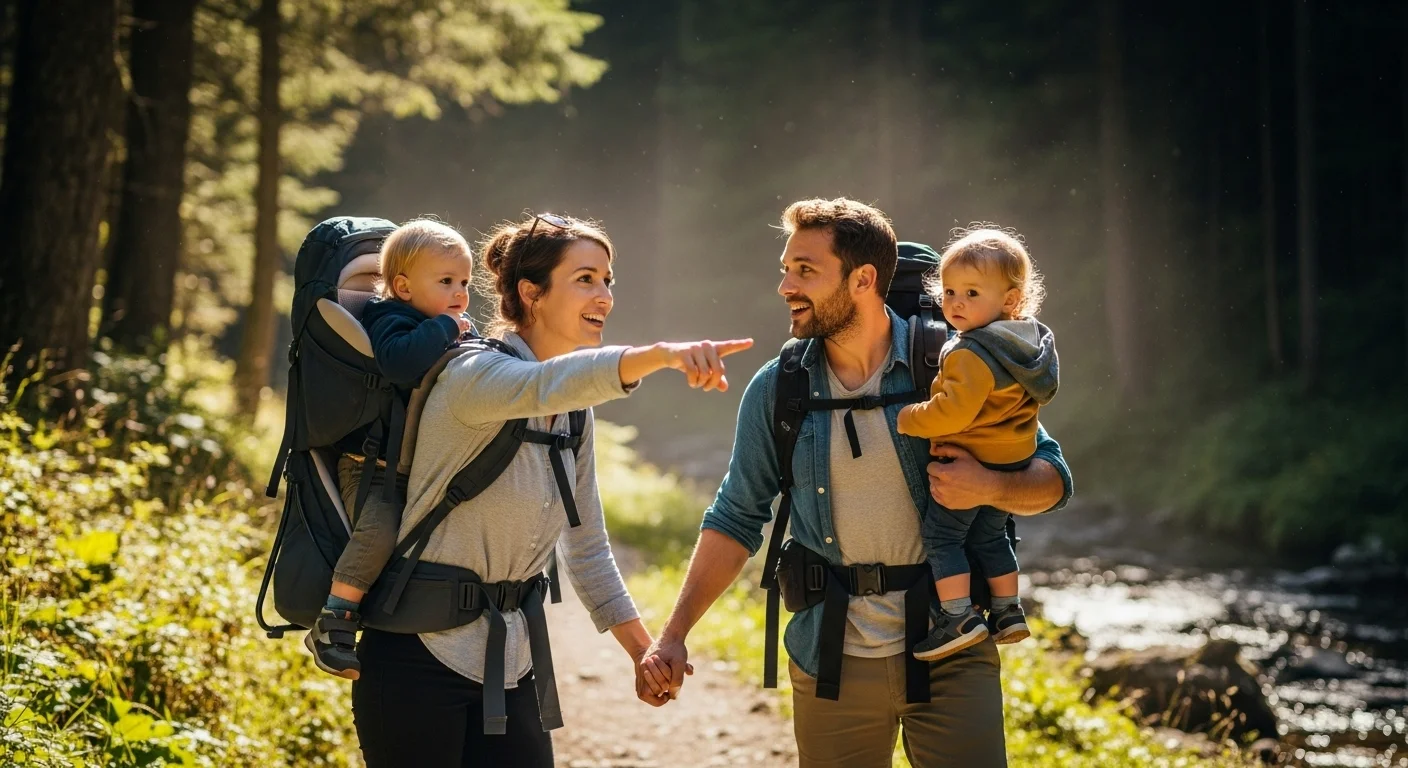
Understanding the Challenges of Backpacking with Toddlers
When I first considered backpacking with my toddler, I felt a mix of excitement and apprehension. The idea of exploring new places with my little one was thrilling, but I also knew it wouldn’t be easy. Toddlers have unique needs and preferences, which can complicate travel plans. I quickly learned that understanding these challenges was key to having a successful trip.
Common Concerns for Parents
One of the biggest concerns I had was how my toddler would adapt to traveling. Would they get bored? How would they handle long hours on the road or flights? These questions weighed heavily on my mind. I found that many parents share these worries, often fearing that their child’s fussiness might disrupt not just their own experience, but also that of other travelers.
Another concern was safety. Traveling with a toddler means being extra vigilant. I remember feeling anxious about navigating unfamiliar places while keeping my little one safe and comfortable. It’s essential to think about how to communicate safety measures and routines to your toddler in a way they can understand. Read Interesting article: Budget Backpacking Tips for Reducing Pregnancy Anxiety
Benefits of Traveling with Toddlers
Despite these concerns, I also discovered numerous benefits to traveling with toddlers. For one, it can strengthen family bonds. I noticed how experiencing new cultures and environments together brought us closer. Sharing adventures, whether big or small, created memories that we still cherish today.
Traveling also provides toddlers with valuable learning opportunities. They get to experience diverse sights, sounds, and tastes. I found that exposing my child to different locations expanded their worldview and sparked their curiosity in ways that everyday life at home simply couldn’t. Plus, watching my toddler discover new things was incredibly rewarding!
Preparation Before You Go
Preparation became a vital part of my travel strategy. I realized that a little planning could significantly enhance our experience. Here’s what I learned along the way.
Choosing the Right Destination
Choosing the right destination is crucial when backpacking with toddlers. I remember sitting down and listing places that were not only family-friendly but also budget-conscious. We opted for destinations with a reputation for being welcoming to families, which made a world of difference. Researching parks, museums with children’s programs, and easy walking trails helped us find places that would keep our toddler engaged and entertained.
Budget-Friendly Accommodation Options
Next, we explored budget-friendly accommodation options. We found that hostels could be great choices, as some provide family rooms or kitchen facilities. We even tried camping in some areas, which allowed for a fun adventure at a low cost. It was amazing how many affordable options were available if we just took the time to look. I recommend checking out sites like Airbnb for unique stays that fit your family’s needs.
Packing Essentials for Toddlers
Packing for a toddler can feel overwhelming, but I learned to focus on essentials. I made a checklist of must-have items like snacks, a favorite toy, a blanket, and extra clothes. I also packed a lightweight stroller, which came in handy for longer treks. The key is to pack light but smart. I learned to prioritize items that were versatile and could serve multiple purposes during our travels.
Creating a Travel Itinerary
Creating a travel itinerary was another step I found helpful. Balancing flexibility with structure was key. We planned out our days but left room for spontaneity. I remember including short breaks to let my toddler recharge. This approach helped us avoid meltdowns — for both of us! By keeping things loose, we could adjust our plans based on how my child was feeling that day.
In my experience, backpacking with toddlers can be a rewarding adventure filled with challenges and joys. With the right communication skills and preparation, we can navigate this journey together, ensuring both parents and toddlers have a memorable experience.
Effective Communication Strategies During Travel
When we embarked on our backpacking adventures, I quickly realized that effective communication was essential for keeping my toddler engaged and happy. At their age, understanding can sometimes be a challenge, so finding ways to convey ideas and expectations became a priority for me. Here are some strategies that worked well for us.
How to Talk to Toddlers About Travel
Talking to my toddler about our travel plans was a game changer. I found it helpful to use simple language and break things down into short, clear sentences. Instead of saying, “We’re going to the zoo where you can see all sorts of animals,” I opted for, “We’re going to see lions and monkeys today!” This made the trip feel more exciting and tangible for my child. I also used positive reinforcement to build anticipation — phrases like “You’ll have so much fun!” helped create a sense of excitement.
It’s important to set expectations, too. I would explain what our day would look like, including travel time, breaks, and fun activities. This way, my toddler had a better idea of what to expect, which I noticed helped reduce anxiety on their part. Plus, when I took the time to explain things, it made my child feel included and valued in the planning process.
Using Visual Aids and Books
Visual aids were another tool I found incredibly helpful. I remember creating a simple visual schedule using pictures. I’d draw or print out images representing our destinations, activities, and even meals. We would review this schedule together, which allowed my toddler to visualize our journey. It was amazing to see their eyes light up at the sight of their favorite attractions!
Books about travel and adventure also became our go-to companions. Before each trip, I would borrow books featuring characters going on similar adventures. This not only peeked my toddler’s interest but also helped them understand the concept of traveling. Reading stories about kids exploring new places made them more curious about our own adventures.
Encouraging Participation in Planning
Involving my toddler in the planning process was another great way to boost their enthusiasm. I’d ask for their input on activities or sights they wanted to see. For instance, I let my child pick between two parks we could visit or choose a snack to pack for our trip. This little bit of engagement empowered my toddler and made them feel like a vital part of our adventure.
We even made a simple chart where they could place stickers on activities they were excited about. I noticed they would often point to things they wanted to do, and that encouraged discussions about why those activities were exciting. The more we involved them, the more invested they became in the trip!
Engaging Toddlers While Traveling
Keeping a toddler engaged during travel is no easy feat, but I found that with a little creativity, we could make the journey enjoyable for everyone. Here are some activities that kept my little one entertained on the go.
Games and Activities on the Go
One of the best parts of traveling is the opportunity for games that can be played anywhere. I discovered that classic games like “I Spy” were not only fun but also a great way to encourage observational skills. We took turns spotting things around us — “I spy with my little eye something that is blue!” This kept my toddler focused and distracted during long stretches of travel.
We also packed a small bag of travel games and toys. Magnetic drawing boards, simple puzzles, and coloring books became our travel staples. I learned that having a variety of activities available helped break the monotony of long journeys and kept my child excited about what was next!
Storytelling and Sharing Experiences
Another engaging tactic was storytelling. I often found myself recounting tales from our travels or inventing fun stories about the things we saw. My toddler loved this! It not only sparked their imagination but also kept them interested in the sights around us. I remember one inventive story about a brave little bear that traveled the world, and my child was hooked! They would even ask to hear more about the bear during our trips.
Utilizing Technology Wisely
We also embraced technology in moderation. I found that downloading a few educational apps and podcasts was a lifesaver during travel. We would listen to kid-friendly stories or songs that kept my toddler entertained. I made sure to limit screen time, but having a backup plan like this was a comfort, especially during lengthy waits or transitions.
Ultimately, keeping my toddler engaged while backpacking was about creativity and connection. By utilizing games, stories, and a bit of technology, we turned travel into an exciting adventure filled with learning and fun! This way, I felt we were not just passing time but creating meaningful memories together.
Managing Expectations and Emotions
Traveling with toddlers can be a rollercoaster of emotions for both parents and children. I learned early on that managing expectations is crucial to ensuring everyone has a good time. I found that being prepared for the ups and downs of travel, and understanding my toddler’s emotional needs, made a huge difference in our experience.
Recognizing Toddler Needs and Limits
Toddlers are known for their unpredictable moods and energy levels. I remember being caught off guard by my child’s sudden need for a nap or snack while we were exploring a new city. I quickly realized that recognizing these needs was essential. I started paying close attention to cues like fussiness or clinginess, which often indicated that my toddler was overwhelmed or tired.
To avoid meltdowns, I began incorporating regular breaks into our travel schedule. We would often pause to rest, have a snack, or simply enjoy some downtime in a park. This not only helped my toddler recharge but also gave me a moment to regroup. I found that flexibility was key; sometimes we had to change plans on the fly, and that was okay. By respecting my toddler’s limits, I noticed we could enjoy our adventures much more.
Communicating Feelings and Frustrations
Effective communication about feelings became another important aspect of our travels. I learned that toddlers may not yet have the words to express what they’re feeling, which can lead to frustration for both of us. I started to model emotional vocabulary by labeling feelings. For instance, when my child seemed upset, I would say, “I can see you’re feeling sad because we have to leave the playground.” This approach not only validated their feelings but also helped my toddler learn to express themselves over time.
Encouraging my child to share their feelings became a regular part of our travel routine. I would ask questions like, “What was your favorite part of the day?” or “How did you feel about visiting the zoo?” This not only opened up conversations but also helped my toddler reflect on their experiences. I found that discussing emotions helped us bond and made the challenges of travel feel less daunting.
Strategies for Calming Tantrums and Stress
Despite our best efforts, there were moments when tantrums were unavoidable. In those instances, I had to be ready with a few strategies to help calm the situation. One of the most effective methods I discovered was distraction. I would quickly shift my child’s focus to something else, like a nearby animal or an interesting landmark. It was impressive how a simple change of scenery could turn a tantrum into curiosity.
Another strategy I found helpful was deep breathing. I would take a moment to model deep breaths, making it a fun game by counting to three and then exhaling slowly. Surprisingly, I noticed my toddler would often mimic me, and this helped bring down the tension in the moment. I also kept a few comforting items on hand, like a favorite toy or a cozy blanket, that could help soothe my child when emotions ran high.
Overall, managing expectations and emotions while backpacking with toddlers is all about preparation, communication, and a sprinkle of creativity. By recognizing their needs, engaging in open conversations, and having calming strategies ready, I found that we could navigate the emotional landscape of travel together, making our adventures enjoyable and enriching for both of us.
Maintaining Safety and Comfort
Safety and comfort are non-negotiable when traveling with toddlers. I quickly learned that keeping my little one safe and at ease during our backpacking trips was essential for a smooth experience. Here are some insights I gathered along the way.
Communicating Safety Rules
Before heading out to a new destination, I found it beneficial to communicate basic safety rules to my toddler in a simple and relatable way. For example, I would say, “We need to hold hands when we cross the street to stay safe,” or “If you see something sharp, tell me right away!” This helped my child understand the importance of safety without overwhelming them with fear. It was about creating a sense of responsibility in a way that felt manageable for their age.
I also made it a point to remind them of these rules as we traveled. During excursions, I would gently reinforce our safety guidelines, which helped my toddler internalize them. I noticed that the more I repeated these messages, the more my child seemed to grasp the concept of staying safe while out and about.
Emergency Contact Information
One aspect I didn’t want to overlook was having a plan for emergencies. I decided to create a simple “identification card” for my toddler that included their name, our contact information, and any relevant medical details. I would explain to my child where we would keep it and how it worked. This served as a reassurance for both of us; I felt a sense of security knowing my child had a way to identify themselves if we ever got separated.
Additionally, we practiced what to do in case we lost sight of each other. I taught my toddler to look for a “trusted adult,” like a police officer or a staff member, if they felt lost. This small exercise empowered my child and helped alleviate some of my worries about safety while exploring new environments.
Keeping Toddlers Comfortable During Travel
Comfort is another crucial aspect of traveling with toddlers. I learned early on that ensuring my child was physically comfortable could significantly impact their mood and willingness to explore. I made sure to dress my toddler in layers, which allowed us to adapt to changes in weather quickly. I also kept their favorite items close, like a well-loved blanket or a beloved stuffed animal, to provide comfort during long travel days.
Staying hydrated and well-fed was another priority. I used to underestimate how quickly toddlers can get hungry or thirsty while on the go. I always packed a variety of healthy snacks and drinks to avoid any potential meltdowns due to hunger. Whether it was a simple fruit pouch or a granola bar, having these snacks on hand kept our energy levels up and our spirits high.
In my experience, maintaining safety and comfort while backpacking with toddlers is all about preparation and proactive communication. By setting clear safety expectations, preparing for emergencies, and ensuring physical comfort, I felt equipped to handle the challenges that arose during our adventures. Ultimately, this approach allowed us to focus more on enjoying our journey together as a family.
Frequently Asked Questions
What are the main challenges of backpacking with toddlers?
The main challenges include addressing toddlers’ unique needs and preferences, concerns about their adaptability to travel, managing safety, and ensuring they remain engaged during long journeys.
How can parents prepare for a backpacking trip with toddlers?
Preparation involves choosing the right destination, exploring budget-friendly accommodation options, packing essential items, and creating a flexible travel itinerary with planned breaks. Read Interesting article: Budget Backpacking Tips for Traveling with Infants
What strategies can help communicate travel plans to toddlers?
Using simple language, breaking down information into short sentences, and employing positive reinforcement can help build excitement. Setting clear expectations about the day’s activities is also beneficial.
What role do visual aids play in traveling with toddlers?
Visual aids such as simple schedules or drawings of activities can help toddlers visualize the journey, making it easier for them to understand and get excited about the trip.
How can parents keep toddlers engaged during travel?
Parents can keep toddlers engaged by playing games like “I Spy,” packing travel-friendly toys, storytelling, and using educational apps or podcasts in moderation.
What are effective ways to manage toddlers’ emotions during travel?
Recognizing toddlers’ needs and limits, communicating feelings, and employing calming strategies like distraction and deep breathing can help manage emotions and reduce tantrums.
How can parents ensure safety while traveling with toddlers?
Communicating basic safety rules in a simple manner, reinforcing them during excursions, and preparing an identification card with emergency contact information can enhance safety for toddlers during travel.
What should parents pack for a backpacking trip with toddlers?
Parents should focus on packing essentials such as snacks, a favorite toy, a blanket, extra clothes, and a lightweight stroller to ensure comfort and convenience during the trip.
How can parents maintain toddlers’ comfort while traveling?
Maintaining comfort involves dressing toddlers in layers for weather changes, keeping favorite comfort items close, and ensuring they stay hydrated and well-fed with healthy snacks.
What are the benefits of traveling with toddlers?
Traveling with toddlers can strengthen family bonds, provide valuable learning opportunities, and expand their worldview through exposure to diverse cultures and environments.