
For travel enthusiasts with allergies, finding delicious meals on a budget can be a challenge. Let’s explore how to navigate this culinary landscape without breaking the bank, ensuring our adventures are flavorful and safe. Read Interesting article: Easy Allergy-Friendly Recipes for Travel on a Budget
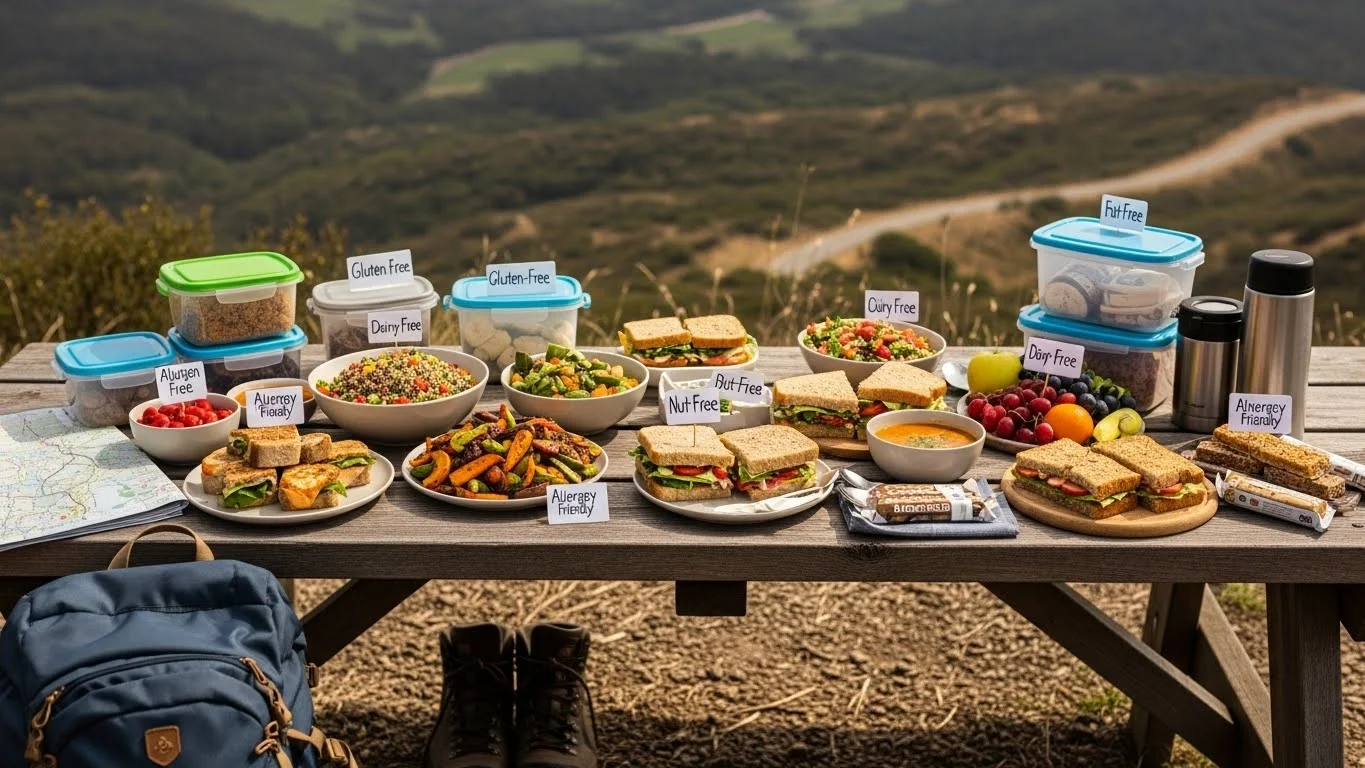
Understanding Allergies and Their Impact on Travel
Traveling opens up a world of new experiences, but for those of us with allergies, it can also come with a unique set of challenges. I can’t count how many times I’ve been excited to try local cuisine only to feel a wave of anxiety about hidden ingredients. I remember one trip where I had to pass on a local dish because I wasn’t sure about the ingredients. It’s essential to understand allergies and their impact on our travel plans, which helps us prepare better for our adventures.
Common Food Allergies Among Travelers
From my experience, some of the most common food allergies that travelers face include gluten, nuts, dairy, and shellfish. Each of these allergies can dramatically affect meal options. For instance, gluten allergies can make it tricky to find suitable bread or pasta while traveling. If you’re like me, you might have a nut allergy that makes snacking on road trips a bit stressful. Dairy and shellfish allergies are also prevalent, and they often lead to missed opportunities to enjoy local delicacies. Understanding these allergies allows us to plan ahead and find alternatives, ensuring we can still enjoy our trips.
How Allergies Affect Travel Plans
Allergies can impact travel plans in several ways. For one, they can limit the types of foods we can eat, which can be disappointing when exploring new cultures. I often find myself researching menus online before visiting a restaurant, just to be sure I can find something safe. Then there’s the issue of packing snacks. I’ve had to turn to allergy-friendly bars and homemade treats to avoid potential exposure while traveling. Planning meals around allergies often requires extra effort, but it’s worth it to ensure a worry-free trip.
Budget-Friendly Cooking for Allergies
When it comes to cooking for allergies on a budget, I’ve learned that it’s all about being smart with ingredients and tools. Cooking at home or in a rental can save money while allowing me to control what goes into my meals. Plus, it’s a fun way to experiment with flavors and recipes that cater to my dietary needs. Read Interesting article: Backpacking With Allergies: Tasty Recipes to Try
Cost-Effective Ingredients for Allergy-Friendly Meals
Finding budget-friendly ingredients doesn’t have to be a daunting task. I love shopping at local farmers’ markets, where I can often find fresh produce at lower prices. For those with gluten allergies, quinoa and rice are excellent staples that are both nutritious and affordable. I’ve used them in various dishes, and they can easily be flavored with herbs and spices to enhance their taste. For nut allergies, seeds like pumpkin or sunflower can add crunch without the worry. I always keep a well-stocked pantry with basics like beans, lentils, and oats, which can serve as the foundation for countless meals.
Essential Kitchen Tools for Cooking on a Budget
When cooking while traveling, having the right tools can make a big difference. I always pack a sharp knife, a cutting board, and a good non-stick skillet. These essentials can help me whip up a variety of dishes without needing a fully equipped kitchen. A storage container is also crucial for meal prep. I’ve found that having a few containers can help keep leftovers and snacks organized, making it easier to grab something healthy on the go. Investing in a good blender can also be handy, especially for making smoothies or sauces. While it feels like I’m packing a lot, I remind myself that these tools will make cooking a breeze and save money in the long run.
Breakfast Recipes for Allergy-Sensitive Travelers
Breakfast is my favorite meal of the day, and I believe it’s essential to start off our adventures with something nourishing. Here are a few of my go-to breakfast recipes that cater to various allergies.
Gluten-Free Pancakes
I’ve tried many pancake recipes, but my go-to is a simple gluten-free pancake mix. I use a blend of almond flour and coconut flour, which gives a lovely texture. Combine with a banana and some almond milk, and you have a delicious breakfast. It’s quick, easy, and perfect for a busy morning before heading out to explore.
Nut-Free Overnight Oats
Overnight oats have become a staple in my travel routine. I mix rolled oats with coconut milk, chia seeds, and any fruits I have on hand. This keeps well in the fridge and can be packed in jars for on-the-go breakfasts. I love how versatile this dish is; I can switch up the fruits or add spices like cinnamon to keep things fresh.
Dairy-Free Smoothie Bowls
Smoothie bowls are another favorite of mine. I blend my favorite fruits with coconut yogurt and a splash of almond milk, then top it off with seeds and fresh fruit. It’s a refreshing breakfast that’s also filling and perfect for hot days. Plus, it allows me to get a good serving of fruits and veggies early in the day.
Lunch Ideas That Cater to Allergies
When it comes to lunch, I find that having a few go-to recipes can really make a difference, especially when traveling. I want meals that are not only allergy-friendly but also easy to prepare and satisfying. Here are some of my favorite lunch ideas that cater to various allergies, ensuring we can enjoy our midday meals without stress.
Quinoa Salad with Seasonal Vegetables
Quinoa salad has become my lunchtime hero. It’s incredibly versatile and perfect for using up whatever fresh veggies I can find at the market. I typically cook a batch of quinoa at the beginning of the week and then mix it with whatever seasonal vegetables are available. Think diced cucumbers, cherry tomatoes, bell peppers, and a handful of spinach. I love to dress it with a simple olive oil and lemon juice combination, which adds a refreshing zing. This dish is not only gluten-free but also packed with protein, making it a filling option. Plus, it keeps well in the fridge, so I can prepare it ahead of time and enjoy it throughout the week.
Allergy-Friendly Wraps
Wraps are another fantastic idea for lunch, especially when I’m on the go. I usually opt for gluten-free tortillas or lettuce wraps, depending on my mood. For the filling, I like to use hummus or avocado as a base, topped with sliced turkey or grilled chicken, and then I pile on the veggies—think shredded carrots, cucumbers, and sprouts. It’s a fun way to get creative and mix flavors while ensuring everything stays allergy-friendly. I sometimes pack them separately to avoid soggy wraps, making them easy to assemble just before I eat.
Chickpea and Avocado Salad
This salad is one of my favorites because it’s not only easy to make but also incredibly delicious and nutritious. I mash up ripe avocados and mix them with canned chickpeas, diced red onion, and a squeeze of lime juice. A sprinkle of salt and pepper, and I’m ready to go! This salad is filling enough to keep me satisfied through the afternoon and is naturally gluten-free and vegan. It’s great on its own or served with gluten-free crackers. I’ve even used it as a sandwich filling on gluten-free bread when I want something a bit heartier.
Budget Dinner Recipes for Allergy-Friendly Eating
As the day winds down, I love having dinner recipes that are both satisfying and easy on the wallet. Cooking at home allows us to create meals that cater to our allergies while also being budget-conscious. Here are some dinner ideas that I often turn to. Read Interesting article: Delicious Allergy-Friendly Meals for Your Next Adventure
One-Pot Vegan Chili
This one-pot vegan chili has become a staple in my kitchen. I start with a base of onions, garlic, and bell peppers sautéed in a pot. Then, I add canned tomatoes, kidney beans, black beans, corn, and a mix of spices like cumin and chili powder. The best part? It simmers all in one pot, making cleanup a breeze. This dish is not only hearty and filling but also perfect for leftovers. I often make a big batch and freeze portions for later, which comes in handy for busy days.
Stuffed Bell Peppers (Gluten-Free and Nut-Free)
Stuffed bell peppers are another fantastic option. I hollow out the peppers and fill them with a mixture of cooked rice, black beans, corn, and diced tomatoes. Seasoning them with taco seasoning gives them a great kick. I pop them in the oven for about 30 minutes, and I’m rewarded with a colorful and nutritious meal. They’re naturally gluten-free and nut-free, making them a perfect choice for those of us with dietary restrictions.
Allergy-Friendly Stir-Fry
Stir-fries are my go-to for a quick and easy dinner. I love using whatever vegetables are in season, along with tofu or chicken. I sauté everything in a bit of sesame oil and add gluten-free soy sauce for flavor. The beauty of a stir-fry is how adaptable it is. I can throw in whatever I have on hand, and it all comes together beautifully. Served over rice or quinoa, it’s a complete meal that’s both satisfying and allergy-friendly.
Snacks and Desserts for On-the-Go Travelers
When I’m traveling, having snacks on hand is crucial. I’ve found that being prepared with allergy-friendly snacks can keep my energy up and my cravings satisfied. Here are some of my favorite options.
Homemade Energy Balls
Energy balls are perfect for a quick snack. I make a batch using rolled oats, sunflower seed butter, honey, and a mix of seeds or dried fruits. It’s as simple as mixing everything in a bowl, rolling them into balls, and refrigerating them. These little bites are not only filling but also provide a great energy boost when I need it most. Plus, they’re nut-free and versatile, so I can swap in different ingredients based on what I have.
Fruit and Nut Bars (Customizable for Allergies)
Making my own fruit and nut bars has been a game changer. I blend dates, oats, and whatever seeds or dried fruits I have, then press the mixture into a baking dish and refrigerate until firm. These bars are great for on-the-go snacking and can be tailored to fit any allergy. I love experimenting with different flavor combinations, and they’re way cheaper than store-bought options!
Dairy-Free Chocolate Chip Cookies
Sometimes, I crave something sweet, and these dairy-free chocolate chip cookies hit the spot. I use coconut oil instead of butter, and they come out chewy and delicious. I love baking a batch before traveling, as they make for a perfect treat during the journey. Sharing them with friends and family is always fun, too, as they can’t believe there’s no dairy!
Meal Prep Tips for Allergy-Friendly Travel
Meal prepping has become a lifesaver for me when I’m on the move. It not only saves time but also ensures that I have safe meals readily available, which is crucial for someone with allergies like myself. I’ve learned a few strategies that really help streamline the process while keeping everything delicious and budget-friendly.
How to Plan and Pack Allergy-Friendly Meals
When planning my meals for travel, I start by thinking about the duration of my trip and what I can realistically prepare in advance. I often jot down a list of meals that are easy to make, transport, and eat on the go. My typical go-tos include things like quinoa salads, wraps, and energy balls, which I can prepare in bulk. I find that dedicating a few hours to meal prep before my trip allows me to feel more organized and less stressed about food options when I’m away from home.
One technique I’ve found helpful is batch cooking. For instance, I’ll make a large pot of vegan chili or a hefty tray of stuffed bell peppers, then portion them out into individual containers. This makes it easy to grab a meal whenever I need one. I always keep in mind my allergies while choosing ingredients, making sure to read labels carefully when I’m shopping. I believe that having a detailed packing list for my meals can make a significant difference, so I include things like snacks, breakfast items, and lunch options to ensure I don’t forget anything.
When it comes to packing, I use insulated bags to keep my meals fresh, especially if I’m traveling a long distance. I also make sure to bring reusable utensils and containers, which are not only eco-friendly but also handy for portion control. Preparing meals this way allows me to know exactly what I’m eating and ensures that my dietary restrictions are respected, which is a huge relief when I’m exploring new places.
Storing and Reheating Tips for Travel
Storage and reheating are crucial steps in maintaining the quality of my allergy-friendly meals while I’m traveling. I often bring along a few glass containers with tight-fitting lids for leftovers or prepped meals. They’re durable and can be used in the microwave or oven (if the accommodation allows it), which is fantastic for reheating. I’ve found that packing everything in these containers helps keep my meals organized and minimizes the risk of cross-contamination.
If I’m staying in a rental with a kitchen, I try to take advantage of it by using the fridge for my prepped meals. I usually label everything with what it is and the date I prepared it, which helps me keep track of what needs to be eaten first. In situations where I don’t have access to a kitchen, I lean heavily on meals that can be eaten cold, like salads or wraps, which hold up well without needing to be heated.
For anything that needs reheating, I always check for microwave or stovetop options at my accommodations. In some cases, I’ve brought a small portable microwave with me, which has been a game-changer for enjoying hot meals without the hassle. I’m careful to follow safety practices, especially when it comes to storing everything at the right temperatures to avoid spoilage. Keeping my meals safe and tasty is my top priority, and these tips have made all the difference in making my travels enjoyable.
Traveling with Allergies: Safety Tips
Traveling with allergies can feel daunting, but I’ve picked up some safety tips that have made my journeys much smoother. It’s all about being proactive and prepared, so I can enjoy my trips without constantly worrying about what I can eat.
Communicating Dietary Restrictions When Traveling
One of the most important lessons I have learned is to be clear and assertive about my dietary restrictions. Whenever I book a flight or accommodation, I make sure to inform them of my allergies upfront. This has helped me avoid many stressful situations, especially on flights where meals are provided. I always carry a card that lists my allergies in the local language of the destination I’m visiting. This way, I can show it to restaurant staff or anyone preparing my food, which significantly reduces the risk of miscommunication.
When dining out, I don’t hesitate to ask questions about ingredients and preparation methods. I’ve learned that being polite yet firm about my needs can lead to better experiences. Most people are quite accommodating, especially if I explain my allergies clearly. I also find it helpful to visit restaurants that specialize in allergy-friendly cuisine, as they tend to be more knowledgeable about cross-contamination and food preparation.
Researching Allergy-Friendly Restaurants
Before I travel, I always dedicate some time to research allergy-friendly restaurants in the area. I use apps and websites that provide information on eateries that cater to specific dietary needs. This helps me identify places where I can dine safely and enjoy a worry-free meal. I’ve discovered some amazing spots this way, and it’s also a fun part of the adventure—trying out local flavors while ensuring I stay within my dietary boundaries.
Additionally, I often check if the restaurants have reviews that mention how well they handle allergies. Hearing from others who have had positive experiences reassures me that I’m making the right choice. I also keep a list of safe food items or brands to look for while I’m shopping in new places, just in case I need to whip something up myself. This bit of preparation truly enhances my travel experience, allowing me to focus on making memories instead of worrying about what I can and can’t eat.
Frequently Asked Questions
What common food allergies should travelers be aware of?
Some of the most common food allergies that travelers face include gluten, nuts, dairy, and shellfish. Each of these allergies can significantly affect meal options while traveling.
How can allergies impact travel plans?
Allergies can limit the types of foods travelers can eat, lead to extra research on restaurant menus, and necessitate packing allergy-friendly snacks. Planning meals around allergies often requires extra effort to ensure a worry-free trip.
What are some budget-friendly cooking tips for travelers with allergies?
Cooking at home or in a rental can save money while allowing control over ingredients. Utilizing local farmers’ markets for fresh produce and keeping a well-stocked pantry with staples like beans, lentils, and oats can also help.
What kitchen tools are essential for cooking while traveling?
Essential kitchen tools for traveling include a sharp knife, a cutting board, a good non-stick skillet, and storage containers for meal prep. A blender can also be handy for making smoothies or sauces.
Can you share some breakfast recipes that are allergy-friendly?
Some allergy-friendly breakfast ideas include gluten-free pancakes made with almond and coconut flour, nut-free overnight oats with coconut milk and chia seeds, and dairy-free smoothie bowls topped with fruits and seeds.
What are some easy lunch ideas for travelers with allergies?
Lunch ideas for allergy-sensitive travelers include quinoa salad with seasonal vegetables, allergy-friendly wraps using gluten-free tortillas, and chickpea and avocado salad which is naturally gluten-free and vegan.
What are some budget-friendly dinner recipes for allergy-friendly eating?
Budget dinner recipes include one-pot vegan chili, stuffed bell peppers made with rice and beans, and allergy-friendly stir-fry using seasonal vegetables and proteins like tofu or chicken.
What snacks are recommended for on-the-go travelers with allergies?
Recommended snacks for on-the-go travelers include homemade energy balls made with oats and sunflower seed butter, customizable fruit and nut bars, and dairy-free chocolate chip cookies made with coconut oil.
How can travelers prepare and pack allergy-friendly meals?
Travelers can prepare allergy-friendly meals by batch cooking, using insulated bags for freshness, and ensuring they have reusable utensils and containers for portion control. Planning meals in advance can also help reduce stress.
What safety tips should travelers with allergies follow?
Travelers with allergies should communicate their dietary restrictions clearly, carry a card listing their allergies in the local language, research allergy-friendly restaurants, and ask questions about ingredients and preparation methods when dining out.