
Finding tasty, allergy-friendly snacks for kids that won’t break the bank can be a challenge. I’m here to share practical tips and ideas to keep our little ones happy, healthy, and safe, all while sticking to a budget. Read Interesting article: Top Allergy-Friendly Snacks for Your Kids’ Adventures
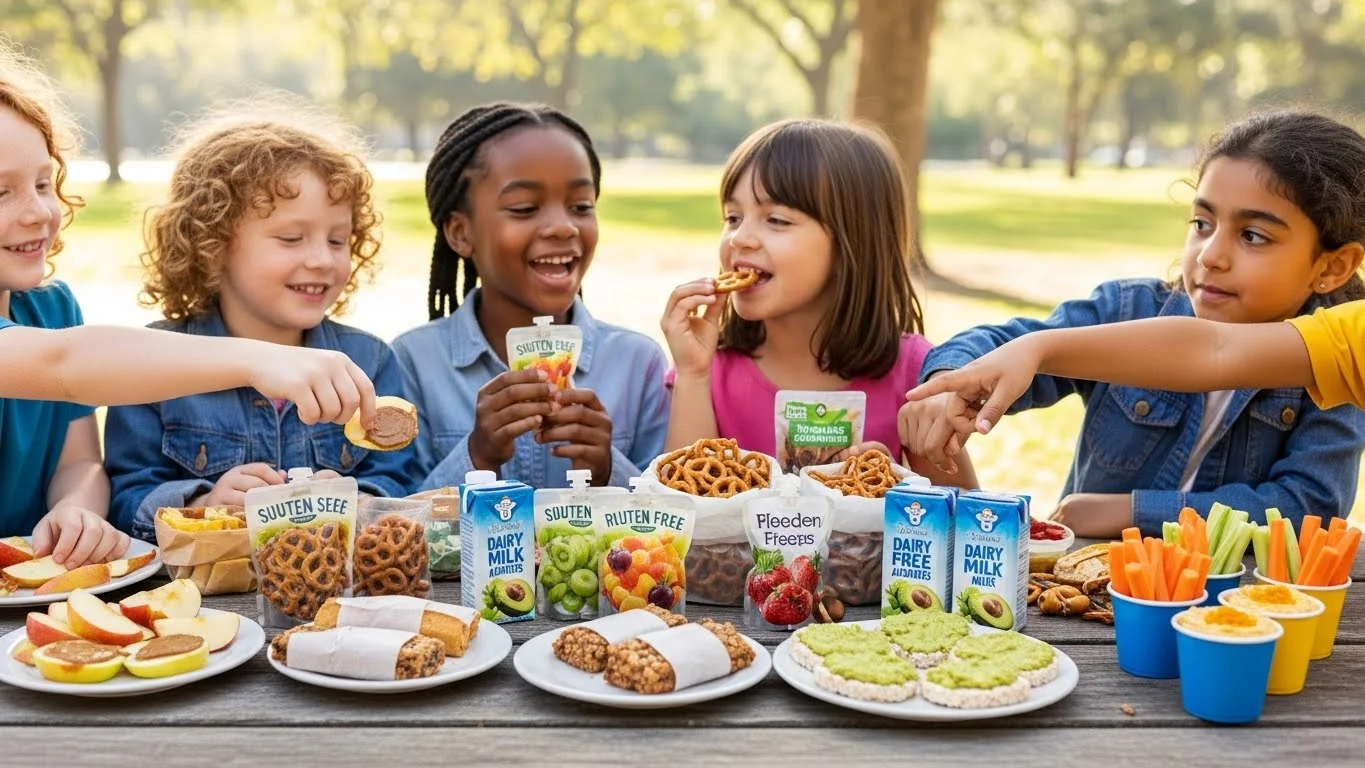
Understanding Food Allergies in Children
When it comes to our kids, their health and happiness are our top priorities. As parents, we often grapple with the reality of food allergies. It’s not just about avoiding certain foods; it’s about ensuring that our children enjoy a wide variety of delicious snacks without risking their health. I’ve been there, and I understand the stress that comes with finding suitable options. Let’s dive deeper into what food allergies look like, the symptoms to watch for, and why allergy-friendly snacks are so crucial.
Common Food Allergies
Food allergies in children can be quite common and can often lead to serious reactions. The most prevalent allergens include peanuts, tree nuts, dairy, eggs, soy, wheat, fish, and shellfish. I remember when my child was diagnosed with a nut allergy. It felt overwhelming at first. I had to learn which foods contained hidden allergens and how to read labels thoroughly. It’s essential to stay informed about these common allergens to keep our kids safe.
Many children outgrow certain allergies, like milk and egg, but others, such as those to peanuts or tree nuts, tend to persist. It’s important to have regular discussions with a healthcare provider about your child’s allergies to ensure they’re safe and up to date on what they can and cannot eat.
Symptoms of Food Allergies
Recognizing the symptoms of food allergies is crucial. They can range from mild to severe, and they typically include hives, stomach cramps, vomiting, or, in more serious cases, anaphylaxis. I recall a time when my child had a mild reaction after trying something new. It was a scary moment that taught me to always be prepared and aware. If you suspect your child may have a food allergy, it’s essential to consult a doctor for testing and guidance.
Importance of Allergy-Friendly Snacks
Having allergy-friendly snacks on hand is vital for several reasons. First, they ensure your child has safe options that won’t trigger a reaction. Second, they help kids feel included during snack times, especially when they see their peers enjoying treats. I noticed that when my child had delicious, safe snacks, they felt more confident and less isolated. It’s all about making sure they feel comfortable and happy, no matter where they are.
Moreover, providing variety in their diet helps with overall nutrition. Allergy-friendly snacks can still be nutritious and tasty, ensuring our kids get the vitamins and minerals they need while avoiding allergens. In our journey, we’ve discovered that with a bit of creativity, we can create snacks that everyone loves. Read Interesting article: Budget-Friendly DIY Healthy Snacks for Happy Kids
Budget-Friendly Allergy Snacks: An Overview
Being mindful of our budget while catering to food allergies can feel like a balancing act. But I believe it’s entirely possible to provide safe, tasty snacks for our kids without spending a fortune. Let’s explore what makes a snack allergy-friendly, some cost-effective ingredients, and the pros and cons of meal prepping versus buying store-bought options.
What Makes a Snack Allergy-Friendly?
An allergy-friendly snack is one that avoids common allergens and is made with safe ingredients. For me, it means checking labels diligently and opting for whole foods as much as possible. I’ve learned that snacks made from fruits, vegetables, and seeds can be both healthy and delicious. It’s also about considering the cross-contamination risk, especially when eating out or trying new packaged foods. We aim for snacks that are clear of allergens and provide peace of mind.
Cost-effective Ingredients to Consider
When I think about budget-friendly ingredients, I often gravitate toward staples that are not only safe but also versatile. Here are some of my go-to ingredients:
- Fruits and Vegetables: Fresh, frozen, or dried—these are always a hit. I often buy in bulk when they’re in season to save money.
- Grains: Oats, rice, and quinoa are great bases for many snacks. They are affordable and can be used in various recipes.
- Seeds: Sunflower and pumpkin seeds are nutrient-dense and can be a great alternative to nuts.
- Legumes: Chickpeas and lentils can be used in dips or baked snacks, providing protein without allergens.
Having these ingredients on hand allows me to whip up quick snacks that are safe and budget-friendly.
Meal Prep vs. Store-Bought Options
When it comes to snacks, I find myself torn between meal prepping at home and occasionally buying store-bought options. Meal prepping allows me to control the ingredients and ensure everything is safe for my child. I often spend a few hours on the weekend preparing a variety of snacks for the week. This way, I know exactly what my kids are eating, and I can customize their snacks based on their preferences.
On the other hand, I do appreciate some convenience. There are times when life gets busy, and having a few safe, pre-packaged snacks is a lifesaver. I just make sure to read the labels carefully and look for brands that are known for being allergy-friendly. Balancing both options helps me cater to my child’s needs while keeping my sanity intact. Read Interesting article: Easy and Affordable Kid-Friendly Snacks on the Go
Homemade Allergy Snacks
Nut-Free Energy Bites
One of my go-to recipes for an easy and budget-friendly snack is nut-free energy bites. I love how simple they are to make and how much my kids enjoy them. To whip these up, I usually start with some oats as the base. Then, I add in sunflower seed butter instead of traditional nut butter, along with honey or maple syrup for sweetness. I also throw in a handful of mini chocolate chips (dairy-free, of course) and a sprinkle of chia seeds for added nutrition.
After mixing everything together, I roll them into small balls and place them in the fridge for a couple of hours. They’re perfect for a quick snack on the go or a post-school pick-me-up. Plus, I feel good knowing they’re safe for my child and packed with energy to keep them active.
Dairy-Free Smoothies
Another favorite in our house is dairy-free smoothies. I think smoothies are such a versatile option; you can customize them based on what fruits and veggies you have on hand. I typically use almond milk or coconut milk as a base—just make sure to choose brands that are labeled allergen-free. Then, I add in a banana, some frozen berries, and a handful of spinach for an extra nutritional boost.
What I love about smoothies is that I can sneak in healthy ingredients without my kids even noticing! They think they’re just enjoying a yummy drink, while I’m happy knowing they’re getting vitamins and minerals. I often prepare smoothie packs ahead of time, so all I have to do is blend them up when hunger strikes.
Gluten-Free Oatmeal Cookies
Cookies are a snack that every child loves, and making gluten-free oatmeal cookies has been a game-changer for us. I use gluten-free oats as the main ingredient and mix in mashed bananas or applesauce instead of eggs. For sweetness, I add honey or maple syrup and toss in dairy-free chocolate chips or dried fruits.
What I’ve noticed is that these cookies are not only allergy-friendly but also easy to customize. Sometimes I add cinnamon or vanilla for extra flavor, and my kids love helping mix the batter. Once baked, they make for a great after-school snack or a treat during playdates. Plus, they’re healthy enough that I don’t feel guilty letting my kids enjoy them!
Fruity Veggie Dips
When I want to include more veggies into my kids’ diets, I often turn to fruity veggie dips. I find that kids are more likely to eat their vegetables when they have a tasty dip to go with them. One of my favorites is a simple avocado dip mixed with lime juice and a bit of garlic powder. It’s creamy and delicious, and it pairs wonderfully with carrot sticks, cucumber slices, and bell pepper strips.
Another option is to blend up some dairy-free yogurt with fresh fruit like strawberries or mangoes. This sweet dip works wonders for making carrot sticks and celery more appealing to my kids. I remember the first time I made it; my little ones devoured the veggies and asked for more! It’s satisfying to see them enjoy something healthy while keeping their allergies in mind.
Store-Bought Allergy Snacks
Best Brands for Allergy-Friendly Snacks
Sometimes, despite our best efforts in the kitchen, we need to rely on store-bought options. I’ve discovered several brands that offer tasty, allergy-friendly snacks without breaking the bank. For instance, I love the line of snacks from Enjoy Life Foods. They specialize in gluten-free, nut-free, and dairy-free options that my kids really enjoy. Their cookies and chocolate bars are always a hit!
Another brand I trust is MadeGood, which provides granola bars made from whole ingredients and is free from common allergens. I appreciate that they incorporate vegetables into their recipes, which is a clever way to boost nutrition. I often keep a box of these in my pantry for those busy days when I need a quick snack that I can feel good about.
Cost Comparison of Popular Products
When I compare prices for allergy-friendly snacks, I often find that there’s a range depending on the brand and the type of snack. I tend to look for sales or bulk-buy options to save money. For example, while a box of gluten-free granola bars might cost around $5, I’ve seen the same snacks on sale for as low as $3. I always check online or at my local grocery store to see if they have any promotions available.
It’s also helpful to read reviews and ask other parents for recommendations. From my experience, some snacks may be more expensive, but if my kids love them and they’re safe, I consider it money well spent. I keep a list of my favorite products and their prices handy, which helps me make informed choices when I’m shopping.
Where to Buy Budget-Friendly Allergy Snacks
Finding budget-friendly allergy snacks can be made easier with a little research. Local health food stores often have a great selection of allergy-friendly options, but I’ve also found some fantastic deals at big-box retailers and online. Websites like Thrive Market or Amazon can offer competitive prices, especially when buying in bulk.
Additionally, I recommend checking out discount grocery stores or farmer’s markets. I’ve spotted some great snacks at reduced prices, especially if they’re nearing their expiration date. With a bit of planning and creativity, I believe we can keep our kids happy and healthy without sacrificing our budget!
Creative Snack Ideas for Kids
Fun and Engaging Snack Presentation
One thing I’ve learned is that the way we present snacks can make a huge difference in how much our kids enjoy them. I find that when snacks are colorful and fun, my children are more excited to eat them. For example, I often use cookie cutters to create fun shapes out of fruits and vegetables. Making apple or cucumber stars adds a whimsical touch that makes snack time feel like a treat rather than just another meal. I remember one day when I made star-shaped watermelon slices, and my kids couldn’t get enough! They thought it was a special occasion, and I was thrilled to see them enjoy healthy foods.
Another idea I love is creating colorful snack boards. I gather a variety of safe fruits, veggies, and dips, arranging them beautifully on a platter. My kids love picking out their favorites and trying new combinations. To make it even more appealing, I sometimes add small flags or stickers to highlight which items are allergy-friendly. It turns snack time into a little adventure, and I think that’s important for keeping them engaged and happy.
Involving Kids in Snack Preparation
Getting kids involved in the kitchen is not only fun but also a great way to teach them about food allergies. I’ve found that when my children help prepare their snacks, they are more likely to try new things and feel more connected to their meals. Simple tasks like washing fruits, mixing ingredients, or even choosing which flavors to combine can be exciting for them.
One of our favorite activities is making fruit kabobs. I let my kids pick their favorite fruits and help assemble them on skewers. Not only do they enjoy the creative process, but they also get a sense of ownership over their food choices. Plus, it’s a fun way to sneak in some extra fruits and veggies into their diets. I’ve noticed that when they’re part of the process, they’re more willing to eat what they’ve helped create.
Snack Pairings: Combining Flavors and Textures
Exploring different flavor combinations has become a delightful part of our snack routine. I love to experiment by pairing crunchy snacks with creamy dips or sweet fruits with savory elements. For instance, we often enjoy apple slices with sunflower seed butter—it’s a perfect balance of sweet and nutty, and my kids can’t get enough. I think it’s exciting to see what new flavor profiles we can come up with.
Another fun pairing I discovered is combining rice cakes with hummus and veggie sticks. The combination of textures keeps things interesting, and my children love the crunchiness of the rice cakes with the creaminess of the hummus. Sometimes, I even let them add toppings like sesame seeds or a sprinkle of paprika to customize their snacks. It’s all about making snack time an enjoyable experience rather than just a necessity.
Nutritional Considerations
Balancing Taste and Nutrition
As parents, we want to make sure our kids are getting the nutrients they need while enjoying their snacks. I’ve learned that it’s possible to strike a balance between taste and nutrition. For example, I try to include a source of protein in most of our snacks, whether it’s through adding yogurt, seeds, or even chickpeas in a dip. This not only keeps them full longer but also supports their growth and development.
I also focus on incorporating a variety of colors in their snacks. I often remind myself that the more colorful the plate, the more nutrients are likely present. Whether it’s a rainbow fruit salad or a mix of colorful veggies with a tasty dip, I love seeing a vibrant array of foods. It’s a fun challenge, and I feel great knowing I’m providing my kids with a range of vitamins and minerals that their bodies need.
Understanding Food Labels: What to Look For
Reading food labels has become second nature for me, but I know it can feel overwhelming at first. I always look for key phrases like “free from” and “made in a dedicated facility” when searching for allergen-free products. I also look for clear allergen statements, which indicate if the product was processed in a facility that handles common allergens.
Additionally, I pay attention to the ingredient lists. The shorter, the better! I prefer snacks made with whole ingredients that I can easily recognize. If I find a product that has a long list of ingredients with names I can’t pronounce, I usually put it back on the shelf. It’s all about making informed choices to keep my kids safe while still finding tasty options for them.
Portion Sizes for Kids
Understanding appropriate portion sizes is another crucial aspect of snacking. I’ve found that offering smaller, more frequent snacks works well for my kids. It helps to keep their energy levels stable throughout the day and prevents them from feeling overwhelmed by larger portions. I often use small bowls or cups to serve snacks, which helps me control portions while still allowing them to enjoy a variety of options.
For instance, I might serve a few carrot sticks with a small scoop of hummus, or a handful of grapes alongside some rice cakes. This way, they get to try different flavors without overindulging. I’ve noticed that when I provide smaller portions, my kids are more willing to taste new things, and it makes snack time feel like a fun tasting experience instead of a chore.
Frequently Asked Questions
What are some common food allergies in children?
The most prevalent allergens include peanuts, tree nuts, dairy, eggs, soy, wheat, fish, and shellfish.
What symptoms should I look for if I suspect my child has a food allergy?
Symptoms can range from mild to severe and typically include hives, stomach cramps, vomiting, and in more serious cases, anaphylaxis.
Why are allergy-friendly snacks important for children?
Allergy-friendly snacks ensure that children have safe options that won’t trigger a reaction, help them feel included during snack times, and provide variety in their diet for overall nutrition.
What makes a snack allergy-friendly?
An allergy-friendly snack avoids common allergens and is made with safe ingredients, often incorporating whole foods and minimizing cross-contamination risks.
What budget-friendly ingredients can I use for allergy-friendly snacks?
Cost-effective ingredients include fruits and vegetables, grains like oats and quinoa, seeds such as sunflower and pumpkin seeds, and legumes like chickpeas and lentils.
Is it better to meal prep snacks at home or buy store-bought options?
Meal prepping allows for control over ingredients and safety, while store-bought options offer convenience. A balance of both can cater to a child’s needs while maintaining sanity for parents.
What is a simple recipe for a nut-free snack?
Nut-free energy bites can be made by mixing oats with sunflower seed butter, honey or maple syrup, mini chocolate chips, and chia seeds, then rolling them into balls and refrigerating.
What are some creative ways to present snacks to make them more appealing to kids?
Using cookie cutters to create fun shapes or arranging colorful snack boards with various fruits, veggies, and dips can make snacks more engaging for children.
How can I involve my kids in snack preparation?
Getting kids involved in tasks like washing fruits, mixing ingredients, or assembling fruit kabobs can make them more excited about trying new snacks and help them feel connected to their meals.
What should I look for when reading food labels for allergy-friendly products?
Look for phrases like “free from,” “made in a dedicated facility,” and clear allergen statements. Short ingredient lists with recognizable ingredients are also preferable.