
In today’s digital age, educational apps offer an exciting way to enhance kids’ learning without breaking the bank. These tools can make learning fun and engaging, paving the way for a brighter future for our children. Read Interesting article: Top 10 Educational Apps for Kids: Fun Learning on a Budget
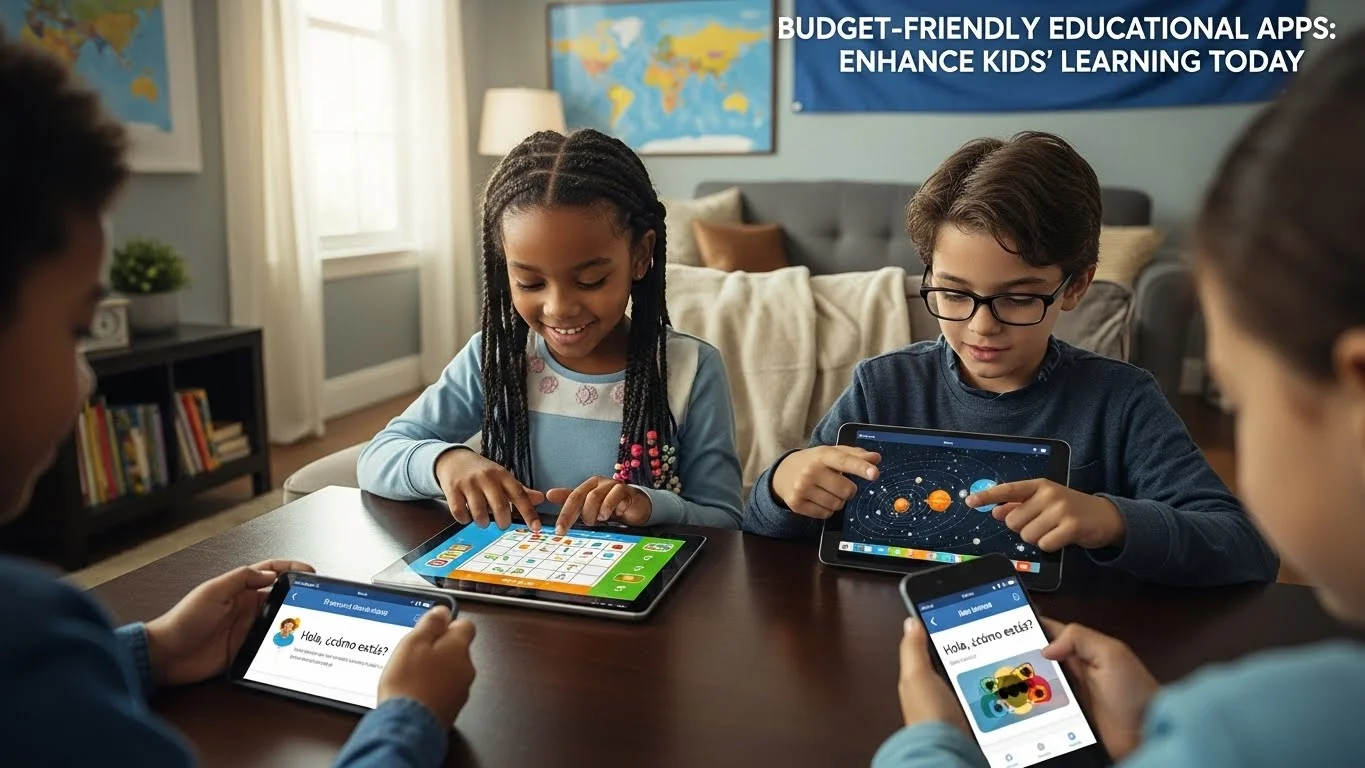
Understanding the Importance of Educational Apps for Kids
As a parent, I often find myself reflecting on the ways technology has transformed learning for our children. Educational apps have come a long way, and I believe they play a crucial role in today’s educational landscape. They provide interactive and engaging experiences that can cater to various learning styles. With the right apps, kids can explore subjects that spark their curiosity while developing essential skills.
Benefits of Educational Apps in Child Development
One of the most significant benefits of educational apps is their ability to make learning enjoyable. I remember the first time my child used an educational app; their eyes lit up as they eagerly interacted with colorful animations and engaging stories. This enthusiasm is vital, as it fosters a love for learning early in life. Educational apps can help enhance skills like critical thinking, problem-solving, and creativity, which are essential for success in school and beyond.
Moreover, these apps often provide personalized learning experiences. I’ve seen my child progress at their own pace, which helps build confidence. When they struggle with a concept, the app offers additional practice, reinforcing their understanding without the pressure of traditional classroom settings. This adaptability is something I’ve found particularly beneficial, as each child learns differently.
How Technology Enhances Learning
Technology, when used wisely, can significantly enhance the learning process. I’ve observed that educational apps often incorporate gamification, turning lessons into fun challenges. This playful approach captures children’s attention and motivates them to continue learning. For example, my child has worked through math problems disguised as a game, which made a potentially tedious subject exciting and enjoyable.
Additionally, educational apps can provide instant feedback. I appreciate how these apps often let kids know immediately if they’ve answered a question correctly or if they need to try again. This immediate response helps them learn from their mistakes and reinforces the correct information in real time. It’s like having a personal tutor available 24/7, which is something I think many parents would agree is invaluable.
Moreover, many educational apps are designed to be used independently, allowing children to take charge of their learning. I believe this independence fosters a sense of responsibility and ownership over their education. Watching my child explore different subjects and take initiative has been a rewarding experience for both of us.
Top Budget-Friendly Educational Apps
Now that we understand the importance of educational apps, let’s dive into some of the best budget-friendly options available. These apps not only cater to various subjects but also provide engaging content without costing a fortune.
Language Learning Apps
Language learning can be a daunting task, but with the right tools, it becomes enjoyable. Here are two of my favorite language learning apps:
Duolingo
Duolingo is a fantastic app for learning languages in a fun and interactive way. I’ve used it myself and found the bite-sized lessons easy to fit into my day. The gamified structure keeps learners motivated, and the app covers a wide variety of languages. I’ve seen my child progress quickly, and it’s exciting to hear them practice their new vocabulary.
Busuu
Busuu offers a slightly different approach to language learning by incorporating social interaction. Users can practice with native speakers, which I found particularly beneficial. The app also provides structured courses, so it feels more like a classroom experience. We’ve enjoyed this app together, practicing conversations in a language my child is interested in. Read Interesting article: Speech Development Tips for Budget Backpackers with Kids
Math and Science Apps
Math and science are crucial subjects that can be made more engaging through the right apps. Here are two I recommend:
Prodigy Math
Prodigy Math gamifies math practice, allowing kids to embark on adventures while solving problems. My child loves the character customization and the sense of achievement that comes with leveling up. It’s great to see them tackling challenging concepts with enthusiasm.
Kahoot!
Kahoot! is a platform that allows users to create quizzes, making learning a fun competition. I’ve hosted family quiz nights using this app, and it’s a hit! The interactive nature encourages kids to engage with the material actively, and I’ve noticed they retain information better when it’s presented in this way.
Reading and Literacy Apps
Encouraging reading at a young age is vital, and there are some great apps to support literacy:
Epic!
Epic! is a fantastic digital library filled with thousands of books for kids. I appreciate how it caters to various reading levels and interests, making it easy for my child to find something they love. The app also includes audiobooks and educational videos, providing a well-rounded reading experience.
Starfall
Starfall is another excellent resource for early readers. It offers interactive stories, songs, and games that promote literacy skills. I’ve seen my child improve their reading skills while having fun, which is the ultimate goal.
Creative Learning Apps
Fostering creativity is just as important as traditional academics. Here are a couple of apps that encourage kids to express their artistic sides:
ScratchJr
ScratchJr introduces young kids to coding through creative storytelling. I love how this app encourages problem-solving and logic while allowing my child to create their own interactive stories. It’s a wonderful way to blend creativity with technology.
Artful Parent
Artful Parent offers a variety of art projects and ideas for kids. I’ve spent quality time with my child trying out different crafts inspired by this app. It’s incredible to see their imagination come to life through art.
Features to Look for in Educational Apps
When choosing educational apps, I’ve learned that not all apps are created equal. Some features can really enhance the learning experience for kids, making it easier for them to engage with the content and gain new skills. Here are some important features I believe parents should consider when exploring educational apps.
User-Friendly Interface
One of the first things I notice when I try out a new app with my child is how user-friendly it is. A clean, intuitive interface can make all the difference. I remember one app that was cluttered and confusing; my child quickly lost interest. It’s essential that the app is easy to navigate, allowing kids to focus on learning rather than figuring out how to use the app. I appreciate apps that use simple icons and clear instructions to guide children through their learning journey.
Engaging Content and Interactivity
Engagement is crucial for keeping kids interested. I’ve seen firsthand how interactive elements—like games, quizzes, and storytelling—can transform a learning experience. Apps that incorporate colorful graphics, animations, and sound effects tend to hold my child’s attention much longer. This interactivity not only makes learning fun, but it also reinforces concepts in a memorable way. For me, the more engaging the content, the better the chances that my child will enjoy learning.
Progress Tracking and Reporting
Tracking progress is another feature I find invaluable. Many educational apps offer progress reports that show how well a child is doing over time. I’ve often used these insights to celebrate my child’s achievements and identify areas where they might need more support. Some apps even set up rewards or badges for completing tasks, which can be a great motivator. This feedback loop not only keeps kids motivated but also helps parents stay informed about their learning journey.
How to Choose the Right App for Your Child
Choosing the right educational app for my child can feel overwhelming sometimes, especially with so many options available. From my experience, I’ve found that focusing on specific criteria can simplify the decision-making process. Here are some tips that have worked well for me.
Age Appropriateness
It’s crucial to select apps that are suitable for my child’s age and developmental stage. I remember downloading an app that was too advanced for my child, and it ended up being frustrating for both of us. Apps designed for younger children often use simpler language and concepts, making them more accessible. I always check the recommended age range and try to stick to apps that are specifically designed for my child’s age group.
Learning Goals and Curriculum Alignment
Before committing to an app, I think about what specific learning goals I have in mind for my child. Is it math skills, reading comprehension, or perhaps language acquisition? I’ve found that aligning the app’s content with our learning goals helps to create a more focused learning experience. Some apps even align with standard educational curricula, which I think is a huge plus as it reinforces what my child is learning in school. Read Interesting article: Budget Travel: Teach Kids Bilingualism Through Adventure
Reviews and Recommendations
Finally, I always look at reviews and recommendations from other parents or educators when choosing an app. Hearing about other people’s experiences can provide valuable insights. I often check reviews in the app store and browse parenting forums for suggestions. Recommendations from friends or family who have already tried the app can also lead me to some hidden gems that I might not have discovered on my own.
Tips for Maximizing Learning with Educational Apps
Once I’ve chosen the right educational apps for my child, I want to ensure we make the most of them. Here are some tips I’ve gathered that help maximize the learning potential of these tools.
Setting Screen Time Limits
While I love how educational apps can enhance learning, I also believe in balancing screen time. I’ve found that setting specific limits on how long my child can use these apps helps avoid overstimulation. I try to create a structure that includes breaks and offline activities, which keeps things fresh and exciting. It’s all about finding that sweet spot between screen time and other forms of learning.
Incorporating Apps into Daily Routines
To make the most of educational apps, I integrate them into our daily routine. For instance, I often set aside time after school for my child to explore their favorite learning apps. I’ve noticed that when they have a regular time to use the apps, they become more engaged and look forward to it. Whether it’s during breakfast or before bedtime, incorporating apps into our routine has proven beneficial.
Encouraging Parent-Child Interaction
One of my favorite things to do is to engage with my child while they use educational apps. I often sit beside them and ask questions or discuss what they’re learning. This interaction not only helps me stay informed about their progress but also reinforces their learning. I believe that when parents show interest in their child’s educational activities, it boosts their motivation and enthusiasm.
Alternative Budget-Friendly Learning Resources
While educational apps are fantastic, I’ve come to realize that they are just one piece of the puzzle. There are plenty of alternative resources that can also provide enriching learning experiences without putting a strain on our budget. Here are some options I’ve discovered.
Alternative Budget-Friendly Learning Resources
While educational apps are fantastic, I’ve come to realize that they are just one piece of the puzzle. There are plenty of alternative resources that can also provide enriching learning experiences without putting a strain on our budget. Here are some options I’ve discovered.
Online Educational Websites
Online educational websites can be an excellent complement to what kids learn through apps. I remember when I first stumbled upon websites offering free resources and interactive activities. These sites often provide lessons, games, and quizzes to help reinforce concepts. For example, websites like Khan Academy and PBS Kids have a wealth of information and activities across various subjects. My child loves visiting these sites to explore topics they’re curious about, and I appreciate how accessible they are. Plus, many of these resources are completely free!
Another site that I find particularly useful is ABCmouse. While it does have a subscription fee, it offers a free trial, which allowed us to explore its extensive content without any commitment. We’ve enjoyed the structured learning paths and the engaging activities that cater to younger children. Whether it’s math, reading, or science, there’s something for everyone, and I love that my child can learn at their own pace.
Community Programs and Workshops
Community programs and workshops can provide a fantastic opportunity for hands-on learning. I’ve found that local libraries, community centers, and even schools often offer free or low-cost programs tailored to kids. These programs sometimes focus on subjects like STEM, art, or literacy, and they often include interactive activities. I remember taking my child to a science workshop at our local library, where they built simple circuits. It was not only educational but also a fun way to meet other kids.
Additionally, I’ve seen many community organizations host summer camps or after-school programs that encourage learning in creative ways. These experiences can help kids develop social skills while diving deeper into subjects they love. I highly recommend checking out what’s available in your area, as there are often hidden treasures waiting to be discovered.
Library Resources and Programs
Speaking of libraries, I can’t stress enough how valuable they are as educational resources. Besides the countless books available, many libraries offer free access to e-books, audiobooks, and educational databases. I’ve taken advantage of our local library’s online resources, and it’s been a game changer. My child loves exploring new stories, and we’ve found some great educational series that complement what they learn in school.
Many libraries also host reading programs, storytelling sessions, and themed events. These programs often include guest speakers or interactive activities that make learning a social event. I remember attending a summer reading challenge at our library, where kids received prizes for the number of books they read. It motivated my child to read more while having fun with peers.
Another great aspect of libraries is their access to knowledgeable staff who can recommend books or resources tailored to my child’s interests and reading level. They can guide parents on how to utilize library resources effectively, making it easier to find the right materials.
Future of Educational Apps
As I look to the future of educational apps, I’m excited about the potential innovations that could further enhance learning for our kids. I’ve started noticing trends that indicate where technology is heading, and I believe these changes will significantly impact how children engage with education.
Trends in EdTech for Kids
One trend that I find particularly intriguing is the use of artificial intelligence (AI) in educational apps. I’ve read that AI can tailor learning experiences to individual students, adapting content based on their strengths and weaknesses. This personalization can provide a level of support that traditional learning environments sometimes struggle to achieve. I can only imagine how beneficial it would be for my child to have an app that understands their learning style, offering recommendations and challenges that fit perfectly.
Another exciting trend is the integration of virtual reality (VR) and augmented reality (AR) into educational experiences. I recently came across an app that allows kids to explore the solar system in 3D! The immersive experience was captivating for my child, who could learn about planets by virtually visiting them. As technology continues to advance, I’m eager to see more apps using VR and AR to make learning even more engaging and interactive.
Potential Challenges and Considerations
Of course, as we embrace these technological advancements, I think it’s essential to keep a few considerations in mind. One challenge is ensuring that kids don’t become overly reliant on technology for learning. I believe finding a balance between screen time and other forms of education is crucial. We should encourage outdoor activities, hands-on learning, and face-to-face interactions, all while leveraging the benefits of educational apps.
Another consideration is privacy and online safety. I’ve learned to be vigilant about the apps and websites my child uses, ensuring they are safe and age-appropriate. It’s important to review privacy settings and understand how data is being used. I recommend having open conversations with kids about online safety and being mindful of the content they interact with.
Frequently Asked Questions
What are the benefits of educational apps for kids?
Educational apps make learning enjoyable and engaging, fostering a love for learning early in life. They can enhance critical thinking, problem-solving, and creativity while providing personalized learning experiences that help children progress at their own pace.
How do educational apps cater to different learning styles?
Educational apps provide interactive and engaging experiences that can cater to various learning styles. They often incorporate gamification, instant feedback, and allow for independent learning, enabling children to take charge of their education.
Can you recommend some budget-friendly educational apps?
Yes! Some top budget-friendly educational apps include Duolingo and Busuu for language learning, Prodigy Math and Kahoot! for math and science, and Epic! and Starfall for reading and literacy. Additionally, ScratchJr and Artful Parent encourage creativity.
What features should parents look for in educational apps?
Parents should look for user-friendly interfaces, engaging content with interactivity, and progress tracking and reporting features. These characteristics enhance the learning experience and keep children motivated and informed about their progress.
How can parents effectively choose the right educational app for their child?
Parents can choose the right educational app by assessing age appropriateness, aligning the app’s content with specific learning goals, and checking reviews and recommendations from other parents or educators.
What tips can help maximize learning with educational apps?
To maximize learning, parents should set screen time limits, incorporate apps into daily routines, and encourage parent-child interaction while using the apps to reinforce learning and motivation.
What alternative resources complement educational apps?
Alternative resources include online educational websites like Khan Academy and PBS Kids, community programs and workshops offered by local libraries, and library resources such as e-books and interactive reading programs.
What trends are emerging in the future of educational apps?
Emerging trends in educational apps include the use of artificial intelligence (AI) for personalized learning experiences and the integration of virtual reality (VR) and augmented reality (AR) to create immersive educational experiences.
What challenges should parents consider when using educational apps?
Parents should consider the potential for children to become overly reliant on technology for learning and the importance of balancing screen time with other forms of education. Additionally, they should ensure online safety and privacy for their children while using these apps.
How do educational apps provide instant feedback?
Educational apps often let kids know immediately if they’ve answered a question correctly or if they need to try again, which helps them learn from their mistakes and reinforces correct information in real-time.