
As a new mom, navigating the world of postpartum nutrition can feel overwhelming, especially when you’re trying to stick to a budget. But healthy eating doesn’t have to break the bank. Let’s explore how to nourish ourselves without the stress of overspending.
Understanding Postpartum Nutrition
The Importance of Nutrition After Birth
After giving birth, my body went through so many changes, and I realized how crucial nutrition was in my recovery. It wasn’t just about losing baby weight or looking good; it was about healing and having the energy to care for my little one. I found that eating well supported my physical recovery and helped me manage the emotional ups and downs that can come with new motherhood. In those early days, I learned that every bite mattered. For more insights, check out Understanding Postpartum Physical Changes: What to Expect.
Common Nutritional Needs for New Moms
When I was postpartum, I noticed I needed a variety of nutrients to help my body recover and produce milk if I was breastfeeding. I learned that my diet should focus on a balance of protein, healthy fats, carbohydrates, vitamins, and minerals. Each played a role in my recovery—protein helped rebuild tissues, fats supported brain health, and carbs provided the energy I desperately needed during sleepless nights.
I also discovered that hydration was just as important as food. I made it a goal to drink plenty of water, herbal teas, and other fluids to stay hydrated, especially if I was nursing. It was a simple change that made a big difference.
Budget-Friendly Foods for New Moms
Essential Nutrients for Postpartum Recovery
Finding budget-friendly foods that meet these nutritional needs was a challenge I faced. I quickly learned that I could shop smart while still getting the nutrition I needed. Here’s a breakdown of essential nutrients and where to find affordable sources. For more details, see Essential Nutritional Tips for Postpartum Wellness.
Protein Sources
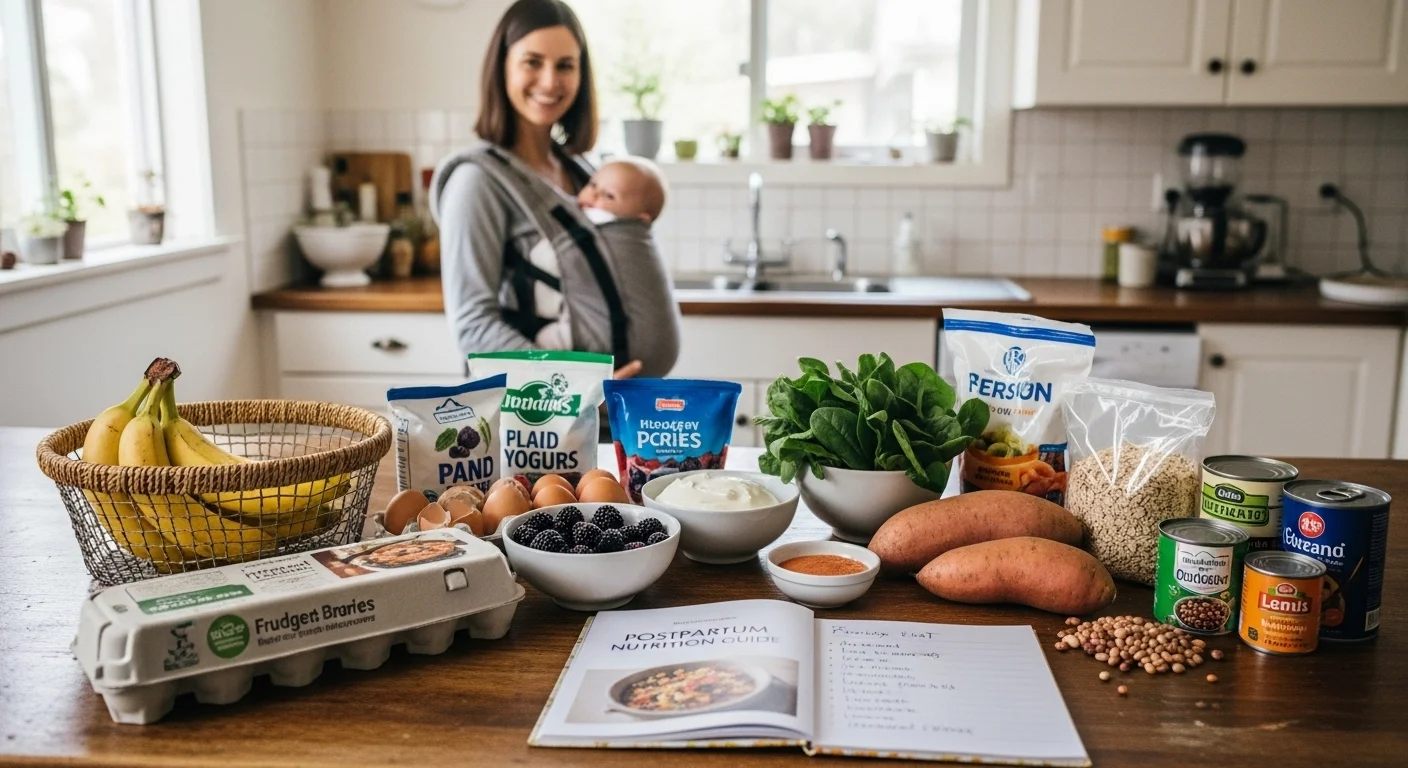
Protein was my go-to nutrient. I discovered that it was essential not only for recovery but also for making me feel full longer. I began incorporating eggs, canned tuna, and legumes into my meals. They are not only packed with protein but also easy on the wallet.
Healthy Fats
Next, I focused on healthy fats. These are crucial for hormone regulation and brain health. I started using olive oil for cooking and added avocados to my salads. I learned they added flavor and richness without costing a fortune.
Whole Grains
Whole grains became a staple in my pantry. They provide fiber, which is great for digestion, especially after pregnancy. I found brown rice, oats, and whole grain bread to be affordable and versatile options. They could be used in various meals, from breakfast to dinner.
Fruits and Vegetables
Fruits and vegetables are vital for their vitamins and minerals. I realized that shopping seasonally could help me save money. I would pick up whatever was on sale at the grocery store or local farmers’ market. Frozen fruits and veggies were also a great option since they often cost less and last longer.
Affordable Protein Options
Finding good sources of protein didn’t have to be expensive. Here are some of my favorite budget-friendly protein options:
Eggs
Eggs are incredibly versatile and packed with protein. I often made scrambled eggs or hard-boiled them for quick snacks. They’re usually inexpensive and can be found at any grocery store.
Canned Tuna
Canned tuna is another great protein source. I would mix it with a little mayo and serve it on whole grain bread for a quick lunch. Plus, it has a long shelf life, making it a smart pantry staple.
Legumes and Beans
Legumes, like lentils and chickpeas, are not only affordable but also rich in protein and fiber. I often made soups or added them to salads to boost my meals. They fill you up without emptying your wallet.
Cost-Effective Dairy and Dairy Alternatives
Dairy products can be another source of protein and calcium, but I found some great alternatives that are budget-friendly:
Yogurt
I loved having yogurt on hand for quick breakfasts or snacks. Greek yogurt is high in protein and can be used in smoothies, parfaits, or just eaten plain. Buying larger containers tends to be cheaper, too.
Milk and Milk Substitutes
I discovered that milk and non-dairy alternatives like almond or soy milk could be budget-friendly, especially when bought in bulk. They added versatility to my meals, whether in smoothies, cereals, or cooking recipes.
Inexpensive Sources of Healthy Fats
Healthy fats were essential to my diet, and thankfully, there are affordable options:
Nuts and Seeds
I started incorporating nuts and seeds into my snacks and meals. They are energy-dense and can be quite filling. Buying them in bulk helped me save money, and I loved having a mix on hand for a quick energy boost.
Olive Oil and Avocado
Olive oil became my cooking oil of choice. It’s not only healthy but also adds flavor to dishes. Avocados, when in season, were a fantastic addition to salads and sandwiches. I learned to keep an eye out for sales or buy them just slightly underripe so I could enjoy them later.
Meal Planning on a Budget
How to Create a Budget-Friendly Meal Plan
Meal planning became a lifesaver for me during those hectic early months of motherhood. I realized that having a structured plan not only saved me money but also reduced the stress of figuring out what to eat each day. I started by mapping out my meals for the week, focusing on the budget-friendly ingredients I had on hand. It felt empowering to know exactly what I needed to purchase and how I could use up leftovers.
I often chose a few core ingredients, like chicken, beans, and seasonal vegetables, and built my meals around them. By doing this, I could mix and match throughout the week, keeping meals interesting without overspending. I also found it helpful to include one or two simple recipes that I could repeat, making grocery shopping even easier.
Batch Cooking and Freezing Tips
Batch cooking was another strategy that really helped me keep my meals affordable and nutritious. On weekends, I would dedicate a few hours to cooking larger portions of meals that could be easily frozen. I remember making big batches of chili, soups, and casseroles that I could portion out and freeze. This not only saved time during the busy week but also ensured I had healthy options whenever I needed a quick dinner.
When I pulled a meal from the freezer, it felt like I was giving myself a little gift. I’d just heat it up, and dinner was ready in no time. I also learned to label everything with the date and contents, so I could easily keep track of what I had on hand.
Shopping Smart: Where to Buy Affordable Ingredients
Finding the right places to shop made a huge difference in my budget. I discovered some great options that offered fresh produce and pantry staples at lower prices. Here are a couple of my favorite spots:
Local Farmers’ Markets
Visiting local farmers’ markets became a weekend ritual for me. I found that not only was the produce fresher, but it was often more affordable than at big grocery stores. I also loved supporting local farmers. It felt good to connect with the community while loading up on fruits and veggies. Plus, I learned to ask about deals or discounts for buying in bulk, which helped me save even more.
Discount Grocery Stores
I also started exploring discount grocery stores. These places often carry brand-name products at a fraction of the price. I was amazed to find that I could get many of the same items I usually bought for so much less. I learned to check the clearance aisle, too, as I often found great deals on items that were nearing their expiration dates but were still perfectly fine to use.
Using Coupons and Discounts
In my quest for budget-friendly shopping, I discovered the power of coupons. I began to look for deals online and in my local paper. I started using apps that offered coupons for my favorite grocery stores. This small effort paid off, allowing me to save money on items I was already buying. I felt a little thrill every time I used a coupon at checkout—it was like winning a small victory for me and my family!
Combining coupons with sales made a big difference in my grocery bills. I would plan my shopping trips around the week’s sales, ensuring I was getting the best prices possible. Over time, it became a fun challenge to see how much I could save each week.
Meal planning, batch cooking, and smart shopping all contributed to a more manageable and enjoyable postpartum experience. I felt healthier, more organized, and less financially stressed. It’s amazing how good nutrition and being budget-savvy can create a sense of stability during such a whirlwind time in our lives.
Quick and Easy Recipes for New Moms
Simple Breakfast Ideas
Breakfast is such an important meal, especially for new moms who need that extra boost of energy. I found that starting my day with a nutritious breakfast set the tone for the rest of my meals. Here are a couple of my favorite quick breakfast ideas that are budget-friendly and easy to whip up.
Overnight Oats
Overnight oats became a staple in my morning routine. I loved how simple it was to prepare the night before, and it saved me so much time during hectic mornings. I would combine rolled oats with milk or yogurt, add some chia seeds for a nutrient boost, and top it off with whatever fruits I had on hand—bananas, berries, or even a spoonful of peanut butter. I’d pop it in the fridge, and by morning, I had a delicious, filling breakfast waiting for me.
Vegetable Omelette
Omelettes were another favorite of mine. They’re so versatile and can be made with just about any vegetables I had in the fridge. I’d whisk a couple of eggs, add some chopped spinach, tomatoes, and onions, and cook it all up in a bit of olive oil. It was quick, satisfying, and packed with protein to help keep me energized throughout the morning.
Healthy Lunch Options
Moving on to lunch, I found that having quick and easy meals prepared made my day much smoother. Here are a couple of ideas that I often relied on.
Quinoa Salad
Quinoa salad became my go-to for a light yet filling lunch. I would cook a batch of quinoa at the beginning of the week and mix it with whatever veggies I had on hand—cucumbers, bell peppers, or even some leftover roasted sweet potatoes. A squeeze of lemon juice and a drizzle of olive oil made it refreshing and tasty. Plus, it’s packed with protein and fiber, which kept me full for longer.
Wraps and Sandwiches
Wraps were another easy option for lunch. I loved using whole grain tortillas filled with lean proteins, like leftover chicken or even hummus, and piling on the veggies. It was a quick meal that I could eat on the go, and I could switch up the fillings to keep it interesting. Sometimes I’d add a slice of cheese or some avocado for extra creaminess.
Nourishing Dinner Recipes
As the day went on and I was more tired, I appreciated having simple dinner recipes that didn’t take too long to prepare. Here are two that I enjoyed.
Stir-Fried Vegetables with Rice
Stir-frying was a lifesaver for me. I would throw together whatever vegetables I had—broccoli, carrots, bell peppers—and toss them in a hot pan with some olive oil. Adding cooked rice or quinoa made it a complete meal. I’d often top it with a splash of soy sauce or sesame oil for flavor, and it was always a hit. It was quick, colorful, and satisfying after a long day.
Slow-Cooker Soups
Slow-cooker soups were another favorite. I would set everything up in the morning and let it cook throughout the day. A simple chicken soup with veggies and broth made for a comforting dinner. I learned that freezing leftovers was a great way to ensure I had healthy meals ready for those days when I just couldn’t muster the energy to cook.
Snacks for Energy Boost
Snacks were important for me, especially during those busy days filled with nursing and caring for my baby. I needed something quick and nutritious to keep my energy levels up.
Fruit and Nut Bars
I started making my own fruit and nut bars by blending dates, nuts, and a bit of cocoa powder. It was an easy way to have a sweet treat that was also healthy. I’d cut them into bars and keep them handy for quick snacks. Whenever I felt peckish, I could grab one, and it provided a nice boost without the guilt.
Veggies with Hummus
Dipping veggies in hummus became my go-to afternoon snack. I’d chop up carrots, celery, or bell peppers and pair them with a store-bought or homemade hummus. It was a great way to get those extra nutrients, and I loved how crunchy and satisfying it felt. Plus, I could prep the veggies at the beginning of the week and keep them in the fridge for easy access.
Hydration and Its Importance
Recommended Fluids for New Moms
Staying hydrated was something I had to remind myself about often. I realized that hydration is just as crucial as nutrition, especially when you’re juggling the demands of a newborn. I aimed to drink at least eight glasses of water a day, but I often found that I needed more. Water helps with digestion, keeps your skin glowing, and supports milk production if you’re breastfeeding. I found myself feeling more energized and less sluggish when I kept up with my fluid intake.
I also discovered that incorporating other nutritious drinks could be beneficial. For instance, I enjoyed herbal teas, which not only helped with hydration but also provided calming effects during those hectic days. Chamomile and peppermint were my favorites. I found that sipping on a warm cup of tea in those quiet moments with my baby brought a sense of peace and relaxation.
Budget-Friendly Hydration Options
Hydration didn’t have to be expensive. I looked for ways to keep my drinks interesting without spending much. Here are a couple of my budget-friendly hydration options:
Water and Infused Water
Plain water was essential, but I found that infusing it with fresh fruits made it more appealing. I would add slices of lemon, lime, or even cucumber to my water pitcher. This simple addition made drinking water feel like a treat rather than a chore. I also learned that I could save money by buying frozen fruits, which added flavor and required no prep time.
Herbal Teas
Herbal teas were another affordable and enjoyable way to stay hydrated. I often bought bulk bags of dried herbs from health stores, which were cheaper than individual tea bags. I could mix and match flavors, making it easy to find my favorite combinations. Plus, having a variety of teas on hand meant I could switch it up based on my mood or need for relaxation.
Special Considerations for Breastfeeding Moms
How Nutrition Affects Milk Supply
As a breastfeeding mom, I learned that my nutrition directly impacted my milk supply. I wanted to ensure that I was consuming enough calories and nutrients to support both my body and my baby. I discovered that staying hydrated, eating a balanced diet rich in whole foods, and consuming enough healthy fats contributed to maintaining a steady milk supply. I always kept healthy snacks on hand, like nuts or my homemade fruit bars, to help me meet those extra caloric needs.
Foods to Include and Avoid While Breastfeeding
I also became more aware of the foods I included in my diet while nursing. I focused on eating a variety of fruits, vegetables, whole grains, and lean proteins. However, I learned that some foods could potentially lead to gas or fussiness in my baby, like dairy or spicy foods. It was a bit of trial and error, but tracking how different foods affected my baby helped me adjust my diet for both our benefits.
In my case, I found that incorporating foods like oats and dark leafy greens boosted my energy levels and milk production. I also made sure to avoid excessive caffeine and sugary snacks, which could leave me feeling drained instead of revitalized.
Tips for Managing Time and Stress in the Kitchen
Simple Kitchen Tools for Efficiency
With my busy schedule, I realized that having the right kitchen tools could save me a lot of time. I loved using a slow cooker for its convenience—just throw in the ingredients in the morning, and by dinner, I had a delicious meal ready to go. A good sharp knife was another must-have; it made chopping veggies quick and easy. Investing in a decent cutting board and a food processor helped me prep meals faster, allowing me to spend more time with my baby.
Involving Family in Meal Prep
Getting my partner involved in meal prep was a game-changer. We would spend time together chopping veggies or assembling meals, which not only lightened my load but also made it a fun bonding activity. I found that sharing the responsibilities made cooking more enjoyable and less of a chore.
Using Leftovers Creatively
I embraced the idea of using leftovers creatively. Instead of simply reheating the same meal, I would transform them into something new. Leftover roasted veggies could become a frittata, and extra grains could be tossed into a salad. I found that this not only minimized food waste but also kept our meals exciting and varied without much extra effort.
Final Thoughts
Embracing postpartum nutrition on a budget was a journey for me, filled with learning and discovery. I realized that nourishing myself did not have to be expensive or complicated. By focusing on whole foods, staying organized with meal planning, and finding joy in simple recipes, I felt empowered during a time that can often feel overwhelming. I hope that by sharing my experience, you can find inspiration and practical tips to nourish yourself while navigating the beautiful chaos of new motherhood. Remember, taking care of yourself is the best gift you can give to your little one. For more tips on managing postpartum changes, read Coping with Postpartum Physical Changes: Essential Insights.
Frequently Asked Questions
What is the importance of nutrition after giving birth?
Nutrition is crucial for recovery after birth as it supports physical healing and provides the energy needed to care for a newborn. Healthy eating can also help manage the emotional ups and downs of new motherhood.
What are common nutritional needs for new moms?
New moms need a balance of protein, healthy fats, carbohydrates, vitamins, and minerals to aid recovery and milk production if breastfeeding. Hydration is also essential, with a focus on drinking plenty of water and other fluids.
What budget-friendly protein sources are recommended for postpartum nutrition?
Budget-friendly protein sources include eggs, canned tuna, and legumes like lentils and chickpeas. These options are not only affordable but also rich in protein and fiber, helping to keep you feeling full.
How can new moms incorporate healthy fats into their diet on a budget?
New moms can incorporate healthy fats by using olive oil for cooking and adding avocados to meals. Nuts and seeds are also affordable options that provide energy and can be purchased in bulk for savings.
What are some quick and easy breakfast ideas for new moms?
Quick and easy breakfast ideas include overnight oats, which can be prepared the night before, and vegetable omelettes made with eggs and any veggies on hand. Both options are nutritious and simple to make.
How can new moms effectively plan meals on a budget?
Effective meal planning involves mapping out meals for the week based on budget-friendly ingredients, using core items like chicken, beans, and seasonal vegetables, and including simple recipes that can be repeated.
What strategies can help with batch cooking for postpartum nutrition?
Batch cooking involves dedicating time to prepare larger portions of meals that can be frozen for later. Labeling meals with dates and contents helps in keeping track of what is available for quick dinners during busy weeks.
How can new moms stay hydrated without overspending?
New moms can stay hydrated by infusing water with fresh fruits, which makes it more appealing. Herbal teas are also a budget-friendly option, and buying in bulk can reduce overall costs.
What foods should breastfeeding moms focus on for optimal nutrition?
Breastfeeding moms should focus on a balanced diet rich in whole foods, including fruits, vegetables, whole grains, and lean proteins. They should also monitor foods that may cause gas or fussiness in their baby.
What are some time-saving kitchen tips for new moms?
Time-saving tips include using a slow cooker for easy meal preparation, involving family members in meal prep for shared responsibility, and creatively using leftovers to minimize food waste and maintain variety in meals.