
Traveling can be an incredible experience, but for those with disabilities, it often comes with unique challenges. Fortunately, assistive technology can make travel easier and more enjoyable without breaking the bank. Read Interesting article: How Assistive Technology Enhances Travel for Special Needs
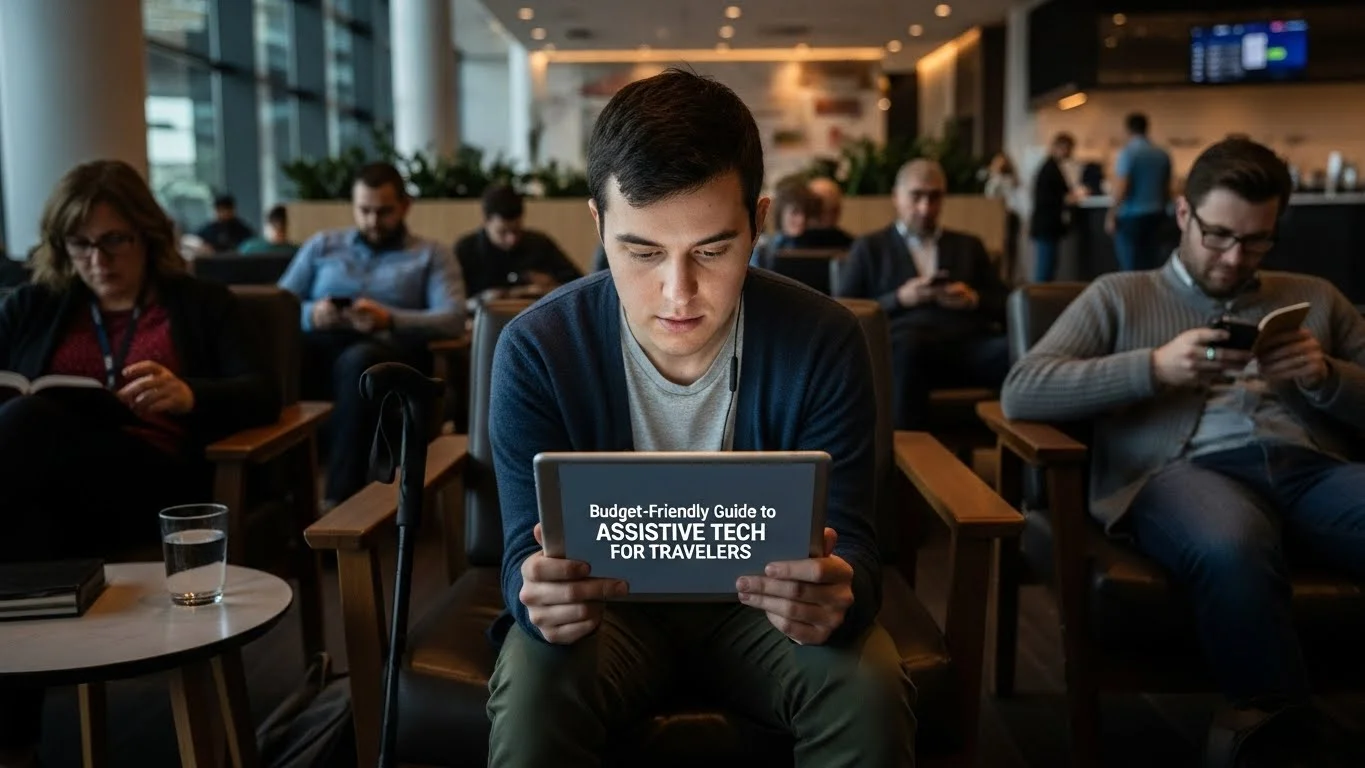
Understanding Assistive Technology for Travelers
What is Assistive Technology?
Assistive technology (AT) refers to devices or systems that help individuals with disabilities perform tasks that might otherwise be difficult or impossible. These technologies can range from simple tools like canes and specialized utensils to advanced gadgets like speech recognition software and mobility scooters. Personally, I’ve seen how AT has transformed lives, making everyday tasks more accessible and empowering individuals to pursue their passions, whether that’s traveling, working, or engaging in hobbies.
The Importance of Assistive Tech in Travel
For many of us, travel is about experiencing new places, cultures, and adventures. However, without the right support, travel can feel daunting. Assistive technology plays a crucial role in enabling those with disabilities to navigate airports, hotels, and tourist attractions with more confidence. I remember my first time traveling with a mobility aid; it opened up so many doors for me. Suddenly, I could explore places I never thought possible. The freedom that comes from these technologies can make all the difference in a traveler’s experience.
Not only does assistive tech enhance the physical aspects of travel, but it also impacts emotional well-being. Feeling independent and capable can boost self-esteem, allowing travelers to fully immerse themselves in their journey. In my opinion, everyone should have access to the tools that make travel more enjoyable and accessible. Read Interesting article: Top Assistive Tech Tools for Budget Backpacking Adventures
Types of Assistive Technology for Travelers
Mobility Aids
Mobility aids are probably the first thing that comes to mind when we think of assistive technology. From wheelchairs and scooters to walkers and canes, these devices help individuals move around comfortably. I’ve traveled with a portable wheelchair, and it was a game-changer. It was lightweight and easily foldable, allowing me to maneuver through various terrains. If you’re considering mobility aids for your travels, it’s essential to find something that suits your needs and is easy to transport.
Communication Devices
For travelers who have difficulty speaking or hearing, communication devices can be invaluable. These can range from simple picture boards to complex speech-generating devices. I once met a fellow traveler who used an iPad with a communication app. It amazed me how effectively they could interact with others and enjoy their surroundings without feeling isolated. Investing in a good communication device can bridge gaps and enhance the travel experience.
Navigation Tools
Getting lost in a new city can be intimidating, but navigation tools have made it easier than ever to find your way. Smartphone apps like Google Maps have accessibility features that help users identify wheelchair-friendly routes, while other specific navigation tools are designed for those with visual impairments. I still remember the relief I felt when I discovered an app that provided audio directions. It allowed me to explore cities independently without the constant worry of getting lost.
Accessibility Apps
There’s a growing number of apps tailored to assist travelers with disabilities. These apps can help with everything from booking accessible accommodations to locating accessible restrooms. I’ve downloaded a few myself, and they’ve been incredibly helpful in planning my trips. I feel like I’m more in control when I have these resources at my fingertips, allowing me to focus on making memories instead of stressing about logistics.
Hearing Assistance Devices
For those with hearing impairments, devices like hearing aids and amplifiers can significantly improve the travel experience. These tools can make conversations in busy airports or crowded tourist attractions much clearer. I’ve traveled with friends who rely on hearing aids, and it’s fascinating to see how they adapt in various environments. It’s essential to consider your hearing needs when traveling, as the right devices can make all the difference.
Visual Aids
Visual aids such as magnifiers and screen readers can assist those with visual impairments. I once met a traveler who used a handheld magnifier to read signs and menus, which allowed them to engage more deeply with their surroundings. The advancements in technology have made it possible for visually impaired travelers to experience the world in ways that were previously out of reach. I truly believe that everyone deserves to see the beauty of our planet, and the right tools can make that a reality.
Budget-Friendly Assistive Tech Options
Affordable Mobility Aids
When considering mobility aids, it’s essential to find options that won’t leave your wallet empty. I’ve discovered that many affordable mobility aids are available that provide the necessary support without sacrificing quality. For example, lightweight foldable walkers and budget-friendly wheelchairs can often be found at local medical supply stores or online marketplaces. I remember when I was looking for a travel-friendly mobility aid; I found a used but well-maintained scooter for a fraction of the new price. It served me beautifully during my trips, proving that a little resourcefulness goes a long way.
Low-Cost Communication Devices
For those who need communication devices, there are budget-friendly alternatives that can be just as effective. Simple apps on smartphones can transform them into communication aids. I once met a traveler who used a free app that turned their device into a speech-generating tool. The ease of access to such technology can make a significant difference. Plus, some organizations provide grants or loans for communication devices, making them even more accessible. I believe it’s crucial to explore these options, as they can open up a world of interaction and connection while traveling.
Free and Inexpensive Navigation Apps
Smartphones have become our best friends when it comes to navigation, especially for travelers with disabilities. Many free navigation apps, such as Google Maps and Waze, now offer features that cater to accessibility needs. I can’t tell you how many times I relied on these apps to find wheelchair-friendly paths or to avoid crowded areas. Additionally, some navigation tools specifically designed for those with visual impairments can be downloaded at no cost. These apps not only provide direction but can also give you confidence in navigating unfamiliar territories. Trust me; there’s nothing quite like the feeling of venturing out on your own, guided by technology that understands your needs.
Accessible Travel Planning Tools
Planning a trip can be overwhelming, especially when considering accessibility. Fortunately, numerous online resources focus on accessible travel. Websites like AccessibleGO and WheelchairTravel.org provide valuable insights into destinations, accommodations, and attractions that cater to various needs. I found that using these resources allowed me to plan vacations that were not just enjoyable but also manageable and stress-free. It’s all about finding tools that fit your specific circumstances. With the right planning, I believe anyone can make their travel dreams a reality, regardless of the challenges they may face.
Where to Find Assistive Technology
Online Retailers
In today’s digital world, finding assistive technology is easier than ever. Online retailers like Amazon and specialized websites like Ability Superstore offer a wide variety of assistive devices. I often browse these sites to compare prices and read reviews before making a purchase. One time, I ordered a portable ramp online, and it arrived quickly, ready to help me access all kinds of venues during my trip. Online shopping provides the convenience of exploring numerous options right from the comfort of home, which I find incredibly helpful.
Local Nonprofits and Organizations
Local nonprofits and organizations dedicated to disability services can be a treasure trove for assistive technology. Many of these groups provide resources, support, and sometimes even equipment lending programs. I remember reaching out to a local organization that loaned me a specialized travel wheelchair for a week. It was comforting to know that I could access equipment without the financial burden. Connecting with these organizations can lead to opportunities you might not have considered, so I always recommend reaching out to see what’s available in your area.
Rental Services for Travel
If you’re traveling to a new city, consider looking into rental services for assistive technology. Many companies specialize in renting out mobility aids, communication devices, and more, making it easy to travel light. I once rented a scooter for a trip to a theme park, and it made the entire experience so much more enjoyable. It’s a flexible option that allows you to have the equipment you need without the hassle of transportation. I found that researching rental services ahead of time helped me feel more secure about my travel plans.
How to Use Assistive Technology While Traveling
Pre-Travel Preparations
Preparing for a trip involves more than just packing your bags; it’s about ensuring your assistive technology is ready to go, too. I always double-check my devices before I leave. This includes charging batteries, downloading necessary apps, and testing out mobility aids to ensure they’re functioning well. I also recommend making a checklist of everything you need to bring, including chargers and spare parts. From my experience, being organized helps ease the stress of travel and allows us to focus on enjoying the journey ahead.
In-Transit Tips
Traveling can be exhausting, and using assistive technology in transit might require some adjustments. When I fly, I always inform the airline about my needs ahead of time. Most airlines are equipped to help with mobility aids, and I find that letting them know early makes things smoother. I also carry all essential items in my carry-on, ensuring that I have access to my devices during the flight. It’s little things like that which help me feel more comfortable and confident throughout my travel experience.
Using Tech at Your Destination
Once I arrive at my destination, I take a moment to familiarize myself with local resources. I usually check to see what assistive technology is available, such as rental services or local support groups. I also explore navigation apps to find the best routes around the city. I remember a time when I used an app to locate accessible restaurants nearby, which allowed me to truly engage with the local culture. Using tech wisely can enhance the travel experience and create memorable moments.
Case Studies: Travelers Who Benefit from Assistive Tech
Mobility Challenges
One of my friends, Sarah, has been an inspiration to me in how she navigates her mobility challenges. She uses a power wheelchair, which has given her the freedom to explore far and wide. During a trip to Europe, she shared her experience of traveling through cities with cobblestone streets and uneven sidewalks. With her wheelchair equipped with specialized tires, she was able to tackle these obstacles head-on. I remember how she embraced the adventure, confidently rolling through historical sites while gathering stories from locals. The right mobility aid was crucial for her journey, allowing her to enjoy the sights without worrying about accessibility. Sarah often tells me how important it is to research the terrain and accessibility options beforehand, which significantly improves the travel experience.
Hearing Impairments
A couple of years ago, I met Tim on a hiking trip. Tim is deaf and relies on hearing aids and an innovative app that transcribes conversations in real-time. We were hiking in a national park, and I marveled at how he used his technology to stay engaged with the group, effectively participating in discussions about the beautiful landscapes around us. Being able to read what others were saying made him feel included and connected. I’ve learned from Tim that planning ahead is key. He always researches the area for any potential communication barriers, ensuring he has access to tools that will help him enjoy his trip fully. It’s a reminder that assistive technology is not just about the devices but also how we choose to use them to enrich our experiences.
Visual Impairments
Then there’s Emily, who has a visual impairment and has traveled extensively using assistive tech. She carries a smartphone with a screen reader and uses a handheld magnifier to read menus and signs. On a recent trip to New York City, Emily shared how she relied on her smartphone to navigate the bustling streets. The combination of spoken directions and her familiarity with local landmarks allowed her to explore the city confidently. One memorable moment was when she visited a museum and used an audio guide that was compatible with her screen reader. I remember her excitement as she described how technology had allowed her to experience the museum’s exhibits, something that once felt daunting. She often emphasizes that staying informed about the available resources can transform the way we travel.
Best Practices for Traveling with Assistive Technology
Testing Devices Before Travel
When it comes to assistive technology, testing your devices before you embark on your journey is essential. I’ve learned this the hard way. Once, I assumed my mobility scooter was in perfect working condition without checking it first. Unfortunately, it broke down on my first day of travel, which made things quite stressful. Now, I always conduct a thorough check-up of my devices, ensuring everything is functioning correctly, from the batteries to the wheels. I recommend creating a checklist of all your assistive technology and testing each item a few days before your trip. This way, if something needs repair or replacement, you have time to address it.
Maintaining Your Equipment
Maintenance is another aspect I’ve come to realize is vital for smooth travels. I make it a habit to clean and care for my assistive devices regularly. For example, I usually wipe down my wheelchair after a trip to remove dirt and grime, ensuring it’s in the best shape for my next adventure. I also have a small toolkit handy, which includes basic items like screwdrivers, extra batteries, and cleaning supplies. Keeping my equipment well-maintained not only prevents unexpected issues but also gives me peace of mind as I travel.
Storing and Protecting Your Devices
Storage and protection of assistive technology during travel can’t be overlooked. I’ve seen too many friends have their devices damaged by careless handling. I always carry my mobility aid in a protective cover or bag and ensure that it’s securely stored during transit. If you’re flying, it’s wise to inform the airline about your equipment ahead of time. I once had an experience where my scooter was damaged due to improper handling, and since then, I’ve been diligent about how I store my devices. Investing in a good-quality cover or case can save you a lot of headaches down the road.
Resources for Travelers with Disabilities
Government and Advocacy Websites
There are numerous government and advocacy websites dedicated to helping travelers with disabilities. These resources often offer valuable information on accessibility laws, rights, and available services. I’ve found websites like the ADA National Network incredibly helpful. They provide insights into what accommodations are legally required in various states or countries, ensuring that I’m informed about my rights as a traveler with a disability. Staying updated on this information can help us advocate for ourselves when necessary.
Travel Agencies Specializing in Accessible Travel
If you’re looking for tailored experiences, consider reaching out to travel agencies that specialize in accessible travel. I remember when I planned my trip to Australia; I discovered an agency that catered specifically to travelers with disabilities. They helped me find accommodations and activities that suited my needs perfectly. Their expertise took so much stress off my shoulders, allowing me to focus on enjoying my trip. I believe more travelers should explore these options, as they can provide invaluable support and insights.
Assistive Technology Blogs and Forums
Finally, I highly recommend following assistive technology blogs and forums. These online communities are filled with people sharing their experiences, tips, and recommendations. I’ve learned so much from forums where users discuss the latest assistive technology trends, reviews, and personal stories. Connecting with others who have similar experiences helps me feel less alone and more empowered as I navigate my travels. I believe these platforms can be a goldmine for anyone looking to enhance their travel experience with assistive technology. Read Interesting article: The Truth Behind Common Pregnancy Myths Every Parent Should Know
Frequently Asked Questions
“`htmlWhat is assistive technology?
Assistive technology (AT) refers to devices or systems that help individuals with disabilities perform tasks that might otherwise be difficult or impossible. These technologies can range from simple tools like canes and specialized utensils to advanced gadgets like speech recognition software and mobility scooters.
How does assistive technology improve the travel experience for individuals with disabilities?
Assistive technology enhances the physical aspects of travel by enabling those with disabilities to navigate airports, hotels, and tourist attractions with more confidence. It also impacts emotional well-being by boosting self-esteem and allowing travelers to immerse themselves in their journeys.
What types of assistive technology are available for travelers?
Types of assistive technology for travelers include mobility aids (like wheelchairs and scooters), communication devices (like speech-generating tools), navigation tools (like smartphone apps), accessibility apps, hearing assistance devices, and visual aids (like magnifiers and screen readers).
Where can travelers find affordable assistive technology?
Travelers can find affordable assistive technology through online retailers, local nonprofits and organizations dedicated to disability services, and rental services that specialize in assistive devices.
What should travelers do to prepare their assistive technology before a trip?
Before traveling, individuals should ensure their assistive technology is ready by charging batteries, downloading necessary apps, testing mobility aids, and creating a checklist of all needed devices, including chargers and spare parts.
How can travelers maintain their assistive devices during travel?
Travelers can maintain their assistive devices by regularly cleaning and caring for them, keeping a small toolkit handy for repairs, and ensuring the devices are stored securely during transit to prevent damage.
What resources are available for travelers with disabilities?
Resources for travelers with disabilities include government and advocacy websites that provide information on accessibility laws, travel agencies specializing in accessible travel, and assistive technology blogs and forums for sharing experiences and tips.
Are there budget-friendly options for mobility aids?
Yes, there are many affordable mobility aids available, such as lightweight foldable walkers and budget-friendly wheelchairs, which can often be found at local medical supply stores or online marketplaces.
How can communication devices assist travelers with disabilities?
Communication devices, ranging from simple picture boards to complex speech-generating devices, can help travelers who have difficulty speaking or hearing interact effectively with others and enhance their travel experience.
What are the benefits of using navigation apps for travelers with disabilities?
Navigation apps can help travelers find their way in unfamiliar cities, identify wheelchair-friendly routes, and provide audio directions, making navigation easier and boosting travelers’ confidence in exploring new places.
“`