
Pregnancy is an exciting journey, but it also comes with its own set of challenges, especially when it comes to nutrition. Balancing a budget while ensuring that you and your baby get the right nutrients can feel overwhelming, but it doesn’t have to be! Read Interesting article: Healthy Meal Plans for Expecting Moms on a Budget
Understanding Pregnancy Nutrition
The Importance of Nutrition During Pregnancy
When I first found out I was pregnant, I was overwhelmed with all the new information about what to eat and what to avoid. I learned quickly that nutrition is crucial during this time. The food we consume not only supports our health but also directly impacts the development of our baby. It became clear to me that I needed to focus on nourishing my body with wholesome foods. This was my way of ensuring that my baby got the best start in life.
I remember reading about how a well-balanced diet can help with common pregnancy issues like morning sickness, fatigue, and even mood swings. I could relate to this firsthand; when I filled my plate with vibrant fruits, vegetables, whole grains, and lean proteins, I felt more energized and less overwhelmed. It was a game changer for my overall well-being.
Key Nutrients for Pregnant Women
In my quest for healthy eating, I discovered that there are several key nutrients that pregnant women should focus on:
- Folate: Essential for cell growth and helps prevent neural tube defects. I found that leafy greens, beans, and fortified cereals were my go-to sources.
- Iron: Important for increasing blood volume and preventing anemia. I tried to include lean meats, beans, and spinach in my meals.
- Calcium: Vital for building the baby’s bones and teeth. Dairy products, almonds, and fortified plant milks became staples in my diet.
- Omega-3 Fatty Acids: Crucial for brain development. I made it a point to have fish like salmon and walnuts regularly.
- Protein: Helps with tissue growth. Eggs, legumes, and chicken were my favorites!
By focusing on these nutrients, I felt more confident that I was giving my baby what they needed while keeping myself healthy and happy.
Common Dietary Restrictions and Considerations
As I navigated through my pregnancy, I also had to consider common dietary restrictions. I remember hearing about foods to avoid, like raw seafood and unpasteurized cheeses, and I realized how important it was to stay informed. For many, gluten intolerance or allergies to certain foods can complicate matters further. I found that it was essential to tailor my meal plan to suit my lifestyle and health requirements.
For instance, when I learned that I had a mild lactose intolerance, I began exploring dairy alternatives. Almond milk and coconut yogurt became my new best friends! I discovered that with a little creativity, I could still enjoy delicious meals while ensuring I was getting the right nutrients. It’s all about adapting and finding what works for us.
Budget-Friendly Meal Planning Basics
How to Create a Meal Plan on a Budget
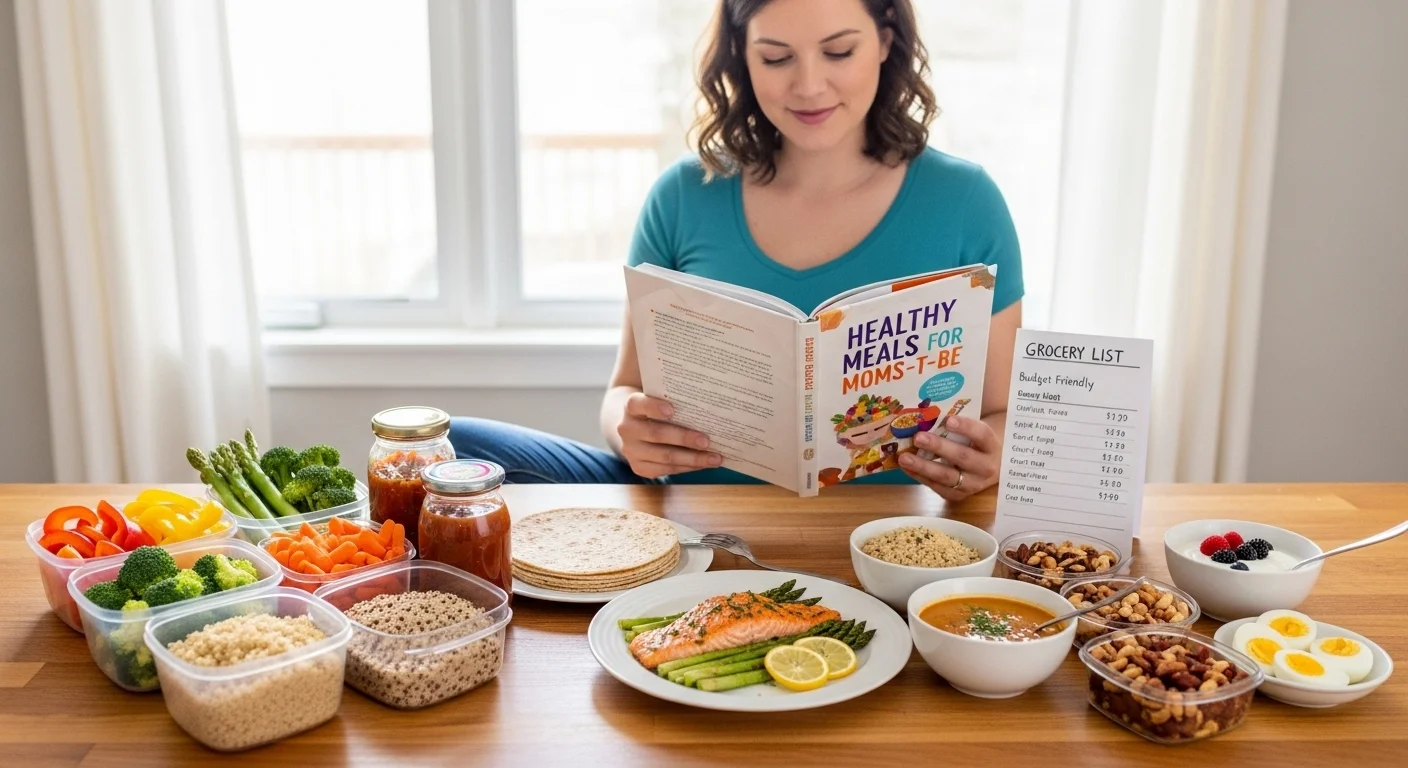
One of the key lessons I learned during my pregnancy was the importance of meal planning, especially when trying to stick to a budget. I noticed that having a plan in place helped me reduce food waste and lower my grocery bill. My strategy involved setting aside some time each week to map out meals that incorporated the key nutrients I needed. Read Interesting article: Pregnancy Nutrition: What to Eat for a Healthy Baby
I started by making a list of affordable ingredients that I could use in multiple meals throughout the week. For example, chicken could be used in stir-fries, salads, and soups. I loved making big batches of quinoa that could be paired with different veggies or proteins. This made it easy and cost-effective to eat healthy without feeling like I was stuck eating the same thing every day.
Shopping Smart: Tips for Budget Grocery Shopping
When it came time to shop, I found that sticking to a list was crucial. I often created my grocery list based on what was on sale that week, which helped me save significantly. I also began shopping at local farmers’ markets and looked out for seasonal produce; fresh fruits and veggies were not only more affordable but also tasted better!
Another tip that worked for me was buying in bulk. Items like rice, beans, and oats were much cheaper when purchased in larger quantities. I also learned to keep an eye on store brands, which often had the same quality as name brands but at a lower price. It’s amazing how simple adjustments in our shopping habits can lead to substantial savings!
Meal Prep Strategies for Expecting Mothers
Meal prepping became my best friend during pregnancy. I dedicated a few hours on the weekend to prepare meals for the week ahead. I would batch-cook healthy dishes like chili or vegetable stir-fry and portion them into containers. This not only saved me time but also made it easier to grab a nutritious meal when I was too tired to cook after a long day.
I discovered that freezing meals was a fantastic way to ensure I always had something healthy on hand. Soups, stews, and even smoothies can be frozen and reheated later. When I had a busy week ahead, I felt relieved knowing I had nutritious options ready to go without breaking the bank.
By focusing on meal planning, smart shopping, and meal prep, I managed to maintain a balanced diet during my pregnancy without overspending. I believe that with a little effort and creativity, we can all enjoy healthy eating without straining our budgets.
Healthy Meal Plan Ideas for Each Trimester
First Trimester Meal Plan
During my first trimester, I remember feeling a mix of excitement and nausea. It was a time when my body was going through so many changes, and I wanted to make sure I was fueling it properly. I found that small, frequent meals helped manage my nausea. Here’s a sample meal plan that worked for me:
- Breakfast: Oatmeal topped with sliced bananas and a drizzle of honey. This was comforting and provided the fiber I needed.
- Snack: Greek yogurt with a handful of berries. It was a great source of protein and antioxidants.
- Lunch: A quinoa salad with chickpeas, cucumbers, and a squeeze of lemon. I loved how refreshing this was!
- Snack: Carrot sticks with hummus, which kept my energy up during the afternoon slump.
- Dinner: Grilled chicken with steamed broccoli and brown rice. This meal made me feel satisfied without being too heavy.
For me, focusing on light and nutritious meals made a significant difference in how I felt throughout the day.
Second Trimester Meal Plan
As I moved into the second trimester, my appetite returned with a vengeance! I noticed I craved more variety in my meals. Here’s how I adjusted my meal plan:
- Breakfast: A smoothie with spinach, banana, and almond milk. It was a quick option that packed a nutritional punch.
- Snack: A slice of whole-grain bread with avocado and a sprinkle of salt. This tasty treat kept me full for longer.
- Lunch: Lentil soup with a side of whole-grain crackers. I loved how hearty and filling it was!
- Snack: Apple slices with almond butter. This combo of sweet and nutty was one of my favorites.
- Dinner: Baked salmon with sweet potatoes and asparagus. I felt good knowing I was getting those omega-3s for my baby’s brain development.
This trimester was all about balancing flavors and nutrients, and I enjoyed experimenting with different cuisines.
Third Trimester Meal Plan
By the time I reached the third trimester, I was all about simplicity and comfort. I wanted meals that were easy to prepare but still nutritious. Here’s a meal plan that worked wonders during this time:
- Breakfast: Overnight oats with chia seeds, almond milk, and topped with nuts. This made for a quick, nutritious start to my day.
- Snack: Cottage cheese with diced peaches. The protein helped keep my energy levels up.
- Lunch: Spinach and feta stuffed whole-wheat pita with a side of mixed fruit. It was delicious and filled with nutrients.
- Snack: Trail mix with nuts, seeds, and dried fruit. I kept a bag handy for quick energy boosts.
- Dinner: Stir-fried tofu with mixed vegetables and brown rice. I loved how quick this was to make, and it was packed with protein!
Throughout my pregnancy, I learned how to adapt my meals based on my changing needs and cravings. Keeping it simple yet nutritious was key in my third trimester, and I felt empowered by the choices I was making.
Affordable Sources of Key Nutrients
Protein Sources for Pregnant Women
During my pregnancy, I quickly learned how vital protein is for both me and my growing baby. I discovered that I didn’t have to rely solely on expensive cuts of meat to meet my protein needs. Instead, I started exploring a variety of affordable protein sources. For instance, eggs became a staple in my diet. They’re not only budget-friendly but also packed with essential amino acids. I frequently prepared scrambled eggs with spinach or made frittatas filled with whatever veggies I had on hand.
Beans and lentils were another great option. They are incredibly versatile and can be added to soups, salads, or even made into delicious veggie burgers. I remember cooking a big pot of lentil soup that lasted me for days, providing nourishment and comfort. Additionally, buying canned tuna or salmon was a lifesaver; they were often on sale and made for quick, protein-rich lunches. Incorporating these options helped me keep my grocery costs down while ensuring I had the protein I needed for a healthy pregnancy.
Fruits and Vegetables: Affordable Options
When it comes to fruits and vegetables, I found that sticking to seasonal produce not only saved me money but also ensured that I was getting the freshest options available. I loved visiting my local farmer’s market, where I could find fruits and veggies at a fraction of the price compared to the grocery store. In my experience, produce like apples, bananas, carrots, and cabbage were usually affordable staples that I could incorporate into meals and snacks.
Frozen fruits and vegetables also became my go-to. They’re often just as nutritious as fresh ones, and they last longer, which means I could avoid waste. I enjoyed adding frozen berries to my morning oatmeal or blending them into smoothies. For veggies, frozen spinach was great for tossing into soups or omelets. This way, I was able to keep my meals colorful and nutrient-rich without overspending.
Whole Grains and Healthy Carbs on a Budget
Whole grains were another essential part of my pregnancy diet. I quickly learned that choosing whole grains over processed ones not only provided more nutrients but also kept me feeling full longer. Buying items like brown rice, whole wheat pasta, and oats in bulk helped me save money. I remember making big batches of brown rice that I could use throughout the week in stir-fries or as a side dish.
Another favorite of mine became quinoa. Although it can sometimes be pricier, I found that buying it in larger quantities made it more affordable. Quinoa was an excellent source of protein and added a nice texture to salads and bowls. I also made it a habit to check the bulk bins at my local grocery store; they often had great deals on whole grains, which helped me stick to my budget while ensuring I had healthy carbs on hand.
Healthy Fats: Budget-Friendly Choices
Healthy fats were something I was concerned about at first, thinking they might break the bank. However, I found several budget-friendly options that worked beautifully for my pregnancy diet. One of my favorites was avocados. I loved how versatile they were—whether on toast, in salads, or blended into smoothies. I often found them on sale, making it easy to enjoy this nutrient-packed fruit without overspending.
Olive oil also became a staple in my kitchen. I used it for cooking and drizzling over salads, and I felt good knowing I was adding heart-healthy fats to my meals. I often purchased nuts and seeds in bulk, which significantly cut down the cost. Almonds and chia seeds were great for snacking or adding to my yogurt or smoothies. These healthy fats not only helped me feel satisfied but also supported the development of my baby.
By focusing on these affordable sources of key nutrients, I felt empowered in my journey through pregnancy. I learned that with a little creativity and planning, I could nourish myself and my baby without breaking the bank. It was all about making informed choices and discovering the options that worked best for my lifestyle and budget. Read Interesting article: Essential Nutrition Tips for a Healthy Pregnancy Journey
Sample Budget-Friendly Meal Plans
7-Day Meal Plan for Pregnancy
Creating a weekly meal plan really helped me stay on track during my pregnancy, and I think it can do the same for you! Here’s a simple 7-day meal plan that I found to be both nutritious and budget-friendly:
- Day 1:
- Breakfast: Scrambled eggs with spinach and whole-grain toast
- Snack: Greek yogurt with honey and walnuts
- Lunch: Chickpea salad with cucumbers, tomatoes, and feta
- Snack: Celery sticks with peanut butter
- Dinner: Baked chicken thighs with roasted sweet potatoes and green beans
- Day 2:
- Breakfast: Overnight oats with chia seeds and fresh strawberries
- Snack: Hard-boiled eggs
- Lunch: Quinoa bowl with black beans, avocado, and salsa
- Snack: Sliced apple with almond butter
- Dinner: Stir-fried tofu with mixed vegetables and brown rice
- Day 3:
- Breakfast: Smoothie with spinach, banana, and almond milk
- Snack: Trail mix with nuts and dried fruit
- Lunch: Lentil soup with whole-grain crackers
- Snack: Carrot sticks with hummus
- Dinner: Grilled fish tacos with cabbage slaw and avocado
- Day 4:
- Breakfast: Whole-grain pancakes topped with sliced bananas
- Snack: Cottage cheese with pineapple
- Lunch: Turkey and cheese wrap with lettuce and tomato
- Snack: Bell pepper strips with guacamole
- Dinner: Pasta with marinara sauce and a side salad
- Day 5:
- Breakfast: Yogurt parfait with granola and mixed berries
- Snack: Sliced cucumber with tzatziki
- Lunch: Spinach salad with grilled chicken and nuts
- Snack: Rice cakes with peanut butter
- Dinner: Stuffed bell peppers with quinoa and black beans
- Day 6:
- Breakfast: Smoothie bowl with banana, spinach, and granola
- Snack: Almonds
- Lunch: Vegetable stir-fry with tofu and brown rice
- Snack: Mixed berries
- Dinner: Baked salmon with quinoa and asparagus
- Day 7:
- Breakfast: Oatmeal with nuts and dried fruit
- Snack: Hard-boiled eggs
- Lunch: Hummus and veggie wrap
- Snack: Popcorn
- Dinner: Chicken curry with brown rice and steamed broccoli
Grocery List for the 7-Day Meal Plan
Having a grocery list made shopping so much easier for me. Here’s a simplified list based on the meal plan above:
- Eggs
- Greek yogurt
- Spinach
- Whole-grain bread
- Chickpeas
- Cucumbers
- Tomatoes
- Feta cheese
- Celery
- Peanut butter
- Chicken thighs
- Sweet potatoes
- Green beans
- Chia seeds
- Strawberries
- Quinoa
- Black beans
- Avocado
- Salsa
- Tofu
- Mixed vegetables
- Whole-grain crackers
- Trail mix
- Fish for tacos
- Cabbage
- Pasta
- Marinara sauce
- Turkey
- Cheese
- Lettuce
- Bell peppers
- Granola
- Dried fruit
- Salmon
- Asparagus
Quick and Easy Snacks for Pregnant Women
When I was pregnant, I often needed quick snacks to keep my energy up. Here are some great options that are both nutritious and easy to grab:
- Greek yogurt with honey
- Fruit and nut bars
- Raw veggies with hummus
- Nut butter on whole-grain toast
- Hard-boiled eggs
- Air-popped popcorn
- Dark chocolate-covered almonds
- Sliced apples with cheese
These snacks helped me stay satisfied between meals without compromising my nutrition or budget.
Addressing Common Pregnancy Cravings
Healthy Swaps for Sweet Cravings
During my pregnancy, I experienced my fair share of cravings, especially for sweets. Instead of indulging in sugary treats, I discovered healthier alternatives that satisfied my sweet tooth. For example, I often reached for fresh fruits like berries or mangoes. They’re naturally sweet and packed with vitamins. Another favorite was making banana ice cream by blending frozen bananas until smooth. It was a delicious, guilt-free treat!
Managing Salty Cravings with Nutrition
When I craved something salty, I found that instead of reaching for chips, I could enjoy roasted chickpeas or air-popped popcorn sprinkled with a little sea salt. Both options were crunchy, satisfying, and much healthier. I also learned that adding spices to my meals could enhance flavors without relying on excessive salt. This approach kept me feeling good while still enjoying the flavors I craved.
How to Satisfy Savory Cravings on a Budget
For savory cravings, I turned to budget-friendly options like whole-grain wraps filled with lean protein and lots of veggies. I loved experimenting with different fillings, such as turkey, avocado, and hummus. Another go-to was making vegetable stir-frys using whatever vegetables I had on hand. The key was to incorporate flavors that I enjoyed, so I didn’t feel deprived during my pregnancy.
Expert Tips for Staying Within Budget
Cooking in Bulk: Saving Time and Money
One of the best strategies I found for staying on budget was cooking in bulk. I often made larger portions of meals like chili, soups, and casseroles. This not only saved me time during the week but also reduced my grocery costs. Leftovers became my best friend, and I loved knowing I had quick, nutritious meals ready to go.
Using Seasonal Ingredients for Cost Savings
Shopping for seasonal ingredients provided an excellent way to save money and enjoy fresh produce. I quickly learned that fruits and vegetables in season were not only more affordable but also tasted better. I made it a point to plan my meals around what was in season at my local market. This not only supported my budget but also encouraged me to try new recipes based on what was available.
Freezing Meals: A Guide for Expecting Mothers
Freezing meals became a lifesaver for me during pregnancy. I often set aside time to prepare meals that I could freeze in individual portions. It meant that on days when I was too tired to cook, I could just pull something healthy out of the freezer. I made sure to label everything with dates and contents, so I knew what I had on hand. This simple practice allowed me to maintain healthy eating habits without added stress.
Considerations for Special Diets During Pregnancy
Vegetarian and Vegan Meal Plans for Pregnancy
If you’re following a vegetarian or vegan diet during pregnancy, it’s important to focus on getting enough protein and essential nutrients. I found that incorporating a variety of legumes, nuts, seeds, and whole grains made a huge difference. Tofu and tempeh were also great sources of protein and could be used in many dishes. I loved making veggie stir-fries and lentil salads to ensure I was getting adequate nutrition.
Gluten-Free Options for Pregnant Women
For those with gluten sensitivities, it’s entirely possible to maintain a nutritious diet during pregnancy. I learned that there are plenty of gluten-free grains available, such as quinoa, brown rice, and buckwheat. These grains not only provide essential nutrients but also keep you feeling full. I often made gluten-free wraps with plenty of veggies and lean proteins, which were delicious and satisfying.
Managing Food Allergies and Intolerances
If you’re dealing with food allergies or intolerances, it’s important to communicate with your healthcare provider about your dietary needs. I remember having to avoid certain allergens and discovered how helpful it was to read labels carefully. With a little planning, I found alternatives that worked for me without compromising nutrition. I focused on whole, unprocessed foods, which were naturally free of many allergens.
Resources for Further Support
Online Meal Planning Tools and Apps
In my search for meal planning resources, I found several online tools and apps that helped simplify the process. Many of these platforms allow you to create meal plans, generate shopping lists, and even find recipes based on what you have in your pantry. I appreciated the convenience of having everything at my fingertips, making it easier to stick to my budget and nutritional goals.
Support Groups and Forums for Expecting Moms
Joining online support groups and forums for expecting mothers was another great way to find encouragement and share tips. I loved connecting with other moms who were on similar journeys. These communities provided valuable insights and ideas for meal planning, nutrition, and coping with cravings. It felt great to be part of a supportive network.
Consulting a Nutritionist: When and Why
If you ever feel overwhelmed or unsure about your dietary needs during pregnancy, I recommend consulting a registered nutritionist. They can provide personalized guidance based on your specific situation. I found that having professional advice made a world of difference, helping me to feel more confident in my food choices and ensuring I was meeting my baby’s needs.
Final Thoughts
Reflecting on my pregnancy journey, I realize how important it is to nourish both ourselves and our growing babies. With a little planning, creativity, and a focus on budget-friendly options, I was able to enjoy healthy meals without stressing about costs. Remember, it’s all about making informed choices and adapting to our individual needs. Each step we take towards better nutrition can have a profound impact on our health and the health of our little ones. We are all capable of making these positive changes in our lives, and I hope my experiences inspire you to embrace your pregnancy nutrition journey with confidence and joy.
Frequently Asked Questions
1. Why is nutrition important during pregnancy?
Nutrition is crucial during pregnancy as it supports the health of both the mother and the developing baby. The food consumed impacts the baby’s development and helps manage common pregnancy issues such as morning sickness, fatigue, and mood swings.
2. What are some key nutrients that pregnant women should focus on?
Key nutrients for pregnant women include folate, iron, calcium, omega-3 fatty acids, and protein. These nutrients support cell growth, prevent anemia, build bones and teeth, promote brain development, and assist with tissue growth.
3. How can I create a budget-friendly meal plan during pregnancy?
To create a budget-friendly meal plan, set aside time each week to map out meals using affordable ingredients, reduce food waste, and use staple items in multiple meals. Meal prepping and cooking in bulk can also help save time and money.
4. What are some tips for budget grocery shopping?
Shopping smart involves creating a grocery list based on sales, visiting local farmers’ markets for seasonal produce, buying in bulk, and choosing store brands to save money without compromising quality.
5. What are some healthy snack options for pregnant women?
Healthy snack options include Greek yogurt with honey, fruit and nut bars, raw veggies with hummus, nut butter on whole-grain toast, hard-boiled eggs, air-popped popcorn, and sliced apples with cheese.
6. How can I manage cravings during pregnancy?
To manage cravings, opt for healthier alternatives. For sweet cravings, choose fresh fruits; for salty cravings, try roasted chickpeas; and for savory cravings, enjoy whole-grain wraps filled with lean protein and veggies.
7. What are some affordable protein sources for pregnant women?
Affordable protein sources include eggs, beans, lentils, and canned tuna or salmon. These options are budget-friendly and versatile, making them easy to incorporate into various meals.
8. How can seasonal ingredients help with meal planning?
Using seasonal ingredients can save money and provide fresher produce. Planning meals around what’s in season supports the budget and encourages trying new recipes based on available ingredients.
9. What should vegetarian or vegan pregnant women focus on for nutrition?
Vegetarian or vegan pregnant women should focus on incorporating a variety of legumes, nuts, seeds, and whole grains to ensure adequate protein and essential nutrients. Tofu and tempeh are also good protein sources.
10. When should I consider consulting a nutritionist during pregnancy?
If you’re feeling overwhelmed or unsure about your dietary needs during pregnancy, consulting a registered nutritionist can provide personalized guidance, helping ensure you meet your nutritional goals for both you and your baby.