
Traveling with kids can be a delightful adventure, but sticking to a budget while ensuring everyone eats well can be a challenge. Let’s explore how meal planning can make our travels easier and more affordable. For more tips, check out Budget-Friendly Vegan Meals: Planning for Your Family.
Understanding Budget-Friendly Meal Planning
What is Meal Planning?
Meal planning is all about organizing your meals ahead of time. It means deciding what to eat for breakfast, lunch, and dinner, often for an entire week or during a trip. I remember the first time we tried meal planning for a family vacation; it felt overwhelming at first. But once I got the hang of it, I realized how much easier it made our travels. It saves time, reduces stress, and minimizes those “What are we eating?” moments. Plus, it helps us stick to a budget, which is crucial when traveling with kids.
Importance of Meal Planning for Families
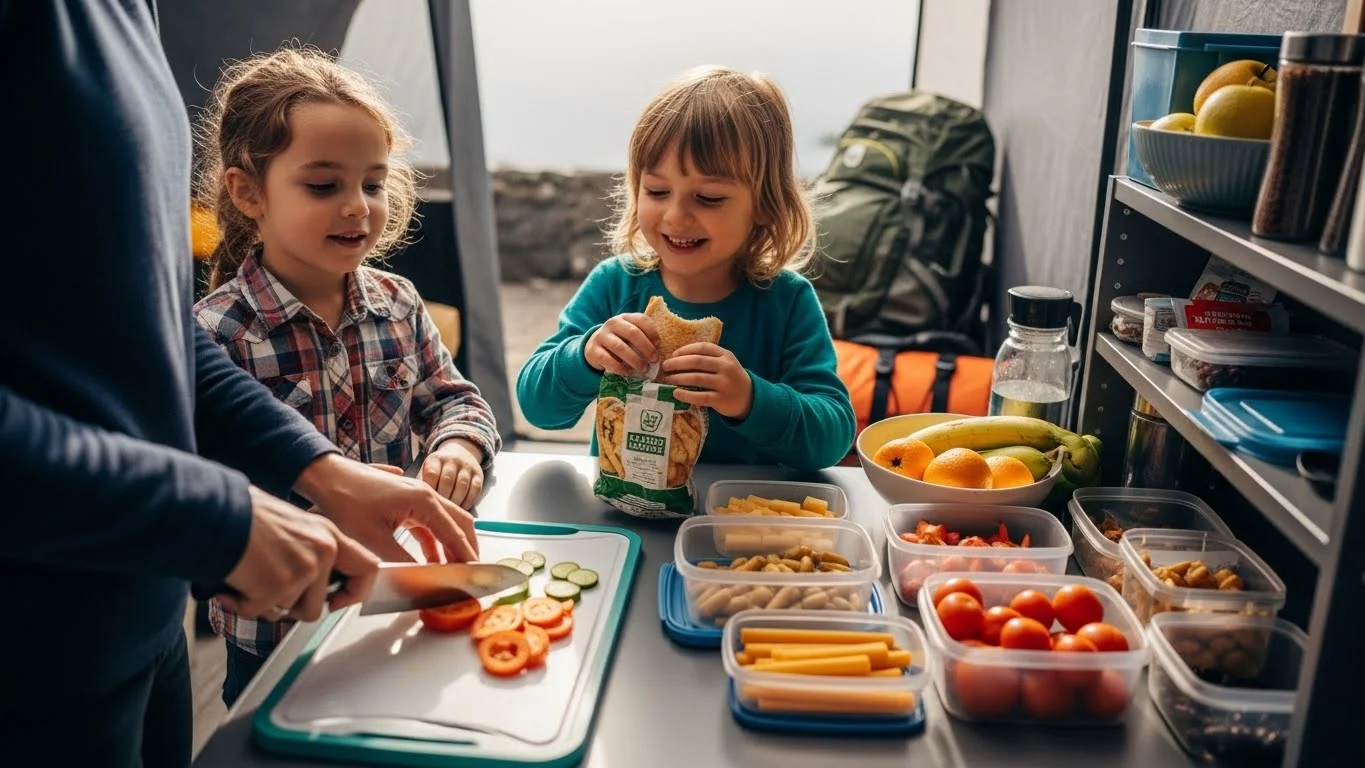
For families, meal planning is especially important. Kids can be picky eaters, and having a plan helps ensure everyone gets the nutrients they need. I’ve learned that when we involve my kids in the planning process, they’re more likely to eat what we prepare. We can sit down together, look through recipes, and choose dishes they’re excited about. When our kids feel included, they’re less likely to complain about meals during our travels.
Travel Considerations for Meal Planning
Choosing Family-Friendly Destinations
When planning our trips, I always consider family-friendly destinations that offer easy access to grocery stores or markets. These places usually have a variety of dining options as well, which is helpful if we decide to eat out occasionally. I remember visiting a beach town with my family, where we found local markets filled with fresh produce. It was a great way to teach my kids about local foods while staying within our food budget.
Researching Local Grocery Stores and Markets
Before we hit the road, I like to research grocery stores and local markets in advance. This helps me understand what ingredients will be available and their prices. On our last trip, I discovered a farmer’s market that offered fresh fruits and vegetables at reasonable prices. We spent a couple of hours exploring and ended up with a bounty of local produce, which we incorporated into our meals, making them not only budget-friendly but also delicious. For more insights on grocery shopping while traveling, check out Ultimate Vegan Meal Planning for Families on a Budget.
Understanding Local Cuisine and Dietary Options
Familiarizing ourselves with local cuisine is another important aspect of meal planning. It allows us to understand what kind of meals we can prepare and what ingredients we can easily find. This can be especially useful if we have dietary restrictions or preferences. When traveling to a new place, I like to look up local dishes that we can replicate with ingredients from the market. For instance, while in Mexico, we embraced the idea of making tacos with fresh vegetables and local meats. My kids loved it, and it kept our meals exciting!
Creating a Budget for Meals
Setting a Daily Meal Budget
Establishing a daily meal budget is essential for keeping our finances in check while traveling. I usually start by calculating how much we can realistically spend on food each day. This includes groceries, snacks, and any meals we plan to eat out. I find it helpful to set aside a little extra for treats, like ice cream or a special dinner, to make our trip more enjoyable. For us, having a budget means we can splurge occasionally without feeling guilty.
Comparing Costs: Eating Out vs. Cooking
One of the biggest decisions we face is whether to eat out or cook our meals. I’ve found that cooking often saves us money, especially for breakfast and lunch. Eating out for dinner might be our treat for the day, but I try to keep it within our budget. I remember one trip where we made sandwiches for lunch and only spent on dinners at local restaurants. It allowed us to experience the local culture while still being economical.
Tips for Saving on Food Expenses
There are plenty of ways to save on food expenses while traveling. I recommend making a grocery list to avoid impulse purchases. Stick to the essentials, like grains, proteins, and veggies, and plan meals around them. Another tip I learned is to buy in bulk when possible, which can save money in the long run. We also look for local deals or discounts offered by grocery stores, which can add up over time. Last year, we found a store that had a “buy one, get one free” deal on pasta. It felt like a win!
Meal Planning Strategies for Kids
Involving Kids in Meal Planning
Involving my kids in meal planning has been a game-changer. They love helping choose what we’ll eat, and it turns mealtime into a fun activity. I find that when they participate, they are more excited about eating what we prepare. We often sit together with a list of ingredients and brainstorm creative meal ideas. This process has not only made meals more enjoyable but has also taught them valuable skills.
Creating a Kid-Friendly Grocery List
When creating a grocery list, I make sure it’s kid-friendly. I try to include items that they enjoy and are also nutritious. We brainstorm together and come up with easy-to-make meals. I find that having a mix of their favorites, like whole-grain bread for sandwiches and fresh fruit for snacks, keeps everyone happy. Plus, it reduces the chances of food waste, which is a win-win.
Choosing Nutritional and Affordable Ingredients
Choosing ingredients that are both nutritional and affordable is key. I usually focus on seasonal produce, as it tends to be cheaper and fresher. I’ve noticed that things like beans, rice, and oats can stretch our budget while providing the necessary nutrients. We often make hearty meals from these staples, which keeps our family full and satisfied. When we travel, I try to incorporate local ingredients, which not only saves money but also adds a unique touch to our meals.
Simple and Tasty Meal Ideas
Breakfast Options for On-the-Go
When we’re traveling, breakfast can often be a rushed affair. I’ve found that having a few simple, portable breakfast ideas can make all the difference. Overnight oats have become a family favorite for us. I prep them in jars the night before, mixing oats with yogurt or milk, and then we add toppings like fruits, nuts, or a drizzle of honey in the morning. It’s filling, nutritious, and easy to take along. Another go-to is smoothie packs. I freeze pre-measured bags of fruits and veggies, and when we’re ready to eat, I just blend them with yogurt or milk. It’s a quick and refreshing breakfast that we all enjoy, especially on warm mornings.
Lunch Ideas for Day Trips
For our day trips, I love packing easy-to-eat lunches. Wraps are a big hit in our family. I spread hummus or cream cheese on whole-grain tortillas, add sliced veggies, and some deli meat or cheese, then roll them up tightly. They’re not only tasty but also mess-free! Another option I often prepare is pasta salad. I cook a batch of whole wheat pasta, toss it with a variety of chopped veggies, a protein source like chickpeas or grilled chicken, and a light dressing. It makes for a refreshing lunch that can be eaten cold. Plus, it’s great for using up any leftovers from dinner.
Dinner Recipes for Family Cooking
When it comes to dinner, I like to keep things simple yet delicious. One of our family favorites is a one-pot stir-fry. I usually pick a protein like chicken or tofu, add a mix of colorful veggies like bell peppers and broccoli, and toss everything in a soy sauce or teriyaki sauce. It’s quick to make and easy to clean up! Another easy recipe we love is sheet pan fajitas. I slice bell peppers and onions, toss them with spices, and add chicken or beans. After roasting everything on a sheet pan, we can build our fajitas with tortillas and toppings like avocado or salsa. This not only keeps the cooking simple but also allows for everyone to customize their own meal.
Snacks for Travel
Snacks are crucial during our travels, especially for keeping kids satisfied on-the-go. I like to prepare a variety of healthy snacks to have on hand. Trail mix is a big hit; I mix nuts, seeds, dried fruits, and a small amount of chocolate or yogurt-covered treats for some sweetness. It’s a great source of energy and keeps everyone happy. I also love making homemade granola bars. With oats, nut butter, honey, and whatever add-ins we like, I can whip up a batch that’s healthier than store-bought options. Fresh fruits, like apples or bananas, are also great for snacking; they’re easy to pack and require no preparation.
Meal Preparation Tips While Traveling
Using Portable Cooking Equipment
Having the right cooking tools makes meal preparation while traveling so much easier. We like to bring a portable stovetop or a camping stove, which allows us to prepare meals quickly, no matter where we are. A good set of pots and pans that are lightweight and easy to clean is essential. I also recommend investing in a good knife and cutting board. These basic tools can make all the difference in cooking quality meals on the road. I remember on one trip, we set up a little cooking station outside our rental cabin, and it turned into one of the most enjoyable parts of our vacation!
Storing and Reheating Meals
Proper storage is key for enjoying our homemade meals while traveling. We use airtight containers for leftovers, which helps keep everything fresh. I usually pack a cooler with ice packs to store perishables, and it’s a lifesaver for keeping dairy products and meats safe. When it comes time to eat, we often reheat our meals in the oven or on the stovetop. I’ve found that bringing along a microwave-safe dish can also be handy if our accommodations have one. It allows us to quickly warm up soups or stews without fuss.
Finding Kid-Friendly Restaurants with Affordable Options
While cooking is a big part of our travel routine, we also love exploring local restaurants. I try to find places that offer kid-friendly menus or family-style dining, which often turns out to be more budget-friendly. Websites and apps like Yelp or TripAdvisor can be helpful for finding reviews and determining if a restaurant is a good fit for us. On a recent trip, we stumbled upon a local diner that offered “kids eat free” nights. It was a fantastic way to enjoy a meal out without breaking the bank. We also love places that allow us to sample local dishes without having to order full meals, making it easy to try a bit of everything!
Dealing with Dietary Restrictions
Managing Allergies and Intolerances
When traveling with my family, managing dietary restrictions can feel like a juggling act, especially with kids. I know firsthand how challenging it can be to accommodate food allergies or intolerances while on the road. For instance, one of my kids has a nut allergy, so I always make it a point to inform ourselves before we travel. We research restaurants and grocery stores that cater to those with allergies. I also carry a list of safe foods and snacks that we can easily find or prepare. It gives me peace of mind knowing that we have options that are safe and enjoyable for my child.
Another strategy I’ve found helpful is to learn how to communicate our dietary needs in the local language. A simple phrase like “No nuts, please” can make a big difference when ordering food abroad. We also carry allergy cards that explain my child’s allergies in English and the local language, ensuring that waitstaff understand our needs clearly. This proactive approach has saved us from stressful situations more than once!
Adapting Meals for Picky Eaters
Picky eating can make meal planning a bit tricky, especially when traveling to new places. I’ve learned that flexibility is key. When we’re on the road, I try to incorporate familiar foods into our meals while also introducing new flavors. For example, if we’re making tacos, I let my kids customize their own with toppings they enjoy, like cheese, sour cream, or mild salsa. This way, they feel empowered to create their own meal while still stepping outside their comfort zone.
Another trick I’ve used is to involve my kids in meal preparation. When they help cook, they tend to be more willing to try what we make together. I remember one evening while camping, we decided to make kabobs. I set out a variety of veggies and proteins, and my kids had a blast choosing their ingredients and assembling their skewers. Not only did they enjoy eating what they made, but they also tried new vegetables without any fuss!
Safety and Hygiene While Cooking on the Road
Ensuring Food Safety During Travel
Food safety is a top priority when we’re cooking while traveling, especially since we’re often in unfamiliar kitchens. I make sure to pack a food thermometer to check that everything is cooked to the right temperature. I also remind my kids about the importance of handwashing before handling food. It’s a simple step that helps prevent illness, and I feel better knowing we’ve taken precautions.
When we shop for groceries, I always check the expiration dates on perishable items and choose the freshest options. If we’re traveling somewhere hot, I keep a cooler handy to store perishables like dairy and meats, ensuring they stay at a safe temperature. It’s a bit of extra work, but it’s worth it to keep our family healthy and happy during our travels.
Cleansing and Sanitizing Cooking Equipment
Cleaning up after meals while on the road can be a challenge, but I’ve found that having a set cleaning routine makes it manageable. I pack biodegradable soap and a sponge to clean our cooking gear. After each meal, I remind my kids to help wash the dishes and wipe down surfaces. It’s a great way to teach them responsibility while keeping our cooking space tidy.
Additionally, I always carry hand sanitizer, which comes in handy when running water isn’t available for handwashing. This ensures we keep everything clean, even in a pinch. I remember one camping trip where we had to wash dishes at a communal sink. Having our portable cleaning supplies made the process much smoother!
Resources for Budget Meal Planning
Apps and Websites for Meal Planning
Over the years, I’ve discovered some fantastic apps and websites that help streamline our meal planning while traveling. My favorite app is Plan to Eat. It allows me to save recipes, create shopping lists, and even plan meals for our trip. It’s user-friendly and helps keep everything organized, especially when I’m juggling multiple meals and snacks for the family.
Another resource I love is Pinterest. I often find creative meal ideas and tips from other parents. It’s inspiring to see how other families manage their meal planning on the go. I recommend searching for specific boards related to family travel meals or budget-friendly recipes. It’s a treasure trove of ideas that have helped me stay inspired and efficient!
Cookbooks and Blogs for Family Travel Recipes
There are some incredible cookbooks and blogs dedicated to family meals that I turn to for inspiration. One of my favorites is “The Family Table” by Jazz Smollett-Warwell and Jake Smollett. It offers wholesome recipes that are perfect for families, and many of the dishes can be made in a single pot, making cleanup easier. I also enjoy browsing through family travel blogs; many share their own meal ideas and tips that resonate with our experiences. I’ve learned so much from others who are on similar journeys! If you’re looking for specific tips, check out Backpacking on a Budget: Family Meal Planning Essentials.
Community Resources: Local Food Banks and Cooperatives
Lastly, I always explore community resources, like local food banks and cooperatives, when we travel. These organizations often provide fresh produce at reduced prices and can be a great way to support the local community while sticking to our budget. I remember visiting a co-op where we found some amazing local fruits and vegetables at a fraction of the price we’d see in regular grocery stores. It felt good to know we were getting fresh, healthy food while giving back to the area we were visiting.
Frequently Asked Questions
What is meal planning?
Meal planning is the process of organizing meals ahead of time, deciding what to eat for breakfast, lunch, and dinner, often for an entire week or during a trip. It helps save time, reduces stress, and minimizes the uncertainty of meal choices while also keeping expenses in check.
Why is meal planning important for families?
Meal planning is crucial for families because it ensures that everyone, especially picky eaters, receives the nutrients they need. Involving kids in the planning process can make them more excited about meals and less likely to complain during travels.
How can I choose family-friendly destinations for meals?
When planning trips, consider family-friendly destinations that have easy access to grocery stores or markets. These locations often provide various dining options and opportunities to teach kids about local foods while managing the food budget.
What should I research before traveling regarding food?
It’s helpful to research local grocery stores and markets in advance to understand available ingredients and their prices. Familiarizing oneself with local cuisine and dietary options is also important, especially for those with dietary restrictions.
How can I set a daily meal budget while traveling?
To establish a daily meal budget, calculate how much can be realistically spent on food each day, including groceries, snacks, and meals eaten out. Setting aside extra for treats can enhance the travel experience without feeling guilty about overspending.
What are some tips for saving on food expenses while traveling?
To save on food expenses, make a grocery list to avoid impulse purchases, buy in bulk when possible, and look for local deals or discounts in grocery stores. Planning meals around essential items like grains, proteins, and veggies can also help manage costs.
How can I involve kids in meal planning?
Involving kids in meal planning can make it more enjoyable. Sit down together to brainstorm meal ideas and create a kid-friendly grocery list, including their favorite nutritious items, which can reduce food waste and make mealtime more appealing.
What are some portable breakfast ideas for traveling?
Simple, portable breakfast ideas include overnight oats prepared in jars and smoothie packs made with pre-measured fruits and veggies. These options are nutritious, filling, and easy to take along during travels.
How can I ensure food safety while cooking on the road?
To ensure food safety while traveling, pack a food thermometer, check expiration dates on groceries, and store perishables in a cooler. Teach kids about handwashing before handling food to prevent illness.
What resources can help with budget meal planning?
There are several useful resources for budget meal planning, including apps like Plan to Eat for organizing recipes and shopping lists, Pinterest for meal ideas, and community resources like local food banks and cooperatives that offer fresh produce at reduced prices.