
Exploring budget-friendly resources for inclusive education can empower educators and families to create welcoming learning environments for all. Together, we can break down barriers and make quality education accessible to everyone. To further enhance your understanding, check out our article on Top Strategies for Inclusive Classrooms on a Budget.
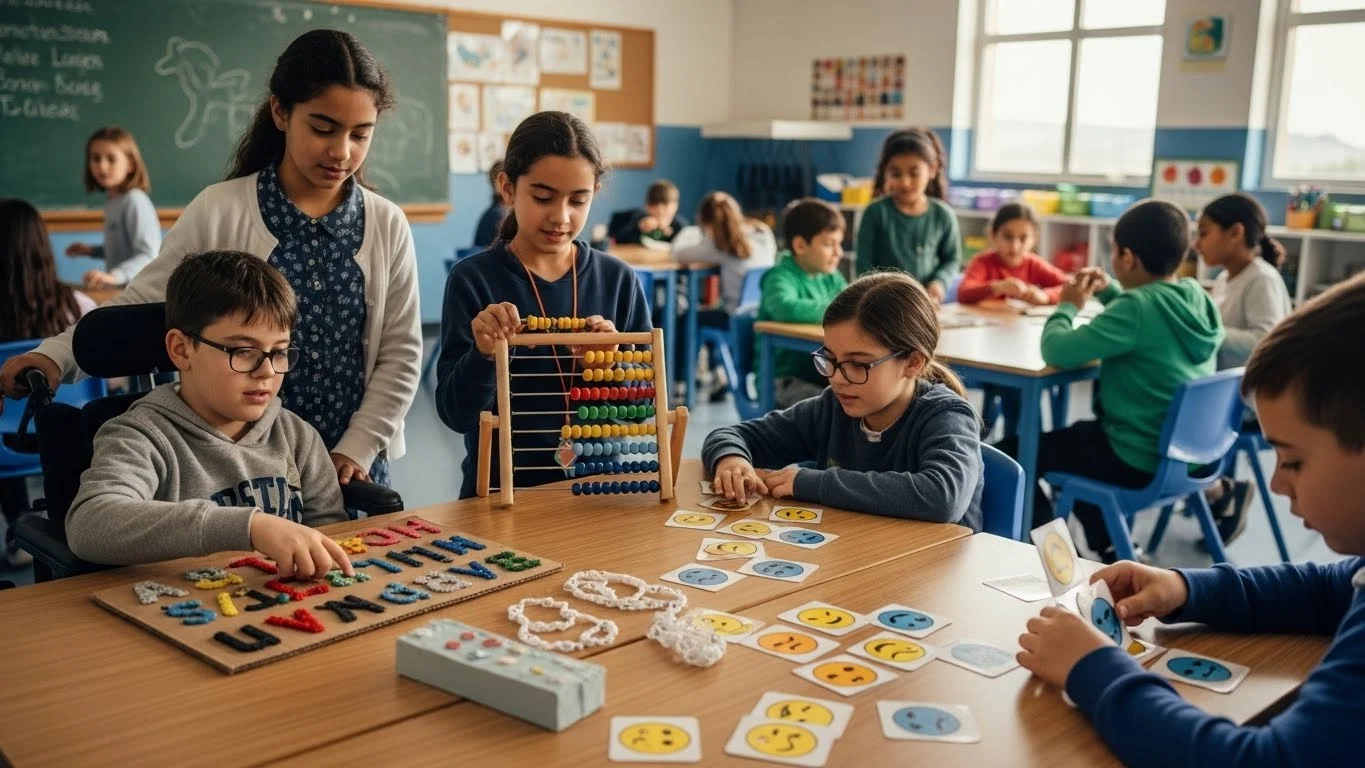
Understanding Inclusive Education
Definition of Inclusive Education
Inclusive education means ensuring that all students, regardless of their abilities or backgrounds, have access to quality learning experiences. I remember when I first learned about this concept—it opened my eyes to the myriad ways we can support diverse learners. It’s not just about having students with disabilities in the same classroom as their peers; it’s about creating an atmosphere where every child feels valued and can thrive. This means adapting teaching methods, materials, and curricula to meet the varied needs of all students.
Importance of Inclusivity in Learning Environments
Inclusivity is vital in education because it fosters a sense of belonging. I’ve seen firsthand how important it is for children to feel included and respected in their learning environment. When schools embrace inclusivity, they not only support academic success but also promote social-emotional growth. Students learn empathy, patience, and collaboration, which are crucial skills in today’s world. Moreover, inclusive classrooms benefit everyone—research shows that diverse learning experiences can enhance critical thinking and creativity. We all want our children to grow up in a world where acceptance and understanding are the norms, don’t we?
Budget-Friendly Resources for Inclusive Education
Free Online Learning Platforms
One of the best discoveries in my journey toward inclusive education has been the wealth of free online learning platforms. Websites like Khan Academy, Coursera, and EdX offer courses that cater to various learning styles and needs. Whether you’re looking for videos, interactive quizzes, or detailed lectures, these platforms provide a treasure trove of resources. I often recommend these to teachers and parents alike because they can help bridge gaps for students who may need extra support or alternative ways of learning. Plus, they’re completely free, making them a fantastic option for anyone on a budget.
Open Educational Resources (OER)
Open Educational Resources (OER) are another amazing resource. I’ve found countless lesson plans, activities, and textbooks available for free online. Websites like OER Commons and OpenStax are great starting points. They have resources that are not only free but also designed to be easily adaptable. This flexibility allows educators to modify materials to fit the specific needs of their students. In my experience, using OER can save a significant amount of money while still providing high-quality educational content. For further insights, consider reading Affordable Tips for Supporting Special Needs Students.
Community Support Programs
Community support programs can play a crucial role in promoting inclusive education. Many local organizations offer resources, workshops, and training sessions for educators and families. I’ve participated in several community workshops, and they’ve been incredibly insightful. These programs often have knowledgeable staff who can provide guidance on best practices for inclusion. Moreover, they can help connect families with other parents who have children with similar needs, creating a support network that can be invaluable. I believe that tapping into local resources can create a more robust and inclusive educational environment.
Government Grants and Funding Opportunities
Another aspect worth exploring is government grants and funding opportunities for inclusive education. I’ve spent some time researching available grants, and there are often funds dedicated to supporting inclusive practices in schools. For instance, the Individuals with Disabilities Education Act (IDEA) provides funding to help schools meet the needs of students with disabilities. Applying for these grants can be competitive, but they’re definitely worth considering. In my experience, a well-prepared application can lead to significant financial support that can enhance inclusive initiatives in your school or community.
By utilizing these resources, we can make strides toward creating inclusive educational environments that cater to all learners. The journey toward inclusivity is ongoing, and embracing budget-friendly options can help us build foundations that support every student’s success. We all share the responsibility of ensuring that no child is left behind, and there’s a wealth of resources available to help us achieve this goal together. Additionally, for those interested in travel-related educational resources, check out Exploring the World: Travel Tips for Special Needs Education.
Strategies for Implementing Inclusive Education on a Budget
Collaborative Learning Techniques
When I think about effective strategies for inclusive education, collaborative learning techniques come to mind. These methods encourage students to work together, leveraging their strengths and supporting one another. In my experience, group projects, peer tutoring, and partner activities not only foster a sense of community but also enable students to learn from each other in meaningful ways. For instance, I’ve seen students who struggle with certain subjects excel when paired with peers who can explain concepts in a relatable manner. This symbiotic relationship allows everyone to contribute and feel valued. Plus, it’s a fantastic way to maximize limited resources—who doesn’t love teamwork?
Utilizing Assistive Technologies
Assistive technology has come a long way, and I’ve found it to be a game-changer for inclusive education. Tools like speech-to-text software, audiobooks, and interactive learning apps can make a world of difference for students with different learning needs. The best part? Many of these technologies are surprisingly affordable or even free! I remember being amazed at how much my students engaged with educational apps that catered to their specific learning styles. It’s all about finding the right tools that can help bridge gaps in understanding and provide personalized learning experiences. I often encourage educators to explore these options to see what works best for their classrooms.
Training Staff and Volunteers
Investing in training for staff and volunteers can yield significant returns in creating an inclusive environment. I’ve participated in several workshops that focused on inclusive practices, and I can attest to how empowering they were. These sessions often provide valuable insights on adapting teaching methods and understanding diverse learner needs. Additionally, they help build a common language and approach among staff, which is crucial for consistency in student support. I believe that continuous professional development is key to fostering an inclusive atmosphere—when the adults are equipped with the right knowledge and skills, everyone benefits!
Cost-Effective Teaching Aids and Materials
DIY Classroom Resources
Creating DIY classroom resources can be both fun and budget-friendly. I love the thrill of making my own teaching aids—whether it’s colorful flashcards, interactive games, or sensory bins. I often involve my students in the process, letting them help design materials that resonate with their interests. Not only does this save money, but it also fosters creativity and ownership among students. Plus, we get to tailor resources to meet the unique needs of our classroom. I’ve found that the effort put into creating these aids pays off—students are often more engaged when they see something they helped create.
Accessible Learning Materials
Making learning materials accessible is a critical step toward inclusivity. I remember sorting through my classroom supplies to ensure that everything was easy to read and use for all students. This means using large print, braille, or audio versions of texts when necessary. There are also many online platforms that offer accessible formats for various materials. I’ve seen how something as simple as providing audio recordings of textbooks can make a huge difference for students with reading difficulties. It’s about finding ways to ensure that all students can access and engage with the content effectively.
Repurposing Existing Resources
One of my favorite strategies is repurposing existing resources. I’ve learned that it’s amazing what you can do with items you already have. For example, old textbooks can be transformed into visual aids or manipulatives. I’ve taken unused classroom items and turned them into learning games or activities that cater to different learning styles. This not only saves money but also sparks creativity within the classroom. It reminds me that sometimes, the best solutions are the ones right in front of us, waiting to be reimagined!
Building a Supportive Community
Engaging Parents and Caregivers
Engaging parents and caregivers in the educational process is vital for fostering an inclusive community. I’ve seen how valuable it is to create open lines of communication with families. Regular newsletters, workshops, and community events can help parents feel more involved and informed. When families understand the inclusive practices being implemented, they are more likely to support and reinforce these efforts at home. I also encourage schools to provide resources and training sessions specifically for parents, helping them understand how to advocate for their children and navigate the education system effectively.
Forming Partnerships with Local Organizations
Partnering with local organizations can greatly enhance the support system for inclusive education. I’ve collaborated with nonprofits and community groups that focus on education and accessibility, and their expertise has been invaluable. They often bring additional resources, knowledge, and volunteer support that can enrich the learning environment. These partnerships can also help raise awareness about the importance of inclusivity in education, connecting schools with broader community efforts. In my experience, this collaboration fosters a stronger network of support for both educators and students.
Creating Support Networks for Teachers
Establishing support networks for teachers can be incredibly beneficial. I remember joining a local group of educators who were all passionate about inclusive education. We shared resources, strategies, and success stories, which helped us feel less isolated in our efforts. It’s amazing how simply having a group of like-minded individuals can boost morale and creativity. I recommend forming regular meet-ups or online forums where teachers can exchange ideas and provide emotional support. After all, when we support each other, we can create even more inclusive and inspiring learning environments for our students.
Case Studies of Successful Inclusive Education Initiatives
Examples from Public Schools
In my exploration of inclusive education, I’ve come across some remarkable examples from public schools that really highlight the power of inclusive practices. One that stands out to me is a school district in my area that implemented a co-teaching model. This approach pairs general education teachers with special education teachers in the same classroom, allowing them to share their expertise and provide tailored support to all students. I remember visiting one of these classrooms and seeing how well the students responded to this collaborative teaching style. The atmosphere was vibrant, and the students were engaged, demonstrating that inclusivity benefits everyone. The district saw an increase in student performance and a decrease in behavioral issues, proving that when we invest in inclusive practices, the results can be transformative.
Non-Profit Organizations Leading the Way
I’ve also learned a lot from non-profit organizations dedicated to promoting inclusive education. One organization that has made a significant impact is the Special Olympics. Their approach to inclusive education focuses not only on sports but also on fostering social skills and self-esteem among students with and without disabilities. I’ve attended several events hosted by them, where students participated in unified sports—teams made up of both disabled and non-disabled athletes. The joy and camaraderie I witnessed were unforgettable. These experiences help break down barriers, teaching kids that differences should be celebrated. Programs like this show us that inclusion can extend beyond the classroom and into every aspect of life.
Innovative Approaches from Around the World
Looking globally, there are some innovative approaches to inclusive education that have really inspired me. For example, in Finland, the education system is renowned for its inclusive practices. Schools there emphasize individual learning plans, allowing educators to tailor their teaching to meet the unique needs of each student. I’ve read about how they focus on collaboration among teachers, parents, and students, creating a holistic support system that fosters inclusivity. This model has led to higher academic achievement and social integration among students. It’s a reminder that we can learn so much from other cultures and systems when it comes to creating inclusive environments.
Measuring the Impact of Inclusive Education
Assessment Tools and Strategies
Measuring the impact of inclusive education is crucial, and I’ve discovered various assessment tools and strategies that can help educators evaluate progress. One effective method is using formative assessments, which provide ongoing feedback throughout the learning process. I’ve implemented techniques like exit tickets or quick quizzes that give both students and teachers a snapshot of understanding. Additionally, using rubrics that take into account diverse learning styles can offer insights into how well students are grasping concepts. I believe that by regularly assessing and adjusting our approaches based on these insights, we can better support every learner in our classrooms.
Feedback from Students and Parents
I’ve found that gathering feedback from both students and parents is invaluable when measuring the success of inclusive practices. I often send out surveys or have informal check-ins to understand how students feel about their learning experiences. Hearing their perspectives can reveal what’s working and where we need to improve. Similarly, involving parents in discussions about their child’s progress and experiences can provide rich insights. I remember a parent sharing how their child had become more confident and social since the implementation of inclusive practices in the school. These personal stories can be powerful motivators for continued efforts in inclusivity.
Long-Term Benefits of Inclusivity in Education
Reflecting on the long-term benefits of inclusive education, I’ve seen that it goes far beyond academic success. Students who experience inclusive environments tend to develop stronger social skills, emotional intelligence, and a greater sense of empathy. They learn to appreciate diversity and become more accepting of differences, which I believe is essential for building a more harmonious society. Additionally, inclusive education prepares all students for real-world interactions, fostering skills that are vital in today’s workforce. In my opinion, investing in inclusivity today not only shapes better individuals but also contributes to a brighter future for our communities.
Final Thoughts
As I reflect on the journey toward inclusive education, I can’t help but feel a sense of hope and excitement. Every effort we make to create welcoming environments can have a ripple effect on our students, families, and communities. I’ve seen how small changes can lead to significant transformations, fostering a culture of acceptance and understanding. The resources and strategies we’ve discussed are just the tip of the iceberg. It’s important to remember that inclusivity is not a one-size-fits-all approach. Each classroom, each school, and each community has its unique needs and challenges.
From my experience, collaboration plays a pivotal role. Engaging with fellow educators, parents, and community members creates a robust support network that amplifies our efforts. We can share successes, learn from setbacks, and inspire one another to think outside the box. I truly believe that when we come together with a shared purpose, we can overcome obstacles and champion the cause of inclusive education.
Moreover, the beauty of this journey lies in the ongoing learning and growth it offers. I’ve learned so much from my students and their families, and I continue to adapt and evolve my teaching practices based on their feedback and needs. This adaptability is key to nurturing an inclusive environment where every child feels seen and heard. It’s a continuous process, and that’s what makes it so rewarding.
For anyone who feels overwhelmed by the challenges of implementing inclusive practices on a budget, I want to reassure you that it’s possible. Embrace creativity, seek out resources, and lean on your community. There’s a wealth of knowledge and support out there, waiting to be tapped into. As we move forward, let’s keep the conversation going about inclusivity. Share your stories, celebrate your victories, and don’t hesitate to ask for help when you need it.
In the end, the goal is clear: to build educational environments where all students can thrive together. I’m excited to see what the future holds as we continue to champion inclusive education. Together, we can create a world that truly values and celebrates diversity in learning.
Frequently Asked Questions
What is inclusive education?
Inclusive education means ensuring that all students, regardless of their abilities or backgrounds, have access to quality learning experiences. It involves creating an atmosphere where every child feels valued and can thrive by adapting teaching methods, materials, and curricula to meet the varied needs of all students.
Why is inclusivity important in learning environments?
Inclusivity is vital because it fosters a sense of belonging among students. It supports academic success and promotes social-emotional growth, teaching students empathy, patience, and collaboration. Inclusive classrooms benefit everyone by enhancing critical thinking and creativity.
What are some budget-friendly resources for inclusive education?
Some budget-friendly resources include free online learning platforms like Khan Academy and Coursera, Open Educational Resources (OER) such as OER Commons and OpenStax, community support programs that offer resources and workshops, and government grants dedicated to inclusive practices.
How can collaborative learning techniques support inclusive education?
Collaborative learning techniques encourage students to work together, leveraging their strengths and supporting one another. Group projects and peer tutoring foster a sense of community and allow students to learn from each other in meaningful ways, maximizing limited resources.
What role does assistive technology play in inclusive education?
Assistive technology, such as speech-to-text software and audiobooks, can greatly enhance the learning experience for students with different needs. Many of these tools are affordable or free, helping to bridge gaps in understanding and providing personalized learning experiences.
Why is training for staff and volunteers important in creating inclusive environments?
Training for staff and volunteers equips them with the knowledge and skills necessary for adapting teaching methods and understanding diverse learner needs. Continuous professional development fosters a consistent approach to inclusivity, benefiting all students.
How can engaging parents and caregivers contribute to an inclusive community?
Engaging parents and caregivers creates open lines of communication and helps them feel involved in the educational process. When families understand the inclusive practices being implemented, they are more likely to support and reinforce these efforts at home.
What are some examples of successful inclusive education initiatives?
Successful initiatives include co-teaching models in public schools that pair general and special education teachers, and non-profit organizations like the Special Olympics that promote social skills and self-esteem through unified sports, demonstrating the positive impact of inclusion.
How can educators measure the impact of inclusive education?
Educators can measure the impact through assessment tools like formative assessments, feedback from students and parents, and using rubrics that accommodate diverse learning styles. These methods provide insights into student progress and inform adjustments in teaching approaches.
What is the overall goal of inclusive education?
The goal of inclusive education is to build educational environments where all students can thrive together. This involves creating a culture of acceptance and understanding, as well as collaborating with educators, parents, and community members to support diverse learning needs.