
Finding budget-friendly snacks that are also health-conscious can feel like a juggling act for parents. However, with a little creativity and planning, we can provide our kids with nutritious snacks without breaking the bank! For more ideas, check out 10 Nutritious Snack Ideas for Kids on a Budget.
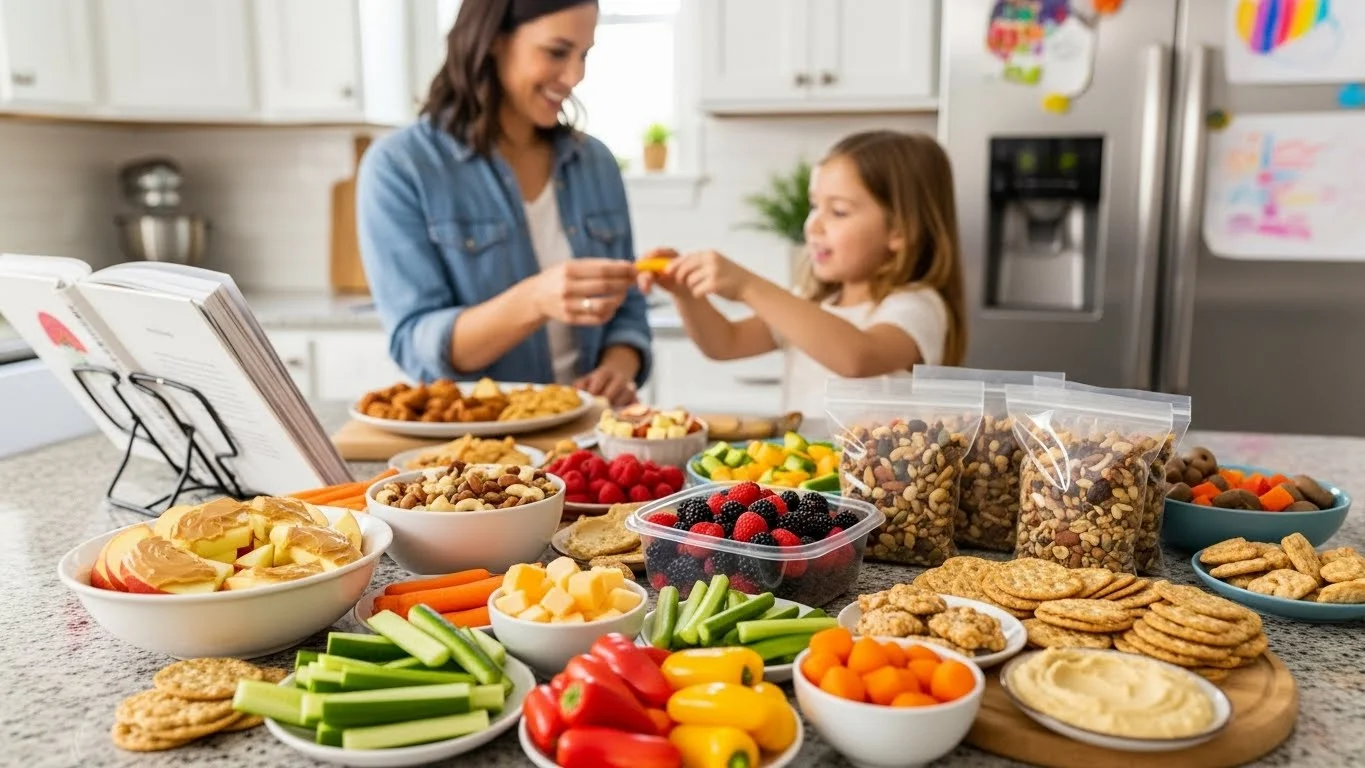
Understanding Health-Conscious Snacking
The Importance of Healthy Snacks for Kids
As a parent, I often worry about the choices my kids make when it comes to snacks. I’ve learned that healthy snacking plays a crucial role in their overall well-being. It’s not just about keeping them full; it’s about fueling their bodies and minds. Healthy snacks can provide essential nutrients like vitamins, minerals, and fiber that support growth, concentration, and energy levels throughout the day.
When my kids were younger, I noticed that their mood and energy dipped after consuming sugary snacks. They would bounce off the walls for a bit, but soon enough, they would crash. This experience made me realize the significance of balanced snacks. I began focusing on providing options that not only taste good but also nourish their bodies. I’ve found that incorporating a variety of snacks helps keep their energy steady and their moods balanced.
Benefits of Budget-Friendly Snack Options
Choosing budget-friendly snacks doesn’t mean sacrificing nutrition. In fact, I’ve discovered numerous advantages to making affordable, health-conscious choices. First, it encourages creativity in the kitchen. I love experimenting with what I have on hand, and often, this leads to delicious new discoveries. For instance, mixing simple ingredients like oats, peanut butter, and honey can create wholesome energy bites that my kids adore. For more ideas, see Easy Nutritious Snacks for Kids That Won’t Break the Bank.
Another benefit is promoting a sustainable lifestyle. By focusing on budget-friendly options, we often end up buying local and seasonal produce, which is not only fresher but also better for the environment. I’ve found that shopping at local farmers’ markets can yield incredible savings and help support the community. Plus, when my kids see where their food comes from, they become more engaged in eating healthy.
Finally, preparing snacks at home allows me to control the ingredients. I can avoid preservatives and artificial flavors that are often found in store-bought snacks. This has been a game-changer for our family, and I feel confident knowing exactly what my children are consuming.
Nutritious and Affordable Snack Categories
Fruits and Vegetables
Seasonal Produce
When it comes to snacks, fruits and vegetables are unbeatable. I always make it a point to buy seasonal produce because it’s fresher and often more affordable. For example, during the summer months, I stock up on berries and melons, while in the fall, I focus on apples and pumpkins. Seasonal fruits not only taste better, but they also provide essential nutrients at a lower cost.
Budget-Friendly Fruit Options
I’ve found that some fruits are particularly budget-friendly, like bananas and oranges. They are not only easy to pack in lunches but also require no prep work. My kids love peeling a banana or eating an orange slice as a quick snack. Buying frozen fruit is another great option. It’s often cheaper than fresh and can be added to smoothies or served with yogurt.
Creative Ways to Serve Vegetables
Getting kids to eat vegetables can be a challenge, but I’ve discovered a few tricks. One of my favorites is to create colorful veggie platters. I cut up a variety of veggies like carrots, cucumber, and bell peppers and serve them with a simple dip made from yogurt and herbs. It’s fun and visually appealing, which makes my kids more likely to snack on them. I also like to roast vegetables with a bit of olive oil and seasoning, which brings out their natural sweetness and makes them irresistible.
Whole Grains
Types of Whole Grain Snacks
Whole grains are an essential part of our family’s snacking habits. I often choose whole grain crackers, popcorn, and rice cakes as base snacks. They’re versatile and can be topped with various spreads or toppings. I love making a quick popcorn snack with a sprinkle of nutritional yeast for a cheesy flavor without the calories.
Homemade Granola and Snack Bars
One of my absolute favorite things to make at home is granola. It’s surprisingly simple, and I can customize it to include my kids’ favorite ingredients. Oats, honey, and nuts are the base, and then I add in whatever dried fruits or seeds we have on hand. The best part? It’s often cheaper than store-bought granola, and I can adjust the sweetness to my liking. I also like to make snack bars by pressing the granola mix into a pan and cutting it into bars. They’re perfect for on-the-go snacking!
Protein-Packed Snacks
Affordable Protein Sources
Protein is key for my kids’ growth and energy, so I always look for affordable sources. Eggs, beans, and chickpeas are staples in our home. Hard-boiled eggs make a quick snack, and I love making hummus from canned chickpeas. It’s not only cost-effective but also packed with protein and fiber. My kids enjoy it with whole grain pita or veggie sticks.
Nut Butter Alternatives
While nut butters can be pricey, I’ve found that alternatives can be just as satisfying. Sunflower seed butter or even homemade peanut butter are great options. Making peanut butter at home is easy: I simply blend roasted peanuts until creamy. It’s delicious and saves money! My kids love spreading it on whole grain toast or using it as a dip for apple slices.
Dairy and Dairy Alternatives
Low-Cost Yogurt Options
Yogurt is a staple in our snack rotation. I usually buy large tubs of plain yogurt, which are much cheaper than individual cups. I can flavor it with honey or fresh fruits, and my kids love it! It’s a great source of calcium and probiotics, plus it’s versatile. Sometimes, I freeze yogurt in popsicle molds for a refreshing treat during warmer months.
Homemade Cheese Snacks
Cheese can be an expensive snack option, but I’ve discovered how to make it work for us. String cheese and cottage cheese are great options that are often on sale. I also enjoy making homemade cheese crisps by baking cheese until crispy. They are a hit with my kids, and they love the crunch!
Simple, Budget-Friendly Snack Recipes
No-Cook Snack Ideas
Fruit and Nut Mix
One of my go-to no-cook snack ideas is a simple fruit and nut mix. I usually grab whatever dried fruits and nuts I have on hand from the pantry. My kids love the sweet and salty combination! I often include almonds, walnuts, raisins, and dried cranberries. To make it more fun, I let my kids help me mix everything together. They enjoy creating their own custom blends, and this way, they feel involved in choosing their snacks. Plus, it’s a great source of healthy fats and protein!
Vegetable Sticks with Dips
Another favorite is veggie sticks with dips. I cut up carrots, celery, and bell peppers, and pair them with hummus or yogurt-based dips. It’s super easy and requires no cooking! My kids love the crunch of the fresh veggies, and the dips make it even more exciting. I’ve noticed that when I present it nicely on a plate, they are much more likely to reach for the vegetables rather than something processed. Making it visually appealing has really helped us in getting more greens into their diet.
Quick and Easy Recipes
Overnight Oats
Overnight oats have become a staple in our household. They’re not only easy to prepare, but they’re also a hit with the kids. I combine rolled oats with milk (or a dairy alternative), a dollop of yogurt, and whatever toppings we have on hand, like fruits, nuts, or a sprinkle of cinnamon. I usually make a few jars at once for the week, so we have them ready to go in the fridge. My kids love picking out their favorite toppings in the morning, and it’s a nutritious way to start the day!
Energy Bites
Energy bites are another fantastic snack that I often whip up. With just a few ingredients like oats, peanut butter, honey, and mini chocolate chips, they come together quickly. I mix everything in a bowl, roll them into small balls, and then refrigerate. It’s a fun activity for the kids to help with, and they love having these little treats as a snack or a post-playtime fuel-up. The best part? They’re packed with protein and keep everyone satisfied for a while.
Batch Cooking and Meal Prep Ideas
Freezer-Friendly Snacks
Batch cooking has truly transformed our snacking game. I often set aside time on weekends to prepare freezable snacks. For example, I make batches of homemade muffins or mini frittatas that can be easily popped in the freezer. When I need a quick snack, I simply thaw a couple of muffins or heat up a frittata, and they’re ready to enjoy! It’s such a relief to have these healthy options on-hand, especially during busy weekdays.
Making Snacks in Bulk
Making snacks in bulk is not only cost-effective, but it also saves time during the week. I love to prepare large quantities of granola or trail mix and store them in airtight containers. This way, my kids can grab a handful whenever they need a snack. I’ve noticed that when I prepare snacks in advance, we waste less food because we’re more likely to reach for the healthy options I’ve already prepared rather than resorting to less nutritious choices. It feels great knowing that I’m setting them up for success!
Tips for Budgeting Snack Costs
Shopping Smart: Where to Buy Ingredients
Local Farmers Markets
Shopping at local farmers markets has become one of my favorite weekend activities. Not only do I enjoy supporting local farmers, but I also find incredible deals on fresh produce. I’ve been able to buy fruits and vegetables at a fraction of the price compared to grocery stores. The atmosphere is vibrant, and it’s a fun outing for the family. Plus, my kids love picking out their own produce, which encourages them to try new fruits and veggies.
Bulk Buying and Discounts
Another tip I’ve learned over time is to buy in bulk. Stores often offer significant discounts on bulk items, especially when it comes to grains, nuts, and seeds. I make a list of the staple items we use regularly and check out warehouse clubs or bulk sections in regular grocery stores. This strategy not only saves money but also ensures that I always have healthy ingredients on hand for quick snacks.
Planning Ahead to Save Money
Weekly Snack Planning
Planning our snacks for the week has been a game-changer for my budget. I set aside some time each week to jot down what snacks we’ll have. This not only helps me stay organized, but it also prevents impulse buys at the store. I involve my kids in the planning process, allowing them to choose a few snacks they’d like to try. This way, they feel included, and I’m more likely to stick to our budget!
Utilizing Leftovers Creatively
I’ve also learned to get creative with leftovers. If we have leftover fruits or veggies, I incorporate them into our snacks. For instance, overripe bananas become a smoothie base or a pancake ingredient. Leftover roasted vegetables can be blended into a dip. By utilizing what we already have, we reduce waste and create interesting new snacks that my kids enjoy. It’s rewarding to see how we can turn what would otherwise be discarded into something delicious!
Involving Kids in Snack Preparation
Fun and Educational Cooking Activities
One of the best ways I’ve found to encourage healthy eating in my kids is by involving them in the snack preparation process. It’s not just about making food; it’s about creating memories and teaching them valuable skills in the kitchen. I remember when my daughter first helped me make granola. She was so excited to mix the oats, honey, and nuts. Seeing her enthusiasm made me realize how much they love being part of the cooking process.
We often have “snack-making days” on weekends. We’ll gather ingredients and create fun snacks together. For instance, we might make homemade pizzas with whole grain tortillas, topped with tomato sauce and various veggies. The kids love choosing their toppings, and it feels like a fun art project. It’s a win-win because they’re getting hands-on experience in the kitchen while also enjoying a nutritious snack.
Another fun activity we enjoy is making fruit kabobs. I set out a variety of fruits, and the kids get to pick and assemble their own skewers. This simple task allows them to explore different flavors and textures while also learning about healthy choices. It’s amazing how much more likely they are to eat fruits when they’ve had a hand in preparing them!
Encouraging Healthy Choices
Once my kids are involved in making their snacks, I’ve noticed they are much more open to trying new things. I try to emphasize the importance of making healthy choices without being overly restrictive. I think it’s crucial to create a positive relationship with food by allowing them to have some control over what they eat.
We often talk about the benefits of different ingredients while preparing snacks. For example, when we make smoothies, I explain how spinach can help them grow strong and how bananas can give them energy. I’ve found that when they understand the ‘why’ behind healthy eating, they are more likely to make those choices independently.
We also keep a “snack jar” filled with healthy options like dried fruits, nuts, and whole grain crackers. The kids know they can grab a snack whenever they want, so they feel empowered to make healthy decisions. This way, they are learning to listen to their bodies and choose snacks that will fuel them for their activities.
Common Misconceptions About Healthy Snacking
Healthy Snacks Are Always Expensive
One common misconception I’ve encountered is that healthy snacks are always expensive. I used to believe that, too, especially when I saw high-priced health foods at specialty stores. However, I’ve learned that healthy snacking can be budget-friendly with a little creativity. For instance, purchasing seasonal fruits and veggies at local farmers markets often yields fresher and cheaper options compared to grocery stores. Plus, I’ve discovered that many staples like oats, beans, and frozen fruits are not only affordable but also incredibly versatile.
When I plan our snacks around what’s on sale or in season, I can often whip up delicious and nutritious options without overspending. I also love making snacks at home. By preparing things like granola bars or energy bites myself, I save money while knowing exactly what goes into them. It feels empowering to know that healthy doesn’t have to mean expensive! For more insights, see Healthy and Affordable Snacks for Active Kids.
Convenience Equals Unhealthy
Another belief I’ve seen is that convenience foods are always unhealthy. While it’s true that many store-bought snacks can be filled with preservatives and added sugars, I’ve found that there are convenient snacks that can still be nutritious. For example, pre-cut veggies or canned beans can save time while providing essential nutrients. I often keep a stash of these on hand for quick snacks without compromising on health.
I also believe that making homemade snacks can be convenient too! With batch cooking, I can prepare snacks ahead of time, making them just as easy to grab as anything from the store. By keeping healthy options readily available, I’m able to simplify our lives and ensure we’re making better snack choices as a family.
Frequently Asked Questions
What are the benefits of healthy snacks for kids?
Healthy snacks provide essential nutrients like vitamins, minerals, and fiber that support growth, concentration, and energy levels throughout the day. They help keep kids full and fuel their bodies and minds.
How can I find budget-friendly snacks?
Choosing budget-friendly snacks involves shopping at local farmers markets for seasonal produce, buying in bulk, and planning snacks ahead of time. This approach can help you save money while still providing nutritious options.
What are some budget-friendly fruit options for snacks?
Some budget-friendly fruit options include bananas and oranges, which require no prep work and are easy to pack in lunches. Frozen fruit is also a great option, as it is often cheaper than fresh and can be added to smoothies or served with yogurt.
How can I get my kids to eat more vegetables?
One effective way to encourage kids to eat more vegetables is to create colorful veggie platters served with dips. Making the presentation fun and visually appealing can increase their likelihood of snacking on veggies.
What are some easy homemade snack ideas?
Some easy homemade snack ideas include energy bites made with oats, peanut butter, and honey, as well as overnight oats combined with milk and various toppings. These options are simple to prepare and nutritious.
How can I involve my kids in snack preparation?
Involving kids in snack preparation can be done by having “snack-making days” where they help create snacks like homemade pizzas or fruit kabobs. This not only makes them more excited about eating healthy but also teaches them valuable kitchen skills.
What are some affordable protein sources for kids’ snacks?
Affordable protein sources include eggs, beans, and chickpeas. Hard-boiled eggs and homemade hummus are great options that are cost-effective and packed with nutrition.
How can I make snacks in bulk to save time and money?
Making snacks in bulk involves preparing large quantities of items like granola or trail mix and storing them in airtight containers. This ensures that healthy snacks are readily available and helps reduce food waste.
What misconceptions exist about healthy snacking?
One common misconception is that healthy snacks are always expensive. However, with creativity and by purchasing seasonal produce, healthy snacking can be budget-friendly. Another misconception is that convenience foods are always unhealthy; there are nutritious options that are also convenient.
What are some tips for planning snacks effectively?
Planning snacks effectively includes setting aside time each week to organize snack options, involving kids in the planning process, and creatively utilizing leftovers to reduce waste and create new snacks.