
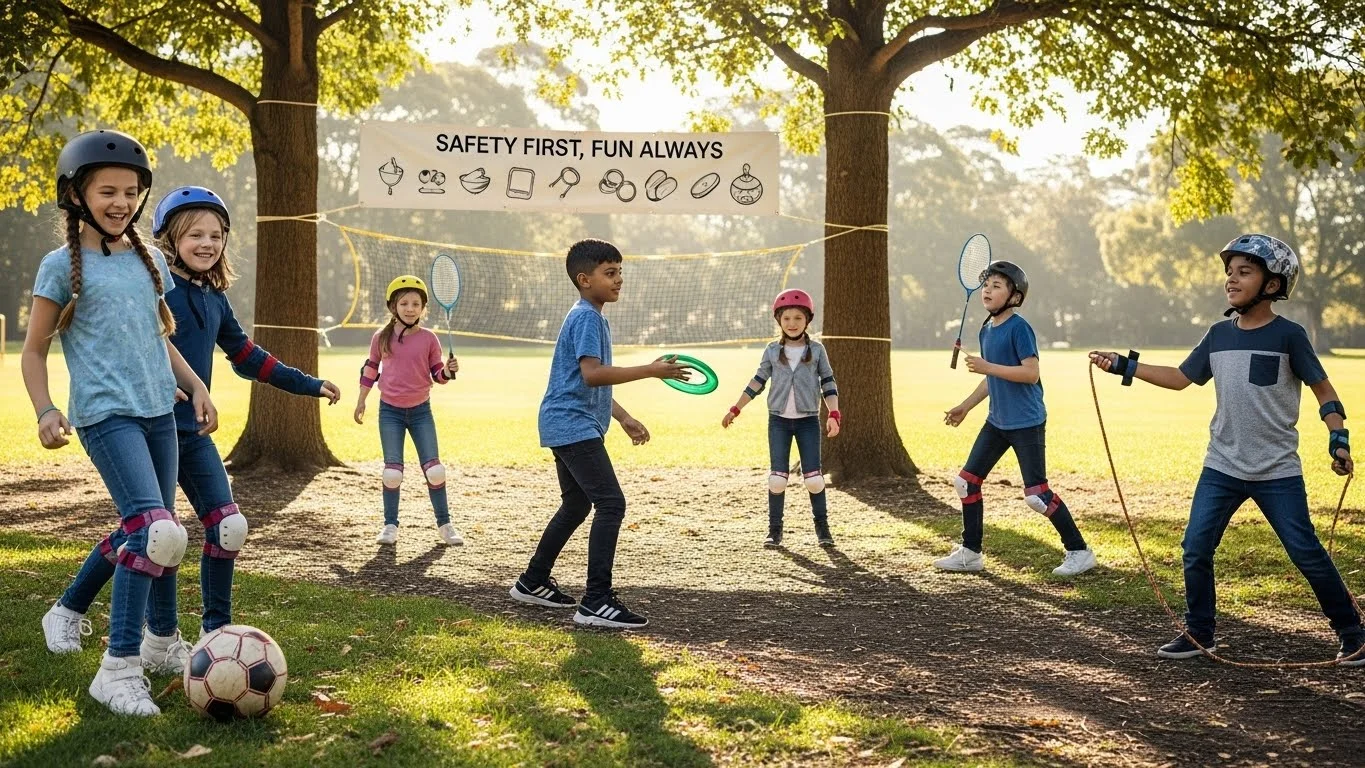
Finding fun and affordable sports for kids can be a challenge, but it’s essential for their growth and happiness. Let’s explore how to keep our children active while ensuring safety is always a priority.
Understanding Budget-Friendly Sports for Kids
Importance of Physical Activity for Children
I remember when I was a kid, the thrill of running around outside with my friends was unmatched. Physical activity is not just a way to burn off energy; it’s vital for children’s health and development. Engaging in sports helps kids build strength, coordination, and endurance. It also fosters social skills, teaching them teamwork and communication. I’ve seen firsthand how my own children’s confidence blossoms when they participate in activities that challenge them physically.
In today’s world, where screens often dominate our children’s attention, encouraging them to be active can sometimes feel like a battle. However, the importance of physical activity cannot be overstated. It plays a crucial role in reducing the risk of obesity, improving mood, and enhancing academic performance. I firmly believe that instilling a love for movement can set them up for a healthier life in the future. Additionally, knowing how to handle incidents while engaging in sports is vital; for more information, check out How to Handle Sports Accidents While Traveling on a Budget.
Benefits of Playing Sports on a Budget
When I think about sports for kids, I often think about how expensive it can get. But here’s the good news: you don’t need to break the bank to ensure your kids have a great time. Budget-friendly sports can provide all the fun without the hefty fees. Playing sports on a budget not only saves money but also teaches children valuable lessons about resourcefulness and appreciation for what they have.
For example, my kids love soccer, and I discovered that I can set up practices in our backyard or at a local park without needing to enroll them in pricey leagues. This way, they gain skills, enjoy the game, and also learn to play for the sake of fun and friendship rather than competition alone. Additionally, many communities offer free or low-cost sports programs that provide opportunities for kids to engage in various activities.
Another benefit is that budget-friendly sports often require minimal equipment. Think about a basketball or a soccer ball that can be used for hours of play. This ease of access means kids can enjoy sports whenever they want, fostering a lifelong love of physical activity. I’ve seen how the simplicity of just grabbing a ball and heading outside can create some of the best memories, filled with laughter and joy.
Furthermore, playing sports on a budget encourages creativity. Kids can create their own games or variations of sports, come up with new rules, and find fun ways to challenge each other. This kind of imaginative play is beneficial for their cognitive development and helps them think outside the box. I love how my children come up with their own games; it’s a beautiful reminder of how much fun can come from simple things.
Lastly, playing sports on a budget often means more family time. We’ve had countless weekends filled with family soccer matches or basketball games at the local park. These moments strengthen our family bond and create lasting memories. It’s not just about the sport itself; it’s about the laughter, the camaraderie, and the shared experiences that come with it.
Top Budget-Friendly Sports for Kids
Soccer
Soccer is one of the most popular sports worldwide, and for a good reason. All you need is a ball and some open space. I love how easy it is to gather friends for an impromptu game. Plus, it’s fantastic for developing teamwork and coordination.
Basketball
Grab a ball and head to the nearest hoop! Basketball can be played anywhere, making it a great choice for kids. I enjoy watching my kids practice their shots, and it helps them develop their hand-eye coordination.
Baseball
Baseball is another classic. You can play catch with just a glove and a ball. I’ve enjoyed many afternoons at the park with my kids learning to pitch and hit. It’s a fun way to teach them about sportsmanship.
Swimming
Swimming is not only enjoyable but also essential for safety. Local pools often offer affordable lessons. I believe every child should learn how to swim, and it can be a great way to stay active during the summer.
Track and Field
Track and field events can be done anywhere, from running races to jumping. I love the idea of encouraging my kids to set personal goals, like improving their sprint time. It’s motivating and rewarding!
Ultimate Frisbee
Ultimate Frisbee is a fantastic way to engage kids in a team sport. It requires minimal equipment, and running around chasing a frisbee is a great workout. My children love this game, and it’s all about having fun.
Volleyball
Beach or backyard, volleyball is a hit. It’s a great way to improve coordination and teamwork. I remember hosting a family tournament; everyone had so much fun, and it was a perfect way to spend time together.
Safety Considerations in Youth Sports
Importance of Proper Gear
When it comes to sports, I can’t stress enough how vital it is to have the right gear. I’ve learned this the hard way, having seen my kids get blisters from ill-fitted shoes or scrapes from not wearing knee pads. Each sport has its own requirements, and investing in quality gear can make a world of difference. For example, when my daughter started playing soccer, we made sure she had proper cleats. Not only did it boost her confidence on the field, but it also helped prevent injuries. It’s all about keeping our kids safe while they have fun.
Thankfully, proper gear doesn’t always have to come at a steep price. I often check out local thrift stores or community swaps where families trade or sell gently used equipment. It’s a great way to save money while still ensuring our kids have what they need to play safely.
Understanding Risk of Injuries
As parents, we naturally worry about our kids getting hurt. I often think about the risks involved in sports, but what I’ve found is that understanding these risks can help us mitigate them. For instance, my son took a tumble during a basketball game, and it made me realize how crucial it is to teach him about safe play. We’ve talked about the importance of being aware of their surroundings and how to fall properly to avoid injuries.
Additionally, I’ve noticed that teaching kids about stretching and warm-ups has made a big difference. When my children started incorporating these practices into their routines, they felt more prepared and less prone to injuries. It’s about creating a culture of safety that encourages them to take care of their bodies.
Supervision and Coaching
Supervision is a key element I’ve found essential for kids’ sports. It’s comforting to know that when my children are playing, there’s an adult present who is attentive to their needs and safety. I often volunteer to help coach or assist during practices, and I’ve learned so much through this engagement. Not only does it allow me to keep an eye on them, but it also helps me understand the ins and outs of the sport they love.
Having a positive coach can encourage kids to give their best effort while reinforcing safe play. I remember a coach who emphasized the importance of respect on and off the field. It not only made the kids better players but also instilled values that they carry into other areas of their lives.
Safe Playing Environments
Finding a safe place for our kids to play is another aspect I focus on. I’ve realized that not all fields or courts are created equal. Before letting my children practice or play, I always check the surrounding area. Are there any hazards like broken glass or uneven terrain? I’ve even found myself packing a first-aid kit for outings just in case. This extra step has given me peace of mind, knowing that we’re prepared for minor accidents.
Additionally, I encourage my kids to be aware of their environment. Teaching them to recognize safe playing spaces has empowered them to make good choices. Whether it’s moving to a different area or speaking up if something feels unsafe, these lessons are invaluable.
First Aid and Emergency Preparedness
No one wants to think about emergencies when their children are playing sports, but being prepared can make a difference. I always keep a basic first-aid kit handy during practices or games. It’s as simple as having band-aids, antiseptic wipes, and ice packs available. There have been a few minor scrapes and bruises, and having supplies on hand has made it easier to address them quickly.
I also make it a point to know basic first-aid techniques. It’s not only about being ready for accidents; it’s about teaching my children to take care of themselves and their teammates. I remember once showing them how to treat a small scrape, and they felt so proud to help a friend who fell during a game. Empowering them with this knowledge fosters a sense of responsibility and readiness.
Making Sports Fun and Engaging
Incorporating Games and Challenges
One of the best ways to keep kids engaged in sports is by incorporating fun games and challenges into their routines. I’ve found that when my children are having fun, they’re more likely to stick with it. For instance, we often set up mini competitions in the backyard. Whether it’s a soccer dribbling race or a basketball shooting contest, these small challenges motivate them to improve their skills while having a blast.
We also love to mix things up by creating obstacle courses using household items—like chairs and cones. It turns into a fun family event where everyone gets involved. My kids love the thrill of racing against each other, and the laughter that ensues is priceless. This not only keeps them active but also sparks their creativity as they come up with new course designs.
Encouraging Team Spirit
Team spirit is such a crucial part of sports, and I try to nurture that in my children. Whether they are on a formal team or just playing with friends, I encourage them to support each other. I remember when my son had a tough game; it was heartwarming to see his friends rally around him, cheering him on. I think it’s important to remind them that it’s not just about winning but also about being there for one another.
To foster this spirit, we often have team-themed days where everyone wears matching colors. It’s a simple gesture, but it creates a sense of belonging. We also create team cheers, and I can’t help but chuckle when my kids shout them out loud—it’s all part of the experience! These moments build camaraderie and a sense of community that I cherish.
Setting Realistic Goals
In my experience, setting realistic goals has been a game-changer for my kids’ confidence in sports. It’s easy to get caught up in competition, but I focus on personal achievements instead. For example, when my daughter started learning to swim, we set small, attainable goals like swimming a certain distance without stopping. Celebrating these milestones, no matter how small, helps her feel accomplished and keeps her motivated.
I often encourage my kids to write down their goals in a fun way—like creating a vision board. This visual representation allows them to see their progress and stay inspired. I’ve noticed that when they have something to strive for, their enthusiasm levels rise, making practice sessions more enjoyable.
Celebrating Achievements
Celebration is essential when it comes to sports. I’ve learned that recognizing achievements, big or small, can significantly boost a child’s motivation. After every season, we have a little family gathering to celebrate everything my kids have accomplished, whether it’s a trophy they earned or a new skill they mastered. This way, they feel valued and appreciated for their hard work.
We’ve also created a “Wall of Fame” at home, where we display medals, photos, and even drawings related to their sports activities. It’s a beautiful reminder of their journey and all the fun they’ve had. I believe these celebrations instill a sense of pride and encourage them to keep pushing their limits.
How to Get Started with Budget-Friendly Sports
Finding Local Sports Programs
Getting started with budget-friendly sports often begins with finding local programs. I remember feeling overwhelmed at first, but I soon discovered that many communities offer free or low-cost sports programs. Checking out local parks and recreation departments was a game-changer for us. They often have listings of upcoming sports events and leagues that cater to different age groups.
Moreover, our community center has a bulletin board filled with flyers for various youth sports activities. I took the time to visit and gather information, which allowed my kids to try out different sports without a hefty commitment. I encourage other parents to explore these resources; you might be surprised at what’s available right in your neighborhood!
Community Resources and Organizations
Community organizations are another fantastic resource. I’ve found that local nonprofit organizations often run sports clinics and camps at little to no cost. For us, this wasn’t just about playing sports; it was also about meeting new friends and building connections. Signing up for these programs opened doors to experiences my kids might not have had otherwise. Additionally, you can find Budget-Friendly Resources for Inclusive Education that can help in various aspects of their development.
Volunteering for these organizations has also been rewarding for our family. We participated in a community sports day where we helped set up activities for the kids. Not only did it give us a chance to bond as a family, but we also saw how much joy sports can bring to others. It’s such a fulfilling experience to be part of something that encourages kids to be active.
Equipment and Gear on a Budget
When it comes to sports gear, I’ve learned that you don’t need to splurge to get quality equipment. I often check online marketplaces, thrift stores, and swap meets for gently used sports gear. It’s amazing what you can find! I remember buying a pair of soccer cleats for my daughter that were barely worn, and it saved us a ton of money.
We also get creative with homemade equipment. For instance, we’ve made our own goal posts using PVC pipes, and you’d be surprised how much fun my kids have had practicing shooting at them! With a little imagination, you can turn everyday items into sports equipment, making it budget-friendly and enjoyable.
Scheduling and Time Management
Finally, when starting with budget-friendly sports, effective scheduling is key. I’ve found it helpful to create a family calendar where we can plan practices, games, and other activities. Balancing sports with schoolwork and family time can be challenging, but having a visual plan helps everyone stay on track.
I also encourage my kids to be involved in this process. Together, we discuss which activities they want to prioritize and how to manage their time efficiently. This not only teaches them responsibility but also helps them understand the value of commitment. I’ve seen that when they are part of the decision-making, they are more likely to be engaged and excited about their sports journey.
Frequently Asked Questions
What are the benefits of physical activity for children?
Physical activity is vital for children’s health and development. It helps build strength, coordination, and endurance while fostering social skills such as teamwork and communication. Engaging in sports also reduces the risk of obesity, improves mood, and enhances academic performance.
How can parents find budget-friendly sports for their kids?
Parents can find budget-friendly sports by exploring local parks and recreation departments, which often offer free or low-cost sports programs. Community centers also have bulletin boards with flyers for various youth sports activities, allowing kids to try out different options without a hefty commitment.
What are some examples of budget-friendly sports for kids?
Examples of budget-friendly sports include soccer, basketball, baseball, swimming, track and field, ultimate frisbee, and volleyball. These sports often require minimal equipment and can be played in various settings, such as backyards or local parks.
How can parents ensure the safety of their children while playing sports?
To ensure safety, parents should invest in proper gear, supervise their children during activities, and be aware of the playing environment. It’s also important to teach kids about safe play, stretching, and warm-ups to minimize the risk of injuries.
What role does supervision play in youth sports?
Supervision is essential as it ensures that an adult is present to attend to children’s needs and safety. Parents can volunteer to help coach or assist during practices, which also allows them to understand the sport better and reinforce safe play.
How can parents make sports fun and engaging for their kids?
Parents can make sports fun by incorporating games and challenges into routines, encouraging team spirit, and setting realistic goals. Celebrating achievements, both big and small, also motivates children and enhances their enjoyment of sports.
What should parents include in a first-aid kit for sports activities?
A basic first-aid kit for sports activities should include band-aids, antiseptic wipes, and ice packs. Being prepared for minor scrapes and bruises can help address injuries quickly and provide peace of mind to parents.
How can families save money on sports equipment?
Families can save money on sports equipment by checking online marketplaces, thrift stores, and community swap meets for gently used items. Parents can also get creative by making homemade equipment, such as goal posts from PVC pipes.
Why is setting realistic goals important for kids in sports?
Setting realistic goals helps boost children’s confidence and keeps them motivated. Celebrating these milestones, no matter how small, reinforces their sense of achievement and encourages continued engagement in sports activities.
How can parents involve their kids in scheduling sports activities?
Parents can involve their kids in scheduling by creating a family calendar to plan practices, games, and other activities. Discussing which activities to prioritize teaches children responsibility and helps them understand the value of commitment.