
Looking for ways to ignite curiosity in STEM without breaking the bank? You’re in the right place! We’ll explore budget-friendly resources that make learning fun and accessible for everyone.
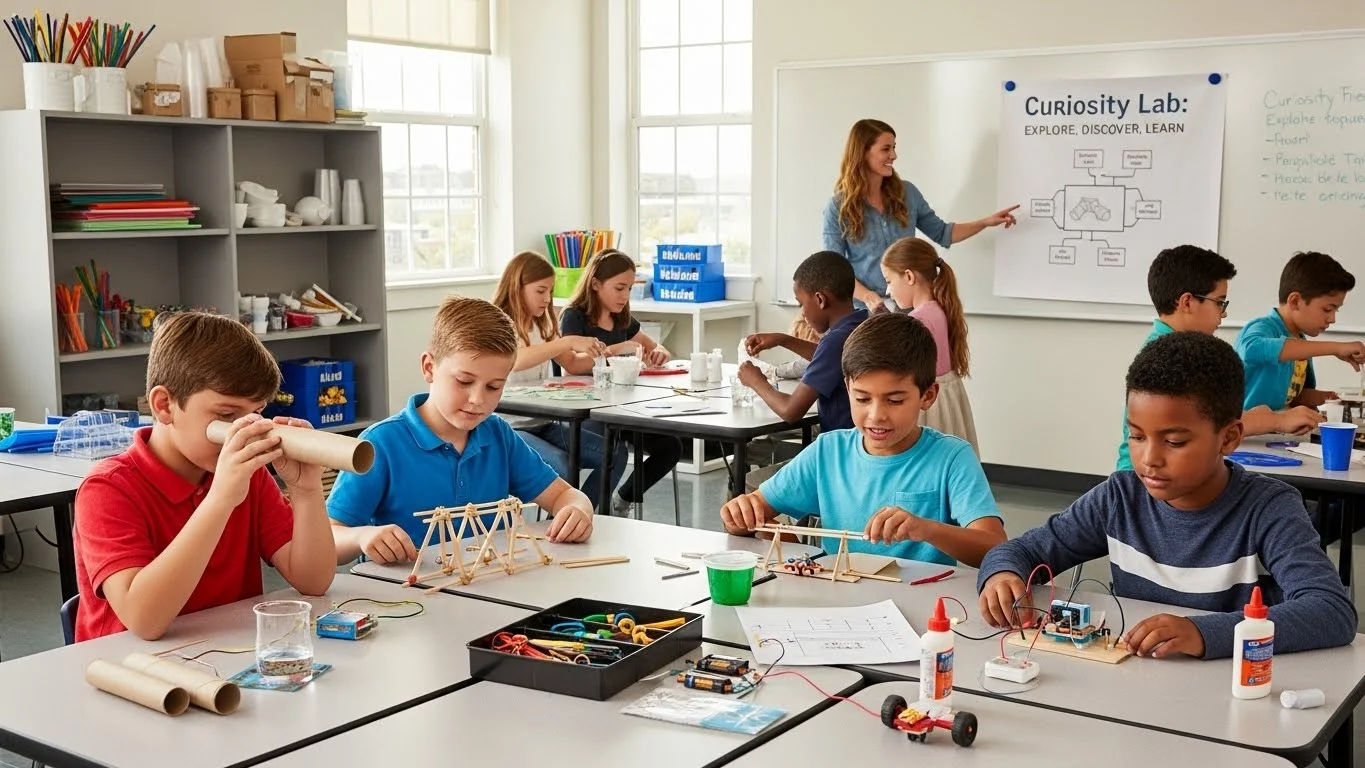
Understanding STEM Education
What is STEM?
STEM stands for Science, Technology, Engineering, and Mathematics. It’s an educational approach that integrates these four disciplines, encouraging students to think critically, solve problems, and innovate. I remember my first impression of STEM—it felt like a blend of magic and logic. When I dived into it, I realized that STEM isn’t just about equations or lab experiments; it’s a way of thinking that helps us understand and interact with the world around us.
Importance of STEM in Today’s World
In our rapidly changing world, the importance of STEM education cannot be overstated. Every day we see advancements in technology that shape our lives—smartphones, renewable energy, medical breakthroughs; the list goes on. I’ve noticed how STEM skills are increasingly becoming essential in the job market, preparing students not just for careers in tech or engineering, but for a future where critical thinking and problem-solving are key.
When I think about how much technology has evolved during my lifetime, it’s clear that understanding STEM is vital for anyone who wants to be an informed citizen. From climate change to healthcare innovations, STEM plays a crucial role in tackling the challenges we face as a society.
Benefits of Engaging with STEM from a Young Age
Engaging with STEM from a young age has numerous benefits. For one, it nurtures curiosity and a love for learning. I remember how excited I felt when I first built a simple robot using a kit—my mind raced with possibilities! Children who explore STEM concepts early on tend to develop strong analytical skills, creativity, and resilience. They learn to embrace challenges, which is a lesson that goes far beyond the classroom.
Furthermore, STEM education fosters collaboration. I’ve seen how group projects in science classes help kids learn to work together, communicate their ideas, and respect different viewpoints. These skills are essential not just for academic success, but for life. When kids learn to articulate their thoughts and listen to others, they build a foundation for effective teamwork in whatever careers they choose in the future.
Ultimately, engaging with STEM early on prepares our children for a world that is increasingly driven by technology and innovation. I believe it’s never too early to start exploring these fields, and there are countless budget-friendly resources to help guide that journey. Affordable STEM Learning Tools for Young Explorers can provide great insights into these resources.
Budget-Friendly STEM Resources
Online Platforms for Learning
There are so many online platforms offering free or low-cost resources that can spark curiosity in STEM. I’ve spent hours wandering through these digital spaces, and I’ve found some gems that I think you’ll love.
Khan Academy
Khan Academy is a fantastic resource for learners of all ages. Their extensive library covers everything from math to computer programming. I remember using it to brush up on some topics I hadn’t covered in a while, and I was amazed at how engaging their videos were. The platform is entirely free and allows users to learn at their own pace, making it an excellent choice for kids who might want to explore beyond their school curriculum.
Code.org
If you or your child is interested in learning coding, Code.org is a must-visit. It offers fun, interactive courses that make learning programming feel like a game. I tried a few of their tutorials myself, and I was surprised at how quickly I picked up the basics. The platform even has resources for teachers, which is a bonus if you’re looking to enhance your child’s classroom experience.
Coursera
Coursera partners with universities to provide courses on a wide range of subjects, including STEM. While some courses require payment, many are available for free if you choose to audit them. I once audited a course on data science, and it opened my eyes to the power of analyzing information. The quality of education you can receive through Coursera is impressive, and it’s a fantastic way to dive deep into a subject of interest. Top 10 STEM Apps for Kids: Fun Learning on a Budget is another excellent resource for exploring educational tools.
STEM Kits and Hands-On Resources
Hands-on experiences are vital for understanding STEM concepts. I’ve always believed that getting your hands dirty is one of the best ways to learn, and there are plenty of budget-friendly options available.
DIY STEM Kits
DIY STEM kits are a fantastic way to engage with science and engineering at home. You can find kits that guide you through building everything from simple circuits to robotics. I remember picking up a kit that let me create a mini solar-powered car, and it was a blast to see it in action! You can often find these kits at local stores or online at reasonable prices, and they usually come with detailed instructions to help guide the learning process.
Local Libraries and Their Resources
Don’t overlook your local library as a resource for STEM! Many libraries now offer hands-on kits, workshops, and even STEM-themed events. I’ve attended a few science fairs at my library, and it was incredible to see kids experimenting and sharing their findings. Checking out your local library’s STEM offerings could lead you to some unexpected treasures!
Community Workshops and Maker Spaces
Another option is to look for community workshops or maker spaces. These places often host events that allow kids to explore different STEM topics. I attended a maker fair once, and it was amazing to see people of all ages coming together to create and share their projects. Many of these events are free or low-cost, making them accessible for everyone.
Budget-Friendly STEM Resources
Free Educational Apps and Games
In today’s digital age, educational apps and games can be a fun and interactive way to engage with STEM topics. I’ve found that these resources are not only enjoyable but also effective in reinforcing concepts learned in school. Plus, many of them are free or low-cost, making them accessible to everyone.
Prodigy Math
Prodigy Math is a brilliant game that turns math practice into an adventure. Kids create their own wizard and embark on quests that involve solving math problems to progress. I remember my niece getting hooked on this game; she was so immersed in the challenges that she didn’t even realize she was practicing math skills! The platform aligns with curriculum standards, so it can be a great supplement to what kids are learning in school.
Scratch
Scratch introduces kids to coding in a very approachable way. This platform allows users to create their own interactive stories, games, and animations using a block-based programming language. I’ve dabbled in Scratch myself, and it was fascinating to see how quickly I could bring my ideas to life. It’s a wonderful way for children to learn the basics of coding while expressing their creativity. Plus, the Scratch community is supportive and full of inspiration, which adds to the fun!
NASA’s Eyes on the Solar System
If your child has any interest in space, then NASA’s Eyes on the Solar System is a must-try. This web-based application lets users explore the solar system in real-time, view spacecraft missions, and learn about planets and moons. I spent a rainy afternoon navigating the virtual universe, and it reignited my passion for astronomy. The experience is not only educational but also awe-inspiring, allowing kids to grasp the vastness of space at their own pace.
DIY STEM Activities at Home
Simple Science Experiments
There’s something magical about conducting science experiments at home. I remember how amazed I was as a child when I created my own mini-experiments with everyday household items. These activities can spark curiosity and a sense of discovery that’s hard to replicate in a classroom setting.
Volcano Eruption with Baking Soda
This classic experiment never fails to impress. All you need is baking soda, vinegar, and some food coloring for effect. I’ve done this with my kids, and their eyes lit up as they watched the “lava” flow. Start by creating a small mound with the baking soda, then add a few drops of food coloring and a splash of vinegar. The reaction is immediate, and it’s a fun way to explain chemical reactions in action!
Homemade Slime
Making slime has become a beloved activity for many kids—and for good reason! It’s a perfect blend of science and play. To make it, you need glue, baking soda, and contact lens solution. The moment you mix these ingredients, you can feel the transformation happening, and the tactile experience is incredibly engaging. I’ve always enjoyed the squishy, stretchy slime, and it’s a fantastic way to talk about polymers and chemical reactions while having fun!
Engineering Projects
Engineering projects can be a great way for kids to learn problem-solving skills, and they often lead to impressive creations. I’ve enjoyed watching kids take on challenges that encourage them to think creatively and strategically.
Building Bridges with Household Items
One of our favorite engineering challenges is building bridges using items like spaghetti, straws, or even popsicle sticks. I remember when we held a mini-competition in our living room, and it was fun to see how different designs fared against the weight test. This activity not only promotes critical thinking but also teaches kids about structural integrity and design. Plus, it’s a great excuse to dig into the pantry!
Creating Simple Machines
Simple machines are foundational concepts in engineering, and creating them at home can be both educational and entertaining. Using items like cardboard, rubber bands, and marbles, I’ve had kids build levers, pulleys, and ramps. Each project ignites discussions about physics and mechanics, and it’s incredibly rewarding to see the children’s faces light up when their creations work as intended. These hands-on projects can lead to a deeper understanding of how machines function in our everyday lives.
Community Resources and Programs
Community Resources and Programs
Local STEM Organizations
Connecting with local STEM organizations can open up a world of opportunities for kids. I’ve found that many communities have groups dedicated to promoting STEM education through events, workshops, and mentorship programs. For example, I discovered a local robotics club where kids get to build robots and participate in competitions. The excitement in the room was palpable as they worked together, sharing ideas and troubleshooting problems. These organizations often welcome kids of all skill levels, making it a great environment for both beginners and those looking to hone their skills.
In my experience, reaching out to these organizations can also lead to valuable connections with professionals in STEM fields. Seeing real-world applications of what they learn in school can inspire kids to pursue STEM careers. I remember attending a talk organized by one such group, and it was amazing to see how enthusiastic the kids were after hearing from an engineer about their projects. It sparked conversations and questions that continued long after the event!
After-School Programs Focused on STEM
After-school programs can be a fantastic way for kids to delve deeper into STEM subjects. I’ve seen firsthand the benefits of these programs, especially when they include hands-on activities and projects. For instance, my friend enrolled her son in an after-school coding club, and he came home each week buzzing with excitement about the games he was creating. These programs often provide a safe space for kids to explore their interests while collaborating with peers.
Many schools partner with local organizations to offer STEM after-school programs that are either free or available at a minimal cost. I highly recommend checking with your child’s school to see what’s available. If they don’t have a program, consider starting one! Gathering a few parents and kids for regular STEM activities can be a rewarding way to foster a love for learning in your community.
STEM Camps and Workshops
Summer camps focused on STEM can be an incredible experience for kids. I remember the excitement leading up to a week-long science camp where we conducted experiments, made rockets, and even learned about coding. The hands-on nature of these camps kept us engaged, and the friendships we formed over shared interests made it even more special. Many organizations offer affordable STEM camps, often with scholarships available for families in need.
Workshops are another option, especially on weekends or during school breaks. I’ve attended several workshops that focused on everything from building drones to experimenting with chemical reactions. These short sessions are usually low-cost and packed with activities that allow kids to apply what they’ve learned in a fun and interactive way. If you can find a local maker space or community center that offers these workshops, it’s definitely worth checking out!
Utilizing Online Communities
STEM Forums and Discussion Groups
Online communities can be a treasure trove of information and support for those interested in STEM. I’ve spent time browsing forums where enthusiasts share projects, ideas, and resources. Platforms like Reddit have dedicated STEM subreddits where people discuss everything from new technologies to educational strategies. I remember being particularly inspired by a post about a DIY science experiment that someone had tried at home, complete with tips and videos. The sense of community is incredible, as members are often eager to help one another troubleshoot and celebrate successes.
Participating in these discussions can also help kids get comfortable sharing their thoughts and engaging in critical thinking. I’ve even noticed how some parents use these forums to find advice on how best to support their child’s learning journey. Connecting with others can help us feel less isolated and more empowered in our educational endeavors.
Social Media Groups for STEM Enthusiasts
Social media can be a powerful tool for connecting with other STEM enthusiasts. I’ve joined several Facebook groups focused on STEM education, where members share resources, articles, and even tips for at-home activities. The creativity and passion in these communities are contagious! I love scrolling through posts that showcase amazing projects, and I often find inspiration for ideas to try with my kids.
These groups can also be a great way to find local events or meetups. I’ve attended a few STEM nights organized through connections I made online, and it was a fantastic opportunity to meet like-minded families. It’s comforting to know that we’re not alone in our pursuit of fostering curiosity and knowledge in STEM.
Incorporating STEM into Everyday Life
STEM Learning through Everyday Activities
Integrating STEM into daily life doesn’t have to be a chore; it can be a fun adventure! I’ve found that everyday activities can easily become opportunities for learning. For instance, cooking is a fantastic way to explore measurements, chemical reactions, and even nutrition. I remember baking with my kids and discussing how different ingredients react with heat, which led to a lively conversation about science and food!
Even nature walks can turn into STEM experiences. On our hikes, we often discuss the local ecosystem, identify plants, and even observe animal behaviors. I love bringing along a simple field guide to spark curiosity about the environment around us. This way, learning becomes a part of our routine, and it encourages my kids to ask questions and seek answers beyond the classroom.
Encouraging Curiosity and Exploration
Encouraging curiosity is perhaps the most important part of any STEM education. I’ve learned that fostering an environment where questions are welcomed and exploration is encouraged can make all the difference. I’ve seen how my kids light up when I ask them to share their thoughts on a new topic or when I challenge them to come up with solutions to real-world problems. I believe that by valuing their input and encouraging exploration, we’re nurturing their love for learning.
Whether it’s through hands-on projects, community resources, or simply embracing the wonders of everyday life, there are endless ways to keep the spirit of STEM alive. I’m excited to continue this journey together, discovering new interests and igniting the spark of curiosity in ourselves and our children. Read Interesting article: Explore the World: Budget Travel Tips for STEM Families
Frequently Asked Questions
What does STEM stand for?
STEM stands for Science, Technology, Engineering, and Mathematics. It is an educational approach that integrates these four disciplines to encourage critical thinking, problem-solving, and innovation.
Why is STEM education important in today’s world?
The importance of STEM education is highlighted by the rapid advancements in technology that shape our lives, such as smartphones and renewable energy. STEM skills are essential in the job market and help prepare students for careers that require critical thinking and problem-solving.
What are the benefits of engaging with STEM from a young age?
Engaging with STEM from a young age nurtures curiosity, creativity, and resilience, while helping children develop strong analytical skills. It also fosters collaboration and effective communication, essential for academic success and future teamwork.
What online platforms offer budget-friendly STEM resources?
Some budget-friendly online platforms for STEM learning include Khan Academy, Code.org, and Coursera. These platforms offer a variety of free or low-cost resources that can spark curiosity in STEM subjects.
What are DIY STEM kits?
DIY STEM kits are hands-on resources that allow individuals to engage with science and engineering concepts at home. These kits often include materials and instructions for building projects like simple circuits or robotics.
How can local libraries support STEM education?
Local libraries often provide hands-on kits, workshops, and STEM-themed events. They can be a valuable resource for families looking to explore STEM concepts without incurring high costs.
What are some examples of free educational apps for STEM learning?
Examples of free educational apps for STEM learning include Prodigy Math, which gamifies math practice, and Scratch, which teaches coding through a block-based programming language. NASA’s Eyes on the Solar System is another engaging educational application focused on space exploration.
What are community workshops and maker spaces?
Community workshops and maker spaces are venues where individuals can participate in hands-on activities related to STEM. These spaces often host events that encourage exploration of different STEM topics and projects.
How can parents incorporate STEM into everyday activities?
Parents can incorporate STEM into everyday activities by exploring concepts during cooking, nature walks, or simple household tasks. These experiences can spark curiosity and encourage children to ask questions about the world around them.
What role do online communities play in supporting STEM education?
Online communities, such as forums and social media groups, provide platforms for sharing resources, ideas, and support for those interested in STEM. They can also help connect families with local events and foster a sense of community in educational endeavors.