
Designing a home learning space doesn’t have to break the bank. With a little creativity and resourcefulness, we can create an inspiring environment that enhances our learning experience. Read Interesting article: Transform Your Home: Create a Learning Haven for Kids
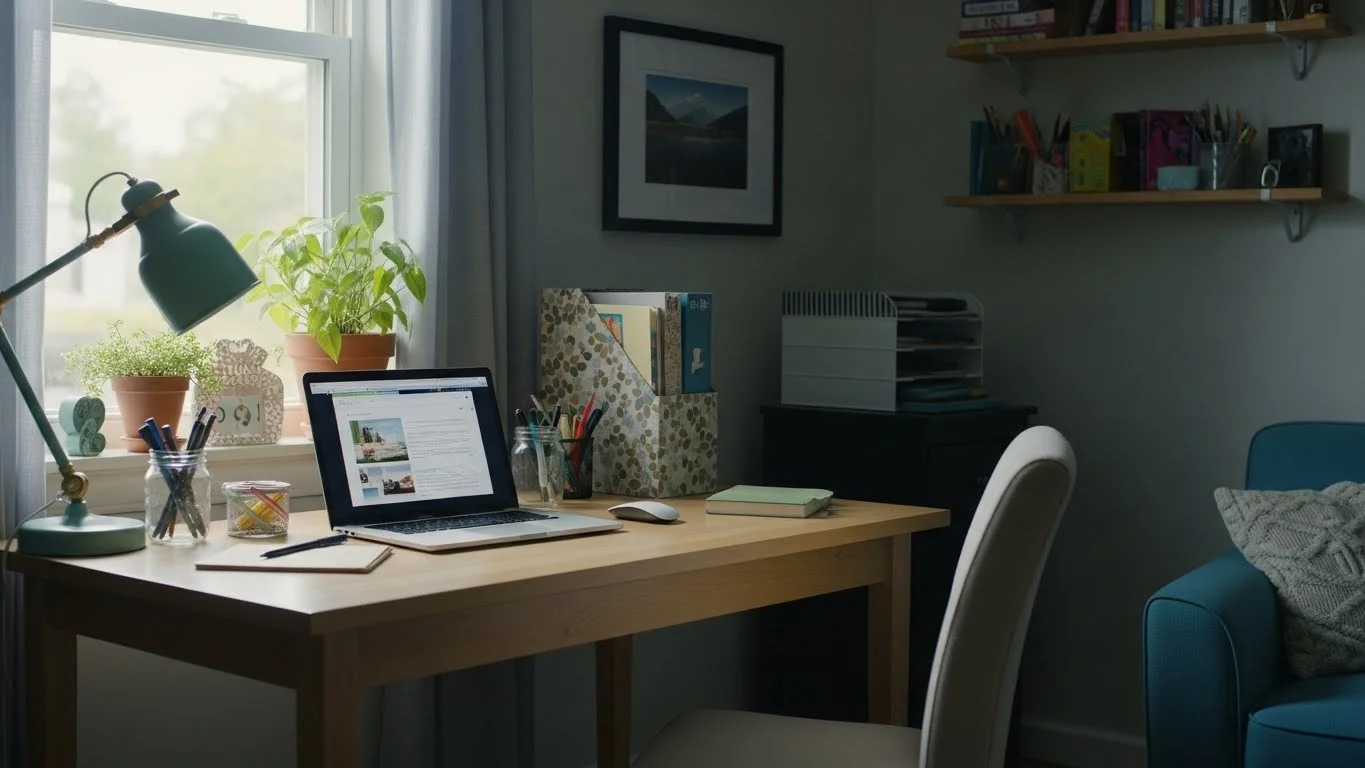
Understanding the Importance of a Home Learning Space
When I first started working from home, I underestimated how crucial it was to have a dedicated learning space. It became clear that having a specific area for studying or working made a significant difference in both my productivity and my mindset. A home learning space isn’t just a luxury; it’s a necessity. It helps to create boundaries between our personal and educational lives, making it easier to focus and engage in our work.
Benefits of a Dedicated Learning Environment
One of the biggest benefits I found in creating a learning space was the sense of ownership it gave me. When I stepped into that area, I felt transformed from “home mode” to “learning mode.” This clear distinction helps in setting the tone for productive hours. I noticed that, when I had a designated spot, I was less likely to get distracted by household chores or the temptation to lounge on the couch. The space itself became a cue for my brain to switch gears.
Moreover, a dedicated learning area can be tailored to suit our individual needs. Whether you prefer a minimalist setup or a more colorful and vibrant environment—making the space your own can enhance motivation. I remember choosing a few personal items like my favorite books and photos that inspired me, which made the space feel inviting and energizing.
Impact on Productivity and Focus
Having a peaceful, organized space played a massive role in my focus. I discovered that the more I organized my materials and minimized distractions, the better I was able to concentrate on my tasks. This was particularly important during intense study sessions or work deadlines. I realized how often I would lose track of time when I was in a cluttered environment. By setting up a space for learning, I drastically improved my ability to stay focused and productive.
Another point worth mentioning is the psychological impact of our surroundings. I learned that an organized and aesthetically pleasing environment could boost my mood and motivation. I remember the days when I worked at a messy desk versus the days when everything was neatly arranged—my mood was always better when my space was tidy and appealing. I felt more in control, which is incredibly empowering, especially during challenging study sessions.
Key Elements for an Effective Learning Space
Choosing the Right Location
Choosing the right location for your learning space is crucial. I’ve tried studying in several places around my home—from the dining table to my bedroom—and I discovered that having a specific spot dedicated to learning made a world of difference. Ideally, select a quiet corner of your home, away from heavy foot traffic and noise. It’s important to find a place that feels comfortable and conducive to your learning style. I found that a corner by the window worked wonders for me, as natural light really lifted my spirits while I studied.
Essential Furniture: Desks and Chairs
When it comes to furniture, I always recommend investing in a good desk and a comfortable chair. You don’t have to spend a fortune; second-hand stores often have great finds! I remember scoring a sturdy desk at a thrift shop for just $30. It was a bit worn, but with a fresh coat of paint, it became the centerpiece of my learning space. A comfortable chair is equally important. I learned the hard way that sitting on the couch for hours is not a good idea. Look for ergonomic options that support your posture, as this can greatly affect your focus and comfort while studying. Read Interesting article: Boost Your Child’s Learning: Proven Study Strategies for Kids
Lighting: Natural vs. Artificial
Lighting is another key element that can transform a space. I’ve always preferred natural light when possible. It not only brightens up the area but also has a calming effect. Ensure that your desk is placed near a window or, if that’s not possible, invest in a good desk lamp. I found that having adjustable lighting allowed me to set the mood based on the time of day, which made my study sessions more enjoyable.
Storage Solutions for Supplies and Materials
Having adequate storage is essential for keeping your learning space organized. I’ve used everything from decorative boxes to DIY shelving to keep my supplies within reach but neatly tucked away. I recommend looking for multifunctional furniture, such as desks with built-in storage or bookshelves that can double as decorative elements. This not only saves space but also helps maintain a clean and tidy environment, which I’ve found crucial for productivity.
Budget-Friendly Design Tips
Repurposing Existing Furniture
One of the best ways I’ve found to save money while designing my home learning space is by repurposing furniture I already own. I recommend taking a good look around your home to see what you can transform. For instance, that old side table that used to sit in the living room can easily become a small desk with a little creativity. I remember repurposing an old wooden crate I had lying around as a unique bookshelf. It added character to my space and saved me a trip to the store.
Additionally, I’ve noticed that sometimes, with just a bit of sanding and a fresh coat of paint, furniture can be revitalized. I turned an old dining chair into a bright, cheerful seat for my learning area, which not only looks great but also feels like a personal touch. I believe that by making use of what we already have, we can create a space that feels intentional without spending a lot of money.
DIY Projects for Customization
Getting hands-on with DIY projects can be incredibly rewarding. I found that creating my own storage solutions or decor pieces helped me connect with my space on a deeper level. Simple projects like making a corkboard for notes or an inspiration wall can be fun and fulfilling. I remember crafting a pinboard from an old frame and some fabric, which not only serves a functional purpose but also adds a personalized flair to my area.
In fact, I’ve seen folks get creative by building their own shelves or desk organizers using materials like cardboard or reclaimed wood. These custom pieces can reflect our personalities and learning styles, making the space feel truly ours. Plus, DIY projects often come with the bonus of being budget-friendly, which is always a win in my book!
Affordable Decor Ideas
Decorating a learning space doesn’t have to come with a hefty price tag. In my experience, there are plenty of affordable options that can elevate the look of your area. I discovered that items like plants or even simple artwork can breathe life into a room. For greenery, I recommend low-maintenance plants like succulents, which can add a pop of color and improve air quality without much fuss.
Thrift stores or discount shops are fantastic places to find decorative items that won’t break the bank. I once stumbled upon some beautiful prints at a local thrift store that I framed and hung in my learning space. They not only serve as motivation but also make my area more inviting. I think it’s important to fill our spaces with things that inspire us, and you can absolutely do that on a budget.
Using Technology Wisely
Technology can enhance our learning environments in so many ways, and I believe it can be done affordably. For instance, I utilize free or low-cost apps for organization and productivity. Tools like note-taking apps or project management platforms have been game-changers for me. They help keep my tasks organized and enable me to focus better on my studies. Read Interesting article: Best STEM Apps to Enhance Learning While Traveling
I also recommend exploring online resources for free courses or tutorials. I’ve learned a lot from platforms like Coursera and Khan Academy that offer quality content without any fees. Leveraging technology not only supports my learning but also allows me to create an environment that caters to my needs without spending too much money.
Color Schemes and Aesthetics
The Psychology of Color in Learning
Color plays a significant role in how we feel and perform in our environments. I’ve learned that certain colors can promote creativity, focus, or relaxation, which is why choosing the right palette for my learning space was essential. For example, I found that shades of blue and green tend to have a calming effect, which helps me concentrate better during my study sessions.
On the flip side, vibrant colors like yellow or orange can energize a space and stimulate creativity. I remember painting one accent wall in a soft yellow, which instantly made my learning area feel more lively and inviting. I believe that by carefully selecting colors, we can create an atmosphere that inspires us to engage with our work and think creatively.
Choosing Colors that Enhance Focus
When I designed my learning space, I made it a point to choose colors that enhance focus. I opted for neutral tones for the majority of the walls, which promotes a sense of calmness. I added splashes of color through decor, which kept things interesting without being overwhelming. I noticed that when I surrounded myself with these colors, it became easier to settle down to study, as the space felt balanced and cohesive.
In my opinion, it’s important to test out colors before making any final decisions. I recommend getting paint samples and trying them out on the wall to see how they look in different lighting throughout the day. This can help ensure that the colors you choose will support your learning style and create a productive atmosphere.
Creating a Distraction-Free Environment
Minimizing Noise and Interruptions
One of the biggest challenges I faced while studying at home was dealing with distractions—especially noise. I quickly realized that even the faintest sounds could derail my focus. I remember trying to work while my family was chatting in the next room or the TV was on. It was nearly impossible to concentrate. To combat this, I started experimenting with different strategies to create a quieter environment.
I invested in a good pair of noise-canceling headphones that helped block out the surrounding chaos. They became my go-to tool during study sessions. If I didn’t want to wear headphones, I found that playing soft instrumental music or ambient sounds created a peaceful backdrop that helped me concentrate. I also discovered the power of white noise machines, which can drown out more disruptive sounds and create a calming atmosphere.
Another important step was setting boundaries with those I lived with. I communicated my study times and let them know when I needed uninterrupted focus. This not only helped reduce noise but also created a respectful understanding of our shared space. I suggest discussing your needs with others in your home. Most will be more than willing to help create that distraction-free zone.
Organizing Materials for Easy Access
Keeping my learning materials organized has been a game-changer for minimizing distractions. I learned that when everything is in its place, I can focus more on my tasks instead of searching for supplies. I started by categorizing my materials—books, stationery, and technology—into specific areas and storage solutions.
Using labeled bins and baskets made a world of difference. For instance, I had one box for my notebooks, another for art supplies, and a separate space for my tech gadgets. I even designated a small drawer for charging cables and chargers so they wouldn’t clutter my workspace. This system not only helped me find what I needed with ease, but it also kept my space looking neat and inviting.
I also recommend keeping a small, portable caddy for essentials that I could easily move to different spots in my home. It made my study sessions much smoother, as I didn’t have to keep getting up to gather supplies. By ensuring everything is organized and within reach, I noticed that I could maintain my focus for longer periods, which is crucial when diving deep into my studies.
Incorporating Comfort and Ergonomics
Importance of Ergonomic Furniture
As I spent more time studying, I soon realized the importance of comfort and ergonomics in my learning space. I learned that the right furniture can make a significant difference, especially when I was sitting for long hours. Investing in ergonomic furniture became a priority for me. It wasn’t just about having a stylish desk and chair; it was about supporting my body properly to avoid discomfort and fatigue.
For instance, I found a chair that provided proper lumbar support, which helped reduce strain on my back. I also made sure that my desk was at a suitable height so that my arms rested comfortably while typing or writing. I remember the days I would finish studying with aches and pains, and it was a wake-up call for me to prioritize my comfort. I believe that by setting up a workspace that takes care of our physical needs, we can enhance our learning experience significantly.
Adding Personal Touches for Motivation
Creating a space that feels personal and motivational is just as important as ergonomics. I discovered that adding personal touches made my learning environment more inviting and inspiring. I love surrounding myself with items that spark joy or remind me of my goals. For example, I hung a vision board full of my aspirations, quotes that resonate with me, and pictures of loved ones. Every time I glanced at it, I felt a boost of motivation.
Artwork is another way I personalized my space. I chose pieces that reflect my interests and passions, which can serve as conversation starters or sources of inspiration. I’ve seen how adding a few personal items, like my favorite books or a small plant, can create a cozy atmosphere that encourages creativity and study.
Incorporating comfort and personal touches has transformed my learning environment into a sanctuary where I feel empowered to learn and grow. I encourage you to think about what items inspire you and how you can make your space reflect your personality. It’s amazing how these small changes can greatly enhance our motivation and engagement in our studies.
Maximizing Small Spaces
Multi-Functional Furniture Solutions
Living in a smaller space can pose unique challenges when setting up a home learning area. I completely understand the struggle of wanting to create a functional workspace without sacrificing too much room. One of the best strategies I discovered was investing in multi-functional furniture. For example, a foldable desk can be a game-changer. When I first got one, I was amazed at how easily I could set it up and take it down as needed, allowing me to reclaim my space after a study session.
Another great option is a sofa bed or a storage ottoman. I once had a sofa that doubled as a bed, which became a cozy reading nook during the day and a guest bed at night. It’s amazing how versatile pieces can make a small area feel larger and more functional. I also recommend looking for desks that come with built-in shelves or storage compartments. These not only save space but also keep my materials organized and within arm’s reach, which is super helpful during study sessions.
Vertical Storage and Organization
When space is tight, I learned that going vertical can be a lifesaver. Utilizing wall space for shelves, bulletin boards, or hanging organizers can keep the floor clear and open up the room. I remember installing floating shelves above my desk, which gave me the perfect opportunity to display books, plants, and motivational quotes. This not only helped in organizing my materials but also added a touch of personality to my learning space.
I also found that using pegboards or wall-mounted organizers for my supplies turned out to be functional and visually appealing. It made everything easily accessible while keeping my workspace tidy. Additionally, utilizing the back of doors for storage, like installing hooks or small racks, can maximize every inch of space. This way, I kept my essentials close by without cluttering my desk, and I felt more at ease while studying.
Maintaining and Updating the Learning Space
Regular Decluttering Tips
Once I set up my learning space, I quickly realized that maintaining it was just as important as creating it. I found that regular decluttering sessions made a huge difference in keeping my space functional and inviting. I recommend setting aside a few minutes each week to assess what I really needed and what could be put away or discarded. It’s amazing how much clutter we accumulate without even realizing it!
One effective method I adopted was the “one in, one out” rule. Whenever I brought in a new item, I made sure to remove something else. This simple strategy helped me keep my space from getting overcrowded and allowed me to focus on what truly mattered. I also discovered that donating items I no longer used not only cleared my space but also made me feel good about giving back.
When to Refresh Your Space
Refreshing my learning space periodically kept it feeling new and inspired. I learned that it doesn’t take much—sometimes just rearranging furniture or swapping out decor can reinvigorate the environment. I remember on a whim, I decided to move my desk to face the window instead of the wall, and it completely changed my perspective while studying! I recommend paying attention to how your space feels over time; if it becomes stale or uninspiring, it might be time for a change.
Another great way to refresh is by updating decor or adding new plants. I often find that a simple change in artwork or a fresh coat of paint can make a world of difference. Keeping my space dynamic and fresh allowed me to stay engaged and motivated. Embracing change in our learning environment can be just what we need to reignite our passion for studying.
Resources and Tools for Home Learning
Online Learning Tools and Platforms
I’ve discovered a wealth of online resources that can enhance my learning experience. Platforms like Coursera, Udemy, and Khan Academy offer courses on a variety of subjects. I found that exploring different learning styles through these resources not only expanded my knowledge but also kept my learning space vibrant and engaging. I particularly enjoyed the flexibility of learning at my own pace, allowing me to dive deep into topics that piqued my interest.
In addition, I’ve found that using tools like Google Calendar for scheduling and Trello for project management has helped me stay organized. By integrating technology into my learning space, I could keep track of deadlines and manage my projects effectively. It’s remarkable how digital tools can complement our physical spaces and improve overall productivity.
Books and Materials for Various Subjects
Books have always been my go-to resources for deeper understanding. I’ve built a small library of reference materials, textbooks, and inspiring reads that not only support my studies but also bring joy to my learning space. I love reading about different subjects and exploring new ideas. I recommend curating a collection that resonates with you; it can become a source of inspiration and motivation during study sessions.
Also, don’t underestimate the power of community. Joining study groups or forums can enhance our learning journey. I found that collaborating with others and sharing resources often leads to new perspectives and insights that I wouldn’t have discovered on my own. It’s a great way to engage with the material and stay motivated.
Final Thoughts
Creating a home learning space that reflects our personal style and meets our needs can make all the difference in our educational journey. I’ve experienced firsthand how a well-designed environment enhances focus, productivity, and motivation. As we embrace creativity, budget-friendly solutions, and thoughtful organization, we can transform any corner of our home into a sanctuary for learning. Remember, it’s about what works best for you—so listen to your instincts and preferences. I encourage you to take these tips and make your learning environment truly your own!
Frequently Asked Questions
Why is having a dedicated home learning space important?
A dedicated home learning space helps to create boundaries between personal and educational lives, enhancing focus and productivity by signaling a shift to “learning mode.”
What benefits can I expect from creating a home learning space?
Creating a home learning space can provide a sense of ownership, minimize distractions, and enhance motivation. It allows for a personalized environment that can significantly improve focus and productivity.
What key elements should I consider when designing my learning space?
Important elements include choosing the right location, investing in essential furniture like a desk and chair, ensuring adequate lighting, and having effective storage solutions for materials.
How can I make my learning space budget-friendly?
You can repurpose existing furniture, engage in DIY projects for customization, and seek affordable decor options from thrift stores or discount shops to create a functional learning environment without overspending.
What role does lighting play in a learning space?
Lighting, especially natural light, can brighten the area and create a calming effect. Proper lighting enhances mood and productivity, making it crucial to position desks near windows or use good desk lamps.
How can I minimize distractions in my home learning space?
Minimizing distractions can be achieved by using noise-canceling headphones, setting boundaries with others in your home regarding study times, and maintaining an organized space to keep materials at hand.
What are some ergonomic considerations for my learning space?
Investing in ergonomic furniture, such as a supportive chair and appropriately sized desk, can prevent discomfort and fatigue, which is essential for long study sessions.
How can I personalize my learning space for motivation?
Adding personal touches, such as a vision board, artwork, and items that spark joy or remind you of your goals can create an inviting atmosphere that encourages creativity and study.
What strategies can I use to maintain and refresh my learning space?
Regular decluttering to remove unnecessary items, updating decor, or rearranging furniture can help keep the space feeling fresh and inspiring, preventing it from becoming stale over time.
What online resources can enhance my home learning experience?
Platforms like Coursera, Udemy, and Khan Academy offer various courses, while tools like Google Calendar and Trello help in organization and project management, enhancing productivity in your learning space.