
Traveling with kids who have food allergies can feel daunting, especially on a budget. However, with some planning, we can enjoy safe and delicious meals while exploring new places together. Read Interesting article: Essential Tips for Managing Food Allergies While Traveling
Understanding Food Allergies in Children
As a parent of a child with food allergies, I know firsthand how crucial it is to understand what we’re dealing with. Food allergies can be serious, and when you’re traveling, the stakes can feel even higher. It’s not just about avoiding certain foods; it’s about ensuring our kids feel safe and included in the dining experience. By being informed, we can navigate this journey more smoothly.
Common Food Allergies Among Kids
In my experience, some food allergies tend to pop up more frequently in children. The most common ones include milk, eggs, peanuts, tree nuts, soy, wheat, fish, and shellfish. I remember when my child was diagnosed with a peanut allergy; it felt overwhelming at first. Each family’s experience can differ, with some kids having just one allergy, while others may have several. Being aware of these common allergens can help us prepare better when planning our trips.
Symptoms of Food Allergies
Recognizing the symptoms of food allergies is critical, especially while traveling. I’ve learned that allergic reactions can range from mild to severe. Common symptoms include hives, stomach pain, difficulty breathing, and swelling in the face or throat. I recall a time when my child had a minor reaction, and it was a stark reminder of how quickly things can escalate. Being vigilant and knowing what to look for can make all the difference when we’re away from home.
Importance of Managing Allergies While Traveling
Traveling opens up a world of culinary experiences, but for families like ours, it’s essential to manage allergies carefully. I’ve found that being proactive can help minimize risks. When we travel, I want my child to enjoy the local cuisine without the fear of a reaction. This means conducting thorough research, communicating allergies effectively, and always having a plan in place. The last thing we want is for an allergic reaction to ruin a family vacation, so I make it a priority to ensure everyone is on the same page about food safety.
Budget Travel Tips for Families with Allergy-Prone Kids
Now that we’ve set the stage for understanding food allergies, let’s dive into some practical tips that have worked for my family when traveling on a budget.
Setting a Budget for Food and Accommodation
When planning a trip, I find it helpful to set a clear budget for food and accommodation. This helps us stay on track financially while ensuring we can find safe eating options. I like to sit down with my family and discuss how much we’re comfortable spending on meals. I’ve learned that eating out three times a day can be pricey, so we often look for accommodations that offer kitchen facilities where we can prepare some meals ourselves. This way, we can control what goes into our food and save money at the same time.
Researching Allergy-Friendly Destinations
Not all destinations are created equal when it comes to accommodating food allergies. I’ve found that researching allergy-friendly destinations can pay off big time. Websites and forums, like food allergy-specific travel blogs or social media groups, can provide invaluable information about restaurants and local markets. I remember discovering a town known for its allergy-friendly eateries, which made our trip much more enjoyable. Knowing we could dine out safely allowed us to relax and explore the area more freely. Read Interesting article: Backpacking with Kids: Navigating Food Allergies Safely
Finding Affordable Allergy-Friendly Restaurants
Finding restaurants that cater to food allergies doesn’t have to break the bank. I usually start by checking reviews on platforms like Yelp or TripAdvisor. I look for places that specifically mention their ability to accommodate allergies in the reviews. It’s also helpful to call ahead and speak with the staff, explaining our needs. I’ve had great experiences at mom-and-pop establishments where the owners are willing to work with us on menu options. When in doubt, I opt for places that offer simple, fresh ingredients, as they are often easier to navigate.
Utilizing Local Markets for Safe Food Options
Visiting local markets has become one of my favorite parts of traveling. I love exploring fresh produce and local specialties. Not only is it usually cheaper than eating out, but it also gives us full control over what we consume. I’ve spent afternoons picking out fruits, vegetables, and other allergy-safe snacks, and it’s a wonderful way to experience the culture. I recommend asking vendors about their ingredients to ensure everything is safe for our kids. It’s also a fun bonding experience as a family.
Pre-Travel Preparation for Allergy Management
Before we embark on our travels, I’ve learned that thorough preparation is key to managing food allergies effectively. Taking the time to plan ahead can make all the difference for our family. Here are the steps I take to ensure our trip goes smoothly.
Consulting with a Pediatrician
Before any trip, I always consult with my child’s pediatrician. This step is crucial, especially if we’re heading to a new place where allergen exposure might be different from home. I find it incredibly helpful to discuss our travel plans and get advice on managing allergies while we’re away. Sometimes, the doctor might suggest carrying an extra EpiPen or adjusting allergy medications based on our destination. I remember one trip where the doctor recommended a specific antihistamine that helped ease my child’s anxiety about trying new foods. It’s reassuring to have that professional guidance in our corner.
Creating an Allergy Action Plan
Having a solid allergy action plan is something I can’t stress enough. This plan outlines what to do in case of an allergic reaction, including symptoms to watch for and steps to take if one occurs. I make sure to share this plan with everyone traveling with us, whether it’s family or friends. I also keep a copy in our travel bag and give one to the hotel front desk, just in case. This added layer of preparedness helps us feel more confident and less anxious. In our case, knowing we have a plan in place allows us to focus on making memories rather than worrying about what could go wrong.
Packing Allergy-Friendly Snacks
Packing our own allergy-friendly snacks is a game changer. I always fill our bags with snacks that I know are safe for my child. This not only saves money but also ensures that we have something on hand when hunger strikes during our travels. I love making my own trail mix with safe ingredients, and I always toss in some fruit and granola bars. I remember a road trip where we got stuck in traffic, and having those snacks saved the day! It kept my child satisfied and calm, which made the journey much more enjoyable for all of us. Read Interesting article: Essential Healthy Snack Tips for Traveling Families
Bringing Essential Medications
No trip is complete without packing essential medications. I always double-check that we have everything we need, from EpiPens to antihistamines. I keep these medications in a separate, easily accessible bag during our travels. It’s important to have them on hand, especially when dining out. I’ve learned the hard way that keeping medications in our carry-on or purse can save precious time if an emergency arises. I also make sure to check expiration dates before we leave, so we’re not caught off guard. Knowing that we’re prepared gives us peace of mind as we venture into new culinary landscapes.
Choosing Accommodations with Food Safety in Mind
When it comes to accommodations, I’ve discovered that food safety is just as important as comfort and cost. The place we stay can greatly influence our ability to manage food allergies effectively. Here’s what I look for when choosing where to sleep during our travels.
Vacation Rentals vs. Hotels: Pros and Cons
We often weigh the pros and cons of vacation rentals versus hotels. With vacation rentals, we typically have access to a kitchen, which I find invaluable for preparing meals. This way, I can cook familiar dishes that I know are safe for my child. However, we also enjoy the convenience of hotels sometimes, especially those that offer allergy-friendly dining options. I remember a trip where we stayed in a vacation rental, and it allowed us to cook breakfast every morning. It saved us money and gave us peace of mind knowing exactly what was in our meals.
Kitchen Facilities for Meal Preparation
Finding accommodations with kitchen facilities is a top priority for me. It allows us to prepare our meals and control what goes into our food. I look for places with a full kitchen, or at least a kitchenette. Even a microwave and a small fridge can make a big difference. I’ve often packed a few versatile ingredients, like rice and beans, that can be turned into various meals. I find that having the ability to cook helps ease my child’s anxiety about food, as they can see what’s being prepared. Plus, it’s a fun family activity to cook together while traveling!
Researching Hotel Dining Options
If we do choose to stay in a hotel, I make sure to research their dining options beforehand. I look for hotels that are known for being allergy-friendly and check if they have any specific policies in place to handle dietary restrictions. I’ve found that some hotels even offer special menus for guests with food allergies, which is always a relief. I like to call ahead to speak with the chef or dining staff to discuss our needs. This way, I can feel confident that they understand the importance of food safety. During one trip, the hotel staff went above and beyond to accommodate my child’s allergies, which made our stay even more enjoyable.
Safe Eating Practices While Traveling
When we hit the road, one of my biggest concerns is how to navigate food options safely. I’ve learned that adopting some specific eating practices can help us enjoy our meals without added stress. Here are some strategies that have worked for us.
Communicating Allergies to Restaurant Staff
One of the first things I do when we enter a restaurant is communicate my child’s food allergies clearly. I always start with a friendly introduction and explain our needs. I’ve found that being open and direct can alleviate a lot of anxiety, both for me and for the staff. I remember a time when I spoke with the waiter about my child’s peanut allergy right away. He was incredibly understanding and even brought the chef out to discuss safe options. This made me feel more at ease knowing that they were taking our concerns seriously. I suggest always asking about cross-contamination practices, as this is crucial for keeping our kids safe.
Reading Food Labels and Ingredient Lists
Whenever we’re in a situation where packaged food is involved, I make it a habit to read labels thoroughly. I can’t tell you how many times I’ve found hidden allergens in unexpected places! I remember a snack we picked up at a local store that seemed safe at first glance, but a closer look revealed that it was processed in a facility that also handled peanuts. I encourage us all to be diligent about checking for allergen warnings, even on seemingly harmless items. It’s a small effort that can prevent big problems.
Using Allergy Apps for Safe Dining
In this digital age, I’ve discovered some fantastic apps designed specifically for families dealing with food allergies. They help locate allergy-friendly restaurants and provide information about menu items. I’ve used apps like “iEatOut” and “Find Me Gluten Free” when traveling, and they’ve been a lifesaver! I love how they include user reviews that often discuss how well restaurants handle allergies. On one trip, I found a great local diner using one of these apps and we were able to enjoy a delicious meal without worry. It feels empowering to have these tools at our fingertips while we explore new places.
Traveling with Food Allergies: Destination-Specific Tips
Different destinations come with their own unique challenges and opportunities when it comes to managing food allergies. I’ve learned that tailoring our approach to specific locations can make our travels smoother and more enjoyable. Here are some insights I’ve gathered.
Allergy Tips for Popular Family Vacation Spots
Theme Parks
Going to a theme park can be a blast, but it’s essential to plan ahead for food allergies. I’ve found that many theme parks are becoming increasingly aware of dietary restrictions. Before heading to a park, I research their food policies and look for allergy-friendly dining options. I remember visiting a popular amusement park and discovering that they had a dedicated allergy menu at several restaurants. I made sure to inform the staff about my child’s allergies, and they were incredibly accommodating. Bringing our own snacks is also a good idea, just in case safe options are limited.
Beach Resorts
Beach trips usually mean seafood, but that can be tricky with allergies. I’ve learned to check for restaurants that specialize in allergy-friendly options before we arrive. Often, beach resorts will have information available regarding dietary accommodations. During one vacation, I found a resort that provided detailed ingredient lists for all their meals, which made it so much easier to navigate our choices. Plus, I like packing our own meals for beach days—it’s a way to ensure everyone has something delicious and safe to eat while soaking up the sun!
National Parks
Exploring national parks is one of my favorite family activities, but managing food allergies can be a bit different here. Many park concession stands offer limited food options. I usually prepare by packing a cooler with safe snacks and meals. I find that having picnic lunches keeps us fueled for hiking adventures without worrying about finding safe food on the go. I also check ahead for any visitor centers that might have more extensive food options or local markets nearby.
International Travel Considerations
Traveling abroad adds an extra layer of complexity. I remember our first international trip after my child’s allergy diagnosis; I was nervous but excited. Understanding local cuisine is crucial. I always research the types of food commonly eaten in the destination and identify potential allergens beforehand. For instance, I learned that some countries use nuts or dairy in unexpected ways. I recommend looking for expat forums or food allergy groups that share experiences and tips for specific locations. It’s invaluable to hear from others who have navigated similar challenges.
Understanding Local Cuisine
Learning about local dishes can be a fun adventure! I make it a point to familiarize myself with traditional meals that might contain allergens. This helps me ask the right questions when dining out. On one trip to Italy, I discovered that many pasta dishes contain eggs, which helped me avoid a potential issue. I also find that many cultures are incredibly accommodating when they see a family with allergies. It’s not uncommon for chefs to offer to prepare something special when they know it’s for a child with dietary restrictions.
Language Barriers and Allergy Communication
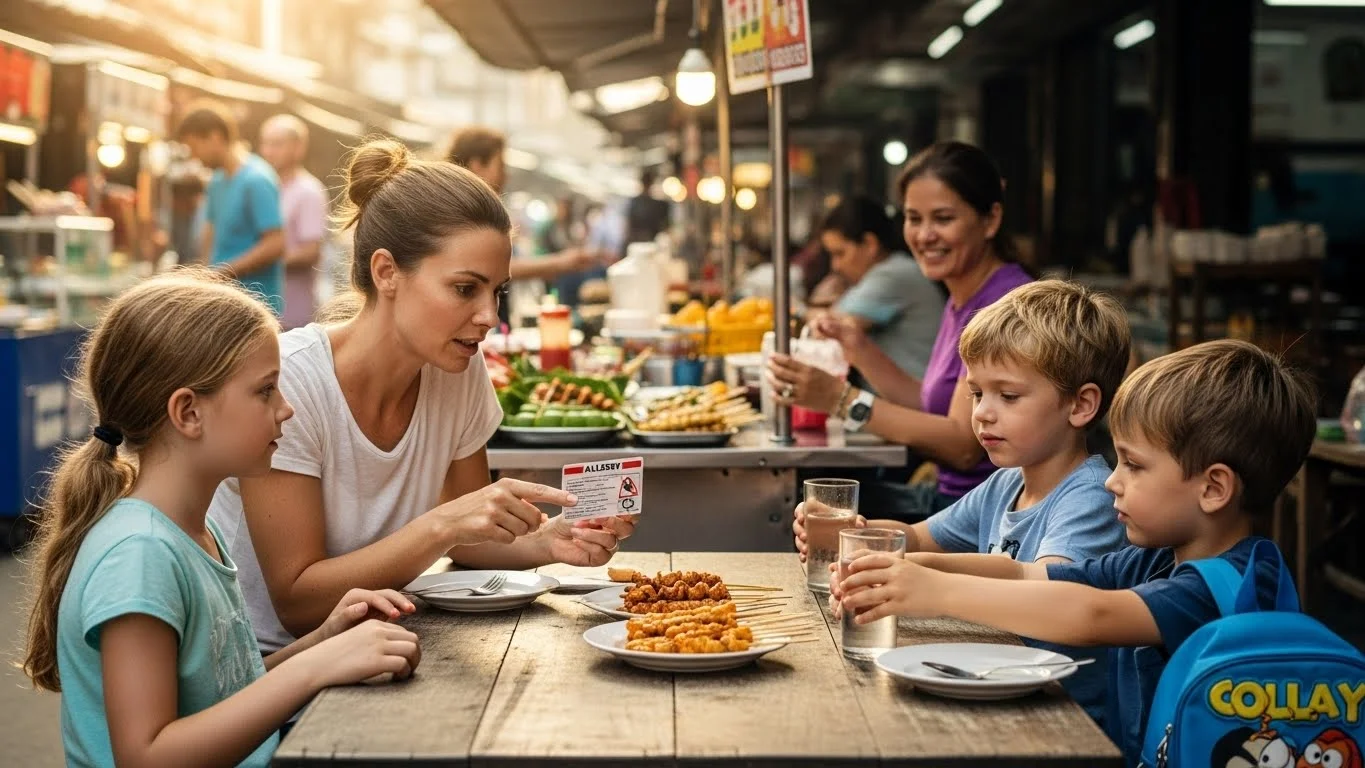
Language differences can be challenging, especially when it comes to food allergies. I’ve learned that having a translation card that lists my child’s allergies in the local language can be a lifesaver. Before our travels, I create a card that explains the allergies clearly. This way, I can easily show it to restaurant staff. I remember a time in France when the server didn’t speak much English, but my card helped bridge the gap. It made me feel so much more at ease knowing I had a way to communicate my child’s needs.
Frequently Asked Questions
1. What are the most common food allergies among children?
The most common food allergies among children include milk, eggs, peanuts, tree nuts, soy, wheat, fish, and shellfish.
2. What symptoms should I look for in case of a food allergy reaction?
Common symptoms of food allergies can range from mild to severe and include hives, stomach pain, difficulty breathing, and swelling in the face or throat.
3. How can I manage food allergies while traveling?
To manage food allergies while traveling, it’s crucial to conduct thorough research, communicate allergies effectively, and have a plan in place to ensure food safety.
4. What budget travel tips can help families with allergy-prone kids?
Setting a clear budget for food and accommodation, researching allergy-friendly destinations, finding affordable allergy-friendly restaurants, and utilizing local markets for safe food options are effective budget travel tips.
5. Why is consulting with a pediatrician important before traveling?
Consulting with a pediatrician is important before traveling to receive guidance on managing allergies, especially if the destination may expose the child to different allergens.
6. What should be included in an allergy action plan?
An allergy action plan should outline what to do in case of an allergic reaction, including symptoms to watch for and specific steps to take if a reaction occurs.
7. How can I ensure food safety when choosing accommodations?
When choosing accommodations, look for places with kitchen facilities for meal preparation, research hotel dining options, and prioritize spaces known for being allergy-friendly.
8. What strategies can enhance safe eating practices while dining out?
Strategies include clearly communicating allergies to restaurant staff, thoroughly reading food labels and ingredient lists, and using allergy apps to locate safe dining options.
9. How should I prepare when traveling to different destinations with food allergies?
Prepare by researching food policies, understanding local cuisine, and creating a translation card that lists allergies in the local language to communicate effectively with restaurant staff.
10. What are some considerations for international travel with food allergies?
When traveling internationally, it’s important to research local cuisines, identify potential allergens, and utilize resources like expat forums or food allergy groups for tips specific to the location.