
Exploring the world with our kids while teaching them a new language is an adventure like no other. Budget travel can turn this dream into reality, making it fun and educational for the whole family. Read Interesting article: Traveling Abroad: Encourage Bilingualism in Your Toddler
Understanding Bilingualism and Its Benefits for Kids
What is Bilingualism?
Bilingualism is the ability to use two languages proficiently. For many families, this means children learn a second language at home or through school, but it can also be cultivated through immersive experiences, such as travel. I’ve often thought about how my own journey with languages began, not just in a classroom but also through the people I met and the places I visited. Bilingualism isn’t just about knowing two languages; it’s about embracing different cultures, perspectives, and ways of communicating.
The Cognitive Advantages of Being Bilingual
Research shows that bilingual children often perform better in tasks that require multitasking and problem-solving. I remember reading studies that suggested bilinguals have enhanced cognitive flexibility, which allows them to switch between tasks more easily. My kids, who have been exposed to both English and Spanish, tend to think outside the box. They’ve shown creativity in how they express ideas and are better at understanding different viewpoints. I believe that these skills can set them up for success in a globalized world.
How Travel Enhances Language Learning
Travel provides a unique opportunity for kids to immerse themselves in a language. When we traveled to Mexico last summer, my children picked up Spanish phrases quickly, not just from books or apps but from real conversations with locals. I found that the excitement of ordering tacos or asking for directions in Spanish made the language come alive for them. This hands-on experience fosters confidence and encourages them to practice language skills in a meaningful way, rather than just rote memorization. I think travel is one of the best classrooms for language learning.
Budget Travel: Making It Accessible for Families
Choosing Affordable Destinations for Family Travel
Finding budget-friendly travel destinations can feel overwhelming, but with a little research, it’s entirely possible. I’ve discovered that some countries not only offer affordable travel options but also rich cultural experiences that support language learning. For us, Mexico was a gem. The cost of living is lower, which meant we could enjoy local cuisine and activities without breaking the bank. I’ve also found that looking for destinations where the exchange rate is favorable can help stretch our budget even further, allowing us to invest more in experiences rather than just flights and hotels. Read Interesting article: Budget Backpacking with Bilingual Toddlers: A Guide
Budget-Friendly Accommodation Options
When traveling as a family, accommodation can be one of the biggest expenses. I’ve learned that opting for vacation rentals or hostels can save a significant amount of money compared to hotels. Websites like Airbnb or Vrbo often have family-friendly options that come with kitchens, which allow us to prepare meals and save on dining out. This not only cuts costs but also provides opportunities to practice cooking local dishes together. I remember the joy of preparing a traditional meal with my kids while discussing the ingredients in both languages—it was a truly enriching experience.
Traveling Off-Peak: When to Go
Traveling during off-peak times is another way to save money. I’ve noticed that flights and accommodations can be significantly cheaper during less popular travel seasons. For instance, we traveled to Spain in late fall when the crowds were smaller and prices were lower. This not only made our trip more affordable but also allowed us to engage more with the local culture. I recommend checking local calendars for festivals or events that might enhance your language experience and planning accordingly.
Finding Cheap Flights and Transportation
When it comes to budgeting, finding cheap flights can be a game changer. I’ve found tools like Google Flights and Skyscanner incredibly helpful for comparing prices across different airlines. Setting up alerts for price drops has saved us quite a bit over the years. Additionally, once we arrive at our destination, I’ve discovered that using public transportation can be a fantastic way to explore and practice the language. Navigating the subway in Mexico City with my kids while asking for directions has provided them with invaluable practice without feeling like a chore.
Incorporating Language Learning into Travel Adventures
Choosing Destinations with a Language Focus
When we plan our family trips, I always look for destinations that not only promise adventure but also enrich our language skills. I’ve come to realize that some locations are more than just beautiful; they are vibrant language hubs. For instance, if you’re focusing on French, cities like Montreal are fantastic. The mix of cultures makes it easy to practice both French and English. On one of our trips there, my kids conversed with street performers in French, and I could see their confidence grow with every exchange. It’s fascinating how language and culture intertwine, and I love finding places where we can dive deep into both. Read Interesting article: Top 5 Destinations for Bilingual Toddler Adventures
Activities That Encourage Language Use
In my experience, the best way to learn a language is to use it in context. We try to incorporate activities that naturally encourage speaking and listening. One memorable experience for us was a cooking class in Italy, where we learned to make pasta while chatting in Italian. Not only did we get to enjoy a delicious meal, but my kids also picked up vocabulary related to food and cooking. I believe these hands-on experiences make language learning feel less daunting and more like a fun challenge.
Local Markets and Shopping
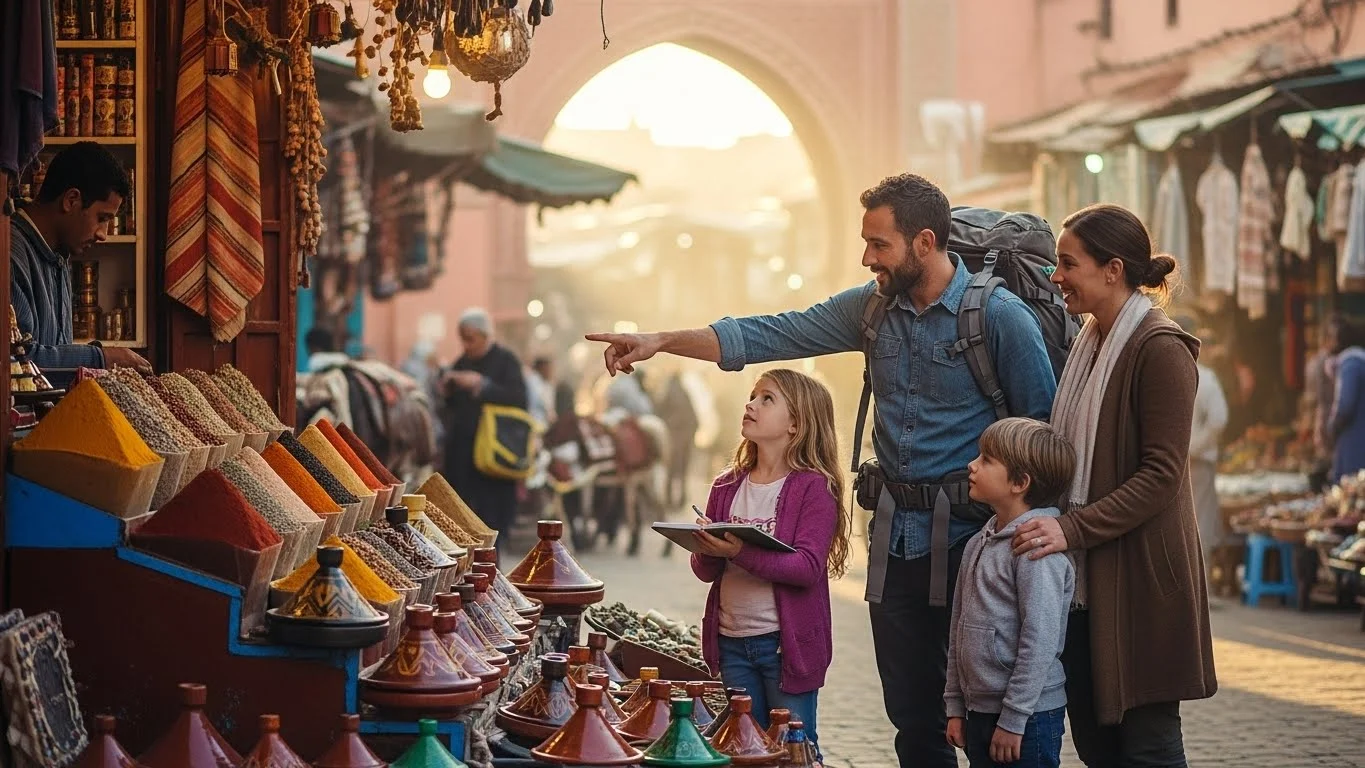
Visiting local markets is another fantastic way to practice a language. I remember wandering through a bustling market in Mexico City, where my kids eagerly negotiated prices for fresh fruit in Spanish. It wasn’t just about buying things; it was about engaging with the vendors, learning the names of fruits, and even picking up local slang. The thrill of communicating with locals over shared smiles and laughter made their language skills come alive. I encourage families to set aside a few hours on their trips to explore local markets; it’s both educational and incredibly enjoyable.
Community Events and Festivals
Attending community events or festivals can serve as a unique immersion experience. I still think about the time we stumbled upon a local festival in a small town in Spain. The lively music, dances, and local traditions swept us in. My children were able to converse with other kids, learn about the customs, and even join in on the festivities. These events often provide a rich context for language use, and they allow us to engage with the culture on a deeper level than typical tourist attractions. I believe that participating in such events can leave lasting memories and a greater appreciation for the language.
Engaging with Locals: Tips for Interaction
Interacting with locals can be intimidating, especially for kids who might feel shy about speaking a new language. I’ve found that encouraging my children to ask simple questions can break the ice. For example, while in a café in France, I prompted my son to ask the waiter about his favorite pastry. The look of pride on his face when the waiter responded in French was priceless. I believe that these small interactions can build their confidence and inspire them to engage more in the future.
Another tip I often share is to practice active listening. When we were in Peru, my daughter once overheard a group of children speaking Spanish and couldn’t help but join in. She listened first and then asked questions, which sparked a delightful conversation. I think this approach not only improves language skills but also teaches kids the importance of communication and connection.
Lastly, I recommend using visual aids to make conversations easier. Pointing at items in a store and asking their names in the local language can turn a simple shopping trip into a learning opportunity. We’ve often taken pictures of signs or menus that sparked curiosity, discussing them later in our travel journal. This method has made language learning feel more interactive and engaging for my kids.
Top Budget-Friendly Destinations for Bilingual Learning
Mexico: Immersive Spanish Experiences
Mexico has a special place in my heart when it comes to bilingual learning. Not only is it rich in culture and history, but it’s also incredibly affordable for families. I remember our trip to Oaxaca, where the vibrant markets and colorful streets provided countless opportunities for my kids to practice Spanish. From ordering street food to bargaining for souvenirs, they were engaged in real conversations every day. The local people were always friendly and encouraging, which made the experience even better. I feel that immersing ourselves in such a language-rich environment helped my kids grasp the nuances of Spanish much faster than they would have in a traditional classroom setting.
Canada: French and English Practices
Canada is another fantastic destination for families looking to enhance language skills, especially in French and English. On one of our trips to Montreal, we were surprised at how easily my kids switched between both languages. The blend of cultures created a unique atmosphere that sparked their curiosity. We explored the city’s historic areas, engaged with street artists, and enjoyed delicious food—all while practicing our language skills. I think it’s incredible how bilingualism is part of the fabric of Canadian life, and my children learned to embrace both languages naturally rather than as separate entities.
Spain: Affordable Language Immersion
Spain is another incredible option for immersive language learning. We visited Barcelona and found it to be budget-friendly with plenty to see and do. I remember taking my kids to local tapas bars where they ordered their meals in Spanish. The joy on their faces when they successfully communicated with the staff was priceless. Plus, the lower cost of living meant we could enjoy activities like visiting museums and parks without worrying too much about our budget. Embracing the local culture through language truly deepened our appreciation for Spain and made the experience unforgettable.
Latin America: Diverse Spanish Dialects
Every country in Latin America offers its own flavor of Spanish, making it an exciting region for language learners. For us, traveling to places like Colombia and Peru exposed my kids to different accents and slang. In Colombia, for example, my children loved learning how to say “hello” and “thank you” in multiple ways based on the region we were in. I recommend picking a few countries to visit in Latin America, as each one has unique cultural experiences that can greatly enhance language learning. We discovered that interacting with locals in various countries not only improved our Spanish but also taught us about the rich histories and identities of each nation.
Europe: Multilingual Exposure in Major Cities
Traveling to major cities in Europe can provide a multilingual experience like no other. I remember when we visited Brussels, where we encountered a mix of French, Dutch, and English. My kids were amazed at how many languages they heard while walking through the city. We took part in local activities, such as cooking classes and walking tours, where they had to use different languages to communicate. This exposure really opened their minds to the idea that language is fluid and dynamic. In Europe, it’s easy to hop from one country to another, allowing for a diverse experience that can benefit bilingual learning immensely.
As I reflect on our travels and the adventures we’ve had, I can’t help but think about how each destination opened up a new world for my kids—and for me. Each language, culture, and experience added layers to their understanding of the world, making the journey worthwhile. I truly believe that these adventures have equipped them with the skills and confidence they need to thrive in an interconnected world.
Creative Ways to Teach Languages While Traveling
Language Games and Apps for Kids
In my travels, I’ve discovered that incorporating language games can transform learning into an enjoyable experience for my kids. Before our trips, we often download apps that focus on vocabulary and pronunciation. For instance, Duolingo has been a favorite of ours. I remember sitting in a café in Mexico, where my kids took turns challenging each other to see who could complete the most lessons before our food arrived. It sparked conversations about the words they were learning, and I noticed their enthusiasm grow with every little victory. Language games can be a fun way to reinforce what they learn during our adventures without feeling like traditional studying.
Using Travel Journals to Practice Writing
One of my favorite practices is encouraging my kids to keep travel journals. Each evening, we sit down together and reflect on our day. I ask them to write about their experiences in the local language. At first, they were hesitant, but I assured them that mistakes are part of learning. I remember my daughter writing about her experience ordering food in Spanish. She was so proud to include the new phrases she learned. This not only helps them practice writing but also allows them to process their experiences more deeply. Plus, it’s fun to look back at these journals and see how their language skills have evolved over time.
Storytelling and Cultural Exchange with Locals
Engaging in storytelling with locals has been one of the most enriching experiences for my kids. On our travels, we’ve often met families who are eager to share their stories, and I’ve encouraged my children to ask questions. I remember a time in a small village in Italy when we listened to a local elder recount tales of the region’s history. My kids were captivated, and they asked questions in Italian, which sparked a lively dialogue. This kind of cultural exchange not only builds language skills but also fosters a deeper understanding of the people and places we visit. I believe that through storytelling, my children learn to appreciate the nuances of language and the richness of the cultures behind them.
Safety and Health Considerations for Family Travel
Travel Insurance for Families
When planning our family trips, one of my top priorities is ensuring we have travel insurance. I’ve learned from past experiences that unexpected events can happen, and having insurance gives us peace of mind. We’ve encountered minor illnesses, flight cancellations, and even a lost suitcase on one of our adventures. Knowing that we have coverage allows us to focus on enjoying our time together without the constant worry of what could go wrong. I recommend researching policies that specifically cater to families, as they often offer tailored coverage options.
Health Precautions for Kids While Traveling
Keeping my kids healthy while traveling is crucial. Before we embark on any journey, I make sure to check if there are any vaccinations or health precautions needed for our destination. I remember our trip to Southeast Asia, where we consulted with a travel clinic for advice on necessary vaccines. Additionally, I always pack a basic first-aid kit and ensure that my kids know the importance of washing their hands frequently, especially before meals. I feel that being proactive about health allows us to enjoy our adventures to the fullest without unnecessary worries.
Safety Tips for Navigating New Environments
As a family, we often discuss safety before heading out in a new city. I think it’s important to establish some ground rules, like staying close together, being aware of our surroundings, and knowing what to do in case of emergencies. I’ve found that involving my kids in these discussions empowers them to feel more at ease in unfamiliar places. For example, during our trip to Barcelona, we picked a meeting point in case anyone got lost. Just knowing we had a plan made exploring the busy streets much less intimidating for them. I believe that teaching kids about safety not only keeps them secure but also boosts their confidence as they navigate new environments.
Budgeting for Family Travel: Making It Work
Setting a Family Travel Budget
Budgeting for our family adventures has become a family affair. I involve my kids in the planning process, and together, we set a realistic travel budget. We discuss costs for transportation, accommodations, food, and activities, and allocate funds accordingly. This not only helps us stay on track financially, but it also teaches my kids valuable lessons about money management. During our last trip, we even created a visual chart to track our spending, which made it engaging for them. I truly believe that these budgeting discussions pave the way for responsible financial habits later in life.
Saving Money on Food and Activities
Food can often be one of the biggest expenses while traveling, so we’ve learned to be strategic. I love exploring local markets and street food options, which are usually both delicious and affordable. I remember trying out various street food stalls in Mexico, where we enjoyed authentic tacos at a fraction of the price of restaurant dining. Additionally, I look for free or low-cost activities, like visiting parks, museums on free admission days, or local festivals. It’s amazing how many enriching experiences we can find without spending a lot. I encourage families to seek out these opportunities to stretch their travel budgets while still experiencing the local culture.
Creating a Travel Fund with Kids
To make our travel dreams a reality, we created a family travel fund. My kids contribute their allowance or money they earn from chores, which makes them feel involved in the planning process. We also set specific savings goals for upcoming trips, like a family vacation to Costa Rica. It’s inspiring for them to see how their contributions add up over time, and it motivates them to save more. I’ve found that this not only helps us financially but also instills a sense of responsibility and excitement about our adventures.
Resources for Planning Budget Travel and Language Learning
Online Language Learning Platforms
There are countless online resources available now that make language learning accessible for families. Platforms like Babbel and Rosetta Stone offer engaging courses tailored for kids and beginners. I often encourage my children to explore these resources before our trips, so they have a foundational understanding of the language. It’s fascinating to see how much they can learn in a short time, and it helps them feel more prepared when we arrive at our destination.
Travel Blogs and Forums for Family Travelers
Travel blogs have been a treasure trove of information for us. I often turn to family travel blogs to find tips, recommendations, and destination insights. I remember discovering a blog that focused on budget-friendly travel with kids, which inspired our trip to Portugal. Forums like TripAdvisor also provide a platform for families to share their experiences and advice. These resources have not only guided our planning but have also connected us with a broader community of like-minded families.
Books and Materials for Language Learning
Finally, I believe in the power of books for language learning. We often visit our local library to check out children’s books in the target language. It’s a great way to introduce them to a new culture and language through stories. I also love finding bilingual books, which can help bridge the gap as they learn. Having these materials on hand makes language learning feel more natural and integrated into our daily lives.
Final Thoughts
Reflecting on our journey of exploring the world while enriching my children’s language skills, I can’t help but feel grateful for the experiences we’ve shared. Every destination has offered new lessons, not just in language but in culture, empathy, and resilience. I believe that by traveling together, we have built a stronger family bond and an appreciation for diversity. The ability to communicate in different languages has not only enhanced our travels but also opened doors to friendships and connections around the globe. Each adventure has taught us something valuable, and I look forward to seeing where our next journey will lead us. I encourage every family to embrace the world as their classroom and to cherish the moments spent learning and growing together.
Frequently Asked Questions
What is bilingualism?
Bilingualism is the ability to use two languages proficiently. It involves embracing different cultures, perspectives, and ways of communicating, often learned at home or through immersive experiences like travel.
What cognitive advantages do bilingual children have?
Research shows that bilingual children often perform better in multitasking and problem-solving tasks. They exhibit enhanced cognitive flexibility, creativity, and a better understanding of different viewpoints, which can help them succeed in a globalized world.
How does travel enhance language learning for kids?
Travel provides immersive experiences where children can practice a language in real-life situations. Engaging with locals fosters confidence and helps them learn phrases quickly, making the language come alive beyond rote memorization.
What are some budget-friendly travel tips for families?
Families can save money by choosing affordable destinations, opting for vacation rentals or hostels, traveling during off-peak times, and finding cheap flights through tools like Google Flights and Skyscanner.
What activities can encourage language use while traveling?
Activities such as cooking classes, visiting local markets, and participating in community events or festivals encourage language use in context, allowing children to practice speaking and listening in real scenarios.
What are some top budget-friendly destinations for bilingual learning?
Top destinations include Mexico for immersive Spanish experiences, Canada for French and English practices, Spain for affordable language immersion, and various Latin American countries for diverse Spanish dialects.
How can families incorporate language learning games during travel?
Families can download language learning apps like Duolingo before trips and engage in language games that make learning fun. This approach can reinforce vocabulary and pronunciation during travel adventures.
What safety considerations should families keep in mind while traveling?
Families should prioritize travel insurance, ensure necessary health precautions are taken, and discuss safety rules with children to empower them and keep them secure in unfamiliar environments.
How can families set a travel budget?
Involving children in the budgeting process helps set a realistic travel budget. Discussing costs for transportation, accommodations, food, and activities teaches valuable money management skills.
What resources are available for planning budget travel and language learning?
Families can utilize online language learning platforms like Babbel and Rosetta Stone, travel blogs for tips and recommendations, and children’s books in the target language to enhance their learning experience.