
Building self-discipline in kids can feel like a daunting task, but daily chores can be a powerful tool. Through simple responsibilities, we can help children develop skills that last a lifetime. Read Interesting article: How to Set Boundaries for Lasting Self-Discipline
Understanding Self-Discipline in Children
Definition of Self-Discipline
Self-discipline, in my experience, is about teaching children to control their impulses and make choices that align with their goals. It’s not just about following rules; it’s about understanding the value of hard work and persistence. I’ve noticed that when children can delay gratification, they are more equipped to face challenges and achieve their aspirations. This ability to manage their actions and emotions is a vital part of growing up and is something I strive to instill in my own kids.
The Importance of Self-Discipline in Childhood
When I think about the importance of self-discipline, I remember how it shaped my own childhood. I had chores to do, and while I initially resisted them, I later realized they were a significant part of my development. Self-discipline helps children establish routines and learn responsibility. It sets the foundation for good habits, fosters resilience, and encourages a sense of accomplishment. Watching my kids finish a task, no matter how small, fills me with pride and reminds me of the importance of these lessons.
How Self-Discipline Affects Future Success
Looking back, I can clearly see how self-discipline influenced my own path. Research supports the idea that the skills we cultivate in childhood can lead to future success in both personal and professional lives. Children who are self-disciplined tend to perform better academically and are more likely to pursue their goals with determination. I’ve seen this in the kids around me who manage their time wisely, complete their homework, and take initiative. This connection between self-discipline and success reinforces my belief that we are helping our children prepare for their futures through daily responsibilities.
The Role of Daily Chores in Building Self-Discipline
What Are Daily Chores?
Daily chores are simply tasks that need to be completed regularly around the house. They can range from making the bed to washing dishes or taking out the trash. I remember as a kid dreading chores, but now I see them as essential life skills. Incorporating chores into our daily routines provides structure and teaches kids the importance of contributing to the family. It’s not just about keeping the house tidy; it’s about creating a sense of belonging and teamwork within our homes.
The Connection Between Chores and Responsibility
When I started giving my kids chores, I noticed a shift in their attitudes. They began to understand that their contributions mattered. Chores foster a sense of responsibility that is crucial in growing up. By completing tasks, children learn that they have a role in their family and that their actions have consequences. This understanding cultivates accountability, and I’ve found that when my kids own their responsibilities, they take pride in their work. It’s a beautiful thing to witness.
Benefits of Chores for Developing Self-Discipline
Engaging in chores has numerous benefits that go beyond just having a clean home. From my perspective, one of the most significant advantages is the development of time management skills. When my kids have chores to complete, they learn to prioritize tasks, which is a skill that will serve them well in school and later in life. Additionally, chores help build perseverance and resilience; I’ve seen my kids struggle with a task but push through to finish it. This determination is a core aspect of self-discipline. Moreover, doing chores together can strengthen our family bonds. I cherish the moments we spend working side by side, and I believe that teamwork fosters a sense of unity that is invaluable in our relationships. Read Interesting article: Boost Your Self-Discipline: Positive Reinforcement Tips
Types of Chores Suitable for Different Age Groups
Chores for Toddlers (Ages 2-4)
When I think about toddlers and chores, I remember how eager my little ones were to help, even if they didn’t quite understand what they were doing. For this age group, chores should be simple and fun. Tasks like picking up toys, putting books on a shelf, or wiping spills with a damp cloth can be great starting points. I found that turning chores into a game made them more appealing. For instance, we would sing a song while cleaning up, which not only made the task enjoyable but also helped my toddlers feel like they were contributing to the family. It’s amazing how proud they were to show off their ‘clean’ room, even if it was just a small part of it!
Chores for Preschoolers (Ages 4-5)
As kids transition to preschool age, they can take on a bit more responsibility. I remember how my son loved to help set the table or sort laundry by colors. These tasks not only kept them engaged but also taught them important skills. At this age, I recommend chores like dusting low furniture, sorting silverware, or feeding pets. Each chore is a little lesson in responsibility and teamwork. I noticed that my daughter, for example, took delight in helping with snack preparation. It was a great way for her to feel involved, and it sparked her interest in cooking, which we still enjoy together today.
Chores for Early Elementary (Ages 6-8)
Once they hit early elementary school, kids are ready for more structured chores. I remember giving my kids a mix of daily and weekly tasks, like making their beds, vacuuming, or helping with grocery shopping. These chores introduced a sense of routine that I believe helped them feel more secure. They also learned about planning and time management; for instance, if they wanted to play with friends after school, they knew their chores had to be done first. I often sat down with them to create a chore chart, which made it easier for them to see what needed to be done and check off tasks as they finished them. This visual representation gave them a sense of accomplishment that I cherished watching unfold.
Chores for Tweens (Ages 9-12)
Tweens are at a perfect age to take on even greater responsibilities. I noticed that my kids enjoyed the independence that came with chores during this stage. Tasks like doing their own laundry, preparing simple meals, or even cleaning their bathrooms became part of their routine. At this age, I felt it was essential to engage them in discussions about why these chores were important—not just for the family but for their own development. I often emphasized that learning these skills was part of growing up, which they understood and appreciated. It was also fascinating to see how they began to take pride in their work, especially when they invited friends over and showcased their clean spaces!
Chores for Teenagers (Ages 13-18)
Teenagers can often handle a full range of household responsibilities. I’ve seen my own kids thrive when given the freedom to manage their chores. At this age, they might take on more complex tasks, like grocery shopping, cooking meals for the family, or even budgeting for their own expenses. I’ve found that engaging them in conversations about these chores can be enlightening. We often discuss how these skills will help them when they leave home, whether for college or a job. It’s also a great way for them to learn about time management, as they juggle schoolwork and social lives. I remember having one of those heart-to-heart talks with my daughter about how cooking is not only a chore but also a vital life skill. It was empowering for her to realize that she could create meals for herself and others!
Effective Strategies for Implementing Chores
Creating a Chore Chart
One of the most effective strategies I’ve found for implementing chores is creating a chore chart. I remember sitting down with my kids to design one together. We used colorful markers and stickers to make it visually appealing. This chart not only lists their tasks but also serves as a visual reminder of what needs to be done. Each time they finish a chore, they get to check it off, which gives them a sense of accomplishment. I’ve seen how this small act can dramatically boost their motivation and excitement about helping around the house. Plus, it creates a bit of friendly competition between my kids to see who can complete their chores first!
Setting Clear Expectations
Setting clear expectations has been crucial in my experience. I’ve learned that kids thrive when they know exactly what is expected of them. When I assign chores, I make sure to explain not only what needs to be done but also how to do it. For example, when I first asked my daughter to clean her room, I took the time to walk her through the process, from making the bed to organizing her toys. This clarity helps avoid confusion and frustration. I’ve found that when they understand what’s required, they are much more likely to complete their chores without a fuss.
Incorporating Rewards and Consequences
In my family, we’ve found that incorporating a system of rewards and consequences can be quite effective. When my kids complete their chores consistently, I like to reward them with small incentives, like extra playtime or a fun family outing. This positive reinforcement encourages them to stay on track and makes completing chores feel more rewarding. On the flip side, we discuss the natural consequences of not completing chores as well. I remember a time when my son didn’t do his laundry, and he had to wear mismatched socks to school the next day. It was a learning experience for him, and rather than scolding him, I just pointed out the situation. This balancing act of rewards and consequences helps them understand the importance of their responsibilities in a way that feels fair and logical. Read Interesting article: Setting Boundaries: Key to Building Self-Discipline
Making Chores Fun and Engaging
Making chores fun has been a game-changer for us. I’ve discovered that turning chores into games or challenges can transform the atmosphere in our home. For instance, we sometimes have a “speed clean” competition where we race to see who can pick up the most toys in five minutes. I’ve noticed that my kids laugh, bond, and actually enjoy the process. Music can also play a huge role—turning on our favorite playlist while we clean can make all the difference. I remember one Saturday morning when we danced around the living room while putting away laundry; it turned a mundane task into a memorable family moment. These creative approaches not only get the chores done but also foster teamwork and joy in our home.
Overcoming Common Challenges
Resistance to Chores
Resistance to chores is something I’ve faced time and again. I remember my kids would often protest when it was time to clean up or do their tasks. One strategy that worked well for us was to involve them in the decision-making process. I would sit down with them and ask what chores they would like to take on or how they think they could contribute. This empowerment made them feel more in control and less likely to resist. I’ve found that when children have a say in their responsibilities, they are much more willing to take ownership of their tasks.
Scheduling Conflicts
Managing scheduling conflicts can also be tricky, especially with busy lives filled with school, extracurricular activities, and family commitments. I’ve learned that having a family meeting to discuss everyone’s schedules can be really helpful. This way, we can plan chores around our busy days. For example, if my kids have a soccer game on Wednesday, we make sure to allocate lighter chores that day. We also try to prioritize chores that fit into the natural flow of our day, like sweeping after dinner or doing a quick tidy-up before family movie night. Finding that balance has made a positive impact on how we approach chores.
Maintaining Consistency
Maintaining consistency with chores is a challenge I’ve encountered, too. There are days when life gets chaotic, and it’s easy to let chores slide. I’ve found that setting a routine helps immensely. We’ve established a “chores first” rule before screen time, which encourages my kids to complete their tasks before diving into video games or TV. I’ve noticed that having this routine has led to fewer arguments about chores and has instilled a sense of discipline that my kids have begun to embrace.
Dealing with Mistakes and Messes
Eventually, mistakes and messes happen, and I’ve learned that how we respond is key. Instead of getting frustrated when my kids didn’t do a chore correctly, I try to approach it as a teaching moment. For instance, if my son missed a spot while cleaning the kitchen, I would gently point it out and show him how to do it properly. I’ve found that reinforcing the idea that mistakes are part of learning helps them feel safe and encouraged to keep trying. This approach fosters a growth mindset and reinforces that self-discipline is a journey, not a destination.
The Long-Term Impact of Chores on Self-Discipline
Building a Strong Work Ethic
As I reflect on my own experiences, I realize how chores have played a crucial role in developing a strong work ethic in my children. When they commit to regular tasks, they begin to understand that hard work is essential to achieving goals. I’ve seen that when my kids complete their chores, they take pride in their contributions, reinforcing the idea that effort leads to accomplishment. This mindset is not just about the tasks at hand; it extends into their schoolwork and hobbies. I remember one moment when my daughter struggled with a school project, and she applied the same persistence she had learned from chores. Watching her tackle challenges head-on reminded me of the invaluable lessons that come from these everyday responsibilities.
Preparing for Independence and Adulthood
One of the most rewarding aspects of encouraging chores is seeing how it prepares my kids for independence. I often think about what life will look like when they leave home, and I want them to feel equipped to handle it. When my son started doing his own laundry, I could see the wheels turning in his mind—he was taking charge of his life in a small but significant way. This sense of competence is incredibly empowering. As they grow older, chores evolve into vital life skills, from cooking to budgeting. I believe that these experiences will serve them well as they navigate adulthood, and it fills me with hope for their future.
Fostering Life Skills Beyond Chores
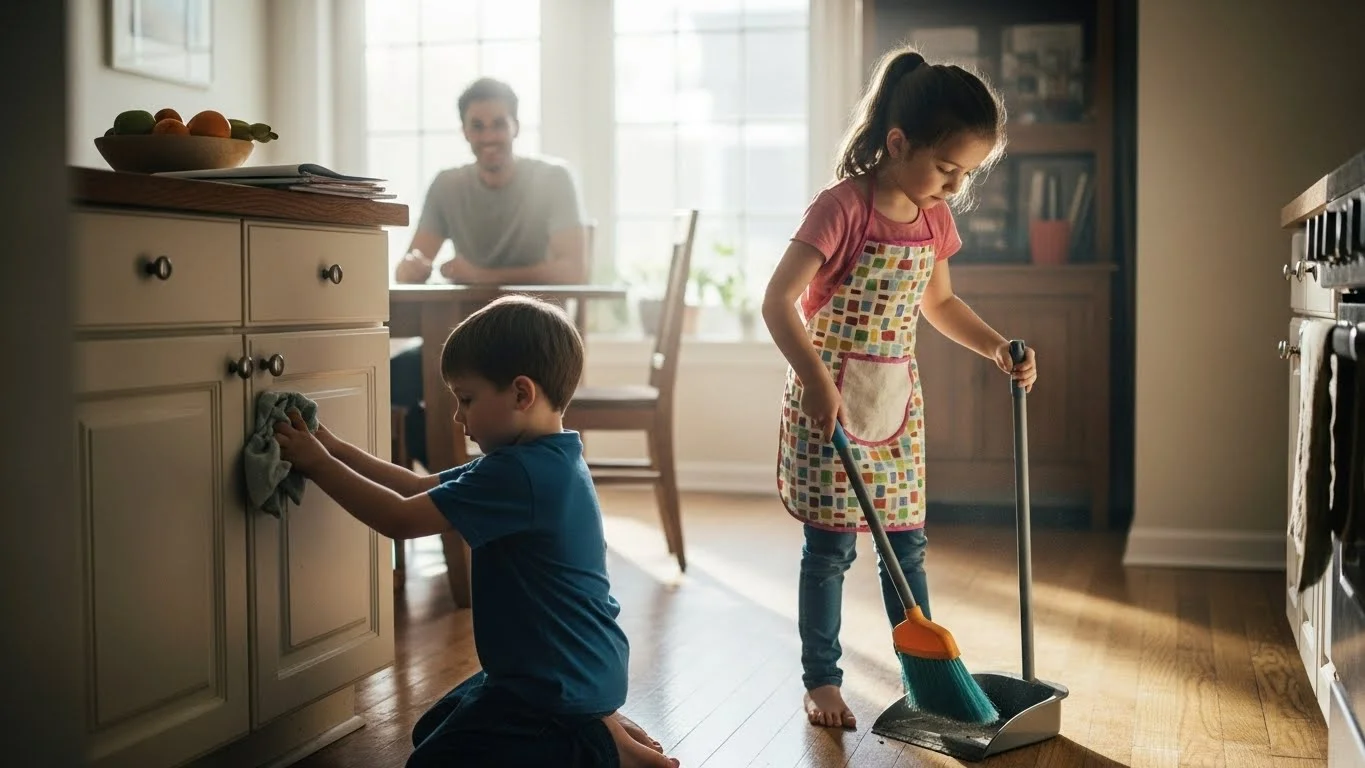
Doing chores goes beyond just completing tasks; it fosters a range of life skills that I cherish watching my children develop. For instance, while cleaning the kitchen, my kids learn about teamwork and collaboration, skills that will serve them in future relationships and careers. I’ve also noticed that chores teach problem-solving skills. When my daughter encounters a messy situation, she has to figure out the best way to tackle it. These moments are teaching opportunities that extend far beyond the chore itself. It’s a beautiful thing to witness how the lessons learned at home can prepare them for various challenges they will face in life.
Parental Involvement and Support
The Role of Parents in Encouraging Chores
As parents, I believe our involvement is crucial in encouraging kids to take on chores. I’ve found that when I actively participate in chores with my kids, it transforms the experience. Instead of them seeing chores as a burden, they view them as shared activities that strengthen our bond. We often work together on larger tasks, like cleaning the garage or organizing a closet. This collaborative approach not only makes chores more enjoyable but also shows them that we value their contributions. I think they appreciate the effort and feel more motivated to participate when they see us working alongside them.
Modeling Self-Discipline as a Parent
Modeling self-discipline is another essential aspect of fostering this trait in children. I strive to show my kids that I also have responsibilities and that I approach my tasks with commitment. Whether it’s maintaining the garden or completing work-related projects, I try to demonstrate that self-discipline is a lifelong journey. I remember a time when I had to finish a pressing deadline, and I involved my kids by explaining how I managed my time. This not only reinforced the importance of self-discipline but also allowed them to see it in action. I’ve learned that showing them the process can be just as beneficial as discussing it.
Communicating the Importance of Chores
Lastly, I find that communicating the importance of chores is vital. I often take the time to sit down with my kids and talk about why we all contribute to the household. I emphasize that chores are not just about keeping things tidy; they are about being responsible members of our family. Sharing anecdotes from my childhood about how chores benefited me helps make the concept more relatable. This dialogue allows my children to see the bigger picture and understand the value behind their contributions. I think when they grasp the “why” behind chores, they feel a stronger connection to their responsibilities.
Final Thoughts
Building self-discipline through daily chores is a journey that requires patience, creativity, and involvement. As we encourage our children to take on responsibilities, we help them develop essential life skills that will serve them well into adulthood. I’ve seen firsthand how these simple tasks can foster a sense of accomplishment, independence, and teamwork. Each chore completed is a building block toward a more disciplined and responsible individual. I truly believe that by investing in our children’s ability to manage their tasks, we are setting them up for success in every aspect of their lives. So, let’s embrace the power of chores and watch our kids grow into confident, capable adults.
Frequently Asked Questions
What is self-discipline in children?
Self-discipline in children is about teaching them to control their impulses and make choices that align with their goals. It involves understanding the value of hard work and persistence, which helps them manage their actions and emotions.
Why is self-discipline important in childhood?
Self-discipline is important in childhood as it helps establish routines, learn responsibility, and fosters resilience. It sets the foundation for good habits and encourages a sense of accomplishment, which can shape a child’s development.
How does self-discipline affect future success?
Self-discipline influences future success by helping children perform better academically and pursue their goals with determination. It cultivates skills that lead to success in personal and professional lives.
What are daily chores?
Daily chores are tasks that need to be completed regularly around the house, such as making the bed, washing dishes, or taking out the trash. They provide structure and teach children the importance of contributing to the family.
What is the connection between chores and responsibility?
Chores foster a sense of responsibility in children, teaching them that their contributions matter and that their actions have consequences. This understanding cultivates accountability and pride in their work.
What are some benefits of chores for developing self-discipline?
Engaging in chores helps develop time management skills, perseverance, and resilience. Chores also strengthen family bonds and provide opportunities for teamwork, which reinforces the concept of self-discipline.
What types of chores are suitable for toddlers?
For toddlers (ages 2-4), suitable chores include picking up toys, putting books on a shelf, or wiping spills with a damp cloth. These tasks should be simple and fun to encourage involvement.
How can parents effectively implement chores for their children?
Parents can effectively implement chores by creating a chore chart, setting clear expectations, incorporating rewards and consequences, and making chores fun and engaging through games or music.
What challenges might arise when assigning chores?
Common challenges include resistance to chores, scheduling conflicts, maintaining consistency, and dealing with mistakes. Strategies like involving children in decision-making and establishing routines can help overcome these challenges.
What long-term impacts can chores have on children?
Chores can build a strong work ethic, prepare children for independence and adulthood, and foster life skills such as teamwork and problem-solving, which are essential for navigating future challenges.