
Pregnancy is a beautiful journey, but it can come with a lot of confusing advice, especially when it comes to exercise. Let’s bust some myths and explore what pregnant women really need to know about staying active.
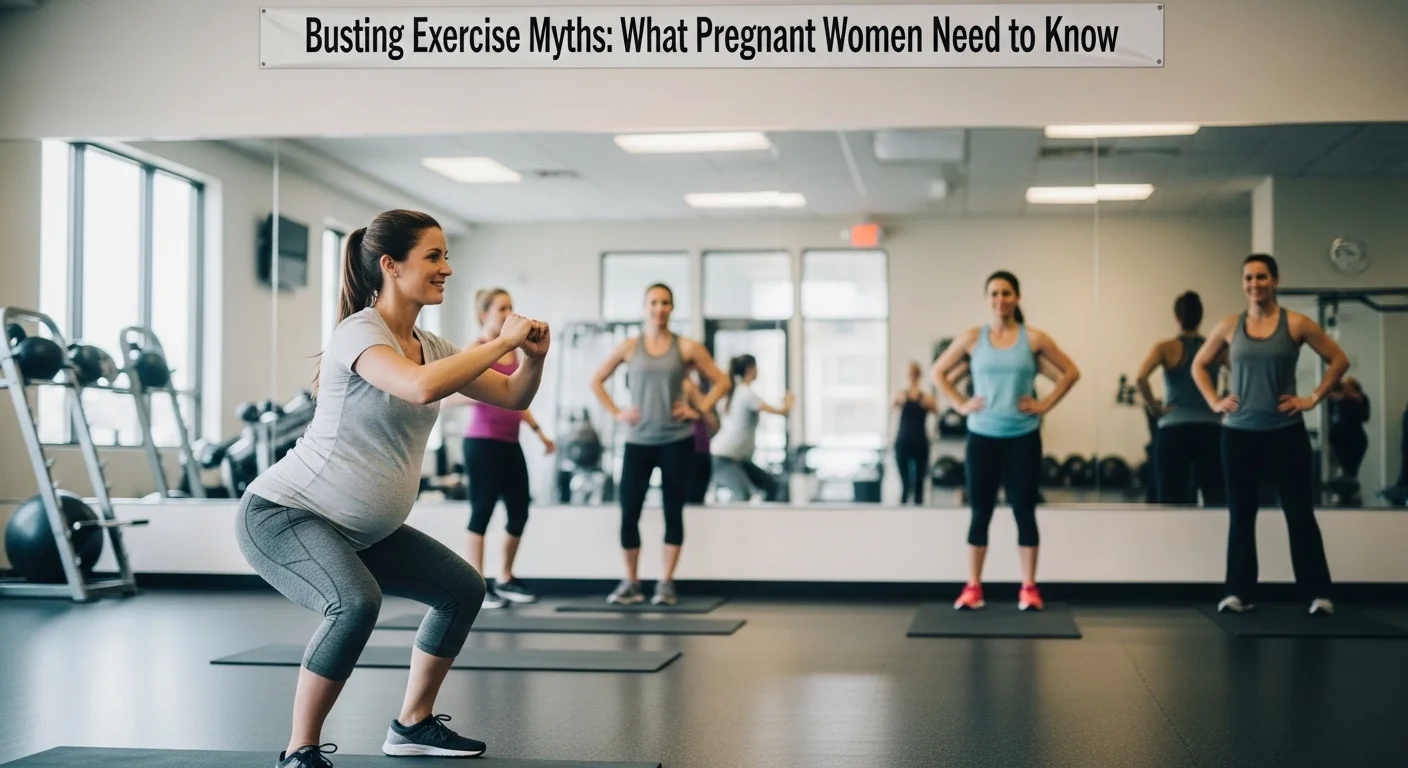
Understanding Exercise During Pregnancy
When I first found out I was pregnant, I was flooded with emotions, and soon after, a wave of questions about exercise hit me. I remember sitting down with my partner, discussing how I wanted to stay active throughout my pregnancy, yet I was overwhelmed by the conflicting information I came across. It was during this time that I learned how beneficial exercise can be, not just for my physical health but for my mental well-being too. Read Interesting article: Essential Facts to Dispel Pregnancy Nutrition Myths for Moms
The Benefits of Exercise for Pregnant Women
Engaging in regular exercise during pregnancy is one of the best gifts you can give yourself and your baby. I found that it helped me manage the physical changes my body was going through. Exercise can reduce discomfort and even alleviate common pregnancy ailments like back pain and fatigue. I felt more energetic, which was a welcomed change during those long days.
Moreover, studies indicate that exercise can lead to shorter labor times and a lower risk of complications like gestational diabetes. This was particularly encouraging for me, as I wanted to create the best possible environment for my baby. I also discovered that staying active can help improve mood and reduce anxiety, making my pregnancy a more enjoyable experience overall. Read Interesting article: Debunking Nutrition Myths: What Pregnant Women Really Need
In my experience, exercise also fosters a connection with your body and your growing baby. When I engaged in activities like yoga, I felt more in tune with my body, celebrating each milestone as my baby grew. Knowing that my little one was feeling those movements and rhythm brought such joy.
Common Concerns and Fears
Despite the benefits, I noticed many expectant mothers, including myself, had reservations about exercising while pregnant. The fear of harming the baby or experiencing complications loomed large. I remember one conversation with a friend who was worried that even a brisk walk might be too risky. In my case, I often felt anxious about whether I was doing enough or too much. Understanding these fears is essential, as they can prevent many from enjoying the benefits of exercise.
One common concern is the belief that any type of exercise might cause premature labor or complications. I felt this pressure, especially when hearing stories from well-meaning relatives who insisted that I should just rest. However, I learned that moderate exercise is generally safe for most pregnant women. It was about finding that balance and listening to my body.
Another concern I noticed often revolves around the type of exercise. Some women feel that high-impact activities are dangerous, while others worry that they might not be active enough if they stick to low-impact exercises. I faced this dilemma too—should I keep up my running routine, or switch to something gentler? It’s important to remember that every pregnancy is unique, and what works for one person may not work for another.
As I navigated my own fears, I realized that the key was to stay informed and consult with healthcare professionals. This drastically changed my outlook on exercise during pregnancy. I began to focus on the positive outcomes rather than the fears. I felt empowered knowing that I could take charge of my health while nurturing my baby.
In the coming sections, I will delve into some common myths about exercise during pregnancy that many women (including myself) have encountered. Busting these myths can help create a clearer picture of how to safely incorporate exercise into our lives during this transformative time.
Common Exercise Myths Debunked
Myth 1: Pregnant Women Should Avoid All Exercise
One of the most pervasive myths I encountered was the idea that pregnant women should completely avoid exercise. I remember hearing people say that pregnancy is a time to rest and take it easy. While I can understand the sentiment, I found that this myth can lead to unnecessary fears about staying active. In reality, moderate exercise is not only safe for most pregnant women, but it’s also highly beneficial. I personally engaged in various forms of exercise throughout my pregnancy, from walking to prenatal yoga. These activities helped me maintain my strength and agility, making me feel empowered rather than restricted. It’s crucial to recognize that staying active can actually support a healthier pregnancy, improve mood, and ease those aches and pains we often experience.Myth 2: High-Impact Exercise Is Dangerous
Another myth that had me nervous was the belief that high-impact exercises are dangerous during pregnancy. I used to be an avid runner, and the thought of giving it up was daunting. However, I learned that while some women may need to modify their routines or shift to lower-impact activities, others can safely maintain a higher level of intensity, depending on their fitness background and pregnancy progression. For me, it was all about listening to my body. I chose to switch to gentler workouts as my pregnancy progressed, but I didn’t feel like I was sacrificing my fitness. Instead, I was adapting, which made me appreciate the process even more. So, while high-impact exercises may not be suitable for everyone, the blanket statement that they’re inherently dangerous just isn’t true.Myth 3: You Can’t Start Exercising Once Pregnant
I often heard the notion that if you weren’t active before pregnancy, it was too late to start exercising once you were expecting. This myth made me feel like I missed the boat. However, I discovered that many women begin their fitness journey during pregnancy and reap the benefits of starting a new routine. I remember meeting several moms in my prenatal classes who had never exercised regularly before but found joy in starting gentle workouts. They felt invigorated and more connected to their bodies. If you’re thinking about starting an exercise routine during pregnancy, I encourage you to go for it! Just take it step by step and always listen to your body’s signals.Myth 4: All Forms of Exercise Are Safe
While it’s great to promote the benefits of exercise, I learned that not all forms of exercise are safe during pregnancy. Some activities, especially those with a high risk of falling or injury, should be avoided. I had to make some choices, like skipping my favorite rock climbing sessions, which I loved. My experience taught me that it’s essential to prioritize safety. Low-impact exercises are generally recommended, but it’s also important to consult with your healthcare provider about any specific activities you’re considering. Knowing what to avoid and what’s safe can help you enjoy exercise without unnecessary risks.Myth 5: Exercise Will Harm the Baby
This myth was perhaps the hardest one for me to shake off. I often worried that any kind of physical activity might harm my baby. I was pleasantly surprised to learn that, in most cases, exercise can actually benefit the baby, too! For instance, staying active can help with healthy weight gain and reduce the risk of complications. I felt a sense of relief when I understood that my body was designed to support both my health and my baby’s well-being. It’s all about finding the right balance. Engaging in safe exercises made me feel like I was nurturing my little one while also taking care of myself. With these myths debunked, I felt more empowered to incorporate exercise into my pregnancy routine. The next step was to understand how to exercise safely, based on guidelines and my body’s signals. That became my focus as I continued this incredible journey of motherhood.Safe Exercise Guidelines for Pregnant Women
Consulting with Healthcare Providers
Throughout my pregnancy, one of the best decisions I made was to consult with my healthcare provider before starting an exercise routine. It was reassuring to have a professional guide me based on my individual health and circumstances. I remember feeling a wave of relief when my doctor encouraged me to stay active, emphasizing that it was safe and beneficial for both me and my baby. I recommend reaching out to your healthcare provider if you’re unsure about where to start. They can help tailor a fitness plan that aligns with your needs and provide insight into any specific concerns. It’s also wise to ask questions about any underlying conditions or complications that may affect your exercise choices. This open line of communication can empower you to make informed decisions and feel more confident about staying active during your pregnancy.Understanding Your Body’s Signals
As I continued my journey through pregnancy, I became more attuned to my body and its signals. I quickly learned that exercising while pregnant isn’t just about sticking to a routine; it’s about listening to what your body is telling you. There were days when I felt energized and ready to take on a longer workout, and other days when just walking around the block felt like a stretch too far. Recognizing the difference between normal discomfort and pain was crucial for me. If I felt fatigued, dizzy, or experienced any unusual discomfort, I knew it was time to take a break or modify my exercise. I found that being flexible with my routine helped me stay active without overexerting myself. Trusting my instincts became a vital part of my experience, allowing me to enjoy exercise while keeping my baby safe.Recommended Types of Exercise
Embracing safe and enjoyable forms of exercise made a world of difference for me during pregnancy. Here are some activities I found particularly beneficial:Low-Impact Aerobics
Low-impact aerobics classes were a wonderful way to stay active while minimizing stress on my joints. I loved the upbeat music and the camaraderie of other expectant mothers. These classes not only kept my heart rate up but also provided a supportive environment where we shared our experiences. I felt uplifted after each session, knowing I was strengthening my body while connecting with other moms-to-be.Walking
Walking was my go-to exercise throughout my pregnancy. It was simple but effective. I enjoyed leisurely strolls around my neighborhood, and I even started exploring local parks. Walking allowed me to clear my mind and soak in the beauty of nature. I found that setting aside time for daily walks helped keep my spirits high and my energy levels balanced. Plus, it was a great way to bond with my partner, who often joined me for these outings.Swimming
Swimming turned out to be another favorite of mine. There’s something incredibly freeing about being in the water, especially as my belly grew. I recall how weightless I felt while swimming laps or just floating around. The buoyancy of water eased the pressure on my joints and back, providing relief from the aches that often accompanied pregnancy. If you have access to a local pool, I highly recommend giving it a try!Yoga and Pilates
Yoga and Pilates became essential parts of my routine as I sought out ways to connect my mind and body. These practices helped improve my flexibility and strengthen my core, which was particularly helpful as my body changed. I remember feeling grounded during sessions, especially when practicing deep-breathing techniques. Yoga helped me cultivate mindfulness and manage stress, which I truly appreciated as the due date approached. Embracing a variety of exercises kept my routine fresh and exciting. I loved discovering new activities and how each one contributed to my overall well-being. As I learned more about safe practices, I felt more empowered to enjoy this transformative journey without fear.Adapting Your Exercise Routine During Pregnancy
First Trimester Adjustments
During my first trimester, I remember feeling a mix of excitement and fatigue. The early days were filled with changes, and I quickly learned to adjust my exercise routine accordingly. I found that my energy levels fluctuated, and some days were better than others. It was important to listen to my body and adapt my workouts to match how I felt. I decided to focus on lighter activities like walking and gentle stretching. I also incorporated short bursts of exercise throughout my day rather than committing to longer sessions. For me, this helped keep me active without overwhelming myself. I also discovered that staying hydrated and taking breaks were essential during this time, especially when the fatigue hit hard.Second Trimester Modifications
As I transitioned into my second trimester, I noticed a surge in energy. It was like a switch flipped, and I felt more motivated to engage in my exercise routine. I gradually increased the intensity and duration of my workouts, but I still kept things low-impact. It was during this phase that I became more confident in my body’s abilities, celebrating the changes that came with my growing belly. I continued with walking, but I also added in prenatal yoga classes. These classes felt like a safe haven, allowing me to connect with my baby and other expectant mothers. I learned valuable breathing techniques and gentle movements that helped ease the aches and pains associated with my expanding body. Listening to my body remained crucial, and if something didn’t feel right, I wouldn’t hesitate to modify or skip it altogether.Third Trimester Considerations
As I approached my third trimester, I focused on maintaining flexibility and strength while prioritizing comfort. I often felt like I was carrying a bowling ball, so I opted for exercises that were gentle and low-impact. Swimming became my go-to activity during this phase; the buoyancy of the water was a relief on my joints and back. I also embraced restorative yoga, which helped me mentally prepare for labor. The emphasis on relaxation and breathing techniques provided me with tools that I knew I’d need in the delivery room. I learned to appreciate the importance of being gentle with myself during this time and focused on enjoying the experience of moving my body in a way that felt good.Monitoring Your Exercise Intensity
Using the Talk Test
One of the simplest ways I monitored my exercise intensity was through the talk test. I found it helpful to gauge whether I was pushing myself too hard. If I could hold a conversation comfortably while exercising, I knew I was in a good zone. Conversely, if I struggled to speak or felt breathless, I would slow down or take a break. This method allowed me to stay active while ensuring I wasn’t overexerting myself. It felt reassuring to have a basic guideline that I could rely on throughout my pregnancy.Heart Rate Guidelines
In addition to the talk test, I learned about heart rate guidelines for exercising during pregnancy. While every woman is different, it’s generally recommended to keep your heart rate below 140 beats per minute during moderate exercise. I found that monitoring my heart rate with a fitness tracker helped me stay within safe limits without stressing too much. This knowledge gave me peace of mind while I exercised, reinforcing the idea that I could stay active without compromising my baby’s safety. It’s always a good idea to discuss these guidelines with a healthcare provider to tailor them to your specific needs.Post-Exercise Recovery and Nutrition
Hydration Needs
After exercising, staying hydrated was one of my top priorities. I learned that proper hydration is essential during pregnancy, especially when engaging in physical activity. I made it a habit to drink water before, during, and after my workouts. I also experimented with electrolyte drinks on hot days or after more intense sessions, just to replenish what I lost through sweat. Keeping a water bottle handy became a ritual, ensuring I stayed refreshed and energized.Post-Workout Nutrition Tips
Post-workout nutrition played a crucial role in my recovery. I discovered that a balanced snack or meal after exercising helped me feel rejuvenated. I often opted for a combination of protein and carbohydrates, like yogurt with fruit or a nut butter sandwich. Listening to my body’s hunger cues was key. I noticed that when I fueled myself properly, I felt better overall, with improved energy levels and mood. This practice not only aided my recovery but also supported my body’s needs as it nurtured my growing baby. Read Interesting article: Cultural Pregnancy Myths: Truths You Need to KnowResources for Expecting Mothers
Books and Guides on Pregnancy Fitness
Finding the right resources made a significant difference in my understanding of pregnancy fitness. I started reading books specifically about exercise during pregnancy, which offered helpful insights and practical tips. I particularly enjoyed reading personal stories from other mothers, which made me feel connected and supported.Online Communities and Support Groups
I also discovered online communities and forums where expecting mothers shared their experiences and advice. Joining these groups provided a platform for discussions and support. It was comforting to know that I wasn’t alone in my journey and that others were navigating similar challenges and joys.Professional Trainers Specializing in Prenatal Fitness
Lastly, I sought out professional trainers who specialize in prenatal fitness. They provided personalized guidance and helped me feel confident as I exercised. Having someone knowledgeable to answer my questions made a world of difference.Final Thoughts
Looking back on my pregnancy journey, I feel grateful for the lessons I’ve learned about exercise and self-care. Staying active not only helped me physically but also nurtured my mental well-being. Each workout felt like a celebration of my body and the incredible changes it was going through. I encourage all expectant mothers to embrace their own unique journey with exercise. Trust your instincts, listen to your body, and don’t hesitate to seek guidance when needed. The path to motherhood is filled with challenges, but incorporating movement can make it a rewarding experience. Remember, you’re not alone, and you have the power to create a healthy and joyful pregnancy.Frequently Asked Questions
What are the benefits of exercising during pregnancy?
Engaging in regular exercise during pregnancy can help manage physical changes, reduce discomfort, alleviate common pregnancy ailments like back pain and fatigue, and improve mood while reducing anxiety. Additionally, it can lead to shorter labor times and lower risks of complications like gestational diabetes.
Is it safe for pregnant women to exercise?
Yes, moderate exercise is generally safe for most pregnant women. It’s important to listen to your body and consult with healthcare providers to tailor an exercise routine based on individual health and circumstances.
What common myths exist about exercising during pregnancy?
Common myths include the belief that pregnant women should avoid all exercise, that high-impact exercise is inherently dangerous, that one can’t start exercising once pregnant, and that all forms of exercise are safe. Additionally, some believe exercise will harm the baby, which is not true in most cases.
Can I start exercising if I wasn’t active before pregnancy?
Yes, many women begin their fitness journey during pregnancy and find it beneficial. It’s never too late to start, and new routines can be introduced gradually while listening to your body’s signals.
What types of exercises are recommended for pregnant women?
Recommended exercises for pregnant women include low-impact aerobics, walking, swimming, and yoga or Pilates. These activities help maintain fitness while minimizing stress on the body.
How should I modify my exercise routine during the different trimesters?
During the first trimester, lighter activities like walking and gentle stretching are recommended. In the second trimester, women can gradually increase intensity while continuing low-impact exercises. By the third trimester, focusing on comfort with gentle exercises like swimming and restorative yoga is advisable.
What is the talk test and how can it help during pregnancy exercise?
The talk test is a simple way to monitor exercise intensity. If you can hold a conversation comfortably while exercising, you’re likely in a safe zone. If you struggle to speak or feel breathless, it’s time to slow down or take a break.
What are heart rate guidelines for exercising while pregnant?
Generally, it’s recommended to keep your heart rate below 140 beats per minute during moderate exercise. However, it’s best to discuss specific guidelines with a healthcare provider to tailor them to individual needs.
How important is hydration during exercise in pregnancy?
Staying hydrated is essential during pregnancy, especially when exercising. Drinking water before, during, and after workouts helps maintain energy and overall health.
What resources are available for expecting mothers regarding pregnancy fitness?
Expecting mothers can benefit from books and guides on pregnancy fitness, online communities and support groups, and professional trainers who specialize in prenatal fitness for personalized guidance.