
Traveling with kids can be an adventure filled with joy, but it’s essential to be prepared for unexpected situations. Understanding how to keep your child safe during travel emergencies is crucial for any parent. Let’s dive into this important topic.
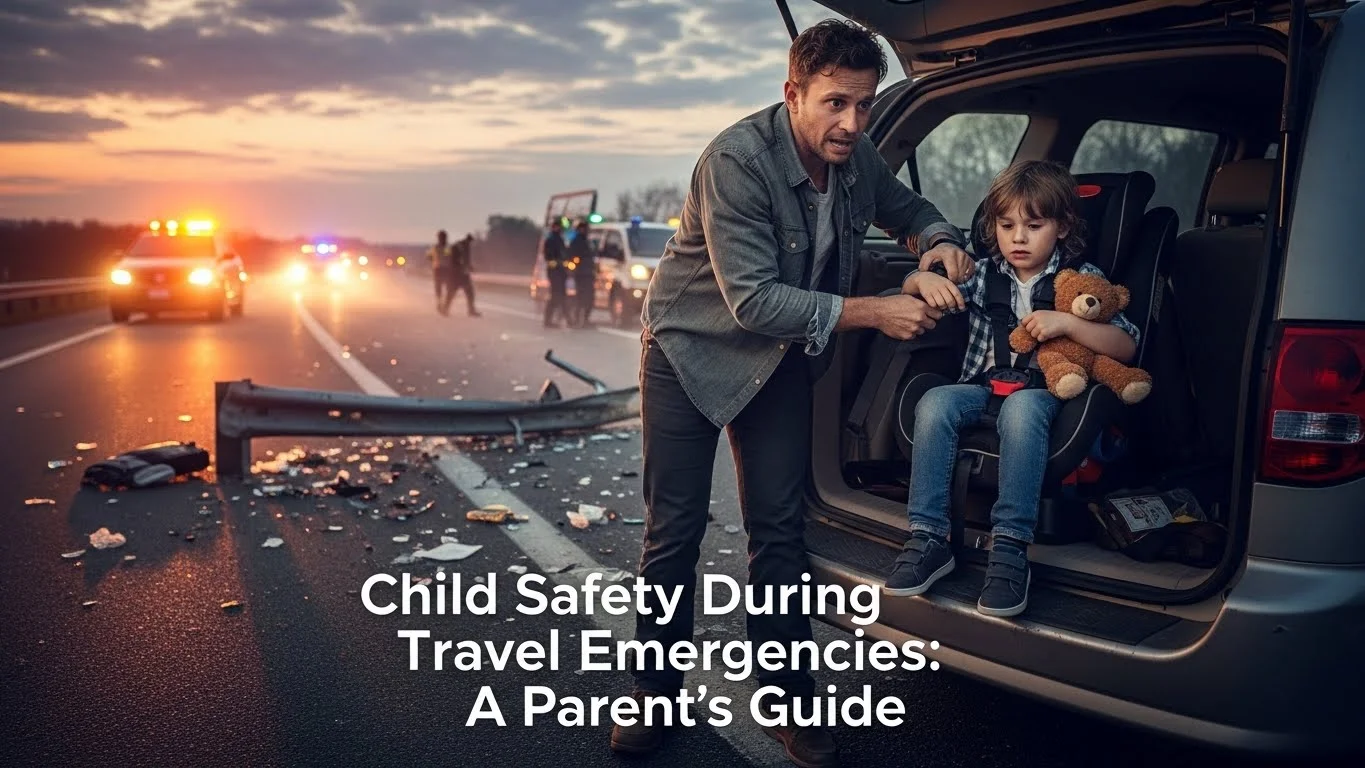
Understanding Travel Emergencies
Definition of Travel Emergencies
Travel emergencies encompass a wide range of unexpected situations that can arise while traveling, potentially affecting the safety and well-being of you and your child. These emergencies can include natural disasters, health crises, accidents, or even situations involving lost children. I remember the first time I traveled with my little one; I was both excited and nervous, thinking about how unpredictable things could be. It dawned on me that being prepared could make all the difference in ensuring a safe trip.
Common Types of Travel Emergencies
In my experience, common types of travel emergencies can be categorized into a few significant areas:
- Health Emergencies: Illnesses or injuries can occur anywhere, from a sudden fever to an allergic reaction. I’ve had moments where my child developed a rash, and I had to act quickly.
- Natural Disasters: These can include earthquakes, hurricanes, or floods. I once found myself in a region under tornado watch, and it was an eye-opener.
- Accidents: This can be anything from a car accident to a slip and fall. I’ve seen parents panic in such moments, and I understood the importance of staying calm.
- Missing Children: The fear of losing sight of your child in crowded places can be overwhelming. I often think about how easy it is for children to wander off.
Recognizing Potential Risks While Traveling
Before embarking on any journey, I find it vital to assess the risks associated with the destination. For example, I’ve learned to research local crime rates, health advisories, and any recent travel warnings that may apply. I remember planning a trip to a bustling city; I noticed that certain areas were known for pickpocketing, which made me more vigilant. Being aware of the common risks can help us stay one step ahead and ensure our children’s safety. I believe that understanding potential hazards helps in crafting our travel plans.
Moreover, I always keep in mind the different environments we may encounter. For instance, visiting a beach offers a different set of challenges compared to hiking in the mountains. I’ve had to prepare for the sun and water safety at the beach, while in the mountains, I focused on altitude sickness and ensuring we had proper gear. Each situation requires a different approach, and I find it beneficial to adapt accordingly.
In my travels, I’ve also noticed how cultural differences can impact safety. For example, in some countries, traffic rules are not as strictly followed as in others. This realization has taught me to always be cautious, especially when crossing streets, as well as to educate my child on what to expect. Before I travel, I often sit down with my kids to discuss these aspects, making them feel involved and aware of what lies ahead.
Another important aspect I consider is the people we might encounter. While most individuals we meet will be friendly, I always remind my children to trust their instincts. I once had an experience where someone approached us while we were enjoying a local festival. My gut feeling told me to keep my distance, and I was glad I did. Instilling this sense of awareness in our children is crucial, as it helps them understand when to seek help or avoid certain situations.
By keeping these factors in mind, I feel more prepared for any travel emergencies that may come our way. I think it’s essential for all parents to recognize that being proactive can significantly reduce risk and make our travels enjoyable and safe.
Preparation for Travel Emergencies
Creating a Family Emergency Plan
One of the most impactful things I’ve learned in my travels is the importance of having a family emergency plan. This isn’t just a document; it’s a roadmap for us to follow in times of crisis. I remember sitting down with my children before our last trip and discussing what we would do in various scenarios, like getting separated or, God forbid, facing a natural disaster. We made it a fun exercise, and I noticed how engaged they were when I presented it as a “mission.”
We designated a meeting point in case we got separated, whether in an airport or a crowded tourist spot. I made sure they understood that if they ever felt lost, they should find a staff member or police officer to ask for help. Role-playing different situations helped reinforce these concepts in their minds. I believe that practicing these scenarios can help reduce fear and build confidence in the kids, knowing they have a plan.
Essential Travel Documents and Contact Information
Having the right travel documents is essential, and I can’t stress enough how vital it is to keep them organized. I usually create a travel folder, where I store our passports, visas, and any important medical records. I’ve also found it helpful to keep photocopies of these documents in case of loss or theft. One time in a busy city, I lost my wallet, but having copies of my IDs helped me navigate the situation with minimal stress.
In addition to our travel documents, I always carry a list of important contact information, including our hotel address, local emergency numbers, and insurance details. When we travel abroad, I also jot down the contact information for the nearest embassy or consulate. This way, we’re prepared for any situation that may arise.
Emergency Contact List
Creating an emergency contact list is another step that I find incredibly useful. This list includes not just family members but also trusted friends who can be reached in case of an emergency. I make sure each child has a copy of this list tucked away in their backpack, along with a small card featuring important phone numbers. I think it’s a great way for them to feel empowered and responsible.
During our travels, I emphasize the importance of sharing this information with them. I often remind my kids that if they ever feel scared or unsure, they can find someone to help them contact one of these trusted people. It’s comforting to know they can reach out to someone they trust when I’m not immediately available.
Health and Safety Precautions
Health and safety precautions are a big part of my travel preparation. Before we leave, I always research the local health advisories related to our destination. For instance, I’ve learned the hard way that certain areas may require vaccinations or medications, like malaria pills. I remember a time when we traveled to a region where mosquito-borne illnesses were prevalent, and I was grateful that I had taken the time to prepare.
I also pack a small first-aid kit filled with essentials like band-aids, antiseptic wipes, and any prescription medications my family might need. I make sure to include items like sunscreen and insect repellent, too! There’s nothing worse than dealing with a sunburn or bug bites while on vacation. I believe that these little precautions can save us from a lot of discomfort and stress. Read Interesting article: Essential Emergency Kits Every Family Should Pack for Travel
Child Safety Kits: What to Include
Based on my experience, having a child safety kit is a fantastic idea. I usually include items that can help in various situations. Some of my favorites are a whistle (which can be useful if they’re separated from me), a small flashlight, and a compact mirror. I also make sure to pack some snacks and a small bottle of water, in case we find ourselves in a situation where we’re waiting longer than expected.
Additionally, I include a few comforting items, like a favorite toy or a small blanket. These familiar objects can help in calming my kids if they feel anxious or overwhelmed. I think it’s important to remember that even in emergencies, keeping a sense of normalcy can make a big difference. Read Interesting article: Family Travel Safety: Must-Have Emergency Kits Explained
We also talk about the items in the kit and how to use them. I want my kids to feel like they have the tools they need to handle unexpected situations. When I see them taking ownership of their safety, it reassures me that I’ve done my part in preparing them.
Travel Safety Tips for Parents
Choosing Safe Accommodation
Choosing the right place to stay is one of the first steps I take when planning a trip. I’ve learned that the location and safety features of our accommodation can significantly affect our travel experience. I often look for hotels or rentals that are in well-lit, secure areas, ideally with good reviews from families. When we traveled to a new city, I remember spending time reading reviews from other parents. Their insights on cleanliness and safety really helped me make the right choice.
It’s also essential to check for safety features in the accommodation itself. I always look for places that have smoke detectors, secure locks, and a fire escape plan. I find it comforting to know that we have a plan in case of emergencies. When we arrive, I make it a point to review the layout of the place with my kids. Showing them where the exits are and discussing what to do in an emergency empowers them and eases any anxiety they might feel in a new environment.
Transportation Safety Guidelines
Transportation safety is another critical aspect I focus on while traveling with kids. Whether we’re taking a taxi, bus, or train, I always ensure that seat belts are fastened, and safety gear is in place. I have a personal rule that no matter how short the trip is, we always buckle up. I once took a taxi ride where the driver was a bit reckless, and I was so grateful that I had insisted we wear our seatbelts.
When using public transport, I teach my kids to stay close to me and hold onto the rails if they’re standing. I remember a time when we were on a crowded subway, and it was easy for my child to get jostled around. I felt more at ease knowing that I had talked to them about how to behave and what to watch out for. I believe that creating these habits during travel helps instill a sense of responsibility and awareness in my children.
Staying Aware of Surroundings
Staying alert and aware of our surroundings is something I emphasize whenever we travel. I try to model this behavior myself. For instance, I make it a point to look out for exits, security personnel, and first-aid stations wherever we go. It’s funny how I sometimes feel like a safety scout, but it’s part of the adventure! I remind my kids that being aware can help them spot potential dangers before they become a problem.
We also talk about trusting our instincts. If something feels off, I encourage my children to speak up. I recall a situation where we were in a busy market, and my daughter felt uncomfortable when someone got too close. I was so proud of her for expressing her feelings, and it reminded me of how crucial it is to validate their instincts. I want my kids to feel empowered to speak up if they sense something isn’t right.
Teaching Kids About Stranger Danger
Teaching my kids about stranger danger is a conversation I take seriously. I’ve found that discussing this topic openly and honestly can help keep them safe while traveling. We’ve had many discussions about who to trust and who to be cautious around. I remember explaining the difference between safe strangers—like police officers or store employees—and those who may not have good intentions. We even role-play different scenarios to help them understand how to respond.
When we’re in crowded places, I remind them to stay within arm’s reach of me. I also ensure they know what to do if they ever get lost. The first time I took them to a large amusement park, we practiced a few phrases like, “I need help” and “Can you call my mom?” Seeing them feel confident in these situations reassures me, and I believe it’s an essential skill that will serve them well throughout their lives.
Actions to Take During a Travel Emergency
Assessing the Situation
When a travel emergency strikes, the first thing I remind myself to do is assess the situation calmly. Panic can cloud judgment, and I’ve learned that taking a moment to breathe and observe can make a huge difference. I often find myself asking questions like: What exactly happened? Is anyone injured? Are we in immediate danger? This helps me focus on the essentials. I remember a time when there was a sudden commotion in a crowded market, and instead of reacting impulsively, I took a second to evaluate the scene. This allowed me to guide my children to a safer area away from the chaos.
Communicating with Your Child
Keeping communication open with my kids during a travel emergency is crucial. I always make it a point to speak calmly and clearly, explaining what’s happening without overwhelming them. I’ve found that using simple language can help them understand the situation better. For instance, if there’s a minor health issue, I tell my kids what to expect and what we need to do next. I recall when my child got a scrape while playing; I explained we needed to clean it and put a bandage on it, which helped ease their worry. Knowing what’s happening can make them feel involved and less anxious.
Finding Immediate Help
In case of emergencies, knowing how to find help is essential. I always look for local authorities or personnel who are equipped to assist in such situations. Whether it’s a police officer, a lifeguard, or even staff at our accommodation, I make sure my kids know who to approach if they need help. I emphasize that it’s okay to ask someone in a uniform for assistance. I remember being in a foreign city when my son felt unwell; I quickly located the nearest first-aid station and guided him there, making sure he felt secure. Practicing these scenarios beforehand helps my kids understand the importance of seeking help when needed.
Dealing with Lost or Missing Children
The thought of losing a child in a crowded place is terrifying, but I’ve learned several strategies to manage these situations. If my child goes missing, I stay calm and immediately retrace our steps. I remind myself that panicking won’t help. I always keep a description of my children in my mind—what they’re wearing, their height, and any distinguishing features. I also instruct my kids to stay in one place if they ever feel lost, rather than wandering off. I once lost sight of my daughter in a busy amusement park, and I found it effective to approach nearby staff and provide them with a detailed description, which led to her being found quickly.
Medical Emergencies: What to Do
Medical emergencies can happen unexpectedly, and I’ve learned how crucial it is to stay prepared. When something happens, I assess the severity of the situation. If it’s minor, I might just need to use my first-aid kit. But if it’s more serious, I remember the importance of contacting local emergency services. I’ve kept emergency numbers handy on my phone, and I ensure my kids know how to help in these situations. For example, I’ve taught them to call for help if they see someone fall and to stay with the person until help arrives. This knowledge empowers them and adds an extra layer of security for our family.
Post-Emergency Protocols
Checking the Well-Being of Your Child
After any travel emergency, my first priority is to check on my child’s well-being. I take a moment to assess how they are feeling both physically and emotionally. I think it’s important to ask them about their feelings and listen to what they have to say. Sometimes, just talking it out can provide comfort. I remember after a minor accident, sitting down with my child and discussing what happened helped them feel validated and reassured.
Reporting Incidents to Authorities
Depending on the situation, I’ve found it necessary to report incidents to relevant authorities. Whether it’s a theft, an injury, or any other emergency, informing local authorities not only helps address the immediate issue but can also assist other travelers. I once had to file a report after my travel documents were stolen, and while it was frustrating, I felt relieved knowing I had taken the right steps. I also encourage my children to understand the importance of reporting issues, reinforcing that it’s a responsible action.
Reviewing and Adjusting Travel Plans
After an emergency, I believe it’s essential to review our travel plans. This doesn’t mean we have to cancel our trip, but sometimes it may involve adjusting our itinerary to ensure we feel safe and secure. I’ve learned to be flexible; if a destination feels too risky after an incident, I’m open to changing our plans. I remember a time when we decided to skip a certain attraction after hearing about a recent incident nearby. It’s important to check in with my kids about how they feel, too, as their comfort matters. Read Interesting article: Prepare for Adventure: Key Home Safety Checks for Families
Resources for Parents
Emergency Numbers by Country
Before heading out on any trip, I always look up emergency numbers for the country we’re visiting. It’s surprising how different they can be! I make a note of them and ensure my children know how to reach help if needed. For me, having these numbers on hand gives peace of mind.
Helpful Apps for Travelers
Technology can be a lifesaver when traveling. I’ve downloaded several apps that can assist in emergencies, from translation apps to local emergency contacts. For instance, I’ve used apps that provide real-time updates on health advisories and local safety information. They’ve become indispensable tools in my travel kit.
Support Hotlines and Organizations
There are also organizations and hotlines that can provide support if needed. I’ve found resources that offer assistance to travelers, from legal advice to medical emergencies. Knowing these exist makes me feel safer knowing there’s help available if we ever need it.
Final Thoughts
Traveling with kids is one of the most rewarding experiences, but it comes with challenges. Preparing for travel emergencies is not just about avoiding panic; it’s about equipping ourselves and our children with the tools needed to handle unexpected situations. By fostering open communication, creating safety plans, and being aware of our surroundings, we can navigate our travels with confidence. I believe that these preparations not only enhance our travel experiences but also strengthen the bond we share as a family. Here’s to many safe and joyful adventures ahead!
Frequently Asked Questions
What are travel emergencies?
Travel emergencies encompass a wide range of unexpected situations while traveling that can affect the safety and well-being of you and your child. These can include health crises, natural disasters, accidents, or situations involving lost children.
What should be included in a family emergency plan?
A family emergency plan should outline what to do in various scenarios, such as getting separated or facing a natural disaster. It should include a designated meeting point, methods for seeking help, and involve role-playing different situations to prepare the children.
What essential travel documents should I carry?
Essential travel documents include passports, visas, medical records, and a list of important contact information such as hotel addresses, local emergency numbers, and insurance details. Keeping photocopies of these documents is also recommended in case of loss or theft.
How can I prepare for health emergencies while traveling?
To prepare for health emergencies, research local health advisories related to your destination and pack a first-aid kit with essentials like band-aids, antiseptic wipes, prescription medications, sunscreen, and insect repellent.
What items should be included in a child safety kit?
A child safety kit should include items such as a whistle, a small flashlight, snacks, water, and comforting items like a favorite toy or blanket to help calm the child in stressful situations.
How can I ensure transportation safety for my kids?
To ensure transportation safety, always fasten seat belts, use safety gear, and teach your kids to stay close and hold onto rails when using public transport. Emphasizing these habits helps instill a sense of responsibility and awareness.
What steps should I take if my child goes missing while traveling?
If your child goes missing, stay calm and immediately retrace your steps. Instruct your child to stay in one place rather than wandering off and approach nearby staff for assistance, providing a detailed description of your child.
How should I communicate with my child during a travel emergency?
During a travel emergency, communicate calmly and clearly with your child, using simple language to explain the situation. Keeping them informed helps reduce anxiety and involves them in the process of dealing with the emergency.
What actions should I take after a travel emergency?
After a travel emergency, check on your child’s well-being, report incidents to local authorities if necessary, and review your travel plans to ensure safety and comfort for your family moving forward.
What resources can I use to prepare for travel emergencies?
Resources for preparing for travel emergencies include looking up local emergency numbers, downloading helpful travel apps for real-time updates, and identifying support hotlines and organizations that can assist in case of emergencies.