
Keeping our children safe during sports activities is crucial for their enjoyment and development. As parents, we want to ensure they have fun and stay healthy while playing the sports they love.
Understanding Childhood Sports Safety
The Importance of Sports Safety for Children
When I think about my own childhood, some of my best memories revolve around sports. Whether it was playing soccer in the park or joining a little league team, those experiences shaped my love for teamwork and physical activity. However, I also remember a few scrapes and bruises along the way. That’s why understanding childhood sports safety has become a priority for many parents, including myself. Ensuring our children have a safe environment to play not only protects them from injuries but also fosters a positive experience that encourages them to stay active. Read Interesting article: Top 5 Common Childhood Sports Injuries and How to Avoid Them
Common Types of Injuries in Youth Sports
I’ve seen firsthand how quickly fun can turn into a trip to the doctor. Common injuries in youth sports often include sprains, strains, fractures, and concussions. For instance, I remember a time when my friend twisted his ankle during a soccer game; it was a painful reminder of how quickly things can change. Sprains and strains occur when muscles or ligaments are stretched too far, while fractures can happen from falls or collisions. Concussions, on the other hand, are particularly concerning and can happen in contact sports like football or hockey. The thought of my child experiencing any of these injuries is daunting, but knowing what to look for helps me stay prepared.
Statistics on Childhood Sports Injuries
Statistics reveal just how prevalent these injuries can be. According to various studies, around 1.35 million children visit emergency departments in the U.S. each year due to sports-related injuries. I found it shocking when I learned that over 50% of these injuries occur in children aged 5 to 14. This information made me realize how critical it is for us as parents to be proactive. Understanding these statistics not only raises awareness but also helps us advocate for safer practices in our children’s sports leagues.
Injury Prevention Strategies
Proper Equipment and Gear
One of the first things I learned as a parent involved in youth sports is the importance of proper equipment. Whether it’s helmets, pads, or the right footwear, having the right gear can make a significant difference in preventing injuries. I remember the excitement my child had when he got his first pair of soccer cleats. It wasn’t just about looking cool; those cleats provided the support and grip he needed on the field. I always make it a point to check that their gear fits properly and meets safety standards. It’s an investment in their safety that’s well worth it.
Importance of Warm-Up and Stretching
Warm-ups and stretching are often overlooked, but in my experience, they are essential for injury prevention. I learned this the hard way when my daughter jumped right into a game without stretching and ended up with a pulled muscle. Now, we have a routine that we follow before every practice and game. Warming up increases blood flow to the muscles, making them more flexible and less prone to injury. Simple exercises like jogging, jumping jacks, or dynamic stretches can make a huge difference. I’ve noticed that when we stick to this practice, my kids feel more prepared and confident. Read Interesting article: Essential Tips for Preventing Childhood Sports Injuries
Safe Playing Environment
Creating a safe playing environment is something I constantly think about. I always inspect the fields where my kids play to ensure there are no hazards like broken glass, holes, or other potential dangers. For me, it’s about being vigilant and advocating for well-maintained facilities. I recall one time when we were at a community park, and I noticed the goalposts were unstable. Alerting the local authorities to fix it felt empowering. I believe we all play a part in keeping these spaces safe for our children.
Age-Appropriate Activities
Understanding what activities are suitable for different age groups is crucial. I often find myself questioning whether my child is ready for a more intense sport. I’ve learned that engaging in age-appropriate activities not only helps prevent injuries but also promotes skill development. For example, younger children benefit from games that focus on fun and fundamentals rather than competition. By keeping their experiences age-appropriate, we foster a love for the sport without overwhelming them. I’ve seen my kids thrive when they are challenged just enough to keep them engaged but not so much that they feel pressured.
Role of Parents in Injury Prevention
Encouraging Safe Practices
As parents, we play a crucial role in ensuring our kids are safe while participating in sports. I’ve found that one of the best ways to encourage safe practices is through open communication. Talking with my children about the importance of following rules and safety guidelines can make a significant difference. For example, I remind them to wear their helmets when biking or to follow the rules during games. It’s not just about keeping them safe in the moment; it’s also about instilling habits that they will carry with them into adulthood. I believe that when we encourage our kids to be mindful of safety, we empower them to take responsibility for their own well-being.
Teaching Sportsmanship and Respect
Another vital aspect of sports safety is teaching our children about sportsmanship and respect for others. I remember a time when my son got overly competitive during a basketball game. It was a tough lesson for him when he realized that pushing others to win could lead to injuries. By fostering a spirit of teamwork, respect for opponents, and fair play, we can create an environment where everyone feels valued and safe. I often share stories of athletes who demonstrate good sportsmanship, which helps my kids understand that playing fair is just as important as winning.
Monitoring Physical and Emotional Well-Being
It’s essential to keep an eye on not just the physical well-being of our children, but also their emotional health. I’ve noticed that when my kids are feeling stressed or overwhelmed, they are more prone to making mistakes on the field, which can lead to injuries. I try to regularly check in with them about how they’re feeling about their sports activities. By encouraging them to express any concerns or fears they have, I can help them navigate any emotional challenges. I’ve learned that being supportive and understanding can go a long way in creating a positive atmosphere for them to thrive in their sports endeavors.
Coaching and Training Considerations
Choosing the Right Coach
Finding the right coach can be a game-changer for our kids. I remember when my daughter joined a new soccer team, and I was pleasantly surprised by the coach’s focus on safety and skill development. A good coach emphasizes proper techniques and encourages athletes to play within their limits. I’ve learned to look for coaches who prioritize injury prevention and foster a supportive environment. When we trust a coach who values our children’s safety, it allows us to relax a bit while still staying involved. It’s about creating a partnership between us as parents and the coaches to ensure our kids are not only learning the sport but also playing safely.
Training Techniques for Injury Prevention
In my experience, training techniques can significantly influence injury prevention. I’ve seen that when coaches incorporate exercises that improve strength, flexibility, and balance, it can reduce the risk of injuries. For instance, dynamic warm-up routines or agility drills can help young athletes develop the skills they need to avoid falls and collisions. I’ve even started practicing some of these techniques with my kids at home to reinforce what they learn during their training sessions. It’s amazing to see how these practices not only keep them safe but also enhance their performance on the field.
Understanding the Limits of Young Athletes
It’s important for us as parents to recognize that young athletes have their limits. I remember pushing my son to keep up with older kids in a basketball practice, thinking it would challenge him. But I quickly realized that it led to fatigue and frustration. Understanding that children are still developing physically and emotionally helps us set appropriate expectations. I find that having conversations about their comfort levels and being attentive to their feedback can help prevent burnout and injuries. It’s all about finding that balance between pushing them to improve and respecting their individual capabilities.
First Aid and Emergency Response
Basic First Aid Skills for Parents
Having basic first aid skills has been incredibly valuable for me as a parent involved in youth sports. I took a first aid course a few years back, and it completely changed the way I handle minor injuries. Knowing how to clean a scrape, apply a bandage, or use ice for swelling has made me feel more confident during games and practices. I’ve found that teaching my kids some of these skills can also empower them to handle minor injuries themselves, which adds to their safety. I often remind them that being prepared is just as important as playing the sport itself. Read Interesting article: Master Basic First Aid for Kids: Safety Tips for Parents
Recognizing Serious Injuries
It’s crucial to know how to recognize serious injuries. I’ve learned to be vigilant about signs of concussions, such as confusion, dizziness, or balance issues. I recall a moment when my daughter took a hard fall during a game, and she seemed dazed. Thankfully, I remembered the signs and took her for evaluation immediately. It was a tough call, but I felt relieved knowing I was proactive. I think as parents, we need to trust our instincts and be ready to act if something seems off.
When to Seek Medical Attention
Understanding when to seek medical attention can make all the difference. I’ve had my share of moments where I hesitated, thinking a minor injury would heal on its own. However, I realized that it’s better to err on the side of caution. If my child experiences severe pain, swelling, or any unusual symptoms, I don’t hesitate to consult with a healthcare professional. I’ve learned that timely intervention can prevent complications and ensure a smoother recovery. It’s about being vigilant and advocating for our children’s health.
Resources for Parents
Organizations Focused on Sports Safety
As a parent, I’ve found that connecting with organizations dedicated to sports safety can be incredibly helpful. Groups like Safe Kids Worldwide offer valuable resources and guidelines tailored specifically for youth sports. They provide educational materials on injury prevention, safety tips, and even statistics that help us understand the risks our children face. I remember attending a local seminar hosted by them, where experts shared insights on how to keep kids safe during sports. It was reassuring to know that there are so many people committed to our children’s well-being.
Another organization I’ve come across is the National Athletic Trainers’ Association (NATA). They emphasize the importance of having trained professionals on-site at games and practices. I’ve learned that having an athletic trainer can make a significant difference in quickly addressing any injuries that occur. Knowing that there are resources like these available allows me to feel more at ease when my kids are participating in sports.
Online Resources and Guidelines
With the internet being such a powerful tool, I often turn to online resources for up-to-date information on sports safety. Websites like the Centers for Disease Control and Prevention (CDC) have dedicated sections on childhood sports injuries and prevention strategies. I was amazed to find detailed guidelines on how to approach different sports safely, tailored to specific age groups. This resource has not only educated me but has also allowed me to share information with fellow parents, creating a community of awareness.
Social media platforms can also be a treasure trove of resources. I follow several accounts focused on sports safety, where experts share tips, articles, and even personal stories that resonate with me. Engaging with these online communities has opened my eyes to new practices and has made me feel connected with other parents navigating similar situations. It’s reassuring to connect with others who prioritize safety just like I do.
Community Programs for Injury Prevention
Exploring local community programs is another avenue I highly recommend for parents. Many communities offer workshops and clinics focusing on sports safety and injury prevention. I remember discovering a program at our local YMCA that provided training sessions for both coaches and parents. This program was not only educational but also a great way to meet other parents who share the same concerns about their children’s safety in sports.
Additionally, some schools and sports leagues host safety clinics, where they bring in experts to discuss the importance of injury prevention and proper training techniques. Participating in these programs has helped me become more informed and has allowed me to advocate for better practices in our local sports leagues. Being proactive in our community is essential, and I genuinely believe that by attending these events, we can collectively make a difference.
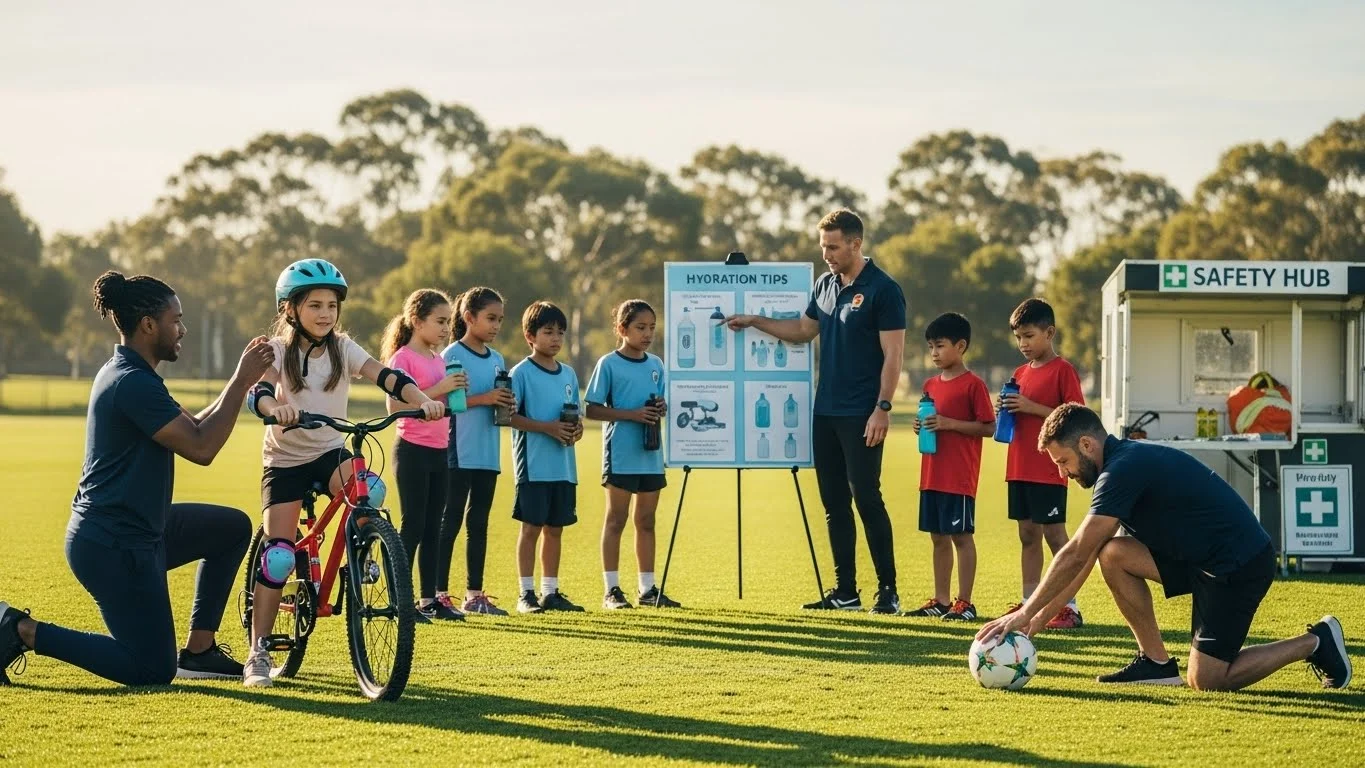
We’ve also participated in fun family events that promote physical activity while educating us about safety. These events sometimes include demonstrations on proper warm-up techniques or the importance of hydration, which are crucial during sports seasons. I’ve noticed that when families engage together, it fosters a sense of unity and shared responsibility for keeping our kids safe.
In sharing these resources, I hope other parents can find the same peace of mind that I have. By being informed and connected, we can ensure our kids have a positive and safe experience in the sports they love. It’s all about working together as a community and being proactive in our approach to childhood sports safety.
Final Thoughts
Reflecting on my journey as a parent navigating the landscape of youth sports, I’ve come to appreciate the vital role we all play in ensuring our children’s safety. It’s not just about keeping them injury-free; it’s about fostering a love for sports that lasts a lifetime. I believe that when we prioritize safety and well-being, we encourage them to enjoy every moment on the field, court, or track without the shadow of fear hanging over them.
From my experience, I’ve learned that communication is key. I often talk with my kids about their experiences and feelings regarding sports. These conversations have opened doors to understanding their perspectives and concerns. I remember a time when my son felt nervous about trying out for a new team. By discussing his worries and offering support, I was able to help him gain the confidence he needed to succeed. It’s moments like these that remind me how crucial our involvement is in their athletic lives.
Furthermore, I’ve noticed that being proactive about sports safety starts at home. Teaching my children the importance of safety protocols, whether it’s wearing the right gear or knowing the rules of the game, has empowered them. I often emphasize that safety is not just a set of guidelines; it’s a mindset they should carry with them in every activity they pursue. By creating that culture of safety, I feel like we’re equipping them with the tools they need to navigate not only sports but life in general.
As we continue to embrace the joys of sports, I’ve found that staying informed and connected with other parents and organizations dedicated to sports safety is invaluable. Whether it’s attending workshops or participating in community events, every bit of knowledge helps us advocate for our kids and push for safer environments. It’s heartening to see so many of us come together for a common cause; we’re not just parents but a community dedicated to our children’s well-being.
Ultimately, I hope that by sharing my thoughts and experiences, I can encourage other parents to take an active role in their children’s sports journeys. Let’s work together to create spaces where our kids can learn, grow, and thrive while playing the sports they love. By being vigilant and proactive, we can ensure that their memories of sports are filled with joy, teamwork, and, most importantly, safety.
Our commitment to safety doesn’t just protect our children; it nurtures their love for sports and helps them develop into well-rounded individuals. Together, I believe we can make a significant difference in their athletic experiences. Let’s continue to support one another, share our stories, and keep the conversation going about the importance of safety in youth sports.
Frequently Asked Questions
Why is sports safety important for children?
Sports safety is crucial for children as it protects them from injuries and fosters a positive experience that encourages them to stay active. Ensuring a safe environment allows kids to enjoy sports while developing teamwork and physical activity skills.
What are common types of injuries in youth sports?
Common injuries in youth sports include sprains, strains, fractures, and concussions. These injuries can occur from falls, collisions, or overexertion, and being aware of them helps parents stay prepared to handle potential situations.
What statistics exist regarding childhood sports injuries?
Statistics indicate that around 1.35 million children visit emergency departments in the U.S. each year due to sports-related injuries, with over 50% of these injuries occurring in children aged 5 to 14. This highlights the importance of proactive measures by parents.
How can parents prevent injuries in youth sports?
Parents can prevent injuries by ensuring proper equipment and gear is used, emphasizing the importance of warm-up and stretching routines, creating safe playing environments, and promoting age-appropriate activities for their children.
What role do parents play in encouraging safe practices in sports?
Parents play a vital role by communicating with their children about safety rules and guidelines, teaching them sportsmanship and respect, and monitoring both their physical and emotional well-being during sports activities.
How can parents choose the right coach for their child?
Finding the right coach involves looking for someone who emphasizes safety and skill development, prioritizes injury prevention, and fosters a supportive environment. This partnership allows parents to feel more involved in their child’s sports safety.
What basic first aid skills should parents have for youth sports?
Parents should have basic first aid skills such as knowing how to clean scrapes, apply bandages, and use ice for swelling. Teaching these skills to children can empower them to handle minor injuries, enhancing their safety during sports activities.
When should parents seek medical attention for their child?
Parents should seek medical attention if their child experiences severe pain, swelling, or any unusual symptoms. It is better to err on the side of caution to prevent complications and ensure a smoother recovery.
What resources are available for parents focused on sports safety?
Parents can connect with organizations like Safe Kids Worldwide and the National Athletic Trainers’ Association for valuable resources and guidelines on injury prevention. Online resources, workshops, and community programs are also beneficial for staying informed.
How can community programs assist in promoting sports safety?
Community programs often offer workshops and clinics that focus on sports safety and injury prevention. Participating in these events helps parents become more informed and advocate for better practices within local sports leagues.