
Childproofing our homes is essential for keeping our little ones safe from hazardous materials. With so many potential dangers lurking around, it’s vital to understand what to look for and how to create a secure environment. For effective childproofing, consider exploring Childproofing Essentials: Best Safety Gates Reviewed to enhance your safety measures.
Understanding Hazardous Materials in the Home
As parents, we want our homes to be safe havens for our children. However, we often overlook the hazardous materials that can be found right under our noses. From cleaning supplies to medications, understanding these dangers is the first step in childproofing our homes effectively. When I first started looking into childproofing, I was surprised by how many common household items could pose a risk. Let’s dive into some of these hazardous materials that we need to be aware of.
Common Household Chemicals
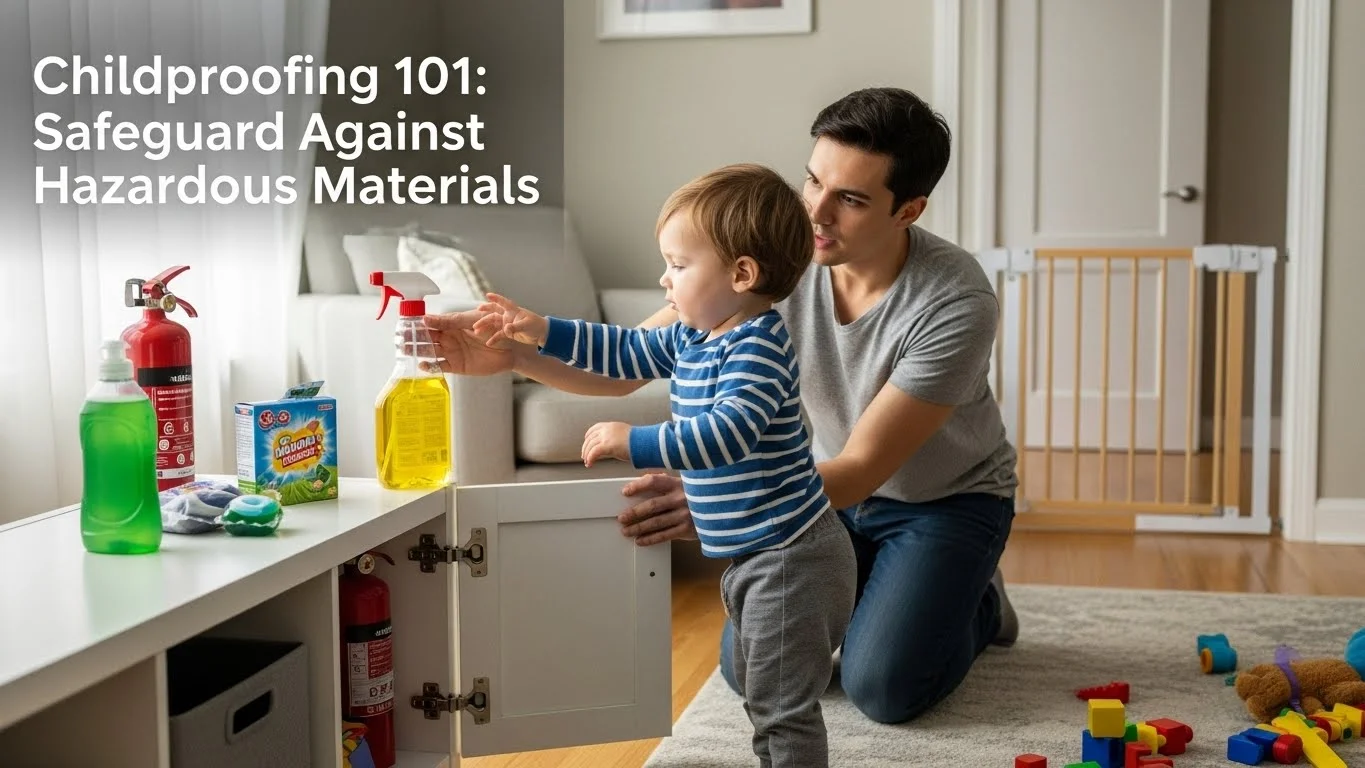
Household chemicals are often the first culprits we think of when it comes to potential hazards. I remember the time my toddler was exploring under the sink and pulled out a bottle of bleach. My heart raced as I quickly snatched it away. Many households contain various chemicals—like cleaners, detergents, and pest control products—that can be toxic if ingested or even inhaled. It’s crucial to recognize that even items labeled as “safe” can still pose a risk to our children’s health. I found that the best way to avoid accidents was to keep these products stored high up and out of reach, or better yet, locked away.
Toys and Children’s Products
When we think of hazardous materials, toys aren’t usually the first thing that comes to mind. However, many children’s products can contain harmful substances. I was shocked to learn that some toys are made with toxic plastics or painted with lead-based paint, which can be incredibly dangerous. It’s essential to check for recalls and ensure that any toys we buy are age-appropriate and safe. I’ve made it a habit to read labels and research brands before making a purchase. Investing in safer, more environmentally friendly toys can not only protect our kids but also give us peace of mind.
Cleaning Supplies and Their Risks
Cleaning supplies might seem harmless, but they can cause serious harm if not handled properly. While I love having a clean home, I’ve learned to be cautious about the products I use. Many conventional cleaners contain harsh chemicals that can irritate skin or lungs. I decided to switch to natural cleaning solutions that are safe for my kids and pets. This not only reduced the risk of exposure but also created a healthier living environment. I often use vinegar and baking soda for most of my cleaning needs, which works wonders without being harmful.
Medication and Its Dangers
One of the most concerning hazards in the home is medication. I can’t tell you how many times I’ve seen parents leave their prescriptions within reach of curious little hands. Even over-the-counter medications, like vitamins or cold meds, can be dangerous if ingested improperly. I learned the hard way after my daughter once opened a childproof cap that I thought was secure. Now, I take extra precautions by storing all medications in high cabinets with safety locks. It’s a simple step, but it can prevent a potentially serious accident.
Childproofing Basics: Creating a Safe Environment
Creating a safe environment goes beyond just storing hazardous materials out of reach. We must actively assess our homes for potential hazards. I remember walking through each room, looking for anything that could pose a risk to my children. It’s important to take the time to evaluate every area of our homes, including unexpected spots like the garage or garden shed.
Assessing Your Home for Hazards
To effectively childproof, start with a thorough assessment of your home. I recommend getting down to a child’s eye level to see things from their perspective. Look for items that can be easily accessed, such as cleaning supplies, sharp objects, and small items that can be swallowed. I found it helpful to create a checklist of potential hazards in each room to ensure I didn’t miss anything. During our assessment, we discovered that even our household plants could be toxic—who knew? This process helped us identify where we needed to make changes.
Childproofing vs. Supervision
While childproofing is crucial, it’s essential to remember that it’s not a substitute for supervision. As much as I wanted to believe that my home was completely safe, I learned that vigilance is key. I still keep a close eye on my kids, especially when they’re playing in areas that contain potential hazards. Balancing childproofing measures with active supervision gave me a sense of security that I could relax a little without compromising safety.
Steps to Safeguard Against Hazardous Materials
Once we’ve identified the potential dangers lurking in our homes, the next step is taking action to safeguard against them. I found that creating a comprehensive plan not only helped me feel more secure but also made it easier to implement necessary changes. Here are some practical steps I took to protect my family from hazardous materials.
Storing Chemicals Safely
One of the first things I did was reevaluate how I stored household chemicals. I realized that simply placing them on high shelves wasn’t enough. I decided to invest in a locking cabinet specifically for toxic substances, which provided an extra layer of safety. This way, even if my kids managed to climb to a high shelf, they wouldn’t be able to access anything dangerous. I recommend checking your local hardware store or online retailers for child-proof cabinets or locks that fit your space. It’s a small investment that can have a big impact on safety.
Choosing Non-toxic Alternatives
Switching to non-toxic alternatives has been one of my favorite changes. I discovered so many effective cleaning solutions that are safe for my kids and pets. For example, I use baking soda and vinegar as my go-to cleaners. Not only do they work wonders, but they are also completely safe if accidentally ingested. I also love brands that focus on eco-friendly products. It felt good to know that I was making choices that were better for my family and the environment. I encourage other parents to explore the non-toxic options available; it can be a game-changer!
Labeling and Organizing Products
Another step I took was to label and organize all products around the house. I made it a priority to clearly label everything, especially chemicals, even if they were in childproof containers. It might sound simple, but being able to quickly identify what’s in each bottle has made it easier to keep track of dangerous materials. I also started using clear bins to separate products by their category, like cleaning supplies and personal care items. This organization not only helps me find things faster, but it also keeps my space tidy and reduces the risk of mix-ups.
Installing Safety Locks and Latches
Installing safety locks and latches was another crucial step in my childproofing journey. I remember feeling a wave of relief after adding them to cabinets and drawers that contained hazardous materials. These locks are usually quite easy to install and can be found at most baby supply stores. I found that they come in various styles, so you can choose ones that fit your home décor. The simple act of securing these areas provided peace of mind, knowing my little explorers wouldn’t be able to easily access harmful products.
Childproofing Specific Areas of the Home
Now that we’ve covered some general steps, it’s important to focus on specific areas of the home where hazards are more likely to be found. I’ve made it a point to tailor my childproofing efforts based on the different rooms and their unique risks. Here’s how I approached childproofing some key areas.
Kitchen Safety Measures
The kitchen is often the heart of the home, but it can also be a dangerous place for little ones. I took extra care to keep sharp objects, like knives and scissors, out of reach. Additionally, I bought corner guards for my countertops to soften any sharp edges. I also ensured that all cleaning supplies were stored high, and I installed a safety latch on my under-sink cabinet. These precautions allowed my kids to explore the kitchen while minimizing risks.
Bathroom Precautions
Bathrooms are filled with potential dangers, particularly medications and cleaning products. I made sure to store all medications in a locked cabinet and kept the bathroom door closed whenever possible. I also invested in non-slip mats for the tub and a faucet cover to protect my kids from bumps and burns. These small changes have made bath time a lot safer and have relieved some of my anxiety during their daily routines.
Living Room and Play Area Considerations
In the living room and play areas, I focused on creating a safe space where my kids could be active. I removed any decorative items that could be easily knocked over and broke, and I made sure that any cords from electronics were tucked away or secured. I also added soft play mats to cushion any falls during playtime. This made all the difference, and I felt much more at ease knowing that my kids could safely enjoy their space.
Bedroom Safety Tips
Lastly, I turned my attention to the bedrooms. I made sure to anchor heavy furniture to the walls to prevent tipping, which is a common hazard in kids’ rooms. I also checked the crib for any loose parts and removed any small items that could pose a choking risk. Creating a safe sleeping environment helped me feel more relaxed when it was time for bedtime.
Educating Your Children About Safety
While taking steps to childproof the home is essential, I believe that education plays an equally important role in keeping our children safe. Teaching kids about potential dangers helps them understand the importance of safety and empowers them to make smart choices as they grow. I found that incorporating discussions about safety into our daily routines was both effective and fun. Here’s how I approached this aspect of child safety.
Age-Appropriate Safety Lessons
When it comes to teaching children about safety, I realized that the approach needs to be age-appropriate. For my younger kids, I kept things simple and focused on basic concepts. I remember sitting down with my toddler and explaining that some things around the house are “no touch” items, like cleaning supplies and sharp objects. Using visual aids, like pictures or even showing them the items themselves, helped reinforce these lessons. As they grew older, I tailored the discussions to include more complex topics, such as why they shouldn’t talk to strangers or the importance of wearing seat belts. I found that making these lessons interactive, like role-playing or using games, kept them engaged and made learning enjoyable.
Encouraging Safe Play Habits
Another essential part of educating my children about safety was encouraging safe play habits. I always emphasized the importance of being aware of their surroundings, especially during playtime. I remember the first time we had a playdate, and I noticed my daughter climbing on a piece of furniture. I took that moment to explain why climbing on furniture can be dangerous, reinforcing the concept while keeping the mood light. I also encouraged them to use their toys appropriately, like showing them how to play with art supplies safely or explaining the importance of not running indoors. I found that by consistently reminding them of these safety rules while allowing them to explore, they began to internalize safe behaviors.
Regular Maintenance and Updates
Childproofing isn’t a one-time task; it requires regular maintenance and updates. As our children grow and their abilities change, so do the risks around our homes. I learned that making it a habit to regularly assess our safety measures was essential to keeping our environment secure.
Conducting Routine Safety Checks
I made it a point to conduct routine safety checks around our home. I set aside a day every few months to walk through each room, evaluating our childproofing measures. This included checking that safety locks were functioning properly and ensuring that dangerous items remained out of reach. I also looked for any new hazards that may have come into play, like toys that were left lying around that could pose choking risks. During one of these safety checks, I discovered that some of my children’s toys had small parts that could easily be swallowed, leading me to take swift action to remove those items. It’s a simple practice that not only helps in keeping my kids safe but also offers peace of mind.
Updating Safety Measures as Children Grow
As my children grew older and their skills evolved, I found it necessary to update our safety measures. For example, as they became more curious and adventurous, I needed to reevaluate things that were previously considered safe. Locking cabinets were a must when they were toddlers, but as they grew into preschoolers, I had to consider different strategies, like educating them about the dangers of certain items instead of simply hiding them away. I also discovered that new toys and gadgets often came with their own sets of risks, so I made a habit of researching and ensuring that anything new we introduced into the house was safe. Adapting our safety measures as my children grew was crucial in maintaining a balance of freedom and safety.
Resources for Further Information
To stay informed and make the best choices for my family, I sought out various resources on child safety. I found that there are numerous tools and guidelines available that can help parents navigate the complexities of childproofing. For more insights, check out Top 5 Safety Gates for Hassle-Free Childproofing.
Government Guidelines on Child Safety
I discovered that government websites often provide a wealth of information about child safety. Resources from organizations like the U.S. Consumer Product Safety Commission (CPSC) offer guidelines on safe products and recommendations for home safety. I frequently check these sites for updates on recalls and safety alerts, which helps me stay proactive about potential dangers. Knowing that I have reliable resources at my fingertips gives me confidence in making informed decisions for my family.
Useful Tools and Products for Childproofing
In my quest for a safer home, I found various tools and products that made childproofing much easier. I often browse websites specializing in child safety products and read reviews to find the best options. From cabinet locks to corner guards, I discovered that investing in the right tools can significantly enhance home safety. I also encourage other parents to explore options for childproofing, as it can save time and provide peace of mind. For budget-friendly options, check out Budget-Friendly Safety Gates: Secure Your Home Today.
Professional Childproofing Services
For those who may feel overwhelmed by the process of childproofing, I learned that professional childproofing services are available. These experts can evaluate your home and help implement safety measures tailored to your specific needs. While I opted to do it myself, knowing that professional help is an option can be reassuring for parents who may not know where to start. It’s all about finding what works best for your family and ensuring a safe environment.
Frequently Asked Questions
What are some common hazardous materials found in the home?
Common hazardous materials in the home include household chemicals like cleaners, detergents, and pesticides, as well as medications, toys made with toxic plastics, and lead-based paints.
How can I safely store household chemicals?
It’s essential to store household chemicals high up, out of reach of children, or better yet, in a locking cabinet specifically designed for toxic substances to prevent access.
What precautions should I take for toys and children’s products?
Check for recalls, ensure toys are age-appropriate and safe, and invest in environmentally friendly products that do not contain harmful substances.
How can I childproof my kitchen effectively?
To childproof the kitchen, keep sharp objects out of reach, use corner guards on countertops, store cleaning supplies high, and install safety latches on cabinets.
What safety measures should be taken in the bathroom?
In the bathroom, store medications in a locked cabinet, keep the door closed, use non-slip mats in the tub, and install faucet covers to protect against bumps and burns.
How can I educate my children about safety in the home?
Teach age-appropriate safety lessons, encourage safe play habits, and incorporate discussions about potential dangers into daily routines to empower children to make smart choices.
Why is regular maintenance important for childproofing?
Regular maintenance is crucial because children grow and their abilities change, which can introduce new risks. Routine safety checks help ensure that safety measures are still effective and relevant.
What resources are available for child safety information?
Government websites, such as those from the U.S. Consumer Product Safety Commission (CPSC), provide guidelines on safe products and home safety recommendations, along with updates on recalls.
Are there professional services available for childproofing?
Yes, professional childproofing services can evaluate your home and help implement safety measures tailored to your specific needs, providing reassurance for parents unsure of where to start.
What are some non-toxic alternatives for cleaning supplies?
Non-toxic alternatives include natural cleaning solutions like vinegar and baking soda, which are safe for children and pets while still being effective for cleaning tasks.