
When it comes to keeping our little ones safe, child safety gates are essential. They provide peace of mind while allowing our curious children to explore their surroundings safely. Read Interesting article: Budget-Friendly Safety Gates: Secure Your Home Today
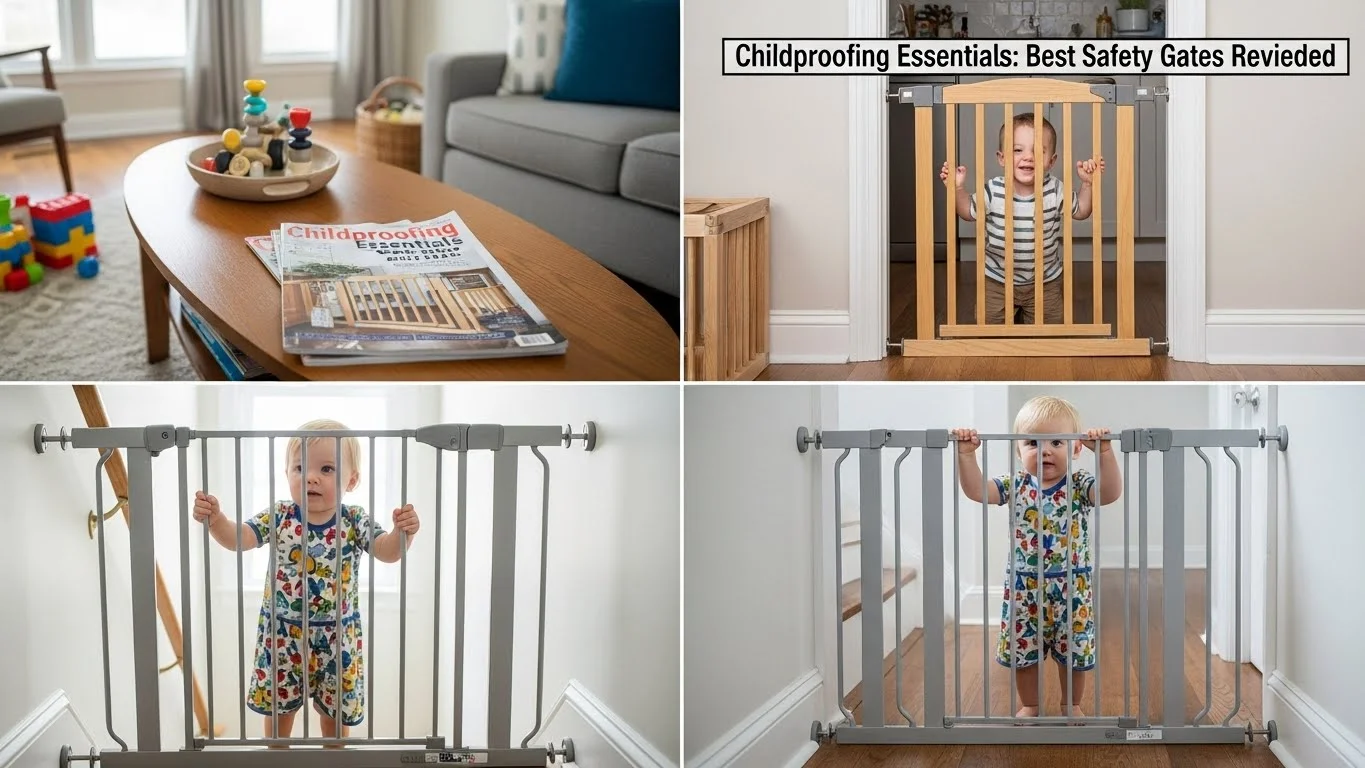
Understanding Child Safety Gates
What are Child Safety Gates?
Child safety gates are barriers designed to keep young children safe from hazardous areas in the home, such as stairs or kitchens. They help to create safe spaces where kids can play without risking their safety. As a parent, I can’t stress enough how vital these gates are, especially during the wobbly toddler stage, when they’re eager to explore and often unaware of potential dangers. I remember the first time my child started crawling; I quickly realized how crucial it was to create a secure environment for them.
Types of Child Safety Gates
Choosing the right type of child safety gate can depend on your specific needs and the layout of your home. Here are the main types I found helpful:
Pressure-Mounted Gates
Pressure-mounted gates are perfect for doorways and hallways. They use tension to stay in place, making installation quick and easy. I installed one in my living room, and it took just a few minutes! However, I learned that they aren’t ideal for the top of stairs since they can slip if not installed correctly. So, if you’re considering one, keep that in mind.
Hardware-Mounted Gates
These gates are more secure and are permanently installed with brackets. They’re a better option for high-traffic areas and especially safe for the top of stairs. I found these gates to be incredibly sturdy, which gave me peace of mind knowing my little climber wouldn’t accidentally knock it down. However, they do require some drilling, which can be a hassle if you’re renting or prefer not to damage your walls.
Extra-Wide Gates
If you have wider openings, extra-wide gates are a lifesaver. I discovered these when my home had an open-concept layout. They can stretch across larger spaces without leaving gaps where a child could slip through. Just be sure to check the measurements in advance to find the right fit!
Auto-Close Gates
Auto-close gates are fantastic for busy parents like me. Once you pass through, they automatically close behind you. I can’t tell you how many times I’ve walked away and forgotten to close a gate. Knowing it would close on its own gave me one less thing to worry about. Just remember to check if the gate is also easy to open for adults, so you’re not wrestling with it every time you pass through!
Importance of Childproofing Your Home
Why Childproofing is Essential
Childproofing goes beyond just installing safety gates; it’s about creating a safe environment for our little explorers. I believe that a proactive approach can prevent accidents and injuries. The world is filled with hazards that we, as adults, might overlook but that can be dangerous for our children. Every corner, every piece of furniture, and every room can pose a risk without proper precautions.
Common Household Hazards
As I looked around my home, I realized that there were several areas that needed special attention. Here are some common household hazards I found to be particularly concerning:
Stairs
Stairs can be a major safety concern. I’ve seen too many children take a tumble down the stairs, which is why I installed hardware-mounted gates at both the top and bottom of my staircase. It offers an extra layer of protection, allowing me to breathe a little easier when my kids are nearby.
Fireplaces
Fireplaces, whether wood-burning or electric, are another significant hazard. I remember being horrified when my toddler tried to reach for the glowing embers. Installing a gate around the fireplace was non-negotiable for me. It not only keeps them away from danger but also adds an extra layer of safety during the colder months when we’re more likely to use it.
Kitchens
The kitchen can be a dangerous place with sharp objects and hot surfaces. I learned the hard way that it’s crucial to set up a gate to keep my little ones out while I cook. It’s not just about keeping them safe from hot stoves and knives, but also from things like cleaning supplies or small items they could choke on.
Bathrooms
Bathrooms can be slippery and filled with hazards. I installed a gate at the bathroom doorway to prevent my kids from wandering in while I’m busy. Plus, it helps to keep them away from potentially harmful items like medications or cleaning products typically stored in cabinets.
Key Features to Look for in Safety Gates
Height and Width
When selecting a child safety gate, height and width are crucial factors. I learned that a gate should be tall enough to prevent even the most determined climbers from getting over it. Most gates are around 30 inches high, which works for most toddlers, but if you have a little climber like mine, you might want to look for something taller. I found that measuring the width of the area where I intended to place the gate made a big difference. An adjustable gate can offer a perfect fit, ensuring that there are no gaps for my curious little one to slip through.
Material and Durability
Durability matters when it comes to safety gates. I’ve seen gates made from wood, metal, and even plastic. From my experience, metal gates tend to be the most robust and secure, especially for high-traffic areas. I once purchased a wooden gate that looked beautiful but didn’t hold up well under the constant pressure of my toddler leaning against it. Choosing a gate made from high-quality materials not only ensures safety but also longevity, which is something I prioritize since kids can be rough on everything!
Ease of Installation
Let’s be honest; the last thing any parent wants is a complicated installation process. I’ve had my fair share of struggles with DIY projects, and safety gates shouldn’t be one of them. Many gates boast easy installation features, such as pressure mounts or quick-release mechanisms. I particularly appreciated those that came with clear instructions and all the necessary tools. Gates that can be easily installed and removed are a blessing, especially if you’re like me and occasionally need to relocate them for cleaning or rearranging.
Locking Mechanisms
Safety gates are only as good as their locking mechanisms. I can’t tell you how many times I’ve wrestled with a gate that didn’t lock properly or was too complicated to operate. I recommend looking for gates with one-handed operation, especially if you’re frequently carrying a baby or toddler in your arms. Trust me, it’s a game-changer! Additionally, some gates have indicators that show when they’re securely closed, which gives me extra peace of mind.
Portability
If you travel or frequently visit friends and family, portability becomes an essential feature. I remember our first family vacation with our toddler; packing a safety gate felt like a must. There are lightweight gates that fold up nicely and can fit into a car trunk. These gates can be lifesavers when you’re staying at a place that isn’t childproofed. Investing in a portable gate means you can create safe spaces wherever you go, ensuring your little one’s safety doesn’t take a vacation!
Top Safety Gates Reviewed
Best Overall Safety Gate
I found that one gate stood out as the overall best in my search. The gate I’m talking about is the Regalo Easy Step Walk-Thru Gate. It combines functionality with affordability, which I think is essential. Read Interesting article: Top 5 Safety Gates for Hassle-Free Childproofing
Features
- Easy one-hand operation.
- Sturdy metal frame.
- Fits openings 29-38.5 inches wide.
- Height of 30 inches, suitable for most toddlers.
Pros and Cons
Pros: The gate is easy to install and operate. It’s also durable and can withstand a lot of wear and tear from active kids.
Cons: It may not fit wider openings without an extension, so double-check your measurements before purchasing.
Best Budget Safety Gate
If you’re looking for something that won’t break the bank, I recommend the North States Supergate Easy Close Safety Gate. It’s a reliable option that won’t put a dent in your wallet.
Features
- Affordable pricing.
- Auto-close feature.
- Easy to fit in various spaces.
Pros and Cons
Pros: It’s budget-friendly while still providing adequate safety. The auto-close feature is a lifesaver for busy parents.
Cons: It may not be as sturdy as some higher-end models, and the installation might require a bit more effort.
Best for Stairs
For those with stairs, the Munchkin Easy Close Metal Safety Gate is my top pick. It provides the security needed for the top and bottom of stairs.
Features
- Six-inch wide extension kit available.
- One-handed operation.
- Made from durable metal.
Pros and Cons
Pros: It’s incredibly sturdy, making it perfect for staircases. The one-handed operation is a fantastic feature for parents juggling multiple tasks.
Cons: Installation can be a bit tricky if you aren’t familiar with hardware-mounted gates, but it’s worth the effort.
Best for Extra-Wide Spaces
If you have an open-concept space, the Summer Infant Multi-Use Deco Extra Tall Walk-Thru Gate is a fantastic choice.
Features
- Fits openings up to 60 inches wide.
- Stylish design with a decorative finish.
- Height of 36 inches.
Pros and Cons
Pros: It’s aesthetically pleasing and fits wider spaces without compromise on safety.
Cons: It’s on the pricier side, but I believe you get what you pay for when it comes to safety.
Best for Travel
For traveling families, I highly recommend the Regalo My Cot Portable Travel Bed with Safety Gate. It’s lightweight and easy to set up, perfect for vacations.
Features
- Foldable design.
- Lightweight and compact.
- Safety lock feature.
Pros and Cons
Pros: The portability is a huge plus, and it can be set up in minutes.
Cons: It may not be as robust as permanent gates, but it certainly does the job while on the go.
Installation Tips for Safety Gates
Preparing Your Space
Before diving into the installation of a safety gate, I found that taking a moment to prepare the space really pays off. First, measure the area where you plan to install the gate. I learned this the hard way after purchasing a gate that was too wide for my doorway. Grab a tape measure and write down the dimensions; it can save you from the frustration of having to return an item that doesn’t fit. Also, consider the wall surface where the gate will be mounted. If it’s drywall, make sure you use appropriate anchors for a secure fit. I discovered that knowing the type of wall can make a big difference in how stable your gate will be.
Step-by-Step Installation Guide
Once you’ve prepared the space, it’s time to get to work. Here’s a simple guide based on my experience:
- Gather Your Tools: Make sure you have everything you need—screwdriver, drill, measuring tape, and any included hardware. I always find it helpful to have everything on hand so I don’t have to run back and forth.
- Position the Gate: Hold the gate in the desired location and mark where the brackets will go. This step ensures you get everything aligned perfectly. I learned to double-check my markings—nothing worse than drilling holes in the wrong spot!
- Install the Brackets: If you’re using a hardware-mounted gate, attach the brackets to the wall using screws. If you’re using a pressure-mounted gate, follow the instructions closely to ensure it fits snugly. I’ve noticed that taking my time with this step really makes a difference in how secure the gate feels.
- Attach the Gate: Once the brackets are in place, attach the gate according to the manufacturer’s instructions. For me, this was the moment I took a step back to admire my handiwork—there’s something satisfying about a job well done!
- Test the Gate: Before calling it a day, I always like to test the gate. I push and pull a bit to make sure it’s stable and secure. I also recommend checking the locking mechanism to ensure it’s functioning properly.
Common Mistakes to Avoid
Through my journey of installing safety gates, I’ve encountered a few common mistakes that I believe are worth sharing. Here are some things to watch out for:
- Skipping Measurements: As I mentioned earlier, measuring the space is crucial. Don’t assume that all doorways are the same size, or you might end up with a gate that’s too big or too small.
- Ignoring Installation Instructions: Each gate comes with specific installation instructions. I learned the hard way that not following them can lead to a wobbly gate. Trust the process—those instructions are there for a reason!
- Overlooking Maintenance: After installation, it’s easy to forget about the gate. I make it a habit to check the gate regularly to ensure it’s still secure and functional, especially if my kids are particularly rambunctious.
Maintaining Your Safety Gates
Regular Inspections
Once your gate is installed, the work doesn’t just stop there! Regular inspections are essential. I make it a point to check the gate at least once a month. During these checks, I look for any signs of wear and tear, such as loose screws or cracks in the gate itself. It’s also a good idea to test the locking mechanism to ensure it’s still working properly. I’ve found that staying proactive makes a significant difference in how safe my home feels.
Cleaning and Care
Keeping the gate clean is another important aspect I’ve learned to prioritize. Depending on where the gate is located, dust and dirt can accumulate over time. I recommend using a damp cloth to wipe it down regularly. For gates made of metal, I also suggest checking for rust, especially if it’s installed in a humid area. It’s easy to overlook, but a little maintenance goes a long way!
When to Replace Your Safety Gate
No matter how sturdy a gate is, there will come a time when it needs to be replaced. I learned this lesson after my first gate started to show signs of significant wear. Some indicators that it might be time for a new gate include:
- Visible damage, like cracks or broken parts.
- Difficulty in locking or unlocking the gate.
- Instability when pushed or pulled.
If you notice any of these signs, it’s best to prioritize safety and invest in a new gate. I’ve learned that it’s always better to be safe than sorry, especially when it comes to our little ones!
Child Safety Beyond Gates
Additional Childproofing Measures
While safety gates are vital, I’ve found that childproofing doesn’t stop there. It’s essential to think about other potential hazards in our homes. Here are some additional measures I recommend:
Cabinet Locks
Curious little hands can easily open cabinets, which is why I installed cabinet locks throughout my home. This simple addition has prevented my kids from accessing dangerous items like cleaning supplies and sharp kitchen tools. I found that there are various types of locks available, including magnetic and sliding locks, and I’ve had great success with both!
Corner Protectors
Furniture corners can be a real danger, especially for toddlers who are just learning to walk. I remember feeling anxious whenever my child was near the coffee table! Installing corner protectors has given me peace of mind. They’re easy to apply and can prevent nasty bumps and bruises. I highly recommend them for any home with young kids.
Outlet Covers
Outlets pose a significant risk to little explorers. I invested in outlet covers for every accessible outlet in my home. These simple plastic covers can keep curious fingers safe from shocks. I also like to remind myself to check them regularly, as they can wear out over time.
Frequently Asked Questions
What are child safety gates?
Child safety gates are barriers designed to keep young children safe from hazardous areas in the home, such as stairs or kitchens, allowing kids to explore their surroundings safely.
What are the types of child safety gates?
The main types of child safety gates include pressure-mounted gates, hardware-mounted gates, extra-wide gates, and auto-close gates, each serving different needs based on home layout and usage.
Why is childproofing important?
Childproofing is essential as it creates a safe environment for children, preventing accidents and injuries by addressing potential hazards in the home that adults might overlook.
What common household hazards should I look out for?
Common household hazards include stairs, fireplaces, kitchens, and bathrooms, all of which can pose risks to curious children if not properly childproofed.
What features should I consider when choosing a safety gate?
Key features to consider include height and width, material and durability, ease of installation, locking mechanisms, and portability, ensuring the gate meets safety needs effectively.
What is the best overall safety gate?
The best overall safety gate is the Regalo Easy Step Walk-Thru Gate, known for its easy one-hand operation, sturdy metal frame, and affordability.
What should I do before installing a safety gate?
Before installing a safety gate, measure the area where it will be placed, consider the wall surface type, and gather necessary tools to ensure a smooth installation process.
How often should I inspect my safety gate?
Regular inspections of the safety gate should be conducted at least once a month, checking for wear and tear, ensuring the locking mechanism is functioning, and maintaining overall stability.
When should I replace my safety gate?
You should replace your safety gate if there is visible damage, difficulty in locking or unlocking, or instability when pushed or pulled, prioritizing safety for your children.
What additional childproofing measures can I take beyond gates?
Additional childproofing measures include installing cabinet locks, corner protectors, and outlet covers to safeguard against various household hazards for young children.