
Childproofing windows is a crucial step in ensuring our little ones are safe at home. With the right measures, we can prevent accidents and provide peace of mind for parents and caregivers alike. Read Interesting article: Traveling with Kids: Ensure Home Electrical Safety First
Understanding the Importance of Childproofing Windows
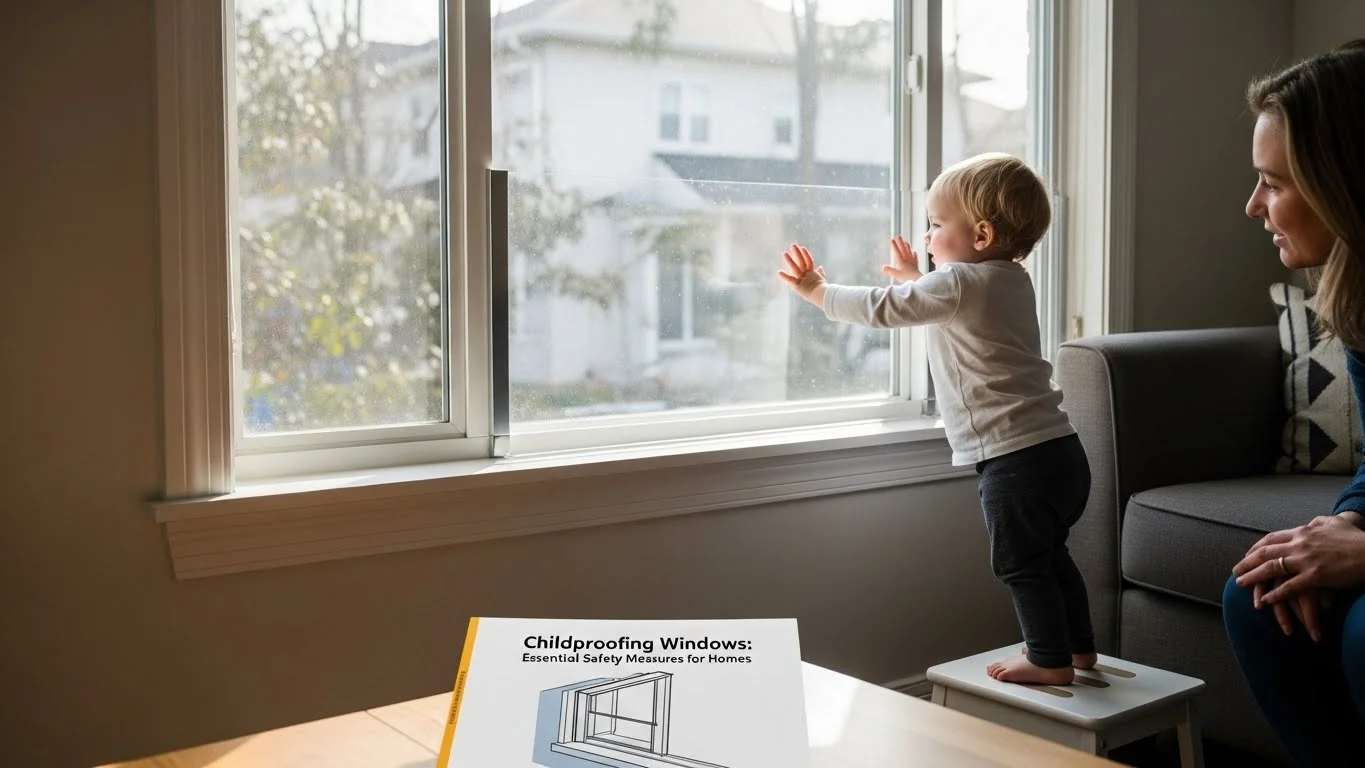
As a parent, I often think about the safety of my children, especially when it comes to areas in our home that might seem harmless but can pose significant risks. One area that frequently gets overlooked is windows. I remember a friend of mine expressing her anxiety over her toddler’s curiosity about windows, and I realized that this concern is much more common than I thought. Childproofing windows is not just a minor detail; it’s an essential measure to protect our kids from potential accidents.
The Risks of Unsecured Windows
Windows can be surprisingly dangerous for young children. I’ve seen it firsthand when my own kids, filled with wonder and exploration, looked outside and climbed on furniture to get a better view. Unsecured windows can lead to tragic falls, which can result in severe injuries or even worse. In my experience, the typical reaction we have when we hear a child has fallen out of a window is disbelief. How could this happen? But it only takes a moment of distraction for a child to lose their balance and tumble out. I truly believe that understanding these risks is the first step toward prevention.
Statistics on Window-Related Accidents
Statistically speaking, the numbers are alarming. I recently came across a study that indicated thousands of children are treated each year for injuries related to window falls. This statistic is one that no parent should take lightly. In fact, I remember reading that children aged one to five are particularly at risk, which made me reflect on how crucial it is to implement safety measures in homes with little ones. The thought of a preventable accident is something I can’t shake off easily, and it motivates me to be proactive in childproofing our own home.
Legal Requirements and Building Codes
In many places, there are legal requirements and building codes that address window safety, especially in homes with young children. When we renovated our house, I took the time to research these codes to ensure we met all necessary safety standards. I found that some regions require window guards or safety screens for homes with kids. Understanding these regulations not only keeps our children safe but can also protect us from legal liabilities. I think it’s essential for every parent to familiarize themselves with these laws in their area, as they are designed to safeguard our little ones.
As I navigated this world of safety precautions, it became apparent that childproofing windows is not just about installing locks or screens; it’s an ongoing commitment to our children’s well-being. I remember the first time I installed window locks in our home. I felt a sense of accomplishment, knowing that I was taking an important step toward keeping my kids safe.
Moreover, childproofing windows is just one piece of the puzzle. It’s about creating an overall safe environment, being aware of how children interact with their surroundings, and staying vigilant. In our case, we made it a family project. My kids helped me select window safety products, turning it into a fun and educational experience. They learned about safety while feeling involved in the process, which made the entire effort more meaningful. Read Interesting article: Essential Electrical Safety Tips for Family Travel
In the next sections, we will explore specific childproofing measures that can be implemented to ensure our windows are safe. I am excited to share these insights because I know how overwhelming it can be for new parents to figure out where to start. Let’s dive into some key strategies that can make a significant difference in child safety at home.
Key Childproofing Measures for Windows
Now that we’ve established why it’s so important to childproof our windows, let’s discuss some practical measures we can take to enhance safety in our homes. I remember when I was first researching ways to make our windows safer; it felt overwhelming. But once I started breaking it down, I found that there are several straightforward solutions that make a big difference. Here are some key childproofing measures that I found to be effective.
Window Locks and Latches
One of the simplest and most effective ways to childproof windows is by installing window locks and latches. I was amazed at how many different types were available when I went shopping for them. There are sliding locks, sash locks, and many other options that cater to various window styles. I decided to install locks on all our windows, ensuring they were out of reach for the kids. It gave me peace of mind knowing that even if they tried to open the window, they wouldn’t be able to. I recommend looking for locks that are easy for adults to operate but challenging for little hands to figure out.
Window Guards and Screens
Window guards and screens are another essential component of childproofing windows. I’ll never forget the day we put up our window guards; it felt like a major step in securing our home. These guards act as a barrier, preventing children from falling out while still allowing fresh air to circulate. I chose guards that were easy to install and designed for easy removal in case of emergencies. For me, that balance between safety and accessibility was crucial. Additionally, having screens can also help keep bugs out while ensuring the windows are secure, which is a win-win!
Safety Window Film
Safety window film is something I hadn’t considered until I spoke with other parents in my community. This film is applied directly to the glass and works to hold shattered pieces together if the window breaks. I found it particularly useful because it can help prevent injuries from sharp glass shards. The installation process was straightforward, and it added a layer of protection without changing the appearance of our windows. I’ve learned that being proactive about potential accidents can make a huge difference, and safety window film is a small investment for a lot of peace of mind.
Limiters and Stoppers for Sliding Windows
Sliding windows can be a bit tricky when it comes to child safety. I remember being nervous about our sliding glass doors, as they seemed like an easy way for our kids to venture outside unsupervised. That’s when I discovered window limiters and stoppers. These handy devices restrict how far a sliding window can open. I installed limiters that allow the window to open just a few inches, enough for ventilation but not enough for a child to squeeze through. It felt like a simple solution to a major concern, and I felt relieved knowing I had taken steps to keep my kids safe. Read Interesting article: Healthy Breakfasts on a Budget: Quick Ideas for Travelers
Types of Windows and Specific Safety Solutions
It’s important to remember that not all windows are the same, and different types require different safety solutions. Each type of window presents unique considerations, and I learned a lot by understanding how to approach each one. Let’s take a closer look at some common window styles and the specific safety measures that work best for them.
Single-Hung Windows
Single-hung windows are a popular choice in many homes, and they can be made safer with locks on the lifting mechanism. I found it helpful to install additional locks at the top of the window to prevent it from being opened from the inside. This way, my children cannot reach them, and it keeps the window securely closed. I also recommend ensuring that any cords from window treatments are out of reach or secured to avoid potential strangulation hazards.
Double-Hung Windows
Double-hung windows can be a bit more challenging since both the top and bottom sections can open. What worked for me was placing childproof locks on both sashes. I also made sure that if we did want to open one, we would only open the top window while keeping the bottom one locked. This not only helps with air circulation but also keeps curious little hands away from the opening.
Sliding Windows
For sliding windows, I found that removable locks are an excellent solution. They can be installed to prevent the sliding pane from being opened too far. I also added stoppers so that the window couldn’t be opened wide enough for my children to fit through. This gave me confidence that even if they tried to slide the window open, they would be unable to do so completely.
Casement Windows
Casement windows open outward and can also pose risks. For these, I installed window locks that secure the window when it’s closed. I also made sure to keep furniture away from them, as I’d heard stories of children climbing to reach the window handle. It’s all about being one step ahead, and I noticed that keeping the area around these windows clear significantly reduced the risk.
Awning Windows
Awning windows are hinged at the top and open outward. Like casement windows, I secured these with locks and added a cautionary measure of window restrictors. I felt it was essential to educate my kids about how these windows work and why they shouldn’t try to open them by themselves. I believe the more we involve our children in the conversation about safety, the more they understand the importance of being careful.
Best Practices for Childproofing Windows
After taking significant steps to childproof our windows, I realized that it’s not just about installing safety devices; it’s also about following best practices to ensure ongoing safety. I found that being proactive in maintaining these safety measures can make a huge difference. Here are some best practices that I’ve learned through experience and conversations with other parents.
Regular Maintenance and Inspections
Regular maintenance is something I’ve come to appreciate more as a parent. I remember the first time I did a thorough check of our window locks and guards. I was surprised at how quickly dust and grime could build up, potentially affecting their functionality. I’ve made it a habit to inspect our windows at least twice a year—once in the spring and again in the fall. During these inspections, I check to make sure all locks are working correctly, and I also look for any signs of wear or damage. If I notice anything that doesn’t look right, I either repair it or replace it promptly. This simple practice has given me peace of mind, knowing that I’m taking care of the safety measures we’ve put in place.
Educating Children About Window Safety
Involving my kids in the conversation about window safety has been one of the most effective strategies I’ve adopted. I believe that education is a powerful tool. I remember sitting down with my children and explaining why we have window guards and locks. We talked about the importance of being cautious around windows and how they should never try to open them without an adult present. It was heartwarming to see them grasp the concept, and I think it made them feel more responsible. I encourage other parents to have similar conversations with their kids, making it a part of daily safety discussions. I find that the more we talk about safety, the more instilled it becomes in their minds.
Creating a Safe Play Environment
Creating a safe play environment has been essential in reducing risks around our windows. I remember when my kids were younger, I had to rearrange their play areas to minimize their access to windows. I moved furniture away from windows to prevent them from climbing. By doing this, I felt like I was taking an extra step in ensuring their safety. Additionally, I realized that keeping toys and play equipment away from windows discourages climbing. I also made sure that any play areas were supervised, especially when the children were exploring their space. Setting boundaries and encouraging safe play habits has made a significant difference in our home.
Additional Safety Tips for Homes with Young Children
As I continued to learn about home safety, I discovered several additional tips that can enhance our efforts in childproofing windows. With all the excitement of having little ones, it can be easy to overlook these crucial aspects, but I found them to be quite helpful.
Furniture Placement and Window Access
The placement of furniture in relation to windows is something I never thought much about until I saw my kids attempting to climb onto a chair to get a better view outside. I quickly realized that strategically arranging furniture can prevent access to windows. I made sure that tall dressers or tables were not positioned near windows, thus eliminating any climbing hazards. I often recommend to friends to take a good look around their living space and think about how furniture placement could impact child safety. It really makes a difference in reducing accidental falls.
Using Window Treatments Safely
Window treatments can also pose unforeseen dangers. I used to love having long drapes, but I learned that cords could become a strangulation hazard. After some research, I decided to switch to cordless options, which not only look neat but also provide an extra layer of safety. I also ensure that any blinds or shades are tightly secured and that cords are out of reach. I can’t stress enough how important it is to look for child-safe window treatment options when redecorating or updating your home.
Emergency Response Preparedness
Finally, I believe that being prepared for emergencies is crucial. I took the time to create an emergency plan that includes what to do in case of a fall or other incidents involving windows. I sat down with my family to discuss our plan, ensuring everyone knew who to contact and what steps to take. Additionally, I keep a list of emergency numbers in a visible location, making it easy for everyone to find help quickly if needed. Knowing that we have a plan in place gives me a sense of security, and I think it’s important for every family to be prepared.
DIY Childproofing Solutions
Cost-Effective Options for Families
As I explored ways to childproof our windows, I realized that not all solutions have to break the bank. I found numerous DIY options that can be both effective and affordable. For example, using tension rods and fabric to create makeshift window guards is a simple and cost-effective solution. I remember doing this in our playroom, and my kids loved the colorful designs we picked out together. It felt rewarding to create a safe environment without spending a fortune.
Step-by-Step Guides for Installation
When I first started childproofing our windows, I found that having a clear plan was essential. I often turned to online resources for step-by-step guides on installing various safety measures. Whether it was putting up window guards or applying safety window film, having a detailed guide made the process much smoother. I recommend looking for resources that offer visual instructions; they can be incredibly helpful for anyone who may not feel confident tackling these projects on their own.
Frequently Asked Questions
Why is childproofing windows important?
Childproofing windows is crucial to ensure the safety of young children at home, as unsecured windows can pose significant risks, including falls that may result in severe injuries.
What are the risks associated with unsecured windows for children?
Unsecured windows can lead to tragic falls, especially when children climb on furniture to look outside. A moment of distraction can result in a child losing their balance and tumbling out of a window.
What statistics exist regarding window-related accidents?
Thousands of children are treated each year for injuries related to window falls, with children aged one to five being particularly at risk. This highlights the need for implementing safety measures in homes with young children.
Are there legal requirements for window safety in homes with children?
Yes, many regions have legal requirements and building codes that address window safety, which may include mandates for window guards or safety screens to protect children.
What are some key childproofing measures for windows?
Key measures include installing window locks and latches, window guards and screens, safety window film, and limiters or stoppers for sliding windows, which help enhance safety.
How can I make single-hung windows safer for children?
To make single-hung windows safer, install locks on the lifting mechanism and additional locks at the top of the window to prevent it from being opened from the inside.
What are the best practices for maintaining childproof windows?
Regular maintenance and inspections of window locks and guards are essential. Inspect windows at least twice a year and educate children about window safety to ensure ongoing safety.
How should furniture placement relate to window safety?
Furniture should be strategically arranged to prevent children from climbing to reach windows. Avoid placing tall dressers or tables near windows to reduce climbing hazards.
What DIY options are available for childproofing windows?
Cost-effective DIY options include using tension rods and fabric to create makeshift window guards, which can be both effective and affordable.
What should be included in an emergency response plan for window incidents?
An emergency response plan should outline steps to take in case of a fall or window-related incident, including contact information for emergency services and ensuring all family members are familiar with the plan.