
Childproofing your home is essential for keeping our little ones safe, especially when it comes to electrical hazards. Knowing the risks and how to mitigate them can make all the difference in ensuring a secure environment for your children. For more information on keeping your family safe while traveling, check out Essential Electrical Safety Tips for Family Travel.
Understanding Electrical Hazards in the Home
As a parent, I often think about the many dangers that lurk in our homes. One of the most concerning areas is electrical safety. Children are naturally curious, and this curiosity can lead them to explore outlets, cords, and appliances without understanding the potential risks. It’s crucial to understand these hazards so we can create a safer living space.
Common Electrical Dangers for Children
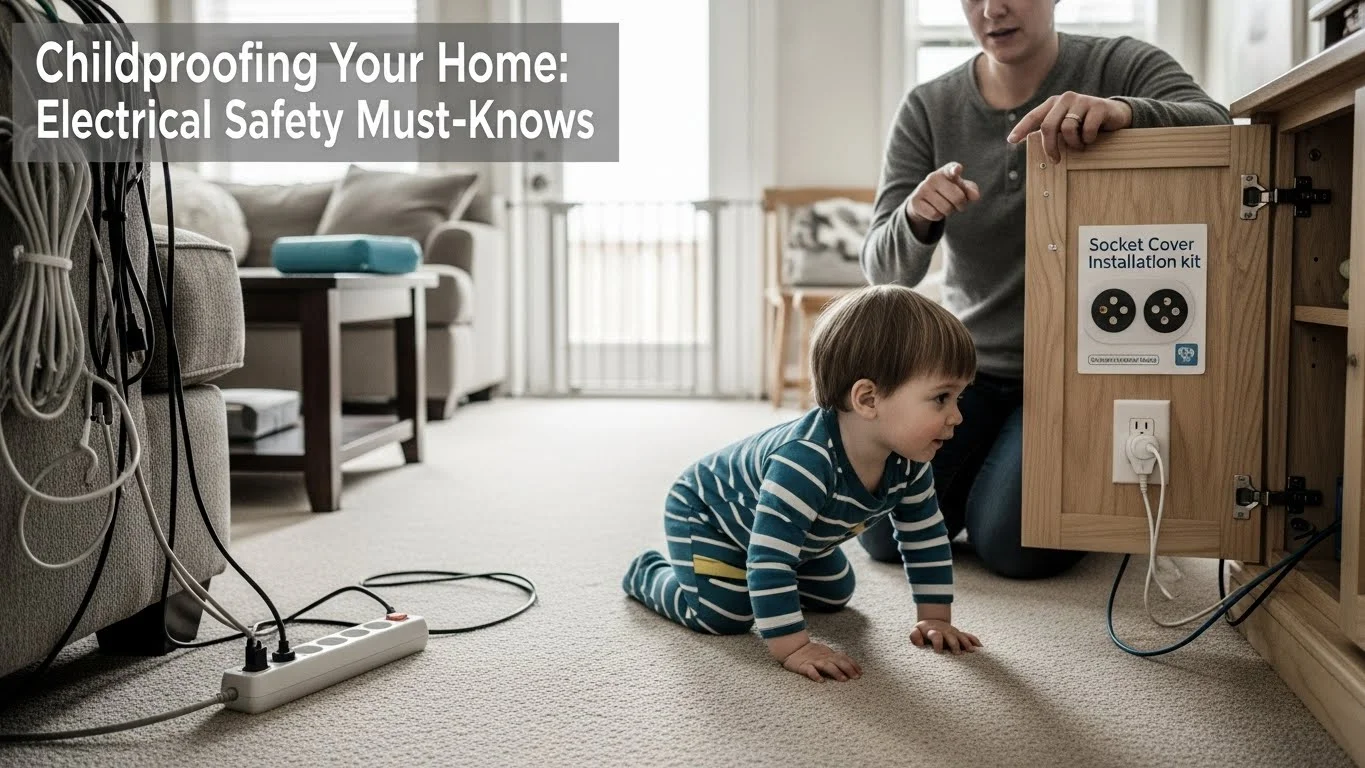
In my experience, some common electrical dangers include accessible outlets, exposed wires, and appliances left unattended. I remember once finding my toddler trying to stick a toy into an outlet. Thankfully, I was right there, but it made me realize just how easily accidents can happen. Here are a few specific dangers you should be aware of:
- Uncovered Outlets: Outlets without covers are an open invitation for little fingers and curious minds.
- Long Cords: Cords that dangle from tables and walls can easily be pulled or chewed on.
- Hot Appliances: Devices like irons, toasters, and even lamps can become hot and pose burn risks.
- Water and Electricity: Combining liquids with electrical devices can be deadly, especially in the kitchen and bathroom.
Statistics on Electrical Accidents Involving Children
When I started researching electrical safety, I was shocked to learn about the statistics surrounding electrical accidents. According to the National Fire Protection Association, electrical failures or malfunctions cause nearly 50,000 home fires each year, resulting in more than 500 deaths and thousands of injuries. Among these incidents, children are particularly vulnerable. In fact, the Consumer Product Safety Commission reports that over 2,400 children under the age of 5 are treated in emergency rooms annually due to electrical injuries. These numbers are staggering and motivate me to take every precaution necessary in my home.
Understanding these statistics reinforces the importance of being proactive. It’s not just about protecting our children; it’s about creating a culture of safety and awareness in our homes. I encourage parents to look around and assess their environments critically. Are there potential hazards lurking in plain sight? What steps can we take to minimize these risks for our children’s sake?
Essential Electrical Safety Tips for Childproofing
Once I realized the dangers, I knew I had to take action. Here are some essential electrical safety tips that I found helpful in childproofing my home. You can also read about Keep Kids Safe: Hazardous Materials Childproofing Tips for additional safety measures.
Outlet Covers and Safety Plugs
One of the simplest and most effective ways to childproof outlets is by using outlet covers or safety plugs. I installed these in all accessible outlets, and it gave me peace of mind knowing my children couldn’t poke anything into them. There are various types, from sliding covers to ones that fit snugly into the outlet, and I recommend choosing ones that are hard for little hands to remove but easy for adults to access.
Cable Management Solutions
I quickly learned that organizing cords is more than just for aesthetics; it’s a safety measure. I started using cable management solutions like cord wraps and clips to keep cords out of reach and neatly tucked away. I also found cord concealers that can be painted to match our walls, making them less noticeable and reducing the temptation for kids to pull them.
Using Grounded Outlets
Grounded outlets add an extra layer of safety, and I made sure to replace any ungrounded outlets in our home. These outlets have three holes instead of two, which provide a path for electrical current to safely ground in case of a fault. For me, it was worth the small investment to ensure my kids were as safe as possible.
Installing Circuit Breakers
Installing circuit breakers is another essential step I took. These devices cut off power when an overload occurs, which can prevent fires and electrical shocks. I consulted with an electrician to ensure that our home’s electrical system was up to code. It gave me peace of mind knowing that our safety was in good hands.
Childproofing a home for electrical safety is a journey filled with awareness, adjustments, and continuous learning. By understanding the hazards and taking proactive steps, we can create a safer environment for our children to grow and explore. In my case, it’s been a rewarding process that not only protects my kids but also makes me a more informed and confident parent.
Childproofing Specific Areas of the Home
Living Room Electrical Safety
As I began to childproof our home, I realized that the living room is often a central gathering place, which makes it a hotspot for potential electrical hazards. I found that ensuring safety in this space required a bit of creativity and vigilance. One thing I did was move furniture around to limit access to electrical outlets and cords. I placed furniture in front of outlets that weren’t being used, which helped keep my toddler from getting too curious.
I also made a habit of checking that all electrical cords were secured and not dangling off the edges of tables or couches. I used cord clips to keep them neatly tucked away. It’s amazing how a little organization can not only declutter the space but also make it much safer for little explorers. I also made sure to unplug devices like chargers when they weren’t in use, as I learned that the risk of electric shock increases with any powered device left unattended.
Kitchen Electrical Precautions
The kitchen can be a bustling hub of activity, but it’s also one of the most dangerous areas for young children when it comes to electrical safety. I started by moving our toaster and any other small appliances out of reach. I also made sure that the appliance cords were not hanging over the edge of counters where kids might grab them.
One thing that was particularly eye-opening for me was the importance of keeping water away from electrical devices. I made it a point to remind myself to keep appliances like blenders and coffee makers dry and away from spills. I even installed a safety latch on the cabinet that holds the microwave, ensuring that it remained out of my child’s reach. It’s also wise to teach kids about the dangers of mixing water and electricity, turning it into a simple lesson they can understand.
Bathroom Electrical Safety Considerations
The bathroom is often overlooked when it comes to electrical safety. However, I learned that this is a critical area to focus on. I made sure to keep electrical devices like hairdryers and electric razors away from the sink and tub. It can be tempting to use these devices while in the bathroom, but it’s so important to avoid any potential accidents. I designated a high shelf for these items, making them less accessible to little hands.
Additionally, I installed GFCI (Ground Fault Circuit Interrupter) outlets in the bathroom. I found that these outlets automatically shut off power if they detect an imbalance in electrical current, which is especially crucial in a wet environment. It’s a small investment for peace of mind, knowing that our bathroom is safer.
Bedroom Safety: Addressing Electrical Risks
When it came to my children’s bedrooms, I wanted to create a cozy and safe environment where they could rest without worry. I made sure to secure any cords from lamps and nightlights, tucking them behind furniture or using cord management solutions. I also opted for battery-operated lamps instead of plug-in ones, eliminating the risk of electrical hazards altogether.
Another step I took was to ensure that any electronics, like chargers or speakers, were stored out of reach. I remember a time when my daughter was drawn to our bedside charger like it was a toy. Now, I place all charging cables high up on shelves or in drawers that she can’t easily access. It’s a simple yet effective way to minimize risks in their personal spaces.
Creating a safe bedroom environment involved checking for any exposed wiring on devices. I replaced any damaged cords or plugs because I learned that even minor wear and tear can pose significant risks. Now, I feel more comfortable knowing that my kids can play, sleep, and grow in a safe space.
Childproofing Devices and Products
Smart Plugs and Timers
In my quest for electrical safety, I discovered smart plugs and timers, which have been game-changers for our home. These devices allow me to control when and how long appliances are used. For example, I can set a timer for our lamps to turn off automatically, ensuring that they won’t be left on all night. This not only reduces fire hazards but also encourages us to be more energy-conscious as a family.
I also appreciate the added benefit of remote control over devices through my smartphone. It means I can check and manage appliances from anywhere in the house, which is especially helpful when my kids are playing in another room. Having this level of control gives me peace of mind and helps me ensure that appliances are not left on when they shouldn’t be.
Electrical Outlet Covers
As I mentioned earlier, outlet covers are a must-have in any home with young children. There are so many options available, and I found it helpful to explore the different types. Some covers are designed to slide open, while others require a bit of a push to remove. I chose ones that were easy for adults to use but difficult for little hands to manipulate. This ensures that the outlets remain protected while still being accessible for us when we need them.
Power Strip Safety Features
Power strips can be handy for managing multiple devices, but they can also pose risks if not used correctly. I made sure to choose power strips equipped with built-in safety features like surge protection and circuit breakers. This extra layer of safety helps protect our electronics from power surges and potential overloads.
Additionally, I learned to keep power strips up off the ground and secure them to prevent little ones from tugging on them. I also only use power strips in well-ventilated areas, as overheating can occur if they’re covered or placed in tight spaces. Taking these precautions has made a significant difference in my overall sense of security regarding our electrical systems.
Educating Children About Electrical Safety
Age-Appropriate Safety Lessons
Once I felt confident that I had taken the necessary steps to childproof our home, I realized that the next crucial step was educating my children about electrical safety. I found that teaching them at a young age can instill good habits that they carry into adulthood. For younger children, this meant simple concepts—like not touching outlets or pulling cords. I remember sitting down with my little ones and using simple language to explain that electricity can be dangerous, just like fire or sharp objects.
As they grew older, I introduced more complex ideas. We talked about the importance of not using electrical devices near water, and I explained how to recognize when something isn’t safe to use. I’ve come to appreciate that making electrical safety a part of our everyday conversations not only keeps my kids informed but also empowers them to make safer choices. I recommend using clear and relatable examples; for instance, I would say, “Just like we don’t run near the road, we don’t play with things that can shock us.”
Creating Awareness Through Games and Activities
To make learning about electrical safety fun, I discovered various games and activities that helped reinforce these lessons. One of my favorite activities was creating a “safety scavenger hunt” around the house. I would challenge my kids to find potential electrical hazards, like uncovered outlets or cords that were not secured. They loved the challenge, and it allowed them to engage with their surroundings while learning important safety lessons. This kind of hands-on experience made them more aware of their environment in a way that felt playful rather than scary.
We also spent time creating posters about electrical safety. I encouraged my children to draw pictures depicting safe versus unsafe practices related to electricity. These became educational decorations in our home, serving as constant reminders for all of us. I believe that visual aids can be incredibly effective in retaining information, and it was heartwarming to see my kids excited about sharing what they learned. They would proudly point out the posters to their friends, spreading awareness beyond our household.
When to Consult a Professional Electrician
Identifying Warning Signs of Electrical Issues
Even with all the safety measures in place, I learned that it’s essential to stay vigilant about the electrical systems in our home. There were moments when I noticed things that didn’t seem quite right. For example, I remember noticing flickering lights or hearing strange buzzing sounds from outlets. These were clear warning signs that something might be wrong. I realized that as parents, we should never ignore these signs. If you notice any unusual behavior from your electrical systems, it’s important to take them seriously and consider consulting a professional electrician.
Over time, I’ve come to trust my instincts when it comes to electrical safety. If something feels off, I won’t hesitate to call in a professional. I also learned to pay attention to the age of our appliances and wiring. If they look outdated or have experienced wear and tear, it might be time for an upgrade. After all, our children’s safety is worth every bit of precaution we can take.
Periodic Electrical Safety Inspections
To ensure our home remains a safe place, I decided to schedule periodic electrical safety inspections with a qualified electrician. I found that this proactive approach gives me peace of mind. During these inspections, the electrician checks for potential hazards, ensures that everything is up to code, and also provides recommendations for improvements. I can’t stress enough the importance of this step, as it has saved us from potential risks.
From my experience, having a professional evaluate our home every few years has helped identify issues that I might not have noticed. It’s one of those things that I think can make a huge difference in overall safety. Plus, it allows me to focus on enjoying time with my children, knowing that we’ve taken all possible safety measures. I encourage other parents to consider this step as part of their childproofing efforts. It’s worth the investment for the peace of mind it brings.
FAQs About Childproofing Electrical Safety
What Age Should Children Start Learning About Electrical Safety?
In my opinion, it’s never too early to start teaching children about electrical safety. I began introducing basic concepts to my kids as soon as they could understand simple instructions, around the age of 2 or 3. By keeping the lessons age-appropriate and engaging, I’ve found that they absorb the information better. As they grow, I continue to build on that foundation, ensuring they understand the evolving risks as they become more independent.
How Effective Are Outlet Covers?
From what I’ve experienced, outlet covers are highly effective at preventing little fingers from accessing outlets. While they’re not a foolproof solution, they significantly reduce the risk of accidental shocks. I’ve noticed that my kids rarely try to mess with the outlets since we installed covers. However, I always emphasize that these should be used as part of a broader safety strategy rather than the only measure.
Are Smart Home Devices Safe for Children?
Smart home devices can be safe for children, but it’s essential to use them wisely. I’ve integrated several smart devices in our home, and they provide great security features, such as remote monitoring and control. However, I always check reviews and ensure that the devices comply with safety standards before purchasing. It’s vital to supervise children when they’re around smart devices, as they can still pose risks if misused. Overall, I believe they can enhance safety if used correctly.
Frequently Asked Questions
What are common electrical dangers for children in the home?
Common electrical dangers include uncovered outlets, long cords that can be pulled or chewed on, hot appliances like irons and toasters, and the combination of water with electrical devices, especially in the kitchen and bathroom.
What are some statistics on electrical accidents involving children?
According to the National Fire Protection Association, electrical failures or malfunctions cause nearly 50,000 home fires each year, resulting in over 500 deaths and thousands of injuries. The Consumer Product Safety Commission reports that over 2,400 children under the age of 5 are treated in emergency rooms annually due to electrical injuries.
What is one effective way to childproof outlets?
One effective way to childproof outlets is by using outlet covers or safety plugs. It’s important to choose ones that are hard for little hands to remove but easy for adults to access.
How can cord management contribute to electrical safety?
Cable management solutions like cord wraps and clips help keep cords out of reach and neatly tucked away, reducing the temptation for children to pull or chew on them.
What is the benefit of using grounded outlets?
Grounded outlets provide an extra layer of safety by offering a path for electrical current to safely ground in case of a fault, which can help prevent electrical shocks.
What precautions should be taken in the kitchen for electrical safety?
In the kitchen, it’s important to move small appliances out of reach, ensure appliance cords are not hanging over the edge of counters, and keep electrical devices dry and away from spills.
What steps can be taken to ensure bathroom electrical safety?
To ensure bathroom electrical safety, keep devices like hairdryers away from the sink and install GFCI (Ground Fault Circuit Interrupter) outlets that shut off power if they detect an imbalance in electrical current.
How can parents educate their children about electrical safety?
Parents can educate their children about electrical safety by introducing age-appropriate lessons, using simple language to explain dangers, and engaging them in activities like safety scavenger hunts to reinforce learning.
What should parents do if they notice warning signs of electrical issues?
If parents notice warning signs such as flickering lights or strange buzzing sounds from outlets, they should take these signs seriously and consider consulting a professional electrician.
Why is it important to schedule periodic electrical safety inspections?
Scheduling periodic electrical safety inspections with a qualified electrician helps identify potential hazards, ensures everything is up to code, and provides peace of mind regarding the safety of the home.