
Transitioning to a vegan diet can be a rewarding journey for families, especially with children. However, many parents have questions about how to ensure their kids get the right nutrition while embracing plant-based eating. For more insights, check out How to Ensure Proper Nutrition for Vegan Children.
Understanding Vegan Child Nutrition
What is Vegan Nutrition?
Vegan nutrition focuses on a diet that excludes all animal products, including meat, dairy, and eggs. It emphasizes whole plant foods like fruits, vegetables, grains, legumes, nuts, and seeds. I remember when I first began exploring veganism for my family; I was surprised by the variety of delicious meals we could create without animal products. It’s about understanding how to build balanced meals that support growth and development without compromising on nutrition.
Benefits of a Vegan Diet for Children
There are numerous benefits to raising children on a vegan diet. Research shows that a plant-based diet can be rich in essential nutrients, promote healthy weight management, and contribute to lower risks of chronic diseases. I felt a sense of reassurance knowing that my kids could enjoy a diet high in fiber, vitamins, and antioxidants. Plus, I noticed they developed a strong relationship with food, appreciating the flavors and textures of different plants. They became more adventurous eaters, willing to try new foods, which I have found to be a delightful journey.
Common Nutritional Concerns
As exciting as the prospect of vegan nutrition can be, I also discovered it comes with its own set of challenges. Common concerns include ensuring adequate intake of certain nutrients like protein, iron, calcium, and vitamins B12 and D. I initially worried about whether my children would be getting everything they needed for their growing bodies. I learned that with careful planning and knowledge, it’s entirely possible to meet all of their nutritional needs while following a vegan lifestyle. It’s all about balance and variety, which I found to be key in every meal I prepared. For more on this, you can read Top Tips for Vegan Child Nutrition: Common Concerns Addressed.
Essential Nutrients for Vegan Children
Protein Sources for Vegan Kids
One of the first questions I had was about protein. Many people think that without meat, kids won’t get enough protein. However, plant-based sources are abundant! Foods like lentils, chickpeas, quinoa, tofu, and tempeh are fantastic options. I remember experimenting with different recipes, and my kids loved lentil soup and chickpea curry. I also found that incorporating a variety of these sources throughout the week helped ensure they received sufficient protein for their growth and energy needs.
Iron: Importance and Vegan Sources
Iron is crucial for children as it supports healthy development and energy levels. As a parent, I learned that vegan sources of iron include beans, lentils, spinach, and fortified cereals. I make sure to pair these iron-rich foods with vitamin C sources like citrus fruits or bell peppers to enhance absorption. I noticed that my kids enjoy smoothies packed with spinach and orange juice—an easy way to boost their iron intake while getting an extra dose of vitamin C.
Calcium: Vegan Options for Strong Bones
Calcium is another important nutrient for growing children, as it helps build strong bones and teeth. When I switched to a vegan diet, I was thrilled to find that there are plenty of plant-based sources of calcium. Foods like fortified plant milks, tofu, almonds, and leafy greens like kale and bok choy are wonderful options. I often make smoothies with almond milk and spinach or prepare tofu stir-fries to make sure they’re getting enough calcium without dairy.
Vitamin B12: How to Ensure Adequate Intake
Vitamin B12 is a nutrient that can be tricky on a vegan diet since it’s primarily found in animal products. I quickly learned that it’s important to include fortified foods or consider a supplement. We found that nutritional yeast, which has a cheesy flavor, became a favorite topping for popcorn and pasta in our house, providing a good source of B12. I also read up on the importance of regular check-ups with the pediatrician to monitor B12 levels in my kids.
Omega-3 Fatty Acids: Plant-Based Sources
Omega-3 fatty acids are essential for brain development, and I wanted to ensure my kids were getting enough. I discovered that flaxseeds, chia seeds, and walnuts are excellent plant-based sources of omega-3s. Incorporating chia seeds into smoothies or oatmeal became a staple in our meals, and I remember my kids loving the texture. I felt good knowing I was supporting their cognitive development through our meals.
Vitamin D: Importance and Sources
Vitamin D is crucial for calcium absorption and bone health. In our family, we often spend time outdoors, but during the colder months, I learned that it might be beneficial to look for fortified foods. Plant milks and some orange juices can be fortified with vitamin D, which helped ease my worries about their intake. I also explored supplements, especially during winter, to ensure they were getting enough of this important vitamin.
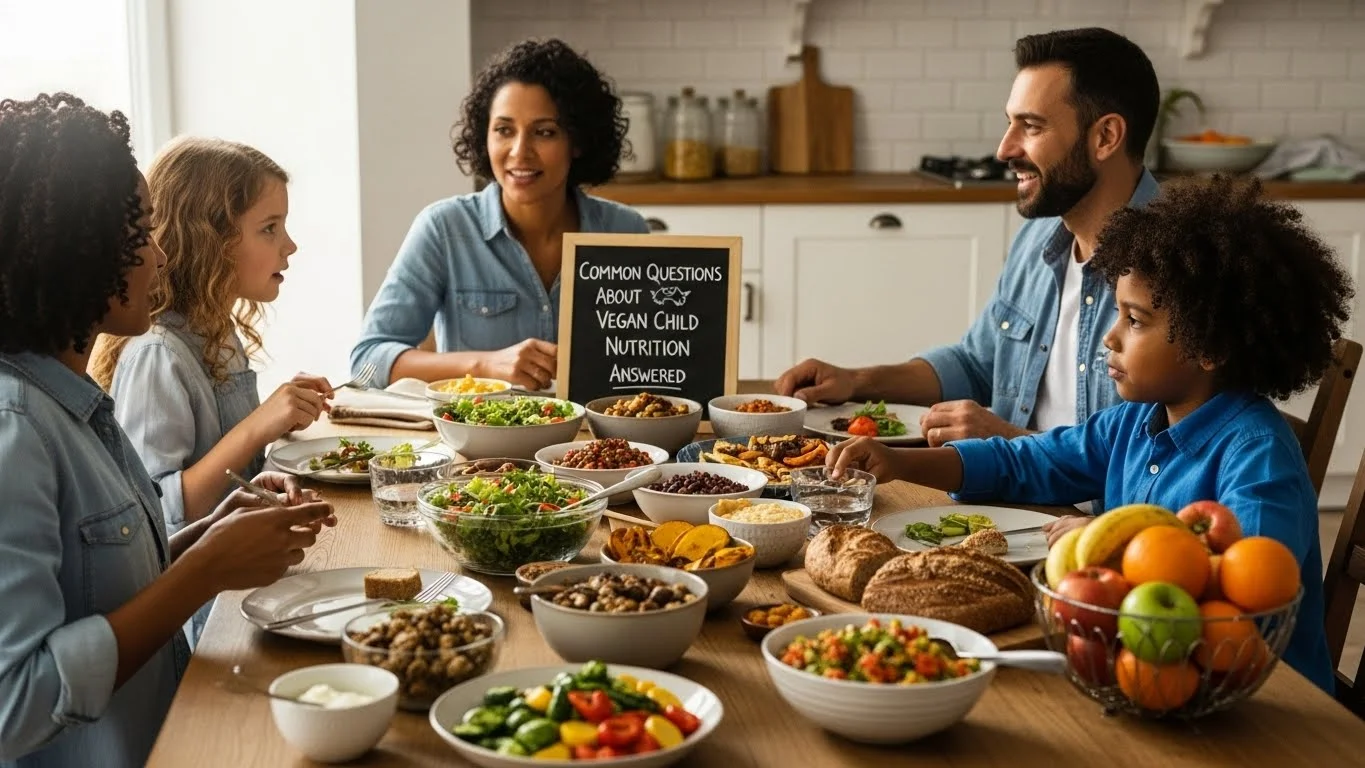
Common Questions About Vegan Child Nutrition
Can a Vegan Diet Meet All Nutritional Needs?
I often found myself asking whether a vegan diet could really meet all of my children’s nutritional needs. The good news is that yes, it absolutely can! As long as we focus on a variety of whole foods, we can provide a balanced diet that supports healthy growth and development. I learned that it’s essential to be mindful and intentional about meal planning. I made it a point to include foods from all the major food groups, ensuring we had plenty of grains, vegetables, fruits, legumes, nuts, and seeds on our plates. After some research and trial and error, I became more confident that we were covering all the necessary nutrients. I believe that keeping an open dialogue with my kids about nutrition not only educated them but also made them enthusiastic participants in their own meal choices.
How to Plan Balanced Vegan Meals for Kids?
Meal planning became a fun challenge for us. I remember when we started, I would sit down with my kids and brainstorm meal ideas together. We’d come up with a menu for the week, considering their favorite foods while incorporating new options. I found that using a “plate method” helped a lot; I aimed for half of the plate to be filled with fruits and vegetables, a quarter with grains, and a quarter with proteins. I also learned to include healthy fats in our meals, which made things more interesting. For example, we enjoyed avocado toast topped with tomatoes and sprinkled with nutritional yeast. This not only provided nutrients but also kept meals exciting, and my kids were more inclined to eat what was on their plates.
What Are the Best Vegan Foods for Growing Children?
While exploring vegan foods, I discovered that there are some real superstars when it comes to nutrition. Foods like quinoa and farro became regular staples in our household because they are packed with protein and fiber. Additionally, I found that nutrient-dense snacks like hummus paired with carrot sticks or apple slices with almond butter kept my kids energized throughout the day. I made a point to include a variety of colors on our plates, which not only made meals visually appealing but also ensured we were getting a range of nutrients. I often remind myself and my family that eating the rainbow is not just a delightful saying but a practical way to ensure a balanced diet.
How to Address Picky Eaters on a Vegan Diet?
Dealing with picky eaters can be a challenge, and I experienced this firsthand. My kids went through phases where they would be reluctant to try new foods. What worked for us was to involve them in the cooking process. We’d make a family night out of experimenting with new vegan recipes. I remember one evening we decided to make homemade veggie tacos, and I set up a “taco bar” where they could choose their own toppings. This not only made it fun but also empowered them to take control of their meals. I’ve learned that sometimes, all it takes is a little creativity and patience. I also tried to make familiar foods in new ways, like blending spinach into smoothies, which they enjoyed without even realizing they were drinking greens!
Is Veganism Safe for Infants and Toddlers?
This was a question I pondered as my youngest was still in toddlerhood when we made the transition. I discovered that a vegan diet can be safe and healthy for infants and toddlers, but it requires extra care and attention. I consulted our pediatrician to ensure I was making the right choices. Foods like pureed beans, mashed avocado, and oatmeal were some of the first foods I introduced. I made sure to include iron-rich foods and healthy fats, as these are critical for brain development in young children. I felt reassured knowing that as long as I was diligent about their nutrition and complemented their diet with appropriate supplements, we were on the right track.
How to Transition a Child to a Vegan Diet?
Transitioning my kids to a vegan diet was a gradual process. It started with replacing one meal at a time. I remember swapping out our usual breakfast cereal with oatmeal topped with fruits and nuts. I also made it a point to introduce plant-based alternatives that tasted similar to what they were used to, like cashew cheese or almond milk. It was important to me that they felt involved in the changes, so we would explore new foods together. I encouraged them to pick out ingredients at the grocery store, which made them more excited to try the meals we prepared at home. I found that patience and understanding were key, allowing them to adapt at their own pace while still reinforcing the importance of a healthy, plant-based lifestyle.
Practical Tips for Parents
Reading Labels: What to Look For
One of the first things I learned when transitioning to a vegan diet for my kids was the importance of reading labels. Initially, it felt overwhelming, but I quickly realized that it was essential for ensuring that the foods I bought were truly plant-based. I remember picking up products that seemed vegan at first glance, only to discover they contained hidden animal ingredients like gelatin or dairy. Now, I always look for labels that clearly state “vegan” and check for ingredients that may not be obvious. I also became familiar with common animal-derived ingredients to watch out for, like casein or whey. This little habit has made grocery shopping feel more empowering and less daunting for me.
Incorporating Variety in Vegan Meals
Variety has been a game-changer in keeping meals exciting for my kids. I found that incorporating a wide range of ingredients not only keeps the menu interesting but also ensures my children receive a diverse array of nutrients. I often try to include different colors and textures in each meal, which not only makes the food visually appealing but also entices my kids to try new things. For instance, we might have a colorful stir-fry with red bell peppers, broccoli, and purple cabbage, or a vibrant fruit salad for dessert. I’ve noticed that when they see a rainbow of colors on their plates, they’re much more willing to dig in!
Snacking Ideas for Vegan Kids
Snacking can often be a challenge, especially when trying to maintain a healthy diet for kids. I discovered that having a stash of tasty vegan snacks on hand made a big difference. Some of our favorites include homemade energy balls made from oats, nut butter, and dates, or fruit and nut bars. I also love to prepare veggie sticks with hummus or guacamole, which my kids absolutely adore. Nut butter on whole-grain toast topped with banana or apple slices has become a go-to option for quick and nutritious snacks. By keeping these easy, healthy snacks available, I’ve found that my kids are less likely to reach for processed options.
Meal Prep Strategies for Busy Parents
Life can get hectic, and I understand how challenging it can be to prepare healthy meals every day. To tackle this, I started dedicating some time on weekends for meal prep. I’ll cook large batches of grains like quinoa or brown rice and store them in the fridge for quick use during the week. We also chop veggies in advance so they’re ready to be tossed into stir-fries or salads. I’ve even found that batch-cooking soups or stews is a lifesaver; they can be easily reheated for busy nights. By planning ahead, I’ve been able to reduce stress during the week and ensure my kids have healthy meals ready to go.
Resources for Vegan Child Nutrition
Recommended Cookbooks for Vegan Families
As I dove deeper into vegan cooking, I discovered some fantastic cookbooks that became staples in our kitchen. One of my favorites is “Vegan With a Vengeance” by Isa Chandra Moskowitz. It offers a variety of accessible and delicious recipes that my kids have loved. Another great resource is “The How Not to Die Cookbook” by Dr. Michael Greger, which focuses on healthy, plant-based meals that are easy to prepare. I’ve often found inspiration from these books, and they’ve helped me keep our meals exciting and nutritious.
Websites and Blogs for Vegan Nutrition Information
I’ve turned to several websites and blogs for reliable vegan nutrition information. Sites like the Vegan Society provide a wealth of resources, including meal plans and nutritional guidelines. I’ve also enjoyed exploring blogs like “Minimalist Baker,” which offers simple, quick recipes that fit our busy lifestyle. These platforms have been invaluable in helping me stay informed and inspired on our vegan journey. For additional tips, see Top Tips for Meeting Vegan Children’s Nutritional Needs.
Consulting with Pediatricians and Nutritionists
Throughout our transition, I’ve found it incredibly helpful to consult with pediatricians and nutritionists who specialize in vegan nutrition. They provided me with guidance on what to focus on to ensure my children are getting all the nutrients they need. I recommend making it a point to discuss your family’s dietary choices during routine check-ups. Having that professional support gave me peace of mind and reinforced that we were on the right path.
Final Thoughts
As I reflect on our journey into veganism as a family, I feel a mix of pride and gratitude. Transitioning to a vegan diet has been more than just a change in our meals; it has become a lifestyle that promotes health, compassion, and environmental consciousness. I’ve seen my children thrive on this diet, both physically and emotionally, as they learn to appreciate the planet and the food it provides.
One of the most rewarding aspects I’ve experienced is the way my kids have developed a taste for wholesome foods. I remember one evening when we prepared a colorful vegetable stir-fry together. They were so excited to help chop vegetables and toss them in the pan, and when it was finally time to eat, their faces lit up with delight as they tasted their creation. It reminded me that cooking together not only nourishes our bodies but also deepens our bonds as a family.
Of course, there have been challenges along the way. I’ve had to navigate picky eating phases, nutritional concerns, and occasional skepticism from relatives about our lifestyle choices. However, through open conversations and education about the benefits of our diet, we’ve managed to turn those challenges into learning moments. I believe that making informed decisions about food has empowered my children to take an active interest in their health.
As we continue this journey, I find joy in exploring new recipes and discovering new favorite foods. I encourage other families to be patient and flexible during the transition. Everyone’s journey is unique, and it’s perfectly okay to adapt the principles of veganism to fit your family’s needs. Whether it’s trying out different ingredients or experimenting with flavors, the key is to stay open-minded and have fun with it.
In the end, I believe that a vegan diet can be a fulfilling and nutritious choice for children. With the right knowledge, resources, and a little creativity, I’ve seen firsthand how it can support their growth, development, and overall well-being. I hope that by sharing our story, more families will feel inspired to explore the world of plant-based eating and embrace the myriad of flavors and benefits it has to offer.
So here’s to happy, healthy, and compassionate eating—together as a family!
Frequently Asked Questions
What is vegan nutrition?
Vegan nutrition focuses on a diet that excludes all animal products, including meat, dairy, and eggs. It emphasizes whole plant foods like fruits, vegetables, grains, legumes, nuts, and seeds.
What are the benefits of a vegan diet for children?
A vegan diet can be rich in essential nutrients, promote healthy weight management, and contribute to lower risks of chronic diseases. It helps children develop a strong relationship with food and encourages them to try new foods.
How can parents ensure their children get enough protein on a vegan diet?
Parents can ensure adequate protein intake by incorporating plant-based sources such as lentils, chickpeas, quinoa, tofu, and tempeh into their children’s meals.
What are some vegan sources of iron for children?
Vegan sources of iron include beans, lentils, spinach, and fortified cereals. Pairing these with vitamin C sources can enhance iron absorption.
How can parents ensure adequate calcium intake for vegan children?
Calcium can be obtained from fortified plant milks, tofu, almonds, and leafy greens like kale and bok choy. Smoothies with almond milk and spinach are a great way to provide calcium.
Why is vitamin B12 important and how can it be obtained on a vegan diet?
Vitamin B12 is crucial as it is primarily found in animal products. Vegans should include fortified foods or consider supplements, such as nutritional yeast, to ensure adequate intake.
What are some plant-based sources of omega-3 fatty acids?
Flaxseeds, chia seeds, and walnuts are excellent plant-based sources of omega-3 fatty acids, which are essential for brain development.
How can parents address picky eaters on a vegan diet?
Involving children in the cooking process and making meals fun, such as creating a “taco bar,” can help encourage them to try new foods and take control of their meals.
Is a vegan diet safe for infants and toddlers?
A vegan diet can be safe and healthy for infants and toddlers with careful planning. It’s important to include iron-rich foods and healthy fats, and consult with a pediatrician.
What practical tips can parents use for meal prep on a vegan diet?
Parents can dedicate time on weekends for meal prep, cook large batches of grains, chop veggies in advance, and batch-cook soups or stews to ensure healthy meals are ready during the week.