
Traveling opens the door to countless adventures, but effective communication can make or break those experiences. Here’s how we can enhance our dialogue on the road, ensuring every journey is memorable. Read Interesting article: Unlocking Travel Secrets: How to Encourage Open Dialogue
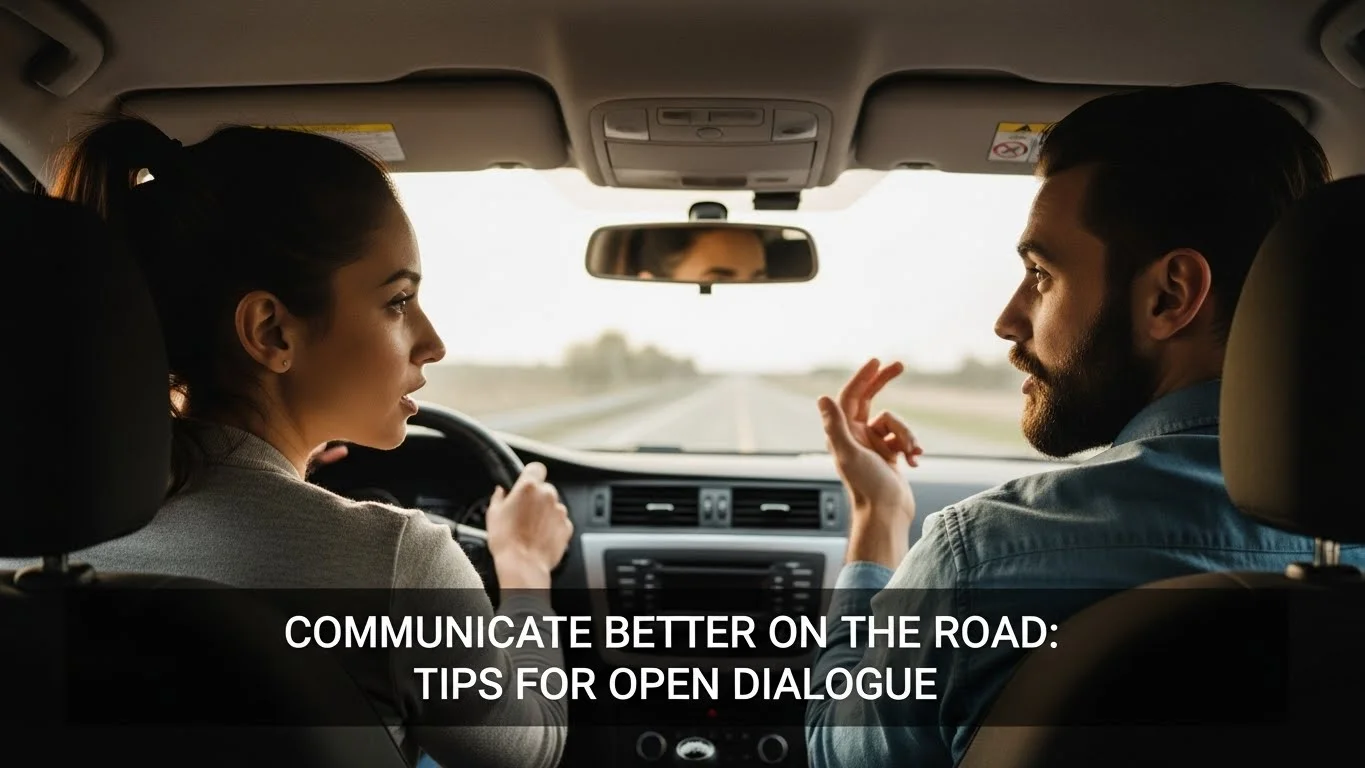
Understanding the Importance of Communication on the Road
Why Good Communication Matters While Traveling
When I think back on my travels, the moments that stand out often revolve around the conversations I had. Whether it was asking for directions, chatting with locals, or connecting with fellow travelers, communication played a crucial role. Good communication can transform a simple trip into a rich experience. It helps us navigate unfamiliar territories, understand diverse cultures, and create lasting memories.
Effective communication can also enhance our safety. When we clearly express our needs or concerns, we reduce misunderstandings that could lead to tricky situations. I remember getting lost in a bustling city and relying on a friendly local to guide me. The clearer I was about where I wanted to go, the more comfortable I felt—and the quicker I found my way!
Common Challenges in Road Communication
Despite our best intentions, communication on the road can be full of challenges. One major hurdle is language barriers. When I traveled to non-English-speaking countries, I often felt frustrated trying to convey my thoughts. Mispronunciations or misunderstandings can lead to more complications than necessary.
Cultural differences also play a significant role. I once made a joke that fell flat in a different country because humor doesn’t always translate well across cultures. It’s important to be aware of how our words and actions might be perceived differently. I learned that taking the time to understand local customs can help bridge those gaps.
Then there’s the challenge of group dynamics. Traveling with friends or family can sometimes lead to tension, especially when everyone has different expectations. I’ve seen how poor communication can result in disagreements about logistics or activities, which can dampen the spirit of the trip. It’s essential to find ways to communicate openly to avoid these pitfalls. Read Interesting article: Tips for Handling Tough Talks on a Budget Travel Adventure
Essential Communication Skills for Travelers
Active Listening Techniques
One of the best skills I’ve honed while traveling is active listening. This means fully concentrating on what the other person is saying rather than just waiting for my turn to speak. I remember a time in a small café in Italy, where I listened intently to the barista share stories about the town. By showing genuine interest, I was able to draw out more interesting tales and not just the usual tourist information.
To practice active listening, I often nod or give verbal affirmations like “I see” or “That’s interesting.” These small gestures encourage the speaker to share more. I’ve found that when I engage in this way, conversations become richer and more meaningful.
Effective Questioning Strategies
Asking the right questions can guide conversations and help gather information. I’ve learned that open-ended questions often lead to deeper discussions. Instead of asking, “Did you like the food here?” I try, “What was your favorite dish?” This not only keeps the conversation flowing but also shows that I’m interested in the other person’s experiences.
I also try to tailor my questions based on context. For example, when meeting fellow travelers in a hostel, I often ask about their journeys or favorite places. This helps create a shared connection and can lead to new friendships.
Non-Verbal Communication Cues
Body language is another powerful tool in communication that I’ve become more aware of during my travels. A simple smile or a thumbs-up can convey positivity, even when words fail. I remember sitting in a crowded market in Thailand, and while the language barrier was significant, sharing smiles with vendors made transactions feel friendly and warm.
It’s essential to be mindful of my own non-verbal cues too. I’ve noticed that crossing my arms or looking away can come across as closed off or uninterested. Instead, I try to maintain an open posture and make eye contact, which encourages others to engage with me. Recognizing these cues in others can help me better interpret what they’re really saying beyond their words.
By understanding the importance of communication on the road and honing these essential skills, we can navigate our travels more smoothly. I encourage everyone to embrace these strategies; they have certainly enriched my experiences and helped me connect with people in ways I never expected. Read Interesting article: Unlock Positive Reinforcement: Tips for Effective Communication
Tools and Resources for Better Communication
Language Translation Apps
In today’s tech-savvy world, I’ve found that language translation apps can be lifesavers while traveling. While I enjoy trying to learn a few phrases in the local language, there’s nothing like having an app that can bridge the gap when I stumble over a word or two. My favorite is Google Translate—it’s user-friendly and can even translate text through my camera. I remember standing in a beautiful market in Barcelona, trying to read the menu at a quaint café. With just a quick scan of my phone, I was able to understand everything and make an informed choice about my meal.
Another app that I’ve found quite helpful is Duolingo. While it’s primarily for learning languages, I like to use it to familiarize myself with basic phrases before heading to a new country. It’s a fun way to get started, and I often find myself practicing the words I learned when I actually arrive at my destination.
Communication Devices for Travelers
While smartphones are fantastic, sometimes I prefer having a dedicated device for translation, especially during long trips. I discovered pocket translators that can speak the translated phrases aloud, which really helps when I’m interacting with locals who might not be familiar with English. I remember using one in Japan, and it not only translated my questions but also pronounced them for me, which made our conversations much smoother.
Another handy tool is a portable Wi-Fi device. Staying connected means I can access translation apps or even video calls with friends or family for support when I’m feeling a bit overwhelmed. Knowing I have a reliable connection gives me more confidence to explore and communicate with others.
Useful Phrases in Different Languages
One of the simplest but most impactful things I do before a trip is to learn a few key phrases in the local language. Even just saying “hello,” “thank you,” and “please” can go a long way. I remember visiting France and practicing my French phrases. The locals really appreciated my efforts, and it opened up more friendly interactions. I felt more connected to the culture, and it was a great icebreaker!
Creating a small cheat sheet with essential phrases can be incredibly useful. I often jot down common phrases and their pronunciations for quick reference. Phrases like “Where is the bathroom?” and “How much does this cost?” have saved me quite a few times. I suggest keeping it handy while exploring, so you can pull it out when needed.
Building Open Dialogue with Fellow Travelers
Starting Conversations in Shared Spaces
When traveling, I’ve noticed that shared spaces like hostels, cafes, and public transport are perfect spots to strike up conversations. I’ve met amazing people by simply saying “hi” or asking where they’re from. One of my favorite moments was during a long train journey in Europe. I sat next to a fellow traveler, and after a friendly smile and a simple question about their destination, we ended up sharing travel stories for hours. It made the journey fly by and created a lovely friendship that continued even after our paths diverged.
Being open and approachable is key. I try to maintain a friendly demeanor, which often invites others to engage. A warm smile and a genuine question about someone’s travel plans can work wonders in breaking the ice.
Creating Connections Through Shared Experiences
Shared experiences like group tours, cooking classes, or even a simple hike can naturally lead to deeper conversations. I’ve participated in several cooking classes while traveling, and these experiences allowed me to bond with not just the instructor but also fellow participants. We laughed, learned, and shared our own culinary tales, which led to connections that extended beyond the class.
I’ve found that when we work together or share a goal—like learning to make pasta or exploring a new city—conversations flow more easily. It’s like building a little community, even if it’s just for a few hours or days. I keep those connections alive through social media, and it’s fun to see where everyone’s travels take them next!
Respecting Cultural Differences in Communication
As I travel, I’ve learned that being sensitive to cultural differences is vital for effective communication. For instance, I’ve noticed that in some cultures, direct eye contact might be deemed disrespectful, while in others, it’s a sign of honesty and engagement. I remember visiting a country where personal space was more respected, and I had to adjust my approach to conversations. Understanding these nuances helped me connect better with the locals.
I also make it a point to observe how locals interact among themselves. It’s an excellent way to learn about their customs and adapt my communication style accordingly. Being respectful not only fosters goodwill but also enriches my travel experience by allowing me to immerse myself in the local culture.
Communicating with Locals: Tips for Engagement
Understanding Local Customs and Etiquette
One of the most rewarding parts of traveling is connecting with locals, but understanding their customs and etiquette can make all the difference. I’ve learned that every culture has its own set of unwritten rules, and being aware of these can lead to more respectful and effective communication. For instance, I remember my first visit to Japan. I was fascinated by their customs, especially the importance of bowing as a greeting. The subtlety of this gesture speaks volumes about respect and humility. I decided to immerse myself in learning these little cultural nuances, and it truly enriched my interactions.
Before heading to a new destination, I often research local customs related to greetings, dining, and even body language. I’ve found that showing respect for their traditions not only helps me communicate better but also opens up doors to deeper connections. Simple gestures, like using the local language for greetings or understanding dining etiquette, can lead to warm smiles and a more welcoming atmosphere.
Asking for Directions: Best Practices
Getting lost is part of the adventure, but how we ask for help can influence the experience significantly. I’ve found that approaching someone with a polite smile and a respectful tone goes a long way. When I was navigating the winding streets of a quaint village in Portugal, I approached a local shopkeeper. Instead of diving straight into my request, I took a moment to greet him and compliment his shop, which opened up our conversation beautifully. I learned that a little friendliness goes a long way in making someone more willing to help.
When asking for directions, clarity is key. I often point to a location on a map or use my translation app to bridge any language gap. I remember one instance in Greece, where I was trying to find a hidden gem of a restaurant. By showing the address and even a picture of the place on my phone, the locals were eager to assist and even added their personal recommendations, making my experience all the more rewarding.
Engaging in Small Talk with Locals
Small talk might seem trivial, but it can lead to meaningful exchanges. I’ve noticed that locals appreciate it when travelers show interest in their daily lives. Whether it’s chatting about the weather, asking about their favorite local dishes, or discussing cultural events, these light conversations often result in more profound insights into the culture.
During a visit to a bustling market in Mexico, I engaged in small talk with a vendor selling handmade crafts. We talked about the significance of the items he was selling, and this conversation opened up a whole new world for me. I learned about the local traditions and even got invited to a community event. It reminded me that genuine curiosity can lead to unexpected and wonderful experiences. I recommend not shying away from these casual interactions; they can be the highlight of your travels!
Resolving Conflicts on the Road
Recognizing Signs of Miscommunication
Miscommunication can happen to anyone, especially in unfamiliar environments. I’ve been in situations where I misinterpreted someone’s tone or body language, leading to awkward moments. Recognizing the signs of miscommunication—like confusion or frustration in the other person’s expressions—has become essential for me. I’ve learned to pay attention to non-verbal cues, such as crossed arms or frowns, which often signal that something isn’t quite right.
When I notice these signs, I try to clarify my message or ask if there’s something I might have misunderstood. For example, during a tour in Thailand, I realized that my guide seemed a bit off after I made a joke that didn’t land well. Instead of brushing it aside, I approached him afterward, apologized, and clarified my intention. This simple act helped smooth things over and led to a more enjoyable tour.
Strategies for Conflict Resolution
When conflicts arise, it’s crucial to address them calmly and respectfully. I’ve found that taking a step back and assessing the situation helps. In one instance, while traveling with friends, we had a disagreement about where to eat. Instead of arguing, we sat down, shared our preferences, and came to a consensus. I believe active listening is key here; when everyone feels heard, it’s easier to find a solution that satisfies everyone.
I also try to keep my tone friendly and open when discussing conflicts. Instead of blaming, I express how I feel and use “I” statements. For instance, saying “I feel confused about our plans” instead of “You always change the plans” helps keep the conversation constructive. This approach has often led to better understanding and resolution.
When to Seek Help from Authorities or Mediators
Despite our best efforts, some conflicts may escalate beyond what we can handle alone. I’ve had a couple of experiences where seeking help from locals or authorities was necessary. For example, while traveling in a foreign city, I encountered a situation where a misunderstanding about a payment led to a heated discussion with a vendor. I realized it was better to involve a local mediator who could bridge the language barrier and help resolve the issue diplomatically.
It’s important to remain calm and respectful when seeking help. I approach authorities with politeness, explaining the situation clearly. Knowing when to step back and ask for assistance can save a lot of stress and ensure that things are resolved peacefully. I encourage travelers to trust their instincts and seek help when needed; it’s all part of the journey!
Enhancing Communication in Group Travel
Setting Group Communication Norms
Traveling in a group can be a blast, but it also requires a bit of planning to ensure everyone is on the same page. I’ve found that establishing clear communication norms at the beginning of a trip can make a world of difference. For example, during a recent group trip, we created a shared group chat to keep everyone updated on plans and preferences. It became our virtual hub for sharing ideas, coordinating meet-up times, and discussing where to eat.
We also set expectations for decision-making. I suggested we take turns picking activities, which helped everyone feel included in the planning process. This approach not only minimized misunderstandings but also enabled everyone to share their interests, leading to a more enjoyable experience for us all.
Using Group Chat Apps Effectively
Group chat apps have been a lifesaver for maintaining communication while traveling. I remember a trip where we used WhatsApp to keep in touch, especially when we split up for different activities. It allowed us to share our experiences in real-time, sending pictures and updates that made us feel connected even when apart.
Using these apps effectively means setting some guidelines. For instance, we agreed to use the chat for essential updates and to share fun moments without overwhelming the group with constant messages. I often find that it helps to establish a specific time for group discussions, allowing everyone to contribute without feeling bombarded. These small practices can enhance the camaraderie and strengthen bonds during group travels.
Encouraging Participation from All Group Members
Finally, making sure everyone feels comfortable participating in discussions is vital. I remember a group trip where one member was quiet during planning sessions. I actively encouraged them to share their thoughts, and it turned out they had incredible ideas that enhanced our itinerary. I learned that it’s important to create an environment where everyone feels valued and heard.
Encouraging participation can be as simple as asking direct questions or inviting quieter members to share their preferences. I’ve found that making an effort to include everyone not only enriches our group experience but also fosters lasting friendships and memories. Group travels can be unforgettable when everyone’s voice is heard!
Practical Tips for Everyday Travel Communication
Practicing Patience and Empathy
Traveling can be overwhelming, and sometimes communication gets tricky. I’ve learned that practicing patience is essential. There have been moments when I felt frustrated while trying to communicate, especially when language barriers were at play. However, taking a deep breath and reminding myself that we are all human can help ease the tension. I try to approach situations with empathy, considering the challenges the other person might be facing, too.
I remember trying to order food in a busy café in Italy, and the waiter seemed just as flustered as I was. By approaching him with a smile and being patient, I found that we could communicate effectively despite the language barrier. This experience taught me that kindness goes a long way, and a little patience often leads to better interactions.
Maintaining a Positive Attitude
Keeping a positive attitude while traveling can significantly influence how we communicate. I’ve noticed that when I approach situations with optimism, it tends to reflect in my conversations. Whether it’s dealing with a mix-up in reservations or navigating a confusing public transport system, maintaining a cheerful demeanor helps diffuse stress.
For me, it’s about embracing the unexpected. I once missed a train and, instead of panicking, I chose to see it as an opportunity to explore the station and chat with fellow travelers. This led to some unexpected friendships and a memorable adventure! I encourage everyone to adopt a mindset of positivity; it can transform challenges into opportunities for connection.
Documenting Important Information
As we travel, it’s crucial to document important information that can aid communication. I’ve found that keeping a travel journal or using apps to save contact details, important phrases, and even interesting conversations can be incredibly helpful. This way, when I find myself in a similar situation again, I have a reference point to guide me.
I often jot down local emergency numbers or helpful phrases in my journal, which has saved me a few times when I needed assistance. It’s also fun to reflect on these notes later, reminding me of the connections I made and the lessons I learned along the way. I suggest carrying a small notebook or using your phone to keep track of these valuable tidbits; it’s a simple yet effective way to enhance communication during travels.
Frequently Asked Questions
Why is good communication important while traveling?
Good communication enhances our travel experiences by helping us navigate unfamiliar territories, understand diverse cultures, and create lasting memories. It also plays a crucial role in ensuring our safety by reducing misunderstandings that could lead to tricky situations.
What are some common challenges in road communication?
Common challenges include language barriers, cultural differences, and group dynamics. Mispronunciations or misunderstandings can arise when communicating in a non-English language, while cultural differences can affect the interpretation of humor and communication styles. Additionally, traveling with friends or family can lead to tension if expectations are not clearly communicated.
What is active listening and why is it important for travelers?
Active listening involves fully concentrating on what the other person is saying rather than just waiting for your turn to speak. It is important for travelers as it encourages richer and more meaningful conversations, allowing for better engagement and connection with others.
How can travelers effectively ask questions?
Travelers can ask effective questions by using open-ended questions that encourage deeper discussions. Tailoring questions based on context, such as asking fellow travelers about their journeys, can also help create a shared connection and potentially lead to new friendships.
What role does non-verbal communication play in travel?
Non-verbal communication, such as body language and facial expressions, can convey positivity and engagement even when words fail. Being mindful of one’s own non-verbal cues and recognizing them in others can enhance understanding and interactions during travels.
What tools can travelers use to enhance communication?
Travelers can use language translation apps like Google Translate for quick translations, dedicated pocket translators for spoken translations, and portable Wi-Fi devices to stay connected. Learning a few key phrases in the local language can also significantly improve communication and foster connections with locals.
How can travelers start conversations with fellow travelers?
Travelers can start conversations in shared spaces like hostels, cafes, or public transport by being open and approachable. Simple greetings or questions about each other’s travel plans can break the ice and lead to meaningful interactions.
What are some best practices for asking for directions?
When asking for directions, it’s important to approach the person politely, greet them, and clarify your request. Using a map or translation app to point to a location can help bridge any language gaps and ensure clearer communication.
How can travelers resolve conflicts while on the road?
Travelers can resolve conflicts by addressing them calmly and respectfully, using active listening to ensure everyone feels heard. If necessary, seeking help from local authorities or mediators can also be an effective way to resolve escalated disputes peacefully.
What practical tips can enhance everyday travel communication?
Practicing patience and empathy, maintaining a positive attitude, and documenting important information can enhance everyday travel communication. Being patient in challenging situations and keeping a travel journal for reference can lead to better interactions and memorable experiences.