
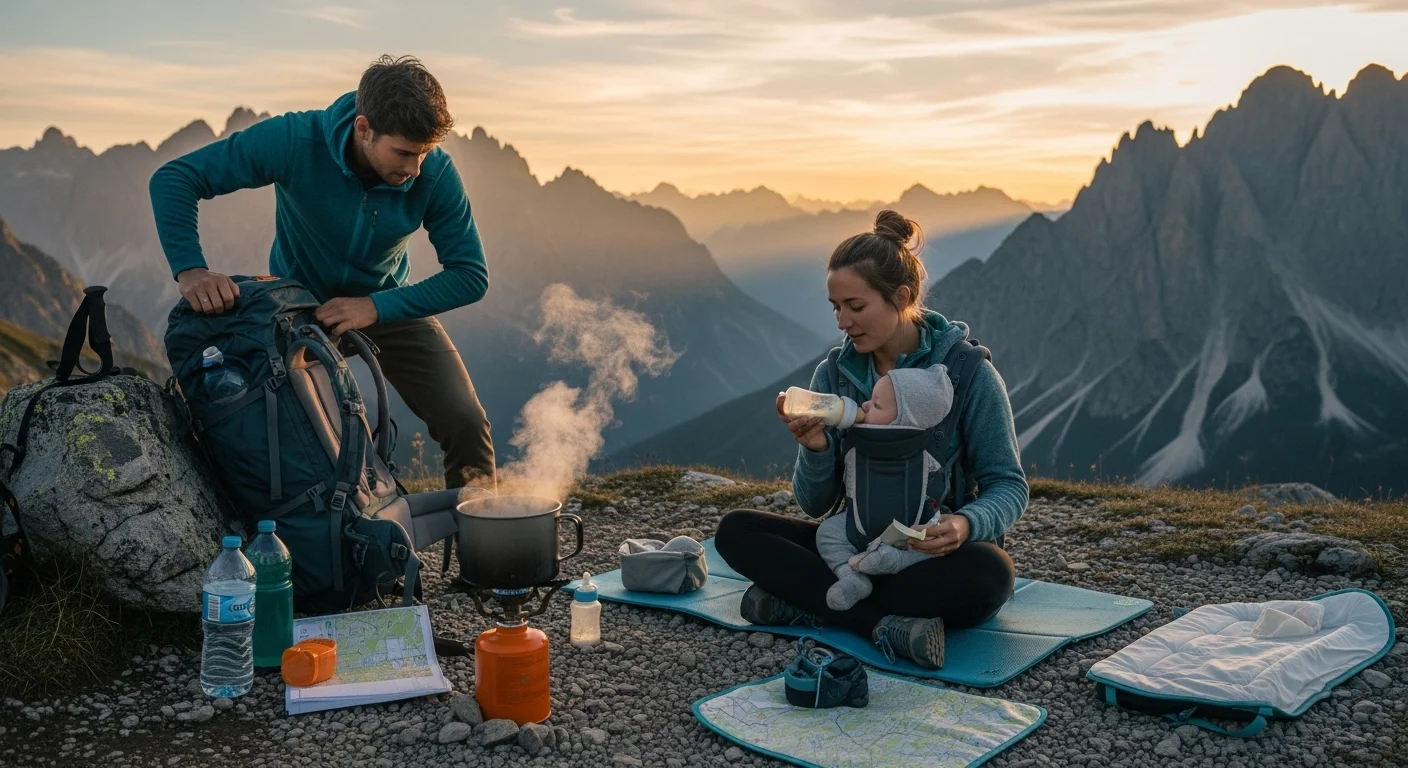
Backpacking with a baby might seem daunting, especially when it comes to formula feeding. But with the right preparation and knowledge, it can be an enjoyable adventure for both you and your little one! For more tips, check out Budget-Friendly Formula Feeding Tips for Traveling Parents.
Understanding Formula Feeding Basics
What is Formula Feeding?
Formula feeding is the process of providing infants with a specially formulated milk substitute that meets their nutritional needs. Unlike breastfeeding, which relies on a mother’s milk, formula feeding allows parents to feed their babies using powdered or liquid formulas designed for infants. I remember when I first transitioned to formula feeding my child; it felt like a new world opened up. I could measure and mix the formula exactly as needed, and it offered a level of convenience that was appealing, especially when we started venturing into the great outdoors.
Types of Infant Formula
There are several types of infant formula available, and choosing the right one can feel overwhelming. The main types include:
- Powdered Formula: This is the most economical option. It requires mixing with water, making it lightweight for backpacking.
- Concentrated Liquid Formula: This comes in a liquid form that you dilute with water. It’s a bit heavier but saves time during preparation.
- Ready-to-Feed Formula: This is the most convenient option, as it requires no mixing. However, it’s also the heaviest and usually more expensive.
From my experience, I found that powdered formula was the best choice for backpacking. It’s lightweight, easy to store, and I could mix it as needed while on the trail.
Benefits of Formula Feeding
Formula feeding provides several benefits, especially for families who love the outdoors. One key advantage is flexibility; anyone can feed the baby, allowing both parents to enjoy the adventure. I loved how my partner could step in during a hike to give our child a bottle, giving me a chance to take a breather. Additionally, formula feeding allows you to measure exactly how much your baby is consuming, which can help with monitoring their intake. For more insights, see Essential Formula Feeding Guidelines for Newborns on the Go.
Another benefit is the ability to plan feeding times more easily. When backpacking, it’s essential to have a routine, and knowing how much formula to bring and when to feed can simplify things. I also appreciated the peace of mind that came with knowing my baby was getting all the necessary nutrients from the formula, especially during long treks when food options might be limited.
Common Concerns and Myths
There are many myths surrounding formula feeding that can cause apprehension for new parents. One common misconception is that formula-fed babies are less healthy than breastfed ones. In my opinion, both methods can provide adequate nutrition; it ultimately depends on the specific needs of your baby and family situation. I noticed that as long as I followed the guidelines for feeding and prepared everything properly, my baby thrived.
Another concern is that formula feeding can lead to digestive issues. While some babies may experience gas or constipation when switching to formula, many do just fine. It’s important to consult with your pediatrician if you notice any issues. During my own journey, I learned to pay attention to my baby’s reactions and made adjustments as needed.
Lastly, some fear that formula feeding requires a lot of preparation and logistics, which can be particularly challenging while backpacking. However, with proper planning, I found it to be manageable. I created a checklist of everything I needed, which streamlined the process and made our trips enjoyable.
Preparing for Backpacking with Baby
Choosing the Right Baby Backpack
The right baby backpack is crucial for a successful backpacking trip. I did a lot of research before choosing one, and I recommend looking for a backpack that is specifically designed for carrying infants. These backpacks often have sturdy frames, comfortable straps, and ample storage for all essentials, including your formula supplies. I found one with a sunshade and a rain cover, which was a game-changer for our outdoor adventures. It kept my little one comfortable no matter the weather.
Essential Gear for Formula Feeding
When backpacking with a baby, packing the right gear is essential. Here’s a list of items I found helpful:
- Formula: Bring enough formula for the trip, plus a little extra just in case.
- Bottles: Lightweight, easy-to-clean bottles are a must. I also packed a couple of extra ones.
- Bottle Brush: For cleaning bottles on the go, a portable bottle brush is a lifesaver.
- Insulated Bottle Bag: This helps maintain the temperature of pre-mixed formula.
- Travel-sized Water Purifier: Having clean water is crucial for mixing formula safely.
With this gear in tow, I felt prepared and ready for whatever the trail threw at us.
Planning Your Backpacking Route
Choosing a suitable backpacking route is key when you have a baby. I made sure to select trails that were not too strenuous and had accessible resting spots. It’s important to keep in mind the length of the hike and the time it would take to set up feeding breaks. I found it helpful to study trail maps and even chat with fellow hikers for recommendations on baby-friendly routes.
Safety Considerations for Backpacking with a Baby
Safety is always a priority, especially with a little one in tow. I made a checklist to ensure we had everything we needed for emergencies, including first-aid supplies and a way to contact help if necessary. It might feel overwhelming at first, but I realized that being prepared can make all the difference in enjoying the great outdoors with my baby. I also learned to trust my instincts and take breaks whenever needed, which allowed us to enjoy our adventures together, stress-free.
Formula Feeding Logistics While Backpacking
How to Store and Transport Formula
When it comes to storing and transporting formula on a backpacking trip, I learned that preparation is key. I found that using airtight containers or specialized formula dispensers worked wonders. These containers not only kept the formula fresh but also made it easy to scoop out the right amount quickly. I usually pre-measured servings for each day and labeled them, which saved me time and hassle when I was out on the trail.
Another tip I picked up is to pack the formula in a padded section of my backpack. This helped protect it from bumps and temperature changes, ensuring it remained stable. I also carried a small cooler bag for any ready-to-feed formula or pre-mixed bottles, which was a lifesaver during warmer hikes. This way, I felt confident that I had everything I needed to keep my baby fed and happy while we explored nature together.
Water Sources and Purification Options
Finding clean water for mixing formula is crucial when backpacking. I always researched my routes beforehand to identify water sources like streams or rivers. However, I knew I couldn’t just fill up my bottle and mix without considering safety. I invested in a reliable water filter, which made a huge difference. It allowed me to purify water on the go, ensuring that we had safe water for mixing formula and staying hydrated.
Sometimes, I would even carry water purification tablets as a backup. They’re lightweight and easy to use, making them a great option if I couldn’t use my filter for any reason. This two-pronged approach gave me peace of mind that we would have clean water available for our little one, regardless of the circumstances.
Feeding Schedule and Timing
Establishing a feeding schedule while backpacking can be a bit tricky, but I found that it helped to have a flexible routine. Before our trips, I would try to sync our baby’s feeding times with our hiking breaks. This way, we could make the most of our time on the trail without feeling rushed. I usually noted our baby’s typical feeding intervals and planned our breaks to coincide with those times.
It’s important to remain adaptable, though. I remember one hike where we faced unexpected delays. Instead of stressing out, I decided to take it in stride. As a result, I learned to read my baby’s cues, like fussiness or rooting, to know when it was time for a snack, even if it didn’t align perfectly with our planned schedule. Keeping an eye on their mood helped us all enjoy the journey more!
Warm Water Options for Formula
One challenge I faced was providing warm water for mixing formula, especially during cooler hikes. I discovered that using insulated bottles worked great for keeping water warm. I would fill one bottle with hot water before we left and pack it alongside my formula supplies. This way, I could mix a warm bottle for my baby when needed, which I found they preferred over room temperature formula.
On some trips, we also came across sunny spots where I could place a bottle filled with water to warm up naturally. It’s amazing how resourceful you can get when you’re out in the wild! I learned to embrace the little moments like this, making our feeding times special even amid our adventures.
Feeding Techniques in the Outdoors
Finding a Comfortable Feeding Spot
One thing I quickly realized was the importance of finding a comfortable feeding spot while out on the trail. I often looked for shaded areas with a nice view, where we could take a break and enjoy our surroundings. I found that sitting on a blanket or a small portable chair made a world of difference in comfort. Plus, it offered a cozy space for bonding time with my baby.
When we hiked with friends or family, I loved having a designated spot for feeding so that others could enjoy a break too. It became a time for us to recharge and share stories, making the experience even more enjoyable. I always tried to make it a point to include everyone in these moments, turning the feeding time into a mini picnic in nature!
Managing Distractions During Feeding
Feeding a baby outdoors can come with its share of distractions. Between the sounds of nature and the excitement of being out and about, I learned that creating a calm environment was key. I often chose to feed my baby away from more bustling areas, where we could enjoy some peace. I would bring along a lightweight blanket to create a designated feeding zone, which helped signal to my baby that it was time to eat.
Sometimes, I would play soft music from my phone or sing a lullaby. I found that my baby responded well to familiar sounds, which helped them focus on feeding amid the outdoor distractions. I realized that even in nature, having a little routine made our feeding times smoother and more enjoyable!
Dealing with Spills and Clean-Up
Let’s be honest: spills happen. When you’re out hiking and feeding, it’s almost guaranteed that there will be some mess. I learned to prepare for this by packing a small travel-sized pack of wipes and a few extra cloths. These made it easier to clean up any dribbles or accidental spills. I made it a habit to clean up right after feeding, which kept my baby comfortable and my backpack clean.
Also, I found that having a dedicated spot in my backpack for dirty items helped me stay organized. I used a small, resealable bag to keep the used cloths separate, which made clean-up at the end of the day much less daunting. Embracing the chaos and knowing that messes are part of the adventure helped me maintain a positive mindset. After all, these moments became cherished memories of our time spent together on the trails!
Health and Safety Considerations
Signs of Formula Intolerance or Allergies
When I transitioned to formula feeding, I was keenly aware of the signs of intolerance or allergies in my baby. It’s essential for all parents to keep an eye out for any unusual reactions. Some common signs can include excessive fussiness, rashes, or gastrointestinal issues like gas or diarrhea. I remember one hike when my baby seemed unusually irritable after a feeding. It raised a flag for me, and I realized that perhaps the formula we were using wasn’t the best fit for them.
If you notice any of these symptoms, I recommend reaching out to your pediatrician. They can help assess the situation and suggest alternatives. In our case, we switched formulas and noticed an immediate improvement in my baby’s comfort level. Understanding your baby’s needs can make all the difference, especially while navigating the outdoors.
Keeping Formula at Safe Temperatures
Maintaining safe temperatures for formula is critical, especially during warm hikes. I always made sure to pack my formula supplies in insulated bags to keep them at the right temperature. This was especially important for any pre-mixed bottles or ready-to-feed options, as I wanted to avoid any risk of spoilage. I remember one particularly hot day; I used an insulated cooler bag that kept everything fresh, and I felt relieved knowing my baby was safe while we enjoyed our adventure.
It’s also important to avoid leaving formula out for too long. When we took breaks, I tried to keep feeding times short and sweet to prevent any issues with temperature. I felt more at ease when I was mindful of these things, so I could focus on having fun rather than worrying about my baby’s safety.
First Aid Essentials for Formula-Fed Babies
As a parent, I learned that being prepared for any situation is crucial when you’re backpacking with a baby. I packed a small first aid kit specifically tailored for my little one. This included essentials like infant acetaminophen, band-aids, and antiseptic wipes. I also added formula-specific items, like a syringe for administering medicine or hydration if needed.
One time, during a family hike, my baby developed a slight fever. Having the right medicine on hand made it easy for me to manage the situation quickly. I felt a sense of relief knowing I had what I needed to help my child, which kept my stress levels down. I found that preparing this kit in advance helped me feel more confident about our outings.
Tips for Successful Backpacking with a Formula-Fed Baby
Time Management While Backpacking
Managing time efficiently while backpacking with a baby can be a bit of a challenge. I learned quickly that flexibility is key. I often set realistic goals for how far we could hike in a day, factoring in additional time for feedings and breaks. I remember one hike when I thought we could cover more ground than we actually did; I underestimated how much time we’d need for feeding and rest. It turned out to be a blessing in disguise, as we discovered some lovely spots to relax and enjoy the scenery.
Creating a loose schedule helped us stay on track without feeling rushed. I usually planned our breaks around my baby’s feeding times, which turned out to be a great way to ensure we both stayed happy on the trail. I also kept snacks handy for myself, which made a huge difference in keeping my energy up during our adventures.
Involving Older Siblings in the Feeding Process
If you have older siblings, getting them involved in the feeding process can be a wonderful experience. I discovered that my older child loved to help out during our hikes. They would carry extra supplies in their backpack or help hold the bottle while I prepped the formula. This not only fostered a sense of responsibility but also made them feel included in our outdoor adventures.
During one of our trips, my older child helped entertain the baby while I mixed the formula, which made feeding times smoother. I found it made the experience more fun for both kids, and it brought us all closer together as a family. It’s about creating those memories and learning to work as a team even in the wilderness!
Adjusting Expectations: Flexibility is Key
One of the most important lessons I learned while backpacking with a formula-fed baby is the need for flexibility. No matter how well you plan, things can change in an instant. Whether it’s the weather, unexpected delays, or your baby’s mood, being adaptable is crucial. I’ve had days when we needed to turn back sooner than expected or make unplanned stops for feedings. Instead of getting frustrated, I learned to embrace these moments as part of our adventure.
There’s a certain freedom that comes with being open to change. I remember one memorable trip where we ended up at a beautiful viewpoint we hadn’t planned to visit. It became a highlight of our journey, and I realized that some of the best moments come from spontaneity. I encourage fellow parents to keep this in mind while exploring nature with their little ones. Flexibility can turn a simple hike into a treasured memory! For more on this topic, check out Breastfeeding Basics for Adventurous Backpacking Parents.
Frequently Asked Questions
What is formula feeding?
Formula feeding is the process of providing infants with a specially formulated milk substitute that meets their nutritional needs, allowing parents to feed their babies using powdered or liquid formulas designed for infants.
What are the types of infant formula?
The main types of infant formula include powdered formula (economical and lightweight), concentrated liquid formula (liquid form that requires dilution), and ready-to-feed formula (most convenient but heaviest and more expensive).
What are the benefits of formula feeding while backpacking?
Formula feeding offers flexibility, allowing anyone to feed the baby, making it easier to monitor intake, and helps in planning feeding times, which is essential during backpacking trips.
How should I prepare for backpacking with a baby?
Preparation involves choosing the right baby backpack designed for infants, packing essential gear for formula feeding, planning a suitable backpacking route, and ensuring safety considerations are in place.
What essential gear is needed for formula feeding while backpacking?
Essential gear includes enough formula, lightweight bottles, a bottle brush, an insulated bottle bag, and a travel-sized water purifier to ensure clean water for mixing formula safely.
How can I establish a feeding schedule while backpacking?
Establishing a feeding schedule can be done by syncing the baby’s feeding times with hiking breaks, remaining adaptable to unexpected delays, and observing the baby’s cues for hunger.
What should I do if my baby shows signs of formula intolerance or allergies?
If you notice signs of intolerance or allergies, such as excessive fussiness or gastrointestinal issues, it’s important to consult with your pediatrician to assess the situation and consider alternative formulas.
How do I keep formula at safe temperatures while backpacking?
To keep formula at safe temperatures, pack supplies in insulated bags, avoid leaving formula out for too long, and try to keep feeding times short to prevent spoilage.
What should I include in a first aid kit for formula-fed babies?
A first aid kit for formula-fed babies should include essentials like infant acetaminophen, band-aids, antiseptic wipes, and formula-specific items like a syringe for administering medicine.
How can older siblings be involved in the feeding process while backpacking?
Involving older siblings can be done by allowing them to carry extra supplies, help hold the bottle, or entertain the baby during feedings, fostering a sense of responsibility and inclusion in outdoor adventures.