
Setting boundaries is crucial for our well-being and relationships. When we understand our limits, we can create healthier connections with ourselves and others. Let’s dive into the foundations of boundaries and why they matter.
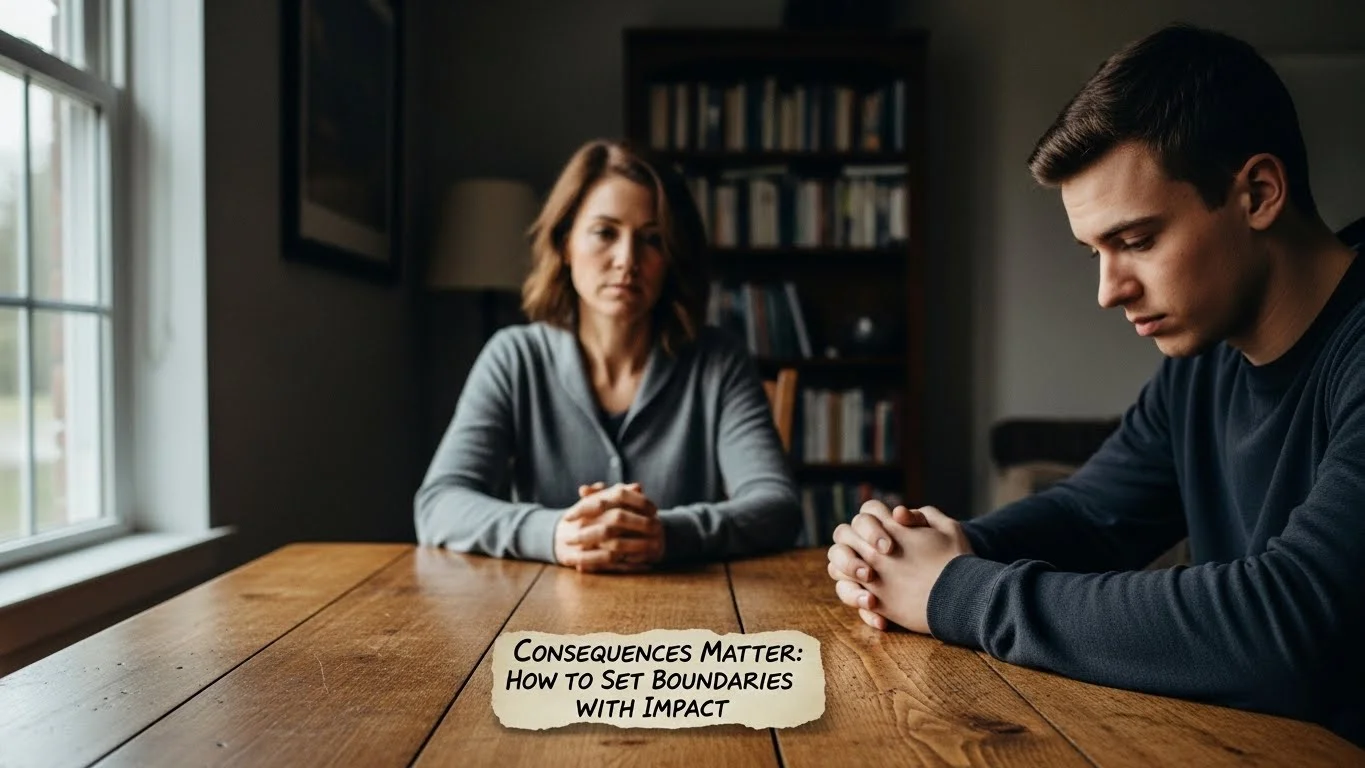
Understanding Boundaries: The Foundation of Healthy Relationships
What Are Personal Boundaries?
Personal boundaries are like invisible lines that define how we want to be treated by others. They help us protect our emotional and physical space, ensuring we feel comfortable and respected. I remember when I first learned about boundaries; it was like a light bulb moment for me. I realized that saying “no” didn’t make me a bad person; instead, it was a way to honor my needs. Boundaries can vary from person to person, influenced by our experiences, culture, and personal beliefs. They are essential for maintaining our mental health and emotional well-being. Read Interesting article: How to Effectively Set Boundaries for Toddlers
The Importance of Setting Boundaries
Setting boundaries is not just about saying “no”; it’s about affirming what we need and deserve in our lives. When we establish clear boundaries, we create a framework for how we engage with others. I’ve seen firsthand the difference it can make in my relationships. For example, when I started expressing my need for personal time, my friends and family began respecting my space more. This led to deeper, more meaningful connections because I was able to show up fully instead of feeling drained. Boundaries help us communicate our values and priorities, leading to healthier interactions. Travel Smarter: How to Set Boundaries on a Budget Trip can provide additional insights on this topic.
Types of Boundaries: Emotional, Physical, and Time
Understanding the different types of boundaries is crucial for effective boundary-setting. I learned that there are three primary categories: emotional, physical, and time boundaries. Emotional boundaries protect our feelings and mental health. They involve recognizing when we are being affected by others’ emotions and knowing when to step back. For instance, I had a friend who would often vent about their problems. I realized I needed to set emotional boundaries to protect my mental space, so I gently communicated that I could be there for them, but I also needed time to recharge.
Physical boundaries involve our personal space and body. This includes everything from how we allow others to touch us to the physical distance we prefer in conversations. For me, I’ve always valued my personal space, and learning to communicate that helped me feel more at ease in social situations.
Time boundaries are about how we allocate our time and commitments. I often found myself overwhelmed with requests for my time, leading to stress and burnout. By establishing time boundaries, I learned to prioritize my responsibilities and say “no” when necessary. This practice has been life-changing, allowing me to focus on what truly matters to me.
The Impact of Not Setting Boundaries
Consequences on Mental Health
Not setting boundaries can have significant effects on our mental health. I’ve experienced this firsthand. When I neglected my boundaries, I felt overwhelmed and anxious. It became challenging to distinguish my feelings from those of the people around me. I discovered that without boundaries, I was more susceptible to stress and burnout. Mental exhaustion became a common theme in my life, impacting my mood and overall well-being.
Impact on Relationships and Communication
When we don’t establish boundaries, our relationships can suffer. I noticed that my friendships became strained when I didn’t communicate my needs. People would unintentionally overstep, leading to misunderstandings and resentment. Without clear boundaries, communication can break down, and it’s easy to feel taken for granted. I’ve learned that setting boundaries not only improves my relationships but also fosters healthier communication. It opens the door for honest conversations where both parties feel respected and valued.
Professional Consequences: Workplace Boundaries
In the workplace, boundaries are equally important. I remember a time when I took on too many projects because I didn’t want to disappoint my team. This led to frustration and a decline in the quality of my work. Learning to set boundaries around my workload was crucial for my professional growth. I began to communicate my limits to my manager and colleagues, which not only improved my productivity but also created a more supportive work environment. Establishing workplace boundaries can enhance collaboration and reduce stress, leading to a healthier workplace culture.
How to Identify Your Boundaries
Self-Reflection Techniques
Identifying our boundaries can sometimes feel overwhelming, especially if we’ve never taken the time to think about them. I found that self-reflection is a powerful tool in this process. One method I often use is journaling. I set aside time to write about my feelings and experiences. When I encountered situations that made me uncomfortable, I’d jot down what happened and how it affected me. This allowed me to pinpoint specific areas where I needed to set boundaries. I remember one evening sitting on my couch, feeling particularly drained after a long week. I wrote about how I had been saying “yes” too often and found that I was losing sight of what I truly wanted. This realization helped me clarify my boundaries.
Recognizing Your Limits
Recognizing my limits was another crucial step in understanding my boundaries. I started by paying attention to my emotional and physical responses in different situations. For instance, I noticed that I felt anxious when someone demanded my time without consideration for my schedule. I began to ask myself questions like, “What makes me feel uncomfortable?” or “When do I start to feel overwhelmed?” This practice helped me identify where my boundaries were being tested. I learned to listen to my body and my feelings, which became incredibly empowering. By acknowledging these limits, I was able to establish boundaries that honored my well-being.
Understanding Your Values and Needs
Another key aspect of identifying boundaries is understanding our values and needs. I discovered that my values—like respect, honesty, and compassion—play a significant role in how I set boundaries. For example, when I realized that honesty was a core value for me, I understood that I needed to be clear about my limits in both personal and professional relationships. I started reflecting on what I truly needed to feel safe and respected. This could be in the form of needing quiet time after work or requiring my friends to ask before dropping by unexpectedly. When I understood my values, it became easier to communicate what I needed from others, leading to more respectful interactions.
Steps to Set Boundaries Effectively
Communicating Your Boundaries Clearly
Once I identified my boundaries, the next step was communicating them clearly. I learned that clarity is key; vague statements can lead to misunderstandings. I remember a time when I told a friend, “I need some time to myself,” but didn’t elaborate. It left them confused and unsure of what I really meant. After that experience, I realized that being specific about my needs was essential. Instead of a general statement, I started saying things like, “I need to take a break from texting for a few days to recharge.” This helped my friends understand my boundaries better, and they appreciated the directness.
Using ‘I’ Statements for Assertiveness
Using ‘I’ statements was another game-changer for me. Rather than saying, “You always interrupt me,” I learned to frame it as, “I feel overlooked when I’m interrupted.” This shift in language made it easier for others to hear my needs without feeling attacked. It also helped me express my feelings honestly while maintaining respect for the other person. I found that this approach fostered a more supportive dialogue, and I often received a positive response. It was a simple change, but it made a huge difference in how my boundaries were received.
Practicing Assertiveness Techniques
Practicing assertiveness techniques was essential in becoming more comfortable with boundary-setting. I remember attending a workshop that focused on assertive communication. We engaged in role-playing exercises, which allowed me to practice saying “no” and expressing my needs in a safe environment. I found that the more I practiced, the easier it became to assert myself outside of the workshop. I also began to use techniques like maintaining eye contact and speaking in a steady voice, which helped me feel more confident when discussing my boundaries in real-life situations. Over time, I became more comfortable standing up for myself, which ultimately led to healthier relationships.
Maintaining Your Boundaries
Consistency in Enforcement
Maintaining boundaries requires consistency. I learned this the hard way when I initially set a boundary but didn’t hold firm to it. I had told a colleague that I wouldn’t be available for late-night work calls. However, when they asked me to join a call after hours, I said yes, thinking it would be easier to accommodate them. This inconsistency confused both of us and weakened my boundary. I realized that for my boundaries to be respected, I needed to enforce them consistently. Now, when I set a boundary, I remind myself to stick to it, which reinforces my commitment to my needs.
Dealing with Pushback and Resistance
Facing pushback when I set boundaries is something I had to learn to navigate. Not everyone reacts positively to boundaries, and I’ve encountered resistance from friends and colleagues. I remember a time when a friend reacted defensively when I declined an invitation. It was tough, but I stood firm and reiterated my needs. I’ve learned that it’s essential to remain calm and assertive, even if others react negatively. Understanding that my boundaries are valid and important helps me manage these situations with grace.
Revisiting and Adjusting Boundaries as Needed
Boundaries aren’t static; they can change as we grow and evolve. I’ve found that periodically revisiting my boundaries is crucial. Life circumstances can shift, and what worked before may not work now. For instance, when I took on a new job, I realized that my time boundaries needed adjustment. I took time to reflect on my current needs and communicated these updates to my friends and family. Being open to adjusting my boundaries has allowed me to maintain healthier relationships and adapt to new situations. It’s a continual process, and I embrace the journey of boundary-setting as part of my personal growth.
The Role of Consequences in Boundary Setting
What Are Natural Consequences?
One of the most important lessons I’ve learned about boundaries is the significance of natural consequences. These are the outcomes that occur as a direct result of our choices and the boundaries we set. For instance, if I decide not to respond to calls after a certain time, the natural consequence might be that I miss out on social events happening that evening. Initially, this felt daunting, but I gradually realized that these consequences help reinforce my boundaries. They serve as a reminder that my needs and choices have weight and that it’s okay to prioritize my well-being. I’ve found that when I allow natural consequences to unfold, it encourages others to respect my boundaries more seriously.
Implementing Consequences for Boundary Violations
There are times when people may disregard our boundaries, either unintentionally or intentionally. In these moments, I’ve learned the importance of being prepared to implement consequences. For example, I had a colleague who repeatedly interrupted my work schedule with last-minute requests. After I communicated my boundaries and he continued to overstep, I decided it was time to take action. I let him know that I wouldn’t be able to assist with urgent tasks unless they were planned in advance. This may sound harsh, but it was essential for me to uphold my boundaries. I found that when I enforced consequences, it reinforced the seriousness of my needs and often led to a more respectful dynamic in our working relationship.
Positive Reinforcement and Boundary Respect
While consequences for violations are important, I’ve also discovered the power of positive reinforcement. When someone respects my boundaries, I make it a point to acknowledge and appreciate their understanding. I remember a time when a friend respected my need for personal space during a tough time. I expressed my gratitude, saying, “I really appreciate you giving me the time I needed; it meant a lot to me.” Recognizing and celebrating moments when others honor my boundaries not only strengthens our relationship but also encourages them to continue doing so in the future. I believe that reinforcing positive behavior is just as important as addressing negative behavior when it comes to boundary-setting.
Common Challenges in Setting Boundaries
Fear of Conflict or Rejection
One of the biggest hurdles I faced when setting boundaries was the fear of conflict or rejection. I often worried that by asserting my needs, I might upset someone or create tension in a relationship. This fear held me back for quite some time, and I found myself saying “yes” to things I really wanted to decline. I remember a situation where I felt uncomfortable attending an event, but I went anyway to avoid disappointing my friends. The experience left me drained and resentful. I learned that it’s essential to recognize that setting boundaries is a form of self-care, not selfishness. Embracing this mindset helped me overcome my fear, allowing me to communicate my needs more confidently.
Guilt and Obligation
Guilt often creeps in when I set boundaries, especially when it involves saying “no” to someone I care about. I’ve noticed that many of us feel an obligation to please others, which can lead to internal conflict. For a while, I struggled with the guilt of disappointing friends or family when I wanted to prioritize my own needs. I came to realize that it’s okay to put myself first sometimes. I learned to reframe my thinking; instead of viewing my boundaries as a rejection of others, I began to see them as a way to show up more authentically in my relationships. This shift in perspective has been liberating and has allowed me to maintain healthier connections without compromising my well-being.
Cultural and Familial Expectations
Cultural and familial expectations can also make boundary-setting challenging. Many of us grow up with certain beliefs about how we should behave or what is acceptable in our families. I remember feeling immense pressure during family gatherings to engage in conversations that made me uncomfortable. It took time for me to realize that I could honor my needs while still being part of my family dynamics. I started to gently communicate my boundaries to my loved ones, explaining my need for certain topics to be avoided. While it was not always easy, I’ve noticed that when I stand firm in my boundaries, it often encourages my family to respect my needs more deeply.
Resources and Tools for Boundary Setting
Books and Literature on Boundaries
One of the best ways I’ve found to deepen my understanding of boundaries is through reading books and literature on the topic. A few years ago, I picked up “Boundaries: When to Say Yes, How to Say No to Take Control of Your Life” by Dr. Henry Cloud and Dr. John Townsend. This book provided me with invaluable insights and practical tips for establishing and maintaining boundaries in various areas of my life. I highly recommend it to anyone looking to explore this subject further. Additionally, there are many online articles, blogs, and podcasts that cover boundary-setting, allowing us to learn from others’ experiences and insights. For example, The Power of Accountability: Setting Boundaries Wisely offers great strategies.
Workshops and Support Groups
Participating in workshops and support groups has been incredibly beneficial for me. I remember joining a local group focused on personal development, where we discussed boundaries and shared our experiences. It was refreshing to hear others voice similar struggles and triumphs. Engaging in these settings provided me with practical exercises and new perspectives. If you’re struggling with boundary-setting, seeking out local or online workshops can be a great way to gain support and learn from others who are on the same journey.
Therapy and Professional Guidance
Sometimes, navigating boundaries can be overwhelming, and that’s perfectly okay. Seeking therapy or professional guidance can be a game-changer. I had the opportunity to work with a therapist who specialized in boundary-setting, and it was enlightening. She helped me unpack my fears, identify my needs, and develop strategies for communicating my boundaries effectively. Therapy can offer a safe space to explore your feelings and learn how to assert your needs in a constructive way. If you’re feeling lost or unsure about where to start, I believe that professional support can provide clarity and direction.
Frequently Asked Questions
What are personal boundaries?
Personal boundaries are like invisible lines that define how we want to be treated by others. They protect our emotional and physical space, ensuring we feel comfortable and respected.
Why is setting boundaries important?
Setting boundaries is essential because it affirms what we need and deserve in our lives. Clear boundaries create a framework for how we engage with others, leading to deeper, more meaningful connections.
What are the different types of boundaries?
The three primary types of boundaries are emotional, physical, and time boundaries. Emotional boundaries protect our feelings, physical boundaries involve our personal space, and time boundaries help us allocate our time and commitments effectively.
What are the consequences of not setting boundaries?
Not setting boundaries can lead to significant issues such as mental health problems, strained relationships, and professional challenges. It can cause feelings of overwhelm, anxiety, and misunderstandings in communication.
How can I identify my boundaries?
Identifying boundaries involves self-reflection techniques such as journaling about your feelings, recognizing your limits by paying attention to emotional and physical responses, and understanding your values and needs.
What steps can I take to set boundaries effectively?
Effective boundary-setting involves communicating your boundaries clearly, using ‘I’ statements for assertiveness, and practicing assertiveness techniques to become more comfortable in expressing your needs.
How can I maintain my boundaries?
Maintaining boundaries requires consistency in enforcement, dealing with pushback or resistance calmly, and periodically revisiting and adjusting boundaries as needed to reflect changes in life circumstances.
What are natural consequences in boundary setting?
Natural consequences are outcomes that occur as a direct result of our choices and the boundaries we set. They reinforce the importance of our needs and choices, helping others to respect our boundaries.
What role does positive reinforcement play in boundary setting?
Positive reinforcement involves acknowledging and appreciating when someone respects your boundaries. This recognition strengthens relationships and encourages continued respect for your boundaries in the future.
What resources are available for learning about boundary setting?
Resources for learning about boundary setting include books and literature on the topic, workshops and support groups, and therapy or professional guidance to help navigate personal boundaries more effectively.