
Welcoming a new baby into the world is a beautiful experience, but it also brings significant changes to a woman’s body. Understanding these postpartum physical changes is essential for navigating this transformative period.
Understanding Postpartum Physical Changes
What Are Postpartum Physical Changes?
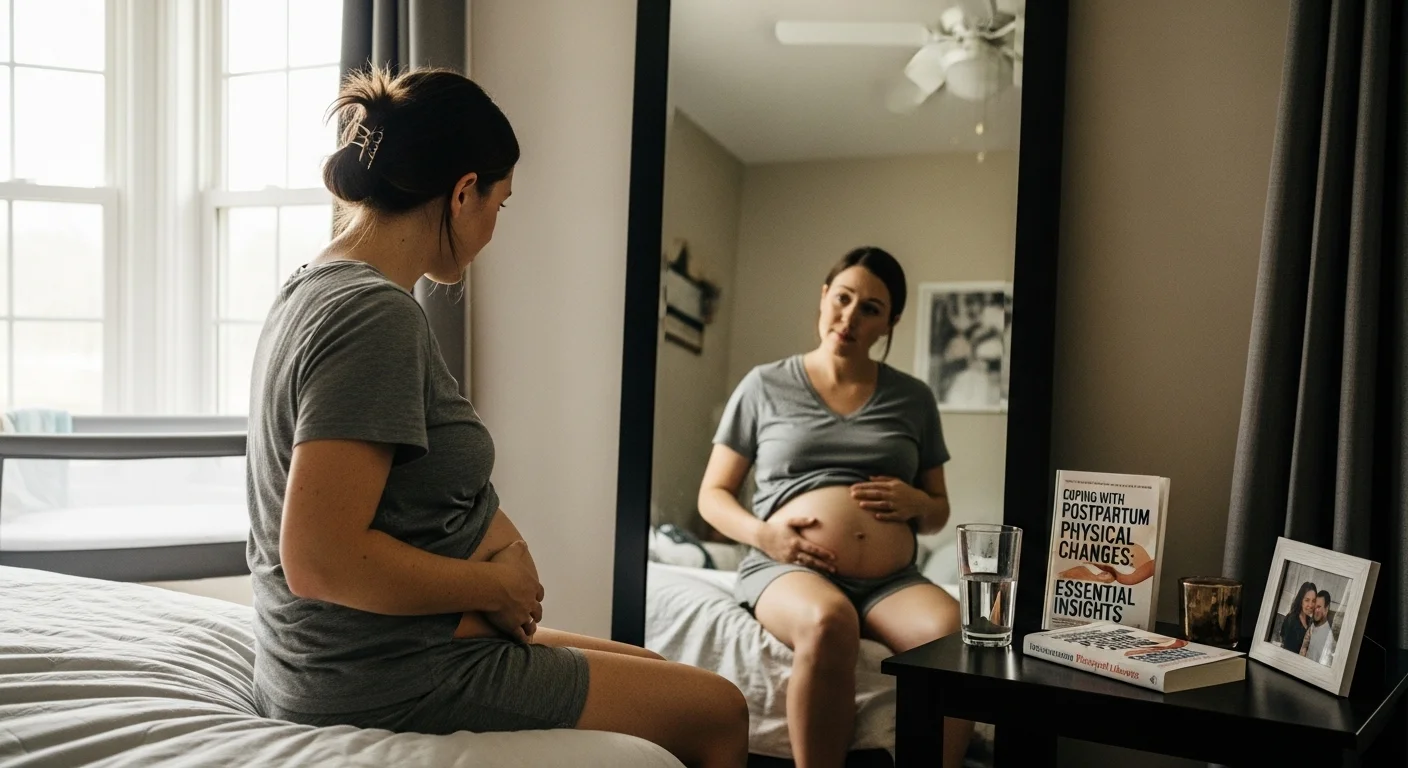
When I first became a mom, I was taken aback by how much my body changed. Postpartum physical changes encompass a wide range of experiences that occur after giving birth. These changes can affect your body shape, skin, and even how you feel emotionally. It’s not just about the weight you gain or lose; it’s also about hormonal shifts, muscle recovery, and adapting to the new demands of motherhood. I remember looking in the mirror and not recognizing myself, but I quickly learned that these changes are a normal part of the journey.
The Timeline of Postpartum Recovery
Recovery after childbirth is a process that unfolds over several weeks and months. Initially, the first six weeks postpartum are often referred to as the “fourth trimester.” During this time, your body is adjusting to not being pregnant anymore. I found it fascinating how the timeline varies for everyone. For some, it takes a few months to start feeling like their old selves again, while others might take longer. It’s important to remember that there’s no ‘normal’ timeline. Your body needs time to heal, and I learned to be gentle with myself during this phase. You might notice changes in your body each week, from bleeding and cramping to shifts in your body shape. It’s a journey, much like the one I experienced.
Common Physical Changes After Childbirth
Weight Changes and Body Image
Weight changes can be one of the most visible aspects of postpartum recovery. I remember feeling overwhelmed when I stepped on the scale for the first time after giving birth. It’s common to gain weight during pregnancy, but many new mothers, like myself, struggle with the lingering effects afterward. The societal pressure to ‘bounce back’ can be intense. I found that focusing on my health rather than the number on the scale helped me embrace my new body. It’s crucial to understand that everyone’s journey is unique, and the process of losing baby weight can take time and patience. Read Interesting article: Physical Changes After Delivery: Tips for New Parents
Hormonal Fluctuations and Their Effects
After giving birth, your hormones can go on quite a rollercoaster ride. I felt a wave of emotions, from joy to anxiety, often within the same hour. These hormonal changes can lead to mood swings, fatigue, and even postpartum depression. It was eye-opening for me to realize that these feelings were not just “in my head” but were due to the significant hormonal shifts my body was experiencing. I learned that it’s essential to talk about these feelings with friends, family, or professionals who can help support you through this time.
Abdominal Changes: Diastasis Recti and More
One aspect I didn’t know much about was diastasis recti, a common condition after pregnancy where the abdominal muscles separate. I remember feeling a strange gap in my stomach and thinking it was just part of the postpartum experience. Learning about this condition was eye-opening for me. It’s not just about aesthetics; it can impact your core strength and stability. I found that specific exercises helped me reconnect with my core, making me feel stronger and more confident in my body again.
Pelvic Floor Issues: Incontinence and Prolapse
Another surprising change was the pelvic floor issues that can arise after childbirth. I had no idea that incontinence could be a possibility. At first, I felt embarrassed, but I soon learned it’s a common experience for many new moms. It’s vital to address these issues openly and seek help if needed. I discovered pelvic floor exercises that not only improved my symptoms but also made me feel empowered about my body’s recovery. It’s a reminder that taking care of these muscles is crucial for overall health.
Skin Changes: Stretch Marks and Hair Loss
Skin changes were another aspect I noticed right away. I was surprised at how many stretch marks appeared on my body. Initially, I felt disheartened, but I soon realized they were a badge of honor, a testament to the incredible journey of motherhood. I sought out creams and treatments to help with my skin’s elasticity and appearance, but I also embraced the marks as part of my story. Additionally, hair loss postpartum can be quite alarming. I found clumps of hair in the shower and on my pillow, which was a shock. Learning that this too was temporary helped me cope better.
Breast Changes: Size, Sensitivity, and Milk Production
Breast changes are another significant physical change after childbirth. Whether you choose to breastfeed or not, your breasts will likely experience changes in size and sensitivity. I noticed that mine felt fuller and heavier during breastfeeding, which was both a blessing and a challenge. Understanding how my body was adjusting to milk production helped me feel more in control. I found that wearing comfortable bras and using breast pads made the process easier. Each experience is unique, and I encourage new mothers to listen to their bodies and find what works best for them.
Coping Strategies for Postpartum Changes
Healthy Diet and Nutrition for Recovery
When I was navigating through postpartum changes, I quickly realized how crucial nutrition was for my recovery. I used to think that eating whatever was convenient would get me through the day, but I learned that fueling my body with the right foods made a significant difference. It’s so easy to neglect healthy eating when you’re busy with a newborn, but I found that preparing nutritious meals ahead of time was a game-changer. Incorporating fruits, vegetables, whole grains, and plenty of protein helped me feel more energetic and balanced. I tried meal prepping on weekends, which allowed me to enjoy wholesome meals without extra stress during the week. This approach not only supported my physical health but also improved my mood, making me feel more capable of handling the challenges of motherhood.
Exercise and Fitness Postpartum
As I ventured back into fitness, I was surprised by how different my body felt. Initially, I was hesitant to jump back into my pre-baby workout routine. I learned that it was essential to listen to my body and start slow. I began with gentle exercises, like walking and stretching, which made me feel accomplished without overwhelming me. Gradually, I incorporated more strength training and postpartum-specific routines. I remember joining a local mom-and-baby fitness class, which not only helped me regain strength but also offered a wonderful opportunity to connect with other new mothers. Exercise became an important part of my routine, not just for physical recovery but also for releasing endorphins and boosting my mood. I can’t stress enough how vital it is to find movement that you enjoy; it makes all the difference!
Mental Health: Managing Stress and Anxiety
While physical changes were pretty evident, I soon realized that mental health is often overlooked during this period. I felt a whirlwind of emotions, and sometimes it was overwhelming. I decided to prioritize my mental well-being by practicing mindfulness and meditation. I started with just a few minutes a day, focusing on my breath and grounding myself. I also discovered the power of journaling. Writing down my thoughts and feelings became a safe space for me to express everything I was experiencing. It was cathartic and helped me process my emotions. I found that talking to friends who had gone through similar experiences provided comfort and validation, and I learned that it’s perfectly okay to seek professional help if needed. In my opinion, acknowledging our mental health is just as important as addressing our physical recovery.
Seeking Support: Partner, Family, and Professional Help
As I navigated the postpartum landscape, I realized that I couldn’t do it all alone. I had a supportive partner, and I learned to communicate my needs openly. Asking for help was a significant step for me; I used to think I had to handle everything myself. I found that sharing responsibilities, whether it was household tasks or baby care, made a huge difference. Involving family members also provided much-needed support. I remember when my mom came over to help with meals and baby duties; it lightened my load and allowed me to rest and recharge. Additionally, I explored professional support options, like joining a postpartum support group. Hearing others share their stories helped me feel less isolated and instilled hope. We all go through this transition differently, and seeking support can be empowering and reassuring.
When to Seek Professional Help
Identifying Warning Signs of Complications
There were moments during my postpartum journey when I encountered challenges that felt overwhelming. I learned to recognize the signs that something might be off. Extreme fatigue, persistent pain, severe mood swings, or feelings of hopelessness were signals that I needed to pay attention to. I remember feeling anxious about reaching out for help, thinking it might mean I was failing. But I eventually realized that seeking help is a sign of strength, not weakness. If you’re experiencing any troubling symptoms, it’s essential to consult with a healthcare provider. They can provide the guidance and resources needed to navigate these feelings, ensuring that you are supported through this significant life transition.
Consulting Healthcare Providers: What to Expect
When I decided to consult my healthcare provider, I was a bit nervous about what to expect. I learned that these visits are an opportunity to discuss both physical and emotional health. During my appointment, my doctor asked me about my recovery, emotional state, and any physical symptoms I was experiencing. It felt good to have a safe space to express my concerns. I also appreciated the time taken to discuss postpartum exercises, nutrition, and mental health resources. In my experience, being open and honest with my healthcare provider was crucial. They can offer tailored advice and refer you to specialists if necessary. Remember, it’s perfectly okay to seek clarity and ask questions during these visits; your health and well-being deserve attention.
Resources for New Mothers
Support Groups and Online Communities
When I was navigating the early days of motherhood, I found immense comfort in connecting with others who were going through similar experiences. I discovered various local and online support groups dedicated to new mothers. These spaces offered a safe haven where we could share our struggles and victories. I remember one particular group where we could discuss everything—from sleepless nights to the challenges of breastfeeding—without any judgment. It was refreshing to hear that I wasn’t alone in my feelings and experiences. I highly recommend seeking out support groups in your community or even online, where you can find a diverse range of voices and stories that resonate with you. Platforms like Facebook and Meetup often have groups tailored for new moms, making it easier to find people who understand what you’re going through.
Books and Guides on Postpartum Care
I’ll be honest: I’ve always been a bit of a bookworm, and during my postpartum journey, I leaned heavily on literature to guide me. I found several books that provided practical advice on postpartum care, physical recovery, and emotional well-being. One of my favorites was “The Fourth Trimester” by Kimberly Ann Johnson, which offered insights into the physical and emotional changes new mothers face. I appreciated how it emphasized the importance of self-care and communal support during this time. Reading about the experiences of others helped me feel more prepared and less isolated. I recommend checking out your local library or bookstore for resources that resonate with you. Whether it’s a practical guide or a memoir, books can be a comforting source of knowledge and reassurance. Read Interesting article: Navigating Physical Changes After Delivery: A Parent’s Guide
Helpful Apps for Tracking Recovery
In this digital age, I found numerous apps designed to help new moms track their postpartum recovery. I decided to give a few a try, and it made a difference in how I managed my recovery. Apps like “Baby Tracker” helped me keep tabs on my baby’s feeding and sleeping patterns, which indirectly supported my own self-care by allowing me to recognize my own needs better. I also explored wellness apps that focused on postpartum exercise and mental health. For me, having a tool that offered workouts specifically designed for new moms was a game-changer. It kept me motivated and accountable while also ensuring I was approaching fitness safely. I recommend exploring various options to find apps that fit your lifestyle and support your recovery journey.
Personal Stories and Experiences
Real-Life Testimonials from New Mothers
I always find it inspiring to hear the stories of other mothers, and I’ve learned that sharing our experiences can be incredibly healing. A friend of mine shared her journey about dealing with postpartum anxiety. She described how she felt like she was in a fog, struggling to connect with her baby, and how opening up to her partner and friends about her feelings led to essential support and understanding. Hearing her story reminded me that vulnerability can be a powerful tool in navigating motherhood. I believe that sharing our challenges helps to break the stigma around postpartum struggles, allowing others to feel more comfortable seeking help. If you have a story to share or know someone who does, consider connecting with local parenting groups or social media platforms to inspire others.
Lessons Learned and Advice from Experts
Along my journey, I sought advice from professionals and experts in maternal health. I remember attending a workshop led by a postpartum doula who emphasized the importance of resting and nourishing ourselves after giving birth. She shared practical tips on how to manage household tasks while prioritizing self-care, which was a lightbulb moment for me. I learned that asking for help is not only okay; it’s necessary for our well-being. Additionally, I found experts in mental health who provided valuable resources on managing emotions during the postpartum period. Their words resonated deeply, reminding me that it’s perfectly normal to experience a wide range of feelings during this time. Reaching out to these professionals helped me gain perspective, and I encourage all new mothers to seek out expert advice—whether through workshops, webinars, or one-on-one consultations.
Final Thoughts
As I look back on my postpartum journey, I realize how vital it is to embrace every part of this experience, both the challenges and the joys. I’ve learned that it’s okay to feel overwhelmed, uncertain, or even lost at times. Each woman’s journey through motherhood is unique, and there’s no right way to navigate it. I often remind myself that being a new mom is a learning experience, and it’s perfectly fine to take things one day at a time.
Connecting with other mothers has been one of the most rewarding aspects of this journey. I’ve found solace in shared stories and collective laughter over the chaos that accompanies taking care of a newborn. It’s comforting to know that we’re not alone in our struggles, and that helps to normalize the ups and downs of postpartum life. I encourage you to reach out, share your feelings, and build a community around you. Whether it’s through local groups or online forums, the connections we create can provide much-needed support and understanding.
Self-care is another crucial piece of this puzzle. It’s easy to forget about our needs while we’re busy caring for our babies, but I’ve learned that prioritizing our well-being is not selfish; it’s essential. Taking a moment to breathe, enjoy a quiet cup of tea, or even indulge in a favorite hobby can do wonders for our mental health. I found that small acts of self-kindness, like treating myself to a warm bath or reading a few pages of a good book, made a significant difference in my mood and overall outlook.
As we navigate the rollercoaster of postpartum changes, let’s remember to be gentle with ourselves. It’s a time of adjustment, growth, and learning. I firmly believe that by sharing our stories, acknowledging our struggles, and supporting one another, we can create a more compassionate and understanding environment for all mothers. The road may be challenging, but it’s also filled with beautiful moments and profound connections that shape who we are as women and as mothers.
In the end, I want to emphasize that it’s okay to seek help when needed. Whether it’s reaching out to friends, family, or professionals, asking for support can lead you to valuable resources and guidance. We are stronger together, and by leaning on one another, we can face the complexities of motherhood with resilience and grace.
So take a deep breath, embrace your journey, and remember: you are not alone. We are all in this together, navigating the beautiful chaos of motherhood. Cherish each moment, and don’t hesitate to ask for help along the way. Your well-being matters, and you deserve to thrive in this incredible, transformative time.
Frequently Asked Questions
What are postpartum physical changes?
Postpartum physical changes encompass a wide range of experiences that occur after giving birth, affecting body shape, skin, and emotional well-being. These changes include hormonal shifts, muscle recovery, and adapting to the new demands of motherhood.
What is the timeline for postpartum recovery?
The postpartum recovery timeline varies for everyone, with the first six weeks often referred to as the “fourth trimester.” Some women may start feeling like their old selves in a few months, while others might take longer. It’s important to remember that there’s no ‘normal’ timeline for recovery.
What weight changes can occur after childbirth?
Weight changes are common after childbirth, and many new mothers struggle with the lingering effects of weight gain during pregnancy. Emphasizing health over the number on the scale can help new mothers embrace their bodies during this transformative phase.
How do hormonal fluctuations affect new mothers?
Hormonal fluctuations after childbirth can lead to a range of emotions, including mood swings, fatigue, and postpartum depression. It is important for new mothers to discuss these feelings with friends, family, or professionals for support.
What is diastasis recti?
Diastasis recti is a common condition after pregnancy where the abdominal muscles separate. It can impact core strength and stability, and specific exercises may help reconnect with the core and improve strength.
What pelvic floor issues can arise after childbirth?
Pelvic floor issues, such as incontinence and prolapse, are common after childbirth. It’s important for new mothers to address these issues openly and seek help if needed, as pelvic floor exercises can improve symptoms and empower recovery.
What skin changes can new mothers expect?
New mothers often experience skin changes, including stretch marks and hair loss. While stretch marks can initially be disheartening, many come to view them as a testament to motherhood. Hair loss is also common but typically temporary.
How can nutrition aid in postpartum recovery?
A healthy diet is crucial for postpartum recovery. Preparing nutritious meals ahead of time can help new mothers feel more energetic and balanced, supporting both physical health and emotional well-being.
What coping strategies can help manage postpartum changes?
Coping strategies include maintaining a healthy diet, engaging in gentle exercise, practicing mindfulness and meditation, and seeking support from partners, family, or professionals. It’s important to prioritize mental health during this period.
When should a new mother seek professional help?
New mothers should seek professional help if they experience extreme fatigue, persistent pain, severe mood swings, or feelings of hopelessness. Consulting healthcare providers for guidance on both physical and emotional health is essential.