
When it comes to our kids, their safety is everything. Knowing CPR can be a lifesaver, literally. Let’s dive into understanding the basics of CPR for children and why it’s so critical for all parents and caregivers to learn. Read Interesting article: A Parent’s Guide to CPR for Children: Stay Prepared
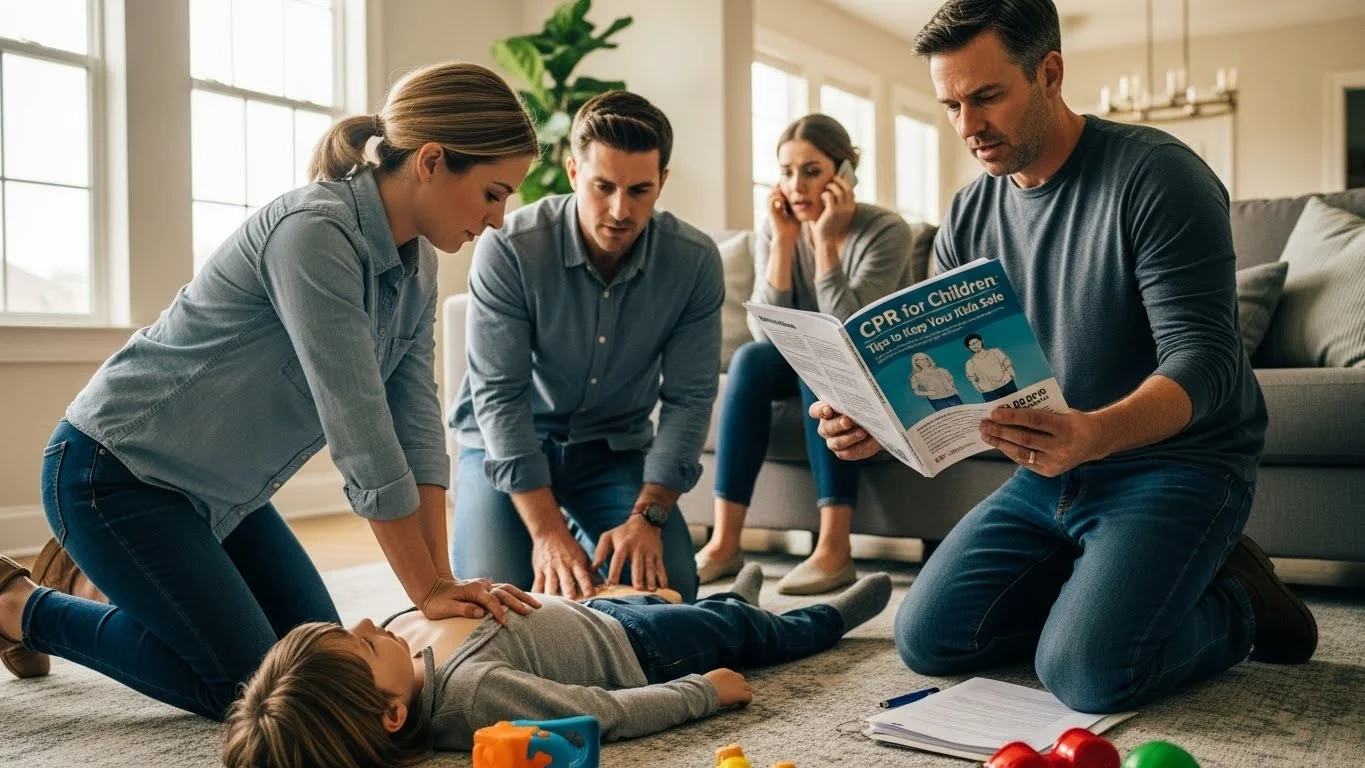
Understanding CPR for Children
What is CPR?
CPR, or Cardiopulmonary Resuscitation, is a life-saving technique used in emergencies when someone’s breathing or heartbeat has stopped. It involves a combination of chest compressions and rescue breaths. The goal is to maintain blood flow to the brain and other vital organs until professional help arrives. I remember the first time I learned CPR; it felt empowering. Knowing that I could potentially save a life was a game-changer for me. This technique isn’t just for adults; it’s incredibly important for children, too.
Why CPR is Important for Children
Children are naturally curious and sometimes find themselves in dangerous situations. Whether it’s drowning in a pool or choking on food, knowing CPR can make a huge difference. I’ve read stories where parents’ quick actions saved their children’s lives, and it really drove home how crucial this knowledge is. Children’s bodies are different from adults, which means their response to emergencies can vary. Being prepared to step in can mean the difference between life and death.
Common Causes of Cardiac Arrest in Children
Understanding what can lead to cardiac arrest in children is vital. While it’s rarer than in adults, conditions like congenital heart defects, severe asthma attacks, and trauma can lead to such emergencies. I learned that drowning is one of the leading causes of cardiac arrest in children under 5, which shocked me. It made me more vigilant during playdates at the pool or beach. Other factors like choking can also result in serious situations, and knowing how to act is crucial. Read Interesting article: How to Perform CPR on Children: Step-by-Step Guide
When to Use CPR on Children
Signs of Cardiac Arrest in Children
Recognizing the signs of cardiac arrest in children can be challenging but is essential. If a child is unresponsive, not breathing, or has abnormal breathing, it’s time to act. I remember a time when my niece fell while playing, and for a moment, I panicked. She wasn’t breathing normally. Thankfully, she started breathing again quickly, but it made me realize how critical it is to be aware of these signs. If you notice any of these symptoms, don’t hesitate—you need to start CPR immediately.
Identifying Choking in Children
Choking can happen suddenly and without warning. If a child is clutching their throat, unable to speak, or turning blue, they may be choking. My friend once told me a story about her son, who choked on a piece of candy during a birthday party. It was terrifying for everyone involved, but she knew what to do. She performed the Heimlich maneuver and saved him from what could have been a fatal situation. Knowing how to identify choking and react is essential for every parent.
Recognizing Drowning Emergencies
Drowning can occur in just a few moments, which is why I believe it’s one of the most frightening emergencies. It can happen silently, without splashing or yelling. I remember when we went on a family trip to the lake; I kept a close eye on the kids. If a child is submerged and unresponsive, you must act quickly. Knowing CPR can be invaluable in these situations. It’s not only about rescuing them from the water but also ensuring they can breathe normally again.
CPR Techniques for Children
CPR for Infants (Under 1 Year Old)
Performing CPR on infants is different from older children and adults. It involves gentle compressions and careful breaths. I learned that using two fingers for compressions and giving small breaths is key. It felt strange at first, practicing on a dummy, but I realized how important it was to get the technique right. For infants, you should compress the chest about 1.5 inches deep at a rate of 100 to 120 compressions per minute. It’s all about being gentle yet effective.
CPR for Young Children (1 to 8 Years Old)
For young children, you use one hand for compressions, pressing down about 2 inches deep. The rate remains the same, but the technique changes slightly. I found it fascinating to learn how the child’s size affects how you perform CPR. It felt empowering to practice this on a child-sized dummy. Knowing I could adapt my techniques for different ages gave me more confidence.
CPR for Older Children (8 Years and Up)
When it comes to older children, CPR becomes more similar to adult CPR. You can use two hands for compressions, pressing down about 2 to 2.5 inches deep. I remember feeling a sense of responsibility while learning these techniques, knowing I could potentially help someone in a critical time. It’s amazing to see how much knowledge can change the way we respond in emergencies.
Differences Between Adult and Pediatric CPR
One of the most significant differences between adult and pediatric CPR is the force used and the number of breaths given. In my training, I learned that for children, you should provide rescue breaths after every 30 compressions, while for adults, it’s typically 30 compressions followed by 2 breaths. This distinction was eye-opening for me. Understanding these differences ensures that I can tailor my response appropriately, depending on who needs help.
Choking Relief Techniques for Children
Back Blows and Chest Thrusts for Infants
When it comes to infants, choking can be particularly alarming. I vividly recall the first time I saw a demonstration on how to help a choking baby. The technique involves giving a series of back blows followed by chest thrusts. It was eye-opening to learn that you should hold the infant face down on your forearm, supporting their head and neck, and then give up to five firm back blows between the shoulder blades with the heel of your hand. After that, if the object isn’t dislodged, you flip the infant onto their back and perform chest thrusts using two fingers just below the nipple line. I practiced this on a doll, and while it felt odd at first, I realized that having this skill could really make a difference in an emergency.
Heimlich Maneuver for Older Children
For older children who are choking, the Heimlich maneuver is your go-to technique. I remember the first time I learned about this method; it felt empowering knowing that I could potentially save a child’s life. To perform the Heimlich, you need to stand behind the child, wrap your arms around them, and make a fist with one hand. Place your fist just above their navel and grab it with your other hand. Then, thrust inward and upward with quick, forceful motions. This action can help dislodge whatever is causing the blockage. It’s crucial to be aware of the child’s size because you want to adjust your force accordingly. I practiced this technique with friends, and it really helped build my confidence!
What to Do if the Child Becomes Unresponsive
If a child becomes unresponsive while choking, the situation escalates quickly. I remember discussing this scenario in my CPR class, and it left a lasting impression on me. If the child is unresponsive, it’s essential to call for emergency help immediately and then start CPR. You would first check for breathing, and if they aren’t breathing, perform chest compressions. If you can, tilt the child’s head back slightly and open their mouth to see if you can remove the obstruction. I think it’s vital to remain calm in these stressful situations because your ability to think clearly can really help save a life.
First Aid Skills to Complement CPR
Basic First Aid for Common Injuries
First aid skills are a great complement to CPR knowledge. I’ve found that being prepared for common injuries can make a big difference. For instance, if a child scrapes their knee or has a minor burn, knowing how to clean the wound properly and apply a bandage is crucial. I remember one time when my son fell off his bike and scraped his elbow. Having basic first aid supplies on hand made it easy for me to clean it and bandage it up quickly. It’s all about being ready to handle those small emergencies, too, so they don’t escalate into something bigger.
Recognizing and Treating Shock
Another important skill is recognizing and treating shock. I learned that shock can happen when there’s a significant injury or loss of blood, and it’s vital to respond promptly. Signs of shock can include confusion, rapid heart rate, and pale skin. I remember the first time I saw someone in shock; it was alarming. Knowing that I should keep the child calm, lay them down, and elevate their legs helped me feel more prepared. I also think it’s essential to cover them with a blanket to keep them warm while waiting for help to arrive.
Managing Allergic Reactions
Allergic reactions can also be life-threatening, especially in children. I recall a time when my daughter had a mild reaction to a bee sting. Thankfully, I was prepared with antihistamines, but I learned that knowing how to recognize severe allergic reactions, like anaphylaxis, is critical. If a child is having difficulty breathing, swelling of the face or throat, or experiencing a rapid heartbeat, you need to act fast. Having an emergency plan in place, along with an EpiPen if necessary, can make all the difference. I feel more secure now knowing these skills, as they give me confidence to handle unexpected situations.
CPR Training and Certification
Where to Get CPR Training for Parents and Caregivers
Finding the right CPR training is crucial. I remember my journey of searching for a class that fit my schedule and my needs. Local hospitals often offer community classes, and I found that many organizations like the American Heart Association and the Red Cross provide excellent training options. They focus on hands-on practice, which I loved. You can also check with local community centers or even your child’s school; they might offer courses or know where to find them. I felt relieved knowing that I was investing in skills that could help me save my child’s life or someone else’s. Read Interesting article: CPR for Kids: Life-Saving Skills Every Parent Needs
Types of CPR Courses Available
There are various types of courses available, which cater to different needs and age groups. For me, I discovered that courses specifically for parents and caregivers focus on scenarios we might actually face. There are also courses designed for healthcare providers that delve deeper into advanced techniques. Some classes even offer pediatric CPR certification. I chose a parent-focused course because it addressed my specific concerns and prepared me for emergencies involving my kids. It’s amazing how you can find a course tailored to your situation!
Online vs. In-Person Training
In today’s world, we have the option of online training, which can be super convenient. I tried an online CPR course out of curiosity, and while it was informative, I realized that nothing beats the hands-on experience of an in-person class. The interactive practice with a mannequin made me feel more confident in my abilities. I could ask questions on the spot and receive immediate feedback from the instructor. If you have the chance, I highly recommend taking at least part of your training in person. But if that’s not feasible, online courses can still provide a solid foundation.
Creating a Safe Environment for Children
Home Safety Tips to Prevent Emergencies
Creating a safe environment for our children is an ongoing process that we must not overlook. I remember when my son first started to crawl; I became hyper-aware of my home’s layout. Simple changes, like securing heavy furniture to the wall, can prevent tipping hazards. Keeping small objects out of reach is also crucial, as little ones are naturally curious. I found that having a first aid kit easily accessible, along with clear emergency numbers posted on the fridge, gives me peace of mind. It’s about making small adjustments to enhance safety.
Childproofing Techniques
Childproofing can feel overwhelming at first, but I learned that taking it step by step makes it manageable. I started with the most dangerous areas, like the kitchen and bathroom. Installing cabinet locks and outlet covers helped me feel more secure. I also put safety gates at the top and bottom of the stairs. I remember the day I finished childproofing, and it felt like a small victory. I realized that while I can’t prevent every accident, I can minimize risks and create a safer space for my children to explore and play.
Importance of Supervision
No matter how much we childproof, nothing can replace the importance of supervision. I’ve learned that keeping an eye on kids, especially during playtime, can prevent many emergencies. I recall a moment at the park when I lost sight of my daughter for just a few seconds, and it felt like an eternity. It’s easy to get distracted, but I’ve made it a habit to stay engaged. Whether it’s during outings or playdates, I try to be present and aware of my kids’ activities. I believe that supervision can truly be a lifesaver.
Resources for Parents and Caregivers
CPR and First Aid Apps
With technology at our fingertips, there are fantastic apps available that can help us stay informed about CPR and first aid. I downloaded a couple of apps that provide step-by-step guides and videos, which I find incredibly helpful. Having this information accessible on my phone gives me a sense of security. I especially love that these apps often have quizzes to test your knowledge. It’s a great way to keep the skills fresh in my mind, and I can even share them with friends and family!
Online Resources and Videos
There are also a wealth of online resources and videos that offer valuable insights into CPR and first aid techniques. I found many reputable organizations that post free instructional videos on platforms like YouTube. Watching these videos helps reinforce what I’ve learned in class, and I appreciate that I can pause and replay as needed. I like to share these resources with other parents, encouraging them to learn alongside me. It’s empowering to know we’re all on the same page when it comes to our kids’ safety.
Local Organizations Offering CPR Classes
Lastly, I discovered that local organizations often run CPR classes and workshops tailored for parents and caregivers. I reached out to my community center and was surprised by how many options were available. Many of them offer discounts or even free sessions, making it accessible for everyone. Engaging with others who are learning the same skills can foster a supportive community. I feel grateful for these resources, as they are key in equipping us to handle emergencies effectively.
Final Thoughts
As I reflect on everything I’ve learned about CPR and first aid for children, I feel a mix of gratitude and responsibility. It’s empowering to know that I can make a difference in an emergency situation, and I believe every parent and caregiver should feel the same. The skills we learn not only equip us to handle potentially life-threatening situations but also give us confidence in our ability to protect our loved ones.
Teaching our children about safety and emergency procedures is just as important. I’ve started having conversations with my kids about what to do if they ever find themselves in an emergency. It’s interesting to see how receptive they are to these discussions, and I believe it helps prepare them mentally. I want them to know that even if something goes wrong, they can call for help or seek an adult if they’re scared.
Staying informed and practicing these skills regularly can make all the difference. I’ve made it a routine to refresh my knowledge by reviewing resources on parenting and safety. Whether it’s watching a quick video or participating in a community event, I find that keeping these topics fresh in my mind helps me feel prepared. I can’t stress enough how valuable this ongoing learning is—it’s about ensuring our families are safe and that we can respond when it matters most.
Lastly, I encourage everyone to connect with their communities. Discovering local organizations that offer CPR classes and workshops has been a game-changer for me. Meeting other parents who share similar concerns fosters a sense of support and camaraderie. Together, we can learn, practice, and become more confident in our abilities to protect our children. It’s not just about knowing CPR; it’s about building a culture of safety and preparedness for the future.
In closing, I hope this knowledge empowers you as much as it has empowered me. Let’s all commit to becoming better prepared, more informed, and always ready to act in the best interest of our children and those around us. Together, we can ensure that we are equipped to face any emergency with confidence.
Frequently Asked Questions
What is CPR and why is it important for children?
CPR, or Cardiopulmonary Resuscitation, is a life-saving technique used in emergencies when someone’s breathing or heartbeat has stopped. It is important for children because their bodies respond differently to emergencies, and knowing CPR can make a significant difference in life-threatening situations.
What are common causes of cardiac arrest in children?
Common causes of cardiac arrest in children include congenital heart defects, severe asthma attacks, trauma, and drowning. Drowning is notably one of the leading causes of cardiac arrest in children under 5 years old.
How can you recognize signs of cardiac arrest in children?
Signs of cardiac arrest in children include being unresponsive, not breathing, or exhibiting abnormal breathing. Recognizing these signs is crucial for timely intervention.
What should you do if a child is choking?
If a child is choking, you should look for signs such as clutching their throat, inability to speak, or turning blue. For infants, perform back blows followed by chest thrusts, and for older children, use the Heimlich maneuver.
What are the CPR techniques for infants and young children?
For infants (under 1 year), CPR involves gentle compressions with two fingers, compressing about 1.5 inches deep at a rate of 100 to 120 compressions per minute. For young children (1 to 8 years), use one hand for compressions, pressing about 2 inches deep at the same rate.
How does CPR differ between children and adults?
One significant difference is the force used and the number of breaths given. For children, provide rescue breaths after every 30 compressions, while for adults, it is typically 30 compressions followed by 2 breaths.
What first aid skills complement CPR knowledge?
Basic first aid skills such as treating common injuries, recognizing and treating shock, and managing allergic reactions complement CPR knowledge and are essential for handling emergencies effectively.
Where can parents and caregivers find CPR training?
Parents and caregivers can find CPR training through local hospitals, organizations like the American Heart Association and the Red Cross, community centers, and even their child’s school.
What are some childproofing techniques to enhance home safety?
Childproofing techniques include installing cabinet locks, outlet covers, and safety gates, as well as securing heavy furniture to prevent tipping. These measures help create a safer environment for children.
Why is supervision important for child safety?
Supervision is critical because it can prevent many emergencies. Keeping a close eye on children during playtime helps ensure their safety, as accidents can happen quickly and unexpectedly.