
Learning CPR for kids can be a lifesaver. As parents, we want to do everything we can to protect our children, and knowing these skills can make all the difference in a critical situation. Read Interesting article: A Parent’s Guide to CPR for Children: Stay Prepared
Understanding CPR: Why It’s Essential for Kids
When I first heard about CPR, I thought it was just something for adults. But as a parent, I quickly realized that understanding CPR is crucial for kids too. CPR, or cardiopulmonary resuscitation, is a technique that can help save lives when someone stops breathing or their heart stops beating. It’s not just a skill for healthcare professionals; it’s something every parent should know.
What is CPR?
CPR is a combination of chest compressions and rescue breaths that helps maintain blood flow to the heart and brain during a cardiac emergency. When the heart stops, blood flow ceases, and vital organs can be damaged within minutes. By performing CPR, you can keep blood circulating and buy precious time until emergency help arrives. I remember feeling overwhelmed the first time I learned how to do it, but breaking it down into steps made it easier to grasp.
Importance of CPR for Children
The importance of CPR for children cannot be overstated. I often think about how fragile life can be, and knowing that children can experience cardiac emergencies just like adults is a sobering thought. Children may suffer from cardiac arrest due to various reasons, including congenital heart defects or accidents. By having the ability to perform CPR, we can be the difference between life and death. It empowers us as parents to take immediate action and possibly save our child’s life in an emergency.
Statistics on Child Cardiac Arrest
Understanding the statistics surrounding child cardiac arrest really brings this issue home. Research shows that about 7,000 children experience cardiac arrest each year in the United States. While it may seem like a small number compared to adults, it’s still alarming. Even more concerning is that survival rates for children who suffer cardiac arrest outside of a hospital setting are low. From my experience, these numbers highlight the urgent need for parents to be equipped with CPR skills, as prompt action can significantly improve outcomes.
In addition to cardiac arrest, I’ve learned that drowning is another common cause of child fatalities, and it often happens silently. Knowing CPR can help in these situations, as well. I can’t stress enough how crucial it is to be prepared. Giving our children a fighting chance is something we should all strive for.
Basic CPR Techniques Every Parent Should Know
Once I understood why CPR is vital, I was eager to learn the techniques involved. I believe that knowing the steps to perform CPR can make a world of difference when it matters most. Here’s a breakdown of what every parent should know: Read Interesting article: Essential CPR Techniques Every Parent Should Know
Adult vs. Child CPR: Key Differences
One important aspect I learned is that CPR for children differs from CPR for adults. The basic principles remain the same, but the technique varies slightly. For instance, when performing chest compressions on a child, we use one hand instead of two, and the compression depth is less. Understanding these differences was a game changer for me, as I realized we need to adapt our approach based on the child’s age and size.
Steps to Perform CPR on Infants
When it comes to infants, the steps are even more delicate. I remember the first time I practiced this technique during a class. First, we check for responsiveness by gently tapping the baby. If there’s no response and the baby isn’t breathing, we need to call for help immediately. Then, using two fingers, we perform 30 gentle compressions in the center of the chest, followed by two rescue breaths. It’s important to cover the baby’s mouth and nose completely while giving breaths. Practicing these steps helped me feel more confident in my abilities to help my child in an emergency.
Steps to Perform CPR on Children
For children ages one and older, the technique shifts slightly. I learned to feel for the child’s pulse and check for breathing. If they’re unresponsive and not breathing normally, it’s time to act. We perform 30 chest compressions, then give two rescue breaths, just like with infants, but using one hand. I’ve seen how powerful these skills are when practiced regularly. It’s not just about memorizing the steps; it’s about building muscle memory so we react instinctively when it counts.
How to Use an AED (Automated External Defibrillator)
One tool I found incredibly useful in my CPR training was the AED, or Automated External Defibrillator. These devices are designed to be user-friendly and can be a crucial part of the emergency response. When we see a child in cardiac arrest, using an AED can provide life-saving shocks that can restore a normal heart rhythm. I was amazed at how simple it was: just turn it on, follow the voice prompts, and attach the pads as directed. Having this knowledge has given me peace of mind, knowing that I can use an AED if the situation arises.
Recognizing Emergencies: When to Use CPR
Common Scenarios Requiring CPR
Understanding when to use CPR can be a lifesaver. I remember the first time I thought about the situations where this skill might be necessary. There are some common scenarios that every parent should be aware of. For instance, drowning accidents, especially during family outings at the pool or beach, can happen in an instant. I’ve seen how quickly a child can slip underwater, and knowing CPR can make a difference in those critical moments.
Another situation is if a child is involved in a serious accident, like a car crash or a fall from a height. I can’t stress enough how unpredictable life can be. I’ve learned that even seemingly minor injuries can escalate quickly. If a child loses consciousness, their breathing is abnormal, or they show signs of distress, it’s time to act. Being prepared to jump into action can help ease the panic of those moments.
Signs of Cardiac Arrest in Children
Recognizing the signs of cardiac arrest in children is crucial. I remember the first time I learned about these signs; it was eye-opening. A child might suddenly collapse, stop breathing, or lose consciousness. Sometimes, their skin may turn pale or blue, especially around the lips and fingertips. I think the most frightening part is that these changes can happen very quickly, often without any warning. It’s essential for parents to be aware of these signs so we can act fast when it matters most.
Understanding Choking: A Related Emergency
Choking is another emergency that requires immediate action and can be just as critical as cardiac arrest. I recall a moment when my child nearly choked on a piece of food. It was terrifying how quickly they went from eating normally to struggling for breath. In those moments, knowing how to perform the Heimlich maneuver or back blows can be invaluable. If a child is unable to cough, cry, or breathe, every second counts.
The Heimlich maneuver for children involves standing behind them and giving quick upward thrusts just above the belly button. I practiced this technique during my CPR training, and I can tell you it really made me feel more confident about handling such emergencies. I realized that choking can occur with all kinds of foods or even small toys, so staying alert during meals and playtime is essential. Building a habit of keeping an eye on what our kids are eating and playing with can help prevent choking incidents.
CPR Training and Certification for Parents
Finding CPR Classes for Parents
Now that we understand the importance of CPR and when to use it, the next step is getting trained. I found myself wondering where to start. Luckily, there are many resources available for parents wanting to learn CPR. Local hospitals, community centers, and even the Red Cross offer classes tailored specifically for parents. I highly recommend checking out these options, as they often provide hands-on training that can be incredibly beneficial.
Online vs. In-Person Training
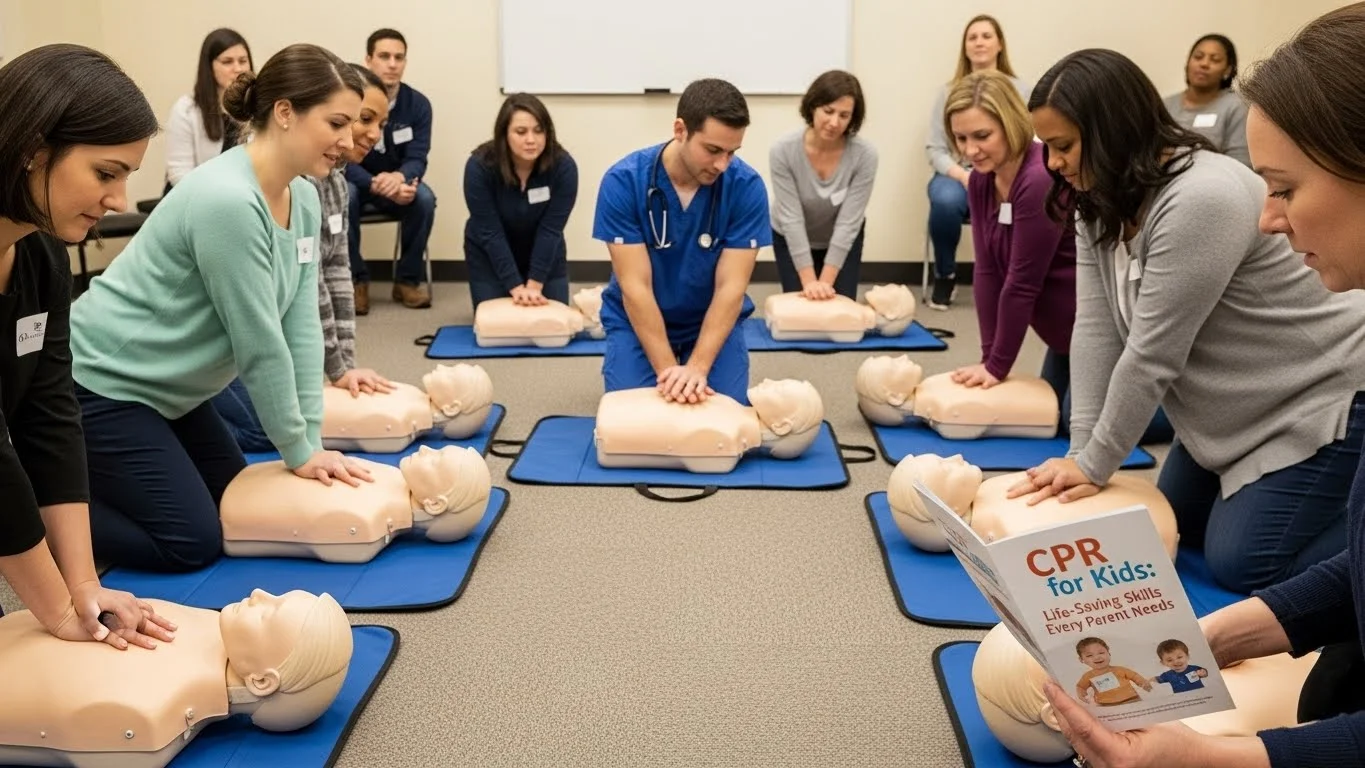
When I was looking for CPR classes, I noticed that there are both online and in-person options. Each format has its advantages. Online courses can be convenient, allowing you to learn at your own pace from the comfort of your home. However, I personally favored in-person training. Being able to practice techniques on mannequins and receive immediate feedback was invaluable for my confidence. There’s just something about physically performing the actions that solidified the skills in my mind.
What to Expect in a CPR Course
If you’re considering taking a CPR course, you might be wondering what to expect. Most classes cover CPR techniques for infants and children as well as how to use an AED. I remember the course I attended was very hands-on. We practiced everything from checking for responsiveness to performing compressions and rescue breaths. The instructors were knowledgeable and provided real-life scenarios that made the training feel relevant. I left the course not only equipped with the skills but also with a sense of empowerment. Knowing that I could potentially save a life was a powerful feeling.
Staying Prepared: First Aid Kits and Emergency Plans
Essential Items for a Family First Aid Kit
Once I grasped the importance of CPR, I realized that being prepared goes beyond just knowing the techniques. Creating a well-stocked first aid kit was something I wanted to prioritize for my family. I remember feeling a little overwhelmed by all the options out there, but I discovered that a basic first aid kit is quite simple to assemble. Here are some essential items that I included:
- Adhesive bandages: These are a must-have for minor cuts and scrapes. I’ve used these countless times for my kids after they’ve had a rough tumble.
- Antiseptic wipes: These are great for cleaning wounds to prevent infections. I always make sure to have a few packets handy.
- Gauze pads and adhesive tape: For larger wounds, gauze pads can help control bleeding. I learned that it’s essential to secure them with tape to keep them in place.
- Scissors: Having a pair of scissors in our kit has proven useful for cutting gauze or tape quickly.
- Instant cold packs: These are fantastic for reducing swelling after falls or bumps. I can’t tell you how many times we’ve reached for one after a backyard play session gone wrong.
- Thermometer: Keeping track of fevers is important, especially with little ones. I prefer digital thermometers for their accuracy and ease of use.
- Pain relievers: I always have age-appropriate pain relievers in the kit, which can help if my kids are feeling unwell.
- CPR face shield or mask: Having one of these in our kit gives me peace of mind, knowing I can perform rescue breaths safely if needed.
I’ve learned that it’s not just about having these supplies, but also knowing where they are and how to use them. Periodically checking the kit to replace expired items is something I’ve made a habit of. This way, I feel more equipped for any unexpected situations that may arise.
Creating an Emergency Action Plan
In addition to a first aid kit, I found that having an emergency action plan is essential. It’s something we’ve put together as a family, and it brings a sense of security. I remember sitting down with my kids and discussing what to do in case of various emergencies, whether it’s a fire, severe weather, or a medical situation. Here’s how I approached creating our plan:
- Identify emergency contacts: We listed important contacts, such as neighbors, family members, and our pediatrician. Having this information readily available helped me feel more organized.
- Designate a meeting place: We chose a specific spot outside our home where everyone knows to go in case of an emergency. This was especially important for my younger ones, who may panic in a crisis.
- Discuss how to call for help: We practiced dialing 911 and discussed when it’s necessary to call for assistance. I want my kids to feel confident in their ability to communicate clearly in an emergency.
- Review the plan regularly: We make it a point to revisit our emergency plan a few times a year. This helps keep it fresh in everyone’s mind and allows us to adjust as our family’s needs change.
Creating this plan was empowering for us. It helped me feel more in control and gave my kids a sense of readiness. The conversations we’ve had about emergencies have also opened up opportunities for them to ask questions and express their concerns, which I think is important.
Practicing Emergency Drills with Your Kids
Once our emergency action plan was in place, I realized that practicing it was just as crucial. I remember the first time we conducted a fire drill at home. It felt a bit silly at first, but going through the motions helped everyone understand what to do without hesitation. Here’s how I structured our drills:
- Fire drills: We designated a day to practice our escape route from the house. I explained the importance of staying low to the ground and not opening doors that feel hot. It was a great way to teach safety while making it fun.
- Medical emergency drills: We role-played scenarios where one of us pretended to be injured while others acted quickly to call for help and provide basic first aid. This made the kids feel involved and empowered them to take action.
- Choking and CPR practices: I incorporated practice sessions for choking and CPR techniques into our drills. We used a pillow or stuffed animal to practice the Heimlich maneuver, and I encouraged my kids to take turns performing CPR on the mannequin.
These drills not only reinforce our plan but also help reduce anxiety during real emergencies. I’ve found that the more we practice, the more confident and calm we all feel. Being prepared as a family has truly brought us closer together.
Resources and Support for Parents
Recommended CPR Training Organizations
Finding the right CPR training organization can feel overwhelming, but I’ve discovered some fantastic resources that can make the process easier. The American Heart Association (AHA) offers well-structured courses tailored for parents and caregivers. Their classes cover everything from infant CPR to AED use, and they provide certification upon completion. I found their instructors to be incredibly knowledgeable and supportive, which made learning less intimidating.
Another organization I recommend is the American Red Cross. They have a variety of courses available, both in-person and online, which cater to different learning styles. I appreciated their emphasis on hands-on practice, which, as I mentioned earlier, really reinforced what I was learning. Plus, they often provide free resources and guides that you can download, which is a bonus!
Books and Online Resources for Further Learning
In addition to hands-on training, I believe that reading and researching can deepen our understanding of CPR and emergency preparation. There are several great books on the topic that I found helpful. One of my favorites is “The Pediatrician’s Guide to Health and Safety.” It covers a range of topics, including CPR techniques and first aid tips for common childhood injuries. Read Interesting article: Backpacking with Kids: First Aid for Common Injuries
For online resources, I often visit websites like the CDC and the AHA, which provide reliable information and updates on CPR guidelines. Watching instructional videos on platforms like YouTube has also been beneficial for me. I remember stumbling upon a series of videos demonstrating CPR techniques, which helped solidify my understanding. Just make sure to rely on credible sources, as this information is crucial for ensuring we’re learning the right techniques!
Community Support and Groups for Parents
Being part of a community can also enhance our learning experience. I found local parenting groups, both online and offline, to be a great source of support. Many of these groups organize workshops and CPR training sessions specifically for parents. Sharing experiences with other parents has not only helped me learn new things but has also created a supportive network where we can discuss our fears and concerns about emergencies.
Joining a group like this can also provide opportunities to practice CPR with others, making the experience more engaging and less daunting. Plus, it’s comforting to connect with people who are on the same journey as you. I’ve learned that we’re all in this together, and having a support system can make all the difference.
Final Thoughts
As I reflect on everything I’ve learned about CPR and emergency preparedness, I feel grateful for the knowledge and skills I’ve gained. It’s not just about knowing how to perform CPR or having a first aid kit; it’s about feeling empowered to act in a crisis. I want to encourage every parent to take that step, whether it’s enrolling in a CPR class, assembling a first aid kit, or discussing an emergency action plan with your family.
Each of us has the potential to make a difference when it comes to our children’s safety. It’s a daunting responsibility, but with the right resources and a proactive mindset, we can prepare ourselves to handle emergencies effectively. I hope my experiences inspire you to take action and equip yourself with the skills necessary to keep our kids safe. Together, we can create a safer environment for our families and be ready to respond when it matters most.
Frequently Asked Questions
Why is learning CPR important for kids?
Learning CPR for kids is crucial as it can be a lifesaver in emergency situations where a child stops breathing or their heart stops beating. It empowers parents to take immediate action and potentially save their child’s life.
What is CPR?
CPR, or cardiopulmonary resuscitation, is a technique that combines chest compressions and rescue breaths to maintain blood flow to the heart and brain during a cardiac emergency.
How does CPR for children differ from CPR for adults?
While the basic principles of CPR remain the same, the technique varies slightly for children. For instance, one hand is used for chest compressions on a child instead of two, and the compression depth is less.
What are the basic steps to perform CPR on infants?
To perform CPR on infants, first check for responsiveness by gently tapping the baby. If there’s no response and the baby isn’t breathing, call for help immediately, then perform 30 gentle compressions in the center of the chest, followed by two rescue breaths.
What should parents do if a child is involved in a serious accident?
If a child is involved in a serious accident, such as a car crash or a fall, parents should check for responsiveness and normal breathing. If the child is unresponsive and not breathing normally, it’s time to perform CPR.
What is the role of an AED in CPR?
An AED, or Automated External Defibrillator, is a user-friendly device that can provide life-saving shocks to restore a normal heart rhythm during cardiac arrest. It guides users with voice prompts on how to use it.
What common scenarios might require CPR?
Common scenarios requiring CPR include drowning accidents and serious accidents, such as car crashes or falls, where a child loses consciousness or shows abnormal breathing.
What essential items should be included in a family first aid kit?
A basic family first aid kit should include adhesive bandages, antiseptic wipes, gauze pads and adhesive tape, scissors, instant cold packs, a thermometer, pain relievers, and a CPR face shield or mask.
How can parents find CPR training classes?
Parents can find CPR training classes through local hospitals, community centers, and organizations like the Red Cross or the American Heart Association, which offer courses specifically tailored for parents.
What should families do to prepare for emergencies?
Families should create an emergency action plan that includes identifying emergency contacts, designating a meeting place, discussing how to call for help, and regularly reviewing the plan to keep it fresh in everyone’s mind.