
When planning a family trip, the last thing on our minds is often the possibility of a disaster. Yet, having a disaster preparedness plan can make all the difference for our safety and peace of mind.
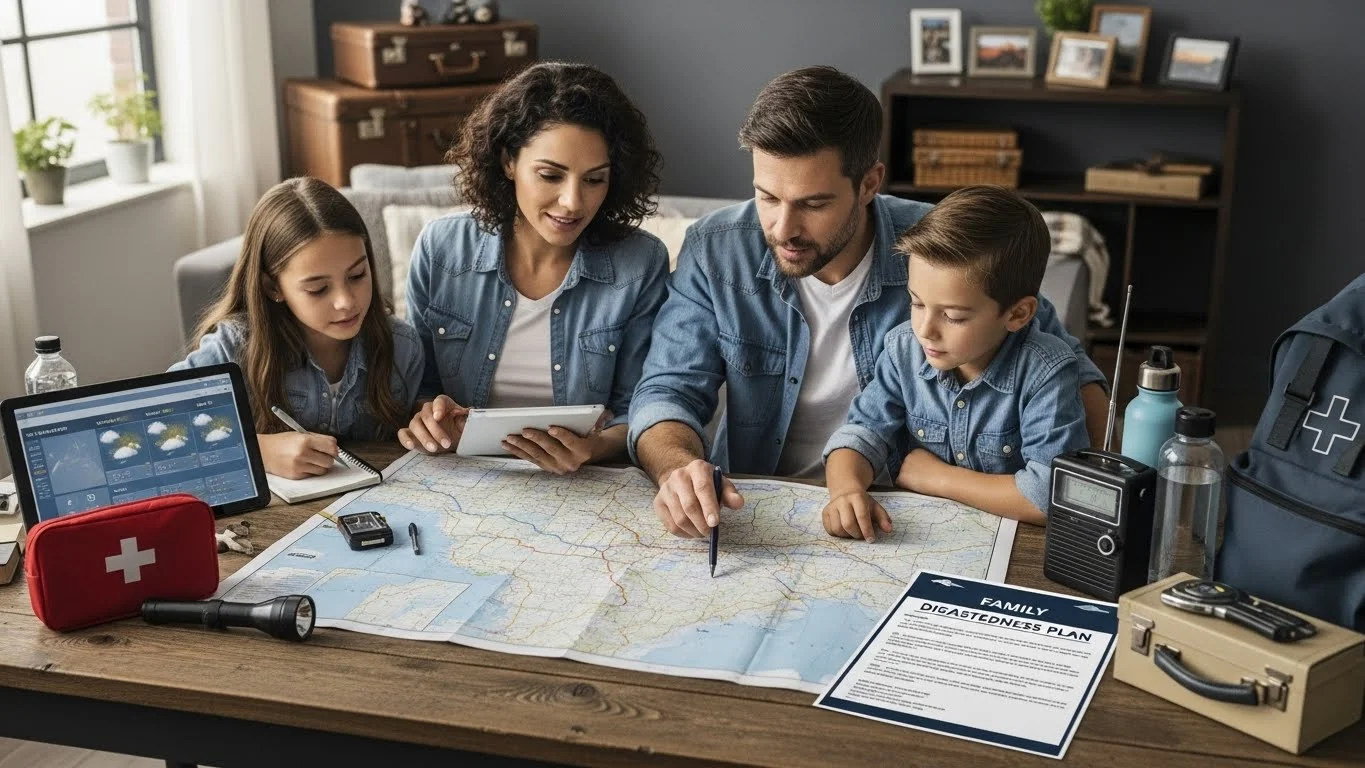
Understanding the Importance of a Family Disaster Preparedness Plan
What is a Disaster Preparedness Plan?
A disaster preparedness plan is essentially a blueprint for how your family will respond in the event of an emergency. It outlines specific actions to take to ensure everyone’s safety and minimize chaos during a crisis. I remember the first time I had to create one; it felt overwhelming. But as I broke it down step by step, I realized it was just about planning ahead and thinking through different scenarios. This plan should include escape routes, communication strategies, and emergency contacts. It’s about being proactive rather than reactive.
The Benefits of Being Prepared
Having a plan in place can greatly reduce anxiety during a trip. I know how stressful it can be when unexpected events occur, like severe weather or accidents. When we created our family’s disaster preparedness plan, I felt an immense weight lifted off my shoulders. I knew we were ready for anything. Being prepared not only keeps us safe but also helps us to remain calm, knowing we have a strategy to follow. It empowers us to take control of the situation rather than feeling helpless.
Common Types of Disasters to Prepare For
When crafting a disaster preparedness plan, it’s crucial to consider the types of disasters that could occur during your trip. Natural disasters like hurricanes, earthquakes, and floods are common concerns, but I also learned to include man-made disasters such as accidents or civil disturbances. Each destination has its own risks, so understanding these is key. For instance, if you’re heading to a coastal area, hurricanes should be a priority in your planning. If you’re traveling to a mountainous region, be aware of wildfires or landslides. I remember feeling shocked when I discovered that certain locations had specific risks I hadn’t even considered!
Assessing Your Family’s Needs
Identifying Family Members and Their Roles
Every family member plays a vital role in emergency situations. When I sat down with my family to discuss our disaster preparedness plan, we mapped out who would be responsible for what. For instance, my partner was in charge of gathering emergency supplies, while I took on the responsibility of keeping our family communication plan updated. It was enlightening to see everyone take ownership and feel empowered in their roles. Assigning roles helps to ensure that everyone knows what to do when the time comes, which can save precious moments in a crisis.
Special Considerations for Pets
As a pet owner, I can’t stress enough how important it is to include your furry friends in your disaster preparedness planning. Pets can easily become anxious during a crisis, so having a plan for them is essential. We created a pet emergency kit that included food, water, leashes, and any necessary medications. I also made sure to identify pet-friendly evacuation shelters ahead of time. It was a relief to know that we wouldn’t have to leave our pets behind in an emergency. Plus, involving the whole family in planning for our pets created a sense of unity and care.
Understanding Medical Needs and Requirements
Medical needs can vary significantly among family members, and it’s crucial to address these in your disaster preparedness plan. For example, my child has a medical condition that requires specific medications and equipment. We made sure to have a detailed list of all medications, dosages, and any necessary medical supplies. I found it helpful to create a medical information sheet for each family member that included emergency contacts, allergies, and special medical needs. This way, if we ever faced an emergency, caregivers would have all the information they need to provide proper support.
Creating Your Family Disaster Preparedness Plan
Step-by-Step Guide to Developing a Plan
Creating a disaster preparedness plan can seem daunting, but breaking it down into steps makes it manageable. Start by discussing potential risks based on where you’re traveling. Next, outline specific actions for each family member during an emergency. I found it helpful to create a checklist that included all the components of our plan. This way, we could check off each part as we completed it, making the process feel rewarding and organized. Each step brings a sense of accomplishment and clarity to our planning.
Setting Communication Protocols
Clear communication is essential during a crisis. We established a system for how we would communicate with each other if we got separated. I recommend choosing a designated family member as the point of contact, especially if your family members may be in different locations. We decided to use a group messaging app to ensure everyone could stay connected, which helped ease my worries about losing touch during an emergency.
Designating Meeting Points
Having a designated meeting point can save time and prevent chaos. In my family, we chose several safe locations where we could gather in case of an emergency. These points were based on our travel destination and were places that were easy to find. We also practiced how to get to these locations so that everyone felt comfortable navigating their way there. It was reassuring to know that we could all find each other quickly, no matter what happened.
Establishing an Emergency Contact List
In the event of an emergency, having an emergency contact list is crucial. I made a list that included local emergency services, family members, and friends who could help us in a crisis. We even included contacts for our pets’ veterinarians! It’s important to keep this list accessible; we printed a copy to keep in our emergency kit and saved it on our phones. Knowing we had this backup gave me peace of mind, especially since it’s easy to forget numbers in times of stress.
Essential Supplies for Your Trip
Creating a Family Emergency Kit
One of the most important aspects of disaster preparedness is having a well-stocked emergency kit. When I first started thinking about what to include, I realized it was more than just throwing a few items into a bag. It’s about considering our family’s specific needs and the types of emergencies we might face while traveling. I sat down with my family, and we brainstormed what essentials we would need. We decided to keep our kit lightweight but comprehensive, allowing us to easily transport it wherever we go. This kit has become our safety net, and we take it with us on every trip.
Recommended Items for Your Emergency Kit
As we compiled our emergency kit, I discovered several key items that I believe everyone should consider including:
- Water and Non-Perishable Food: We packed water bottles and energy bars to ensure we had hydration and nutrition.
- First Aid Kit: A basic first aid kit with band-aids, antiseptic wipes, and any necessary medications is a must-have.
- Flashlights and Extra Batteries: Power outages can happen, so having a reliable flashlight and extra batteries was a priority for us.
- Multi-Tool: A multi-tool can be invaluable in emergency situations, serving various functions.
- Emergency Blankets: Lightweight and compact, emergency blankets can help keep us warm if we find ourselves in a situation without shelter.
- Whistle: A whistle can be an effective way to signal for help if needed.
- Important Documents: We included copies of our IDs, insurance policies, and emergency contact lists all in a waterproof bag.
These items have made me feel much more secure about our travels. I also recommend tailoring the kit based on your family’s unique needs. For instance, if you have young children, including some comfort items like a favorite toy can help ease anxiety during stressful situations. Additionally, consider reviewing childproofing essentials for your trip to keep your little ones safe.
Storing Your Kit for Easy Access
Once we gathered all the supplies, the next step was to find a suitable bag to store our emergency kit. I learned that it’s essential to use a durable bag that can withstand the wear and tear of travel. We decided on a bright red backpack, which not only stands out but is also easy to carry. When choosing a location for our kit, we made sure it was easily accessible, whether we were at home or on the road. We agreed to place it in the trunk of our car, so it was always with us, ready to go at a moment’s notice.
I also recommend regularly checking the contents of your kit to ensure everything is up-to-date, especially food and medications. We set a reminder to review our kit every six months, which has helped us stay organized and prepared.
Training and Drills for Your Family
Conducting Family Meetings to Discuss the Plan
After creating our disaster preparedness plan, I realized it was essential to keep the lines of communication open with my family. We decided to hold regular family meetings to discuss our plan, review our emergency kit, and address any new concerns. During these meetings, I found that it was helpful to encourage questions and suggestions from everyone. I noticed that when we all contributed, it built a sense of teamwork and collaboration. It also made the plan feel less like a chore and more like a shared responsibility.
Practicing Emergency Drills
Practicing emergency drills has become a vital part of our preparation. I remember the first time we practiced our escape routes; it felt a bit silly at first, but it quickly turned into a valuable learning experience. We set aside time to go through various scenarios, such as fire drills and evacuation procedures. During these drills, I noticed my kids becoming more confident and aware of their surroundings. They learned how to respond quickly and efficiently, which is something I believe can make a real difference in a crisis.
We also made sure to involve our pets in these drills, teaching our children how to manage their anxiety and ensure their safety. I felt a sense of pride watching my family come together during these exercises, knowing we were better prepared for whatever might come our way.
Reviewing and Updating the Plan Regularly
As life changes, so do our needs and the potential risks we face. I learned early on that our disaster preparedness plan isn’t something we could just create and forget. We made it a point to review and update our plan at least once a year or whenever we had a significant change, like a new pet or a change in family members’ medical needs. Making this a family tradition has kept us all engaged and reminded us of the importance of staying prepared.
By regularly updating our plan, I felt a renewed sense of commitment to our safety. It also sparked important conversations about how we can support each other during emergencies, reinforcing our family’s bond and resilience.
Utilizing Technology for Disaster Preparedness
Apps and Tools for Emergency Management
In our tech-driven world, I’ve found that utilizing technology can enhance our disaster preparedness significantly. There are various apps designed specifically for emergency management that I believe every family should consider. For example, I downloaded an emergency preparedness app that allows us to create our family plan digitally and access resources at the touch of a button. It also offers checklists for our emergency kit and reminders for drills, which has been incredibly helpful in keeping us organized.
Another useful app I discovered tracks local emergency alerts and updates, so we can receive real-time information about severe weather or other emergencies in our travel area. I felt a sense of relief knowing that I could stay informed without having to constantly check news outlets. Plus, some apps even provide maps of evacuation routes and nearby shelters, making it easier to navigate in an emergency.
Staying Informed with Weather Alerts
Weather can be unpredictable, and I learned the hard way that staying informed is key. During a family trip to the coast, we encountered a sudden storm warning that could have caught us off guard. Thankfully, we had set up weather alerts on our phones, which kept us updated in real-time. I recommend checking local weather apps or utilizing NOAA Weather Radio for alerts about severe weather conditions.
Having these alerts on hand means we can make informed decisions, whether it’s changing our travel plans or finding a safe place to stay. It’s a simple yet effective way to ensure our family’s safety while traveling. I’ve come to appreciate how technology can provide us with vital information that can make a significant difference in emergencies.
Using GPS for Navigation and Safety
GPS technology has been a game-changer for us, especially when we’re traveling to unfamiliar places. I remember a time when we took a road trip, and our trusted GPS helped us find the fastest route to a designated meeting point during a minor emergency. It’s reassuring to know that we can easily navigate to safety, even in unfamiliar territory.
Moreover, I’ve learned that many GPS apps allow you to download maps for offline use, which is beneficial in case of network outages. Having access to offline navigation means we won’t be left stranded or confused if our phones lose service. I encourage families to familiarize themselves with their GPS features before leaving home, so they feel confident using it in critical situations.
Additionally, sharing our location with trusted family members or friends can be a smart safety measure. This way, if something goes wrong, someone is always aware of where we are. It’s a small step that can provide peace of mind for everyone involved.
Travel-Specific Considerations
Researching Your Destination’s Risks
Every location comes with its own set of risks, and I learned that thorough research can make a huge difference in our disaster preparedness. Before we travel, I always take the time to look up the potential disasters that might affect our destination. For instance, when planning a trip to the Midwest, I read about tornado risks, which prompted us to discuss what to do in case of such an event.
I also discovered that some areas are prone to specific issues, like earthquakes or flooding, depending on the geographical location. Knowing these risks in advance allows us to tailor our emergency plan accordingly. It’s about being prepared, not scared, and I’ve found that understanding the local risks helps us feel more in control.
Insurance and Travel Policies
Insurance is another essential aspect of travel safety that I didn’t fully appreciate until I faced a situation where it came into play. I recommend looking into travel insurance that covers emergencies, cancellations, and medical needs. When we traveled abroad, having travel insurance provided us with peace of mind. It allowed us to focus on enjoying our time without worrying about potential mishaps.
Additionally, I’ve learned to thoroughly read through our policies, as not all are created equal. Knowing what is covered—and what isn’t—can save us from unexpected expenses. I also suggest keeping copies of our insurance documents handy, both digitally and physically, in case we need to access them during an emergency.
Local Resources and Emergency Services
Before heading to a new destination, I always take the time to familiarize myself with local emergency services and resources. I usually look up the nearest hospitals, police stations, and fire departments, as well as contact numbers for local emergency services. During our last trip, knowing where the local hospital was helped ease my worries when my child had an allergic reaction. We were able to get medical help quickly, which I can’t emphasize enough is crucial during emergencies.
It’s also beneficial to check if there are community services, like shelters or local aid organizations, that we could reach out to in case of a disaster. Having this information at our fingertips has made me feel more confident while traveling, knowing we have support available if needed. In my opinion, being informed about local resources is just as important as having an emergency kit; it’s all about being prepared and equipped for whatever comes our way.
Frequently Asked Questions
What is a disaster preparedness plan?
A disaster preparedness plan is a blueprint for how your family will respond in the event of an emergency. It includes specific actions to ensure everyone’s safety and minimize chaos during a crisis.
Why is it important to have a family disaster preparedness plan?
Having a plan in place can greatly reduce anxiety during a trip and empower families to take control of situations rather than feeling helpless.
What types of disasters should families prepare for?
Families should consider both natural disasters, such as hurricanes, earthquakes, and floods, as well as man-made disasters, like accidents or civil disturbances.
How can family members’ roles be identified in an emergency?
Each family member can be assigned specific responsibilities during emergencies, such as gathering supplies or maintaining communication, to ensure everyone knows what to do when the time comes.
What should be included in a pet emergency kit?
A pet emergency kit should include food, water, leashes, necessary medications, and identification for pets, as well as a plan for pet-friendly evacuation shelters.
What essential items should be included in a family emergency kit?
Essential items for a family emergency kit include water and non-perishable food, a first aid kit, flashlights with extra batteries, a multi-tool, emergency blankets, a whistle, and important documents.
How often should a disaster preparedness plan be reviewed and updated?
A disaster preparedness plan should be reviewed and updated at least once a year or whenever there is a significant change in the family, such as a new pet or changes in medical needs.
What technology can assist with disaster preparedness?
Families can utilize emergency preparedness apps for creating plans, checking checklists, receiving real-time emergency alerts, and accessing maps of evacuation routes and shelters.
Why is researching a destination’s risks important?
Researching a destination’s risks allows families to tailor their emergency plan to specific potential disasters, which helps them feel more in control and prepared while traveling.
What role does travel insurance play in disaster preparedness?
Travel insurance can cover emergencies, cancellations, and medical needs, providing peace of mind and allowing families to focus on enjoying their trip without worrying about potential mishaps.