
Creating a reading-friendly home can transform your child’s relationship with books. It’s not just about having books; it’s about building an environment that nurtures a love for reading. Read Interesting article: 10 Fun Ways to Instill a Love for Reading in Kids
Understanding the Importance of a Reading-Friendly Home
When I first embarked on this journey of nurturing a reading-friendly home, I quickly realized the profound impact it could have on my children. The importance of creating an inviting space for reading goes beyond just having a few books scattered around. It’s about fostering an environment where reading is valued and enjoyed. I think many parents underestimate how much a dedicated reading space can influence kids’ habits and attitudes toward books. Transform your child into a bookworm by creating such an atmosphere.
Benefits of Reading for Children
There’s no denying the benefits of reading for children. I’ve noticed that kids who read regularly tend to have better vocabulary, improved focus, and enhanced comprehension skills. This isn’t just anecdotal; studies show that reading can significantly influence literacy development. When my kids dive into a good book, I can see their imagination flourish. They become more creative thinkers, better problem solvers, and they learn to express themselves more clearly. Moreover, reading can serve as a wonderful bonding experience for families. I remember cozy evenings spent reading together; those moments are some of my favorites.
The Role of Environment in Fostering Reading Habits
The environment plays a pivotal role in fostering reading habits. I’ve found that when a space is designed with reading in mind, it almost beckons my children to pick up a book. It provides a sense of comfort and encourages them to explore different stories. I believe that a well-arranged reading nook, equipped with the right ambiance, can make all the difference. It invites curiosity and adventure; it transforms reading from a chore into a delightful activity. I’ve seen my children gravitate toward their reading corner, and it warms my heart to see them immersed in their worlds of imagination.
Creating a Dedicated Reading Space
Choosing the Right Location in Your Home
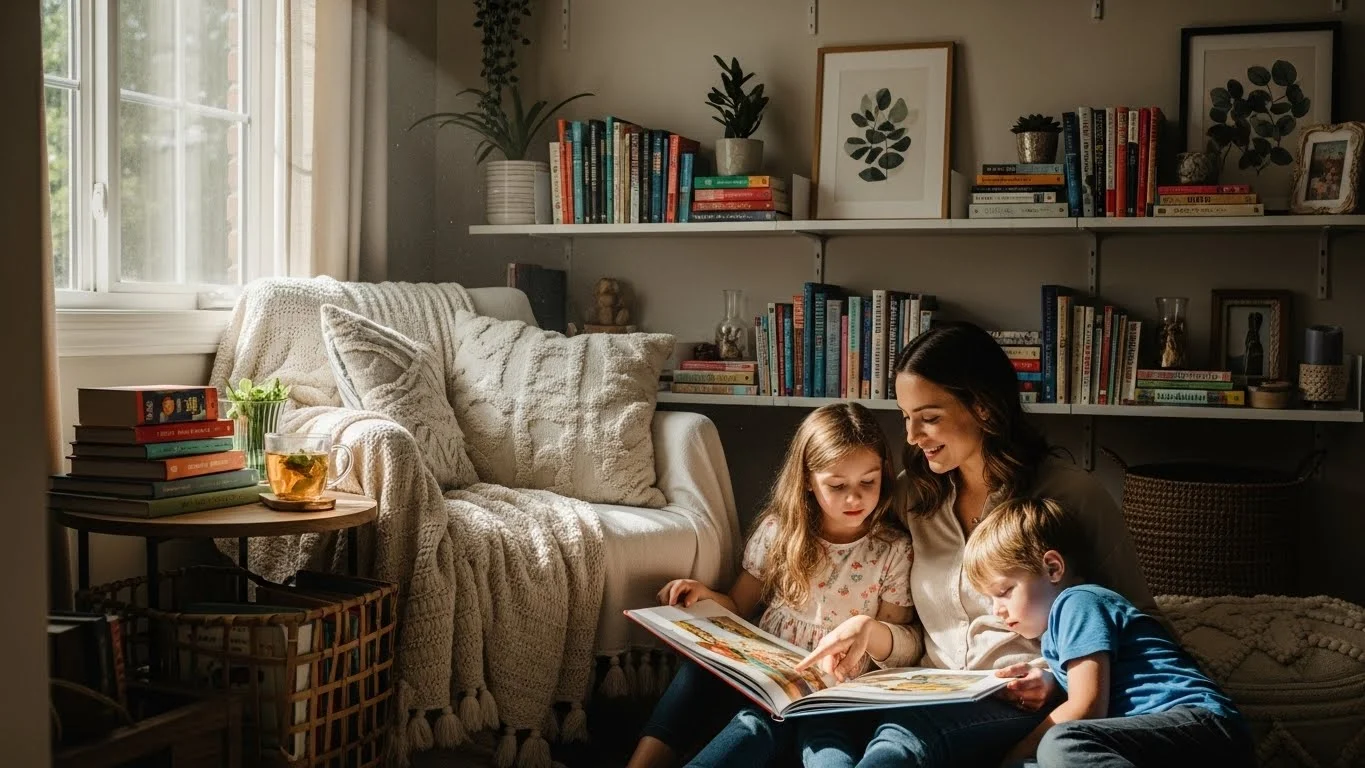
Choosing the right location for a reading space is crucial. In our home, I decided to designate a corner of the living room as our reading nook. It was a space that was often underutilized, and it had just enough natural light to create a cozy atmosphere. I think it’s important to find a quiet area where distractions are minimal. Maybe it’s a corner of your child’s bedroom or a small area in the family room. For me, it’s essential that this space feels inviting, so I made sure to add personal touches that reflect our family’s love for stories.
Essential Furniture for a Comfortable Reading Nook
Comfort is key when setting up a reading nook. I found that investing in a comfy chair or a small sofa can make all the difference. We added a soft, oversized beanbag that my kids love to curl up in with their books. I also made sure to include a small side table for snacks or drinks. For those who enjoy reading while lying down, a cozy blanket can make the space feel even more inviting. I remember the first time my youngest flopped down on that beanbag, completely absorbed in a book. It was a proud moment for me as a parent.
Lighting Options: Natural vs. Artificial
Good lighting is essential for a reading space. Natural light is a wonderful option, so I made sure our reading nook was near a window. However, I also learned that having some artificial lighting is important for those cozy evening reading sessions. A soft lamp or fairy lights can create a warm atmosphere. I personally love using warm-toned LED lights; they help to make the space feel inviting and magical. My kids have often said how they love to read under the twinkling lights, almost as if they’re in a storybook themselves.
Decorating the Space to Inspire Reading
Lastly, I believe that decorating the reading nook can greatly inspire children to read. I added a few colorful posters of their favorite book characters and some whimsical cushions that spark joy. I also thought about adding a bulletin board where they can pin up drawings inspired by their favorite stories. It’s amazing how a few personal touches can encourage creativity and make the space their own. I’ve noticed that when my children feel ownership over their reading corner, they are more likely to use it to dive into new stories.
Building a Diverse Home Library
Age-Appropriate Book Selection
Building a home library is one of my favorite parts of fostering a reading-friendly environment. I’ve learned that selecting age-appropriate books is key to keeping my children engaged. When my kids were younger, I focused on picture books that had vibrant illustrations and simple stories. As they grew, I gradually introduced chapter books and eventually more complex novels. I remember taking trips to the library with my children, letting them pick out books that piqued their interest. It was always exciting to see what they chose, and it helped me understand their evolving tastes in literature.
One tip I’d recommend is to look for award-winning books or those that have been recommended by other parents and educators. These often offer a quality reading experience that resonates with children. I’ve also found it helpful to have a mix of fiction and nonfiction. My kids love diving into fantastical worlds, but they also enjoy books about animals, space, and history. This balance not only broadens their horizons but also keeps the reading experience fresh and exciting. Discover budget outdoor adventures that can complement their reading.
Incorporating Various Genres and Formats
In my experience, incorporating a variety of genres and formats has really enriched our home library. I noticed that my children responded differently to different types of books. For example, graphic novels became a huge hit in our house. The combination of visuals and text captured their attention in a way that traditional books sometimes didn’t. I also introduced poetry, which has a unique rhythm and can be quite engaging for young readers. It’s fascinating to see how they interpret the words differently based on their experiences.
Another format I love to include is audiobooks. We’ve enjoyed listening to them together on car rides or during quiet afternoons at home. It’s a whole different experience that allows my kids to engage with storytelling in a new way. I believe that exposing children to different genres and formats not only keeps their interest alive but also helps them develop a broader understanding of literature and its many forms.
Utilizing Local Libraries and Bookstores
Local libraries and bookstores have been invaluable resources for us. I remember the first time we visited our local library; my children were in awe of the sheer number of books! We quickly became regulars, attending storytime sessions and checking out new titles each week. I love how libraries often have reading programs and summer reading challenges that keep kids motivated. Participating in these activities has not only encouraged my kids to read more but also fostered a sense of community around books.
Bookstores can be just as magical. We’ve spent countless weekends browsing the shelves and discovering new stories. I think it’s wonderful to support local authors and find unique titles that might not be available elsewhere. One of my favorite experiences was when my children met a local author during a book signing event. Seeing their excitement and the connection they felt to the story made it clear how powerful reading can be.
Encouraging Book Sharing Among Family Members
Encouraging book sharing among family members has also been a delightful aspect of our reading journey. I’ve noticed that when my children see me reading, it sparks their curiosity. We often have family discussions about the books we’re reading, which not only allows us to bond but also encourages them to explore new titles. I remember one evening when we all sat together, each with our own book, and shared our favorite passages. It was a simple moment, but it made me realize how much they appreciate hearing about my reading experiences.
We also created a family bookshelf where we can put our favorite reads. It’s been fun to see which books get passed around the most. Sometimes, my kids will pick up a book I loved and ask me about it, leading to deeper conversations about the themes and characters. This sharing not only promotes reading but also helps them build critical thinking skills as they engage in discussions about what they read.
Establishing a Reading Routine
Setting Aside Daily Reading Time
One of the most effective ways I’ve found to encourage reading in our home is by establishing a daily reading routine. I decided to set aside a specific time each day when we all gather with our books. This could be right after school or before bedtime—whatever fits best into our family schedule. I remember the first night we tried it; we all snuggled up in our reading nook, and it felt special. It became a cherished part of our day, something we all looked forward to.
During this time, we read silently or together, depending on what we feel like that day. I’ve noticed that having this dedicated time allows my kids to prioritize reading as a fun activity rather than a chore. It also sets a positive example for them, showing that reading is an important part of life. I encourage the kids to choose books they love, which keeps the experience enjoyable. Sometimes, we even share what we’re reading, and this opens up discussions about different stories and characters.
Creating a Family Reading Challenge
To spice things up, I thought it would be fun to create a family reading challenge. We set goals for the number of books we want to read in a month, and everyone participates. I remember the excitement on my kids’ faces when I suggested it; they love a little friendly competition! We track our progress on a chart displayed in our reading nook, and every time someone finishes a book, we celebrate with a small treat or a family movie night.
The challenge has encouraged my kids to explore new genres and discover books they wouldn’t typically choose. I’ve seen them branch out to read fantasy, mystery, and even biographies, which has been wonderful for broadening their perspectives. Plus, it’s given us plenty of opportunities for discussions about the books we’re reading. I truly believe that adding a little challenge can ignite a passion for reading and make it even more enjoyable.
Incorporating Reading into Daily Activities
I’ve also found that incorporating reading into our daily activities can enhance the experience. Whether we’re cooking together or running errands, I try to integrate books into those moments. For example, I often read recipes out loud while cooking; I’ve noticed my kids become curious about the ingredients and the stories behind the dishes. It’s a great way to mix learning and fun!
We also enjoy reading signs, menus, and even instructions on games we play. I believe these small moments reinforce the idea that reading is everywhere and can be a part of our everyday lives. I remember one day, while we were waiting in line at the grocery store, I pulled out a small book from my bag, and before I knew it, my kids were engrossed, reading aloud to each other. It was a reminder that reading can happen anywhere and at any time.
Engaging Activities to Promote Reading
Storytelling and Read-Aloud Sessions
Storytelling has been another wonderful way to promote reading in our home. I love having read-aloud sessions where we take turns reading chapters from a book. This not only improves their reading skills but also fosters a sense of community among us. I vividly recall the time we read a classic together, and my eldest even started doing character voices. We all ended up laughing and enjoying the story even more. It turned into a bonding experience that we still cherish.
Additionally, I sometimes invite my kids to create their own stories. They enjoy making up tales and narrating them to the family. I’ve been amazed by their creativity and how excited they are to share their ideas. It’s incredible to see how storytelling can spark their imaginations and motivate them to read more.
Interactive Reading Games and Apps
In this digital age, I’ve found that interactive reading games and apps can also be beneficial. There are so many engaging options available that make learning to read fun. We’ve tried a few apps that turn reading into a game, rewarding my kids with points and badges for completing books or quizzes. I’ve noticed that using technology in this way can be a great motivator, especially for those days when they might not feel like picking up a physical book.
While I ensure we balance screen time, I think these interactive tools can complement our reading journey. It’s fascinating how they can learn vocabulary and comprehension skills through a game format. I remember one evening when I caught my kids huddled around a tablet, laughing and excited about the stories they were unlocking. It was a joyful reminder that reading can take many forms.
Connecting Books to Real-Life Experiences
Connecting books to our real-life experiences has also been a fantastic way to encourage reading. I’ve found that when we read about something, and then experience it together, it deepens their understanding and makes the stories come alive. For instance, after reading a book about a local festival, we decided to attend it as a family. Seeing the characters from the book reflected in real life made the story more relatable and exciting for my kids.
Another time, after reading about different animals, we visited a zoo. My children were thrilled to see the creatures they had only read about in their books. They couldn’t stop talking about the stories and facts they had learned. These connections reinforce the value of reading and show my kids that books can open doors to new adventures and experiences.
Encouraging Discussion and Critical Thinking
Asking Open-Ended Questions About Books
One of the most rewarding aspects of nurturing a love for reading is the conversations that arise from it. I’ve found that asking open-ended questions about the books my children are reading can lead to deep discussions. Instead of just asking if they liked the book, I try to ask what they think the main character felt or what they would have done in that situation. I remember one evening discussing a book about a brave young girl facing challenges. My kids had such varied opinions about her choices; it was fascinating to hear their perspectives. These questions encourage them to think critically and express their thoughts, which is an invaluable skill.
Facilitating Book Clubs for Kids
Facilitating a small book club for my kids has been another fantastic way to create dialogue around reading. We gathered a few of their friends and chose a book to read together. After finishing, we had a fun discussion over snacks. It was amazing to see how enthusiastic they were to share their opinions and hear others’ views. This not only made them more excited about reading but also built their confidence in articulating their thoughts. I think setting up a book club can be a great way to foster social interaction and collaborative thinking while making reading more enjoyable.
Using Books to Teach Life Lessons and Values
Books can serve as powerful tools to instill important life lessons and values in children. I often choose stories that touch on themes like kindness, perseverance, and empathy. After reading such stories, we discuss the lessons learned. I remember reading a book about friendship, and it sparked a conversation about the importance of being a good friend. This approach not only reinforces the messages in the stories but also helps my children internalize these values in their daily lives. It’s rewarding to see them apply what they’ve learned from books to their interactions with others.
Utilizing Technology to Enhance Reading
Digital Libraries and E-Readers
Embracing technology has also enriched our reading experience at home. We’ve started using digital libraries and e-readers, which have opened a world of books that might not be available locally. I remember when we first downloaded an e-reader app; my kids were thrilled to explore thousands of titles just a click away. This convenience has encouraged them to discover new genres and authors. I believe that having access to so many books can spark a love for reading that might not happen otherwise, especially for those who may feel overwhelmed by physical books.
Educational Apps and Audiobooks
In addition to e-readers, I’ve found educational apps and audiobooks to be fantastic resources. There are so many apps designed to make reading fun and interactive. I recall one app that transformed reading into an adventure, allowing my kids to earn rewards as they completed stories. Audiobooks have also become a favorite in our family. We often listen to them during long car rides, which turns travel time into story time. It’s wonderful to see how they engage with the stories, asking questions and discussing characters just like they would with a physical book.
Setting Boundaries on Screen Time for Balanced Reading
While I love the benefits of technology, I’ve learned the importance of setting boundaries. It’s easy for screen time to take over, so I try to balance it with traditional reading. I’ve implemented rules about when and how long we can use devices, ensuring that reading physical books remains a priority. I find that this balance helps maintain the magic of reading while still embracing the advantages that technology offers. My kids now enjoy both e-books and traditional books, which keeps our reading experience diverse and engaging.
Overcoming Common Challenges in Promoting Reading
Addressing Reluctance and Disinterest in Reading
It’s natural for some children to be reluctant or disinterested in reading. I’ve faced this challenge with my own kids at times. When I noticed one of my children was struggling, I took a step back to explore what might spark their interest. I started by introducing shorter, more engaging books or graphic novels. I also tried to connect stories to their favorite activities or interests. For instance, if they love animals, I would suggest books that feature animal adventures. It’s essential to be patient and allow them to find their own reading path, and I’ve learned that sometimes it just takes a little experimentation.
Balancing Screen Time and Reading Time
In today’s digital world, balancing screen time with reading time can be challenging. I’ve made it a family goal to limit our screen time, especially during designated reading hours. We often have family discussions about the value of reading versus screen time, which has led to my kids being more mindful of their choices. I’ve noticed that when they prioritize reading, they feel more accomplished and fulfilled, which ultimately encourages them to seek out books more often.
Dealing with Learning Differences or Disabilities
Every child learns differently, and I’ve realized that some may face learning disabilities that make reading more challenging. In our case, I worked closely with teachers and sought resources to support my child’s learning needs. We explored audiobooks and interactive reading materials that catered to their strengths. I’ve seen firsthand how adapting our approach can make a significant difference in their confidence and love for reading. It’s all about finding what resonates with each child and providing the support they need to thrive.
Involving the Whole Family in the Reading Journey
Modeling Reading Behavior as Parents
One of the most effective ways to promote reading in our home has been modeling reading behavior as parents. I’ve made it a point to let my children see me immersed in a book. I think this demonstrates that reading is a valued activity in our household. Whether I’m enjoying a novel or researching something for work, I believe that seeing me read encourages my kids to pick up their books as well. I often share my reading experiences with them, which sparks their curiosity about what I’m reading and why I love it.
Creating a Family Book Club
Creating a family book club has been a delightful way to bond over reading. We chose books to read together, and I’ve loved hearing everyone’s thoughts during our discussions. It’s become a fun tradition that allows us to explore different genres and share our opinions. I remember one book that sparked a fierce debate about the characters’ decisions. It was entertaining and enlightening to see how each family member interpreted the story differently. This has not only increased our reading but also strengthened our family ties.
Participating in Community Reading Events
Participating in community reading events has been another wonderful way to involve the whole family in our reading journey. We’ve attended author readings, book fairs, and local library events, which have provided unique opportunities for us to meet fellow book lovers. I remember the excitement my children felt when they got to meet an author whose book they had just read. These experiences have fostered a sense of community and have shown them that reading extends beyond our home. It’s a shared activity that connects us all.
Final Thoughts
Creating a reading-friendly home is a journey filled with joy, discovery, and connection. I’ve seen firsthand how cultivating a love for reading can enrich our lives and strengthen our family bonds. Each step we take—whether it’s creating cozy reading spaces, participating in family discussions, or exploring new books—brings us closer together and opens up a world of imagination and knowledge. I hope my experiences inspire you to embrace the magic of reading in your home and encourage your children to embark on their own literary adventures.
Frequently Asked Questions
What is the importance of creating a reading-friendly home?
Creating a reading-friendly home fosters an environment where reading is valued and enjoyed, significantly influencing children’s habits and attitudes towards books.
What are some benefits of reading for children?
Reading regularly helps children develop better vocabulary, improved focus, and enhanced comprehension skills. It also encourages creativity and serves as a bonding experience for families.
How can the environment influence reading habits?
A well-designed reading space invites curiosity and adventure, transforming reading from a chore into a delightful activity, encouraging children to pick up books more often.
What essential furniture should be included in a reading nook?
Comfortable seating, like a cozy chair or beanbag, alongside a small side table for snacks and a cozy blanket can make a reading nook inviting and enjoyable.
What lighting options are best for a reading space?
Natural light is ideal for reading, but having artificial lighting such as soft lamps or warm-toned LED lights can also create a cozy atmosphere for evening reading sessions.
How can parents build a diverse home library?
Selecting age-appropriate books, incorporating various genres and formats, and utilizing local libraries and bookstores can help build an engaging and diverse home library for children.
What strategies can encourage children to read more?
Establishing a daily reading routine, creating a family reading challenge, and incorporating reading into daily activities can motivate children to prioritize reading.
How can storytelling enhance the reading experience?
Storytelling and read-aloud sessions foster community and improve reading skills, while also allowing children to share their creativity by creating their own stories.
What role does technology play in promoting reading?
Using digital libraries, educational apps, and audiobooks can enhance the reading experience, making it fun and interactive while ensuring a balance with traditional reading.
How can parents model reading behavior for their children?
By actively reading in front of their children and sharing their reading experiences, parents can demonstrate that reading is a valued activity, encouraging kids to engage with books.