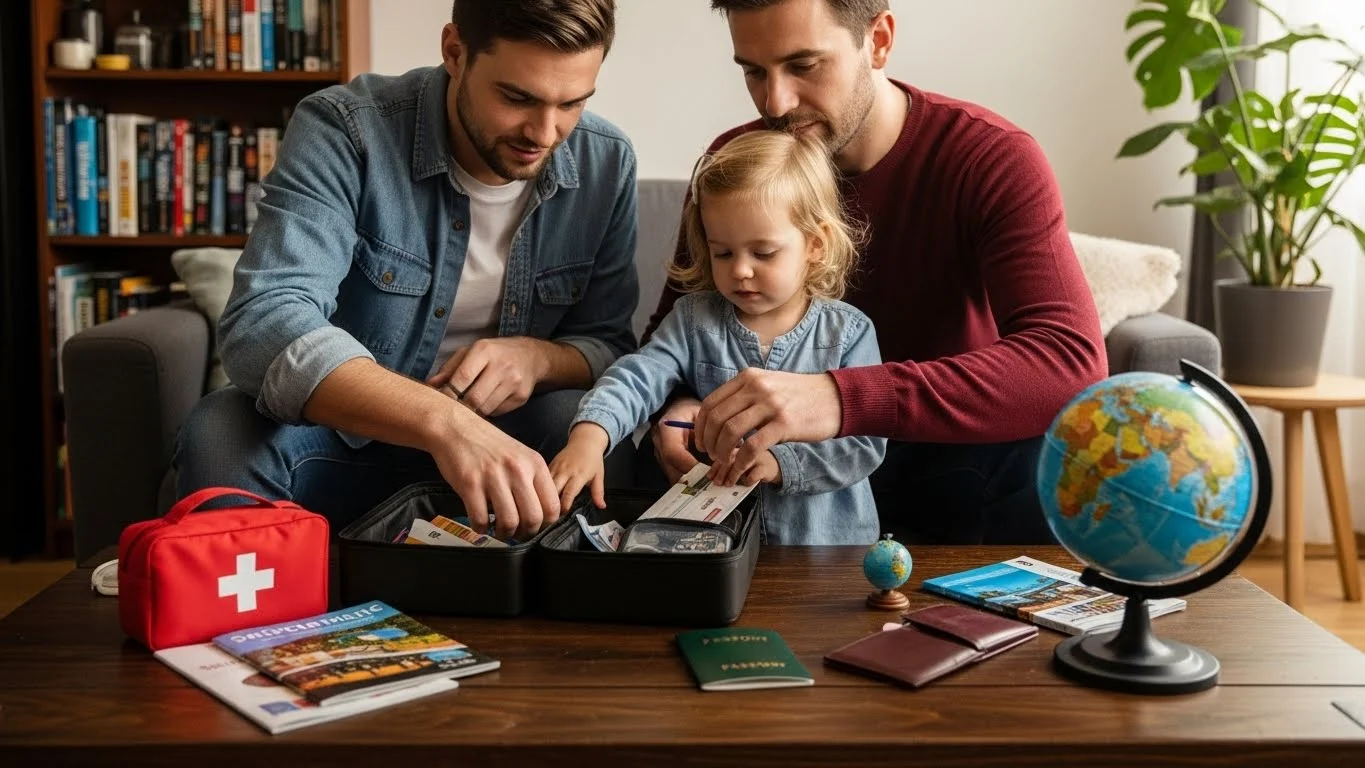
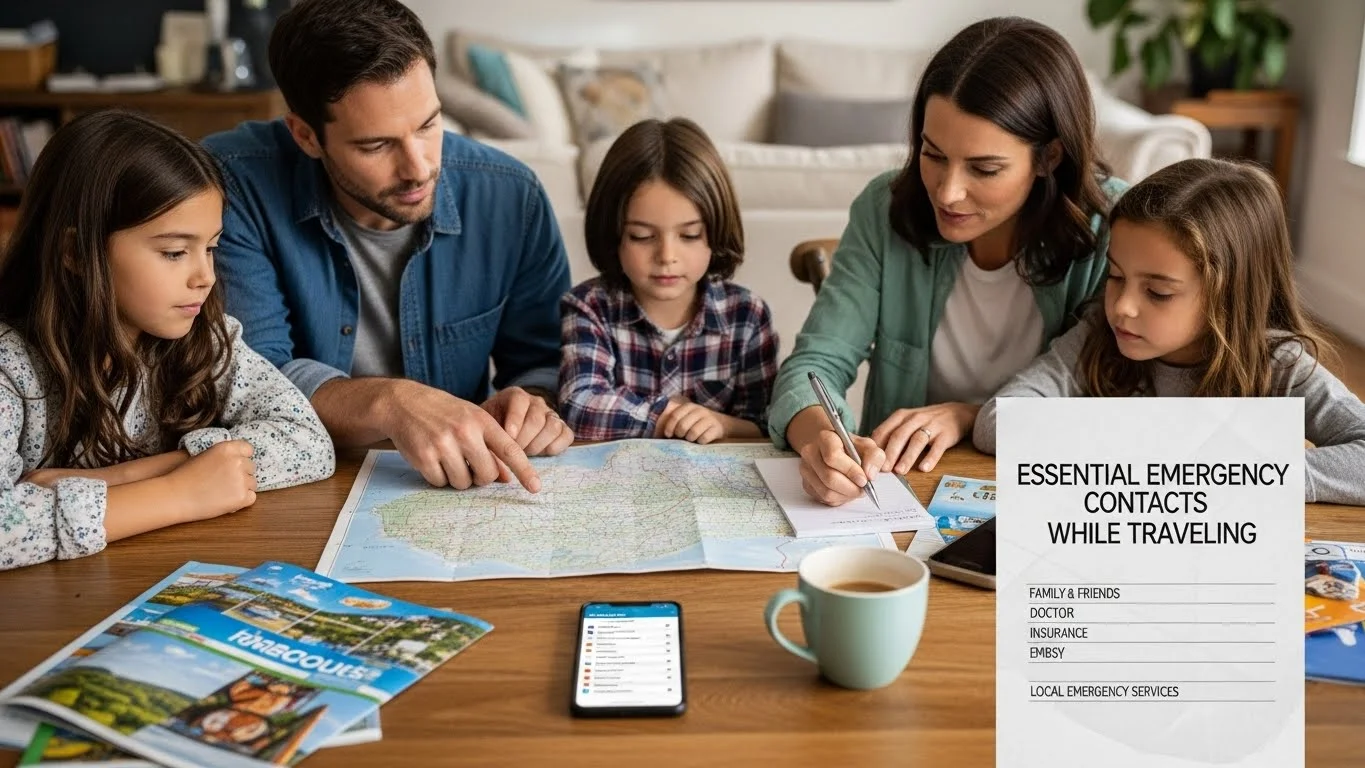
Traveling with family is a wonderful adventure, but it comes with its own set of challenges. One of the most crucial things we can do to ensure our loved ones’ safety is to create an emergency contact list. This simple step can make all the difference in stressful situations. Read Interesting article: Top Tips for Family Emergency Plans While Backpacking
Create an Emergency Contact List for Family Travel Safety
Understanding the Importance of an Emergency Contact List
Why an Emergency Contact List is Essential for Family Travel
When I think about family trips, I imagine the laughter, the shared experiences, and the unforgettable memories. However, I also know that travel can be unpredictable. During my own travels, I’ve experienced situations that made me realize how important it is to be prepared for emergencies. An emergency contact list ensures that you have quick access to vital information when you need it most.
Think about it. Whether it’s a minor health issue, a lost wallet, or something more severe, having a well-organized list can save precious time and provide peace of mind. I remember a time when a family member fell ill while we were abroad. Having our emergency contacts at hand allowed us to quickly find help and navigate the local medical system. From that experience, I learned that being proactive can truly make a difference.
Legal and Medical Considerations
When creating your emergency contact list, it’s essential to consider both legal and medical aspects. For instance, you should include contacts for medical professionals who can make decisions on behalf of your family members if needed. This could be particularly important if you travel with children or elderly relatives. I always make sure to have a family member’s health insurance information handy, as well as any necessary medical consents. This preparation gives me peace of mind, knowing that we are covered in any situation.
Additionally, depending on where you are traveling, local laws may require specific documentation, especially if you need to seek medical treatment for a child. Having a designated person in your contact list who understands these legalities can help navigate these challenging waters. I’ve found it beneficial to have someone knowledgeable about local laws readily available, just in case. Read Interesting article: Backpacking with Allergies: Emergency Tips for Travelers
Key Components of an Emergency Contact List
Primary Family Contacts
The first section of your emergency contact list should include primary family contacts. This means listing the people who are most crucial to your family’s safety. For us, that includes parents, siblings, and close relatives. We ensure that each person’s full name, relationship to each family member, and a current phone number are included. I also suggest adding their email addresses, as this can be helpful in specific situations.
Medical Contacts
Next, include any necessary medical contacts. This might be the family doctor, pediatrician, or any specialists your family members regularly see. I always make sure to add their phone numbers, addresses, and after-hours contact information. In my experience, having this information accessible saved us time when my child developed an unexpected allergy reaction during a trip. We were able to contact our doctor and get immediate advice on how to handle the situation.
Travel Insurance Information
Don’t forget to include your travel insurance information on this list. We always purchase travel insurance for our trips, and having the policy number, provider contact details, and coverage information is vital. I remember a time when we needed to file a claim for a canceled flight, and having this information made the process so much smoother. It’s one less thing to worry about when you are already dealing with travel hiccups.
Local Emergency Services
Understanding local emergency services is also critical. I recommend researching the emergency numbers for the area you are traveling to, including police, fire, and medical services. In many countries, these numbers differ from the typical 911 we use in the U.S. Before our last trip to Europe, we made a list of emergency services for each country we planned to visit, which made us feel much more secure.
Embassy or Consulate Contacts
If you’re traveling internationally, adding the contact information for your country’s embassy or consulate is a smart move. This can be crucial in cases of lost passports or legal issues. I recall needing assistance at our embassy once while traveling, and having their contact details saved us a lot of stress. Make sure to include their address, phone number, and website as well, as these are often helpful resources for travelers.
In summary, creating a comprehensive emergency contact list is an essential part of family travel safety. It’s all about preparation and being proactive. By understanding its importance and knowing what to include, you can ensure that your family is ready for anything that comes your way while traveling. Trust me, the peace of mind that comes from being prepared is well worth the effort! Stay tuned for more tips on how to organize and maintain your emergency contact list for future adventures. Read Interesting article: Emergency Response: Allergic Reactions on Your Backpacking Trip
How to Create an Emergency Contact List
Choosing the Right Format (Digital vs. Printed)
When it comes to creating an emergency contact list, one of the first decisions you’ll need to make is whether to go digital or stick with a printed version. Personally, I find that having both options is the best way to cover all bases. A printed list is easy to grab and can be tucked away in my travel wallet, while a digital version is always accessible on my phone.
For my family, I often use a notes app that syncs across all our devices. This way, if anything changes, I can update it in real-time. I also store a PDF version on my phone, so I can email it to someone if needed. Having both formats ensures that we’re covered no matter the situation. Plus, if we ever find ourselves in a place with spotty service, the printed list is a lifesaver.
Information to Include for Each Contact
Now that you’ve decided on a format, let’s dive into what specific information to include for each contact. Each entry should contain the full name, relationship to your family, phone number, and email. I also recommend noting any special considerations—for instance, if someone has a medical condition or if they’re traveling with children. This can help those who may need to step in during an emergency.
Another detail that I always include is the contact’s location. If a family member is situated in a different time zone, knowing that can help in making timely decisions. I’ve found that including a brief note about how to reach them in an emergency (e.g., “email is preferred after 7 PM”) can be incredibly handy, especially when you’re dealing with a stressful situation.
Organizing Contacts for Quick Access
Once you have all the information gathered, it’s vital to organize it for quick access. I like to categorize contacts, so in my list, I have separate sections for family, medical professionals, and local emergency services. This way, I don’t have to scroll through endless names when time is of the essence.
For our family, I label each section clearly and even highlight critical contacts—like my child’s pediatrician—in bold. I also use bullet points for easy reading. I’ve noticed that when things get chaotic, having a clean and organized list helps reduce stress immensely because I can find what I need without fumbling around.
Best Practices for Maintaining Your Emergency Contact List
Regular Updates Before Travel
Just creating your emergency contact list isn’t enough; it’s essential to keep it updated. Before each trip, I set aside a few minutes to review our list. I check if any phone numbers have changed or if any new contacts should be added. This practice has saved us several times, especially when we had to reach out to family members or medical professionals.
I also recommend checking in with your family members to ensure they’re aware of the list and comfortable with the contacts included. Sometimes, family dynamics can change, and it’s good to have everyone on the same page. I remember a situation where a cousin was traveling with us, and I had forgotten to add her emergency contact. Thankfully, we caught that before our trip!
Sharing the List with Family Members
Sharing the emergency contact list with all family members is crucial. I always send a copy via email or share it through our family group chat. This way, if something happens and I’m not available, my partner or kids can access the information quickly. I’ve learned that in times of emergency, having multiple people aware of the contact info can make a huge difference in response time.
Additionally, I make sure everyone knows how to use the list. We often practice a quick drill where we go over what each person should do in case of an emergency, including how to access the contact list. This not only reinforces the importance of being prepared but also helps the kids feel involved and responsible.
Storing the List in Multiple Locations
To ensure that we can access our emergency contact list no matter where we are, I store it in multiple locations. Besides having a printed copy in our travel wallet, I also save it in my phone, upload it to a cloud service, and even keep a copy in our travel bag. This redundancy has come in handy more than once when I misplaced my phone or when my battery died.
I’ve also started using a secure app that allows me to store all important documents, including our emergency contact list. This way, I feel confident knowing that even if we lose everything, we can still retrieve this critical information. It’s a small step that brings a tremendous sense of security, and I highly recommend doing the same.
What to Do in Case of an Emergency While Traveling
Contacting Local Authorities
When an emergency arises while traveling, the first step is often to contact local authorities. I can’t stress enough how important it is to know how to reach them quickly. Depending on where you are, the emergency numbers can be different from what we’re used to in the U.S. For instance, in many European countries, the emergency number is 112, while in the UK, it’s 999. Before our trip to Italy, I made sure to research these numbers and kept them handy in our travel wallet.
If something happens, whether it’s a medical emergency or a situation involving theft, reaching out to local authorities can provide immediate assistance. It’s also wise to stay calm during these moments. I remember feeling anxious when we faced a minor medical issue traveling in a foreign country, but knowing exactly who to call helped maintain a sense of control. It’s also a good idea to explain the situation clearly and provide any helpful details, such as your location and what kind of assistance you need.
Using Your Emergency Contact List Effectively
Being prepared is one thing, but knowing how to utilize your emergency contact list effectively is just as important. In times of stress, having the list easily accessible can make a world of difference. I remember a time when my partner slipped and twisted his ankle during a hike. I quickly pulled out our emergency contact list and dialed our family doctor. Having that information right at my fingertips allowed me to get advice on what to do next, while keeping my partner calm.
It’s crucial to prioritize the contacts based on the urgency of the situation. For example, if it’s a medical emergency, reaching out to medical contacts first is essential. If it’s a lost wallet or passport, contacting the local embassy or consulate might be the first step. In my experience, having a clear hierarchy of contacts can help streamline the process and ensure that you’re addressing the most pressing issues first.
Steps to Take if You Lose Your List
Despite our best efforts, sometimes things just happen. I’ve had my share of moments where my phone battery died, or I misplaced my printed emergency contact list. The thought of losing that information can be overwhelming, but I’ve learned a few steps to take that can help mitigate this issue.
First, if you lose your list, stay calm. Take a moment to gather your thoughts. If you have a digital version stored in the cloud, try accessing it through another device. I’ve found that having it synced across our family’s devices has been incredibly helpful. Even if my phone is out of commission, my partner or kids can still access the information from theirs.
If you don’t have the list available, reaching out to your family members or friends who might still have the information can be a lifesaver. I once found myself in a pinch when I lost my copy while traveling. Thankfully, I remembered that my sister had saved a copy on her phone, and she was able to send it to me. It’s a great reminder of why sharing the list with family members is so important.
In the worst-case scenario, if you don’t have access to your emergency contacts, try to remember key details, like your family doctor’s name or any important medical information. Don’t hesitate to reach out to locals for help; they often have insights or can guide you to the nearest medical facilities. I’ve learned that people are generally willing to assist, especially if they see you’re in a tough spot.
Preparing for Specific Travel Scenarios
Traveling with Young Children
Traveling with young children can be a beautiful experience, but it can also require extra planning. I always take extra precautions when we’re on the road with our kids. Aside from the emergency contact list, I ensure that we have a well-thought-out plan in place. For instance, I make sure our kids know basic information like our last name, our phone numbers, and what to do if they get lost.
In addition to our emergency contact list, I often create a mini version for my kids to carry. It includes our hotel information and any important numbers they might need to remember. I’ve found that making it a fun activity helps them feel empowered and more aware of their surroundings. We also talk about what to do if they feel uncomfortable or lost, reinforcing that they can always approach a trusted adult for help.
Traveling with Elderly Family Members
Traveling with elderly family members requires additional considerations as well. I always make it a point to have their medical information readily accessible. This includes their medications, emergency contacts for their healthcare providers, and any special needs they may have. Once, while traveling with my parents, my father experienced a health issue that required immediate attention. Having his medical details on hand allowed us to respond quickly and ensure he received the care he needed.
It’s also helpful to have a conversation with elderly family members ahead of time about what to do in case of an emergency. Making sure they feel comfortable and informed can help alleviate anxiety. I always remind them of any emergency protocols we have in place and encourage them to express any concerns they might have about the trip.
Traveling to High-Risk Destinations
Traveling to high-risk destinations can be daunting, but being prepared can make all the difference. I always research the area we’re visiting, looking into any potential health risks or safety concerns. For example, when we traveled to a region known for higher crime rates, I made it a priority to keep our emergency contact list updated with local authorities and safe places to seek help.
In addition to having our emergency contacts, I also stay informed about local customs and laws. This knowledge can be invaluable, especially if you encounter a situation that may require legal assistance. I’ve found that connecting with fellow travelers or local expats online before the trip can provide insights that enhance our safety and preparedness.
Frequently Asked Questions
Why is creating an emergency contact list important for family travel?
Creating an emergency contact list is essential for family travel because it ensures quick access to vital information during unpredictable situations, providing peace of mind and potentially saving precious time in emergencies.
What should be included in the emergency contact list?
The emergency contact list should include primary family contacts, medical contacts, travel insurance information, local emergency services, and embassy or consulate contacts if traveling internationally.
How can I organize the emergency contact list for quick access?
To organize the emergency contact list for quick access, categorize contacts into sections such as family, medical professionals, and local emergency services, clearly label each section, and consider highlighting critical contacts for easy identification.
What formats are recommended for creating an emergency contact list?
It is recommended to create both a digital and printed version of the emergency contact list. A printed list can be easily grabbed, while a digital version is always accessible on a phone or other devices.
How often should I update the emergency contact list?
The emergency contact list should be updated regularly, especially before each trip. This includes checking for any changes in phone numbers or adding new contacts as necessary.
Why is it important to share the emergency contact list with family members?
Sharing the emergency contact list with family members is crucial because it ensures that multiple people can access the information quickly in case of an emergency, which can significantly improve response time.
What should I do if I lose my emergency contact list while traveling?
If you lose your emergency contact list, stay calm and try to access a digital version from another device. If that’s not possible, reach out to family members or friends who may still have the information saved.
What specific considerations should I take when traveling with young children?
When traveling with young children, it’s important to prepare them with basic information such as your last name and phone numbers, and to create a mini version of the emergency contact list for them to carry, including hotel information and important numbers.
How should I prepare when traveling with elderly family members?
When traveling with elderly family members, ensure that their medical information, including medications and emergency contacts for healthcare providers, is readily accessible and have a conversation with them about emergency protocols to alleviate any anxiety.
What precautions should I take when traveling to high-risk destinations?
When traveling to high-risk destinations, research the area for potential health risks or safety concerns, keep the emergency contact list updated with local authorities, and stay informed about local customs and laws to enhance safety and preparedness.
Traveling with family can be an incredible adventure, but it also comes with its share of risks. Having the right emergency contacts at your fingertips can make all the difference when unexpected situations arise. Read Interesting article: Create an Emergency Contact List for Family Travel Safety
Essential Emergency Contacts Every Family Should Have While Traveling
Why Emergency Contacts Are Crucial for Family Travel
The Role of Emergency Contacts in Travel Safety
When we travel, we often focus on the excitement of exploring new places, trying local cuisine, and creating unforgettable memories. However, emergencies can happen anywhere, and being prepared is essential. I learned this firsthand during a family trip to Europe a few years ago. While we were soaking up the sights in Paris, my daughter suddenly developed a high fever. Thankfully, we had our emergency contacts organized, which allowed us to quickly find a nearby hospital and get her the care she needed.
Emergency contacts serve as a safety net. They can provide immediate assistance, whether it’s contacting local authorities, healthcare providers, or even friends and family back home for support. In my experience, knowing who to reach out to can alleviate a lot of stress during trying times. Having a well-prepared list of emergency contacts ensures that you won’t feel lost or overwhelmed in the moment of crisis.
Common Travel Emergencies Families Face
Understanding the types of emergencies that can arise during travel can help families prepare better. Here are some common scenarios that I have encountered or heard about from fellow travelers:
Medical Emergencies: Illnesses or injuries can occur unexpectedly, especially when traveling to places with different health standards.
Lost or Stolen Belongings: Losing a wallet or passport can be a nightmare, but knowing whom to contact can ease the situation.
Accidents: Car accidents or falls can happen anywhere, and having emergency contacts can help in getting immediate assistance.
Natural Disasters: While we hope this never happens, being prepared for events like earthquakes or hurricanes is vital.
For example, while hiking in a national park, I overheard a family struggling to find a way to contact local ranger services after a minor injury. They didn’t have the necessary numbers on hand, which made the situation more stressful. This highlighted the importance of being prepared for various emergencies before setting off on our travels.
Essential Emergency Contacts to Have
Local Emergency Services
One of the first things I recommend is to familiarize yourself with the local emergency services before your trip. This includes knowing how to reach police, fire, and medical services in the area you are visiting. I always make a note of the emergency number for the country we are visiting. In many places, this is simply 911 or 112, but it can differ, and knowing the correct number ahead of time is crucial.
Additionally, I like to have a local map or a travel guide that lists these emergency numbers. It ensures that, in case of an emergency, I won’t waste precious time searching for the information.
Travel Insurance Provider
Travel insurance is often an overlooked aspect of travel planning, but I can’t stress enough how important it is to have a travel insurance provider’s contact information readily available. In our experience, travel insurance has saved us from significant headaches. During a trip to Southeast Asia, a friend of mine had her luggage lost, and having her insurance provider’s number helped her file a claim quickly. Always keep a copy of your insurance policy and the contact number handy, either on your phone or in a travel wallet.
Healthcare Facilities and Hospitals
Researching healthcare facilities at your destination can save valuable time in emergencies. Before I travel, I make a list of nearby hospitals or clinics and their contact information. I remember when we traveled to a remote area in Costa Rica. I had looked up the nearest medical facility before leaving, and when my son had an allergic reaction, I was grateful that I had that information on hand. Knowing where to go for medical help can provide peace of mind and ensure that you get care quickly. Read Interesting article: Essential Disaster Preparedness Plans for Traveling Families
Embassy or Consulate Contact Information
If you find yourself in a serious situation, having the contact information for your country’s embassy or consulate can be a lifesaver. We once had a friend who lost their passport while traveling in a foreign country, and they were able to get assistance from the local consulate. It’s beneficial to have the address and phone number saved in your phone, as well as printed out in case your phone dies or gets lost.
Family and Friends Back Home
Having a contact list that includes family or friends back home can be very helpful during emergencies. I typically share our itinerary and emergency contact list with a trusted family member. This way, they know where we are supposed to be and can help coordinate any assistance we might need in a crisis. It’s comforting to know that someone is looking out for you while you’re away.
Travel Agency or Tour Operator Contacts
If you’ve booked a trip through a travel agency or are using a tour operator, keep their contact information handy as well. They can provide assistance in case of cancellations, changes, or emergencies. When we traveled on a guided tour of Italy, having the tour operator’s number helped us navigate a last-minute change in our itinerary due to weather conditions. Read Interesting article: Top Tips for Family Emergency Plans While Backpacking
How to Organize Emergency Contact Information
Creating a Contact List
One of the first steps I take when planning a trip is to create a comprehensive emergency contact list. I find it helpful to write down all the essential numbers and information in one place. This list typically includes local emergency services, healthcare facilities, my travel insurance provider, and the contact information for my country’s embassy or consulate. I also add contacts for family or friends back home, as well as any tour providers I might be working with.
When I created this list for our recent trip to Japan, I used a simple format. I listed each contact, their phone number, and the address where they could be reached. I even included notes about what to do in specific scenarios, like where to go for medical help or how to reach my insurance provider. This way, if anything unexpected came up, I wouldn’t have to scramble for information. I highly recommend doing this as it can save time and reduce panic when you need help the most.
Using Mobile Apps for Emergency Contacts
In this digital age, I also love utilizing mobile apps to keep my emergency contacts organized. There are several apps available that allow you to store important information securely. I use an app that lets me create a dedicated emergency contact section on my phone. It’s convenient because I always have my phone with me, and I can quickly access the information if I need it.
Some apps even offer features like location tracking, which can be useful in emergencies. I’ve found that having everything in one app not only keeps me organized but also allows me to share this information easily with my family members. During our trip to Italy, this feature came in handy when I accidentally got separated from my family at a crowded tourist site. I was able to share my location with them instantly, which helped us reunite quickly.
Storing Information Offline
While I love technology, I also believe it’s crucial to have backup methods. I always print out a physical copy of my emergency contact list to keep with me when I travel. You never know when your phone might run out of battery or get lost, so having a hard copy is a lifesaver. I usually fold it up and keep it in my wallet or travel wallet where I store other important documents like my passport and travel insurance details.
Additionally, I like to give a copy to a trusted family member or friend who isn’t traveling with us. This ensures that if anything goes wrong, someone back home has access to our itinerary and emergency contacts as well. I remember during a trip to Thailand, we encountered a minor issue with our hotel booking. Thankfully, I had all our information printed out, which made it much easier to resolve the situation without having to dig through my phone.
Preparing for Specific Destinations
Emergency Numbers by Country
Each country has its own set of emergency numbers, and I’ve learned that it’s crucial to familiarize myself with these before traveling. For instance, while 911 is the emergency number in the United States, other countries have different systems. Before our family trip to Spain, I took the time to look up the emergency numbers for police, fire, and medical assistance. It’s a small detail, but knowing the right number can save valuable time when every second counts.
I also made a note of these numbers on my emergency contact list. I feel that having this information at my fingertips not only aids in emergencies but also boosts my overall confidence while traveling. It’s a simple step that can make a significant difference, especially when navigating a foreign environment.
Important Contacts for Popular Travel Destinations
When planning our travels, I like to dig a bit deeper into the specific contacts relevant to the destinations we’ll be visiting. For instance, in popular tourist spots like Paris or New York, knowing the contact numbers for local hospitals or tourist assistance centers can be invaluable. I often check forums or travel blogs for recommendations on reputable medical facilities, especially in areas that I might not be familiar with.
On our recent trip to London, I found a great resource that listed not only emergency numbers but also contact information for English-speaking medical services. Having that handy made me feel more secure, knowing we wouldn’t have to worry about language barriers in a healthcare situation.
Understanding Local Healthcare Systems
Understanding the local healthcare system in the countries we visit has become an essential part of my travel prep. I typically research how healthcare works in the destination, especially regarding costs and what to expect if we need medical attention. For instance, some countries require upfront payment for medical services, while others might bill your insurance directly.
I remember during our road trip through Canada, I learned that many healthcare services are covered under their universal healthcare system, but travelers might need to pay for services upfront if they don’t have proper insurance. Knowing this allowed us to be financially prepared in case of an emergency, which ultimately gave us peace of mind during our travels.
What to Do in Case of an Emergency
Steps to Take During a Medical Emergency
When a medical emergency hits, I believe staying calm is the first crucial step. I remember during our trip to Greece when my husband twisted his ankle while hiking. The immediate panic was overwhelming, but I took a deep breath and remembered our emergency contact list. I quickly located the nearest healthcare facility from my prepared list and called for directions. It’s important to evaluate the situation first: is it something that requires immediate medical attention, or can it wait for a while? If it’s the former, don’t hesitate to call for help or head to the nearest hospital.
Additionally, I always keep a small first aid kit with me while traveling. It’s filled with essentials like band-aids, antiseptic wipes, and pain relief medication. This kit can help address minor injuries right away and buy us some time until we can seek professional help. In our case in Greece, we managed to treat his ankle with ice packs until we could reach a clinic. Having that first aid kit made a huge difference, so I highly recommend preparing one before any trip.
Reporting a Crime While Traveling
Experiencing a crime while traveling can be shocking and unsettling. I know this firsthand from a trip to Brazil, where my phone was stolen at a crowded market. In that moment, I felt a whirlwind of emotions—fear, frustration, and vulnerability. However, I knew it was essential to report the crime as soon as possible. I immediately located the local police station using the emergency contact information I had saved. Reporting the theft is crucial for obtaining any necessary documentation for insurance claims and for the police to potentially track the thief.
When reporting a crime, I recommend writing down all the details as soon as you can. This includes the time, place, and description of the incident. The more detailed your account is, the better the authorities can assist you. After speaking with the police in Brazil, I also contacted my travel insurance provider to report the theft and find out how to proceed with filing a claim. Keeping a level head and following up with the right steps made the situation a little easier to handle.
Lost or Stolen Passport Procedures
I’ve always been a bit paranoid about losing my passport when I travel, so I take extra precautions to keep it safe. However, if the worst happens and you find yourself dealing with a lost or stolen passport, it’s vital to act quickly. I remember a friend who lost her passport while backpacking through Thailand. She felt completely panicked, but I was able to share some helpful steps with her.
The first thing to do is to report the loss to local authorities. This can often be done at a police station or through local tourist assistance centers. Getting a police report is essential for the next steps in the process. After that, it’s important to contact your country’s embassy or consulate. They can guide you through the process of getting a replacement passport. I always keep the contact information for the embassy saved on my phone and in my printed emergency contact list, just in case.
Additionally, I recommend having a photocopy of your passport, stored separately from the original. This can make obtaining a replacement much easier and quicker. Knowing what to do ahead of time and having the right contacts ready can help ease the anxiety that comes with losing something as important as your passport.
Additional Resources for Travelers
Mobile Apps for Safety and Assistance
In today’s digital age, there are countless mobile apps designed to enhance traveler safety. I’ve found several that have been incredibly useful. One of my favorites is a travel safety app that provides local emergency numbers, tips on what to do in various situations, and even alerts for potential dangers in the area. During our last trip, this app notified us of a nearby protest that could disrupt our plans, allowing us to make alternative arrangements.
Another app I use is for sharing my location with family members. This feature gives me peace of mind, especially when exploring unfamiliar areas. Having a safety app that others can access helps everyone feel more connected and secure during travel.
Travel Safety Websites and Hotlines
Before heading out, I always check reputable travel safety websites for any updates or warnings about my destination. Websites like the U.S. State Department or the equivalent for your country often provide valuable information about safety, health issues, and travel advisories. They also have hotlines available for travelers in need of assistance. I remember when we traveled to Mexico, I checked the local government’s travel advisory and discovered some areas we should avoid. This kind of research can be a game changer.
Local Government Resources
In addition to emergency contacts, I think it’s wise to familiarize myself with local government resources in the areas we visit. Many cities have tourist information centers that can offer guidance on what to do in case of emergencies, as well as provide maps and safety tips. During a recent trip to Amsterdam, we found a tourist assistance center that had helpful information about local hospitals and police stations. They even provided us with a list of English-speaking medical services, which gave us extra confidence.
Having these resources on hand can make any trip smoother and more enjoyable. It gives me a sense of security knowing that I’m prepared for any situation that may arise, and it allows my family and me to focus more on enjoying our travels rather than worrying about what could go wrong.
Frequently Asked Questions
Why are emergency contacts crucial for family travel?
Emergency contacts are essential for family travel as they provide immediate assistance in unexpected situations, such as medical emergencies, lost belongings, or accidents. Having a well-prepared list of emergency contacts can alleviate stress and ensure you know who to reach out to in a crisis.
What types of emergencies should families prepare for while traveling?
Families should prepare for several common travel emergencies, including medical emergencies, lost or stolen belongings, accidents, and natural disasters. Being aware of these scenarios can help families respond effectively when they arise.
What essential emergency contacts should I have while traveling?
Essential emergency contacts to have while traveling include local emergency services, your travel insurance provider, nearby healthcare facilities and hospitals, your country’s embassy or consulate, family and friends back home, and your travel agency or tour operator.
How can I organize my emergency contact information for travel?
You can organize your emergency contact information by creating a comprehensive contact list that includes all essential numbers, using mobile apps to store information securely, and keeping a printed copy readily available in case your phone is lost or runs out of battery.
What steps should I take in a medical emergency while traveling?
In a medical emergency, stay calm and evaluate the situation. If immediate medical attention is needed, call for help or head to the nearest healthcare facility using your emergency contact list. Additionally, having a small first aid kit can help manage minor injuries until professional help is available.
What should I do if I experience a crime while traveling?
If you experience a crime while traveling, report it to local authorities as soon as possible. Document the incident by writing down details such as the time and place, and contact your travel insurance provider to report the crime and understand how to proceed with any claims.
What should I do if my passport is lost or stolen while traveling?
If your passport is lost or stolen, report the loss to local authorities first and obtain a police report. After that, contact your country’s embassy or consulate for guidance on getting a replacement passport. Keeping a photocopy of your passport can also help expedite the replacement process.
How can mobile apps assist with travel safety?
Mobile apps can enhance travel safety by providing local emergency numbers, tips on what to do in various situations, and alerts for potential dangers in the area. Some apps also allow you to share your location with family members for added security.
What resources should I check before traveling?
Before traveling, check reputable travel safety websites for updates or warnings about your destination, such as those from the U.S. State Department. Local government resources, such as tourist information centers, can also offer guidance on emergencies and provide safety tips.
Why is it important to understand local healthcare systems when traveling?
Understanding local healthcare systems is important because it helps you know what to expect regarding medical costs and procedures in case of an emergency. Some countries may require upfront payment for services, while others bill your insurance directly, which can significantly impact your preparedness during travel.
Traveling with a baby can be challenging, but ensuring their safety doesn’t have to break the bank. I’ve discovered budget-friendly products that make traveling with little ones much easier and safer. Let’s explore these essential items that every traveling parent should consider. Read Interesting article: Top 10 Baby Safety Products for Travel with Newborns
Budget-Friendly Baby Safety Products for Your Travels
Understanding Baby Safety Needs While Traveling
The Importance of Baby Safety During Travel
When I first became a parent, I quickly realized that traveling with a baby is a whole different ball game. Safety became my top priority. Babies are naturally curious, and as they explore their surroundings, they can easily find themselves in precarious situations. We all want our little ones to experience the joy of travel, but keeping them safe is essential. This is why I firmly believe that understanding baby safety needs during travel is crucial for every parent.
Common Travel Risks for Babies
Throughout my travels, I noticed several common risks that parents should be aware of. For instance, there’s the risk of falls, especially in unfamiliar environments like hotels or relatives’ homes. I remember one trip where my baby crawled right off the bed—it was a wake-up call! Other risks include choking hazards from unattended items, potential exposure to harmful substances, and even the danger of being unrestrained in vehicles. It really opened my eyes to the importance of being prepared.
To mitigate these risks, I started researching safety products that could help. I found that being proactive about our baby’s safety made every trip more enjoyable. Here are some of the essential budget-friendly baby safety products I discovered that can help keep your little one safe while traveling.
Essential Budget-Friendly Baby Safety Products
Portable Cribs and Playards
One of the best investments we made was a portable crib. I can’t tell you how many times it saved us during trips! Portable cribs and playards are not only safe for our babies to sleep in, but they also provide a familiar space that can help them feel secure in new surroundings. I remember setting up our portable crib in a hotel room; it created a cozy little nook for my baby to play and sleep without worrying about them wandering off.
When choosing a portable crib, look for lightweight models that are easy to set up. I recommend checking out brands that offer good safety ratings while being budget-friendly. You’ll find that many options are durable and compact, making them perfect for storage and transport.
Travel Safety Gates
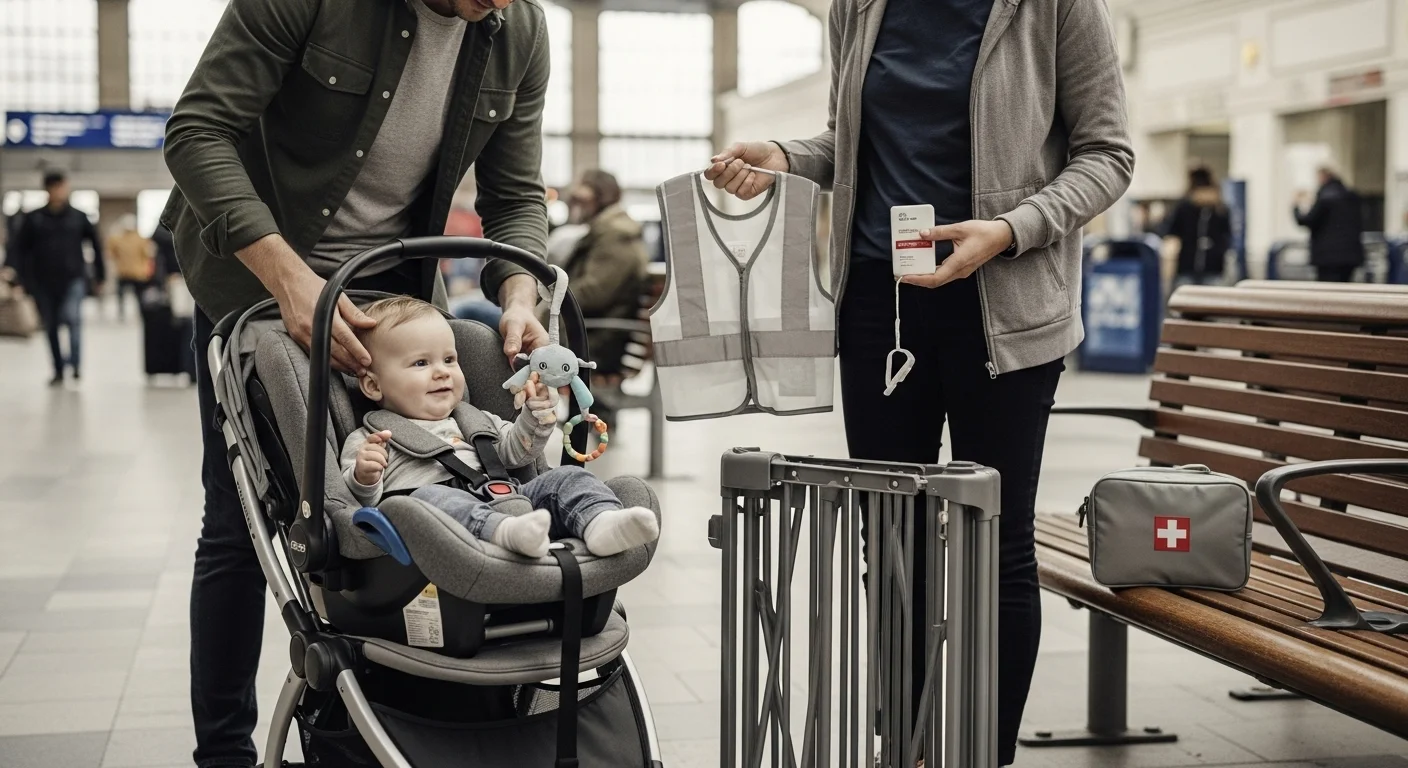
Travel safety gates have become a staple for us, especially when staying in places that aren’t baby-proofed. These gates are easy to install and can prevent little explorers from accessing stairs or dangerous areas. I remember the first time we used one at my sister’s house, and it worked wonders. It gave me peace of mind knowing my baby couldn’t wander into the kitchen, which was filled with potential hazards.
Look for portable gates that can be adjusted to fit various doorways and staircases. They should also be easy to fold and pack, which is a huge plus for traveling families. I found that safety gates are well worth the investment for both peace of mind and convenience.
Car Seat Options for Travel
Car seats are essential for any travel, but finding one that is easy to transport can be daunting. I’ve learned that lightweight, portable car seats are a game-changer. They not only keep our baby safe but are also easier to maneuver through airports or rental cars. I recall how much easier our travel became when we switched to a travel-friendly car seat that could also be used on an airplane.
When selecting a car seat, ensure it meets safety standards and is user-friendly. Many brands now offer models that are both budget-friendly and easy to install, which is a bonus when you’re juggling luggage and a baby.
Baby Monitors for On-the-Go
Having a baby monitor while traveling can be incredibly helpful. It allows you to keep an eye (and ear) on your little one while they nap or play in another room. I remember using a portable monitor during a family reunion; it gave me the confidence to socialize while still being aware of what was happening with my baby.
There are affordable baby monitors on the market that come with great features, like video capabilities and two-way audio. Just ensure they are easy to set up, as you don’t want to waste time fiddling with technology when you should be enjoying your trip.
Travel-Friendly First Aid Kits
No parent wants to think about the possibility of their baby getting hurt while traveling, but it’s wise to be prepared. I always pack a travel-friendly first aid kit with basics like band-aids, antiseptic wipes, and any necessary medications. I recall one trip where my baby had a minor scrape, and having a first aid kit handy made it easy to handle the situation without panic.
Look for kits designed specifically for babies, as they often include items tailored to little ones’ needs. It’s a small investment that can provide huge peace of mind.
Sun Protection Gear for Babies
Lastly, I can’t stress enough how important sun protection is, especially while traveling to warm destinations. I always pack a wide-brimmed hat and baby sunscreen to keep my little one safe from harmful UV rays. I remember a beach trip where I applied sunscreen regularly, and it really helped prevent sunburn.
Consider getting UV-protective clothing and a lightweight stroller that has a sunshade for added protection. These items are generally affordable and can make a significant difference, ensuring our babies enjoy the outdoors safely.
Choosing the Right Baby Safety Products for Your Travel Style
Air Travel Considerations
When we decided to take our first flight with the baby, I was filled with excitement but also a bit of anxiety. Air travel comes with its own set of challenges, especially regarding safety. I learned that having the right products can make all the difference. For example, investing in a lightweight, FAA-approved car seat was a game-changer. I felt more secure knowing my little one was safely strapped in during takeoff and landing.
Additionally, I found that bringing along a travel stroller was essential for navigating the airport. We chose one that folded easily and was compact enough to fit in the overhead bin. I remember how relieved I felt when we breezed through security checks without any hassles—just a few clicks to fold and unfold, and we were on our way!
Road Trip Safety Essentials
Road trips hold a special place in my heart, and I’ve discovered that they can be a wonderful way to travel with a baby, as long as we prioritize safety. One of the most important things I learned was the value of taking frequent breaks. Not only does it give us a chance to stretch our legs, but it also allows our baby to get some fresh air and playtime. I always pack a safety gate to use during our stops, which keeps our little one safe while we take a breather.
Having a well-stocked travel first aid kit is also vital for road trips. I make sure it includes everything from basic supplies to any specific medications my baby might need. It gives me peace of mind knowing that I’m prepared for anything that may come our way. Plus, I keep a list of nearby urgent care facilities or hospitals in the areas we’ll be traveling through, just in case. Being prepared can really reduce anxiety on those longer drives.
Hotel vs. Vacation Rentals: What to Consider
Choosing between a hotel and a vacation rental can make a significant difference regarding baby safety. I remember when we booked our first vacation rental, we were thrilled about the extra space. However, I quickly realized that not all rentals are baby-proofed. I made it a point to check for safety measures like outlet covers and secure furniture. In my experience, it’s a good idea to ask the host about these things before booking.
Hotels usually come with some built-in safety features, such as cribs and secured balconies, which can be a plus. However, I’ve noticed that not all hotels have the same standards, so reading reviews and checking for safety ratings can help. In our case, we learned that asking for a room away from busy hallways or pools can sometimes provide a quieter and safer atmosphere for the baby.
Regardless of where we stay, I always pack our travel safety gate if we’re in a rental. It gives me a sense of control over the space and keeps our baby safe from potential hazards. Bringing along our portable crib also helps create a familiar sleeping environment, whether we’re in a vacation rental or a hotel.
Top Budget-Friendly Brands and Products
Affordable Portable Cribs
When I set out to find a portable crib that wouldn’t break the bank, I was pleasantly surprised by the options available. Brands like Graco and Baby Trend offer cribs that are both affordable and safe. I found the Graco Travel Lite Crib to be lightweight and easy to set up, making it a favorite in our family. Plus, it folds down compactly, which is perfect for those trips when space is tight.
Best Value Travel Safety Gates
For travel safety gates, I highly recommend looking at the Regalo brand. They offer sturdy gates that are easy to install and remove, which I found incredibly convenient when moving between locations. The Regalo Easy Step Walk-Thru Gate was a lifesaver for us, allowing my baby to explore safely without worrying about stairs or dangerous areas.
Car Seats with High Safety Ratings
Finding a budget-friendly car seat that meets high safety standards can feel overwhelming, but I found that brands like Cosco and Evenflo offer excellent options. The Cosco Scenera Next is not only affordable but also lightweight, making it easy to transport. I remember feeling confident knowing that our baby was secure, whether we were driving to the airport or hitting the road for a family adventure.
Reliable Baby Monitors Under $100
When it comes to baby monitors, I’ve had great luck with the Motorola MBP50, which features video capabilities at a reasonable price. It was comforting to see my baby while they napped in another room during our travels. I recommend looking for monitors that have a good range and battery life to ensure that you stay connected, even in larger accommodations.
Cost-Effective First Aid Kits
For first aid kits, I found that the Johnson & Johnson Baby First Aid Kit is a great option. It has all the essentials for minor injuries and is specifically designed for babies. Having this kit on hand during our trips has saved me from worrying about small mishaps, allowing us to focus on enjoying our time together. Read Interesting article: Essential Baby Safety Gear for Backpacking Adventures
Tips for Traveling with Babies Safely
Preparation and Planning
One of the best lessons I learned when traveling with my baby was the importance of preparation. I can’t stress enough how a little planning goes a long way in ensuring safety and reducing stress. Before any trip, I take the time to create a checklist of everything we need. This includes not only baby gear but also essentials like medications, snacks, and comfort items. I remember a trip where I forgot my baby’s favorite blanket, and it made for a restless night! Now, I make it a point to pack those little treasures that provide comfort and familiarity.
Researching our destination is another part of my preparation process. I look into local amenities like nearby hospitals, pediatricians, and emergency services. Knowing where to go in case of an emergency gives me peace of mind. I also find it helpful to read about other parents’ experiences at our destination; it often provides insights into what worked or didn’t work for them while traveling with little ones.
What to Pack for Baby Safety
Packing for a baby can feel overwhelming, but I’ve learned to focus on the essentials that enhance safety and comfort. Aside from the obvious items like diapers and wipes, I always include safety gear like corner guards for sharp furniture edges in vacation rentals and outlet covers. I remember once arriving at a rental that had exposed outlets, and having those covers made a significant difference in how safe I felt letting my baby explore.
Don’t forget about extras like portable high chairs or booster seats, which are often overlooked. These items can help secure your baby during meals, making dining out a lot less stressful. I usually opt for a lightweight, foldable model that fits easily in our luggage. Additionally, a few key health supplies, such as a thermometer and baby-safe insect repellent, are also part of my packing list. Being prepared ensures we can handle unexpected situations calmly.
Understanding Local Safety Regulations
As I’ve traveled to different places, I’ve noticed that safety regulations can vary widely. Before visiting a new destination, I always check if there are specific guidelines regarding baby safety. For example, some countries have stricter car seat laws or different expectations for baby gear in public spaces. Understanding these regulations helps me plan accordingly and avoid any surprises.
Additionally, I’ve found it helpful to interact with locals or other traveling parents. They often have insight into what’s considered safe or not in that area, which can be incredibly valuable. I remember chatting with a family at a park who shared tips on the safest routes for walking with a stroller; it made our outings so much more enjoyable. Knowing that I’m following local customs and regulations not only keeps my baby safe but also makes me feel more connected to the places we visit.
Where to Buy Budget-Friendly Baby Safety Products
Online Retailers for Convenience
Shopping for baby safety products online has become my go-to option for convenience. I can browse a wide selection, read reviews, and often find great deals. Websites like Amazon and Target have a vast range of budget-friendly options. I’ve found that many online retailers even offer discounts for first-time customers or loyalty programs, making it easier to save money. Plus, having items shipped directly to my home means I can avoid the stress of lugging heavy gear through crowded stores.
Local Stores with Good Selection
While online shopping has its perks, I also enjoy visiting local stores to see products in person. I’ve discovered that stores like Buy Buy Baby and Walmart carry a variety of baby safety items at reasonable prices. There’s something reassuring about physically checking out the products, especially for things like car seats and cribs, where safety is paramount. I appreciate being able to ask sales associates for recommendations based on my specific needs, which can help narrow down options.
Second-Hand Options and Baby Gear Swaps
Another fantastic way to save money on baby safety products is through second-hand options or baby gear swaps. I’ve had great luck finding gently used items at local consignment shops or through online marketplaces like Facebook Marketplace. These places often have excellent deals, and I’ve even found brand-name items at a fraction of the original price. Just make sure to check for safety recalls and inspect items closely for any damage.
Participating in baby gear swaps in my community has also been a rewarding experience. Not only do I get to save money, but I also connect with other parents. They often share their stories and recommendations, which can lead to finding fantastic products I might not have considered before. Swapping gear not only benefits my wallet but also promotes a sense of community, which I truly value. Read Interesting article: Ultimate Guide to Essential Baby Gear for Adventure
Frequently Asked Questions
What are some common travel risks for babies?
Common travel risks for babies include falls in unfamiliar environments, choking hazards from unattended items, exposure to harmful substances, and the danger of being unrestrained in vehicles.
What budget-friendly safety products are recommended for traveling with a baby?
Some essential budget-friendly safety products include portable cribs, travel safety gates, lightweight car seats, baby monitors, travel-friendly first aid kits, and sun protection gear.
Why are portable cribs important when traveling with a baby?
Portable cribs provide a safe and familiar space for babies to sleep and play in new surroundings, helping them feel secure and preventing them from wandering off.
How can travel safety gates benefit traveling families?
Travel safety gates can prevent babies from accessing dangerous areas like stairs and kitchens, providing peace of mind for parents in non-baby-proofed environments.
What should parents look for in a travel-friendly car seat?
Parents should look for lightweight, portable car seats that meet safety standards and are easy to install, making them convenient for air travel and car rentals.
What are the advantages of having a baby monitor while traveling?
A baby monitor allows parents to keep an eye and ear on their baby while they nap or play in another room, providing confidence for parents to socialize or relax.
What items should be included in a travel-friendly first aid kit for babies?
A travel-friendly first aid kit for babies should include essentials like band-aids, antiseptic wipes, and any necessary medications specific to the baby’s needs.
How can parents ensure sun protection for their babies while traveling?
Parents can ensure sun protection by packing a wide-brimmed hat, baby sunscreen, UV-protective clothing, and using a lightweight stroller with a sunshade.
What considerations should be made when choosing between hotels and vacation rentals for baby safety?
When choosing between hotels and vacation rentals, parents should check for baby-proofing measures, safety features like cribs, and the overall safety ratings of the accommodations.
Where can parents find budget-friendly baby safety products?
Parents can find budget-friendly baby safety products through online retailers like Amazon and Target, local stores like Buy Buy Baby and Walmart, and through second-hand options or baby gear swaps in the community.
Traveling with a newborn can be both exciting and daunting. Ensuring your baby’s safety while on the go is crucial, and with the right products, it can become a smoother experience for both of us. For more insights, check out the Ultimate Guide to Essential Baby Gear for Adventure.
Top 10 Baby Safety Products for Travel with Newborns
Understanding Baby Safety While Traveling
The Importance of Baby Safety Products
When I first became a parent, I quickly realized that traveling with my newborn required a whole new layer of planning. The peace of mind that comes with knowing I have the right safety products in place is invaluable. I remember the first trip we took as a family; I felt a mix of excitement and anxiety. Would our baby be safe? Would I have everything we needed? I found that investing in baby safety products was essential to easing my worries. These products not only help protect my little one but also make the journey smoother for us as parents.
Common Travel Risks for Newborns
Before we dive into the must-have products, it’s important to understand some common travel risks for newborns. I began to notice these risks when we were on the go, and I realized just how vulnerable babies can be in unfamiliar environments. Here are a few I encountered:
Inadequate Sleeping Arrangements: Newborns need safe, comfortable places to sleep. I learned that not having a proper sleeping arrangement can lead to unsafe sleeping practices.
Car Safety: Traveling in a car without a reliable car seat can be dangerous. I remember feeling anxious about whether our car seat was installed correctly every time we got in the car.
Exposure to the Elements: Whether it’s too much sun or biting insects, our little ones are at risk outdoors. I quickly realized how much I needed UV protection gear and insect repellent designed for babies.
Health Emergencies: Babies can have unexpected health issues, and being prepared with a first aid kit was something I initially overlooked. A small kit can make a big difference in an emergency.
Understanding these risks helped me recognize the importance of choosing the right baby safety products before we hit the road. It’s about protecting our little ones while ensuring we can enjoy our travels as a family.
Essential Baby Safety Products for Travel
1. Portable Crib or Travel Bassinet
One of my favorite items for traveling with a newborn is the portable crib or travel bassinet. Our first trip was a bit of a nightmare because we didn’t have a proper sleeping solution. I remember trying to make a makeshift bed out of pillows and blankets, which was far from ideal. Now, I always make sure to pack a lightweight, easy-to-set-up portable crib or bassinet. It provides a safe sleeping space for my baby, and I feel much more at ease knowing they are comfortable and secure.
2. Baby Car Seat
Having a reliable baby car seat is non-negotiable for any trip. I can’t stress enough how important it is to invest in a high-quality car seat that meets safety standards. We bought a convertible car seat that grows with our child, which has made our travels easier. Installing it the right way can be tricky, so I always double-check the instructions, ensuring that it’s secure before we hit the road.
3. Travel Stroller
For our family outings, a travel stroller has been a lifesaver. I remember my first time navigating through an airport with a bulky stroller, and it was a hassle! Since then, I’ve opted for a lightweight, foldable travel stroller that’s easy to maneuver. It allows me to explore new places without feeling overwhelmed, all while keeping my baby safe and secure.
4. Baby Carrier
Another product I absolutely love is the baby carrier. Whether we’re hiking or just strolling through a busy area, I find it incredibly helpful to have my baby close and secure. It allows me to keep my hands free and gives me peace of mind knowing my little one is snug against me. Plus, I get to share those special moments, feeling connected while being on the move.
5. Diaper Bag with Safety Features
A good diaper bag is essential, but a diaper bag with built-in safety features is even better. I learned this the hard way when I was caught without essentials during a trip. Now, I choose a bag that has compartments for everything, including a first aid kit and sunblock. It keeps me organized and ready for any situation, whether it’s a diaper change or a minor scrape.
6. Baby Monitor
When we travel, a baby monitor becomes my best friend. I love being able to check in on my baby from another room, especially when we’re staying in a hotel. We invested in a portable monitor that’s easy to set up, and it gives me that extra layer of reassurance, allowing me to relax while my little one is sleeping.
7. Safety Gates for Hotels and Rentals
If you’re staying in a hotel or a rental property, bringing along a travel safety gate is a must. I remember the first time we entered a hotel room, and I panicked about the stairs. Having a lightweight, portable gate to set up provided me with peace of mind. It keeps our baby safe while exploring new environments, letting us focus on enjoying our stay.
8. First Aid Kit for Babies
Having a first aid kit specifically for babies is something I now consider essential. I’ve learned that accidents can happen anywhere, and being prepared gives me confidence. I keep a small kit packed with baby-safe items like band-aids, antiseptic wipes, and medications, ensuring I can quickly address any minor injuries or illnesses.
9. Sunshade or UV Protection Gear
Keeping our baby protected from the sun is a priority during travel. I found that investing in a sunshade for the stroller and UV protection gear for my little one helps keep their sensitive skin safe from harmful rays. I always make sure to have sunscreen on hand, too — it’s a crucial part of our travel routine.
10. Insect Repellent for Babies
Insect bites can be more than just annoying; they can pose real health risks for babies. I’ve learned the hard way that using a baby-safe insect repellent is key, especially during warmer months. I always check the ingredients to ensure they’re safe for my little one’s delicate skin, providing that extra layer of protection during our adventures.
How to Choose the Right Baby Safety Products
Factors to Consider When Traveling
Choosing the right baby safety products can feel overwhelming, especially when you’re a new parent like I was. I remember standing in the baby aisle, staring at so many options, wondering which ones were truly necessary. One thing I learned through experience is that each family’s travel needs can be different, so it’s essential to consider your specific situation. For instance, how old is your baby? Are you traveling by car or plane? And what kind of accommodations will you have? These factors can significantly influence your choices. I often found myself thinking about the places we’d be staying and the activities we had planned, which helped narrow down my options.
Weight and Portability
Weight and portability are two critical factors when selecting baby safety products. I quickly realized that traveling with bulky items was not only a hassle but also exhausting. For example, when I packed our travel stroller, I made sure it was lightweight and foldable. This made navigating through busy airports and cramped hotel rooms much easier. I recommend trying out products in-store when possible. Lifting a travel crib or stroller can give you a better sense of how manageable it will be when you’re juggling your baby and luggage.
Also, consider how much you’ll be moving around. If you plan to hike or take public transportation, lightweight options are even more essential. I found that products designed with portability in mind often come with helpful features like carrying straps or compact storage bags. This makes it simple to pack up and go without stressing over how to fit everything in.
Safety Certifications and Standards
One aspect I didn’t pay enough attention to at first was safety certifications. I learned that various products require testing and certification to meet safety standards, and it’s crucial to check for these before making a purchase. For instance, when we were looking for a car seat, I always made sure it was certified by the National Highway Traffic Safety Administration (NHTSA). This gave me confidence that it was safe for our travels.
Additionally, I recommend looking for products that have been tested for common safety concerns, such as toxic materials or choking hazards. Many brands proudly display their safety certifications, which helped me feel more at ease. I realized that investing a little extra time in research could save me a lot of worry on our trips. Whenever I came across new products, I would read reviews and look for feedback from other parents to gauge their experiences. For more tips, see the Budget Backpacking with Baby: Must-Have Gear.
Tips for Traveling Safely with a Newborn
Planning Your Trip: Timing and Destinations
When planning our family trips, timing and destination choices became crucial for us, especially with a newborn. I learned that picking the right time to travel can significantly impact our experience. For example, I noticed that traveling during off-peak hours could lead to a less stressful journey. Mornings were often quieter at airports, and we encountered fewer crowds.
Also, consider your baby’s routine. I found that planning trips around nap times helped keep our little one happy and calm during travel. If we had a long flight ahead, I would aim to schedule it during a time when they were likely to sleep. This strategy worked wonders for us, allowing me to relax while knowing my baby was getting the rest they needed.
Packing Essentials for Baby Safety
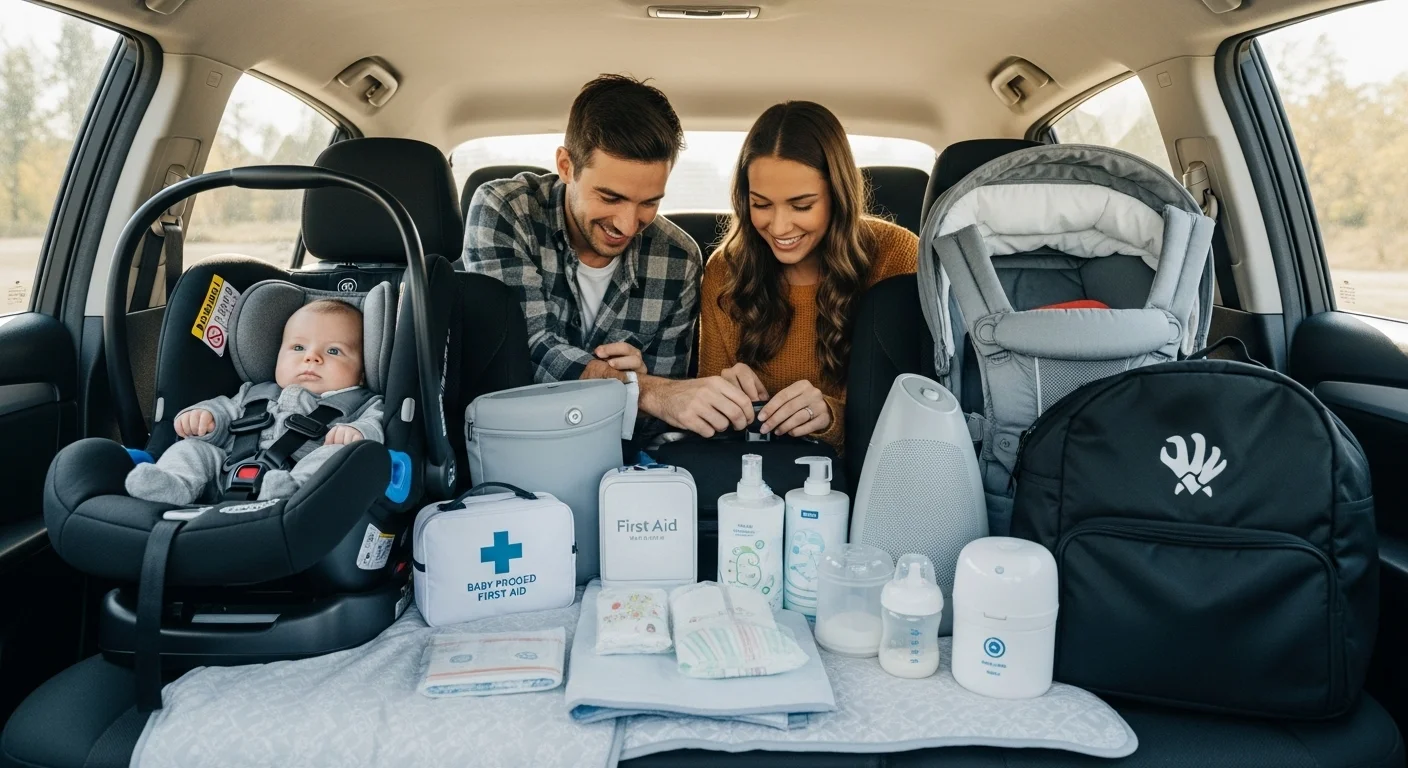
Packing essentials for baby safety is another area where I learned to prioritize. I began creating a checklist to ensure I wouldn’t forget anything important. A great tip I picked up was to pack items like a portable changing pad and extra baby blankets in easy-to-reach spots. This way, if we needed to make a quick change, we wouldn’t have to dig through our luggage.
Additionally, I learned to pack a small bag of snacks and water for myself while traveling with the baby. Keeping hydrated and having a little energy boost made all the difference during long journeys. It helped me stay focused and attentive to my baby’s needs, which is something I didn’t think about initially.
Managing Baby’s Routine While Traveling
Managing my baby’s routine while traveling has been a balancing act, but it’s something I’ve learned to navigate. I remember feeling overwhelmed at first, trying to keep everything on track. However, I discovered that bringing along familiar items, like their favorite blanket or toys, helped my baby feel more at ease in new environments.
It’s also important to be flexible. While I aimed to stick to our typical routine, I learned that it’s okay to adjust expectations. If my baby needed an extra nap or if we had to change our plans, I went with the flow. After all, the goal is to enjoy our travels together as a family. Embracing the unpredictability of travel has made our experiences richer and more memorable.
Resources for Parents on Baby Safety
Recommended Websites and Organizations
As I navigated the world of baby safety products, I found several resources that were incredibly helpful. Websites like the American Academy of Pediatrics (AAP) provide valuable information on child safety, including travel tips. I visited their page often to stay updated on safety guidelines and recommendations.
Another great resource is Consumer Reports, which reviews various baby products and their safety ratings. I found their insights helpful when shopping for car seats and other essential items. I also recommend checking out local parenting groups on social media platforms. Connecting with other parents can lead to shared experiences and recommendations that might not be covered elsewhere. For a curated list of must-have items, see Top 10 Essential Baby Gear Items for Travel.
Parenting Blogs and Communities
In addition to official resources, I discovered a wealth of parenting blogs and online communities that offered advice and support. Blogs like “What to Expect” and “Mommy Poppins” provided tips on traveling with babies and shared personal experiences from other parents. I loved reading through their posts and gaining new ideas on how to keep my baby safe and happy while traveling.
Joining local parenting groups on social media also opened the door to discussions about safety products and travel tips. Sharing insights and learning from others’ mistakes made me feel more prepared. It’s nice to know that we’re all in this together, and these communities have been a great source of comfort and knowledge for me.
Uninvolved parenting, also known as neglectful parenting, is a style characterized by a significant lack of responsiveness and engagement with a child's emotional and developmental needs [1]. This...
5Permissive and authoritative parenting represent two distinct styles that significantly impact child development [1]. Permissive parenting is characterized by high warmth and low boundaries, while...