
Traveling with kids can be an incredible opportunity to create lasting memories while also enriching their learning experiences. By integrating fun and educational activities into our journeys, we can inspire curiosity and foster a love for discovery. Budget Backpacking: Fun Learning Activities for Kids on the Go offers great ideas to make the most of your travels.
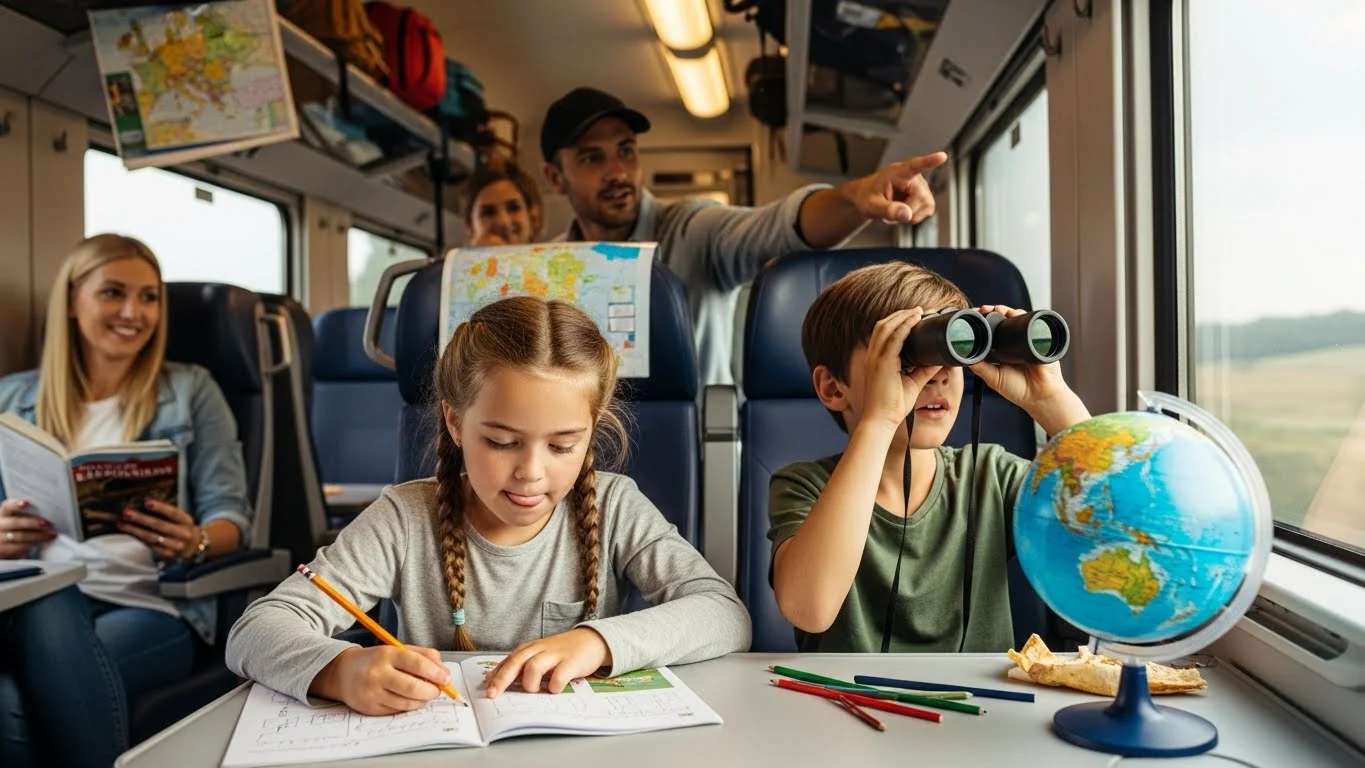
Why Learning Activities Enhance Travel Experiences for Kids
When I think back to my favorite childhood vacations, I realize that the best memories were often tied to moments of discovery and learning. Traveling isn’t just about seeing new places; it’s about engaging with the world in meaningful ways. Educational travel opens up opportunities for kids to learn in real-time, making experiences stick in their minds far longer than a textbook ever could.
The Importance of Educational Travel
Educational travel allows children to step out of their comfort zones and immerse themselves in new cultures and environments. I remember visiting a small village while on a family trip; the local school welcomed us, and we participated in a day of lessons. It was eye-opening for my siblings and me to see how children our age lived and learned in a completely different setting. We learned about their traditions, language, and even tried cooking local dishes. This hands-on experience not only made learning fun but also created a shared memory that we still talk about today.
Traveling also encourages the development of critical thinking skills. When kids encounter new challenges—like navigating a foreign city or trying to communicate in a different language—they learn to think on their feet. I’ve seen my own children grow more confident as they faced these situations, which reinforced their problem-solving abilities. By engaging actively with their surroundings, kids naturally grasp concepts that might seem abstract in a classroom setting.
How Travel Stimulates Curiosity and Imagination
Travel has a way of sparking curiosity. I can’t count how many times we found ourselves asking questions during our adventures. “Why do they celebrate this festival?” or “How did they build that ancient structure?” Each inquiry led to deeper conversations and explorations. When we traveled to an ancient ruin, for instance, we discussed the history behind it, which made us appreciate the site even more. This sparked my kids’ imaginations, and they began to visualize the lives of the people who once walked there.
Through travel, children can experience stories and lessons firsthand, which often ignite a passion for learning. The world becomes their classroom, and the experiences they gather are some of the best teachers they could ever have. When we visited a wildlife sanctuary, my kids learned about conservation efforts and the importance of protecting endangered species. They returned home not only with a newfound respect for wildlife but also inspired to participate in local conservation initiatives. The memories made during these travels often turn into life lessons that stick with them for years.
Types of Learning Activities for Kids While Traveling
Now that I’ve shared why educational activities are essential during travel, let’s dive into the types of learning experiences that can enhance our adventures. Each type offers a unique way for kids to engage and learn while having fun. Top 10 Hands-On Learning Activities for Kids While Traveling provides a comprehensive list to consider.
Hands-On Cultural Experiences
One of my favorite ways to immerse my kids in a new culture is through hands-on experiences. This could be anything from cooking classes to traditional dance lessons. When we visited Thailand, we took a cooking class where my children learned to make Pad Thai from scratch. Not only did they gain cooking skills, but they also learned about Thai ingredients and culinary traditions. These experiences create lasting memories and a deeper understanding of the culture.
Nature-Based Learning Activities
Nature is one of the best classrooms we can offer our kids. Exploring national parks, hiking trails, or even local gardens can ignite a love for the environment. I remember visiting a national park where we participated in a guided nature walk. The ranger taught us about the ecosystem and wildlife. My kids were fascinated to learn how everything is interconnected, from the smallest insects to the tallest trees. We even spotted some wildlife, which made the lessons come alive!
Historical Exploration Activities
Visiting historical sites can turn into an exciting adventure. I recall wandering through ancient ruins with my family, where we participated in a scavenger hunt that involved finding and identifying specific artifacts. This interactive approach made history tangible and engaging for my kids. They weren’t just reading about the past; they were experiencing it in real-time, which sparked their interest in history.
Art and Creativity Workshops
Art can also play a significant role in learning while traveling. Many destinations offer workshops where kids can try their hand at local art forms. In Italy, we took a pottery class where my kids learned how to mold clay into beautiful pieces. Engaging in these creative outlets allows children to express themselves while connecting with the culture in a meaningful way.
By incorporating these diverse learning activities into our travels, we can create rich, unforgettable experiences for our kids. Each moment becomes a building block in their education, fostering a lifelong love for learning. As we continue on our journeys, I’m excited to explore even more ways to make our travels not only enjoyable but also educational. Explore the World: Engaging Hands-On Activities for Kids offers further insights into creative learning opportunities.
Planning Learning Activities Before Your Trip
Planning ahead for learning activities before our trips has always been a game-changer for my family. Taking the time to think through how we can integrate educational experiences into our travels makes all the difference in how engaged my kids are. The excitement of a trip can quickly turn into a whirlwind of sightseeing if we don’t have a plan. I’ve learned that a little structure can go a long way in enhancing our adventures.
Researching Destinations and Local Attractions
Before heading to a new destination, I make it a point to research local attractions that offer educational experiences. This could range from museums to cultural festivals, or even unique local businesses that welcome visitors for immersive experiences. For example, when we planned our trip to Washington, D.C., I looked up the various museums on the National Mall. I found out that many of them offer interactive exhibits designed specifically for kids. This helped us prioritize which ones to visit and tailored our day to fit our interests.
Online travel forums and family blogs have become invaluable resources for me. I often come across reviews or suggestions from other families who have visited the same places. I remember reading about a family who took a guided tour of the Smithsonian National Air and Space Museum, which made me realize how much my kids would love learning about space exploration. This research not only prepares us but also builds anticipation for the trip.
Creating a Flexible Itinerary with Learning Goals
I’ve found that having a flexible itinerary allows us to balance educational activities with downtime. I like to set specific learning goals for each destination, whether it’s understanding the local history, learning about the environment, or discovering a new art form. For example, during our recent visit to San Francisco, I aimed for my kids to learn about the Gold Rush era. We visited historical sites like the California Historical Society and the San Francisco Maritime National Historical Park. I created a loose schedule but left room for spontaneous adventures, which is where some of the best learning happens.
Sometimes, we stumble upon a local event or festival that wasn’t on our radar at all. I remember one afternoon in New Orleans when we came across a street fair celebrating local music and culture. It turned out to be a fantastic opportunity for my kids to learn about the city’s rich musical heritage. By keeping our itinerary flexible, we not only stay open to new experiences but also allow ourselves the time to soak in the atmosphere.
Involving Kids in the Planning Process
Involving my kids in the planning process has made our trips even more special. I usually sit down with them before a trip and share what I’ve researched. I love to ask them what they’re excited about and what they want to learn. This way, they feel a sense of ownership over the adventure, and I can tailor our plans to fit their interests. When we were planning our trip to Japan, my daughter was particularly fascinated by the art of origami and wanted to take a workshop. I made it a priority to find a class for us to attend, and it turned out to be one of our highlights.
Moreover, this practice encourages them to take responsibility for their learning. They often come up with questions or topics they want to explore, which inspires curiosity. I remember when my son learned about the Great Barrier Reef in school; he was eager to visit Australia and learn more about marine life. We included a snorkeling trip in our itinerary where he could see the reef up close. His excitement made the experience even more rewarding for all of us.
Planning learning activities before our trips has truly transformed the way we travel. By researching, creating flexible itineraries, and involving my kids in the process, we ensure our adventures are not just fun but also enriching. With the groundwork laid, we can embark on our journeys with the confidence that we’re ready to learn and grow together as a family.
Top Destinations for Educational Travel with Kids
When planning our family trips, I’ve discovered that certain destinations stand out as particularly enriching for educational experiences. These places offer a blend of fun and learning, making them ideal for traveling with kids. Here are some of my favorite spots that have truly enhanced our educational journeys.
National Parks: Nature and Science Exploration
National parks have become a staple in our travel plans. The grandeur of nature combined with educational opportunities is simply unbeatable. I vividly remember our visit to Yellowstone National Park. The geothermal features, wildlife, and stunning landscapes provided endless learning moments for my kids. During our stay, we attended ranger-led programs where my children learned about geology, ecosystems, and wildlife conservation.
The best part? We were encouraged to ask questions and participate in hands-on activities, like tracking animal footprints and identifying different plants. It was amazing to see my kids’ eyes light up when they spotted a bison or a geyser. They engaged with the environment in ways that a classroom simply couldn’t replicate. I believe that these experiences foster a deep appreciation for nature and the importance of preserving our planet.
Historical Cities: Learning Through History
Exploring historical cities has provided some of the most memorable moments for our family. Cities like Philadelphia and Boston are rich in American history and offer numerous educational experiences. When we visited Philadelphia, we walked the Freedom Trail, which was like stepping back in time. My children were captivated by the stories of independence and the founding of our nation.
We also visited the Liberty Bell and Independence Hall, where they learned about pivotal moments in history. I noticed that the hands-on exhibits at the museums encouraged them to interact with history rather than just learn facts. They were able to visualize the past, which sparked further interest in the subject. I think exploring historical cities not only enriches their knowledge but also helps them develop a sense of identity and connection to our country’s heritage.
Cultural Hotspots: Immersion in Local Traditions
Immersing ourselves in local cultures has opened our eyes to the diversity of the world. Cities like New Orleans, Oaxaca, and Kyoto have been incredible for experiencing vibrant traditions. In New Orleans, we joined in on the festivities of Mardi Gras, where my kids learned about the significance of the celebration and the artistry behind the floats. They were amazed by the music, food, and the sense of community.
In Oaxaca, we participated in a weaving workshop with local artisans. My kids not only learned about traditional techniques but also the history and cultural significance behind the crafts. It’s moments like these that help my children develop a genuine appreciation for other cultures. Seeing how others live and express themselves truly enriches their understanding of the world.
Science Centers and Museums: Hands-On Learning
Science centers and interactive museums have always been a hit with my family. Places like the Exploratorium in San Francisco or the Kennedy Space Center in Florida offer hands-on experiences that ignite curiosity. I remember our visit to the Kennedy Space Center, where my kids were fascinated by the exhibits on space exploration. They got to see real spacecraft and even meet astronauts!
These experiences often come with interactive displays that encourage kids to experiment and learn through play. I’ve seen my children’s eyes widen with excitement as they engaged in experiments, tried simulators, and learned about scientific principles in action. This kind of learning makes complex topics accessible and enjoyable, reinforcing their interest in STEM subjects.
Each of these destinations has contributed to our family’s educational journey in unique ways. By choosing places that offer both fun and learning, we’ve been able to create memories that last a lifetime while fostering a love for exploration and knowledge in our kids. As we continue to travel, I look forward to discovering even more incredible destinations that blend adventure with education.
Engaging Kids During Travel: Tips and Strategies
Keeping kids engaged during our travels can be a bit of a challenge at times. I’ve learned a few effective strategies that transform those long car rides or waiting times into valuable learning moments. These tips not only keep my kids interested but also enrich our travel experience as a whole.
Interactive Apps and Learning Tools
In our tech-savvy world, interactive apps have become invaluable tools for enhancing travel experiences. I’ve discovered a plethora of educational apps designed specifically for children. For instance, we’ve used apps that provide fun facts about landmarks and history as we approach different sites. This way, my kids arrive with some background knowledge, making the visit more meaningful. One of my favorites is an app that turns our travel into a scavenger hunt. As we explore, my kids check off items they find, which keeps their eyes peeled for interesting details they might otherwise overlook.
Additionally, language apps are fantastic for teaching basic phrases in the local language. When we traveled to Spain, we used a language app to learn some key Spanish words and phrases, which made interactions with locals even more rewarding. I’ve noticed that my kids feel a sense of accomplishment when they successfully use what they’ve learned, which boosts their confidence.
Travel Journals for Reflection and Creativity
Encouraging my kids to keep travel journals has been a wonderful way to foster creativity and reflection. I provide them with notebooks before our trips, and each day, they jot down their thoughts, sketches, or souvenirs like ticket stubs. I find that this practice allows them to process their experiences and solidify what they’ve learned. On our trip to Italy, my daughter even included recipes of the dishes we tried, which sparked a fun cooking adventure at home later on.
We often review the journals together after our trips. It’s rewarding to see how their writing evolves and to hear their perspectives on the experiences we shared. I truly believe this exercise enhances their writing skills and helps them appreciate the importance of capturing memories.
Games and Challenges to Foster Engagement
Traveling can sometimes feel monotonous, especially when we’re stuck in a car or waiting in lines. That’s where games come into play! I’ve found that creating friendly competitions or challenges can keep energy levels high. For example, we often play “20 Questions” to guess the next destination or have a photo challenge where each person must capture a specific theme, like “something blue” or “a funny shape.” These games not only make the travel time fly but also encourage observation and creativity.
Another fun idea is to create a Bingo card with common sights or experiences we might encounter during our travels—like spotting a landmark, trying a local dish, or meeting someone from another country. The kids love the excitement of marking off their cards, and it turns every moment into a potential learning opportunity.
Post-Trip Activities: Reinforcing Learning at Home
The learning doesn’t have to stop once we return home. I’ve discovered that reinforcing those experiences through post-trip activities can help solidify the knowledge and create lasting memories.
Creating Scrapbooks or Photo Books
One of our favorite family traditions is creating scrapbooks or photo books after our travels. I gather pictures, brochures, and souvenirs, while the kids contribute their journals and artwork. As we compile everything, we reminisce about our adventures and what we learned, making it a fun way to reflect on the journey. I’ve noticed that this process not only strengthens their recall of events but also fosters a sense of accomplishment as they see their creativity and efforts come together.
Discussing Experiences and Lessons Learned
After returning home, I like to have family discussions about our trip. We sit down together, and I ask my kids questions about their favorite moments and what lessons they took away from the experiences. I’ve found this conversation helps them articulate their thoughts and feelings, fostering a deeper understanding of what they encountered. It’s also an opportunity for us to share our perspectives and bond over our shared experiences.
Planning a Follow-Up Activity or Project
To keep the learning alive, I often plan a follow-up activity or project based on our travels. For instance, after visiting a historical city, we might research a specific event we learned about and create a presentation or a display for our family or friends. This not only reinforces their understanding but also encourages them to dive deeper into subjects that sparked their interest. I believe this connection between travel and learning helps cultivate a lifelong passion for exploration and knowledge.
Final Thoughts
Traveling with kids is not just an opportunity for fun; it can be a transformative educational experience. By integrating learning activities before, during, and after our trips, we can cultivate curiosity and a love for discovery. I’ve seen firsthand how these experiences shape my children’s perspectives and inspire them to see the world through a lens of wonder and excitement. As we continue our journeys, I look forward to the adventures, the lessons, and the memories that await us. Each trip becomes a building block in their education, fostering not just knowledge but also a sense of connection to the world around them.
Frequently Asked Questions
Why is educational travel important for kids?
Educational travel allows children to step out of their comfort zones and immerse themselves in new cultures and environments. It encourages critical thinking skills and helps them learn in real-time, making experiences more memorable than traditional classroom learning.
How does travel stimulate curiosity and imagination in children?
Travel sparks curiosity by prompting children to ask questions about their surroundings and experiences. This leads to deeper conversations and explorations, enhancing their appreciation for different cultures and histories.
What are some hands-on cultural experiences kids can participate in while traveling?
Hands-on cultural experiences include activities such as cooking classes, traditional dance lessons, and workshops with local artisans. For example, taking a cooking class in Thailand allows children to learn about local cuisine and culinary traditions.
What types of nature-based learning activities can children engage in during trips?
Children can explore national parks, hiking trails, and local gardens. Activities like guided nature walks led by park rangers can teach them about ecosystems and wildlife, making the lessons come alive through observation and interaction with nature.
How can parents plan learning activities before a trip?
Parents can research local attractions that offer educational experiences, create a flexible itinerary with specific learning goals, and involve kids in the planning process to ensure the trip is engaging and tailored to their interests.
What are some top destinations for educational travel with kids?
Some top destinations include national parks for nature and science exploration, historical cities like Philadelphia and Boston for learning through history, cultural hotspots for immersion in local traditions, and science centers and museums for hands-on learning.
How can interactive apps enhance travel experiences for children?
Interactive apps can provide fun facts about landmarks, offer scavenger hunt features, and teach basic phrases in the local language, making visits more meaningful and engaging for children.
What activities can parents implement to keep kids engaged during travel?
Parents can encourage kids to keep travel journals, create games and challenges for long car rides, and utilize interactive apps to make learning fun and engaging during travels.
What post-trip activities can reinforce learning at home?
Post-trip activities can include creating scrapbooks or photo books, discussing experiences and lessons learned, and planning follow-up activities or projects based on what was learned during the trip.
How can traveling with kids cultivate a love for discovery?
By integrating learning activities before, during, and after trips, parents can cultivate curiosity and a passion for exploration in their children, shaping their perspectives and encouraging them to see the world with wonder.