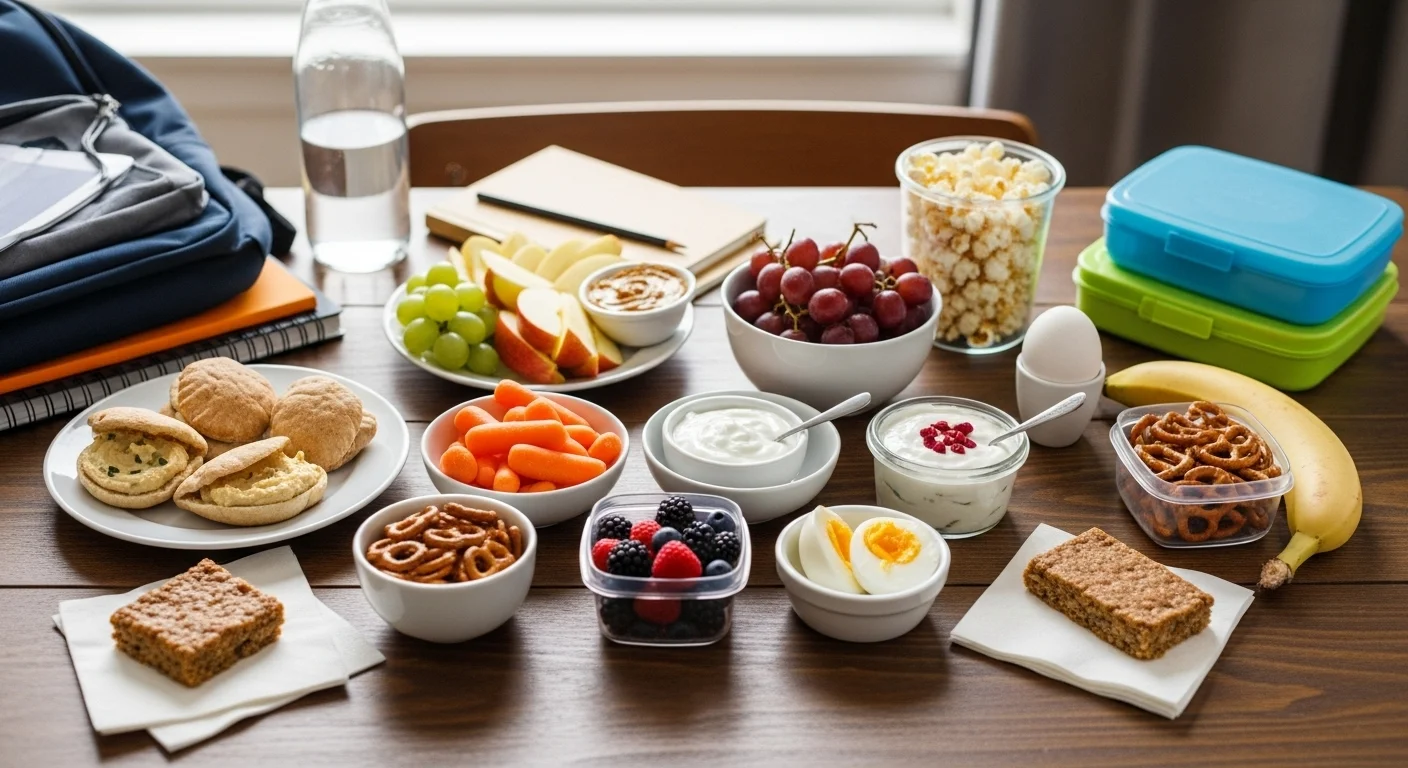
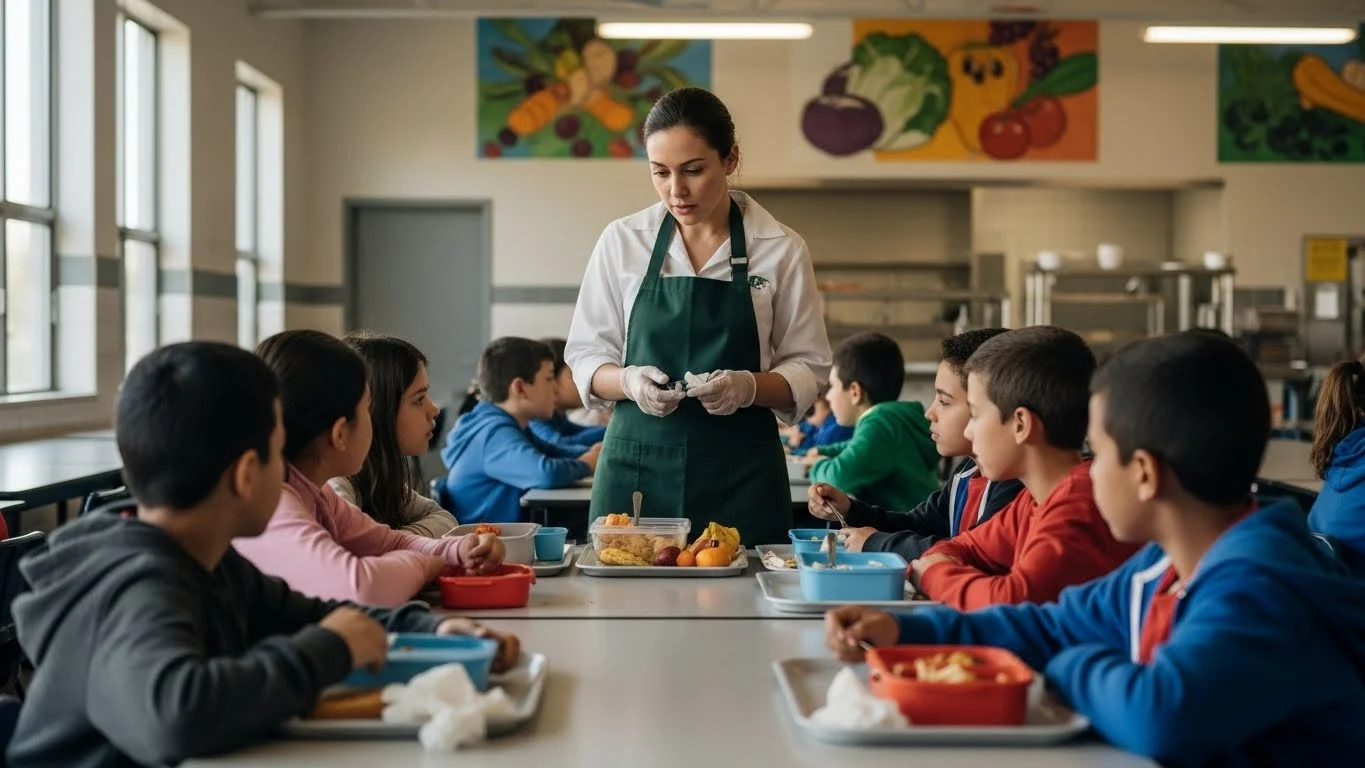
Creating a balanced diet plan for your school-aged child can feel overwhelming, but it doesn’t have to be. With the right knowledge and tools, we can help our kids thrive and enjoy their meals.
Creating a Balanced Diet Plan for Your School-Aged Child
Understanding the Nutritional Needs of School-Aged Children
As a parent, I’ve often wondered about the best ways to nourish my children. School-aged kids, typically between the ages of 6 and 12, are growing rapidly, both physically and mentally. This is the time when their bodies require a variety of nutrients to support their development, energy needs, and overall health. In this section, I want to share what I’ve learned about their nutritional needs and why a balanced diet is so crucial. Read Interesting article: Essential Nutrients: Balanced Diet Tips for Kids
Importance of a Balanced Diet
I remember when my oldest started school, I was surprised by how much energy he had. But that energy comes with a cost—if they don’t eat properly, they can feel sluggish, have trouble concentrating, and even struggle with mood swings. A balanced diet helps keep their energy levels steady, supports their immune system, and lays a foundation for a healthy lifestyle. I’ve noticed that on days when my kids eat well, they are more focused in class and more active during recess. That’s a win-win!
Key Nutrients Required
Understanding which nutrients are key is essential. I found out that school-aged children need a mix of carbohydrates, proteins, fats, vitamins, and minerals. Carbohydrates are their main energy source, while proteins are crucial for growth and muscle development. Healthy fats support brain development, which is especially important for learning. Vitamins and minerals, like calcium and iron, are vital for bone health and overall bodily functions. I often remind myself that variety is the spice of life—incorporating foods from all these groups helps my kids get the nutrients they need.
Age-Specific Dietary Guidelines
When I began crafting a diet plan for my children, I looked into the dietary guidelines set by health organizations. For kids aged 6 to 12, it’s recommended that they consume about 1,600 to 2,200 calories daily, depending on their activity levels. I found it helpful to break down the recommendations into manageable sections: about 5 servings of fruits and vegetables, 6 servings of grains (with an emphasis on whole grains), 2-3 servings of protein (like beans, chicken, or fish), and 2-3 servings of dairy. I learned that this variety not only meets their nutritional needs but also keeps mealtime interesting for them. Read Interesting article: Traveling with Toddlers: Budget Meal Plans Made Easy
Components of a Balanced Diet
Fruits and Vegetables
Fruits and vegetables should be the star players in our children’s diets. I discovered that they are packed with vitamins, minerals, and fiber. I encourage my kids to eat a rainbow of colors—each color often represents different nutrients. For example, orange carrots are great for vision, while leafy greens like spinach are excellent for iron. Sometimes, we make a game out of it, counting how many colors they can eat in a day. This approach has made them more enthusiastic about trying new produce!
Whole Grains
Whole grains are another essential component of a balanced diet. They provide the energy necessary for my children’s active lifestyles. Instead of white bread and pasta, I try to choose whole grain options, which are richer in nutrients and fiber. I remember my daughter initially turning her nose up at whole wheat pasta, but after trying it with her favorite sauce, she came around! Now, we often make meals like whole grain wraps filled with colorful veggies and lean proteins.
Proteins
Protein is key for growth, and finding good sources can be fun. I’ve experimented with beans, chicken, fish, and even plant-based proteins like lentils. I like to involve my children in meal prep, allowing them to choose a protein source for the week. It’s amazing how much more they enjoy their meals when they have a hand in making them. For us, taco night with ground turkey or black beans has become a family favorite!
Dairy Products
Dairy is important for strong bones. I aim for my kids to get enough calcium by incorporating milk, yogurt, and cheese into their diets. I learned that if they’re lactose intolerant, fortified plant-based alternatives can do the trick. I often stock up on yogurt, which makes for a great snack with some fruit or a drizzle of honey. My kids love making parfaits, and it’s a fantastic way to sneak in some extra nutrients.
Healthy Fats
Lastly, healthy fats shouldn’t be overlooked. They are vital for brain development, and incorporating them into my kids’ meals has been a revelation. We use olive oil in cooking, enjoy avocados on toast, and snack on nuts and seeds. I’ve found that when I explain to my kids why these foods are good for their brains, they’re more willing to try them. Plus, a little bit of healthy fat helps them feel full and satisfied.
Creating a Daily Meal Plan
Breakfast Options for Energy
Breakfast has always been my favorite meal of the day, and I truly believe it sets the tone for how my kids feel and perform throughout the morning. I’ve learned that a good breakfast should be a mix of carbohydrates, proteins, and healthy fats. My go-to options include oatmeal topped with fruits and nuts, whole grain toast with avocado and a sprinkle of salt, or smoothies packed with spinach, banana, and yogurt. I remember one morning, we decided to make breakfast burritos together. We scrambled eggs, added black beans, and wrapped it all in a whole grain tortilla. The kids loved it, and it kept them energized for hours! I find that getting them involved in choosing and preparing breakfast makes them more excited about eating it.
Nutritious Lunch Ideas
When it comes to lunch, I’ve found that variety really helps keep things interesting. I try to pack a balance of foods that are fun and nutritious. One of our favorites is the classic bento box style. I fill it with whole grain wraps, sliced veggies, hummus, and some fruit. My kids enjoy having a little bit of everything rather than a single sandwich. I remember packing a “DIY sandwich” kit for my daughter, where she could assemble her own lunch at school. It included whole grain bread, turkey slices, cheese, and a selection of veggies. Not only did it keep her engaged, but she also ate more than usual. I always aim for lunches that are colorful and appealing, as I’ve noticed they’re more likely to eat what looks good!
Healthy Snacks for School
Snacks can sometimes be tricky, but I’ve learned that keeping things simple often works best. I focus on nutrient-dense options that will keep them full without too much added sugar. Some of our favorite snacks include Greek yogurt with honey, apple slices with almond butter, and trail mix made with nuts and dried fruits. I often prepare a batch of energy balls made from oats, peanut butter, and chocolate chips. They’re easy to grab and provide a great energy boost. I remember one time, I packed a few energy balls for a school field trip, and my son shared them with his friends. They loved them, and I felt happy knowing I was providing something healthy! Read Interesting article: Delicious Toddler Meals: Planning on a Budget While Traveling
Family Dinner Recommendations
Family dinners have always been a staple in our household. It’s a time for everyone to come together and share not just a meal, but also stories from our day. I try to make dinners that are balanced and encourage everyone to try new things. One of my favorite meals to prepare is a stir-fry. I toss in a variety of colorful vegetables, lean protein like chicken or tofu, and serve it over brown rice or quinoa. I remember one night we made a veggie pizza using whole grain crust, loaded with all sorts of toppings. The kids loved being able to personalize their slices, and we ended up exploring different flavors together. I find that when we sit down as a family, it fosters a sense of togetherness that makes healthy eating feel less like a chore and more like a shared experience.
Special Dietary Considerations
Food Allergies and Intolerances
As parents, we all want our kids to eat healthily, but food allergies and intolerances can make this challenging. In our case, we’ve had to navigate some allergies in the family. I learned quickly that communication is key—whether at home or school. We use clear labels on food and have open discussions about what’s safe to eat. I also keep a list of allergy-friendly recipes on hand, just in case we need inspiration. I remember bringing a gluten-free cake to a birthday party, and it was such a hit that the kids didn’t even realize it was gluten-free! I think it’s essential to focus on what they *can* eat rather than what they can’t, which helps create positive experiences around food.
Vegetarian and Vegan Diets
Exploring vegetarian and vegan options can be a fun journey. I’ve found that introducing more plant-based meals not only benefits my kids nutritionally but also opens their minds to trying new flavors. We often have “Meatless Mondays,” where we whip up dishes like lentil tacos or vegetable stir-fry. I remember when my daughter went through a phase of wanting to be vegetarian; it pushed me to get creative with our meals. We experimented with chickpea salads, veggie burgers, and even homemade pizzas topped with tons of veggies. I think it’s about finding the right balance and ensuring they get enough protein and nutrients.
Managing Weight Concerns
Weight can be a sensitive topic, and I believe it’s important to approach it with care. I focus on promoting healthy habits rather than numbers on a scale. I encourage my children to be active and enjoy food, emphasizing that it’s about balance. I remember when we decided to incorporate family walks after dinner. It became a fun way for us to spend time together while keeping active. When it comes to meals, I focus on portion sizes and the quality of food rather than restricting anything. I’ve learned that fostering a healthy relationship with food is more important than anything else.
Incorporating Variety and Balance
Mixing Different Food Groups
One of the biggest lessons I’ve learned in my journey of feeding my kids is the importance of mixing different food groups in every meal. I discovered that when I combine various foods, not only do we create more flavorful dishes, but we also ensure that my children are getting a mix of nutrients. For instance, I like to make grain bowls that include a base of brown rice or quinoa, topped with roasted vegetables, a protein source, and a drizzle of dressing. This not only keeps things interesting but also encourages my kids to try new flavors and textures. I remember the first time we made a Mediterranean bowl with chickpeas, cucumber, and feta cheese; my kids couldn’t get enough! Mixing it up has become a fun family challenge, and I find that everyone enjoys mealtime more when there’s variety on their plates.
Fun and Creative Meal Ideas
Creativity in the kitchen can transform how my kids view their meals. I’ve experimented with fun shapes and themes to engage them more. For example, we’ve made “rainbow wraps” using whole grain tortillas filled with colorful veggies, lean proteins, and hummus. I’ve even shaped sandwiches into animal faces using cookie cutters, which always brings smiles to my kids’ faces. On days when I feel particularly inspired, we turn pizza night into a “make your own pizza” event. I lay out different toppings, and the kids create their own masterpieces. This not only gives them a sense of ownership over their meals but also sparks their creativity. I’ve learned that when food looks fun, my kids are more likely to dig in and enjoy what they’re eating.
Seasonal and Local Foods
Eating seasonally has been an eye-opener for me and my family. Not only does it support local farmers, but it also means fresher and tastier produce. I’ve started visiting farmers’ markets to see what’s in season, which has added excitement to our meals. I remember visiting a market in the summer and coming home with a basket full of ripe tomatoes, sweet corn, and juicy peaches. We made a beautiful summer salad that everyone loved! Plus, seasonal foods are often more affordable, making it easier to stick to our budget. I find that involving my children in picking out seasonal ingredients makes them more enthusiastic about trying new dishes. Together, we’ve discovered that cooking with fresh produce can be a delightful adventure!
Encouraging Healthy Eating Habits
Involving Children in Meal Prep
One of the best ways to encourage healthy eating habits is to involve my kids in meal preparation. I’ve noticed that when they help in the kitchen, they are much more likely to try new foods and enjoy their meals. We have weekly cooking sessions where they can choose recipes, wash vegetables, and even help with chopping (with supervision, of course!). I remember one afternoon, my kids and I made homemade sushi rolls. They were fascinated by the process of rolling the rice and adding their favorite fillings. Not only did we create a delicious meal, but my kids also felt proud of their contributions. This hands-on experience has fostered a sense of ownership over their food choices.
Setting a Positive Example
I firmly believe that children learn by watching their parents. I try to model healthy eating habits in my daily life. If I’m snacking on fruits or veggies, my kids are more likely to reach for those options too. I’ve found that sharing my excitement for trying new foods, like a new fruit or dish I discovered, can spark their curiosity. I often say things like, “I just tried this amazing mango, and it’s so sweet!” Engaging in conversations about our meals and the benefits of different foods helps them understand the value of healthy eating. I remember when I started a weekly “new food night” where we all tried something we’d never had before. It quickly became a family tradition that everyone looked forward to!
Establishing Regular Meal Times
Having regular meal times has brought structure to our eating habits. I’ve noticed that when we sit down together for breakfast, lunch, and dinner, my kids are more likely to eat what’s on the table. It also gives us the opportunity to bond and talk about our day. I make it a point to have at least one family meal a day, which has become a cherished routine. I remember one evening, we had dinner together and shared our favorite moments from the week. This not only encourages us to eat together but also creates a positive atmosphere around food. Additionally, I’ve learned to listen to my children’s hunger cues and encourage them to eat when they’re hungry rather than force them to finish everything on their plates. This balance has helped create a healthy relationship with food.
Monitoring and Adjusting the Diet Plan
Recognizing Hunger and Fullness Cues
Understanding my children’s hunger and fullness cues has been essential in helping them develop a healthy relationship with food. I’ve learned to pay attention to when they say they’re hungry or full, rather than just focusing on portion sizes. I remember a time when my son didn’t finish his meal, and instead of insisting he eat more, I asked if he was still hungry. He told me he was full, and I realized it was important to respect that. Encouraging them to listen to their bodies has been beneficial for their overall well-being. It also promotes self-regulation, which I believe is an important skill for them to develop as they grow.
Tracking Nutritional Intake
While I don’t obsess over every bite my kids take, I think it’s helpful to keep an eye on their nutritional intake. I’ve found that occasionally tracking what they eat can help me identify any gaps in their diet. There are some apps that make this process easy and fun, and it can be a great way to engage the kids in understanding their eating patterns. When we notice that they’ve been craving more fruits or proteins, it becomes a fun challenge to incorporate those into our meals more often. I feel that this approach keeps our family’s eating habits balanced without making it feel like a chore.
When to Consult a Nutritionist
There have been times when I felt overwhelmed with specific dietary concerns, and I found it reassuring to consult a nutritionist. I think it’s perfectly okay to seek professional guidance, especially if there are unique health needs or allergies involved. A nutritionist can provide tailored advice and offer resources to help us navigate any challenges. I remember reaching out for help when my daughter began her vegetarian journey, and the nutritionist provided us with practical recipes and tips. It helped us feel more confident in our choices and made the transition smoother.
Resources for Parents
Frequently Asked Questions
What are the nutritional needs of school-aged children?
School-aged children, typically between the ages of 6 and 12, require a variety of nutrients to support their rapid physical and mental growth. Key nutrients include carbohydrates, proteins, fats, vitamins, and minerals.
Why is a balanced diet important for school-aged children?
A balanced diet helps keep children’s energy levels steady, supports their immune system, and lays a foundation for a healthy lifestyle. Proper nutrition is essential for focus in class, activity during recess, and overall well-being.
What are the dietary guidelines for children aged 6 to 12?
Children aged 6 to 12 should consume about 1,600 to 2,200 calories daily, depending on their activity levels. Recommended servings include about 5 servings of fruits and vegetables, 6 servings of grains (with an emphasis on whole grains), 2-3 servings of protein, and 2-3 servings of dairy.
What types of foods should be included in a balanced diet for children?
A balanced diet for children should include a variety of fruits and vegetables, whole grains, proteins (like beans, chicken, or fish), dairy products, and healthy fats. Each food group provides essential nutrients that support health and development.
How can parents encourage healthy eating habits in their children?
Parents can encourage healthy eating habits by involving children in meal preparation, setting a positive example with their own eating habits, and establishing regular meal times to create structure around eating.
What are some nutritious breakfast options for school-aged children?
Nutritious breakfast options include oatmeal topped with fruits and nuts, whole grain toast with avocado, smoothies packed with spinach and banana, and breakfast burritos with eggs and black beans.
How can parents manage food allergies and intolerances for their children?
Parents can manage food allergies and intolerances by maintaining clear communication about safe foods, using labels, and focusing on what children can eat. Keeping a list of allergy-friendly recipes can also be helpful.
What are some healthy snack ideas for school-aged children?
Healthy snack ideas include Greek yogurt with honey, apple slices with almond butter, trail mix made with nuts and dried fruits, and energy balls made from oats and peanut butter.
When should a parent consider consulting a nutritionist?
A parent should consider consulting a nutritionist when facing specific dietary concerns, unique health needs, or allergies. A nutritionist can provide tailored advice and resources to help navigate these challenges.
How can variety be incorporated into children’s meals?
Variety can be incorporated into children’s meals by mixing different food groups, using fun shapes and themes, and exploring seasonal and local foods. Engaging children in the cooking process can also make meals more exciting and appealing.
Finding budget-friendly healthy snacks for school kids can feel like a daunting task. Yet, with a little creativity and planning, we can provide our children with nutritious options that they’ll love and that won’t break the bank. For more ideas, check out Make These Quick DIY Healthy Snacks for Kids’ Lunchboxes.
10 Budget-Friendly Healthy Snacks for School Kids
Understanding Healthy Snacks for School Kids
What Constitutes a Healthy Snack?
When it comes to healthy snacks for kids, I’ve learned that a few key components can make a big difference. A healthy snack should ideally be nutrient-dense, meaning it provides a good balance of vitamins, minerals, fiber, and protein without a lot of added sugars or unhealthy fats. I often look for snacks that are colorful, as this usually indicates they are rich in different nutrients. Fresh fruits and veggies, whole grains, lean proteins, and healthy fats are all excellent choices. For instance, a banana or an apple paired with a handful of nuts makes a delicious and filling snack.
Benefits of Healthy Snacking for Children
The benefits of healthy snacking extend far beyond just keeping hunger at bay. I’ve noticed that when my kids eat nutritious snacks, their energy levels are steadier throughout the day. They can focus better in school, and their moods are generally more stable. I believe that healthy snacks can help prevent those dreaded mid-morning slumps that leave kids feeling tired and distracted. Plus, introducing a variety of healthy snacks can encourage kids to develop a taste for different flavors and textures, which is important for their long-term eating habits.
Budget-Friendly Snack Ideas
1. Homemade Trail Mix
Creating your own trail mix is not only fun, but it’s also a fantastic way to ensure your kids get a variety of nutrients. I like to mix nuts, seeds, dried fruits, and a few dark chocolate chips for a sweet touch. This snack is great for portion control, as you can easily measure out small bags for your kids to take to school. Plus, making it at home is far cheaper than buying store-bought versions!
2. Fresh Fruit Kabobs
Fruit kabobs are a hit in our house! I simply cut up fruits like strawberries, grapes, and melons and let my kids assemble their own skewers. It’s a fun activity that also encourages them to eat more fruit. Plus, they’re visually appealing and easy to grab for a quick snack on busy mornings.
3. Yogurt Parfaits
Yogurt parfaits are another easy and nutritious snack. I layer yogurt with granola and fresh fruit in a cup. Not only do they look delicious, but they can also be made in advance and stored in the fridge. A little tip: I often buy large tubs of yogurt instead of single-serving cups to save money!
4. Veggie Sticks with Hummus
Veggie sticks with hummus have become a staple in our snack rotation. I like to prepare a mix of carrots, cucumbers, and bell peppers. Hummus is a great source of protein and flavor. I usually buy it in bulk or make my own, which is quite economical and easy. My kids love dipping their veggies, and it’s a great way to get them to eat more greens.
5. Whole Grain Popcorn
Popcorn is not just for movie nights! I pop my own popcorn using an air popper and season it with a little bit of salt or nutritional yeast. It’s a whole grain snack that’s high in fiber and low in calories. This is a fantastic option when my kids need something crunchy to munch on between meals.
6. Peanut Butter and Banana Wraps
Peanut butter and banana wraps are a favorite in our home. I spread peanut butter on a whole wheat tortilla, add a banana, roll it up, and slice it into bite-sized pieces. It’s satisfying and provides a good mix of carbs and protein. I remember when my kids first tried this, they couldn’t get enough!
7. Cheese and Whole Wheat Crackers
Cheese and whole wheat crackers are a classic snack that kids love. I often buy a block of cheese and slice it myself to save money. Pairing it with whole wheat crackers provides a good balance of protein and fiber. I find it’s an easy snack to pack in their lunches, too.
8. Hard-Boiled Eggs
Hard-boiled eggs are a protein-packed snack that’s super easy to prepare. I usually boil a batch at the beginning of the week, so they’re ready to go. My kids enjoy them with a sprinkle of salt or a dash of hot sauce. Having these on hand is a great way to ensure they get a wholesome snack when they’re hungry.
9. Oatmeal Energy Balls
I love making oatmeal energy balls for a quick snack. They’re made from oats, nut butter, honey, and whatever mix-ins I have on hand, like chocolate chips or dried fruit. These little bites are easy to make, and my kids love taking them to school. They’re filling and provide a good energy boost! For more ideas, see 10 DIY Healthy Snacks for Kids That They’ll Actually Love.
10. Frozen Yogurt Bark
Frozen yogurt bark is a fun and refreshing treat. I spread yogurt on a baking sheet, top it with fruits and nuts, and freeze it. Once it’s set, I break it into pieces. It’s a healthy alternative to ice cream, and my kids think it’s a special dessert. Plus, it’s very budget-friendly when using seasonal fruits!
How to Prepare These Snacks Efficiently
Meal Prepping for the Week
Meal prepping has become a game-changer for our family. I remember when I used to scramble every morning, trying to put together last-minute snacks for my kids. Now, I dedicate a little time each weekend to prepare snacks for the week ahead. This way, our mornings are much less hectic, and I can ensure my kids have healthy options at their fingertips.
One of my favorite strategies is to set aside a couple of hours on Sunday to prepare everything. I often wash and chop veggies for hummus, slice fruits for kabobs, and make a big batch of oatmeal energy balls. I store everything in clear containers in the fridge, making it easy for the kids to grab what they want. I’ve found that when snacks are prepped and ready to go, my kids are much more likely to choose them over less healthy options.
Involving Kids in Snack Preparation
Getting my kids involved in snack preparation has been a fantastic way to teach them about healthy eating while having fun together. I’ve discovered that when they help make the snacks, they are more excited to eat them. For example, when we make fruit kabobs, I let them choose which fruits to use and how to assemble them. Watching their creativity come alive is so rewarding!
Sometimes, we turn snack prep into a mini cooking class. I’ll explain the benefits of each ingredient, like how nuts are great for protein or how yogurt is full of calcium. I believe this not only makes them more informed about what they eat but also encourages them to try new foods. Plus, it’s a great bonding activity that makes healthy eating a family affair!
Cost-Effective Shopping Tips
Buying in Bulk
One of my best-kept secrets for saving money on healthy snacks is buying in bulk. I’ve noticed that items like nuts, seeds, and dried fruits are often much cheaper when purchased in larger quantities. I typically go to a bulk store once a month to stock up. This way, I can fill up reusable containers with just what we need, and it lasts a long time.
For example, I recently bought a large bag of rolled oats and made a big batch of oatmeal energy balls. Not only did it save us money, but it also meant I had a healthy snack ready whenever my kids needed it. I often share this tip with friends, and they’ve found it incredibly helpful too!
Using Coupons and Discounts
I’m a big fan of using coupons and keeping an eye out for discounts. I’ve become quite the detective when it comes to finding deals on healthy snacks. I usually check local grocery store apps or websites for weekly sales before making my shopping list. Sometimes, I even find coupons for items I already plan to buy, which is like finding extra money in my pocket!
Additionally, I follow my favorite brands on social media. They often share exclusive offers or promotions that can help save some cash. I’ve realized that a little planning can go a long way in making healthy snacking more affordable.
Store Brand vs. Name Brand Products
When it comes to store brands, I’ve found that they can often be just as good as name brands but at a fraction of the price. I remember being hesitant at first, but then I decided to give them a try. I was pleasantly surprised! For instance, I switched from a name-brand yogurt to the store brand, and honestly, I couldn’t taste the difference. This small change saved me a lot over time.
Now, I encourage my friends to explore store brands as well. It’s amazing how much you can save without compromising on quality. I always say, “Why pay more for the label when the product is the same?”
Nutritional Considerations
Balancing Macronutrients
In my quest to find healthy snacks, I’ve learned the importance of balancing macronutrients. I try to include a mix of carbohydrates, proteins, and fats in our snacks. For example, when we have whole grain crackers, I make sure to pair them with cheese or hummus for protein. This balance not only keeps my kids full longer but also helps them maintain their energy levels throughout the day.
When I prepare snacks, I aim for variety. I’ve noticed that including different macronutrients in each snack helps my kids stay satisfied and focused. It’s a simple concept, but it made a significant difference in our daily eating habits.
Portion Sizes for School Kids
Portion sizes can be tricky, especially with kids. I remember when I first started packing their snacks, I would often give too much or too little. Over time, I’ve learned that smaller portions are often better, especially for school snacks. I typically aim for about one serving of fruit, a handful of nuts, or a small container of yogurt. This way, they can enjoy their snacks without feeling overwhelmed.
Using small containers or bags helps control portions, and I find that my kids are more likely to eat everything if it’s not too much. I believe that teaching them about appropriate portion sizes now will set them up for healthier habits later in life.
Snack Storage and Transportation
Best Containers for School Lunches
Finding the right containers for packing snacks can be just as important as choosing the snacks themselves. I learned the hard way that a good container can make a big difference in keeping snacks fresh and appealing. Over the years, I’ve tried many different types, and I’ve found that small, compartmentalized containers work wonderfully for us. They allow me to mix and match snacks without them getting squished or soggy.
For instance, I often use bento-style boxes that have separate sections. This way, I can pack a variety of items like cheese cubes, sliced fruits, and whole grain crackers all in one container. My kids love having options, and I love that they can explore different tastes and textures throughout the day. I also recommend investing in some reusable silicone bags. They’re great for items like homemade trail mix or energy balls, and they help reduce waste, which is a win-win!
Keeping Snacks Fresh Throughout the Day
One challenge I faced was ensuring that my kids’ snacks stayed fresh until lunchtime. I quickly realized that using insulated lunch bags can make a world of difference. I often include a small ice pack to keep everything cool, especially for items like yogurt or cut fruits, which can spoil if left out too long. I learned that even a simple ice pack can keep yogurt parfaits or veggie sticks with hummus perfectly chilled until it’s snack time.
Another tip I’ve picked up is to include snacks that don’t require refrigeration, like whole grain popcorn or oatmeal energy balls, for days when I know they might not eat their lunch until later. I feel more at ease knowing that I’ve packed snacks that can withstand a few hours at room temperature without losing their flavor or texture. Packing snacks in this way has made my kids more excited about what they find in their lunchboxes, which is always a plus!
Addressing Common Concerns
Dealing with Allergies and Dietary Restrictions
As a parent, I understand the hustle of accommodating allergies and dietary restrictions. It’s something we’ve had to navigate in our family, and I’ve learned a lot along the way. I remember when one of my kids developed a nut allergy. It was initially overwhelming, but it pushed me to explore new snack options. I started focusing on seeds, like sunflower or pumpkin seeds, which are safe for nut-free environments and still pack a delightful crunch and flavor.
I also discovered that many stores offer allergen-free snacks. I keep an eye out for products that are labeled gluten-free or dairy-free, depending on what I need. I’ve found that educating my kids about their dietary restrictions has empowered them to make good choices when they’re at school or at friends’ houses. I encourage them to speak up if they’re unsure about a food item, and this has built their confidence in managing their own snack choices.
Ensuring Variety to Prevent Boredom
One of the biggest challenges we face is keeping snacks interesting. I’ve noticed that when my kids get into a routine, they can quickly tire of the same old snacks. To keep things fresh, I like to rotate our snack options weekly. I have a list of go-to snacks, and I switch them up each week to keep my kids excited about what they might find in their lunchboxes.
I also encourage my kids to suggest new snacks they’d like to try. Sometimes they surprise me with ideas I’d never thought of, like adding a twist to our standard yogurt parfait by layering it with granola and a new fruit. I’ve learned that involving them in the process not only prevents boredom but also helps them feel more invested in their food choices. It’s become a fun challenge for us to experiment with different combinations while still keeping everything healthy and budget-friendly. For more simple ideas, you can check out Simple DIY Healthy Snacks for Kids Under 5 Ingredients.
Final Thoughts
As I reflect on our journey toward healthier snacking, I feel a sense of accomplishment. It’s been rewarding to see my kids embrace nutritious options and develop a positive relationship with food. I believe that making healthy choices doesn’t have to be a chore; it can be an enjoyable part of our daily lives. With a little effort and creativity, I’ve learned that we can transform simple ingredients into delightful snacks that fuel our bodies and minds.
One of the biggest lessons I’ve learned is that healthy snacks can be both fun and satisfying. The joy in my kids’ eyes when they open their lunchboxes to find a colorful array of snacks is priceless. It reminds me that food is not just about sustenance; it’s also about connection and enjoyment. By involving my children in the preparation process and encouraging them to explore different flavors, I’ve seen their appetites for healthy foods grow. It’s a beautiful thing to witness!
Staying organized has played a crucial role in our success. Meal prepping has turned chaotic mornings into smooth sailing. When I dedicate a bit of time on weekends to prepare snacks, it feels like a weight lifted off my shoulders during the busy school week. Plus, knowing that my kids are munching on healthy snacks gives me peace of mind.
As we all navigate the challenges of raising healthy eaters, I encourage you to keep experimenting and adapting. What works for one family might not work for another, and that’s perfectly okay. Don’t hesitate to try new recipes or tweak existing ones to suit your tastes and dietary needs. The goal is to create a routine that is enjoyable and sustainable for everyone.
Finally, remember that you’re not alone in this journey. There are countless resources and communities out there, sharing ideas and support. Let’s celebrate the small victories and keep striving to make healthy snacking a fun and integral part of our kids’ lives. I’m excited to continue this adventure, and I hope you are too!
Frequently Asked Questions
What are some key components of a healthy snack for school kids?
A healthy snack should ideally be nutrient-dense, providing a good balance of vitamins, minerals, fiber, and protein without a lot of added sugars or unhealthy fats. Fresh fruits and veggies, whole grains, lean proteins, and healthy fats are all excellent choices.
How can healthy snacks benefit children’s energy and focus?
Healthy snacks help stabilize energy levels throughout the day, allowing kids to focus better in school and maintain a more stable mood. They can prevent mid-morning slumps that leave kids feeling tired and distracted.
What is a budget-friendly healthy snack idea for kids?
Homemade trail mix is a fantastic budget-friendly snack idea. It can be made by mixing nuts, seeds, dried fruits, and a few dark chocolate chips, ensuring kids get a variety of nutrients while being cost-effective.
How can meal prepping help in providing healthy snacks?
Meal prepping allows parents to prepare snacks in advance, making mornings less hectic and ensuring that healthy options are readily available for kids. It can involve washing and chopping veggies, slicing fruits, and preparing snacks like oatmeal energy balls for the week ahead.
What are some tips for involving kids in snack preparation?
Involving kids in snack preparation can make them more excited to eat healthy. Letting them choose fruits for kabobs or explaining the benefits of different ingredients turns snack prep into a fun activity and teaches them about healthy eating.
What are the benefits of buying in bulk for healthy snacks?
Buying in bulk can save money on healthy snacks, as items like nuts, seeds, and dried fruits are often cheaper when purchased in larger quantities. This also allows for longer-lasting supplies of healthy ingredients.
How can parents accommodate allergies in snack choices?
Parents can accommodate allergies by exploring new snack options, focusing on safe alternatives like seeds for nut-free environments, and keeping an eye out for allergen-free snacks labeled gluten-free or dairy-free.
What are some effective ways to keep snacks fresh for school?
Using insulated lunch bags with ice packs can keep snacks fresh until lunchtime. Including snacks that don’t require refrigeration, such as whole grain popcorn or oatmeal energy balls, can also ensure they remain tasty and safe to eat.
How can parents ensure variety in their kids’ snacks?
To prevent boredom, parents can rotate snack options weekly and encourage kids to suggest new snacks they’d like to try. This keeps snacks interesting and helps kids feel invested in their food choices.
What is the importance of balancing macronutrients in snacks?
Balancing macronutrients in snacks helps kids stay full longer and maintain steady energy levels. Incorporating a mix of carbohydrates, proteins, and fats in each snack is crucial for their overall nutrition and satisfaction.
Meeting the nutritional needs of school-aged children is crucial for their growth, development, and overall well-being. Let’s dive into understanding what makes up a healthy diet for these energetic learners. Read Interesting article: A Guide to Balanced Nutrition for School Children
Meeting Nutritional Needs: School-Aged Children Explained
Understanding Nutritional Needs for School-Aged Children
As a parent, I’ve often found myself wondering what my kids really need to stay healthy and energized. School-aged children, typically between the ages of 6 and 12, are in a critical stage of development where proper nutrition plays a pivotal role. From physical growth to cognitive development, the right nutrients can make a world of difference. I remember when my daughter was struggling to focus in class; it turned out her breakfast was lacking the essential nutrients to fuel her day. This experience made me realize just how important it is to pay attention to their dietary needs.
Importance of Nutrition for Growth and Development
Nutrition during these formative years is vital. Children are not just growing taller; they’re also developing muscles, bones, and brain function. Poor nutrition can lead to a range of issues, including developmental delays, weakened immune systems, and long-term health problems. I’ve seen parents who prioritize nutrition and how it positively impacts their child’s mood and energy levels. For instance, when my son started eating a balanced breakfast, his grades improved, and he was more engaged in school activities.
Key Nutritional Guidelines and Recommendations
So, what exactly should children be eating? The Dietary Guidelines for Americans suggest a balanced diet that includes a variety of fruits, vegetables, whole grains, proteins, and healthy fats. I’ve learned that it’s not just about the quantity of food but the quality as well. For example, instead of focusing on just getting my kids to eat enough calories, I pay attention to ensuring they get a range of nutrients. I find it helpful to keep a list of recommended food groups and serving sizes for their age, which has guided my meal planning.
As a general rule, a school-aged child should consume:
Fruits and Vegetables: Aim for at least 5 servings daily.
Whole Grains: About half of all grains consumed should be whole grains.
Proteins: Include lean meats, poultry, fish, beans, and nuts.
Dairy: Choose low-fat or fat-free options, aiming for 2-3 servings daily.
Fats: Focus on healthy fats from sources like avocados, nuts, and olive oil.
Essential Nutrients for School-Aged Children
Understanding the essential nutrients that support my children’s health has been eye-opening. Each nutrient plays a specific role in their growth and energy levels, and I love learning how to incorporate them into our meals.
Proteins: Building Blocks for Growth
Protein is crucial for growth, muscle development, and tissue repair. I often find myself including lean meats, fish, beans, and dairy in our dinners. When my kids had a protein-rich breakfast, like eggs or Greek yogurt, I noticed they stayed fuller longer and had more energy throughout the morning.
Carbohydrates: Energy for Active Minds and Bodies
Carbohydrates are the body’s primary energy source. I make it a point to choose whole grains over refined ones, as they provide more nutrients and fiber. I’ve found that when my kids eat complex carbs, like oatmeal or whole-grain bread, they have sustained energy, which is crucial for their active school days.
Fats: Necessary for Brain Development
Healthy fats are often misunderstood, but they are essential for brain development. I learned that incorporating foods like avocados, nuts, and fatty fish can support my children’s cognitive function. I try to include a serving of healthy fat in every meal; it not only improves their heart health but also keeps them satisfied.
Vitamins: Essential for Immune Function and Overall Health
Vitamins A, C, D, and several B vitamins are crucial for immune function and energy levels. I always encourage my kids to eat a rainbow of fruits and vegetables, which helps ensure they get these essential vitamins. For instance, my children love smoothies packed with spinach, berries, and bananas—it’s a fun way to sneak in vital nutrients!
Minerals: Importance of Calcium and Iron
Calcium and iron are key minerals that every child needs. Calcium supports strong bones, while iron is crucial for energy and cognitive function. I’ve made it a habit to include dairy products and leafy greens for calcium and lean meats, beans, and fortified cereals for iron. When I learned about the importance of iron, I started serving my kids iron-rich foods like lentils and whole grain bread, which have noticeably improved their energy levels.
Daily Caloric Needs by Age and Activity Level
Understanding how many calories our children need daily can feel overwhelming. But I’ve learned that it’s an essential part of making sure they’re getting the right nutrition. The caloric needs for school-aged children vary based on their age, sex, and level of activity. Knowing these needs has helped me plan meals better and ensure my kids are fueled for their busy days.
Caloric Intake Recommendations
The general recommendations suggest that children aged 6-12 need between 1,600 to 2,400 calories per day. I remember when I first came across these numbers, I was surprised at how much food it actually translates to! For instance, a 6-year-old who is less active may need around 1,600 calories, while an active 12-year-old could require up to 2,400 calories. Keeping this range in mind has guided my meal planning significantly.
To put it into perspective, I often break down the daily caloric needs into meals and snacks. For a typical day, I might aim for three meals with around 500-700 calories each and two or three snacks that account for 100-200 calories each. This balanced approach has worked well for our family, and it’s reassuring to see my kids thriving with this structure.
Activity Levels and Their Impact on Nutrition
Activity levels play a huge role in determining how many calories children need. I’ve seen how active my kids are at school and during sports, which means they require more energy. When my son started soccer, I realized his caloric needs increased, and I needed to adjust his meals accordingly. More activity means more fuel, and I try to ensure he’s getting enough carbohydrates and proteins to support his energy levels.
In my experience, having a conversation with my children about their activity levels has been beneficial. We talk about how physical activity impacts their hunger and energy. On days when they have gym class or sports practice, I encourage them to listen to their bodies and eat a bit more. It’s a great way to teach them about nutrition and self-awareness, which I believe are important life skills.
Meal Planning for School-Aged Children
Meal planning has become a fundamental part of our routine, and I can’t stress enough how it helps in ensuring my kids get the nutrition they need. I’ve learned a few strategies that make it easier and more enjoyable for everyone involved.
Creating Balanced Meals: The Plate Method
One method I’ve incorporated is the Plate Method. It simplifies meal planning by dividing the plate into sections: half for fruits and vegetables, one-quarter for whole grains, and one-quarter for protein. This visual representation has made it easy for my children to understand what a balanced meal looks like. I remember the first time we tried it; my kids loved filling their plates with colorful veggies and fruits. It turned meal prep from a chore into a fun family activity!
Healthy Snacks: Nutrient-Packed Options
Snacks are a vital part of my kids’ day, especially since they tend to come home from school hungry. I’ve discovered that having healthy snacks on hand is key. We often prepare snacks like yogurt with fruit, hummus with carrot sticks, or whole-grain crackers with cheese. It’s become a little ritual for us to prepare these snacks together, which also encourages them to make healthier choices. Quick Nutritious Snacks for School-Aged Children on a Budget
It’s important to me that snacks are not only healthy but also satisfying. I’ve noticed that when my children have nutritious snacks, they are less likely to overeat at dinner. This balance has helped keep their energy levels stable, especially during homework time.
Incorporating Variety: Importance of Different Food Groups
One thing I’ve learned is that variety is key in a child’s diet. Eating a wide range of foods ensures that my kids get all the nutrients they need. I often challenge myself to introduce a new fruit or vegetable each week. I remember when I brought home kiwis; at first, my kids were hesitant, but once they tried them, they loved them!
Incorporating different food groups has also helped in making meals more exciting and less monotonous. I aim to include colorful foods in our meals, which not only looks appealing but also indicates a variety of nutrients. I encourage my kids to express their preferences, and it’s been a joy to see them take an interest in what they eat. This involvement makes them more likely to try new things.
Overall, meal planning for my kids has become a fun journey of exploration and learning together. I feel like I’m not just feeding them; I’m teaching them to appreciate healthy choices, creating a foundation for a lifetime of good eating habits.
Addressing Common Nutritional Concerns
Managing Dietary Restrictions and Allergies
As I navigated my children’s dietary needs, I quickly realized that dietary restrictions and allergies can complicate meal planning. It became a personal journey for me when I discovered that my son was allergic to peanuts. I remember feeling overwhelmed at first, but it also opened up a world of creativity in the kitchen. I learned to read labels meticulously and explore alternative ingredients to ensure that he still enjoyed nourishing meals without feeling left out.
In our case, we found that incorporating other sources of protein, like beans and seeds, was essential. I also experimented with nut-free snacks and meals, which ultimately expanded our family’s palate. For example, I started making hummus with sunflower seeds instead of tahini, and it quickly became a favorite. I realized that many families face similar challenges, and it’s important to connect with others for support and recipe ideas. We’ve found online communities and local support groups that share helpful tips and resources.
Dealing with Picky Eaters
Picky eating is another challenge many parents face, including myself. I remember the days when my daughter would only eat plain pasta or grilled cheese sandwiches, and it felt like a constant battle. Through trial and error, I learned that the key was patience and persistence. I discovered that involving my kids in the cooking process made a significant difference. When they help choose and prepare meals, they are often more willing to try new foods.
One fun technique I adopted is the “taste test night,” where we try out a new ingredient together. I was so surprised to see my daughter take a bite of roasted Brussels sprouts for the first time and actually enjoy them! I think the excitement of trying something new, combined with the fun of cooking together, helped her expand her taste buds.
Another strategy I’ve found helpful is to present food in a fun and engaging way. For instance, I’ve made fruit kabobs or vegetable faces on their plates, which adds an element of playfulness to healthy eating. Ultimately, I’ve learned that consistency is key, and it’s okay to keep offering foods even if they’re rejected the first few times. The goal is to create a positive attitude towards trying new things.
Understanding and Preventing Childhood Obesity
Childhood obesity is a concern that weighs heavily on many parents, including myself. I remember feeling anxious when I first learned about the increasing rates of obesity among children. It pushed me to educate myself about healthy habits and the impact of nutrition on weight management. I think it’s vital to approach this topic without creating fear or shame around food.
From my experience, promoting a balanced diet and active lifestyle is crucial. I make it a point to encourage my kids to participate in physical activities they enjoy. Whether it’s riding their bikes, playing soccer, or dancing around the living room, I’ve seen how much they thrive when they’re active. It’s not just about burning calories; it’s about fostering a love for movement and understanding the importance of taking care of their bodies.
Additionally, I’ve learned to focus on the overall quality of their meals rather than strictly counting calories. By emphasizing whole foods, I’ve noticed that my children naturally gravitate towards healthier choices. We talk openly about nutrition, and I encourage them to listen to their bodies—recognizing when they’re full and when they’re hungry. This approach has helped cultivate a healthy relationship with food, which I believe is essential for preventing obesity.
Role of Schools in Meeting Nutritional Needs
School Meal Programs: Overview and Benefits
Schools play a pivotal role in shaping children’s eating habits, and I’ve come to appreciate the importance of school meal programs. I remember the first time I learned about the National School Lunch Program and how it aims to provide nutritious meals to students. It’s comforting to know that many schools are committed to offering balanced options that can help fill nutritional gaps.
My kids have shared stories of the meals served at their school, and it’s been encouraging to hear about the variety they offer. I’ve noticed that when schools serve fruits and vegetables that are in season, kids are more likely to try them. I also appreciate that schools are starting to incorporate more whole grains and lean proteins into their menus, which aligns with the guidelines we follow at home.
In my opinion, these programs not only help children from low-income families but also educate all kids about the importance of healthy eating. I believe that when children are exposed to nutritious food at school, it reinforces the habits we’re trying to teach at home. It’s a collaborative effort that can significantly impact their overall health and well-being.
Nutrition Education: Teaching Healthy Choices
Another aspect of schools that I find valuable is nutrition education. I’ve seen how programs that teach kids about food and nutrition can empower them to make healthier choices. I remember when my son’s school organized a “Healthy Eating Week.” They brought in local farmers, and the kids participated in fun activities that highlighted the importance of fruits and vegetables. It was incredible to see how engaged they were!
Education around nutrition can start as early as preschool, and I believe it sets the foundation for lifelong healthy habits. Teaching kids where their food comes from and how to prepare simple meals can inspire them to be more adventurous eaters. When they understand the benefits of healthy choices, they are likely to carry those lessons into adulthood.
As parents, I think it’s important to advocate for comprehensive nutrition programs in schools. I often talk with other parents about the need for our schools to prioritize health education and healthy meal options. It’s a community effort that requires support from parents, educators, and policymakers alike.
Frequently Asked Questions
What is the age range for school-aged children?
School-aged children are typically between the ages of 6 and 12.
Why is nutrition important for school-aged children?
Nutrition is vital for growth, development, and overall well-being, impacting physical growth, cognitive development, mood, and energy levels.
What are the key food groups recommended for school-aged children?
The Dietary Guidelines for Americans suggest a balanced diet that includes fruits, vegetables, whole grains, proteins, and healthy fats.
How many servings of fruits and vegetables should children aim for daily?
Children should aim for at least 5 servings of fruits and vegetables daily.
What role do proteins play in children’s diets?
Proteins are crucial for growth, muscle development, and tissue repair, and should be included in meals through sources like lean meats, fish, beans, and dairy.
What is the recommended daily caloric intake for children aged 6-12?
Children aged 6-12 need between 1,600 to 2,400 calories per day, depending on their age, sex, and level of activity.
What is the Plate Method for meal planning?
The Plate Method divides the plate into sections: half for fruits and vegetables, one-quarter for whole grains, and one-quarter for protein, making it easy to create balanced meals.
How can parents address picky eating in children?
Parents can address picky eating by involving children in the cooking process, presenting food in fun ways, and maintaining consistency in offering new foods.
What is the importance of school meal programs?
School meal programs provide nutritious meals to students, help fill nutritional gaps, and educate children about healthy eating habits.
How can nutrition education in schools benefit children?
Nutrition education empowers children to make healthier choices, teaching them about food origins and meal preparation, which can inspire lifelong healthy habits.
Feeding a family on a budget can be challenging, but it’s also an opportunity to get creative in the kitchen. I’ve discovered that with a little planning and some tasty recipes, we can enjoy delicious meals without breaking the bank. For instance, there are many 10 Budget-Friendly Meals for School-Aged Kids that can help guide our meal planning.
Top 10 Budget-Friendly Meal Ideas for Families with Kids
Why Choose Budget-Friendly Meals for Families?
When I first started cooking for my family, I quickly realized that feeding kids can get expensive. With their growing appetites and ever-changing tastes, it became essential for me to find ways to keep our meals nutritious and budget-friendly. I found that choosing budget-friendly meals is not just about saving money; it’s about making smart choices that benefit our health and well-being.
The Importance of Healthy Eating on a Budget
Healthy eating doesn’t have to be pricey. I’ve learned that planning meals around budget-friendly ingredients can actually lead us to better health. We all want our kids to eat well, but the truth is, sometimes I felt overwhelmed by the costs of fresh produce and lean proteins. So, I started exploring options that allowed us to eat healthily while keeping our budget intact. I discovered that whole grains, seasonal fruits, and vegetables could be both affordable and nutritious. I focused on including a variety of colors and textures in our meals, which not only boosted nutrition but also made dining together more enjoyable.
Benefits of Cooking at Home
One of the most rewarding changes I’ve made is cooking at home more often. I remember when we used to eat out regularly, thinking it was easier or more convenient. But cooking at home has so many benefits! For one, it allows me to control the ingredients, ensuring they are healthy and affordable. Plus, it’s a fun way to bond with my kids. I’ve found that when they help in the kitchen, they’re much more likely to try new foods. Involving them in meal prep not only teaches them valuable skills but also makes them feel important in the process of creating our meals.
Top 10 Budget-Friendly Meal Ideas
1. One-Pot Pasta Dishes
One-pot pasta is a lifesaver in our home. It’s simple, quick, and perfect for busy weeknights. I usually toss in whatever vegetables we have on hand—spinach, broccoli, or bell peppers work well. I start with some broth, add the pasta, and let it simmer. By the time the pasta is done, we’ve got a hearty meal ready to go. The best part? Clean-up is a breeze!
2. Homemade Pizza Night
Who doesn’t love pizza? I’ve made it a tradition to have homemade pizza nights where the kids can pick their toppings. We often use store-bought dough or make a simple dough ourselves. It’s a fun way to spend time together, and I can sneak in some veggies without them noticing. Plus, it’s much cheaper than ordering out, and we can customize it to our liking.
3. Tasty Tacos with Affordable Fillings
Taco night is another family favorite. I’ve found that using beans, lentils, or ground turkey as fillings keeps costs down. We set up a taco bar with all the fixings—lettuce, cheese, salsa, and whatever else we have in the fridge. This way, everyone gets to build their own tacos, which makes mealtime both fun and interactive.
4. Vegetable Stir-Fry with Rice
Stir-fries are one of my go-to meals when I want something quick and healthy. I often use leftover vegetables, cutting down on waste and costs. A splash of soy sauce and some garlic really brings the flavors together. I serve it over rice or noodles, and it’s always a hit in our house.
5. Budget-Friendly Chili Recipe
Chili is a great option for feeding a crowd without spending a lot. I usually make a big batch using canned beans, tomatoes, and whatever leftover meat we have. It’s filling and packed with protein. Plus, chili tastes even better the next day, so it’s perfect for leftovers!
6. Slow Cooker Stews
When I want a warm, comforting meal, slow cooker stews are my go-to. I throw in some inexpensive cuts of meat, potatoes, carrots, and seasonings in the morning and let it cook all day. By dinnertime, the house smells amazing, and we have a hearty meal ready with minimal effort.
7. Egg-Based Dishes: Frittatas and Omelets
Eggs are one of my favorite budget-friendly ingredients. Frittatas and omelets are not only easy to make but also incredibly versatile. I can add whatever vegetables we have on hand, and it’s a quick meal that everyone loves. Plus, eggs are a great source of protein, making it a nutritious option for breakfast, lunch, or dinner.
8. Simple Sandwiches and Wraps
Sometimes, a simple sandwich or wrap is all we need. I love experimenting with different spreads and fillings. Using whole grain bread or tortillas, I can pack in veggies, lean proteins, and even some cheese. It’s an easy, no-cook meal that works well for busy days.
9. DIY Breakfast Burritos
Breakfast burritos are a hit in our house, especially on weekends when we have a little more time to prepare. I scramble some eggs and add black beans, cheese, and salsa, then wrap them up in tortillas. We can even freeze leftovers for quick breakfasts during the week.
10. Cost-Effective Casseroles
Casseroles are the perfect way to combine ingredients into one dish. I can throw together leftovers, pasta, or rice, along with some vegetables and cheese, and bake it all together. It’s filling, easy to make, and perfect for feeding the family. Plus, it’s a great way to use up what’s in the fridge.
How to Plan and Prepare Budget-Friendly Meals
Meal Planning Strategies
Meal planning has become one of my favorite tools for keeping our food budget in check. I remember when I used to scramble to figure out what to cook each night, often resorting to takeout because I felt overwhelmed. Now, I set aside some time each week to plan our meals. I like to sit down with a notebook and pencil, jotting down ideas for breakfast, lunch, and dinner. I often flip through recipes I’ve saved or browse the internet for inspiration. What I’ve found is that having a plan makes grocery shopping so much more efficient.
I usually start by checking what ingredients I already have in the pantry and fridge. This helps me avoid buying duplicates. Once I have a list of meals, I write down the ingredients I need to purchase. I try to keep the menu flexible by allowing for changes based on what’s on sale or what’s in season. This way, I can adapt without feeling restricted, and it often leads me to discover new favorites.
Shopping on a Budget: Tips and Tricks
When it comes to grocery shopping, I’ve learned a few tricks that help keep our expenses down. First of all, I always bring a shopping list. This helps me stay focused and prevents impulse buys. I also try to shop when I’m not hungry; I’ve noticed that when I go shopping on an empty stomach, I end up tossing unnecessary snacks into the cart.
Buying in bulk has saved me quite a bit, especially for staples like rice, beans, and pasta. I’ve also found that shopping at local farmers’ markets can be a great way to snag fresh produce at lower prices. Plus, I love supporting local farmers! Another tip is to check for store-brand products, which are often just as good as name brands but significantly cheaper. Additionally, I recommend checking out Budget-Friendly Meals for Picky Eaters on Family Trips for more ideas.
Lastly, I make it a habit to look at the clearance section, where you can sometimes find perfectly good items that are nearing their sell-by date. I’m often able to stock up on things like bread, dairy, or meats, which I can freeze for later use.
Maximizing Leftovers for Future Meals
One of the best strategies I’ve adopted is maximizing leftovers. After dinner, I’ll look at what’s left on the table and figure out how to incorporate it into another meal. For instance, if we have leftover chili, I might turn it into chili cheese nachos for lunch the next day or use it as a filling for baked potatoes. I’ve found that a little creativity can stretch leftovers a long way.
Another great way to use leftovers is by creating “leftover nights.” I’ll set up a buffet-style dinner where everyone can pick and choose from the various dishes we have in the fridge. This not only reduces waste but also lets everyone customize their meal. I’ve noticed that my kids actually enjoy the freedom of choosing what they want to eat, making it a fun family event.
By planning ahead, shopping smart, and getting creative with leftovers, I feel like I’m not just saving money—I’m also making cooking an enjoyable and fulfilling part of our lives.
Healthy Ingredients to Consider
Seasonal Vegetables and Fruits
In my journey to eat healthier on a budget, I’ve found that seasonal fruits and vegetables are a game changer. When I buy produce that’s in season, it’s usually fresher, tastier, and cheaper. For example, during summer, we enjoy an abundance of tomatoes, zucchini, and berries, while fall brings us squash and apples. I love visiting local farms or markets to see what’s available. Not only do I get to support local growers, but it also inspires me to try new recipes!
Incorporating more seasonal produce into our meals has made a noticeable difference in our family’s health. I’ve noticed that when we eat a variety of fruits and vegetables, our energy levels increase, and we all feel better overall. Plus, it’s a fun challenge to come up with new meals based on what’s in season.
Whole Grains vs. Processed Options
Another area where I focus my budget is on grains. I’ve learned that whole grains are not only healthier but also very filling. Switching from white rice to brown rice or from regular pasta to whole grain has been beneficial for our family. I remember the first time I made the switch; I was surprised that my kids didn’t even notice! They enjoyed the new textures and flavors, and I felt good knowing they were getting more nutrients.
Whole grains are often just a little more expensive than their processed counterparts, but the health benefits make them worth it. Plus, they can be the base of so many meals—like stir-fries, salads, or sides—making them quite versatile.
Protein Sources: Affordable and Nutritious Choices
Finding affordable protein sources has been key for our family meals. I used to rely heavily on meat, thinking it was the only way to get enough protein. However, I’ve discovered that beans, lentils, and chickpeas are fantastic alternatives. They are not only budget-friendly but also packed with nutrients. I’ve started making dishes like lentil soup or chickpea salads, and my kids love them!
Also, incorporating eggs as a protein source has been a lifesaver. They are not only inexpensive but also quick to prepare. Whether it’s a hearty breakfast or a simple dinner, eggs have become a staple in our home. By diversifying our protein sources, I feel like I’m providing my family with a well-rounded diet while keeping our costs down. I also recommend checking out 10 Budget-Friendly Healthy Meals for Your Baby for more nutritious ideas.
Involving Kids in Meal Preparation
Fun Cooking Activities for Children
Getting kids involved in meal preparation has been one of the most rewarding parts of our cooking journey. I remember when my oldest was just a toddler, standing on a stool beside me as I chopped vegetables. At first, I was nervous about the mess and the potential for accidents, but I soon realized that allowing my kids to help in the kitchen made cooking something we could enjoy together. Now, it’s a bonding experience that we all look forward to!
One of my favorite activities is to have a “chopped” night where we gather whatever leftovers we have in the fridge and challenge the kids to create their own dishes. They get so excited about preparing their meals and experimenting with different flavors. We often end up with some interesting combinations, but it’s all in good fun. I’ve noticed that when they take ownership of their meals, they’re much more likely to eat what they’ve made, even if it includes a few veggies!
Another fun activity is making homemade snacks together. We’ve experimented with granola bars, energy bites, and even simple fruit popsicles. Not only do we end up with healthier treats, but it’s also a fantastic way to teach them about portion sizes and healthier choices. Plus, we get to enjoy our creations together afterward, which makes it even more special.
Teaching Kids About Nutrition and Budgeting
Incorporating lessons about nutrition and budgeting into our cooking has been eye-opening for all of us. I believe it’s important for my kids to understand where their food comes from and how to make healthy choices. One way I do this is by discussing the nutritional value of the ingredients we’re using as we cook. For instance, while making a vegetable stir-fry, I’ll explain how each veggie contributes to our health. I’ve found that they’re much more interested in trying new foods when they can connect the dots between what they eat and how it affects their bodies.
I also like to involve them in budgeting for our meals. When I sit down to plan our weekly menu, I’ll show them the prices of different ingredients and let them help decide which meals will fit within our budget. This not only teaches them about making economical choices but also gives them a sense of responsibility in our family’s meal planning. They love feeling like they’re part of the decision-making process and often come up with creative ideas for meals that are both delicious and cost-effective.
Sometimes, we even have “grocery day” where I take them along with me to shop. I encourage them to compare prices and look for deals, which has made them more aware of the importance of budgeting. It’s rewarding to see them grasp these concepts and take pride in the meals we prepare together.
Frequently Asked Questions
What are some quick meal ideas for busy families?
When we’re in a rush, I love relying on quick meals that are still nutritious. One of my go-to ideas is a veggie-packed stir-fry. I can whip it up in under 30 minutes using whatever vegetables we have on hand and some pre-cooked rice or quinoa. Similarly, I find that breakfast-for-dinner is a hit. Scrambled eggs with toast and fruit can be ready in a flash! Another quick option is wraps filled with deli meats, cheese, and plenty of veggies. They’re easy to assemble and even easier to eat! I always keep a few of these quick options in mind for those hectic evenings.
How can I make meals more appealing to kids?
Making meals fun and appealing to kids is something I’m always working on. I’ve found that presentation matters a lot! Creating colorful plates with a variety of fruits and veggies makes a big difference. I also love using fun shapes when I can—like cutting sandwiches into stars or making fruit kebabs. Getting them involved in the cooking process also helps. When they have a hand in preparing their meals, they’re more likely to eat them! I also try to introduce new foods in a low-pressure way, perhaps by pairing them with something they already love.
What are some tips for reducing food waste?
Reducing food waste has become a priority in our household. One simple tip I’ve found helpful is to plan our meals around what we already have in the fridge. This helps ensure that nothing goes unused. I also try to repurpose leftovers creatively, like using roasted veggies in a frittata the next day. Another way we minimize waste is by freezing any extras. If I have a bunch of bananas that are getting too ripe, I’ll freeze them for smoothies or baking later on. Overall, I believe that with a little creativity and planning, we can make the most of what we have and help the environment at the same time.
Frequently Asked Questions
What are some budget-friendly meals for families?
Some budget-friendly meal ideas include one-pot pasta dishes, homemade pizza, tacos with affordable fillings, vegetable stir-fry, budget-friendly chili, slow cooker stews, egg-based dishes like frittatas and omelets, simple sandwiches and wraps, DIY breakfast burritos, and cost-effective casseroles.
How can I involve my kids in meal preparation?
Involving kids in meal preparation can be done through fun cooking activities, such as having a “chopped” night where they create their own dishes from leftovers, making homemade snacks together, and discussing the nutritional value of the ingredients used while cooking.
What are some strategies for meal planning on a budget?
Meal planning strategies include setting aside time each week to plan meals, checking what ingredients you already have, writing down the needed ingredients, keeping the menu flexible based on sales or seasonal items, and using a shopping list to avoid impulse buys.
How can I reduce food waste in my household?
To reduce food waste, plan meals around what you already have in the fridge, creatively repurpose leftovers, and freeze extras, such as overripe bananas for smoothies or baking later.
What are some affordable protein sources to consider?
Affordable protein sources include beans, lentils, chickpeas, and eggs. These options are budget-friendly, nutritious, and can be incorporated into various meals.
Why is cooking at home beneficial for families?
Cooking at home allows families to control ingredients, ensures meals are healthy and affordable, promotes bonding time, and encourages kids to try new foods when they are involved in meal prep.
How do seasonal fruits and vegetables benefit a budget-friendly diet?
Seasonal fruits and vegetables are usually fresher, tastier, and cheaper, making them a great choice for a budget-friendly diet. Incorporating them into meals can lead to better health and energy levels for the family.
What are some tips for grocery shopping on a budget?
Tips for grocery shopping on a budget include bringing a shopping list, shopping when not hungry, buying in bulk, checking for store-brand products, and exploring clearance sections for deals on soon-to-expire items.
How can I make meals more appealing to kids?
To make meals more appealing to kids, focus on presentation by creating colorful plates, use fun shapes for food, involve them in cooking, and introduce new foods alongside things they already enjoy.
What are the benefits of whole grains over processed options?
Whole grains are healthier, more filling, and provide more nutrients compared to processed options. Incorporating whole grains into meals can enhance their nutritional value without significantly increasing costs.
Finding budget-friendly meals for school-aged kids can feel like a daunting task. However, with a little creativity and planning, we can whip up delicious dishes that won’t break the bank! Read Interesting article: Budget-Friendly Meals for Picky Eaters on Family Trips
10 Budget-Friendly Meals for School-Aged Kids
Understanding Budget-Friendly Meals for Kids
The Importance of Nutrition for School-Aged Kids
I can’t stress enough how crucial proper nutrition is for our little ones, especially when they’re in school. At this age, kids are growing rapidly, both physically and mentally. They need a well-balanced diet to support their energy levels, focus, and overall development. I remember how my kids would come home from school, hungry and sometimes cranky. It made me realize how important it was to provide them with meals that not only filled their stomachs but also nourished their brains. By focusing on nutritious foods, we help our children improve their concentration, enhance their learning capabilities, and maintain a healthy weight. It’s a win-win!
Benefits of Budget-Friendly Meals
When we talk about budget-friendly meals, we often think of cheap ingredients. But there’s so much more to it! From my experience, preparing budget-friendly meals means we can keep our grocery bills down while still serving up tasty and healthy dishes. These meals encourage creativity in the kitchen and often lead to trying new ingredients that might become family favorites. Plus, cooking at home tends to be healthier than eating out, allowing us to have control over the ingredients and portion sizes. I’ve noticed that when I plan meals that are both budget-friendly and nutritious, my entire family feels more satisfied, and we waste less food.
Meal Planning Basics
Creating a Weekly Meal Plan
Meal planning has been a game-changer for my family. I started by sitting down every Sunday with a cup of coffee and my trusty notebook. I recommend looking at the week ahead to see what activities or events might impact our meal times. We can plan quick meals for busy nights and more involved recipes for weekends. I often include a mix of protein, vegetables, and grains to ensure a balance of nutrients. It also helps to involve the kids in this process. I usually ask them to pick one meal they’d like to have during the week, which makes them more excited about eating what we prepare. We’ve found that this not only saves money but also reduces stress during the week!
Shopping Tips for Budget-Friendly Ingredients
When it’s time to hit the grocery store, I’ve learned a few handy tips that help me stick to my budget. First, I make a shopping list based on my meal plan. This prevents impulse buys and keeps me focused on what we actually need. I also recommend shopping sales and using coupons whenever possible. I often find that planning meals around seasonal produce can lead to significant savings. For instance, buying strawberries in the summer is cheaper than in winter. Additionally, I’ve discovered that shopping at local farmers’ markets can sometimes offer great deals on fresh fruits and vegetables. I like to take my time and compare prices, which has helped me save quite a bit!
Essential Pantry Staples for Kids’ Meals
Having a well-stocked pantry can make meal prep so much easier. I’ve found that keeping certain staples on hand allows me to whip up meals quickly without needing to run to the store. Here’s what I consider essential: pasta, rice, canned beans, frozen vegetables, and whole grain bread. These ingredients are not only versatile but can also be combined in various ways to create different meals. I can make everything from stir-fries to casseroles with these basics. I also keep spices and sauces that can add flavor without adding too much cost. By always having these staples, meal prep becomes a breeze, and I feel like a superhero in the kitchen!
10 Budget-Friendly Meal Ideas
1. Homemade Vegetable Soup
I absolutely love making homemade vegetable soup, especially during the colder months. It’s not just budget-friendly; it’s also a fantastic way to use up any leftover vegetables in the fridge. I usually start by sautéing onions and garlic, then toss in whatever veggies I have on hand—carrots, celery, or even a handful of spinach. I add vegetable broth, some herbs, and let it simmer. My kids enjoy it with a slice of crusty bread, and it makes for great leftovers, too! Plus, it’s a comforting meal that warms both the body and soul.
2. Pasta with Tomato Sauce and Vegetables
Pasta is a staple in our house, and I love how versatile it is. For a budget-friendly dish, I cook up some pasta and pair it with a simple tomato sauce. To make it even healthier, I throw in chopped bell peppers and zucchini. Sometimes I add a sprinkle of cheese on top, but it’s delicious even without it! This meal comes together in about 20 minutes, making it perfect for busy weeknights. I’ve noticed that my kids love helping with the stirring, which makes it a fun family activity!
3. Chicken and Rice Casserole
This dish is one of my go-to recipes, especially when I want to make something hearty. I use leftover chicken or even canned chicken, mix it with rice, cream of mushroom soup, and some frozen vegetables. After a quick stir, I pop it in the oven, and in about 30 minutes, we have a warm, comforting meal. The best part? It tastes even better the next day! It’s so satisfying to know that we can create a filling meal with just a few ingredients.
4. Quesadillas with Cheese and Beans
Quesadillas are a hit in our household! They’re super easy to make and allow for a lot of creativity. I usually layer cheese and canned beans between two tortillas and cook them on the stovetop until crispy. Sometimes I add some diced tomatoes or cooked chicken if I have it. They’re a fantastic way to sneak in protein and fiber, and my kids love dipping them in salsa or guacamole. It’s a meal that brings smiles to our faces every time!
5. Breakfast for Dinner: Scrambled Eggs and Toast
I’ve discovered that serving breakfast for dinner can be a fun and budget-friendly option. My kids love scrambled eggs, and I can whip them up in no time. We pair them with whole grain toast and sometimes add sliced avocado or fresh fruit on the side. It’s a light meal that feels special just because it’s a little different. Plus, it’s a great opportunity to talk about our day while enjoying a relaxed meal together.
6. DIY Pizza with Whole Wheat Crust
Making pizza at home has become a family favorite. I buy whole wheat pizza crust or make my own using flour and water—it’s surprisingly simple! We then let the kids choose their toppings, which usually includes tomato sauce, cheese, and lots of veggies. I’ve noticed that when they can personalize their pizza, they’re much more excited to eat it. It’s a fun way to get everyone involved and creative in the kitchen!
7. Stir-Fried Vegetables with Tofu
This dish has become a go-to for those nights when I want something quick and healthy. I chop up a variety of colorful vegetables—like bell peppers, broccoli, and snap peas—and toss them into a hot pan with some tofu. A splash of soy sauce and a sprinkle of sesame seeds add flavor without much cost. It’s a vibrant, nutritious meal that my kids surprisingly enjoy. Plus, it’s a great way to introduce them to new flavors and textures!
8. Tuna Salad Wraps
Tuna salad wraps are another quick meal that I often prepare. I mix canned tuna with a little mayo, diced celery, and spices. Then, I spread it all onto whole grain wraps and add lettuce or spinach. My kids love helping me roll them up, and it’s an easy lunch option. We usually pair it with carrot sticks or apple slices for a balanced meal. It’s satisfying to know we can whip up healthy lunches that keep us energized through the day!
9. Baked Potatoes with Toppings
Baked potatoes are a simple yet filling meal. I pop them in the oven and let them bake until soft. Once they’re ready, I set out toppings like cheese, broccoli, sour cream, or even chili. I love how everyone can customize their potato according to their taste, which makes it a fun family meal. It’s a great way to use up leftovers, and I’ve learned that it’s a crowd-pleaser every time!
10. Oatmeal with Fruit and Nuts
Oatmeal isn’t just for breakfast; I often serve it as a cozy dinner option, too. I cook oats and top them with sliced bananas, berries, and a sprinkle of nuts or seeds. Sometimes I add a drizzle of honey or maple syrup for sweetness. It’s quick to prepare and packed with nutrients. I love how versatile oatmeal can be, and I’m always experimenting with different toppings based on what we have at home!
Incorporating Variety and Nutrition
Using Seasonal Produce
One of the best ways I’ve found to keep meals exciting and budget-friendly is by incorporating seasonal produce. When fruits and vegetables are in season, they’re not only cheaper but also taste better. I remember the first time I tried making a salad with fresh summer tomatoes and cucumbers from the local farmers’ market. It was a game-changer! Since then, I’ve made it a habit to check what’s in season and plan our meals around those ingredients. In the fall, we enjoy hearty squash and apples, while winter brings us comforting root vegetables. This approach not only supports local farmers but also teaches my kids about the importance of eating fresh, seasonal foods. Plus, it’s a fun way to experiment with different recipes throughout the year! Read Interesting article: 10 Budget-Friendly Healthy Meals for Your Baby
Balancing Protein, Carbs, and Fats
I’ve learned that creating balanced meals is key to keeping my kids satisfied and energized. Each meal should ideally include a source of protein, complex carbohydrates, and healthy fats. For example, when I make stir-fried chicken with vegetables, I always serve it over brown rice and add a drizzle of olive oil. This balance helps maintain their energy levels and keeps them full for longer. I often look for simple ways to incorporate protein, like adding beans to tacos or mixing nuts into oatmeal. It has made a noticeable difference in how my kids feel after meals. They’re more focused and less likely to snack mindlessly before dinner. Plus, it’s a great opportunity for us to discuss the benefits of different food groups while we eat together!
Involving Kids in Meal Preparation
Getting my kids involved in meal prep has been a fun and rewarding experience. Not only does it help them learn about cooking, but it also cultivates a sense of responsibility and excitement about the food we eat. For instance, when we make pizza, they love to choose their toppings and assemble their creations. I find that when they help prepare the meals, they’re more likely to try new things and appreciate the effort that goes into cooking. I’ve also noticed that cooking together has become a bonding experience for us. Whether it’s peeling vegetables or stirring sauces, we share laughs and stories, making mealtime even more special. I encourage other parents to let their kids take the lead in small tasks; it might surprise them how much they enjoy it!
Tips for Making Meals Kid-Friendly
Fun Presentation Ideas
Presentation matters, especially when it comes to kids. I’ve found that making meals visually appealing can really entice my little ones to dig in. For example, I like to create colorful fruit skewers with strawberries, grapes, and melon. Not only are they fun to look at, but they also make eating fruit feel like a treat. I’ve even experimented with cutting sandwiches into fun shapes using cookie cutters—who wouldn’t want to eat a star-shaped peanut butter and jelly sandwich? Simple touches like these can make a big difference in how kids perceive their meals. I encourage everyone to get creative; you might find a new favorite way to serve a classic dish!
Hiding Vegetables in Dishes
I’ll admit, getting my kids to eat their vegetables hasn’t always been easy. However, I’ve discovered some clever tricks for sneaking them into meals without the kids even noticing. For instance, I often blend spinach into smoothies or incorporate grated zucchini into muffins. These little additions boost the nutritional value without changing the taste they love. I also like to make sauces that include pureed vegetables, such as adding carrots to marinara sauce. It’s been a win-win situation because they’re getting their nutrients without any fuss. This strategy has helped us increase our veggie intake while keeping mealtime stress-free!
Creating a Family Meal Tradition
One of my favorite ways to foster a love for cooking and eating together is by establishing family meal traditions. We dedicate one night a week to trying a new recipe or cooking a favorite dish together. I remember one night when we made homemade sushi; it was messy, but we had so much fun rolling and filling the rice! Not only did we create lasting memories, but we also discovered new flavors and techniques. I believe that these traditions not only enhance our cooking skills but also strengthen our family bonds. It’s a great way to encourage conversations and laughter around the dinner table, making every meal feel special. I highly recommend finding a night each week to make something together—it’s a meal the whole family will look forward to! Read Interesting article: Budget-Friendly Allergy Snacks for Happy, Healthy Kids
Frequently Asked Questions (FAQs)
How can I make meals more appealing to picky eaters?
Dealing with picky eaters can be a challenge, and I’ve certainly been there! One of the strategies that worked for me is to involve my kids in the cooking process. When they have a hand in making their meals, they’re often more willing to try what they’ve prepared. Also, I’ve found that presenting food in fun and creative ways can do wonders. For instance, creating a “build-your-own” taco night allows them to choose their toppings, making it more exciting. I also try to introduce new foods alongside their favorites, allowing them to feel more comfortable. It’s all about patience and experimenting until you find what works for your family!
What are some quick meal prep tips for busy parents?
As a busy parent myself, I understand the need for quick meal prep options. One tip that has saved me time is to batch cook on weekends. I often prepare larger portions of meals like soups and casseroles and freeze them in individual servings. That way, on hectic nights, all I need to do is reheat! I also recommend keeping a list of quick recipes that require minimal ingredients, like stir-fries or salads. Moreover, pre-chopping veggies and storing them in the fridge can cut down on prep time during the week. I’ve learned that a little planning goes a long way in making weeknight dinners less stressful!
How can I involve my kids in the cooking process?
Involving kids in the kitchen can be such a rewarding experience! I usually start by assigning simple tasks based on their age. Younger kids can help wash vegetables or stir ingredients, while older ones can take on more complex tasks like measuring or chopping (with supervision, of course!). I’ve noticed that when they have a role to play, they’re more engaged and eager to try new foods. Cooking together has also become a fun way for us to bond and create lasting memories. I encourage other parents to make it a regular activity; it can be a wonderful way to teach kids valuable life skills while enjoying quality time together!
Final Thoughts
Finding budget-friendly meals for our kids doesn’t have to feel overwhelming. Through meal planning, involving our children in the kitchen, and getting creative with ingredients, we can make nutritious meals both fun and affordable. I’ve realized that it’s not just about feeding our kids; it’s about creating experiences and memories that last a lifetime. We can cultivate a love for healthy eating and cooking, which will serve them well as they grow. So, let’s embrace the journey of cooking together, experiment with new flavors, and make mealtime a cherished family tradition. I’m excited to see how these tips can inspire you and your family to enjoy delicious, budget-friendly meals together!
Frequently Asked Questions
“`html
How can I make meals more appealing to picky eaters?
Dealing with picky eaters can be a challenge, and I’ve certainly been there! One of the strategies that worked for me is to involve my kids in the cooking process. When they have a hand in making their meals, they’re often more willing to try what they’ve prepared. Also, I’ve found that presenting food in fun and creative ways can do wonders. For instance, creating a “build-your-own” taco night allows them to choose their toppings, making it more exciting. I also try to introduce new foods alongside their favorites, allowing them to feel more comfortable. It’s all about patience and experimenting until you find what works for your family!
What are some quick meal prep tips for busy parents?
As a busy parent myself, I understand the need for quick meal prep options. One tip that has saved me time is to batch cook on weekends. I often prepare larger portions of meals like soups and casseroles and freeze them in individual servings. That way, on hectic nights, all I need to do is reheat! I also recommend keeping a list of quick recipes that require minimal ingredients, like stir-fries or salads. Moreover, pre-chopping veggies and storing them in the fridge can cut down on prep time during the week. I’ve learned that a little planning goes a long way in making weeknight dinners less stressful!
How can I involve my kids in the cooking process?
Involving kids in the kitchen can be such a rewarding experience! I usually start by assigning simple tasks based on their age. Younger kids can help wash vegetables or stir ingredients, while older ones can take on more complex tasks like measuring or chopping (with supervision, of course!). I’ve noticed that when they have a role to play, they’re more engaged and eager to try new foods. Cooking together has also become a fun way for us to bond and create lasting memories. I encourage other parents to make it a regular activity; it can be a wonderful way to teach kids valuable life skills while enjoying quality time together!
What are some essential pantry staples for kids’ meals?
Having a well-stocked pantry can make meal prep so much easier. Some essential pantry staples include pasta, rice, canned beans, frozen vegetables, and whole grain bread. These ingredients are versatile and can be combined in various ways to create different meals. Keeping spices and sauces on hand also adds flavor without increasing costs.
How can I save money when grocery shopping for meals?
To save money while grocery shopping, I recommend making a shopping list based on your meal plan to prevent impulse buys. Shopping sales, using coupons, and planning meals around seasonal produce can lead to significant savings. Additionally, shopping at local farmers’ markets can offer great deals on fresh fruits and vegetables.
What are some budget-friendly meal ideas for kids?
Some budget-friendly meal ideas include homemade vegetable soup, pasta with tomato sauce and vegetables, chicken and rice casserole, quesadillas with cheese and beans, breakfast for dinner (scrambled eggs and toast), DIY pizza with whole wheat crust, stir-fried vegetables with tofu, tuna salad wraps, baked potatoes with toppings, and oatmeal with fruit and nuts.
How can I incorporate variety in meals while keeping them nutritious?
Incorporating seasonal produce is a great way to keep meals exciting and budget-friendly. When fruits and vegetables are in season, they are not only cheaper but also taste better. Additionally, creating balanced meals that include a source of protein, complex carbohydrates, and healthy fats can help maintain energy levels and satisfaction.
What are some fun presentation ideas for meals to entice kids?
Making meals visually appealing can entice kids to dig in. Creating colorful fruit skewers, cutting sandwiches into fun shapes with cookie cutters, and arranging food in playful ways can make eating more enjoyable for children. Simple touches can make a big difference in how kids perceive their meals.
How can I sneak vegetables into meals for my kids?
To get kids to eat more vegetables, try sneaking them into meals in clever ways. For instance, blending spinach into smoothies or incorporating grated zucchini into muffins can boost nutritional value without changing the taste. Making sauces that include pureed vegetables is another effective strategy.
What should I consider when planning meals for my school-aged kids?
When planning meals for school-aged kids, it’s important to consider their nutritional needs, which include a balance of protein, carbohydrates, and healthy fats. Involving kids in the meal planning process can also increase their excitement about eating healthy foods. Additionally, planning quick meals for busy nights and more involved recipes for weekends can help manage time effectively.
Uninvolved parenting, also known as neglectful parenting, is a style characterized by a significant lack of responsiveness and engagement with a child's emotional and developmental needs [1]. This...
5Permissive and authoritative parenting represent two distinct styles that significantly impact child development [1]. Permissive parenting is characterized by high warmth and low boundaries, while...