
Playdates can be a delightful adventure for toddlers and parents alike! Not only do they provide opportunities for fun, but they also foster valuable social skills at a young age. Read Interesting article: Affordable Activities for Fun Toddler Playdates and Interaction
Understanding the Importance of Playdates for Toddlers
As a parent, I can attest to the magic that playdates bring into our lives. Watching my toddler interact with other kids is like seeing a tiny flower bloom. Playdates are not just about having fun; they play a crucial role in a child’s development. It’s during these interactions that toddlers learn to express themselves, build relationships, and develop essential social skills. Let’s dive into why these gatherings are so important.
Benefits of Playdates for Social Development
From my experience, playdates offer a unique environment that enhances social development in toddlers. During these encounters, children learn how to share, take turns, and cooperate with their peers. I remember one particular playdate where my daughter was hesitant to share her toys. However, after a few minutes of observation and gentle encouragement from me and her playmate, she began to let go of her toys and watch as her friend enjoyed them. It was a heartwarming sight and a perfect example of how these experiences can teach kids about sharing and empathy.
Moreover, playdates help toddlers improve their communication skills. They learn new words, phrases, and social cues by interacting with other children. I’ve noticed that after playdates, my toddler often comes home with new vocabulary and stories to share. It’s fascinating to see how these interactions shape their language development and confidence in expressing themselves. Read Interesting article: Essential Tips for Successful Toddler Playdates on a Budget
Creating Stronger Parent Connections
It’s not just the kids who benefit from playdates; parents do too! I’ve found that organizing playdates allows me to connect with other parents, share experiences, and exchange parenting tips. Sometimes, when we gather at the park or someone’s home, it feels like a mini support group. We talk about our joys, challenges, and even the quirks of parenting toddlers.
These connections can be incredibly valuable. I’ve made some of my closest friends through playdates, and we often support each other during tough times. Plus, having other parents around provides an extra layer of safety and fun during our playdates. Knowing that we’re in this together makes the experience even more enjoyable.
Budget-Friendly Playdate Ideas
Now, let’s talk about how to create engaging playdates without breaking the bank. I totally understand how challenging it can be to find affordable options, especially when you have multiple playdates lined up. Luckily, I’ve discovered some fantastic budget-friendly ideas that have been a hit with my toddler and their friends.
Outdoor Playdate Activities
Nature Scavenger Hunts
One of my favorite outdoor activities is organizing a nature scavenger hunt. I simply create a list of items for the kids to find, like leaves, stones, or flowers. It’s amazing to see their little faces light up when they discover something on the list. Plus, it encourages them to explore their surroundings and appreciate nature. I usually pair this activity with a snack break to keep everyone energized!
Park Picnics
Another great idea is to host a picnic at a local park. I like to invite a couple of friends and pack simple snacks or finger foods. While the kids play on the playground, we can enjoy some adult conversation. Picnics are easy to organize, and you can often find a park nearby that has a lovely area for everyone to spread out. Just remember to bring a blanket and some outdoor games for added fun!
Indoor Playdate Activities
Arts and Crafts Projects
When the weather isn’t cooperating, I love to set up arts and crafts projects at home. It could be as simple as coloring, painting, or making collages from old magazines. I find that providing a few basic supplies can lead to hours of creativity and laughter. Plus, it’s fascinating to see how each child interprets the same project differently. I often hang their masterpieces on the fridge, and it brings a sense of accomplishment to every little artist!
Storytime Sessions
Storytime sessions have also become a regular part of our indoor playdates. I gather a selection of our favorite books and invite the kids to sit together for some reading time. It’s heartwarming to listen to their giggles and gasps as we dive into different stories. Sometimes, I encourage them to act out parts of the story or discuss their favorite characters. This not only enhances their listening skills but also ignites their imagination.
Themed Playdates
Costume Dress-Up Days
Who doesn’t love a good theme? I once organized a costume dress-up day, and it was a blast! Kids came dressed as their favorite characters, and we spent the afternoon playing themed games and activities. It was delightful to see how excited they were to show off their costumes. Dressing up not only adds an element of fun but also encourages kids to engage in imaginative play.
Science Experiment Playdates
Another unique idea is to host science experiment playdates. I found a couple of simple, safe experiments online that we could do together, like making slime or creating a volcano with baking soda and vinegar. The kids were absolutely mesmerized! It’s a great way to introduce them to basic science concepts while having loads of fun. I encourage parents to participate too; the excitement is contagious!
How to Organize a Successful Playdate
Choosing the Right Location
When planning a playdate, the location plays a huge role in the success of the day. I’ve learned that having the right environment can make a significant difference. For me, it often comes down to whether we stay indoors or venture outdoors. If it’s a sunny day, I prefer to meet at a local park, where the kids can run, jump, and explore freely. Parks usually have playground equipment, which adds an extra layer of excitement.
However, if the weather isn’t cooperating, I find that my home is a welcoming place for playdates. I make sure to create a designated play area that’s safe and inviting. I like to keep toys and activities easily accessible and organized, so the kids can dive right into play. You might also consider rotating locations with other parents to keep things fresh and give kids new experiences. This way, everyone gets a chance to showcase their space while enjoying the fun!
Setting a Schedule and Duration
Establishing a clear schedule for the playdate can help everything run smoothly. I usually communicate with other parents to find a time that works best for everyone, often aiming for a 2-3 hour window. This gives the kids enough time to settle in, play, and maybe even enjoy a snack or lunch. I’ve found that this length is just right—long enough for the kids to engage in various activities, but not so long that they become overwhelmed or tired.
Within that time frame, I like to have a loose schedule of activities planned. For example, we might start with some outdoor play, then transition to a craft project indoors, and finish with a storytime session. Having a bit of structure helps keep the toddlers engaged, but I also allow for flexibility. Sometimes the kids get so into a particular game that I don’t want to interrupt them. I remember one playdate where the kids were so fascinated with building a fort that we let them continue for an extra half hour. It’s all about finding that balance!
Inviting Other Parents
While the focus of the playdate is on the kids, inviting other parents can enhance the experience for everyone involved. I often reach out to a few other parents and encourage them to join us. This way, we can enjoy each other’s company while keeping an eye on the children. Plus, it fosters a sense of community that I value greatly.
In my experience, having other adults around allows for deeper conversations and shared laughs. We can chat about anything from parenting tips to our favorite family outings, which can be quite refreshing. Plus, if a toddler gets a little too rowdy or needs assistance, there’s always another parent to lend a hand. I’ve found that these shared moments can create lasting friendships for both the kids and the adults.
Tips for Keeping Playdates Engaging
Age-Appropriate Activities
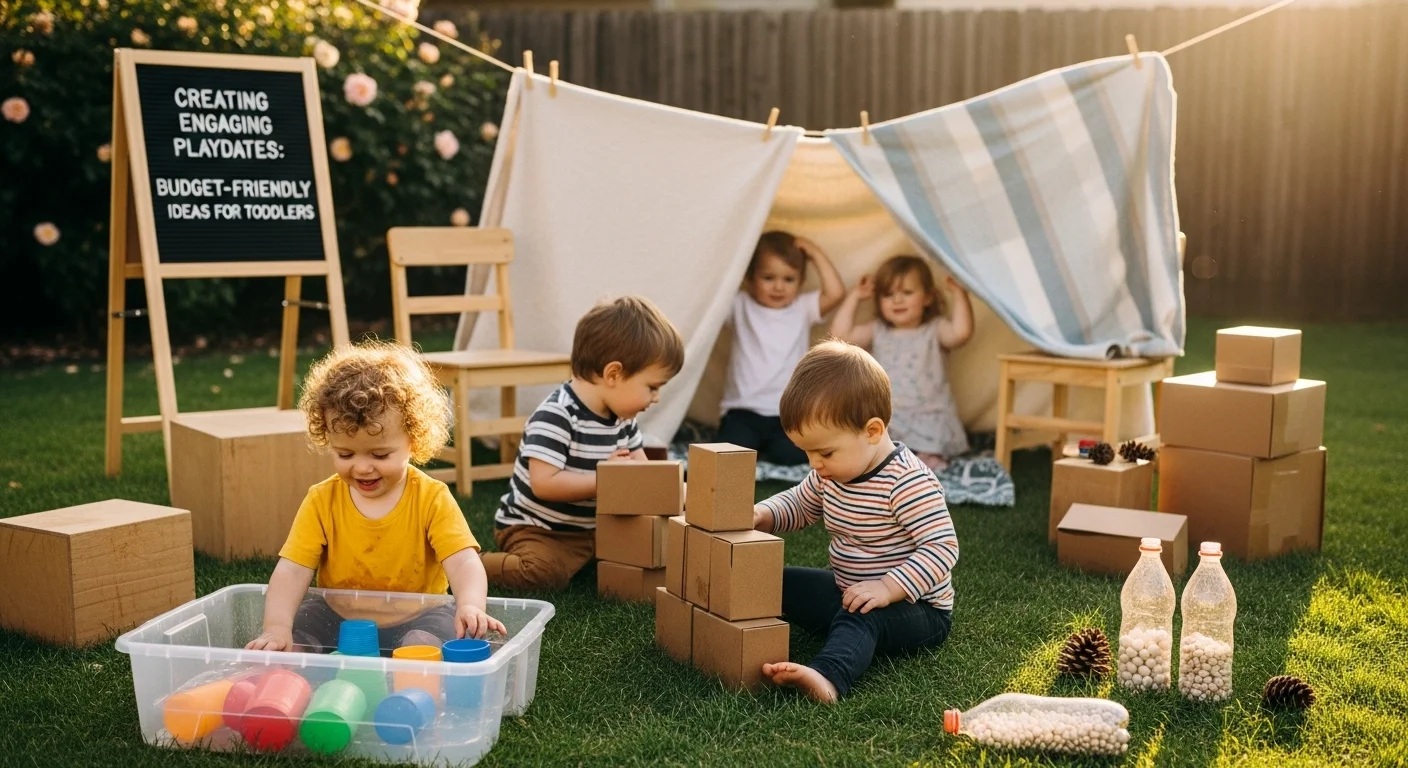
Keeping playdates engaging really comes down to planning activities that are age-appropriate. I’ve discovered that toddlers are naturally curious, so I try to provide a mix of activities that cater to their interests and developmental levels. I remember a playdate where I set up a simple sensory bin filled with rice, scoops, and small toys. The kids were fascinated and played with it for a long time, exploring textures and practicing fine motor skills.
It’s also helpful to check in with other parents about what activities their kids enjoy. Collaborating on ideas can lead to a diverse set of engaging experiences. Whether it’s a simple game of tag or a creative building project with blocks, finding the right activities can keep the excitement alive during playdates.
Encouraging Cooperative Play
One of the key aspects of playdates is fostering cooperative play. I’ve noticed that when kids work together, they develop essential teamwork skills. I often set up activities that require collaboration, like building a fort or completing a puzzle together. I encourage them to share ideas and help each other out. It’s wonderful to witness them communicate and negotiate as they figure things out as a team.
Sometimes, I’ll introduce a team game, like a relay race or a scavenger hunt where they have to work in pairs. I believe that promoting cooperative play not only enhances their social skills but also helps them build friendships. Seeing the joy on their faces when they succeed together is truly rewarding!
Managing Conflicts Between Toddlers
As much as we hope for playdates to go smoothly, conflicts can arise. I’ve experienced my fair share of disagreements over toys or game rules. When this happens, I try to step in calmly and provide guidance. I find it helpful to give the children a moment to express their feelings before facilitating a solution. I often say something like, “I see that you both want to play with that toy. How about we take turns?”
This approach not only helps them resolve their conflicts but also teaches valuable conflict resolution skills. I remind myself that these situations are learning opportunities. By guiding them through disagreements, I believe I’m helping them become more empathetic and understanding individuals.
Safety Considerations During Playdates
Childproofing the Play Area
When it comes to hosting playdates, safety is always at the forefront of my mind. I’ve learned that childproofing the play area can make a world of difference in ensuring a worry-free experience for everyone involved. Before the playdate begins, I take a thorough look around to identify any potential hazards. I remember the first time I hosted a playdate at my home; I was so focused on organizing fun activities that I almost forgot to check for safety! Thankfully, I caught it in time.
One of my first steps is to remove any sharp objects or fragile items that toddlers might accidentally bump into or knock over. I also secure cords from blinds and electronics, as curious little hands can easily get tangled. If I have any small items that could pose a choking hazard—like small toys or decorations—I make sure to put them away or out of reach. It gives me peace of mind to know that the environment is safe and inviting for the kids to explore freely.
Additionally, I like to create clear boundaries within the play area. I designate specific zones for different activities, such as a craft corner, a reading nook, and an active play space. This not only helps keep the chaos to a minimum but also prevents overcrowding in one area, reducing the chances of accidents. I’ve found that a little preparation can go a long way in ensuring a safe and enjoyable playdate.
Supervision Guidelines
Supervision during playdates is another crucial aspect that I take seriously. I’ve had experiences where things got a little too lively, and having an extra set of eyes can make all the difference. I aim to have at least one other adult present during playdates. This way, we can both keep an eye on the kids while also enjoying some adult conversation.
When supervising, I try to stay engaged without hovering. I often position myself in a spot where I can see all the little ones without being too intrusive. I’ve noticed that when I’m involved in the play, the kids are more likely to invite me into their games, which fosters a greater sense of community. I also encourage the other parents to do the same. We might take turns leading activities or simply chatting while keeping an eye on the kids.
Of course, it’s always important to be aware of the dynamics among the toddlers. If I notice any signs of conflict or if someone seems upset, I’m ready to step in and help. I believe that being attentive not only ensures safety but also helps the kids feel supported and cared for during their playtime.
Budgeting for Playdates
Cost-Saving Tips on Supplies and Activities
Budgeting for playdates can be a challenge, but I’ve found that it doesn’t have to be expensive to create memorable experiences. One of my favorite cost-saving tips is to use items I already have around the house. For instance, I often repurpose cardboard boxes for building forts or use old sheets for a makeshift play tent. The kids love using their imaginations to turn everyday items into fantastic play structures!
I also recommend pooling resources with other parents. If we’re organizing a craft project, we might collaborate and each bring different supplies. This way, we can create a diverse range of activities without breaking the bank. I once coordinated with a few parents to host a craft day where we all contributed materials for different projects. It was not only fun but also economical! You’d be surprised at how many creative ideas can come from a simple gathering of supplies.
Another budget-friendly approach I’ve taken is to plan activities that don’t require expensive materials. For example, we’ve hosted playdates focused on nature, where the kids collect leaves and twigs to create art or engage in nature-themed games. I’ve found that the simplest activities often lead to the most joy, and they allow for creativity without the financial strain.
Finding Free Community Resources
Exploring free community resources has been a game-changer for our playdate planning. I’ve discovered that many local libraries, community centers, and parks offer free programs and activities for young children. I’ve taken advantage of storytime sessions at our library, where we could meet other parents while the kids enjoyed a captivating story and some interactive play.
Additionally, I keep an eye on community events, such as family festivals or outdoor movie nights. These gatherings can be a great way to meet new friends and have fun without spending a dime. I remember one summer evening when our local park hosted a family night with games and activities galore. It was a fantastic opportunity for both the kids and us parents to connect with the community. Read Interesting article: Traveling with Toddlers: Key Tips for Social Engagement
Leveraging these free resources not only helps keep our playdates budget-friendly but also enriches our experiences. I believe that the more we engage with our community, the more meaningful the connections we create—both for ourselves and our children.