
Creating an inclusive classroom doesn’t have to be costly. With a little creativity and resourcefulness, we can foster an environment where every student feels valued and supported. Read Interesting article: Top Strategies for Inclusive Classrooms on a Budget
Understanding Inclusivity in Education
Definition of Inclusive Classrooms
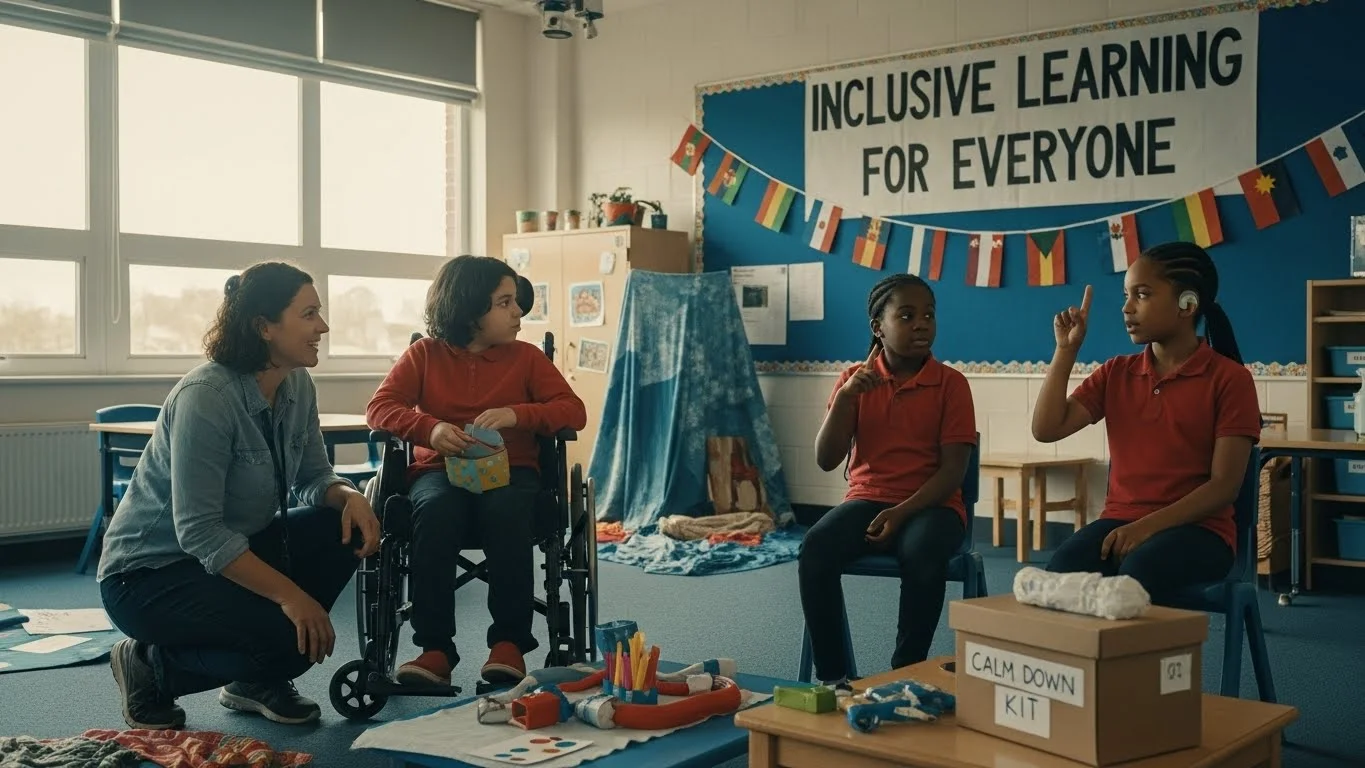
When I think about inclusive classrooms, I picture vibrant spaces filled with diverse learners. An inclusive classroom is one where all students, regardless of their backgrounds, abilities, or learning styles, are welcomed and supported. It’s more than just having students with different abilities in the same room; it’s about ensuring that every student has access to the same learning opportunities. I’ve come to realize that this approach requires thoughtful planning and a commitment to making sure that everyone can participate and thrive.
Importance of Inclusivity in Education
Inclusivity in education is crucial for several reasons. First, it reflects the world we live in. I’ve noticed that when students are exposed to a variety of perspectives and experiences, they become more empathetic and understanding. In an inclusive setting, students learn from each other, which enriches their educational experience. Additionally, embracing inclusivity helps to break down societal barriers and stereotypes. It teaches our students the value of diversity and prepares them for a future where collaboration and acceptance are essential.
Benefits of Inclusive Classrooms for All Students
From my experience, inclusive classrooms benefit not just students with special needs, but everyone involved. I’ve seen how students who might otherwise struggle academically can flourish when they receive tailored support. A diverse learning environment encourages collaboration and fosters critical thinking. For example, when students work in mixed-ability groups, they learn to communicate effectively and appreciate different viewpoints. Moreover, inclusive classrooms can boost overall academic performance, as students are often more engaged and motivated when they feel their contributions matter. I believe that inclusivity enriches the educational experience for all and helps cultivate a sense of belonging.
Key Components of an Inclusive Classroom
Diverse Learning Materials
One of the first steps I took in creating an inclusive classroom was to ensure that my learning materials reflected diverse perspectives and experiences. This doesn’t mean I had to buy a bunch of new books or resources. Instead, I looked for what I already had and supplemented it with free online resources. I discovered that including books and materials featuring characters from various backgrounds helps all students see themselves in the stories we read. Additionally, incorporating visual aids, hands-on activities, and technology can cater to different learning styles. I recommend seeking out local libraries or educational websites for free or low-cost resources that support this goal. For additional ideas, check out Budget-Friendly Resources for Inclusive Education.
Flexible Teaching Strategies
Flexibility in teaching strategies is essential for meeting the needs of all learners. I’ve learned that one-size-fits-all approaches often leave some students behind. Instead, I try to use a variety of teaching methods—like direct instruction, group work, and independent projects—to engage all my students. For instance, I found that breaking down complex subjects into smaller, manageable tasks makes a big difference for students who may struggle with traditional teaching methods. Using visual aids, interactive discussions, and even educational games can make learning more enjoyable and effective.
Supportive Classroom Environment
Creating a supportive classroom environment is key to fostering inclusivity. I make it a point to establish clear expectations and routines that everyone can understand. I’ve noticed that when students feel safe and supported, they are more likely to participate actively. I also encourage kindness and respect among students, which helps build a strong sense of community. In my experience, incorporating social-emotional learning activities can help students develop essential skills such as empathy, collaboration, and conflict resolution.
Collaboration and Peer Support
Collaboration is another vital aspect of an inclusive classroom. I’ve seen how powerful peer support can be in helping students learn from each other. Group projects, peer tutoring, and collaborative learning experiences help students build relationships and learn to value one another’s strengths. For example, I often pair stronger readers with those who need a bit of extra help, and I’ve witnessed incredible growth in both groups. It’s important to create opportunities for all students to contribute their unique skills and talents, fostering a sense of belonging and teamwork.
Budget-Friendly Strategies for Creating Inclusive Classrooms
Utilizing Free and Low-Cost Resources
One of the biggest challenges I faced when trying to create an inclusive classroom was the misconception that it would be too expensive. However, I quickly discovered that there are countless free and low-cost resources available. For instance, I began exploring local libraries, which often have a wealth of materials, including diverse literature and educational games. Many libraries also host free workshops and events that can benefit students’ learning. Additionally, I found a variety of websites that offer free lesson plans and activities tailored for inclusive education. Websites like Education.com and Teachers Pay Teachers have sections dedicated to low-cost or even free resources that can enrich our classrooms without breaking the bank. For more tips, be sure to check Affordable Tips for Supporting Special Needs Students.
Community Partnerships and Support
Building relationships with the community has been incredibly rewarding in my journey toward inclusivity. I reached out to local organizations and businesses, and I was amazed by the support they offered. For example, some organizations are willing to donate books, supplies, or even volunteer time to help in the classroom. I remember partnering with a nearby university, where education students came in to assist with tutoring and organizing activities. This collaboration not only provided extra support for my students but also gave university students practical experience in teaching. I think that when we open our doors to the community, we create a rich support network that benefits everyone involved.
Leveraging Technology on a Budget
In today’s digital age, technology can be a game-changer, especially when it comes to creating an inclusive environment. I learned that there are many free educational apps and online tools that cater to various learning needs. For example, platforms like Khan Academy and Quizlet offer resources that adapt to individual learning paces and styles. I also found that using Google Classroom not only helps streamline communication but also allows for collaborative projects that can engage students in new ways. I recommend exploring free trials of different educational software to see what works best for your classroom. The investment in technology doesn’t have to be monetary; sometimes, it just takes a bit of creativity and exploration to find the right tools.
Creative Classroom Layouts
When I started to think about how my classroom was arranged, I realized that the physical space could greatly impact inclusivity. I experimented with different layouts to create areas for group work, quiet reading, and hands-on activities. My favorite setup involves flexible seating options like bean bags, floor cushions, and small tables. This encourages students to choose where they feel most comfortable learning. I also made sure to create clear pathways for movement, which is essential for students who may need more space or support. By allowing students to engage with the environment in a way that suits their needs, I’ve noticed increased participation and enthusiasm.
Inclusive Teaching Practices Without High Costs
Differentiated Instruction Techniques
Differentiated instruction has become one of my go-to strategies for inclusivity, and it doesn’t have to be costly. I’ve learned to tailor my lessons to address the different needs, interests, and abilities of my students. For instance, when teaching a new concept, I offer a variety of ways for students to engage with the material: some might read a text, while others may watch a video or work with a hands-on activity. I often provide choices for assignments too, allowing students to demonstrate their understanding in a way that resonates with them. This not only keeps students motivated but also validates their unique learning paths, making everyone feel included in the learning process.
Universal Design for Learning (UDL) Principles
Implementing UDL principles has been another effective way to foster an inclusive classroom without incurring high costs. UDL encourages us to design our lessons from the start to accommodate diverse learners. I focus on providing multiple means of representation, engagement, and action/expression. For instance, when presenting new material, I always include visuals, audio, and written resources. This approach ensures that all students have access to information in a way that suits them best. I also involve students in setting their own learning goals, which empowers them and promotes a sense of ownership over their education.
Implementing Peer Teaching and Mentoring
Peer teaching and mentoring have been invaluable in my classroom. I’ve noticed that when students work with each other, they often explain concepts in ways that resonate better than I could. I regularly set up peer tutoring sessions, where stronger students help those who may be struggling. This not only aids the learners but also boosts the confidence of the tutors. I find that this approach fosters a sense of teamwork and community, where every student feels they have something to contribute. By creating a culture of collaboration, we all grow together, and the classroom becomes a vibrant place of shared learning.
Engaging Parents and the Community
Fostering Open Communication with Parents
Engaging parents in the process of inclusivity has been one of the most rewarding aspects of my teaching journey. I remember when I first started reaching out to families. I wanted to create a culture where parents felt comfortable sharing their concerns and insights about their children’s needs. I found that regular communication, whether through newsletters, emails, or phone calls, helps keep parents informed and involved. I make it a point to celebrate student achievements and share classroom activities, which fosters a sense of partnership. I believe that when parents feel valued and involved, they are more likely to support the inclusive practices we implement in the classroom.
Involving Community Organizations
Building connections with community organizations has also enriched my classroom environment. I’ve seen firsthand how local organizations, nonprofits, and even businesses can contribute to our inclusive efforts. For instance, I reached out to a local disability advocacy group, and they were eager to provide resources and workshops for both my students and their families. These collaborations have not only provided valuable information but have also offered students opportunities to engage with the larger community. I learned that by opening the door to community assistance, we can create a more robust support system for our students and their families.
Hosting Inclusive Events and Workshops
One of my favorite ways to engage parents and the community is by hosting inclusive events and workshops. I remember organizing a family night where we invited parents and students to participate in activities designed around inclusivity. We had stations with games and discussions about diversity, empathy, and teamwork. It was amazing to see families connect over these shared experiences. I think that creating opportunities for parents and community members to come together in a fun, relaxed setting goes a long way in promoting understanding and support for inclusivity in education. These events not only bring awareness but also strengthen the bonds within our community.
Measuring the Effectiveness of Inclusion Strategies
Setting Clear Goals and Objectives
To ensure that our efforts toward inclusivity are effective, I’ve learned how important it is to set clear goals and objectives. At the start of each school year, I sit down and think about what I want to achieve regarding inclusivity. These goals might include increasing student participation, fostering peer relationships, or improving academic performance for all students. I find that having specific targets helps to keep our focus sharp and allows us to track progress throughout the year. Regularly revisiting these goals helps me stay aligned with our mission of creating a welcoming and inclusive environment for everyone.
Collecting Feedback from Students and Parents
Feedback is essential in understanding the impact of our inclusive practices. I make it a point to regularly collect input from both students and parents. Simple surveys or casual conversations can provide valuable insights into what’s working and what isn’t. I remember a particular instance when a parent shared their concerns about how their child was participating in group activities. This prompted me to reevaluate my grouping strategies and ensure everyone had an equal voice. Listening to feedback has not only helped me improve my teaching practices but has also made parents feel heard and valued in the educational process.
Adapting Strategies Based on Assessment
Finally, I believe that being flexible and willing to adapt our strategies based on assessment is crucial for fostering an inclusive environment. After collecting feedback and observing student interactions, I often find areas where we can improve. For instance, if I notice that certain students struggle with a particular activity or concept, I’ll adjust my approach or try a different method altogether. I’ve learned that inclusivity is an ongoing journey, and being open to change allows us to continually meet the needs of our students. By regularly assessing our strategies and outcomes, we can create a more effective and inclusive learning environment for everyone.
Resources for Teachers on a Budget
Online Platforms for Free Educational Materials
As I navigated my journey towards creating an inclusive classroom, I discovered an abundance of online platforms offering free educational materials. Websites like Teachers Pay Teachers, Share My Lesson, and Digital Commons provide a treasure trove of resources created by other educators. I’ve found everything from lesson plans to interactive activities that align with inclusive practices. These resources have saved me both time and money while allowing me to provide engaging materials for my diverse classroom. I recommend setting aside some time to explore these platforms; you might be surprised at what you can find!
Grants and Funding Opportunities for Inclusive Education
Securing funding for inclusive education can sometimes feel daunting, but I’ve learned that there are numerous grants available specifically aimed at supporting these initiatives. I started researching local, state, and federal grants designed for educators focused on inclusivity. I’ve successfully applied for a couple of grants that provided funds for purchasing diverse literature and adaptive learning tools. I believe that with a little persistence and effort, we can uncover valuable financial support that enhances our classrooms without straining our personal budgets.
Professional Development Resources
Lastly, investing in professional development can greatly enhance our skills in creating inclusive classrooms without breaking the bank. I’ve attended several workshops and webinars that focused on inclusive teaching strategies, many of which were offered for free or at a low cost through local education agencies. I also discovered online platforms like Coursera and EdX, which offer free courses on various educational topics, including inclusivity. Engaging in ongoing professional development not only enriches our teaching practice but also empowers us to create a more inclusive environment for our students.
Final Thoughts
Reflecting on my journey to create an inclusive classroom, I’ve realized that it’s not just about the strategies we implement—it’s also about the mindset we adopt. Inclusivity is a continuous learning process, and I’ve learned that it requires dedication, empathy, and adaptability. Every student has unique needs and strengths, and as educators, we have the privilege of guiding them through their learning experiences.
What I’ve found most rewarding is witnessing the transformation that occurs in my classroom. When students feel included and valued, their confidence skyrockets. They become more willing to take risks in their learning, participate in discussions, and support their peers. I remember a moment when a shy student, who often sat quietly at the back, surprised us all by leading a group discussion. It was a beautiful reminder of the potential that lies within each child when they feel they belong.
Building a community of inclusivity also extends beyond the classroom walls. The partnerships I’ve formed with parents and local organizations have created a rich tapestry of support for our students. These connections remind us that education is a collaborative effort. We are not in this alone; rather, we are part of a larger ecosystem that nurtures and uplifts every learner.
As I look ahead, I am excited about the possibilities for further enhancing my inclusive practices. I believe that by continually seeking out new resources, learning from fellow educators, and remaining open to change, I can create an even more welcoming environment for my students. Inclusivity is not a destination, but a journey that we embark on together, learning from each other every step of the way.
For anyone out there looking to foster inclusivity in their own classrooms, I encourage you to embrace creativity and resourcefulness. Don’t hesitate to reach out to your community, leverage technology, and involve your students in the process. Together, we can create classrooms where every child feels seen, heard, and celebrated. In the end, it’s about building a brighter future where diversity is not just accepted, but celebrated.
Frequently Asked Questions
What is an inclusive classroom?
An inclusive classroom is one where all students, regardless of their backgrounds, abilities, or learning styles, are welcomed and supported. It ensures that every student has access to the same learning opportunities and thrives in a diverse learning environment.
Why is inclusivity important in education?
Inclusivity in education is crucial because it reflects the diverse world we live in, helps students become more empathetic and understanding, and encourages collaboration. It also breaks down societal barriers and stereotypes, teaching students the value of diversity.
What are the benefits of inclusive classrooms for all students?
Inclusive classrooms benefit all students by fostering collaboration, critical thinking, and overall academic performance. Students who receive tailored support often flourish, and a diverse environment keeps students engaged and motivated.
What are some key components of an inclusive classroom?
Key components include diverse learning materials, flexible teaching strategies, a supportive classroom environment, and opportunities for collaboration and peer support.
How can teachers create inclusive classrooms on a budget?
Teachers can utilize free and low-cost resources from local libraries and educational websites, build community partnerships, leverage technology, and design creative classroom layouts that promote inclusivity without incurring high costs.
What is differentiated instruction and how does it support inclusivity?
Differentiated instruction involves tailoring lessons to meet the diverse needs, interests, and abilities of students. This approach keeps students motivated and validates their unique learning paths, making everyone feel included in the learning process.
How can parents and the community be involved in fostering inclusivity?
Parents and the community can be involved by fostering open communication, collaborating with local organizations, and participating in inclusive events and workshops that promote understanding and support for inclusivity in education.
What are Universal Design for Learning (UDL) principles?
UDL principles encourage designing lessons to accommodate diverse learners by providing multiple means of representation, engagement, and action/expression, ensuring all students have access to information in ways that suit them best.
How can teachers measure the effectiveness of their inclusion strategies?
Teachers can measure effectiveness by setting clear goals and objectives, collecting feedback from students and parents, and adapting strategies based on assessment to continually meet the needs of their students.
What resources are available for teachers on a budget aiming for inclusivity?
Teachers can access online platforms for free educational materials, seek grants and funding opportunities for inclusive education, and engage in professional development resources that enhance their skills in creating inclusive classrooms without significant costs.