
Meal planning for kids can be both a challenge and an adventure. With a little creativity and some thoughtful strategies, we can ensure our children enjoy nutritious meals that fuel their growth and learning. For those looking for more guidance, check out Essential Tips for Toddler Meal Planning on a Budget.
Understanding Children’s Nutritional Needs
When it comes to our children’s health, understanding their nutritional needs is crucial. I remember when I first started learning about what my kids should be eating. It was a bit overwhelming, but realizing how important nutrition is for their growth and development made it all worthwhile. Let’s dive into the essential nutrients, the significance of balanced meals, and age-specific dietary guidelines that can guide us in this journey.
Essential Nutrients for Growing Kids
Children are growing rapidly, both physically and mentally, and they require specific nutrients to keep up with their development. These nutrients include proteins, carbohydrates, fats, vitamins, and minerals. From my experience, I’ve found that focusing on a few key nutrients can help simplify meal planning:
- Proteins: Essential for growth and repair. Think lean meats, fish, beans, and nuts.
- Carbohydrates: The body’s primary energy source. Whole grains, fruits, and vegetables should be staples.
- Healthy Fats: Important for brain development. Avocados, olive oil, and fatty fish are great choices.
- Vitamins and Minerals: Crucial for overall health. A colorful array of fruits and vegetables can cover these bases.
Incorporating these nutrients into meals can be fun and creative. I like to think of meals as a way to provide nourishment while also introducing new flavors and textures to my kids. It’s exciting to watch them experiment with different foods!
The Importance of Balanced Meals
I’ve learned that balanced meals are the cornerstone of good nutrition. A balanced meal typically includes a source of protein, a healthy carbohydrate, and a variety of fruits and vegetables. This approach not only helps meet their nutritional requirements but also makes meals more satisfying. For example, I often prepare a colorful stir-fry with chicken, brown rice, and a rainbow of veggies. It’s not only nutritious but also visually appealing, which I believe helps my kids enjoy their meals more.
Additionally, I’ve noticed that when we eat balanced meals, my kids have more energy and are better able to focus in school. I recommend aiming for a plate that’s filled with a mix of colors and food groups. It’s a simple way to ensure they’re getting a well-rounded diet. For more tips on managing meal planning, check out Effortless Meal Planning for Busy Families with School Kids.
Age-Specific Dietary Guidelines
Each age group has specific dietary requirements, and I find it helpful to keep these guidelines in mind when planning meals. For instance, toddlers require higher fat content for brain development, while older children need more protein and fiber as they grow and become more active.
- Toddlers (1-3 years): Focus on whole milk, soft fruits, veggies, and small pieces of meat.
- Preschoolers (4-5 years): Include a variety of food textures and flavors to keep them interested.
- School-aged children (6-12 years): Ensure enough protein and focus on whole grains to support their active lifestyles.
- Teenagers (13-18 years): Encourage independence in meal choices while ensuring they understand balanced nutrition.
Every child is different, of course, and adapting these guidelines based on individual preferences and needs is essential. I often sit down with my kids to discuss what foods they like or want to try, which makes them feel more included in the meal planning process.
Understanding these fundamental aspects of children’s nutrition can really make a difference in how we approach meal planning. It’s not just about filling their plates but also about nurturing their bodies and encouraging healthy habits that will last a lifetime. As we move forward, I’ll share some creative meal planning strategies that can make this process a lot more enjoyable for both us and our kids!
Creative Meal Planning Strategies
Involving Kids in Meal Planning
One of the most rewarding aspects of meal planning for me has been involving my kids in the process. I’ve found that when they have a hand in choosing what we eat, they are much more excited to try new foods. I remember the first time I laid out a few options for dinner and asked for their input. Their eyes lit up with enthusiasm, and it transformed the whole experience. We often sit down together and brainstorm meal ideas, flipping through cookbooks or scrolling through websites for inspiration. I encourage them to pick a protein, a vegetable, and a carbohydrate. I think it’s important for them to learn about food choices and why they matter. Plus, it sparks awesome conversations about different cuisines and cultures, which I truly enjoy. When it comes time to shop for groceries, I let them pick out some fruits and veggies, too. I’ve noticed that when they select their own food, they’re more likely to eat it. It’s a win-win situation! Not only are we filling our plates with nutritious options, but we’re also creating a sense of ownership over their meals.Theme-based Meal Planning (Cultural, Seasonal, etc.)
Theme-based meal planning has also been a game-changer for us. I love the idea of dedicating a week to exploring different cultures through food. For instance, we recently had an Italian week, where we made homemade pasta, pizza, and even tried our hand at tiramisu. It brought an exciting twist to our dinner routine, and my kids had a blast learning about Italian traditions. Seasonal meal planning is another approach I find enjoyable. I like to focus on what’s available locally and in season. When we eat seasonal produce, I feel good knowing we’re supporting local farmers and getting the freshest ingredients. Plus, it’s a great way to teach my kids about the changing seasons and how they affect what we eat. We might have a “Spring Salad Week” featuring fresh greens and herbs, followed by “Fall Comfort Foods” that highlight squashes and root vegetables. This theme-based approach not only diversifies our meals but also keeps my kids engaged and eager to learn. I’ve found that it creates wonderful opportunities for conversation around different cultures and seasons, making meal times even more enriching.Using a Weekly Meal Calendar
One practical strategy I’ve implemented is using a weekly meal calendar. I find that having a visual layout of our meals helps immensely with organization and reduces the chaos around dinner time. I usually sit down on Sundays to plan out our meals for the week. I recommend picking one day for each type of meal and sticking to it. For example, Mondays could be for stir-fries, Tuesdays for tacos, and Wednesdays for soups. This structure makes it easier to rotate through different recipes while ensuring variety. I also include a “wild card” day where we can try something new or have leftovers. Having a meal calendar has also helped me to prep in advance. For example, if we’re having a pasta night, I can make the sauce earlier in the week and simply cook the pasta on the night of. It’s amazing how much smoother the week goes when I have a plan in place.Batch Cooking and Freezing Meals
Batch cooking has been a lifesaver for our busy family. I’ve started dedicating a few hours on the weekend to prepare larger portions of meals that we can enjoy throughout the week. Dishes like chili, casseroles, and soups freeze well, so I make a big batch and portion it out into containers for quick meals later. I’ve also discovered the joys of freezer-friendly snacks. I often make mini muffins or energy bites that my kids can grab for breakfast or an after-school treat. It’s so satisfying to know that I have healthy options at my fingertips in those hectic moments. Freezing meals has not only saved me time but also helped reduce food waste. I love knowing that we have nutritious meals ready to go, especially on days when I’m short on time. Plus, my kids enjoy the variety when we pull different dishes out of the freezer, making mealtime feel special. These creative meal planning strategies have transformed our approach to food. By involving my kids, embracing themes, organizing meals with a calendar, and batch cooking, I’ve found that meal times are not just about nourishment but also about connection and enjoyment. As we dive deeper, I’ll share fun and engaging meal ideas that can turn our healthy eating journey into a delightful experience for the whole family!Fun and Engaging Meal Ideas
Colorful Plates: Importance of Fruits and Vegetables
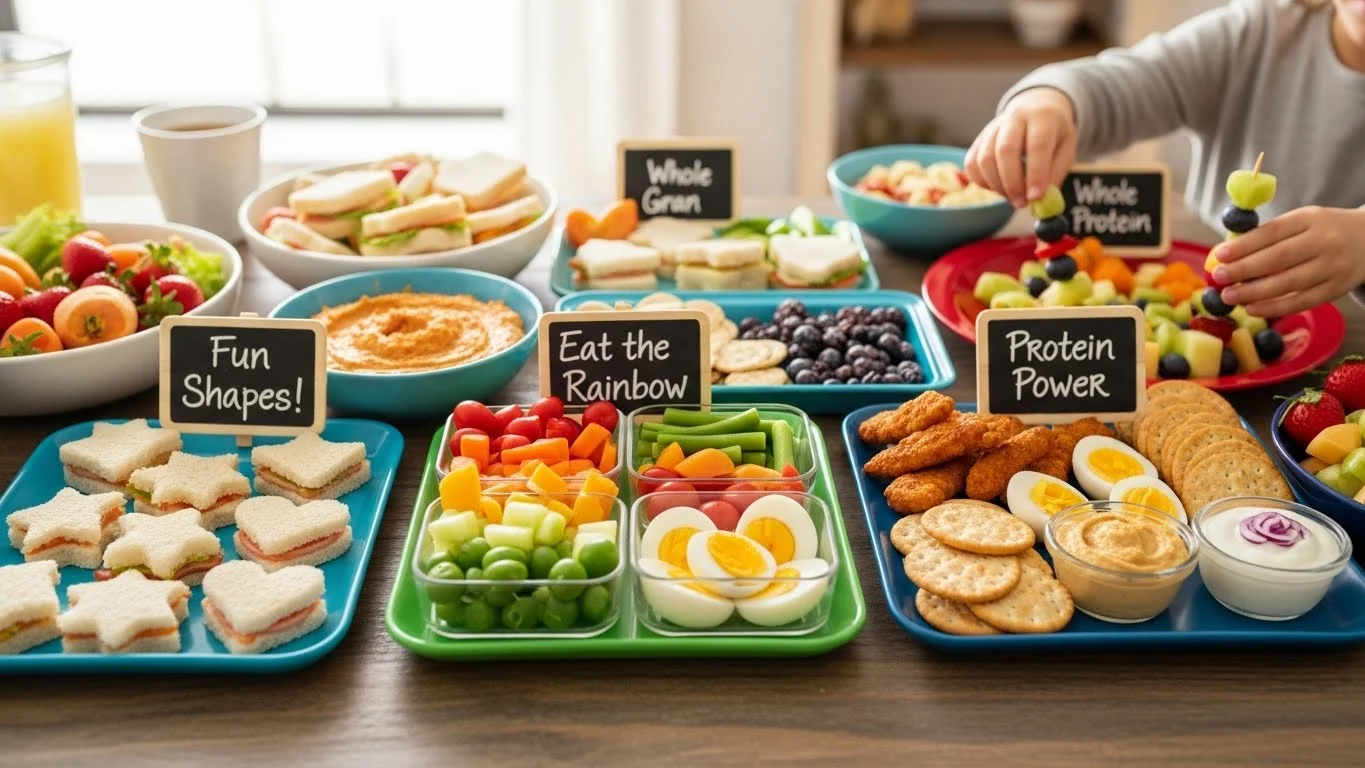
One of the most enjoyable ways I’ve found to encourage my kids to eat healthy is by creating colorful plates filled with a variety of fruits and vegetables. I’ve learned that the more vibrant the plate, the more appealing it is to their eyes. It’s almost like an art project! I remember a time when we had a “rainbow dinner.” I set out different fruits and vegetables of various colors—red bell peppers, yellow squash, green broccoli, purple grapes, and orange carrots. I let my kids pick their favorites, and it turned into a fun game of trying to eat all the colors of the rainbow. They loved the idea of making a full spectrum on their plates, and it made them more inclined to try new foods. Incorporating fruits and vegetables into meals doesn’t have to be boring. I like to get creative, adding fruits to salads or making smoothies packed with spinach and berries. We even dip fruits in yogurt or dark chocolate for a fun dessert! By focusing on the colors, I’ve noticed that my kids are not just eating healthier but also developing a more adventurous palate.DIY Lunchables: Healthy Snack Combinations
Who doesn’t love a DIY project? One of our family favorites is making our own healthy version of Lunchables. I used to buy those pre-packaged ones, but I found that creating them from scratch is so much more fun and nutritious. We gather various ingredients, such as whole grain crackers, lean meats like turkey or chicken, cheese slices, and a selection of veggies. My kids enjoy helping to assemble their own Lunchables; it’s like a mini picnic at home! I often add a small container of hummus or guacamole for dipping, which my kids love. This approach not only gives them a sense of ownership over their food but also allows them to mix and match flavors. They can create their own combinations, and I’ve found that they’re much more excited to eat what they’ve prepared. Plus, it’s an easy way to sneak in some nutrition without them even realizing it!Creative Sandwiches and Wraps
Sandwiches and wraps are another fantastic avenue for creativity. I’ve discovered that the key is to think outside the traditional peanut butter and jelly box. We have fun experimenting with different ingredients and spreads, which keeps lunch exciting. For example, one of my kids’ favorites is a turkey and avocado wrap. We use whole grain tortillas and layer them with turkey slices, mashed avocado, spinach, and shredded carrots. They love rolling it up, and it’s a balanced meal that is quick to prepare. Another fun idea is creating “sandwich art.” We use cookie cutters to make fun shapes from bread, cheese, and deli meats. It’s amazing how a simple star-shaped sandwich can make lunchtime feel special. I’ve learned that adding a bit of creativity can make even the simplest meals enjoyable for my kids.Healthy Breakfast Options for Busy Mornings
Breakfast can be a rush in our household, especially on school mornings. However, I’ve found some healthy breakfast options that are quick to prepare and satisfying for my kids. One of my go-to meals is overnight oats. I prepare them the night before with oats, yogurt, milk, and a variety of toppings like fruits, nuts, or honey. In the morning, my kids can grab them and go. I’ve also experimented with smoothie bowls. We throw a handful of spinach, a banana, some frozen berries, and a splash of yogurt into the blender. Once blended, we pour the smoothie into a bowl and let the kids top it with granola, seeds, and more fruit. It’s a colorful and nutritious breakfast that keeps them full until lunch. Another quick option is whole grain toast with nut butter and banana slices. It’s easy to make, and I love that it provides a good mix of carbohydrates, protein, and healthy fats. I encourage my kids to add a sprinkle of cinnamon or a drizzle of honey on top for extra flavor. These fun and engaging meal ideas have transformed how we approach eating in our home. By focusing on creativity, involvement, and excitement around food, I’ve seen my kids embrace healthier choices. Next, I’ll share how we can make nutrition even more enjoyable with games and activities that get the whole family involved!Making Nutrition Fun
Incorporating Games and Challenges
One of the best ways I’ve found to make nutrition exciting is by turning meal times into games and challenges. I remember when my kids and I played the “Taste Test Challenge” where we tried different fruits and vegetables blindfolded. I’d pick a few unusual ones, and they had to guess what they were. The laughter and giggles that ensued made it a memorable experience! We also created a “Rainbow Challenge,” where we aimed to eat something from every color of the rainbow throughout the week. It was a fun way to encourage trying new fruits and veggies, and we even made a colorful chart to track our progress. I noticed that my kids were more willing to give new foods a shot, simply because it felt like a game rather than a chore. Incorporating games not only makes healthy eating fun but also fosters a sense of teamwork. We all cheer each other on, and it becomes a bonding experience. I believe that these playful approaches can help kids develop a positive attitude towards food and nutrition.Cooking Together: Family Meal Prep Activities
Cooking together as a family is another fantastic way to make nutrition enjoyable. I’ve seen firsthand how much my kids love getting involved in the kitchen. We often set aside a day during the weekend to prepare meals together. I find that it’s not just about cooking; it’s also about creating memories. Whether we are chopping vegetables, stirring sauces, or rolling out dough, I encourage them to take on different roles in the kitchen. One might set the table, while another is responsible for washing the produce. This shared responsibility not only teaches them essential cooking skills but also instills a sense of pride in the meals we create together. I remember the time we made homemade pizza from scratch. My kids enjoyed kneading the dough and selecting their favorite toppings. It was fantastic to see them excited about what they were making, and they were even more eager to eat the final product. Cooking together fosters curiosity about ingredients and helps them understand where their food comes from.Creative Presentation Ideas for Kids’ Meals
Presentation can make a huge difference in how kids perceive their meals. I’ve discovered that a little creativity goes a long way in making food more appealing. For instance, I often use cookie cutters to shape fruits and sandwiches into fun designs. My kids love seeing star-shaped sandwiches or heart-shaped watermelon slices on their plates. Another trick I’ve used is to create “food art.” We make smiley faces with fruits and veggies on their plates, and sometimes we even create scenes with food. One time, we made a beach scene with mashed potatoes for sand and broccoli trees. It’s amazing how much more excited they are to eat when their meals look like a fun creation rather than just a plate of food. Engaging them in the presentation process can also be a bonding experience. I let them come up with their own ideas for how they want their plates to look, and it sparks creativity that they love to share. This approach not only makes meals visually appealing but also encourages them to appreciate and enjoy the food.Addressing Common Challenges in Meal Planning
Picky Eaters: Tips for Encouraging Variety
Dealing with picky eaters is something many of us face. I remember the struggles I had with my kids when they were younger. It took patience and creativity to encourage them to try new foods. One strategy that worked for us was introducing new foods alongside their favorites. For example, if they loved macaroni and cheese, I’d add in some steamed broccoli and tell them it was a “special edition.” I also found that involving them in the cooking process helped reduce their resistance to trying new foods. When they see how meals are prepared and feel a sense of investment, they’re often more willing to taste what they’ve made. I think it’s important to celebrate small victories, like trying a new vegetable, and not to pressure them too much. Another tip is to keep offering a variety of foods without making it a big deal. Kids might need several exposures to a new food before they decide they like it. By making it part of the routine and normalizing the experience, I’ve seen them gradually expand their food preferences.Time Management for Busy Families
As a busy parent, I completely understand the challenge of managing time while trying to prepare healthy meals. I’ve learned some helpful techniques to streamline the process. One thing that has worked wonders for us is meal prepping. On weekends, I dedicate a bit of time to chop veggies, cook grains, and prepare proteins that can be easily assembled during the week. Additionally, I’ve started keeping a list of quick recipes that can be made in 30 minutes or less. This has been a lifesaver on those hectic evenings when everything feels rushed. I also make use of slow cookers or instant pots, which allow me to set it and forget it while I focus on other tasks. Planning meals ahead of time helps reduce stress and ensures that we have nutritious options readily available. I’ve found that being organized in the kitchen translates to smoother weeknight dinners.Budget-Friendly Meal Planning Tips
Meal planning doesn’t have to break the bank. I’ve discovered various ways to keep our grocery budget in check while still providing nutritious meals. One of the most effective strategies is to plan meals around sales and seasonal produce. I often browse local flyers or use apps to check for discounts before making my shopping list. Buying in bulk is another tip that has served us well. Items like grains, legumes, and frozen fruits and veggies are often cheaper when purchased in larger quantities. Additionally, I try to incorporate more plant-based meals into our routine, as they tend to be less expensive but still packed with nutrients. Lastly, I’ve started involving my kids in budgeting by giving them a small amount to spend on snacks or extras during our grocery trips. This not only teaches them about costs but also makes them more aware of the value of healthy choices. For more budget-friendly meal ideas, check out Top 10 Budget-Friendly Meal Ideas for Families with Kids.Final Thoughts
Navigating the world of children’s nutrition can feel overwhelming at times, but it’s also an incredible opportunity to bond and instill healthy habits in our kids. I’ve learned that by making food fun, involving them in the process, and being flexible with our approach, we can create a positive relationship with food that lasts a lifetime. From colorful plates to family cooking adventures, these experiences not only nourish their bodies but also foster connections and memories. I believe that with a little creativity and teamwork, we can turn meal planning into a joyful journey rather than a daunting task. Together, let’s celebrate the flavors, colors, and joys of healthy eating!Frequently Asked Questions
What are the essential nutrients needed for growing kids?
Growing kids require specific nutrients including proteins for growth and repair, carbohydrates as the primary energy source, healthy fats for brain development, and vitamins and minerals for overall health. Foods like lean meats, whole grains, fruits, and vegetables are great sources of these nutrients.
Why are balanced meals important for children?
Balanced meals are crucial as they typically include a source of protein, a healthy carbohydrate, and a variety of fruits and vegetables. This approach meets their nutritional requirements and makes meals satisfying, helping children to have more energy and focus better in school.
What dietary guidelines should be considered for different age groups?
Dietary guidelines differ by age: Toddlers (1-3 years) need higher fat content, preschoolers (4-5 years) should have a variety of textures, school-aged children (6-12 years) require more protein and whole grains, and teenagers (13-18 years) should be encouraged to make independent yet balanced food choices.
How can parents involve their kids in meal planning?
Parents can involve kids in meal planning by brainstorming meal ideas together and allowing them to choose ingredients. This involvement can spark excitement and lead to ownership over their meals, making them more eager to try new foods.
What is theme-based meal planning?
Theme-based meal planning involves dedicating a week to exploring different cultures or seasonal foods through meals. This approach diversifies the food experience, keeping kids engaged and allowing them to learn about various cuisines and ingredients.
What is the benefit of using a weekly meal calendar?
A weekly meal calendar helps organize meals, reduces chaos during dinner time, and allows for advanced preparation. By assigning specific meal types to days, families can ensure variety and make meal preparation smoother throughout the week.
How can batch cooking help busy families?
Batch cooking allows families to prepare larger portions of meals in advance, saving time during the week. This approach can include freezing meals and snacks, ensuring that nutritious options are available even on busy days, and helping to reduce food waste.
What are some fun meal ideas for kids?
Fun meal ideas include creating colorful plates with a variety of fruits and vegetables, making DIY healthy Lunchables, and experimenting with creative sandwiches and wraps. Encouraging kids to help in the kitchen enhances their enjoyment of these meals.
What strategies can be used to encourage picky eaters?
To encourage picky eaters, parents can introduce new foods alongside favorites, involve them in cooking, and normalize exposure to various foods. Celebrating small victories without pressure can also help kids expand their food preferences over time.
How can families manage their grocery budget while meal planning?
Families can manage their grocery budget by planning meals around sales, buying in bulk, incorporating more plant-based meals, and involving kids in budgeting during shopping trips. This teaches them about costs and promotes awareness of healthy choices.