
Outdoor learning opens up a world of creativity and exploration for kids and adults alike. With just a little guidance, we can transform any outdoor space into a vibrant classroom without breaking the bank. Read Interesting article: Explore Nature: Affordable Outdoor Learning Experiences for Kids
Understanding Creative Outdoor Learning
Definition of Outdoor Learning
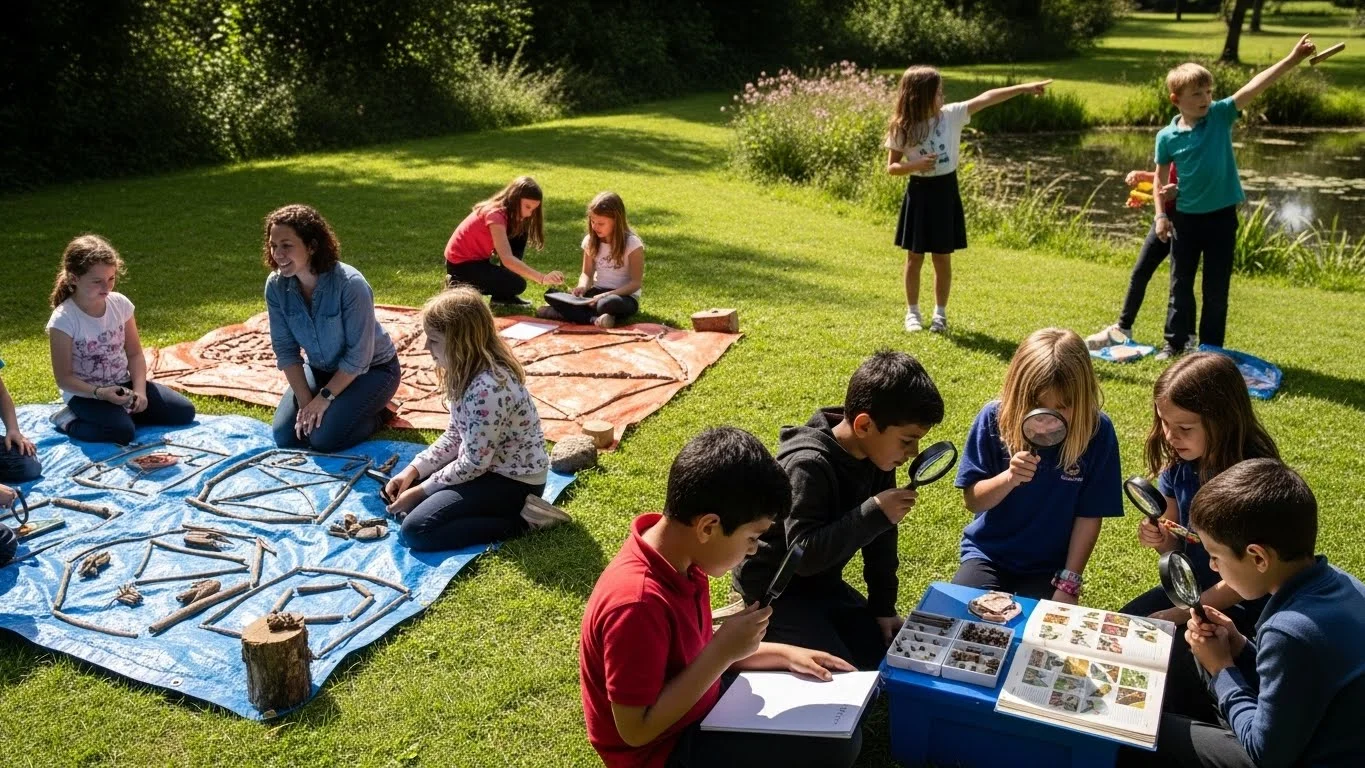
When I think about outdoor learning, I picture kids laughing, exploring, and discovering the world around them. It goes beyond traditional classroom settings, using nature as a backdrop for hands-on experiences. Outdoor learning can range from nature walks to interactive science lessons, allowing us to connect with our environment in meaningful ways. This approach encourages curiosity and fosters a love for learning that often extends beyond the school curriculum.
Benefits of Outdoor Learning
I’ve seen firsthand just how powerful outdoor learning can be. There are so many benefits that come from immersing ourselves in nature. For one, it provides a break from the confines of indoor spaces, which can often feel stifling. When we step outside, we engage our senses in ways that stimulate creativity and critical thinking. The fresh air, sunlight, and sounds of nature can improve mood and focus, making it easier for kids (and even us adults!) to absorb information.
Moreover, outdoor learning promotes physical activity. I’ve noticed that when children are outside, they are more inclined to move around, explore, and engage in play. This increase in physical activity is especially important in a time when many kids spend hours glued to screens. Plus, being outdoors connects us to the environment, instilling a sense of responsibility toward nature and sustainability. Read Interesting article: Top 10 Budget-Friendly Outdoor Learning Activities for Kids
Importance of Creativity in Learning
Creativity is at the heart of effective learning. I believe that when we allow kids to express themselves creatively, we unlock their potential. Outdoor learning provides the perfect canvas for this creativity. Whether it’s through art, science experiments, or storytelling, the natural world offers endless inspiration. I remember organizing a simple art project where kids used leaves and sticks to create their own masterpieces. Watching their imaginations come alive was a reminder of how powerful creative expression can be.
Additionally, creativity fosters problem-solving skills. When kids are faced with real-world challenges outdoors, they have to think on their feet. I’ve seen them collaborate to find solutions, whether it’s figuring out how to build a fort or discovering new ways to use natural materials for their projects. These experiences teach resilience and adaptability—skills that will serve them well in life.
Budget-Friendly Outdoor Learning Ideas
Nature Scavenger Hunts
One of my favorite outdoor activities is organizing nature scavenger hunts. They’re not only fun but also incredibly easy to set up. I remember creating a simple checklist of items for kids to find—like different types of leaves, rocks, or insects. This activity encourages observation and exploration. It’s amazing what they notice when they’re looking for specific items! Plus, it can be done in any park or backyard, making it budget-friendly.
Outdoor Storytelling Sessions
Gathering around a tree or sitting on a blanket in the grass for storytelling can be a magical experience. I’ve hosted outdoor storytelling sessions where kids take turns sharing their favorite tales or even making up their own stories inspired by the surroundings. The natural setting adds an element of excitement and imagination that can’t be replicated indoors. I think it’s a fantastic way to enhance literacy skills while fostering creativity.
DIY Science Experiments in Nature
Who says science experiments have to happen in a lab? I’ve discovered that nature offers a wealth of opportunities for hands-on learning. Simple experiments can be conducted outdoors, such as observing how different plants grow in sunlight versus shade or creating simple chemical reactions using baking soda and vinegar. These activities not only make science fun but also allow kids to see real-world applications of what they’re learning in school.
Art Projects Using Natural Materials
Art and nature go hand in hand. I’ve encouraged kids to gather materials like twigs, leaves, and stones to create unique art projects. For instance, making leaf rubbings or painting rocks can be a delightful way to express creativity while appreciating the beauty of the outdoors. Plus, it’s a great way to recycle natural materials without any cost!
Gardening and Plant Care Activities
Gardening is another fantastic way to engage with nature. I’ve always found planting seeds and watching them grow to be a rewarding experience. It teaches responsibility and patience. Whether it’s a small vegetable garden or a few flower pots, involving kids in the process of planting, watering, and caring for plants can spark an interest in biology and sustainability. Plus, we get to enjoy the fruits of our labor—literally!
Seasonal Outdoor Learning Activities
Spring Activities: Exploring Budding Nature
Spring is such a magical time of year, and I love how nature comes alive after the long winter months. One of my favorite activities to do in the spring is to organize guided nature walks where we can observe the blooming flowers and emerging leaves. I remember taking a group of kids to a nearby park, and we made it a mission to identify different types of blossoms. We used a simple chart to tick off what we found, and it really got everyone engaged. It’s like a treasure hunt, but instead of searching for hidden things, we’re discovering the wonders of nature waking up.
We also explored the concept of plant life cycles. I would bring along some seeds and small pots for each child. After discussing how plants grow, we would plant these seeds together. Watching the kids’ faces light up as they watered their pots and imagined what would sprout helped them connect the dots between theory and reality. It sparked conversations about caring for plants and the importance of biodiversity in our environment.
Summer Activities: Water Play and Outdoor Games
As the heat sets in during summer, I find that outdoor water play is a fantastic way to keep kids engaged and cool. I remember one summer, we set up different water stations in my backyard. We used buckets, cups, and even sponges to create a mini water park. The laughter and splashes were infectious! Not only did this help the kids learn about concepts like volume and buoyancy, but it also encouraged teamwork as they worked together to transport water from one station to another.
We also played classic outdoor games like capture the flag and tug-of-war. These games are not only fun but also promote physical activity and strategy. I noticed that kids who might usually be shy or reserved really came out of their shells during these activities. The outdoor setting provided a relaxed atmosphere that made everyone feel more comfortable.
Fall Activities: Nature Walks and Leaf Art
When fall rolls around, I get excited about the vibrant colors that paint the landscape. I love taking the kids on nature walks to collect leaves, acorns, and other natural materials. We talk about the changes that occur in nature during this season, like why leaves change color and fall off trees. I remember one year, we collected a variety of leaves and then created beautiful leaf collages back at home. Each child’s creativity shone through as they arranged their finds into unique art pieces.
This activity also opens up discussions about the ecosystem and the importance of trees in our environment. I’ve found that combining art with science really helps solidify these concepts for kids. Plus, it gives them a sense of accomplishment to create something they can take home.
Winter Activities: Snow Sculptures and Outdoor Science
Winter brings a whole new world to explore! Snow days are typically seen as a time for fun, but they also provide excellent opportunities for learning. I love building snow sculptures with kids, turning each session into a lesson about shapes, symmetry, and even engineering principles. Last winter, we created an entire snow village! The kids were involved in planning, designing, and building, which encouraged them to think critically and collaboratively.
We also took time to explore the science of snow. I remember making homemade snowflakes out of coffee filters and glitter, and then we went outside to compare our creations to the real thing. It was fascinating to discuss why no two snowflakes are alike, which made for a great science lesson about crystallization and the uniqueness of nature.
Besides the fun, winter activities can also promote physical exercise. Sledding and snowball fights not only keep everyone active but also bond us together as we enjoy the chilly weather together. I’ve noticed that the laughter and joy shared during these activities create lasting memories, which is what outdoor learning is all about.
Integrating Outdoor Learning with Curriculum
STEM Learning through Outdoor Exploration
One of the most exciting aspects of outdoor learning is how seamlessly it can be integrated with STEM education. I remember a time when we took the classroom lessons outside to explore concepts in science, technology, engineering, and math. For example, we conducted a simple experiment to test which materials would float or sink in a nearby pond. The kids were truly engaged as they hypothesized which objects would behave differently in water. Watching their faces light up when they saw their predictions come true was priceless.
We also delved into basic engineering by creating simple bridges using natural materials like sticks and stones. By challenging them to build a structure strong enough to hold a small toy, I noticed how they collaborated and applied their knowledge of balance and weight distribution. This hands-on approach made abstract concepts more tangible, and I felt it helped them grasp the principles of engineering better than any textbook could.
Literature Lessons in Natural Settings
Imagine reading a story under the very trees that inspired it! I’ve found that outdoor settings can enhance literature lessons in remarkable ways. I’ve organized reading sessions in beautiful parks where kids can immerse themselves in the text while surrounded by nature. When we read “The Giving Tree” by Shel Silverstein, I noticed how the kids connected with the themes of growth and giving as they sat beneath a tree, creating a shared experience that deepened their understanding.
After reading, we would often engage in discussions or creative writing prompts inspired by our surroundings. For instance, I encouraged them to write their own stories about a tree or a plant they observed. This not only nurtured their creativity but also connected their writing to the world around them. It became a wonderful way to bridge literature and nature, and I felt that it made the stories come alive in a way that a classroom setting couldn’t.
Historical Lessons: Local Landmarks and History
One of my favorite ways to incorporate outdoor learning into history lessons is by exploring local landmarks. I’ve taken groups of kids on field trips to historical sites, where we could walk through the very places that made history. During one visit to a historic battlefield, I guided the children through discussions about what happened there, encouraging them to visualize the events as they stood on the actual ground where history unfolded.
We used maps and timelines to connect what we learned in the classroom to our surroundings. It struck me how much more engaged they were when they could physically see and feel the history we were studying. These trips often turned into interactive lessons where the kids could ask questions and share their thoughts, making the learning experience much more dynamic and memorable.
Safety and Preparation for Outdoor Learning
Essential Safety Tips for Outdoor Activities
Safety is always a top priority, especially when we’re exploring the great outdoors. I remember the first time I took a group of kids for a nature hike; I made sure to go over some essential safety tips. We discussed staying together as a group, what to do if someone got lost, and the importance of respecting wildlife. I also made it a point to have a first aid kit on hand, just in case. Knowing that we were prepared helped me relax, and I think it allowed the kids to enjoy the experience more fully.
Another key aspect is to educate them about the environment. For instance, I taught them to recognize poisonous plants and the importance of staying on marked trails. By instilling this knowledge, I noticed they took greater care to respect nature, which I believe fosters a sense of responsibility.
Preparing for Weather Conditions
Weather can be unpredictable, so I always check the forecast before planning an outdoor activity. I’ve learned the hard way that it’s essential to be prepared for changes in weather, whether it’s bringing extra layers for cold days or packing sunscreen and water for sunny ones. I encourage kids to dress appropriately for the weather, and I’ve even made it a fun part of our routine by having them check the weather together before we head out.
During rainy days, I’ve found that embracing the weather can turn into an adventure in itself! Splashing in puddles or observing how plants respond to rain can lead to unexpected learning experiences. I think teaching children how to enjoy and adapt to various weather conditions helps them develop resilience and appreciation for the outdoors.
Gathering Necessary Supplies and Equipment
Preparation is key to a successful outdoor learning experience. I usually create a checklist of supplies we might need, depending on the activities we’re planning. Essential items include water bottles, snacks, notebooks, and art supplies for creative projects. I’ve also found that tools like magnifying glasses for exploring insects or binoculars for birdwatching can make a world of difference in how engaged the kids are.
In my experience, involving the kids in gathering these supplies can be a fun activity in itself. It gives them a sense of ownership over the learning experience. For example, we often have discussions about what we might need and why each item is important, which reinforces the planning process. This way, they learn not only about the outdoors but also about being prepared and responsible for an adventure.
Community Resources for Outdoor Learning
Local Parks and Nature Reserves
One of the best resources for outdoor learning is often right in our own neighborhoods—local parks and nature reserves. I remember the first time we visited a nearby nature reserve. It was like stepping into a different world! We encountered various plants and wildlife that we’d only seen in books. The park rangers were incredibly helpful, providing us with maps and information that enhanced our learning experience.
Many parks offer guided tours or educational programs, which can be fantastic for families or school groups looking to dive deeper into nature. I found that these resources not only provide structured learning but also give kids a chance to ask questions and engage with knowledgeable staff. It’s amazing how much they can learn just by being out in nature and exploring these spaces.
Community Workshops and Programs
Another great option is to look for community workshops or programs focused on outdoor education. I’ve taken part in several workshops hosted by local environmental organizations. These programs often cover topics like wildlife conservation, gardening, or outdoor survival skills. They’re usually very hands-on, which makes learning both fun and impactful.
During one workshop, we learned about native plants and their importance to local wildlife. The kids got to plant their own native flowers in a community garden, which was such a rewarding experience. It’s not just about learning facts; it’s about connecting with the community and understanding our role in preserving nature.
Partnerships with Schools and Organizations
Creating partnerships between schools and local organizations can significantly enrich outdoor learning opportunities. I’ve seen schools collaborate with local farms, wildlife centers, and botanical gardens to develop programs that bring hands-on learning to life. These partnerships often lead to field trips, guest speakers, and unique projects that integrate outdoor experiences with academic subjects.
For instance, a local farm I partnered with offered a “Farm to School” program, where students learned about agriculture, the food chain, and healthy eating. It was incredible to see how excited they were to connect their classroom lessons with real-world experiences. Building these relationships not only benefits the students but also strengthens community ties.
Engaging Parents and Caregivers
Tips for Involving Parents in Outdoor Learning
When it comes to outdoor learning, involving parents can make a huge difference. I found that when parents participate in outdoor activities, it enhances the experience for everyone involved. One of my favorite approaches was to host family days where parents could join in on the fun. We organized activities like nature walks and picnics, which allowed families to bond while learning together.
Encouraging parents to take an active role can also foster a sense of community. I remember one parent who volunteered to lead a gardening workshop, sharing her knowledge and passion for plants. This not only educated the kids but also built connections among families, creating a supportive network focused on outdoor learning.
Creating a Supportive Outdoor Learning Community
Building a community around outdoor learning can amplify its impact. I’ve seen groups form around shared interests, where parents, teachers, and local experts collaborate to create enriching experiences for kids. For instance, creating a “nature club” can provide regular opportunities for outdoor exploration and learning, helping to instill a love for nature in children from an early age.
Additionally, hosting events like clean-up days or tree-planting activities can engage families in community service while reinforcing the lessons learned about environmental stewardship. The more we can involve parents and caregivers, the more robust our outdoor learning efforts can become.
Measuring the Impact of Outdoor Learning
Assessing Student Engagement and Learning Outcomes
To truly understand the benefits of outdoor learning, it’s important to assess student engagement and learning outcomes. I’ve found that observing kids’ reactions during outdoor activities can be very telling. When they’re excited, curious, and actively participating, it’s a clear sign that the experience is resonating with them.
In addition to observations, I recommend gathering feedback through simple surveys or discussions. Asking kids what they enjoyed or learned from an outdoor activity can provide valuable insights and help shape future programs. It’s rewarding to see how outdoor experiences can spark a passion for learning and exploration.
Feedback from Students and Parents
Encouraging feedback from parents is equally crucial. Parents can provide insights into how their children are applying what they’ve learned at home or sharing newfound interests in nature. I remember receiving heartfelt notes from parents expressing how excited their kids were to teach them about the plants and animals we encountered during our outings. These shared experiences can solidify the connection between home and outdoor learning.
In my experience, creating a feedback loop helps us continually improve our outdoor learning initiatives. By listening to both students and parents, we can adapt and evolve our programs to be even more effective and engaging.
Final Thoughts
Outdoor learning is truly a treasure trove of experiences that can enrich the lives of children and adults alike. I believe that when we step outside, we open the door to creativity, exploration, and lifelong learning. The benefits of connecting with nature, both academically and personally, are immeasurable. As we foster a love for the outdoors in our children, we also nurture their creativity, problem-solving skills, and appreciation for the environment. Read Interesting article: Backpacking Ideas to Foster Emotional Growth in Early Childhood
Creating opportunities for outdoor learning doesn’t have to be complicated or expensive. With a little creativity and a willingness to explore, we can transform any outdoor space into a vibrant classroom. I hope you feel inspired to take the leap and incorporate outdoor learning into your daily life. Together, we can cultivate a generation that values both education and nature, ensuring a brighter future for all.
Frequently Asked Questions
“`htmlWhat is outdoor learning?
Outdoor learning is an educational approach that utilizes natural environments as a backdrop for hands-on experiences, allowing individuals to explore, discover, and connect with their surroundings. It ranges from nature walks to interactive lessons, encouraging curiosity and a love for learning that extends beyond traditional classroom settings.
What are the benefits of outdoor learning?
Outdoor learning offers numerous benefits, including a break from indoor confines, stimulation of creativity and critical thinking, improved mood and focus, increased physical activity, and a sense of responsibility toward nature and sustainability.
How can creativity be integrated into outdoor learning?
Creativity can be fostered through various outdoor activities such as art projects using natural materials, storytelling sessions, and hands-on science experiments, allowing children to express themselves and develop problem-solving skills while engaging with the environment.
What are some budget-friendly outdoor learning activities?
Budget-friendly outdoor learning activities include nature scavenger hunts, outdoor storytelling sessions, DIY science experiments, art projects using natural materials, and gardening activities, all of which can be conducted in local parks or backyards.
How can outdoor learning be linked to the school curriculum?
Outdoor learning can be integrated with curriculum subjects such as STEM through experiments and engineering challenges, literature by reading stories in natural settings, and history by visiting local landmarks to provide hands-on, engaging learning experiences.
What safety precautions should be taken for outdoor learning activities?
Essential safety precautions include discussing group safety, recognizing poisonous plants, carrying a first aid kit, checking the weather forecast, ensuring kids dress appropriately, and educating them about respecting wildlife and the environment.
What community resources are available for outdoor learning?
Community resources for outdoor learning include local parks and nature reserves, community workshops focused on outdoor education, and partnerships between schools and local organizations that can provide enriching, hands-on learning experiences.
How can parents be involved in outdoor learning?
Parents can be involved by participating in outdoor activities, leading workshops, and fostering community through shared events like family nature days, gardening workshops, or clean-up activities, enhancing the learning experience for children.
How can the impact of outdoor learning be measured?
The impact of outdoor learning can be assessed through observing student engagement, gathering feedback from students and parents, and using surveys or discussions to understand how outdoor experiences resonate with participants and influence their learning.
What is the overall goal of outdoor learning?
The overall goal of outdoor learning is to enrich the lives of children and adults by fostering creativity, exploration, and a lifelong appreciation for nature, ultimately connecting educational experiences with the environment.
“`