
Homeschooling can be a fantastic journey for both parents and kids, but it often raises a critical question: how do we ensure our children socialize? Let’s explore creative ways to weave social interaction into our homeschooling experience. Read Interesting article: Top Socialization Strategies for Homeschooling Families
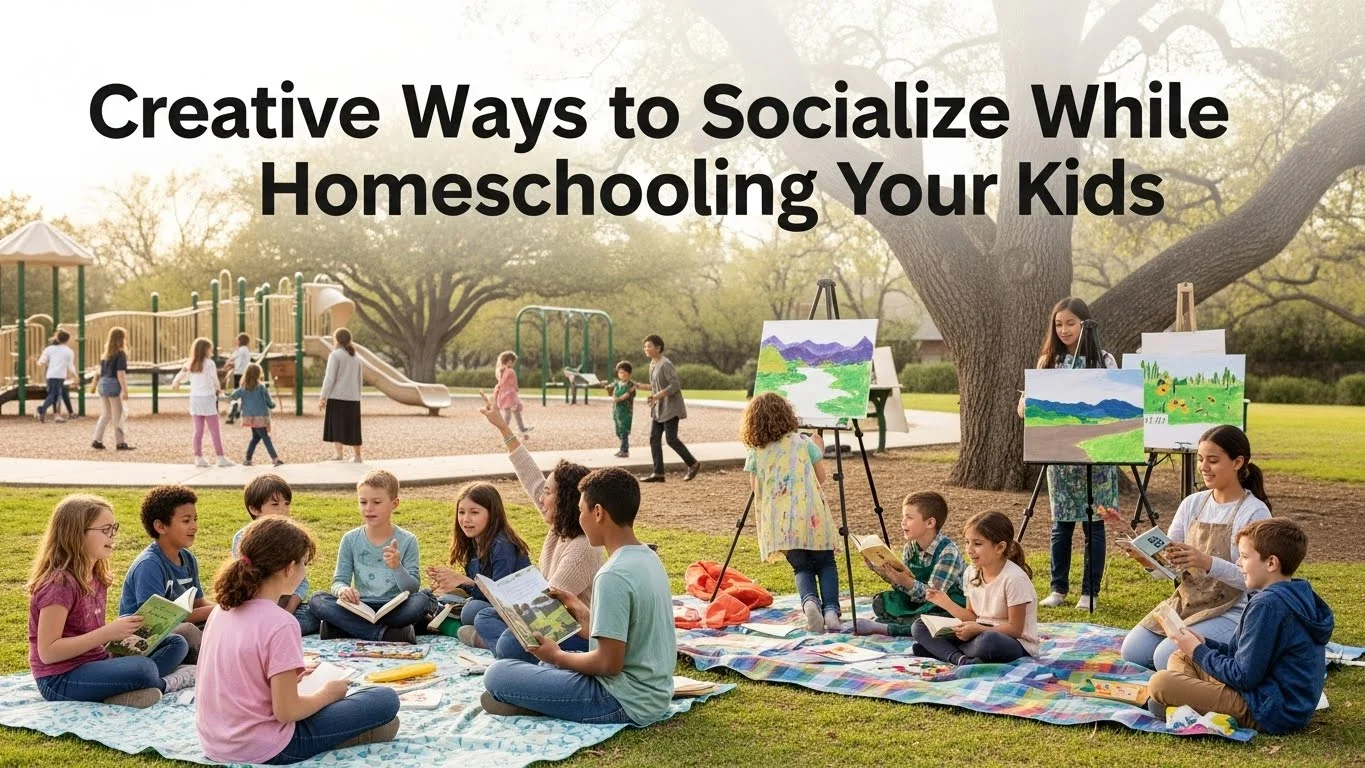
Understanding the Importance of Socialization in Homeschooling
When I first embarked on the homeschooling journey with my kids, I quickly realized that socialization is just as crucial as the academic side of things. I remember feeling a mix of excitement and concern about how my children would interact with others outside our home. It became clear to me that fostering social skills and relationships must be a priority. Socialization does not just happen in a classroom; it’s essential to create opportunities for my kids to interact with peers and the world around them.
Benefits of Social Interaction for Kids
Social interaction plays a vital role in children’s development. I’ve noticed that when my kids engage with others, they learn vital life skills like communication, empathy, and teamwork. For instance, during a playdate, I witnessed my son share his toys, which felt like a huge win for his developing sense of empathy. Kids learn to navigate relationships, resolve conflicts, and build confidence in social settings. These experiences can significantly impact their emotional health and overall well-being.
Moreover, socialization can enhance learning. I’ve found that when my children discuss subjects with their peers, they often gain new perspectives and insights that enrich their understanding. This has been particularly evident during group projects, where collaboration opens doors to creativity and innovation. Read Interesting article: Create an Engaging Homeschool Curriculum on a Budget
Challenges of Socialization in a Homeschooling Environment
However, I also encountered challenges. It’s easy for homeschooling families to slip into a routine where socialization takes a back seat. I remember weeks where our schedule was packed with lessons, and suddenly, I realized my kids hadn’t seen friends in days. This lack of interaction can lead to feelings of isolation, both for kids and parents. I often found myself worrying about whether my children were missing out on essential social experiences that traditional schooling naturally provides.
Another challenge I noticed was the misconception that homeschooled kids are socially awkward or lack social skills. This stereotype can make it difficult to connect with other families. I’ve had to remind myself that social opportunities are available; we just need to be proactive in seeking them out. I realized that creating a supportive network is essential for navigating these challenges successfully.
Creative Socialization Strategies for Homeschooling Families
To address these challenges, I began exploring creative socialization strategies that would ensure my children had plenty of opportunities to connect with others. It’s been a rewarding journey, and I’ve discovered various effective methods along the way.
Forming Homeschool Co-ops
One of the first things I did was to look into forming or joining a homeschool co-op. This idea was appealing because it provides a built-in community of families with similar values and goals. In our case, we teamed up with other homeschooling families in our area to share resources, plan lessons, and offer group activities. Each family brought unique strengths and perspectives, transforming our learning experience.
These co-ops often meet regularly, which allows kids to interact, collaborate on projects, and even participate in fun field trips. I’ve seen my kids thrive in this environment, gaining friendships while learning in a more dynamic and engaging way.
Organizing Playdates and Group Activities
Another strategy that worked well for us was organizing playdates and group activities. I began reaching out to other homeschooling parents and proposed regular meet-ups at local parks or homes. These playdates not only gave the kids a chance to socialize but also allowed us parents to connect and share resources. I’ll never forget the first playdate we hosted; the laughter, games, and shared snacks created a wonderful atmosphere of camaraderie.
Group activities can range from simple outings to more structured events like a science fair or art showcase. I found that involving the kids in the planning process made them even more excited about these events. They learned valuable skills in teamwork and leadership while forging friendships in the process.
Utilizing Community Resources
We also tapped into community resources to enhance our socialization efforts. From my experience, local resources can be a goldmine for meeting new friends and exposing kids to different environments.
Public Libraries
Public libraries often host events for children, including story hours and craft sessions. I started taking my kids to these events, and they quickly made friends with other kids who shared their interests. It was a joy to see them bonding over books and stories.
Museums and Cultural Institutions
Many museums offer family days or educational programs where children can learn while interacting with their peers. Visiting a science museum not only sparked my kids’ curiosity but also allowed them to engage with other children during hands-on exhibits. We often left these places with new friends and a wealth of shared experiences.
Parks and Recreation Centers
Community parks and recreation centers usually have activities like sports, summer camps, or classes. We signed up for various programs, which provided opportunities for my kids to meet others in a relaxed setting. It was fun to watch them engage in games, make new friends, and develop skills while having a blast.
These strategies not only helped my children build friendships but also enriched our homeschooling experience. I felt a weight lift off my shoulders as I realized that socialization could seamlessly blend into our daily routines, making learning an even more enjoyable adventure.
Incorporating Technology for Social Interaction
As we dove deeper into our homeschooling journey, I realized that technology could be a powerful ally in fostering social interaction. With the world becoming increasingly digital, I found various ways to leverage online platforms to connect my kids with others, enriching their social experience.
Virtual Meetups and Online Classes
I started exploring virtual meetups and online classes as a means to connect my kids with peers from around the country—or even the world! It was surprising to see how many organizations offered virtual classes on everything from science to art, where kids could interact in real-time. My children attended a few online art classes, and I watched as they engaged with fellow students, sharing their work and providing feedback. The excitement in their voices when they talked about their new friends was heartwarming.
We also participated in various virtual meetups organized by homeschooling networks. These gatherings allowed kids to play games, discuss books, and even participate in group projects from the comfort of our home. I found that these online experiences not only provided social interaction but also helped my children become more comfortable with technology, which I believe is a crucial skill for their future.
Using Social Media Platforms for Connection
Another avenue I explored was social media. I know that it can be a mixed bag, but I carefully monitored and guided my kids in using platforms specifically designed for families and homeschooling communities. Joining online groups on Facebook or forums dedicated to homeschooling offered both my children and me a chance to connect with like-minded families. Through these groups, we found playgroups, co-ops, and even collaborative projects. I felt reassured that my kids would benefit from interacting with others who shared similar interests and values.
We also used messaging apps to set up group chats with other homeschooling families. This way, I could facilitate discussions and organize group activities, making it easier for our kids to bond over shared experiences outside of formal settings. I remember one instance when my daughter started a book club with friends from our online group. They would chat about their favorite stories and even host video calls to discuss new books they were reading. It was a joy to see her enthusiasm and connection with others through shared interests.
Online Gaming and Group Activities
While it might seem unconventional, I discovered that online gaming could provide meaningful social interaction. My kids enjoy games that require teamwork and strategy, like Minecraft and Roblox. I found that these platforms not only allowed them to play but also to collaborate and communicate with other players. They would work together to build structures, complete challenges, or even just hang out in a digital world. I noticed how these gaming sessions led to discussions about teamwork, creativity, and problem-solving, all while expanding their social circles.
We also sought out educational games that had multiplayer options. For example, some platforms offered trivia games or science challenges that kids could participate in as teams. I loved watching my children strategize and cheer each other on, and it made me realize that social interaction could emerge from settings I had never considered before. The laughter, cheers, and even the friendly competition brought a unique joy to our home.
Extracurricular Activities That Promote Socialization
In addition to technology, I found that traditional extracurricular activities could play a significant role in socialization. It was essential to provide my kids with opportunities to engage in activities outside of our home, and I was thrilled to see how these experiences helped them connect with others.
Sports Teams and Clubs
One of the first things we did was sign up for local sports teams. My son joined a soccer team, and I can’t express how much joy it brought him. Not only did he get to learn a new sport, but he also made friends who shared a common interest. The camaraderie developed during practices and games was fantastic, and I could see him growing in confidence as he bonded with his teammates. It was a great way for him to learn about teamwork and sportsmanship, which are vital life skills.
We also looked into clubs centered around different interests, such as chess, robotics, or even gardening. These clubs provided a structured environment where my kids could meet others who enjoyed similar hobbies. I remember attending a robotics club meeting and watching my daughter collaborate with other kids to create a project. The excitement in the room was palpable, and it reinforced the idea that socialization often happens through shared passions.
Art and Music Classes
Art and music classes were another avenue we explored. I signed my kids up for a local art class that not only focused on creativity but also encouraged kids to work together on projects. I noticed that they thrived in this environment, sharing ideas and supporting one another. The friendships they formed in these classes added another layer to their social skills, giving them the chance to express themselves artistically while bonding with peers.
For music, we joined a community choir, which turned out to be a fantastic experience. Singing together created a sense of unity, and the kids learned about working as a team to create something beautiful. It was heartening to see them build friendships through shared musical experiences, leading to connections that extended beyond the classroom.
Community Service Projects
Lastly, we got involved in community service projects. I felt that participating in meaningful activities that help others would not only be a great way to socialize but also instill values of empathy and teamwork. We volunteered at local food banks and participated in neighborhood clean-ups. These experiences allowed my kids to meet others in the community while learning the importance of giving back. I found that working together for a cause cultivated friendships rooted in shared values, which I believe are essential for their development.
These extracurricular activities expanded our social horizons and enriched our homeschooling experience. I found joy in watching my children grow and develop their social skills in diverse and engaging settings. Each activity was an adventure, and I cherished every moment spent supporting their connections and friendships.
Creative Homeschooling Activities That Encourage Social Skills
In my quest to ensure my children developed strong social skills, I discovered that creative homeschooling activities could play a key role. These activities not only promote learning but also foster teamwork, communication, and friendship among kids. I found that incorporating fun, interactive projects into our routine made socialization feel natural and engaging.
Group Projects and Collaborative Learning
One of the most impactful strategies we implemented was group projects. I remember organizing a science fair at our co-op, where each child worked with a partner or small group. They chose topics that excited them and collaborated to create presentations. Watching them brainstorm and divide tasks was enlightening. They learned to express their ideas, listen to others, and compromise on decisions. I often found myself amazed at how much they grew in confidence as they shared their projects with peers and parents alike.
We also tackled collaborative learning experiences, where kids would team up to explore subjects together. For instance, we organized a history research project where each child focused on different historical figures. They not only learned from their own research but also from their friends’ presentations. I noticed that sharing knowledge in this way encouraged them to ask questions and engage in discussions, nurturing their curiosity and social skills simultaneously.
Role-Playing and Dramatic Play
Another favorite of ours was role-playing and dramatic play. I often set up scenarios where my kids could step into different roles. Whether it was pretending to be characters from their favorite books or acting out scenes from history, these activities encouraged creativity and teamwork. I remember one afternoon when we transformed our living room into a theater, complete with costumes and props. The laughter and excitement were infectious as they acted out a play they had created together.
Through drama, my children learned to express emotions and work collaboratively. They practiced important skills like negotiation when deciding how to portray their characters and how to handle conflicts that arose during their plays. It was rewarding to see them develop a deeper understanding of empathy as they embodied different perspectives in their performances.
Cooking and Baking Together
Cooking and baking also turned out to be fantastic avenues for socialization in our homeschooling routine. I started including my kids in meal prep, and it quickly became one of our favorite family activities. Each week, we would select new recipes to try together. I found that cooking required communication and teamwork, as they had to work together to measure ingredients and follow cooking techniques.
During these sessions, I encouraged them to discuss their favorite foods and traditions from around the world, which led to lively conversations. Not only did they learn valuable cooking skills, but they also practiced patience and cooperation. I remember one time when my daughter and son decided to bake cookies for their friends. They worked together to create a beautiful batch, and the joy on their faces when they delivered those cookies to neighbors was priceless. It was a sweet reminder of how socialization can happen in the simplest of activities.
Field Trips as a Socialization Tool
Field trips became a significant part of our homeschooling adventure. I found that getting out into the community not only provided educational experiences but also ample opportunities for social interaction. Planning these excursions became a family activity, and I loved seeing my kids excited about our outings.
Planning Educational Field Trips
We often visited local museums, zoos, and historical sites. I would involve my kids in the planning process by discussing where they wanted to go and what they hoped to learn. This involvement made them feel more invested in the experience. On one memorable trip to a science museum, they participated in a workshop where they collaborated with other homeschoolers to create a small project. The excitement in the air was palpable as they shared ideas and made new friends, all while learning about science in an interactive setting.
Joining Local Homeschool Field Trip Groups
Additionally, we joined local homeschool field trip groups that organized regular outings. These groups became a lifeline for socialization, as they allowed us to connect with other homeschooling families. I remember one field trip to an apple orchard where kids engaged in activities like picking apples and participating in a cider-making workshop. They not only had a blast but also formed friendships that lasted beyond that single day. It was incredible to see friendships blossoming in such a relaxed and enjoyable environment.
Field trips became cherished moments for us, blending education and socialization seamlessly. As I watched my children explore the world around them, I felt grateful for the opportunities to learn and grow together, making memories that would last a lifetime.
Networking with Other Homeschooling Families
As we continued our homeschooling journey, I realized the importance of networking with other homeschooling families. Building connections with others not only provided support but also opened doors to new opportunities for socialization.
Finding Local Homeschool Groups
In my search for community, I discovered various local homeschooling groups that connected families with similar interests. I joined a few, and it was a game-changer. Through these groups, we found co-ops, playdates, and events that enriched our homeschooling experience. I remember attending a local gathering where families shared resources, lesson plans, and experiences. It was refreshing to connect with others who understood the unique challenges and joys of homeschooling.
Our local group organized potlucks, field trips, and even group classes. I found it particularly valuable for my kids to interact with a diverse group of peers, where they developed friendships and learned from each other. The sense of community was comforting, and I often felt inspired by the creativity and dedication of other homeschooling families.
Attending Homeschool Conferences and Workshops
We also took the opportunity to attend homeschooling conferences and workshops. These events provided not only valuable educational resources but also a platform to meet other families. I remember attending a conference where I engaged with inspiring speakers and participated in workshops that offered innovative teaching methods. Connecting with other parents during breaks led to meaningful conversations about socialization strategies, and I walked away with fresh ideas and new friends.
These networking experiences have been vital in my homeschooling journey, fostering not just friendships for my children but also support for myself as a homeschooling parent. It’s a reminder that we are not alone in this adventure; there’s a whole community of families navigating the same path.
Balancing Socialization and Academics
As I navigated the world of homeschooling, I soon realized the importance of finding a balance between socialization and academics. I believe that both aspects are crucial for a well-rounded education, and creating a structured approach helped us achieve that balance.
Creating a Structured Schedule
To ensure that my children received ample socialization while also focusing on their studies, I implemented a structured schedule. I found it helpful to incorporate designated time for both academic subjects and social activities. For instance, we would dedicate mornings to lessons and then reserve afternoons for group activities or outings. This structure provided clarity and helped my kids look forward to both learning and socializing.
By planning our week ahead of time, I could ensure that we included a variety of social opportunities. Whether it was a playdate, co-op meeting, or a field trip, having a schedule made it easier to prioritize social interactions without compromising academic progress.
Setting Goals for Social Interaction
I also started setting specific goals for social interaction. Each week, I would encourage my children to identify at least one social activity they wanted to pursue. This could be something as simple as inviting a friend over or attending a local event. By empowering them to take the initiative, I noticed they developed confidence in seeking out social opportunities. It became a fun challenge for us, and I loved seeing their excitement as they accomplished their social goals.
Through these strategies, I found a harmonious balance between academics and socialization. It was rewarding to witness my children thrive in both areas, creating a rich and fulfilling homeschooling experience that nurtured their growth.
Frequently Asked Questions
What is the importance of socialization in homeschooling?
Socialization is crucial in homeschooling as it helps children develop vital life skills like communication, empathy, and teamwork. It also enhances their emotional health and overall well-being by allowing them to navigate relationships and build confidence in social settings.
What are some benefits of social interaction for kids?
Social interaction aids in learning by providing new perspectives and insights, especially during group projects. It also fosters emotional health by helping children build friendships, resolve conflicts, and develop a sense of empathy.
What challenges do homeschooling families face regarding socialization?
Homeschooling families may struggle with routines that neglect socialization, leading to isolation. There’s also a misconception that homeschooled children are socially awkward, which can hinder connections with other families.
How can homeschooling families create social opportunities?
Families can create social opportunities by forming or joining homeschool co-ops, organizing playdates and group activities, utilizing community resources like libraries and parks, and engaging in extracurricular activities.
What role does technology play in homeschooling socialization?
Technology can facilitate social interaction through virtual meetups, online classes, and social media platforms that connect kids with peers. Online gaming can also provide collaborative experiences that promote teamwork and communication.
What types of extracurricular activities promote socialization for homeschoolers?
Extracurricular activities such as sports teams, clubs, art and music classes, and community service projects offer structured environments for children to meet others and develop social skills while engaging in shared interests.
How can creative homeschooling activities encourage social skills?
Creative homeschooling activities like group projects, role-playing, and cooking together encourage teamwork, communication, and friendship, making socialization feel natural and engaging for children.
What are effective strategies for planning field trips for homeschoolers?
Effective strategies include involving children in the planning process to increase their investment in the experience and joining local field trip groups to connect with other homeschooling families for social interaction.
How can networking with other homeschooling families benefit socialization?
Networking with other homeschooling families provides support and opens doors to new social opportunities, such as co-ops, playdates, and group activities, enhancing the overall homeschooling experience.
What strategies can help balance socialization and academics in homeschooling?
Creating a structured schedule that designates time for both academics and social activities, as well as setting specific social interaction goals for children, helps achieve a harmonious balance between the two.